The Writer’s Guide to Entering & Exiting a Harbor


Sailing ships entering and exiting harbors relied on a combination of wind power, currents, and manual labor. The techniques and procedures varied depending on the size of the ship, prevailing wind and tide conditions, and the design of the harbor. Here is a general overview of how sailing ships entered and exited harbors.
As always, magic is the exception to the rule. Because magic.
Entering Harbor
The crew of the ship would use maps, instruments (like sextants), and landmarks to find their way to the harbor.
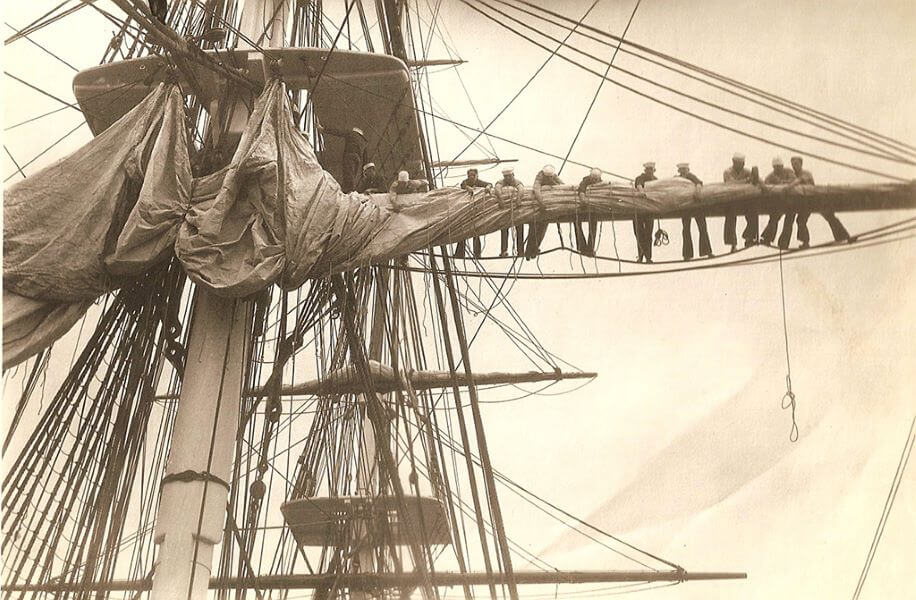
As the ship approached the harbor entrance, the crew would reduce sail by furling or lowering some sails. This reduced the ship’s speed and made it more maneuverable.
The anchor would be ready to drop in case of emergencies or if the ship needed to come to a stop quickly.
Many times, local pilots familiar with the harbor would come on board to guide the ship safely through the narrow and often treacherous entrance. Pilots had specialized knowledge of the harbor’s currents, tides, and hazards.
Depending on the wind direction and the layout of the harbor, the crew would use various techniques to maneuver the ship. These might include tacking (changing the direction of the ship by turning it into and across the wind) or wearing ship (changing direction by turning away from the wind). In the time before motorized vessels, sailors would use row boats to pull ships into harbor. Later, they would fill this role with tugboats. Another method they used was to let out the anchor, load it onto a rowboat, and drop it further out in the direction they wished to go. They would then weigh anchor, pulling the ship towards it. Sailors commonly took advantage of the incoming tides to push their ships into the harbor.
The ship’s crew and harbor authorities would communicate using signal flags, semaphore, or other means to coordinate the ship’s entry.
Once safely inside the harbor, the ship would drop anchor and secure it to the seabed to prevent drifting. They often did this with manual capstans or windlasses. They would also secure the ship to the dock using ropes that were tied to cleats on the dock and sturdy points on the ship. Typically, sailors used three lines: a bowline, a stern line, and a spring line. These lines were tight enough to prevent the boat from drifting too far, but slack enough to allow it to move with the tide and wind.

Exiting Harbor
To leave the harbor, the ship’s crew would “weigh anchor,” which meant raising the anchor from the seabed. This required the use of capstans or windlasses powered by the crew’s muscle.

Once they had secured the anchor, the crew would set the sails. The configuration of sails depended on the wind direction and the ship’s desired course.
The ship’s crew would plan their route out of the harbor, considering the wind and tide conditions. They would aim to avoid obstacles and other vessels.
Like entering the harbor, the crew would use various sailing maneuvers to navigate through the harbor entrance. The crew had to balance the speed and direction of the ship with care to avoid collisions and ensure a safe exit. Sailors used the same methods applied to bring a ship into harbor in reverse to exit the harbor.
Sometimes, a harbor pilot might continue to guide the ship out of the harbor to ensure a safe departure.
Once the ship had safely navigated the harbor entrance, it would set its course for its intended destination, adjust its sails as necessary, and resume its journey under wind power.
These procedures required skilled seamanship, teamwork, and a deep understanding of the local conditions. Bad weather, strong currents, or crowded harbors can make entering and exiting difficult.
I hope this was helpful. Let me know if you have questions or suggestions by using the Contact Me form on my website or by writing a comment. I post every Friday and would be grateful if you would share my content.
If you want my blog delivered straight to your inbox every month along with exclusive content and giveaways, please sign up for my email list here.
Let’s get writing!
Copyright © 2023 Rebecca Shedd. All rights reserved.
 Rebecca Shedd - Author