Introduction to Worldbuilding


Fantasy literature transports readers to unimaginable realms, where they can escape reality and embark on epic quests, encounter mythical creatures, and explore magical lands. The key to the magic of these stories lies in creating fantasy worlds that are immersive, believable, and awe-inspiring. These realms become characters in their own right. The art of worldbuilding that captivates and inspires readers is what we’ll explore over this year. Worldbuilding is essential for crafting immersive stories, whether you’re an aspiring writer or a fan of fantasy.
To create a believable and engaging setting, you must start with a solid foundation. Here are some key considerations when crafting your world. I will be exploring all these topics in greater depth over the next year.
Creating a Believable Setting
Begin with the basics.
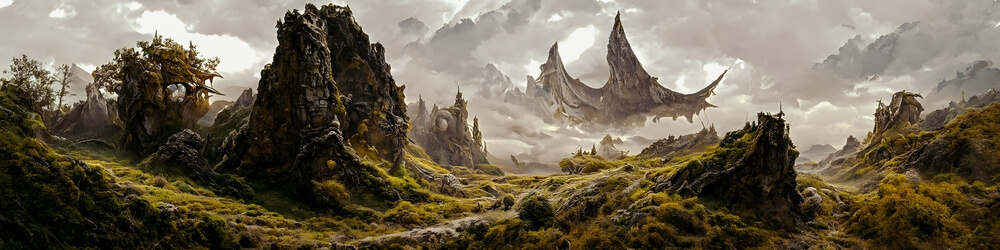
Geography and Topography – What is the lay of the land? Consider the physical features—mountains, rivers, forests, deserts—that make up your world. Are there vast underground caverns, lost cities, or labyrinthine catacombs? How do these elements affect the climate, ecosystems, and the civilizations that inhabit them?
Climate and Weather – Weather plays a crucial role in setting the tone of your world. Think about seasonal changes, unusual weather patterns, and their impact on agriculture, travel, and daily life. Weather patterns and seasonal changes influence the behavior of flora and fauna. These factors also affect how your world’s civilizations have developed.
Flora and Fauna – Populate your world with a diverse range of plants and creatures. Consider their adaptations to the environment and their role in your world’s ecosystem.
History and Lore
Every fantasy world has a history filled with legendary wars, iconic heroes, and world-altering events. Create a detailed history and lore for your world.
Historical Events and Conflicts – Think about pivotal moments in your world’s past. These events can shape your cultures and inform your characters and their motivations. They can also impact the political landscape.
Races and Species
Whether your world is populated by humans, mythical creatures, or a mix of both, give careful thought to its inhabitants.
Creating Diverse Races – Do you want different races and species with unique characteristics and histories in your world? Consider how these races interact and what conflicts or alliances may arise.
Cultural Diversity
In a well-rounded fantasy world, cultures add richness and depth to your setting.
Languages and Linguistics – Develop distinct languages for different cultures, with their own scripts and dialects. Language can be a powerful tool for worldbuilding.
Religions and Belief Systems – Explore the religions in your world. Are there pantheons of gods, monotheistic faiths, or animistic beliefs? How do these religions influence daily life and morality? If there are multiple religions in your world, how do the followers of different faiths interact with each other? Are they peaceful or antagonistic?
Political Systems and Factions – The political landscape of your world can be as intricate as its cultures. Are there kingdoms, empires, or city-states? Are there power struggles, alliances, or wars on the horizon? Political intrigue can be a rich source of conflict and plot.
Cultural Traditions and Rituals – What traditions and rituals exist in the cultures of your world? Explore how geography, climate, and history have affected culture. Cultural aspects encompass literature, gender roles, social institutions like marriage and education, superstitions, and more.

Economy and Trade: The Lifeblood of Your World
Economic systems play a vital role in shaping your world’s societies and conflicts.
Economic Systems – How do people earn a living? What is the currency, and how is wealth distributed? Resources are also critical factors to consider.
Trade Routes and Commerce – Think about the trade routes that crisscross your world. How do they influence cultural exchange and the flow of goods?
Technology and Advancements – Determine the level of technology in your world. Is it a medieval society with swords and horses, or is it a technologically advanced world with steam-powered contraptions? Technology influences every aspect of life, from transportation to communication.
The Magic of Magic Systems
Magic is often a central element of fantasy worlds, and its form is a vital thread in the fabric of your setting.
Magic Rules and Limitations – Establish clear rules for how magic operates in your world. Is it bound by specific laws? Are there limits to its power? Is it something that comes naturally or do people need to be taught and practice it to become skilled? Is magic taught in formal academies, through apprenticeship, or by personal trial and error? This not only adds depth but also provides opportunities for conflict and growth.
Types of Magic Users – Define the various magic users, from wizards and sorcerers to witches and warlocks. Explore their unique abilities and how they fit into the broader society. Are magic users powerful people in the government and society or are they feared and hunted?
Cultural Influence – Consider how different cultures within your world approach and interact with magic. Is it revered, feared, or a closely guarded secret? How do these beliefs shape the world’s politics and religions?
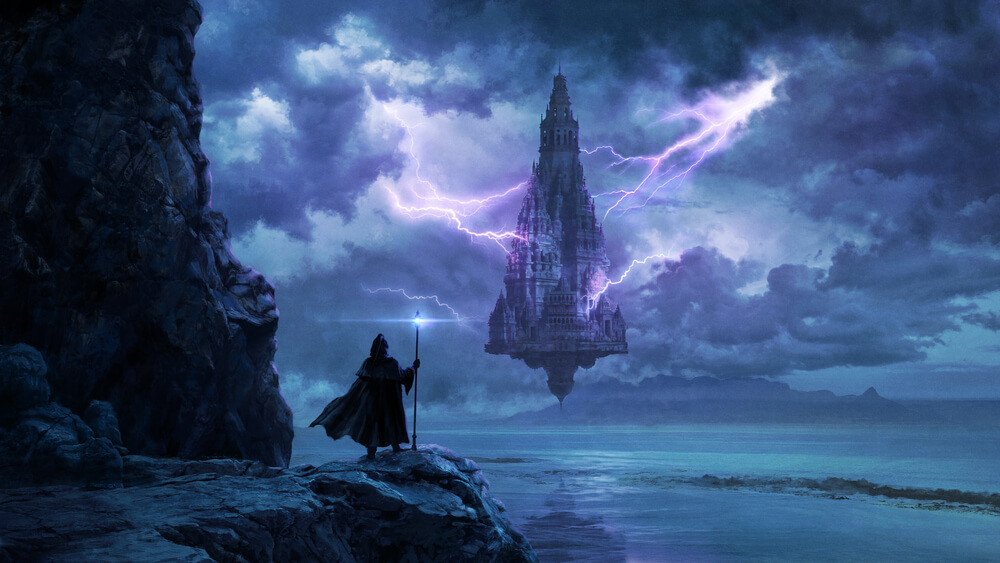
Hidden Realms – Are there hidden realms in your world accessed through portals, magical gateways, or ancient artifacts? These can be realms of wonder, danger, or both.
The Art of Visualizing: Creating Maps and Geography
Maps and visual aids are invaluable for both writers and readers. They provide a tangible sense of your world’s geography and help orient the reader.
Sketching Maps – Create maps of your world, whether it’s a single continent or an entire cosmos. Maps help you keep track of locations and distances, ensuring consistency throughout your narrative.
Visual Aids – Consider using visual aids like sketches, diagrams, or 3D models to help readers picture key places, objects, and creatures.
Building Worlds for Different Fantasy Subgenres
Different subgenres of fantasy require unique worldbuilding approaches.
Worldbuilding for High Fantasy – Embrace the epic and the mythical. High fantasy often features sweeping landscapes, legendary artifacts, and world-altering events.
Worldbuilding for Urban Fantasy – Blend the magical with the mundane. Urban fantasy typically places fantastical elements in a contemporary urban setting.
Worldbuilding for Steampunk – Give your world a Steampunk touch by incorporating Victorian aesthetics, steam-powered machinery, and an industrial revolution atmosphere.
Characters in Your World: Integration and Impact
Characters are the lens through which readers explore your world. The world shapes their backgrounds and experiences they inhabit.
Character Integration – Ensure that you seamlessly integrated your characters into the world. The culture, politics, and history of the world they live in should influence their personal stories.
Reader Engagement – Engage your readers by immersing them in your world. Use descriptive language and character experiences to make the setting come alive.

Fantasy worldbuilding takes time, creativity, and careful consideration. Each facet of your world, from its geography and cultures to its magic systems and mythical creatures, contributes to the spectacle of your story. Remember that your goal is to transport your readers to a realm of wonder and adventure, where the boundaries of reality fade away, and the possibilities are limited only by your imagination. Happy worldbuilding!
I hope this was helpful. Let me know if you have questions or suggestions by using the Contact Me form on my website or by writing a comment. I post every Friday and would be grateful if you would share my content.
If you want my blog delivered straight to your inbox every month along with exclusive content and giveaways, please sign up for my email list here.
Let’s get writing!
Copyright © 2024 Rebecca Shedd. All rights reserved.
 Rebecca Shedd - Author