The Worldbuilder’s Toolkit: Crafting Maps
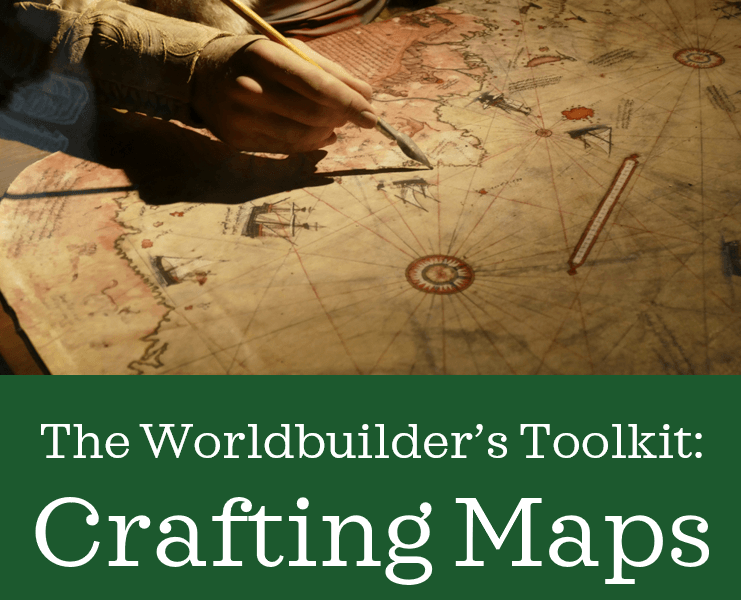

Designing maps for fictional worlds is an integral part of the world building process, offering a visual gateway into the landscapes, cultures, and adventures of your narrative. Whether charting a single continent or mapping an entire cosmos, the art of cartography for fantasy and sci-fi realms involves a delicate balance between creativity and realism. In this guide, I’ll explore the intricacies of creating realistic maps, from analyzing story elements to using mapping resources and tools. I’ll also navigate through common pitfalls, mapping software, sketching techniques, and essential elements for crafting comprehensive and immersive world maps.
Analyzing Story Elements for Map Design
Begin by analyzing your story’s elements—its plot, themes, and cultures. Identify geographical features that are integral to the narrative, whether they facilitate character journeys, symbolize themes, or drive the plot forward.
Decide which geographical elements are essential or helpful for your story’s progression. Coastal cities for maritime trade, mountain ranges that divide kingdoms, or rivers that flow through ancient civilizations—select features that align with your narrative.
Consider the cultural and historical implications of geographical locations. Place settlements in logical places, such as near water sources, along trade routes, or in strategic positions for defense.
Creating Realistic Maps
Begin by drawing preliminary sketches on paper to develop the geography of your world. Use mapping software or websites like Inkarnate, Wonderdraft, or Campaign Cartographer for detailed digital maps.
Pay attention to realism. Avoid errors like rivers flowing uphill, unrealistic mountain placement, or improbable land formations. Mountains typically form along fault lines, while rivers flow from high to low elevations.
Place settlements logically—near water bodies, fertile land, or natural resources. Consider the terrain’s impact on settlements’ sizes and the cultures that may develop in diverse landscapes.
Essential Map Elements
Scale Marker -Provide a scale to show distances accurately.
Symbols – Use consistent symbols for mountains, forests, cities, and other landmarks.
Typography – Choose readable fonts for labels and descriptions.
Projection Style – Decide on a map projection style that suits your world’s shape and size.
Compass Rose – Include a compass rose for orientation.

Mapping Resources and Tools
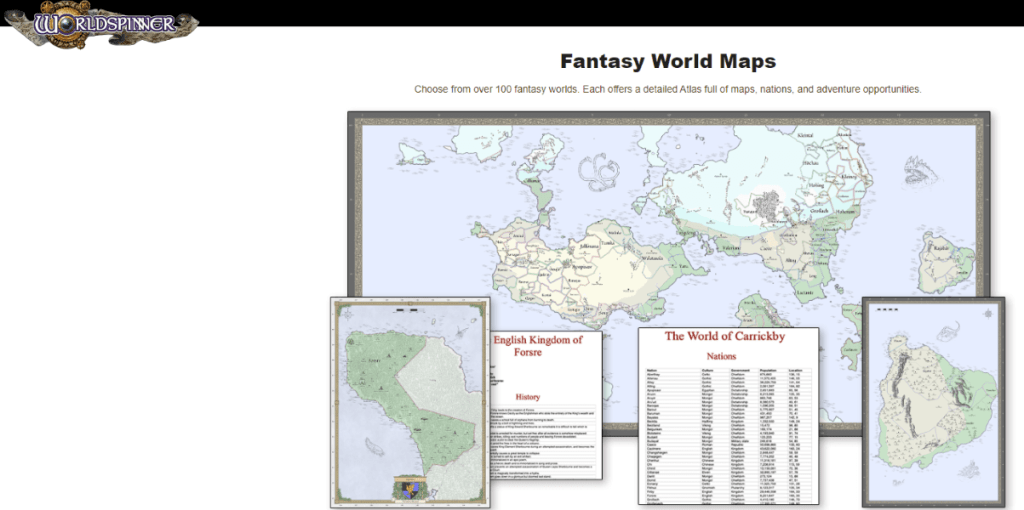
Explore online resources like Cartographer’s Guild, Worldspinner, or Azgaar’s Fantasy Map Generator for tutorials, templates, and community support.
Invest time in learning mapping software such as ArcGIS, Photoshop, or GIMP for detailed and professional map creation.
Take advantage of tutorials and guides available online. Websites like Fantastic Maps or YouTube channels like WASD20 offer tips and tutorials for map creation.
Crafting Realistic and Detailed Maps
Start with the broad strokes of continents or worlds, then zoom in to add finer details like cities, rivers, mountain ranges, and forests. Layering detail creates depth and complexity.
Maintain consistency in scale, style, and naming conventions across your map. Names of cities and settlements can also be a way to add cultural flare to your world. Consider how geographical elements interact and influence each other for a more realistic portrayal.
Maps are iterative creations. Continuously refine and revise your maps based on feedback, research, and your growing understanding of your world.

Designing maps for fictional worlds is a captivating journey that blends imagination with precision. By analyzing story elements, using mapping resources, avoiding common pitfalls, and incorporating essential map elements, you can craft immersive and realistic maps that breathe life into your world. Sketching on paper or employing mapping software allows for the manifestation of your vision, while attention to detail and logical placement of geographical features enriches the narrative tapestry. Embrace the art of cartography as you chart the uncharted, guiding readers on adventures through the rich landscapes of your imagined realms. Happy worldbuilding!
I hope this was helpful. Let me know if you have questions or suggestions by using the Contact Me form on my website or by writing a comment. I post every Friday and would be grateful if you would share my content.
If you want my blog delivered straight to your inbox every month along with exclusive content and giveaways, please sign up for my email list here.
Let’s get writing!
Copyright © 2024 Rebecca Shedd. All rights reserved.
 Rebecca Shedd - Author