The Worldbuilder’s Toolkit: Races & Species
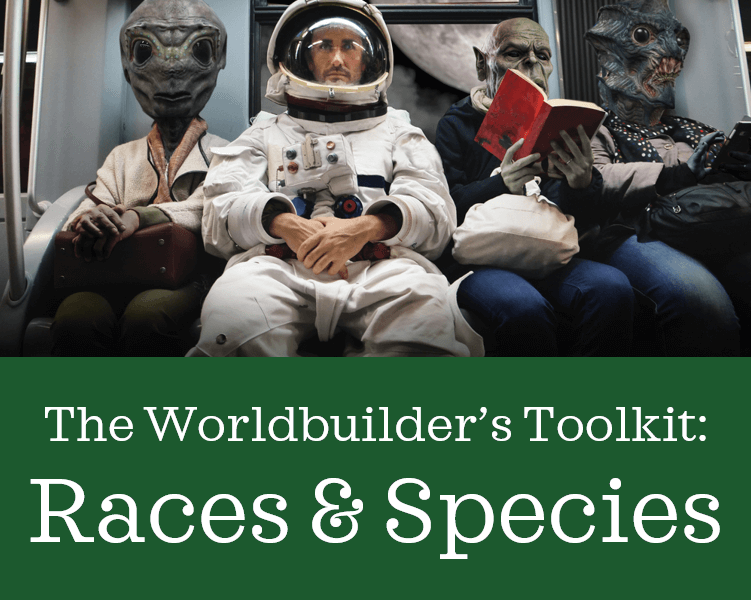

In the vast realms of fantasy and science fiction, the creation of sentient races and species is a cornerstone of worldbuilding. These diverse inhabitants, ranging from elves and dwarves to extraterrestrial beings, enrich your narrative, offering unique perspectives, cultures, and histories. In this guide, I’ll explore the nuances of creating races and species, drawing inspiration from real-world cultures and animals, and providing practical tips for crafting believable and engaging inhabitants for your fictional worlds.
Races vs. Species
In fantasy and science fiction, “races” typically refer to different groups of beings within a single species, often distinguished by physical characteristics, cultural traits, and societal structures. For example, elves and dwarves in fantasy literature are different races of the humanoid species.
“Species” refers to distinct biological classifications of sentient beings with significant genetic differences, often occupying different ecological niches or originating from separate evolutionary paths. For instance, in science fiction, species such as the Galanthi in “The Nevers” are distinct species with their own unique physiology and culture.
Some writers combine races and species to create a diverse array of inhabitants. For example, a fantasy world might feature humanoid races such as elves and orcs alongside sentient animal species like talking dragons or anthropomorphic creatures.

Historical Context: The Evolution of Races and Species in Fiction
The concept of sentient races and species has a rich history in both fantasy and science fiction literature.
Fantasy literature has long featured iconic races such as elves, dwarves, and orcs, drawing inspiration from mythologies, folklore, and literary traditions. Tolkien’s Middle-earth, with its diverse array of races, set the standard for many subsequent fantasy worlds.
In science fiction, authors have imagined a plethora of extraterrestrial species, each with its own unique biology, culture, and society. Works like Star Wars and Star Trek have introduced audiences to memorable species such as Wookiees, Klingons, and Twi’leks, showcasing the vast diversity of sentient life in the cosmos.

Drawing Inspiration: Real-World Cultures and Animal Species
To create rich and believable races and species, drawing inspiration from real-world human cultures and animal species can be invaluable.
Explore the diverse cultures, traditions, and histories of real-world civilizations. Consider how you can weave elements of different cultures, from architecture to mythology, into your fictional races and species.
Study the adaptations of real-world animal species to various environments and ecological niches. Draw inspiration from their physical attributes, behaviors, and social structures to create unique and believable sentient species in your world.
Crafting Races and Species for Your Story
Brainstorming ideas for races and species requires imagination and creativity.
Experiment with different physical forms for your races and species, ranging from humanoid to multi-legged, winged, or even ethereal beings composed of energy. Each form offers unique opportunities for cultural and societal development.
Think about the environments in which your races and species developed and how they have adapted to thrive in these conditions. Consider the impact of factors such as climate, geography, and resources on their biology and culture.
In fantasy worlds, magic can play a significant role in shaping the biology and abilities of sentient beings. Consider how magical forces have influenced the evolution and development of your races and species, granting them unique powers or vulnerabilities.

Cultural Impacts: Form, Abilities, and Values
The form and abilities of your races and species can profoundly influence their culture, values, and history.
The physical attributes of a race or species, such as strength, agility, or sensory abilities, can shape their societal roles and cultural practices. For example, a winged race may prioritize flight and aerial combat in their cultural traditions.
Races with inherent magical abilities may develop intricate magical systems and rituals as integral aspects of their culture. Consider how you can weave elements of different cultures, from architecture to mythology, into your fictional races and species.
Consider how the unique abilities and limitations of your races and species have influenced their interactions with other groups and their place in the world’s history. Conflicts, alliances, and cultural exchanges can be traced back to these formative traits.
The Writer’s Toolkit
Consistency – Maintain consistency in the traits, behaviors, and cultural norms of your races and species throughout your narrative.
Avoid Stereotypes – Strive to avoid simplistic stereotypes when creating races and species. Instead, focus on developing multidimensional characters with diverse motivations and personalities.
Research – Take the time to research real-world cultures and biological adaptations to enrich the depth and authenticity of your fictional inhabitants.
Consider Diversity – Just as human societies are diverse, so too should your fictional races and species be. Explore variations within groups, including differences in appearance, beliefs, and customs.
Embrace Complexity – Embrace the complexity of sentient beings by exploring the nuances of their relationships, conflicts, and cultural evolution.
Fictional Example: The Luminescent Sylphs of Etherea
Nestled among swirling nebulae and celestial bodies, dwells a race of beings known as the Luminescent Sylphs. These graceful and otherworldly creatures are beings of pure energy, their forms shimmering with iridescent hues that shift and dance like the auroras of distant worlds. They possess slender, elongated bodies, adorned with ethereal wings that flutter with the soft glow of starlight. Their luminous eyes, pools of liquid light, convey a sense of wisdom and serenity.
Gifted with the innate ability to manipulate cosmic energies, the Luminescent Sylphs possess a mastery of light and sound. They can weave intricate patterns of energy, creating dazzling displays of auroras and harmonious melodies that resonate across the cosmos. Their ethereal wings allow them to traverse vast distances with effortless grace.
They are the stewards of the celestial realms, tasked with maintaining the delicate balance between light and darkness, order and chaos. Councils of elders govern their society, their wisdom guiding the decisions of the race.
According to ancient legend, the Luminescent Sylphs emerged from the heart of a dying star, imbued with the essence of cosmic energy. They supposedly witness the birth of galaxies and the dance of celestial bodies across the void. Throughout history, they have played a pivotal role in shaping the destiny of the cosmos, their actions guided by a deep sense of cosmic harmony.
Their mastery of cosmic energies has led to the development of advanced technologies and magical arts. Their reverence for the cosmic order shapes every aspect of their society, from their laws and customs to their artistic expressions.

Crafting sentient races and species is a thrilling endeavor that allows you to populate your fictional worlds with a diverse array of captivating inhabitants. By drawing inspiration from real-world cultures and biological adaptations, generating imaginative ideas, and considering the cultural effects of form and abilities, you can create races and species that are both unique and believable, enriching your narrative with depth and intrigue. So, let your imagination soar as you breathe life into the inhabitants of your fantastical realms or distant galaxies. Happy worldbuilding!
I hope this was helpful. Let me know if you have questions or suggestions by using the Contact Me form on my website or by writing a comment. I post every Friday and would be grateful if you would share my content.
If you want my blog delivered straight to your inbox every month along with exclusive content and giveaways, please sign up for my email list here.
Let’s get writing!
Copyright © 2024 Rebecca Shedd. All rights reserved.
 Rebecca Shedd - Author