The Worldbuilder’s Toolkit: Political Systems
Political systems can be components that shape the landscape of power, conflict, and intrigue in your story. From the feudal kingdoms of epic fantasy to the galactic empires of space opera, the political structures and rivalries of these worlds add depth and realism add provide many possibilities for plots. In this guide, I’ll explore how to create political systems, from developing unique systems of governance to creating characters that wield political power or are subject to it.
Creating Political Systems
Start by defining the type of government that rules your world. Is it a monarchy, a democracy, a dictatorship, or something else entirely? Consider how this system distributes power and makes decisions.
Define the political structure of your government, including the roles and responsibilities of different offices and officials. Consider how the government maintains the hierarchy of power.
Develop the laws and customs that govern your society. Consider how people enforce these laws and how they reflect the values and beliefs of the culture.
Explore the political dynamics of your world, including the balance of power between different factions, the influence of external forces, and the potential for conflict and intrigue.
Types of Government
Below, I have listed some of the most common political systems found in science fiction, along with their key characteristics and examples from popular works of fiction. However, this does not mean that you cannot create an entirely new form of government for your story or combine elements from any of the ones I’ve listed.
Absolute Monarchy
A single ruler, usually a king or queen, exercises absolute authority over the state.
Examples: The Targaryen dynasty in George R.R. Martin’s “A Song of Ice and Fire” series; the Empire in Frank Herbert’s “Dune.”
Constitutional Monarchy
A constitution or laws limits a monarch’s powers, and there is usually a parliamentary system in place.
Examples: The United Kingdom; the constitutional monarchy in Robert Jordan’s “Wheel of Time” series.
Oligarchy
The people hold power, often by a specific social, economic, or political elite.
Examples: The Council of Elders in Lois Lowry’s “The Giver,” the oligarchy in Isaac Asimov’s “Foundation” series.
Republic
Power is held by the people, usually through elected representatives, although they can also directly vote on some issues.
Examples: The Galactic Republic in “Star Wars,” the Commonwealth in Philip Pullman’s “His Dark Materials” series.
Direct Democracy
All citizens have a direct say in decision-making, usually through voting on issues.
Examples: The city-states of ancient Greece; the democracy in Ursula K. Le Guin’s “The Dispossessed.”
Representative Democracy
Citizens elect representatives to decide on their behalf.
Examples: The United States; the democracy in Brandon Sanderson’s “Mistborn” series.
Dictatorship
A single individual concentrates power in their hands, often through force or coercion.
Examples: The Capitol in Suzanne Collins’ “The Hunger Games,” the chancellor in “V for Vendetta.”
Authoritarian Regime
Those in power centralize authority and restrict individual freedoms, often through surveillance and censorship.
Examples: The Party in George Orwell’s “1984,” the World Controllers in Aldous Huxley’s “Brave New World.”
Totalitarian Regime
The state seeks to control every aspect of public and private life, often through propaganda and indoctrination.
Examples: The Empire in George Lucas’ “Star Wars,” the Imperium of Man in the “Warhammer 40,000” universe.
Technocracy
Government in which decision-making is based on the expertise of technical and scientific professionals.
Examples: The TechnoCore in Dan Simmons’ “Hyperion Cantos,” the technocracy in Ian McDonald’s “Luna” series.
Communism
The means of production are owned and controlled by the community.
Examples: The society in Karl Marx’s “Communist Manifesto,” the society in China Miéville’s “The Iron Council.”
Socialism
The means of production are owned and controlled by the state or the community, with an emphasis on social welfare.
Examples: The society in Ursula K. Le Guin’s “The Dispossessed,” the society in Kim Stanley Robinson’s “Mars” trilogy.

Using Political Systems in Storytelling
Political systems play a crucial role in shaping your world and characters. They can create conflict, drive the plot, and develop characters.
Absolute Monarchy
Plot Impact: The absolute power of a monarch can lead to conflicts over succession, rebellion by oppressed subjects, or internal power struggles within the royal family.
Character Impact: A desire to gain or maintain power may motivate characters, or they may struggle against the tyranny of the monarch.
Constitutional Monarchy
Plot Impact: The limitations placed on the monarch’s power can lead to political intrigue, as factions vie for influence over the monarch or seek to change the constitution.
Character Impact: Characters may experience a conflict between loyalty to the monarch and allegiance to their faction, or they may actively exploit loopholes in the constitution for their own gain.
Oligarchy
Plot Impact: The concentration of power in the hands of a few can lead to corruption, oppression of the masses, or conflicts between rival factions.
Character Impact: Characters may be members of the ruling elite, seeking to maintain their power, or they may be rebels fighting against the oligarchy.
Republic
Plot Impact: The democratic nature of a republic can lead to debates, political maneuvering, and clashes of ideology.
Character Impact: Characters may be politicians seeking to advance their agendas, or they may be ordinary citizens caught up in the political turmoil.
Direct Democracy
Plot Impact: The direct involvement of citizens in decision-making can lead to debates, referendums, and political rallies and riots.
Character Impact: Characters may be activists advocating for change, or they may be politicians trying to sway public opinion.
Representative Democracy
Plot Impact: The election of representatives can lead to campaigns, debates, and political scandals.
Character Impact: Characters may be politicians running for office, or they may be voters deciding who to support.
Dictatorship
Plot Impact: The dictatorial rule can lead to oppression, resistance movements, and power struggles within the ruling elite.
Character Impact: Characters may be rebels fighting against the dictator, or they may be loyalists seeking to maintain the status quo.
Authoritarian Regime
Plot Impact: The authoritarian nature of the regime can lead to surveillance, propaganda, and crackdowns on dissent.
Character Impact: Characters may be rebels fighting against the regime, or they may be enforcers tasked with maintaining order.
Totalitarian Regime
Plot Impact: The total control exerted by the regime can lead to indoctrination, thought control, and resistance movements.
Character Impact: Characters may be brainwashed by the regime, or they may be freedom fighters seeking to overthrow it.
Technocracy
Plot Impact: The rule by technical experts can lead to debates over the role of technology in society and the ethics of scientific advancement.
Character Impact: Characters may be scientists or engineers grappling with ethical dilemmas, or they may be politicians trying to navigate the complexities of a technocratic society.
Communism
Plot Impact: The communal ownership of the means of production can lead to debates over equality, redistribution of wealth, and the role of the state.
Character Impact: Characters may be revolutionaries seeking to establish communism, or they may resist its spread.
Socialism
Plot Impact: The state ownership of the means of production can lead to debates over social welfare, income inequality, and the role of government.
Character Impact: Characters may be advocates for socialism, or they may be critics seeking to prevent its spread or establishment.

Drawing Inspiration from the Real World
Real-world political systems provide a rich source of inspiration for fantasy and science fiction writers. By studying historical and modern examples from around the world, you can create more believable and immersive worlds.
Historical Examples
Feudalism: Inspired by medieval Europe, feudal systems can create hierarchical societies with lords, vassals, and serfs.
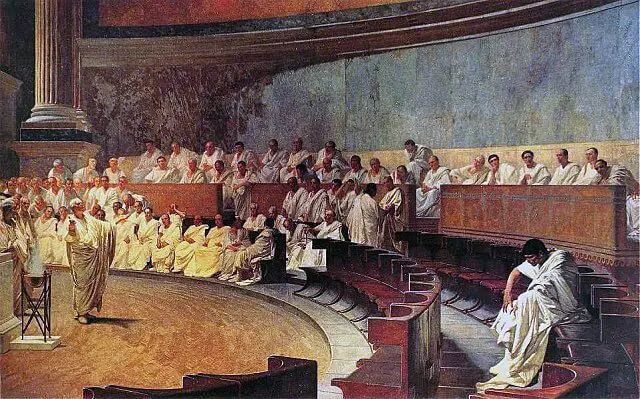
Roman Republic: The complex political structures of the Roman Republic can serve as a model for republics in fantasy worlds, with elements such as senates and assemblies.
Imperial China: The bureaucratic systems of ancient China can inspire complex governmental structures with examinations, ministries, and imperial courts.
Modern Examples
Democracy: Study the workings of modern democracies to create realistic systems of government based on popular representation and rule of law.
Dictatorships: Look at modern dictatorships for examples of oppressive regimes with centralized control and cults of personality.
Oligarchies: Examine modern oligarchies for insights into ruling elites and systems of wealth and power concentration.
Modern Political Issues
Corruption: Explore how corruption can affect political systems and factions, leading to moral dilemmas and conflicts within your world.
Globalization: Consider the impact of globalization on political systems and factions, and how it can lead to cultural clashes and power struggles.
The Impact of Magic and Technology
The presence of magic and technology can profoundly influence political systems. These elements can reshape power dynamics, influence ideologies, and drive conflicts within societies.
Power Dynamics
Magic: The ability to wield magic can create a distinct class of individuals with unique abilities, leading to the formation of magical elites or castes. This can cause power struggles between magic users and non-magic users, shaping the political landscape.
Technology: Advanced technology can similarly create a technological elite, with those who have access to advanced technology holding significant power over others. This can lead to disparities in wealth and influence, driving political tensions.
Political Structures
Magic: The presence of magic can lead to the formation of magical institutions, such as mage councils or magical academies, which may hold significant political sway. These institutions can influence policy-making and decision-making processes.
Technology: Advanced technology can lead to the creation of technocratic governments, where individuals decide based on technological expertise instead of democratic principles. This can cause governments prioritizing technological advancement over other considerations.
Military Power
Magic: In warfare, magical abilities can serve as a powerful tool, resulting in creating magical armies or orders. These military forces can play a significant role in shaping political alliances and conflicts.
Technology: Advanced technology can similarly shape military power, with factions possessing superior technology gaining a strategic advantage in conflicts. This can lead to arms races and military conflicts driven by technological superiority.
Cultural and Social Impact
Magic: The presence of magic can influence cultural beliefs and practices, shaping the values and norms of societies. This can lead to the formation of magical traditions and ideologies that affect political ideologies.
Technology: Advanced technology can similarly impact cultural beliefs and practices, leading to the formation of technological ideologies.
Economic Systems
Magic: The use of magic can create economic disparities, with magical resources or artifacts becoming valuable commodities. This can lead to economic systems based on the control and exploitation of magical resources.
Technology: Advanced technology can similarly create economic disparities, with factions controlling advanced technology gaining economic dominance. This can lead to economic systems based on technological innovation and trade.
The Writer’s Toolkit
Conflict and Tension – Use political systems to create conflict and tension in your story. Explore the competing interests and ideologies that drive these factions and the consequences of their actions.
Character Development – Use political systems to develop your characters. Show how their affiliations shape them and how they navigate the complex political landscape of your world.
World-Building – Use political systems to build a rich and immersive world. Show how these systems impact daily life, culture, and society in your world.
Start with a Strong Foundation – Begin by establishing the basic structure of your political system, including its form of government, key institutions, and governing principles. Consider how magic or technology might influence these foundational elements.
Consider Historical and Cultural Influences – Draw inspiration from real-world historical and cultural examples to add depth and realism to your political systems. Think about how factors such as geography, religion, and societal norms might shape your factions and their ideologies.
Think about Power Dynamics– Consider how your political system distributes power. Who holds power, and how do they maintain it? How do different factions compete for power, and what strategies do they use?
Integrate Magic and Technology Thoughtfully – If your world features magic or advanced technology, consider how these elements impact your political systems. Think about how they might regulate, exploit, or use them as tools of control.
Show, Don’t Tell – Rather than explaining your political systems through exposition, reveal them through character interactions, dialogue, and the unfolding of events. This can make your world feel more organic and immersive.
Create Intriguing Leaders and Characters – Develop compelling leaders and characters within your government to add depth and complexity to your political landscape. Consider their motives, backgrounds, and relationships with each other.
Think about the Impact on Daily Life – Consider how your political systems impact the daily lives of your characters. How do they affect things like education, healthcare, and social mobility?
Stay Consistent and Logical – Ensure that the rules and structures of your political systems remain consistent throughout your story. Avoid introducing elements that contradict established lore or break the internal logic of your world.
Fictional Example: The Celestial Council of Arcanum
In the world of Elyria, where magic flows like rivers and ancient artifacts of immense power lie buried beneath the earth, the Celestial Council of Arcanum reigns supreme. This council, composed of seven Archmages chosen from the most powerful magical practitioners in the land, governs over the realm.
Each Archmage represents one of the seven schools of magic, with seats on the council corresponding to their specialization (e.g., Archmage of Evocation, Archmage of Divination, etc.). The Celestial Council’s authority extends over all matters magical. Beneath the Archmages, a council of lesser mages and scholars serves as advisors, providing expertise and guidance on various magical and mundane affairs.
Consensus typically decides within the council, with each Archmage having equal weight in discussions. Unanimity is often sought but not always achieved, leading to debates and negotiations among the members.
In Elyria, magic is not just a tool but a way of life, with many aspects of society and culture revolving around magical practices and beliefs. The council oversees and ensures that they educate and train young mages, passing down magical knowledge through generations. They enforce strict regulations on the use of magic, particularly concerning dangerous spells or artifacts that could harm society. The council’s decisions and policies influence art, literature, and even religious beliefs, shaping the cultural identity of Elyrians.
Despite its noble intentions, the Celestial Council is not immune to corruption and power struggles. Factions within the council vie for influence, leading to political intrigue and conflict.
Overall, the Celestial Council of Arcanum serves as a central pillar of governance and power in the world of Elyria, embodying both the wonders and dangers of a society built on magic.

Creating political systems for your fantasy and science fiction worlds is a complex and rewarding process that adds depth and realism to your storytelling. By developing unique systems of governance, you can create a vibrant political landscape that enhances the narrative and engages your readers.
I hope this was helpful. Let me know if you have questions or suggestions by using the Contact Me form on my website or by writing a comment. I post every Friday and would be grateful if you would share my content.
If you want my blog delivered straight to your inbox every month along with exclusive content and giveaways, please sign up for my email list here.
Let’s get writing!
Copyright © 2024 Rebecca Shedd. All rights reserved.
Social media
 Rebecca Shedd - Author