The Worldbuilder’s Toolkit: Factions
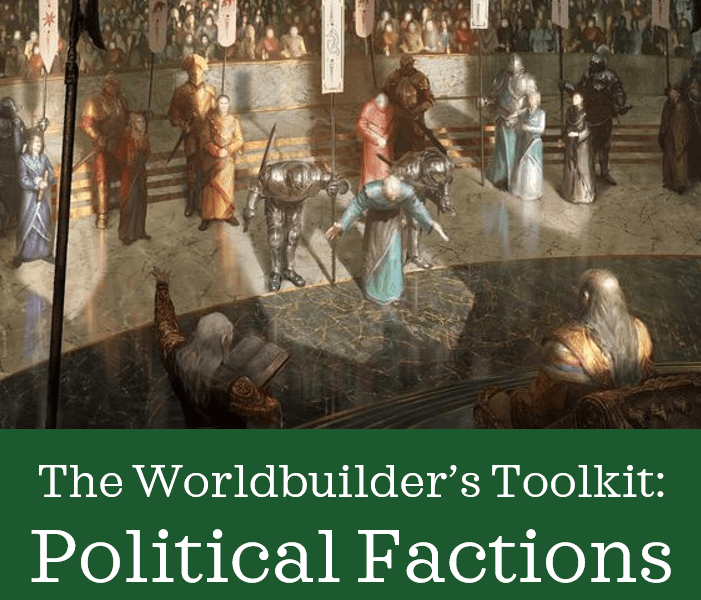
While political systems may set the chess board of power and conflict, factions are the pieces on that board. From the plucky rebel band hiding out in the woods of a fantasy story to the Empress and court of a galactic domain, factions can open up many storytelling and plot opportunities. In this guide I’ll explore how to create factions and how to use them to impact your plot and character development.
Crafting Factions & Organizations
Define the goals and motivations of your factions and organizations. What do they seek to achieve, and why? Consider how these goals align or conflict with those of other factions.
Create factions that are diverse and multifaceted, with different factions representing different interests, ideologies, and agendas. Avoid creating monolithic factions with uniform goals and beliefs.
Develop leaders and characters within your factions who embody their values and drive their actions. Consider their backgrounds, personalities, and relationships with other factions.
Explore the interactions between factions, including alliances, rivalries, and conflicts. Consider how these interactions shape the political landscape of your world.

The Role of Factions in Political Systems
Factions are integral components of political systems, representing diverse interests, ideologies, and agendas within a society. In story, they play a crucial role in shaping the narrative of power, often serving as the driving force behind political conflicts, alliances, and intrigues.
Political Parties
Direct Role: Political parties are formal organizations that seek to gain and maintain control of government institutions through elections.
Impact: Parties can influence policymaking, promote specific ideologies, and mobilize voters.
Interest Groups
Behind the Scenes Role: Interest groups are organizations that seek to influence public policy on specific issues without directly seeking to control government institutions.
Impact: Interest groups can lobby government officials, mobilize public opinion, and shape public discourse.
Secret Societies
Behind the Scenes Role: Secret societies are clandestine organizations that operate outside of public view, often with hidden agendas and mysterious motives.
Impact: Secret societies can manipulate events behind the scenes, engage in covert operations, and wield hidden influence over political leaders.
Rebel Factions
Direct Role: Rebel factions are groups that seek to overthrow or undermine the existing political order through force or subversion.
Impact: Rebel factions can destabilize governments, challenge the legitimacy of ruling authorities, and ignite civil unrest.
Religious Groups
Direct or Behind the Scenes Role: Religious groups can play a direct role in politics by advocating for specific policies based on religious beliefs. They can also operate behind the scenes, exerting influence over political leaders and decision-making.
Impact: Religious groups can shape moral values, influence social norms, and impact public policy on issues such as morality, ethics, and social justice.
Cultural, Ethnic or Species Groups
Direct or Behind the Scenes Role: Cultural, ethnic, or species groups can organize politically to advocate for the rights and interests of their communities. They can also operate behind the scenes, leveraging their cultural, ethnic, or species identity for political gain.
Impact: Cultural or ethnic groups can promote cultural preservation, advocate for minority rights, and influence policies related to language, education, and identity.
Corporate Entities
Direct Role: Corporate entities can engage in politics by lobbying government officials, funding political campaigns, and advocating for policies that benefit their interests.
Impact: Corporate entities can influence economic policy, shape regulations, and impact the allocation of resources.

Using Factions in Storytelling: Plot Dynamics & Character Development
Factions in fantasy and science fiction stories serve as tools for driving the plot forward, creating conflict, and shaping the development of characters. By understanding the roles and motivations of these factions, you can weave intricate narratives that captivate readers.
Conflict & Tension
Plot Impact: Factions can create conflict and tension within the story, driving the narrative forward. Whether through political intrigue, ideological clashes, or power struggles, factions can provide the central conflicts that propel the plot.
Character Impact: Characters aligned with different factions may find themselves at odds with each other, leading to internal conflicts and moral dilemmas. These conflicts can deepen character development and provide opportunities for growth.
Alliances & Betrayals
Plot Impact: Factions can form alliances or betray each other, leading to unexpected plot twists and turns. These shifts in allegiance can keep readers engaged and add complexity to the story.
Character Impact: Characters may have to choose sides or navigate shifting loyalties, revealing their true values and motivations. This can lead to moments of moral ambiguity and character growth.
Power Dynamics
Plot Impact: Factions can influence the balance of power within your story world, leading to changes in the political landscape and the distribution of resources.
Character Impact: Characters aligned with powerful factions may gain or lose influence, affecting their goals and motivations. Characters may also seek to gain power by aligning themselves with certain factions, leading to complex power struggles.
Intrigue & Manipulation
Plot Impact: Factions can engage in intrigue and manipulation, using deception and subterfuge to achieve their goals. This can create suspense and mystery in the story.
Character Impact: Factions can catch characters up in their machinations, either using them as unwitting pawns or as master manipulators. This can reveal the depths of their cunning or naivety.
Ideological Debates
Plot Impact: Factions can represent different ideologies or beliefs, leading to debates and discussions within the story. This can explore complex themes and add depth to the narrative.
Character Impact: Characters aligned with different factions may engage in philosophical debates, revealing their worldviews and values. This can lead to nuanced character development and exploration of moral themes.
Cultural & Social Impact
Plot Impact: Factions can represent different cultural or social groups, highlighting diversity within your story world. This can enrich the world-building and add layers of complexity to the narrative.
Character Impact: Their affiliation may shape characters with cultural or social factions, influencing their beliefs, values, and behaviors. This can lead to richly textured characters and vibrant storytelling.

Drawing Inspiration from the Real World
Real-world factions provide a rich source of inspiration for fantasy and science fiction writers. By studying historical and modern examples from around the world, you can create more believable and immersive worlds.
Political Movements
Civil Rights Movements: Explore the dynamics of social change and resistance, and how they can be reflected in your world’s factions and revolutionary movements.
Popular Movements: Consider how popular concerns and activism can influence political agendas and factions in your world.
Cultural & Ethnic Influences
Nationalism: Study how nationalism has influenced political movements and factions and how it can reflect in the cultures and societies of your world.
Religious Influence: Examine religious beliefs have shaped political ideologies and factions and how they can integrate into the cultures and conflicts of your world.

The Impact of Magic &Technology
Magic and technology wield significant influence over the political landscape of speculative worlds, reshaping power dynamics and fueling the ambitions of political factions vying for control.
Access to Magical Resources
Political factions may vie for control over sources of magical energy, artifacts, or knowledge that grant them supernatural abilities or advantages. Those with access to powerful magical resources may hold sway over governance, military might, or economic prosperity, establishing themselves as dominant players in the political arena.
Technological Advancements & Warfare
Factions that harness advanced technology wield considerable influence over military strategy, defense capabilities, and geopolitical alliances. Technological innovations such as robotics, cybernetics, and weapons of mass destruction can tip the balance of power in favor of those who control them, leading to conflicts and alliances based on technological superiority.
Magical Influence on Leadership
Leaders who possess magical abilities or are supported by magical practitioners may wield disproportionate influence within their factions. Magical leaders may use their supernatural powers to sway public opinion, manipulate outcomes, or enforce their will, consolidating their authority and cementing their position at the pinnacle of political power.
Technological Surveillance & Control
Factions that develop advanced surveillance technologies can monitor and control their citizens, suppressing dissent and maintaining social order through surveillance, censorship, and propaganda. Technological advancements such as artificial intelligence, biometrics, and social media algorithms enable factions to exert control over information and public discourse, shaping political narratives to their advantage.
Magical Ideologies & Belief Systems
Political factions may espouse magical ideologies or belief systems that shape their goals, values, and agendas. Magical cults, secret societies, or religious orders may seek to impose their worldview on society, using magic as a means of enforcing conformity, instilling fear, or inspiring devotion among their followers.
Technological Innovation & Economic Influence
Factions that pioneer technological innovation wield considerable economic influence, driving economic growth, industrial development, and trade expansion. Technological advancements such as automation, renewable energy, and space exploration can transform economies and shape geopolitical alliances, positioning factions as key players in global affairs.
Magical Revolutions & Upheavals
Magical revolutions or uprisings may challenge the existing political order, overthrowing oppressive regimes or establishing new systems of governance based on magical principles or ideologies. Magical factions may harness the power of rebellion, insurgency, or guerrilla warfare to challenge entrenched power structures and effect transformative change in society.
Technological Hegemony & Globalization
Factions that dominate technological industries and global markets wield significant geopolitical influence, shaping trade agreements, economic policies, and international relations. Technological hegemony enables factions to extend their reach and influence beyond national borders, forging alliances and rivalries with other world powers in pursuit of their strategic interests.

The Writer’s Toolkit
Here are some practical tips to help you craft dynamic and compelling political factions for your stories:
Establish Clear Goals & Motivations – Clearly define the goals, motivations, and ideologies of each political faction. Consider what drives them, whether it’s the pursuit of power, ideological supremacy, social reform, or economic prosperity. Understanding their underlying motivations will inform their actions and interactions within the story.
Develop Leaders – Populate each faction with a diverse cast of leaders, each with their own personalities, backgrounds, and agendas. From charismatic orators to cunning strategists, strong leaders can shape the direction and identity of their faction, driving its policies and initiatives forward.
Conflict & Rivalries – Introduce conflicts and rivalries between political factions to add tension and drama to your narrative. Whether it’s competing for resources, vying for control of territory, or ideological clashes, conflict drives the plot forward and keeps readers engaged.
Structure & Organization – Explore the internal structure and organization of each faction, including hierarchies, power dynamics, and decision-making processes. Determine how leadership positions are obtained and maintained, as well as how dissent and disagreement are addressed within the faction.
Societal Diversity – Reflect the diversity of society within your political factions, incorporating different social classes, ethnicities, and cultural backgrounds. This diversity adds depth and complexity to your factions, reflecting the multifaceted nature of real-world political movements.
Symbolism & Iconography – Use symbolism and iconography to distinguish each faction and reinforce its identity. Flags, emblems, slogans, and colors can serve as powerful symbols of unity and solidarity, rallying supporters and fostering a sense of belonging among members.
Show Both Strengths & Weaknesses – Portray each faction’s strengths and weaknesses to create nuanced and realistic portrayals. Every faction has its advantages and vulnerabilities, whether it’s political influence, military might, economic resources, or public support. Highlighting these aspects adds depth and complexity to your factions.
Interactions & Alliances – Explore the interactions and alliances between political factions, including alliances of convenience, rivalries, and betrayals. Consider how external threats or shared interests may lead factions to form temporary alliances or coalitions, reshaping the political landscape of your world.
Ground Factions in Historical & Cultural Context – Ground your political factions in the historical and cultural context of your world, drawing inspiration from real-world political movements, revolutions, and ideologies. Understanding the historical roots of your factions adds authenticity and richness to your world-building.
Show Evolution & Change – Allow your political factions to evolve and change over the course of your story, responding to external pressures, internal conflicts, and changing circumstances. Dynamic factions that adapt and evolve are more compelling and realistic than static organizations.
Fictional Example: The Radiant Assembly
In the sprawling city of Arcadia, nestled among the clouds and powered by advanced technological marvels, the Radiant Assembly emerges as a dominant political faction, wielding influence over the city’s affairs and shaping its destiny.
Led by visionary technocrats and forward-thinking engineers, the Radiant Assembly seeks to harness the power of technology to usher in a new era of prosperity and progress. Their primary goal is to advance scientific innovation, promote technological development, and elevate the city to unprecedented heights of achievement and enlightenment.
At the helm of the Radiant Assembly stands the Council of Lumina, a collective of brilliant minds and influential figures chosen for their expertise and dedication to the faction’s ideals. Led by High Chancellor Elysia Solara, the Council oversees the strategic direction and policies of the Assembly.
It faces opposition from traditionalist factions who resist change and cling to outdated practices. Conflicts often emerge between the Assembly and rival factions vying for control of technological resources, research facilities, and strategic assets essential for their goals.
The Radiant Assembly operates as a meritocratic society, where individuals are rewarded based on their contributions to technological advancement and scientific discovery. Research laboratories, engineering workshops, and educational institutions form the backbone of the Assembly.
The Radiant Assembly adopted the emblem of a radiant sunburst surrounded by gears and circuitry. Their colors, vibrant hues of blue and gold, represent the brilliance of innovation and the promise of a brighter future for Arcadia.
The Radiant Assembly boasts significant strengths in technological prowess, scientific knowledge, and industrial capacity, enabling them to spearhead ambitious projects and initiatives. However, their single-minded focus on progress and innovation can lead to blind spots and oversights, leaving them vulnerable to unforeseen challenges and ethical dilemmas.
The Radiant Assembly seeks alliances with like-minded factions and city-states that share their vision. Collaborations with academic institutions, research consortia, and trade partners amplify their influence and extend their reach beyond the borders of Arcadia.
As Arcadia faces mounting challenges and existential threats, the Radiant Assembly adapts its strategies and priorities to meet the demands of an ever-changing world. Dynamic and forward-thinking, the faction remains at the forefront of technological innovation, driving progress and shaping the future of Arcadia and beyond.

Creating factions for your fantasy and science fiction worlds is a complex and rewarding process that adds depth and realism to your storytelling. By crafting compelling factions and organizations, you can create a vibrant political landscape that enhances the narrative and engages your readers.
I hope this was helpful. Let me know if you have questions or suggestions by using the Contact Me form on my website or by writing a comment. I post every Friday and would be grateful if you would share my content.
If you want my blog delivered straight to your inbox every month along with exclusive content and giveaways, please sign up for my email list here.
Let’s get writing!
Copyright © 2024 Rebecca Shedd. All rights reserved.
 Rebecca Shedd - Author