The Worldbuilder’s Toolkit: Culture


Culture permeates every aspect of life and society, shaping values, behaviors, and interactions in profound ways. In fantasy and science fiction, expressing culture involves exploring the multifaceted impact it has on various aspects of life and society. From unique customs and traditions to distinct social structures and belief systems, cultures add depth and complexity to your storytelling. In this article, I’ll explore practical tips and strategies for developing cultures and cultural elements in your fictional worlds.
Establishing Foundational Elements
Begin by laying the groundwork for your culture. Consider factors such as geography, history, and environment, which can shape the values, beliefs, and practices of your fictional societies. Ask yourself questions like:
How does the landscape influence the way people live and interact?
What major historical events have shaped the culture’s identity?
How do cultural values and norms differ across regions or social groups?
For a deeper dive into many of these topics, please refer to my previous worldbuilder guides to Geography and Topography, Climate and Weather Patterns, Flora and Fauna, History and Lore, and World-Defining Events.
Identify the key components that make each culture unique. This may include:
Social Structure – Determine the hierarchy and organization of society, including roles and expectations for different social classes. Cultural norms dictate family structures, roles, and obligations, influencing relationships between family members. Hierarchical systems based on factors such as age, gender, or social status shape interactions and power dynamics within society.
Language & Communication – Develop languages or dialects unique to each culture, along with gestures, idioms, and other forms of communication. Unique words and expressions reflect cultural values, beliefs, and experiences. Cultural norms dictate the meaning of gestures and body language, influencing communication and social interactions. For a deeper dive, check out my Worldbuilder’s Guide to Languages.
Customs & Traditions – Explore rituals, ceremonies, and celebrations that are integral to the culture’s identity and worldview. Cultural rituals and ceremonies mark significant life events, such as births, marriages, and deaths, reinforcing cultural identity and community bonds. Festivals and celebrations provide opportunities for communal gatherings, fostering a sense of belonging and shared cultural tradition.
Art & Aesthetics – Consider the art, architecture, clothing, and cuisine that reflect the cultural values and aesthetic preferences of the society. Artistic expressions such as paintings, sculptures, and architecture reflect cultural values, beliefs, and aesthetic preferences. Music, dance, and theater serve as outlets for cultural expression, conveying stories, emotions, and traditions.
Cuisine & Culinary Practices – Cultural norms dictate what, when, and how food is prepared, consumed, and shared, reflecting social, religious, and environmental influences. Table manners and dining rituals vary across cultures, reflecting social norms and values related to hospitality and respect.
Religion & Spirituality – Cultural beliefs and practices shape religious and spiritual traditions, influencing moral codes, rituals, and concepts of the divine. Temples, shrines, and holy sites serve as focal points for religious and spiritual practices, reflecting cultural reverence and devotion. Please check out my Worldbuilder’s Guide to Religions and Belief Systems.
Education & Knowledge Transmission – Cultural values influence educational philosophies, methods, and priorities, shaping how knowledge is transmitted and valued within society. People preserve cultural identity and heritage by passing down cultural knowledge and history through oral storytelling, myths, and legends.
Clothing & Fashion – Cultural clothing and adornments reflect regional climates, societal roles, and historical influences, serving as symbols of identity and status. Contemporary fashion trends evolve in response to cultural influences, social norms, and global interactions, reflecting changing attitudes and values.

Using Culture in Story
Culture serves as a powerful narrative tool in storytelling, influencing plot developments, character motivations, and thematic exploration. By weaving cultural elements into your narratives, you can add depth, conflict, and authenticity to your stories.
Driving Conflict & Tension
Cultural Clashes: Differences in values, beliefs, and customs between characters or factions can lead to conflict and tension, driving the plot forward.
Interpersonal Conflict: Cultural expectations and social norms can create friction between characters, fueling interpersonal conflicts and driving character development.
Shaping Character Motivations
Cultural Identity: Characters’ cultural backgrounds and identities inform their beliefs, goals, and actions, shaping their motivations and driving their decisions.
Cultural Expectations: Characters may feel pressure to conform to cultural norms or rebel against societal expectations, driving their choices and arcs throughout the story.
Providing Context & World-building
Setting the Scene: Cultural details and traditions provide context for your story’s setting, immersing readers in the world and enhancing the sense of place.
Enriching World-building: Cultural diversity within the story world adds richness and depth to the world-building, creating a more vibrant and immersive narrative.
Exploring Themes & Messages
Identity and Belonging: Cultural exploration can delve into themes of identity, belonging, and the search for meaning, resonating with readers on a personal level.
Prejudice and Discrimination: Cultural differences can serve as a lens for exploring issues of prejudice and discrimination, fostering empathy and understanding.
Driving Plot Twists & Revelations
Cultural Secrets: Cultural traditions, rituals, and taboos may hide secrets or mysteries that drive plot twists and revelations, adding intrigue and suspense to the story.
Cultural Lore: Ancient myths, legends, and prophecies rooted in the culture can foreshadow key plot developments and provide narrative depth.
Influencing Character Arcs
Cultural Conflict: Characters may undergo personal growth and transformation as they navigate cultural conflicts and reconcile their cultural identities with their individual values.
Cultural Heritage: Characters may grapple with questions of heritage, ancestry, and legacy, shaping their journeys and arcs throughout the story.
Fostering Empathy & Understanding
Cultural Diversity: Exposure to diverse cultures in fiction can broaden readers’ perspectives, fostering empathy, understanding, and appreciation for different ways of life.
Challenging Assumptions: Cultural storytelling can challenge readers’ assumptions and stereotypes, encouraging critical thinking and reflection on their own beliefs and biases.

Drawing Inspiration from Real-World Cultures
One of the most effective ways to infuse depth and authenticity into fantasy and science fiction worlds is by drawing inspiration from real-world cultures. By studying diverse cultures from around the globe and throughout history, you can incorporate rich traditions, beliefs, and practices into your narratives.
Incorporating Cultural Elements
Example: Drawing from the rich history and mythology of Ancient Egypt, you can incorporate elements such as pyramids, hieroglyphics, and deities into your fantasy worlds. The Egyptian concept of the afterlife, with its elaborate burial practices and belief in gods and goddesses, can inspire unique settings, rituals, and characters.
Adapting Historical Examples
Example: The feudal system of Japan, with its samurai warriors, honor codes, and shogunate rulers, can provide a rich source of inspiration. You could adapt elements of Japanese culture, such as tea ceremonies, martial arts, and cherry blossom festivals, to create immersive settings and cultural practices within your stories.
Exploring Cultural Evolution
Example: The medieval period in Europe underwent significant cultural, social, and political changes over time. You could explore different aspects of medieval society, from feudalism and chivalry to the rise of cities and the influence of religion, adapting historical events and developments to create dynamic and evolving worlds.
Embracing Cultural Diversity
Example: Indigenous cultures from around the world offer a diverse array of traditions, beliefs, and worldviews that can enrich fantasy and science fiction narratives. You could draw inspiration from indigenous cosmologies, folklore, and wisdom to create unique cultures and societies within your worlds.
Challenging Stereotypes and Assumptions
Example: African cultures encompass a vast array of ethnicities, languages, and traditions, challenging stereotypes and misconceptions about the continent. You could draw from African folklore, mythology, and history to create nuanced and multifaceted worlds, showcasing the diversity and richness of African cultures.
Reflecting Cultural Change and Adaptation
Example: The Renaissance period in Italy marked a time of cultural rebirth, artistic innovation, and intellectual exploration. You could explore themes of change and adaptation, drawing from the Renaissance’s emphasis on humanism, scientific inquiry, and cultural exchange to create dynamic and evolving societies within your worlds.
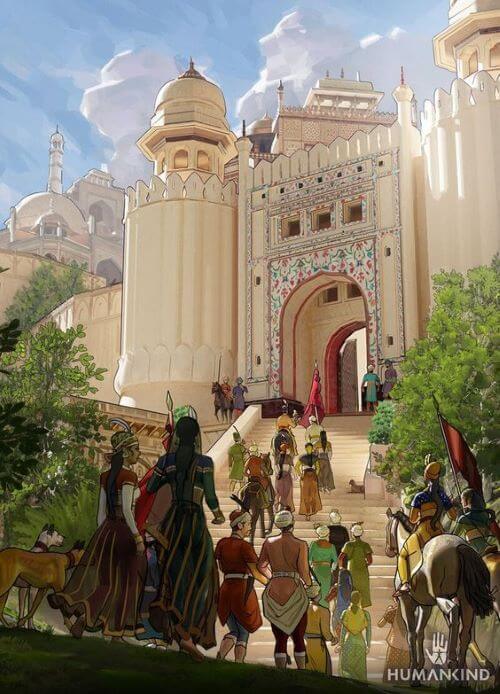
Integrating Magic & Technology in Culture
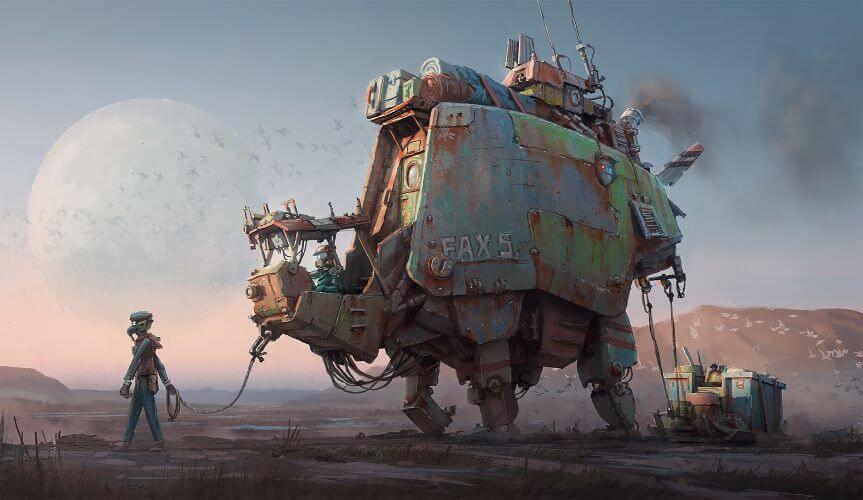
Magic and technology are powerful forces that can profoundly influence the development, practices, and beliefs of cultures within fantasy and science fiction worlds.
Shaping Belief Systems & Worldviews
Magic: In worlds where magic exists, it often becomes intertwined with cultural beliefs and spiritual practices. People may revere magic users as spiritual leaders or fear them as agents of chaos, shaping religious doctrines and rituals. The existence of magic may lead to the development of magical philosophies and worldviews, affecting how societies perceive the nature of reality and their place within it.
Technology: Similarly, advancements in technology can reshape cultural beliefs and worldviews. Scientific discoveries and technological innovations may challenge traditional religious teachings or inspire new interpretations of the universe. The rise of technology-driven societies may prioritize rationality and empiricism over spiritual or mystical beliefs, influencing cultural attitudes towards the unknown and supernatural.
Transforming Social Structures & Power Dynamics
Magic: Access to magic can create hierarchical structures within society, with magic users holding positions of privilege and authority. Cultures may develop caste systems based on magical aptitude, leading to discrimination and inequality. Alternatively, the democratization of magic may empower marginalized groups and challenge traditional power structures.
Technology: Technological advancements can similarly impact social structures and power dynamics. Industrialization and automation may lead to the rise of societies with stark class divisions between the wealthy elite and the working class. Access to technology may also empower previously powerless communities, sparking social movements and revolutions that challenge the status quo.
Redefining Cultural Practices & Traditions
Magic: The existence of magic can redefine cultural practices and traditions, infusing rituals and ceremonies with supernatural elements. Integrating magical abilities can influence art, music, and storytelling in everyday life. Cultural festivals and celebrations may revolve around magical phenomena, reinforcing cultural identity and communal bonds.
Technology: Similarly, technology can redefine cultural practices and traditions, transforming how societies interact and communicate. The internet and social media, for example, has revolutionized the way people connect and express themselves. Technological innovations may also lead to the emergence of virtual worlds and augmented realities, blurring the lines between physical and digital cultures.
Impacting Economic Systems & Livelihoods
Magic: Magical abilities can affect economic systems and livelihoods within a society. Magic users may monopolize lucrative industries, such as enchantment or divination, creating economic disparities between magical and non-magical populations. Cultures may develop unique economies based on the trade and exchange of magical artifacts or services.
Technology: Technological advancements similarly influence economic systems and livelihoods. Automation and artificial intelligence may disrupt traditional industries, leading to unemployment and economic upheaval. Conversely, technological innovations can create new opportunities for entrepreneurship and innovation, driving economic growth and prosperity.
Influencing Cultural Exchange & Globalization
Magic: Magical abilities may facilitate cultural exchange and interaction between different societies, leading to the spread of magical knowledge and practices. Magical artifacts and creatures may serve as cultural symbols or commodities in global trade networks, fostering diplomatic relations and alliances.
Technology: Similarly, technology accelerates cultural exchange and globalization, connecting distant societies through communication networks and transportation systems. Technological innovations such as space travel and teleportation may lead to the exploration and colonization of new worlds, creating opportunities for intercultural exchange and conflict.
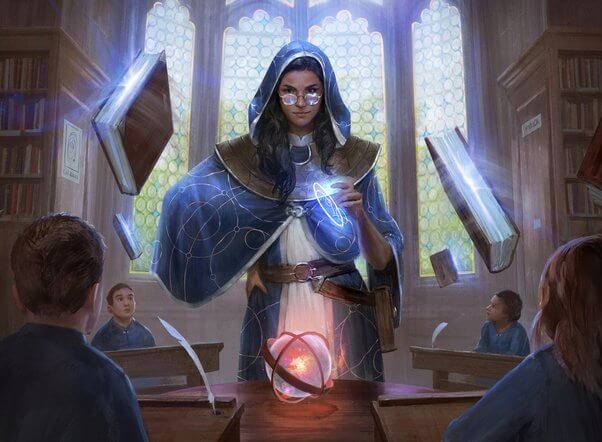
The Writer’s Toolkit
Creating cultures for fantasy and science fiction worlds requires a delicate balance of creativity, research, and attention to detail. Here are some practical tips for writers looking to develop unique, interesting, and believable cultures within their stories.
Start with Foundations – Begin by establishing the foundational elements of your culture, including geography, history, and societal structures. Consider how these factors shape the cultural values, beliefs, and practices of your fictional society.
Draw Inspiration from Real-World Cultures – Take inspiration from diverse cultures around the world, studying their customs, traditions, and belief systems. Avoid copying and pasting cultures wholesale into your story. Instead, consider respectfully borrowing elements from multiple cultures, multiple locations, and multiple eras in history.
Create Depth & Complexity – Avoid presenting cultures as monolithic or one-dimensional. Instead, explore the diversity within each culture, including regional variations, subcultures, and minority groups. Show how cultural beliefs and practices evolve over time in response to internal and external influences.
Consider the Impact of Magic & Technology – Determine how magic or technology influences cultural beliefs, practices, and social structures within your world. Consider the role of magic users or technological advancements in shaping cultural norms and power dynamics.
Focus on Everyday Life – Pay attention to the mundane aspects of cultural life, such as daily routines, social interactions, and cultural rituals. These details can add depth and authenticity to your world, immersing readers in the everyday experiences of your characters.
Showcase Cultural Conflict & Change – Explore tensions and conflicts that arise from cultural differences, as well as opportunities for collaboration and mutual understanding. Show how cultural beliefs and practices devlop over time in response to historical events, technological advancements, and interactions with other cultures.
Incorporate Symbolism & Imagery – Use symbolism and imagery to convey the values, beliefs, and aesthetics of your culture. Consider how architecture, clothing, art, and mythology reflect cultural identity and worldview.
Be Mindful of Stereotypes – Avoid relying on stereotypes or clichés when portraying cultures in your story. Instead, strive for nuanced and multidimensional representations that challenge assumptions and foster empathy.
Continuously Refine & Develop – World-building is an ongoing process, so don’t be afraid to iterate and refine your cultures as your story evolves. Stay curious, open-minded, and willing to explore new ideas and perspectives.
Explore Cultural Diversity – Avoid presenting cultures as monolithic or homogenous. Instead, explore the diversity within each culture, including regional variations, subcultures, and minority groups. Highlight tensions and conflicts that arise from cultural differences, as well as opportunities for collaboration and mutual understanding.
Show Cultural Evolution – Cultures are not static; they evolve and change over time in response to internal and external influences. Consider how historical events, technological advancements, and interactions with other cultures shape the evolution of your fictional societies. Allow cultures to adapt and grow organically throughout your storytelling.
Use Culture to Enhance World-building – Culture is integral to world-building and can provide valuable context and richness to your story’s setting. Use cultural elements to inform the backdrop of your narrative, providing readers with insights into your world’s history, politics, and social dynamics.
Fictional Example: The Skyweavers of the Celestial Mountains
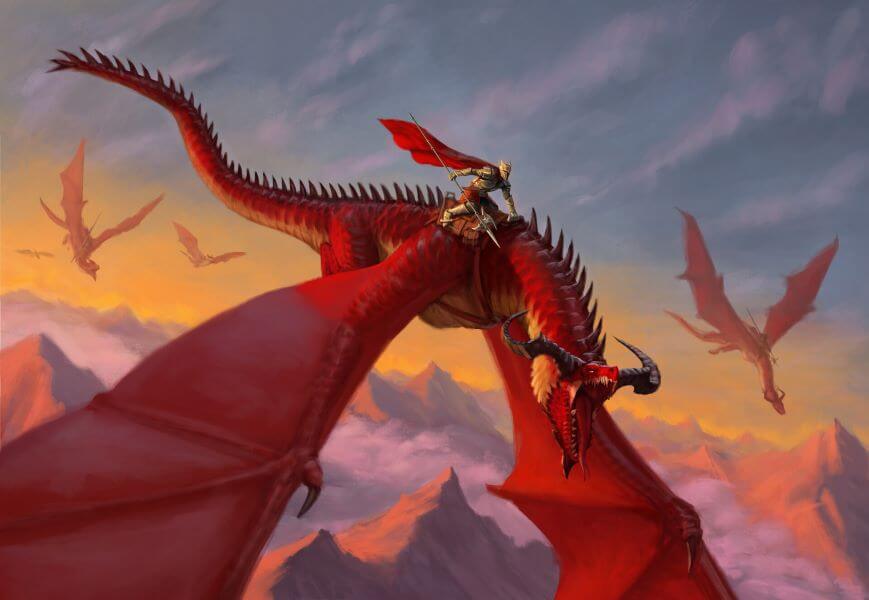
In the realm of Azura, nestled amidst the peaks of the Celestial Mountains, lies the ancient and enigmatic culture of the Skyweavers. They deeply intertwine their society and form relationships with the wyverns they share their environment with.
The Skyweavers inhabit a series of floating islands suspended high above the clouds, accessible only through the aid of the wyverns. The islands are lush with vibrant flora and fauna, their crystalline waters cascading down into shimmering waterfalls that disappear into the mist below.
The Skyweavers live in tightly knit communities governed by a joint council of human and wyvern elders known as the Aerarchs. They worship the Celestial Spirits, elemental deities, who are said to govern the forces of nature. The Skyweavers hold rituals and ceremonies to honor these spirits and seek their favor, particularly during the annual Festival of the Zephyr, when they believe the veil between the mortal realm and the celestial plane is thinnest.
Despite their isolation, the Skyweavers occasionally engage in trade and diplomacy with neighboring cultures. These interactions serve as opportunities for cultural exchange and mutual learning.
The culture of the Skyweavers demonstrates the potential for forging a relationship between two sentient races. In their floating islands high above the clouds, they have crafted a society that is both otherworldly and deeply rooted in the elemental forces that surround them.
By exploring these diverse aspects of life and society, writers can vividly express culture in their fantasy and science fiction worlds, creating rich and immersive narratives that resonate with readers. Each facet offers opportunities for deeper world-building and character development, enriching the storytelling experience and providing insights into the complexities of cultural identity and expression. Culture serves as a multifaceted storytelling tool that can impact every aspect of a narrative, from plot developments to character arcs and thematic exploration. By establishing foundational elements, defining key cultural components, drawing inspiration from real-world cultures, and exploring diversity and evolution, you can craft immersive and believable worlds that captivate readers and enrich your storytelling experience.
I hope this was helpful. Let me know if you have questions or suggestions by using the Contact Me form on my website or by writing a comment. I post every Friday and would be grateful if you would share my content.
If you want my blog delivered straight to your inbox every month along with exclusive content and giveaways, please sign up for my email list here.
Let’s get writing!
Copyright © 2024 Rebecca Shedd. All rights reserved.
Social media
 Rebecca Shedd - Author