The Worldbuilder’s Toolkit: Clothing
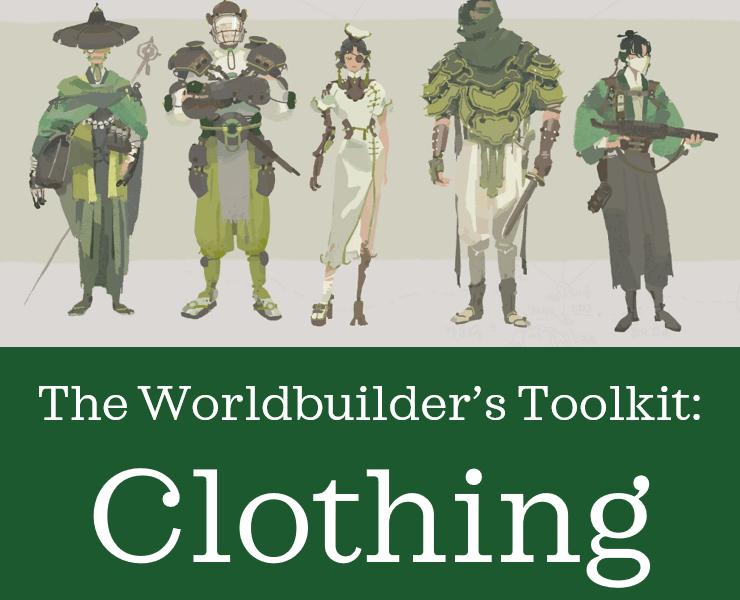

Clothing is not just a practical necessity; it’s a cultural artifact that reflects a myriad of influences, including tradition, climate, gender roles, social class, and resource availability. From the flowing robes of wizards to the sleek spacesuits of intergalactic travelers, every garment tells a story. In this guide, I’ll explore the art of world-building clothing in your fiction worlds.
Things to Consider
Cultural Significance
In crafting clothing for your world, consider the cultural context in which it exists. How do different societies perceive modesty, status, and individuality? Clothing can be laden with symbolism and meaning, from the colors and patterns used to the materials and accessories.
Tradition & Heritage
Tradition plays a significant role in shaping clothing choices, as many cultures have deeply ingrained customs and dress codes passed down through generations. Traditional garments often carry symbolic meaning and serve as a connection to cultural heritage and identity.
Climate & Environment
The environment plays a crucial role in determining the practicality and aesthetics of clothing. In desert landscapes, loose, breathable fabrics and head coverings may offer protection from the sun and sandstorms. In icy tundras, thick furs and insulated layers provide warmth against biting winds.
Availability of Resources
The availability of resources, such as textiles, dyes, and embellishments, can impact the design and production of clothing. Regions with abundant natural resources may have vibrant textile industries, while those with limited resources may rely on simpler materials and techniques.
Technological Advancements
In science fiction settings, technology often influences clothing design. Advanced fabrics with temperature-regulating properties, built-in sensors, and self-repairing capabilities are common. Consider how innovations like nanotechnology and 3D printing might revolutionize fashion in your world.
Magic & Mysticism
Magic users in fantasy worlds may don robes adorned with arcane symbols and shimmering threads, reflecting their connection to the mystical forces they wield. Magical enchantments can imbue clothing with extraordinary properties, from invisibility cloaks to garments that change color with the wearer’s emotions.
Social Hierarchy & Status
Clothing can be a powerful marker of social status and hierarchy within a society. Wealthier individuals may afford luxury fabrics, fine tailoring, and elaborate accessories, while those of lower socioeconomic status may rely on more practical and affordable attire. In feudal kingdoms, elaborate court attire may distinguish nobility from commoners. Conversely, in egalitarian societies, clothing may be more uniform, with subtle variations showing individual preferences and roles.
Subcultural Expression
Just as in our world, subcultures within your fictional societies may develop their own distinctive styles and fashion trends. Rebel factions might don punk-inspired attire adorned with studs and spikes, while intellectuals may favor minimalist, utilitarian designs that prioritize function over form.
Evolution Over Time
As societies devlop and change, so too does fashion. Consider how historical events, technological advancements, and cultural shifts might influence clothing trends. What was fashionable a century ago may be outdated or avant-garde in the present day of your world.
Gender Difference
Gender norms and expectations influence the design and styling of clothing, dictating what is appropriate attire for men and women. Traditional gender roles may dictate the colors, cuts, and embellishments associated with masculine and feminine clothing. Is there a sizable difference between how men and women dress in your world, or is there hardly any difference at all, making it hard to tell the sexes apart?
Practicality vs. Aesthetics
Balance practical considerations with aesthetic appeal when designing clothing for your world. While elaborate costumes may be visually striking, they should also make sense within the context of your world and the activities of your characters.
Cultural Exchange & Fusion
As cultures interact and influence one another, clothing styles may merge and evolve through cultural exchange. Explore the dynamic interplay between different cultures and how they borrow, adapt, and reinterpret fashion trends from one another.

Evolution of Fashion Trends & Societal Impact
Over time, clothing evolves from being purely functional to encompassing elements of fashion and style. A variety of factors influences fashion trends, including:
Cultural Influences
Cultural exchange and globalization contribute to the spread of fashion trends across borders and continents. Styles from different cultures merge and devlop, leading to the creation of new and innovative looks.
Economic Factors
Economic prosperity and consumerism drive demand for new clothing styles and accessories. Fashion industries capitalize on trends and consumer preferences, fueling a cycle of consumption and production.
Media & Celebrity Influence
Celebrities, influencers, and media personalities play a significant role in shaping fashion trends through their public appearances and endorsements. Their influence can propel certain styles into the mainstream and elevate certain brands and designers.
Social Movements & Subcultures
Social movements and subcultures often express themselves through fashion, using clothing as self-expression and identity. Countercultural movements and youth subcultures frequently challenge mainstream fashion norms and push boundaries.
Technology & Innovation
Technological advancements in textiles, manufacturing, and design contribute to the evolution of fashion trends. New materials, production techniques, and digital platforms reshape the way people create, market, and consume clothing.

Clothing’s Impact on Plot & Character
Clothing is a powerful narrative tool that can enrich a story and deepen our understanding of characters and plot elements.
Characterization
Clothing choices can provide valuable insights into a character’s personality, background, and values. Readers can interpret flamboyant clothing choices by a character as a display of confidence and a desire for attention, while consistently dressing modestly and conservatively may lead to the character being viewed as reserved or traditional.
Symbolism & Themes
Clothing can serve as a symbolic representation of themes and motifs within a story. For example, a character who wears a tattered cloak may symbolize resilience and perseverance, while a character dressed in pristine white may represent purity or innocence.
Social Status & Power Dynamic
Clothing often reflects social hierarchies and power dynamics within a society. Characters of higher social status may dress in opulent and luxurious attire, while those of lower status may wear simpler and more practical clothing. These distinctions can influence interactions and relationships between characters.
Plot Progression
Changes in a character’s clothing can signify shifts in their arc and development throughout the story. For example, a character who undergoes a transformative journey may adopt new clothing to reflect their growth and evolution. Similarly, a sudden change in a character’s appearance may foreshadow significant plot developments.
Cultural Context
Clothing provides a valuable context about the cultural and historical setting of a story. By incorporating authentic and culturally appropriate attire, writers can immerse readers in the world of their story and evoke a sense of time and place.
Foreshadowing & Plot Clues
Writers can use clothing as subtle clues to foreshadow future plot twists or reveal hidden truths about characters. For example, a character who always wears gloves may hide a dark secret, while a mysterious insignia on a character’s clothing may hint at their true allegiance or identity.
Subtext & Subterfuge
Characters may use clothing as subterfuge or disguise to conceal their true intentions or identity. A character who masquerades as a member of a different social class or profession through their attire may gain access to restricted areas or deceive unsuspecting adversaries.
Emotional Impact
Clothing can evoke strong emotional responses from characters and readers alike. A character’s reaction to receiving a cherished heirloom or donning a ceremonial garment can reveal their deepest desires, fears, and vulnerabilities, adding depth and resonance to the narrative.

Drawing Inspiration from the Real World
Real-world clothing, both modern and historical, offers a treasure trove of inspiration for writers seeking to infuse their stories with authenticity and depth. By studying the rich tapestry of human attire throughout history and across cultures, writers can enrich their fictional worlds with nuanced details and vibrant imagery.
Historical Clothing
Delve into the fashions of bygone eras, from the opulent gowns of the Renaissance to the functional attire of medieval peasants. Historical clothing reflects the social norms, technological advancements, and cultural values of its time, offering valuable insights into the world-building of your story.
Cultural Diversity
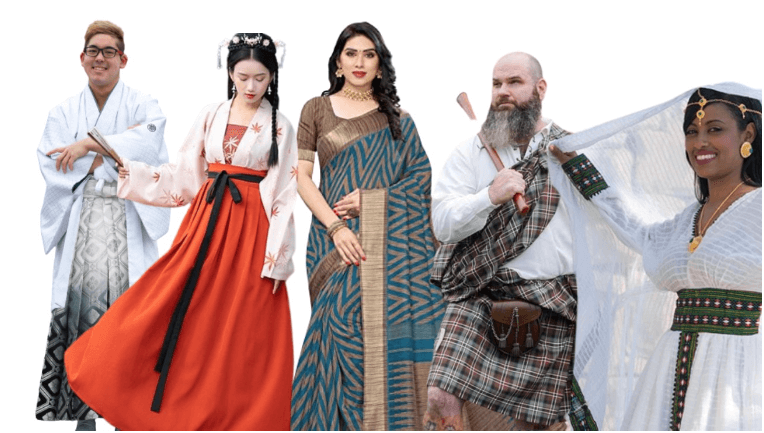
Explore the diverse array of traditional clothing from cultures around the world. From the intricate textiles of South Asian saris to the elaborate headdresses of African tribes, each culture’s clothing reflects its unique identity, heritage, and craftsmanship.
Evolution of Fashion
Trace the evolution of fashion trends through the decades, from the flapper dresses of the Roaring Twenties to the punk-inspired styles of the rebellious ‘80s. Fashion is a dynamic and ever-changing art form that mirrors the social, political, and economic currents of its time.
Symbolism & Iconography
Examine the symbolic significance of clothing in different cultures and historical periods. Colors, patterns, and accessories often carry deep cultural and religious meaning, serving as potent symbols of identity, status, and belief systems.
Practical Considerations
Consider the practical aspects of historical and cultural clothing, such as the materials used, construction techniques, and functional features. Clothing designed for specific environments and occupations can offer valuable insights into the daily lives and challenges faced by characters in your story.
Social Commentary
Using clothing, individuals have frequently engaged in social commentary, challenging norms, and provoking discourse. From the suffragettes’ adoption of bloomers as a symbol of women’s rights to the punk movement’s rejection of mainstream fashion, clothing can be a powerful tool for expressing dissent and advocating for change.
Cultural Sensitivity
Approach the use of real-world clothing with sensitivity and respect for cultural diversity. Strive to represent diverse perspectives authentically and thoughtfully in your storytelling.
Magic & Technology’s Impact on Clothing
Magic and technology offer boundless possibilities for transforming the world of clothing into speculative fiction. From enchanted garments woven with mystical threads to high-tech suits infused with futuristic enhancements, the interplay of magic and technology can revolutionize the way clothing is conceived, crafted, and worn.
Magical Enchantments
Magic can imbue clothing with extraordinary properties and abilities, ranging from enhanced durability and resilience to transformative powers. Enchanted garments may offer protection against physical harm, grant the wearer enhanced strength or agility, or even bestow invisibility or shape-shifting abilities.
Technological Advancements
Technology enables the creation of innovative fabrics, materials, and manufacturing techniques that push the boundaries of conventional clothing design. Nanotechnology, 3D printing, and smart textiles revolutionize clothing producution, offering features such as temperature regulation, self-repair, and built-in sensors.
Adaptive & Responsive Clothing
Magical and technological clothing can adapt and respond to the needs of the wearer and the environment. Self-adjusting garments may alter their fit and form to accommodate changes in body shape or movement, while temperature-regulating fabrics can maintain optimal comfort in any climate.
Augmented Reality & Holographic Displays
Technology enables the integration of augmented reality and holographic displays into clothing, transforming garments into interactive interfaces for communication, entertainment, and information retrieval. Wearable technology such as smart glasses and AR contact lenses can overlay digital information onto the wearer’s field of vision, enhancing their perception of the world around them.
Fashionable Functionality
Magic and technology blur the line between fashion and function, allowing clothing to serve multiple purposes beyond mere adornment. High-tech clothing may incorporate built-in communication devices, integrated power sources, and concealed compartments for storage and utility.
Personalized & Customizable Designs
Magic and technology empower individuals to personalize and customize their clothing according to their preferences and needs. Shape-shifting fabrics, color-changing dyes, and modular designs enable wearers to alter their attire at will, expressing their unique identity and style.

The Writer’s Toolkit
Creating unique, interesting, and believable clothing can be an important part of immersing readers in your fictional world and bringing your characters to life. Here are some practical tips to help you craft captivating attire for your stories:
Consider Cultural Influences – Draw inspiration from real-world cultures and historical periods to create authentic and diverse clothing styles for your fictional world. Research traditional garments, textiles, and adornments from different cultures to enrich your world-building and add depth to your characters’ attire.
Reflect Character Personality & Background – Tailor clothing choices to reflect each character’s personality, background, and social status. Consider how their upbringing, profession, and personal preferences influence their fashion sense and attire. Clothing can serve as a visual cue to communicate key aspects of a character’s identity and backstory to readers.
Balance Functionality & Aesthetics – Strive to balance between functionality and aesthetics when designing clothing for your characters. Consider the practical needs and activities of each character and tailor their attire accordingly. Functional details such as pockets, closures, and reinforcements should complement the overall aesthetic of the garment.
Use Symbolism & Imagery – Infuse clothing with symbolic imagery and motifs that reflect themes, character arcs, and plot elements in your story. Colors, patterns, and accessories can convey deeper meanings and foreshadow future events, adding layers of subtext and intrigue to your narrative.
Show, Don’t Tell – Use vivid and descriptive language to paint a detailed picture of your characters’ clothing without resorting to exposition or info-dumps. Show readers how clothing fits, feels, and moves on the body, allowing them to visualize the garments and immerse themselves in the sensory experience.
Consider Environmental Factors – Consider the climate, geography, and cultural customs of your fictional world when designing clothing. Adapt clothing styles and materials to suit the environmental conditions and practical needs of your characters. Consider how different regions and cultures within your world may have distinct clothing traditions and adaptations.
Experiment with Technology & Magic – Explore the possibilities of incorporating technology and magic into clothing design to create unique and fantastical garments. Experiment with enchanted fabrics, futuristic textiles, and magical embellishments to imbue clothing with extraordinary properties and abilities.
Pay Attention to Detail – Pay attention to the finer details of clothing design, including seams, stitching, textures, and embellishments. Consider how these elements contribute to the overall aesthetic and functionality of the garment, adding richness and authenticity to your descriptions.
Iterate & Revise – Don’t be afraid to iterate and revise your clothing designs as you refine your story. Solicit feedback from beta readers or critique partners to ensure that your clothing descriptions resonate with readers and enhance the immersive experience of your narrative.
Fictional Example: The Nanofiber Kimono
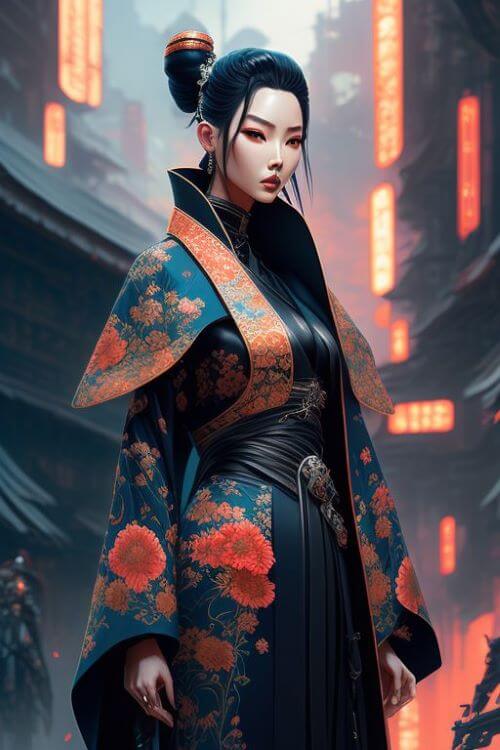
In the bustling metropolis of Neo-Tokyo, where technology and tradition intersect in a dazzling display of innovation, fashion takes on a futuristic flair unlike anything seen before. One such example is the “Nanofiber Kimono,” a fusion of traditional Japanese aesthetics and advanced nanotechnology.
Crafted from ultra-lightweight nanofiber fabric, the Nanofiber Kimono combines the elegance of traditional kimono design with the functionality of modern materials. The fabric contains microscopic sensors and actuators that respond to the wearer’s movements, adjusting the fit and drape of the garment in real-time for optimal comfort and style.
It features intricate patterns and motifs inspired by Japanese folklore and mythology, rendered in shimmering threads that change color with the wearer’s mood or the ambient lighting. Embedded LED panels woven into the fabric allow the kimono to display customizable holographic images and animations, transforming the garment into a dynamic canvas for self-expression.
Functionality meets fashion with the Nanofiber Kimono’s built-in smart features, including integrated biometric sensors that monitor the wearer’s vital signs and health metrics in real-time. The kimono can adjust its temperature and ventilation properties to keep the wearer cool in the summer and warm in the winter, while built-in speakers and microphones enable hands-free communication and audio playback.
Designed for the discerning urbanite navigating the bustling streets of Neo-Tokyo, the Nanofiber Kimono represents the epitome of futuristic fashion. As wearers stroll through the neon-lit streets of the city, it becomes a symbol of sophistication and sophistication, turning heads and sparking conversations wherever they go.
Clothing is an integral aspect of world-building in speculative fiction, offering a window into the complex interplay of tradition, climate, gender roles, social class, and resource availability. Fashion trends reflect the dynamic nature of society, evolving in response to cultural, economic, and technological influences. By understanding the multifaceted factors that shape clothing choices and fashion trends, we gain insight into the rich tapestry of human expression and identity.
I hope this was helpful. Let me know if you have questions or suggestions by using the Contact Me form on my website or by writing a comment. I post every Friday and would be grateful if you would share my content.
If you want my blog delivered straight to your inbox every month along with exclusive content and giveaways, please sign up for my email list here.
Let’s get writing!
Copyright © 2024 Rebecca Shedd. All rights reserved.
 Rebecca Shedd - Author