The Worldbuilder’s Toolkit: Food
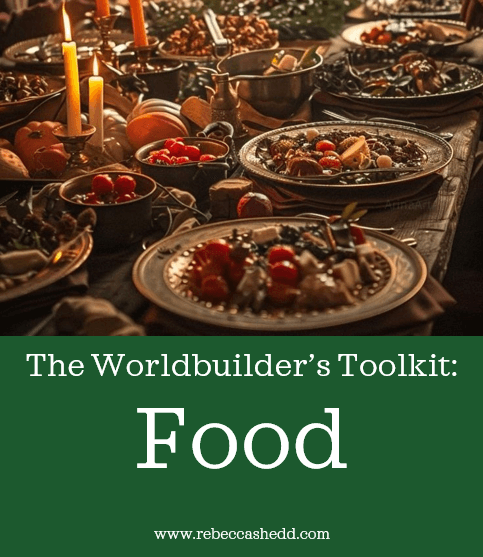

Food is more than mere sustenance; it serves as a cornerstone of culture, reflecting the history, values, and traditions of a society. From exotic feasts fit for kings to futuristic delicacies harvested from alien worlds, the culinary landscapes of speculative fiction offer endless opportunities for creative exploration. From the ingredients used to the methods of preparation and presentation, food embodies the essence of a culture and shapes the experiences of its people. In this guide, I’ll delve into how to world build food in your fantastical and futuristic worlds.
Things to Consider
Culinary Cultures
Just as in our world, different cultures within your fictional universe will have their own unique culinary traditions and preferences. Consider how factors such as geography, climate, and cultural values influence the ingredients, flavors, and cooking techniques of each society.
Environmental Adaptations
The environment plays a crucial role in shaping the food of your world. In lush forests, exotic fruits and foraged delicacies may feature prominently in the diet. In arid deserts, hearty grains and drought-resistant crops may be staples. Consider how the flora and fauna of your world contribute to its culinary diversity.
Technological Advancements
In science fiction settings, technological advancements can revolutionize the way food is grown, prepared, and consumed. Replicators, hydroponic farms, and genetic engineering offer endless possibilities for creating futuristic cuisine. Explore how innovations like food synthesizers and nutrient supplements impact the diets of your characters.
Magical Ingredients & Recipes
In fantasy worlds, magic and alchemy may play a role in creating enchanted ingredients and mystical recipes. Consider how you can incorporate magical creatures, plants, and artifacts into the culinary traditions of your world, from healing potions brewed from rare herbs to dishes infused with elemental magic.
Social Customs & Ceremonies
Food is often central to social customs and ceremonies within a society. Explore how feasts, banquets, and rituals surrounding food are used to celebrate milestones, honor traditions, and forge bonds between individuals. Consider the significance of communal meals and shared experiences in building community and unity.
Fusion Cuisine & Cultural Exchange
As cultures interact and influence one another, culinary traditions may merge and evolve through cultural exchange. Experiment with fusion cuisine, blending flavors and ingredients from different cultures to create unique culinary hybrids. Explore the dynamic interplay between tradition and innovation in the culinary arts.
Dietary Restrictions & Taboos
Consider how dietary restrictions, allergies, and taboos shape the eating habits of your characters. Some societies may eschew certain foods for religious or cultural reasons, while others may have developed unique culinary customs to accommodate environmental challenges or scarcity.
Exotic Ingredients & Flavors
Expand your culinary palette by incorporating exotic ingredients and flavors into your world-building. Experiment with fantastical creatures, alien plants, and rare spices to create dishes that are both intriguing and delicious. Consider how the introduction of new ingredients can spark curiosity, adventure, and discovery for your characters.
Gastronomic Adventures
Food offers endless opportunities for gastronomic adventures and culinary quests in your world. From epic quests to find legendary ingredients to cooking competitions that test the skill and creativity of your characters, explore how food can drive the narrative forward and add depth to your world.
Sensory Descriptions
Bring your world-building food to life through vivid sensory descriptions that tantalize the imagination. Describe the sights, smells, tastes, and textures of your culinary creations in rich detail, inviting readers to savor every mouthwatering moment.
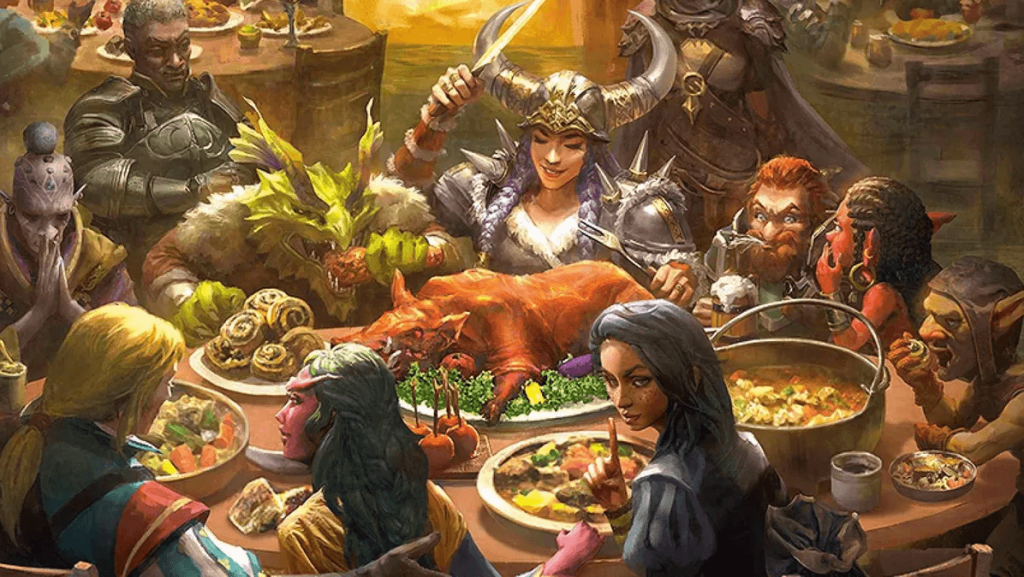
Exploring the Impact of Food on Culture
Here’s how various elements influence a culture’s food and culinary traditions.
Tradition & Heritage
Tradition plays a pivotal role in shaping a culture’s food preferences and culinary practices. Passed down through generations, traditional recipes and cooking techniques serve as a link to the past, preserving cultural identity and fostering a sense of belonging among communities. Whether it’s a family recipe for matzo ball soup or a ceremonial dish served during festivals, tradition infuses food with meaning and significance.
Climate & Geography
The natural environment, including climate and geography, profoundly influences the availability of ingredients and agricultural practices, shaping a culture’s culinary landscape. The abundance or scarcity of resources dictates not only what can be grown or harvested, but also how food is preserved, prepared, and shared within a community.
Availability of Ingredients
The availability of ingredients determines the diversity and flavor profile of a culture’s cuisine. Regions blessed with fertile soil and abundant water sources may cultivate a wide array of fruits, vegetables, and grains, leading to a rich and varied diet. Conversely, remote or isolated communities may rely on foraged foods or preserved staples to sustain themselves, resulting in unique culinary traditions shaped by necessity and ingenuity.
Cultural Exchange & Migration
Cultural exchange and migration contribute to the fusion of culinary traditions, as people bring their food customs and recipes to new lands. The blending of ingredients, cooking techniques, and flavor profiles gives rise to hybrid cuisines that reflect the diversity and interconnectedness of the human experience. Whether through trade routes, conquests, or immigration, culinary exchange fosters a sense of openness and curiosity, expanding the culinary repertoire of societies.
Social & Ritual Significance
Food plays a central role in social gatherings, celebrations, and religious rituals, serving as a catalyst for communal bonding and shared experiences. Festive feasts, wedding banquets, and holiday meals bring people together, fostering connections and reinforcing social bonds. The act of preparing and sharing food becomes a form of expression, conveying love, hospitality, and cultural pride across generations.
Culinary Innovation & Creativity
Culinary innovation and creativity push the boundaries of tradition, leading to the invention of new dishes, techniques, and flavor combinations. Chefs and home cooks alike experiment with fusion cuisine, molecular gastronomy, and farm-to-table dining, challenging conventions and redefining culinary norms. In an age of globalization and digital connectivity, food becomes a medium for artistic expression and cultural exchange, transcending borders and uniting people through shared gastronomic experiences.
Exploring Real-World Food Traditions
One of the richest sources of inspiration for creating fictional culinary cultures lies in the vast breath of real-world food traditions from around the globe. By studying the diverse cuisines of different cultures and historical periods, writers can glean insights into the ingredients, techniques, and cultural significance of food, enriching their fictional worlds with authenticity and depth.
Modern Global Cuisine
Explore the vibrant tapestry of modern global cuisine, which reflects the culinary fusion and cross-cultural exchange of our interconnected world. From sushi in Japan to pizza in Italy, modern cuisine offers a kaleidoscope of flavors, ingredients, and cooking styles drawn from diverse culinary traditions. Delve into the nuances of regional specialties, street food delights, and haute cuisine to discover new culinary possibilities for your fictional cultures.
Historical Foodways
Journey back in time to explore the rich tapestry of historical foodways, spanning ancient civilizations, medieval feasts, and colonial encounters. Study the ingredients and cooking techniques of different eras, from the spice trade routes of the Silk Road to the culinary innovations of the Renaissance. Historical cookbooks, archaeological findings, and culinary artifacts offer valuable insights into the gastronomic practices of bygone civilizations, providing a treasure trove of inspiration for crafting fictional culinary cultures.
Cultural Traditions & Festivals
Immerse yourself in the cultural traditions and festivals that revolve around food, from Chinese New Year celebrations to Mexican Day of the Dead feasts. Each culture has its own unique rituals, customs, and symbolic foods associated with significant life events, religious observances, and seasonal festivities. Explore the significance of food in cultural identity and communal rituals, drawing inspiration from the rich tapestry of culinary traditions that bring people together in celebration and solidarity.
Indigenous Food Heritage
Explore the culinary heritage of indigenous communities and their deep connection to the land, biodiversity, and traditional food systems.
Culinary Icons & Innovators
Pay tribute to culinary icons and innovators who have shaped the modern culinary landscape through their creativity, passion, and ingenuity. From celebrity chefs and restaurateurs to food bloggers and cookbook authors, these trailblazers inspire new generations of food enthusiasts and influence culinary trends around the world. Explore the stories behind iconic dishes, signature ingredients, and culinary revolutions to infuse your fictional cultures with the spirit of culinary innovation and excellence.

Plot, Characters, and Cultural Insight
In storytelling, food can serve as more than just sustenance; it becomes a powerful narrative tool that can affect the plot, shape characters, and provide readers with insights into the culture and world of the story.
Plot Development
Food can drive the plot forward by serving as a catalyst for conflict, resolution, or pivotal moments in the story. For example, a shared meal may bring characters together, forging alliances, or sparking romance. Conversely, a scarcity of food may lead to desperation, survival challenges, or even political unrest, driving the characters to make hard choices that propel the plot forward.
Characterization
The way characters interact with food can reveal key aspects of their personality, background, and motivations. A character’s culinary preferences, cooking skills, or relationship with food can offer insights into their cultural heritage, social status, or emotional state. Whether it’s a gourmet chef who expresses love through their culinary creations or a frugal scavenger who sees food as a means of survival, food-related traits can deepen the reader’s understanding of the characters’ identities and inner worlds.
Cultural Insight
Food serves as a window into the culture and traditions of your story’s world, offering readers a glimpse of its customs, values, and social norms. The ingredients, cooking techniques, and dining rituals depicted in the story can convey cultural nuances and highlight the diversity of culinary traditions within the fictional world. By immersing readers in the sensory experience of food, writers can evoke a sense of place and atmosphere, transporting them to exotic locales and immersing them in the richness of the story’s cultural tapestry.
Symbolism & Metaphor
Food can be infused with symbolism and metaphor, serving as a potent literary device to convey deeper themes and emotions. A shared meal may symbolize unity, community, or reconciliation, while certain foods may carry cultural or religious significance that imbues them with layers of meaning. Writers can use food-related imagery to evoke mood, foreshadow events, or underscore thematic elements, enriching the narrative with layers of symbolism and subtext.
World-Building
By providing detailed descriptions of food, writers can bring the fictional world of the story to life, vividly portraying its geography, climate, and cultural variety. Whether it’s a bustling marketplace filled with exotic spices and street food vendors or a lavish banquet hall adorned with sumptuous delicacies, food-related imagery creates a sense of place and atmosphere that immerses readers in the sights, sounds, and smells of your story’s world.
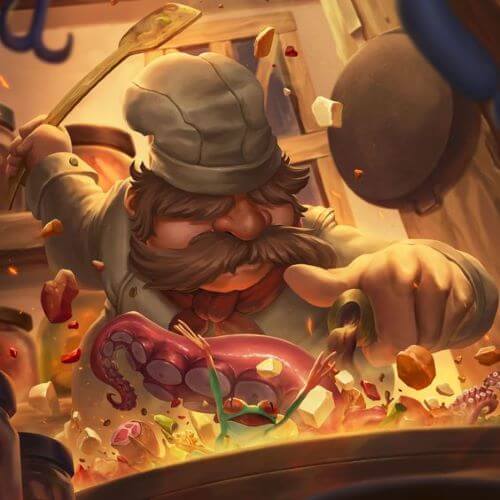
Magic, Technology and the Culinary Landscape
In a world where magic and technology coexist, the transformative evolution of food shapes the way people grow, harvest, prepare, and enjoy ingredients.
Agricultural Advancements
Magic and technology can revolutionize agricultural practices, increasing crop yields, enhancing crop resilience, and diversifying food production. Enchanted irrigation systems, weather-controlling spells, and soil enrichment techniques powered by magical energy can transform barren landscapes into fertile farmland, ensuring food security and abundance for communities. Meanwhile, technological innovations such as automated farming machinery, hydroponic systems, and genetically modified crops contribute to sustainable agriculture and resource efficiency.
Alchemical Creations
Alchemy, the ancient art of transmutation, offers boundless possibilities for culinary innovation and experimentation. Alchemical ingredients and potions can imbue food with magical properties, enhancing flavor, nutrition, and longevity. From healing elixirs and rejuvenating tonics to flavor-enhancing essences and color-changing potions, alchemical creations add a touch of enchantment to the culinary arts, delighting diners with their transformative effects and mystical allure.
Culinary Magic
Culinary magic, the practice of imbuing food with magical properties, adds an element of wonder and spectacle to the dining experience. Magically infused ingredients, enchanted cooking utensils, and spells of flavor enhancement allow chefs to create dishes that defy conventional culinary norms, tantalizing the taste buds and igniting the imagination. Whether it’s a feast of levitating delicacies, a banquet of illusionary delights, or a potion-infused tonic that grants temporary abilities, culinary magic elevates dining to a magical experience.
Technological Innovations
Technological advancements in food preparation and preservation enhance efficiency, convenience, and safety in the culinary industry. From enchanted kitchen appliances and molecular gastronomy techniques to food replicators and teleportation devices, cutting-edge technology streamlines the cooking process, expands culinary creativity, and revolutionizes the way food is consumed and enjoyed. Whether it’s a magical oven that bakes perfect pastries with a wave of a wand or a molecular synthesizer that creates gourmet dishes from raw ingredients, technology enhances the culinary experience in ways previously unimaginable.
Ethical Considerations
Using magic and technology in food production raises ethical considerations regarding sustainability, environmental impact, and social equity. While magical enhancements and technological innovations offer benefits such as increased food security and accessibility, they also pose risks, such as dependency on artificial interventions, genetic manipulation, and ecological imbalance. Writers can explore the ethical dilemmas and consequences of using magic and technology in food production, highlighting the need for responsible stewardship and ethical decision-making in shaping the future of food.
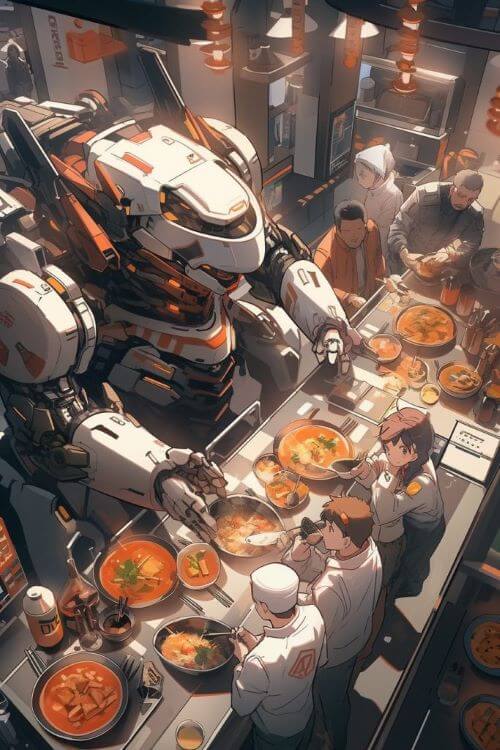
The Writer’s Toolkit
Creating interesting and believable food in your writing can enrich your world-building and captivate your readers.
Draw Inspiration from Real-World Cuisine – Explore the diverse culinary traditions of different cultures and historical periods for inspiration. Study traditional ingredients, cooking techniques, and flavor profiles to create authentic and immersive food experiences in your writing.
Develop Signature Dishes – Give your fictional cultures and regions distinctive signature dishes that reflect their unique heritage, geography, and values. Whether it’s a spicy street food snack or a lavish banquet centerpiece, memorable dishes can become iconic symbols of your world-building.
Incorporate Cultural Nuances – Consider the cultural significance of food in your fictional world and how it reflects social customs, religious beliefs, and regional identities. Infuse your descriptions with cultural nuances, such as dining rituals, etiquette, and symbolism, to add depth and authenticity to your culinary scenes.
Experiment with Fusion Cuisine – Explore the possibilities of fusion cuisine by blending elements from different culinary traditions to create innovative and unexpected flavor combinations. Experiment with cross-cultural ingredients, cooking styles, and culinary techniques to invent new culinary delights that challenge conventions and excite the palate.
Appeal to the Senses – Use vivid sensory descriptions to evoke the sights, sounds, smells, tastes, and textures of the food in your writing. Engage the reader’s imagination by painting a sensory-rich picture of the culinary experience, from the sizzle of a hot skillet to the aroma of freshly baked bread.
Consider Seasonality & Availability – Consider the seasonal availability of ingredients and how it impacts the culinary landscape of your world. Describe the vibrant colors of summer fruits, the earthy flavors of autumn vegetables, and the hearty comfort foods of winter feasts to create a sense of time and place in your writing.
Infuse Magic & Technology – Explore the possibilities of magical and technological innovations in food production, preparation, and presentation. Experiment with enchanted ingredients, alchemical concoctions, and futuristic culinary gadgets to add a touch of wonder and intrigue to your fictional cuisine.
Showcase Food Diversity – Celebrate food diversity by incorporating a variety of cuisines, dietary preferences, and culinary traditions into your writing. Showcase the richness of multiculturalism and the universality of food as a source of joy, nourishment, and cultural exchange.
Use Food as a Narrative Device – Integrate food seamlessly into your narrative as a storytelling device that advances the plot, reveals character traits, and evokes emotion. Show characters bonding over shared meals, navigating culinary challenges, or experiencing food-related revelations to deepen their development and drive the story forward.
Experiment & Have Fun – Don’t be afraid to experiment with unconventional ideas and imaginative concepts when crafting your fictional food. Let your creativity flow and have fun exploring the endless possibilities of culinary world-building in your writing.
Fictional Example: The Dragonfire Souffle
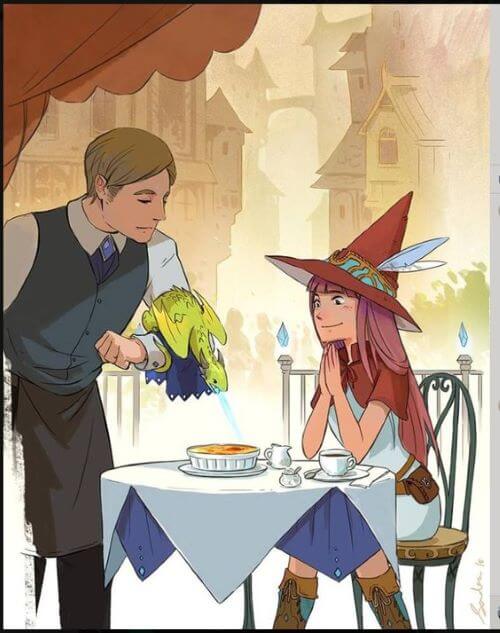
In the realm of Arkania, one of the most coveted delicacies is the “Dragonfire Soufflé.” Crafted by skilled alchemists and master chefs, this culinary marvel combines the fiery essence of dragons with the delicate artistry of soufflé-making to create a truly unforgettable dining experience.
The Dragonfire Soufflé begins with a base of rare dragon eggs harvested from the nests of ancient wyverns. These eggs are prized for their iridescent shells, which shimmer with hues of crimson, gold, and emerald. Carefully cracked open, the eggs reveal a rich, custard-like yolk imbued with the potent essence of dragonfire.
Next, the alchemists infuse the egg yolks with a magical concoction of spices and herbs, including rare dragonmint leaves and fiery peppers harvested from the volcanic slopes of Mount Draconis. This enchanted mixture lends the soufflé its signature blend of heat and flavor.
Meanwhile, the chefs whip the egg whites into a fluffy meringue, incorporating air bubbles with precision to achieve the perfect level of lightness and loftiness. As the soufflé bakes in the oven, the alchemical properties of the dragon eggs react with the heat, causing the mixture to rise and expand into a towering confection of golden perfection.
When the Dragonfire Soufflé emerges from the oven, it is a sight to behold, its surface glistening with a caramelized glaze that crackles and pops like miniature flames. With a flourish, the chef presents the soufflé to the eager diners.
As diners take their first bite, a whirlwind of flavors envelops their palates, dancing across their taste buds. The rich, velvety texture of the soufflé melts away to reveal layers of complexity, with hints of smoky dragonfire mingling with the sweetness of the eggs and the piquancy of the spices. Each mouthful is a symphony of taste and texture, leaving diners longing for more.
Food serves as a mirror reflecting the soul of a culture, embodying its history, values, and aspirations. World-building food in fantasy and science fiction offers boundless opportunities for creativity, exploration, and storytelling. By considering the cultural, environmental, and technological factors that shape the culinary landscapes of your world, you can create a rich and immersive dining experience that leaves readers hungry for more. Happy world-building!
I hope this was helpful. Let me know if you have questions or suggestions by using the Contact Me form on my website or by writing a comment. I post every Friday and would be grateful if you would share my content.
If you want my blog delivered straight to your inbox every month along with exclusive content and giveaways, please sign up for my email list here.
Let’s get writing!
Copyright © 2024 Rebecca Shedd. All rights reserved.
 Rebecca Shedd - Author