The Worldbuilder’s Toolkit: Economy & Trade
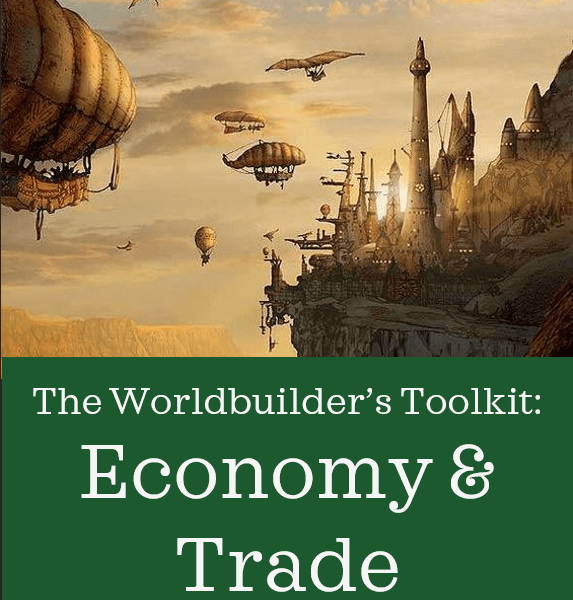

Economies and trade systems weave together the fabric of societies, shaping the livelihoods, aspirations, and interactions of their inhabitants. These are the systems by which goods and services are produced, distributed, and consumed within a society or geographical area, influencing institutions commas policies commas and behaviors. For writers, creating rich and believable economic landscapes can help craft immersive and compelling narratives. In this article, I’ll explore how to worldbuild economies and trade systems, offering insights, tips, and inspiration for ways to enrich their fictional worlds.
Understanding Economic Foundations
At the heart of every society lies an economic foundation that determines the flow of resources, wealth distribution, and socio-economic dynamics. Whether it’s a feudal kingdom ruled by noble houses or a futuristic galactic empire governed by corporate conglomerates, understanding the economic structures and systems that underpin society is crucial for world-building.
Define Economic Systems
Start by defining the economic systems that govern your fictional world, whether it’s a capitalist market economy, a socialist planned economy, or a barter-based system. Consider the role of government intervention, regulation, and taxation, as well as the distribution of wealth and resources among different social classes.
Trade & Commerce
Explore the dynamics of trade and commerce, including domestic and international trade routes, mercantile networks, and trading hubs. Consider the types of goods and commodities that are traded, as well as the currencies, tariffs, and regulations that govern commercial transactions.
Resource Management
Develop a framework for resource management within your fictional world, including the extraction, production, and distribution of natural resources such as minerals, timber, and agricultural products. Consider the impact of resource scarcity, environmental factors, and technological advancements on economic development and sustainability.

Trade Systems & Networks
Trade systems and networks form the arteries through which goods, ideas, and cultures flow, connecting distant lands and civilizations in a web of economic exchange and interaction. By crafting intricate trade systems and networks, writers can enrich their fictional worlds with layers of complexity and intrigue.
Trade Networks
Map out trade routes and networks that connect different regions and civilizations within your fictional world, considering geographical features, transportation technologies, and cultural influences. Consider the role of major trade hubs, maritime routes, and overland trade corridors in facilitating economic exchange and cultural diffusion.
Partnerships & Alliances
Explore the dynamics of trade partnerships and alliances between different factions, nations, and civilizations, ranging from formal trade agreements to informal networks of economic cooperation. Consider the motivations, incentives, and power dynamics that shape trade relationships and influence diplomatic relations.
Trade Goods
Introduce a diverse array of trade goods and commodities that reflect the unique characteristics and resources of each region within your fictional world. From exotic spices and rare gemstones to advanced technology and magical artifacts, trade goods can serve as valuable assets, coveted commodities, and catalysts for conflict and intrigue.
Economic Influences
Consider the economic influences that shape trade patterns and networks within your fictional world, including political alliances, cultural ties, religions, and technological advancements. Explore the impact of factors such as war, diplomacy, and espionage on trade dynamics, as well as the role of trade in fueling economic growth, innovation, and cultural exchange.
Economic Diversity
Showcase the economic diversity and specialization of different regions and civilizations within your world, highlighting their unique industries, markets, and economic strengths. From bustling port cities and thriving mercantile empires to agrarian villages and nomadic trading caravans, each economic landscape offers opportunities for exploration and discovery.
Economic Conflict
Cultivate economic conflict and competition between rival factions, nations, and civilizations within your fictional world, ranging from trade disputes and economic sanctions to embargoed goods and smuggling operations. Explore the complexities of economic warfare, espionage, and sabotage as characters navigate the treacherous currents of commerce and diplomacy.
Different Economic Models
Various economic models exist, each with its own principles, mechanisms, and outcomes. Each economic model has its strengths and weaknesses, and real-world economies often exhibit elements of multiple models depending on political, social, and historical factors. Understanding these different economic models can provide valuable insights into the complexities of economic systems and their impact on society.
Market Economy
In a market economy, the allocation of resources and the pricing of goods and services are primarily determined by supply and demand forces in free markets. Private individuals and businesses own the means of production, and competition drives efficiency and innovation. Examples include the United States and many Western countries.
Command Economy
In a command economy, also known as a planned economy, the government centrally plans and controls the production, distribution, and pricing of goods and services. State-owned enterprises dominate key industries, and economic decisions are made according to government directives. Examples include North Korea and Cuba.
Mixed Economy
A mixed economy combines elements of both market and command economies, with varying degrees of government intervention and regulation. Private enterprises coexist with state-owned enterprises, and the government plays a role in areas such as infrastructure, healthcare, and education. Examples include many Western European countries.
Traditional Economy
In a traditional economy, economic activity is based on traditional customs, beliefs, and practices passed down through generations. Production methods are often primitive, and goods and services are exchanged through barter or subsistence farming. Examples include indigenous communities and rural societies in developing countries.
Socialist Economy
In a socialist economy, the means of production are owned and controlled by the state or by the workers themselves, with the goal of achieving social equality and collective ownership. Economic planning and redistribution of wealth are key features, and there is often an emphasis on social welfare and public services. Examples include China and Vietnam.
Capitalist Economy
A capitalist economy is characterized by private ownership of the means of production and the pursuit of profit through market competition. Individuals and businesses engage in voluntary exchange and investment, guided by market signals such as prices and interest rates. Examples include the United States and the United Kingdom.
Green Economy
A green economy is focused on sustainable development and environmental stewardship, prioritizing the preservation of natural resources and the reduction of carbon emissions. Renewable energy, eco-friendly technologies, and conservation efforts are central to this economic model. Examples include countries with strong environmental policies such as Sweden and Costa Rica.
Post-Scarcity Economy
A post-scarcity economy is a theoretical model where technological advancements and abundance render traditional notions of scarcity obsolete. Automation, artificial intelligence, and universal access to resources enable a society where goods and services are freely available to all. Examples include speculative fiction settings such as Star Trek’s United Federation of Planets.

Different Trade Systems
Trade systems play a crucial role in facilitating the exchange of goods, services, and ideas between individuals, communities, and nations. Depending on the context and characteristics of a society, various trade systems may emerge to meet the needs of economic actors and facilitate commercial transactions. Here are several different trade systems that can exist in a society:
Barter System
In a barter system, goods and services are exchanged directly for other goods and services without the use of money as a medium of exchange. Barter has been historically prevalent in societies where currency is scarce or unavailable, relying on mutual agreement.
Traditional Marketplaces
Traditional marketplaces, such as bazaars, souks, and open-air markets, serve as hubs for local and regional trade, where vendors and buyers gather to buy and sell a wide range of goods and commodities. These marketplaces often feature stalls, booths, or tents arranged in rows, with merchants specializing in different products.
Global Trade Networks
Global trade networks encompass the exchange of goods, services, and capital on a global scale, facilitated by international trade agreements, transportation infrastructure, and communication technologies. These networks connect producers, consumers, and intermediaries across continents and oceans, enabling the globalization of commerce.
Mercantile Trade
Mercantile trade refers to the commercial activities of merchants and traders who buy and sell goods for profit, often involving long-distance trade routes, maritime expeditions, and trade agreements between nations. Mercantilism, a historical economic doctrine, emphasizes the accumulation of wealth through trade surpluses and the protection of domestic industries.
Fair Trade Systems
Fair trade systems promote ethical and sustainable practices in international trade, aiming to improve the livelihoods of marginalized producers in developing countries. Fair trade organizations certify products that meet certain social, environmental, and economic standards, ensuring that producers receive fair wages and working conditions.
E-Commerce Platforms
E-commerce platforms leverage digital technologies and the internet to facilitate online transactions between buyers and sellers, eliminating geographical barriers and expanding access to global markets. These platforms offer a wide range of products and services, from consumer goods and electronics to digital content and professional services.
Supply Chain Networks
Supply chain networks encompass the complex web of interconnected entities involved in the production, distribution, and sale of goods, from raw materials suppliers to manufacturers, wholesalers, retailers, and consumers. These networks optimize logistics, inventory management, and transportation to ensure efficient and timely delivery of goods to market.
Peer-to-Peer (P2P) Trading
Peer-to-peer trading platforms enable individuals to buy, sell, or exchange goods and services directly with each other without intermediaries or central authorities. P2P trading may involve physical goods, such as used items or handmade crafts, as well as digital goods, such as cryptocurrencies or digital assets.
Virtual Markets
Virtual markets exist within online communities and virtual worlds, where users trade virtual goods, currencies, and assets in virtual economies. These markets often operate within online gaming platforms, social media networks, or virtual reality environments, providing opportunities for virtual commerce and social interaction.
Informal Trading Networks
Informal trading networks encompass the spontaneous and unregulated exchange of goods and services within local communities, neighborhoods, or informal economies. These networks may involve street vendors, flea markets, or community-based initiatives, providing alternative channels for economic activity outside formal markets.

Economies & Trade Systems in Closed Vs Open Countries
The operation of economies and trade systems within a country can vary significantly depending on whether the nation is closed to the outside world or open to trade with other nations.
Closed Economy
In a closed economy, also known as an autarky, the nation operates independently of external trade and relies solely on its internal resources and production capabilities to meet domestic needs and drive economic growth. Here are some key characteristics of closed economies:
Limited External Trade – Closed economies restrict or prohibit international trade, imposing barriers such as tariffs, quotas, and trade embargoes to protect domestic industries and preserve national sovereignty. As a result, imports and exports are minimal, and the economy relies primarily on domestic production and consumption.
Self-Sufficiency – Closed economies prioritize self-sufficiency and economic independence, aiming to produce all essential goods and services domestically to reduce reliance on foreign sources. This may involve investment in domestic industries, infrastructure development, and agricultural self-sustainability.
Centralized Planning – In some closed economies, central planning and government intervention play a dominant role in economic decision-making, with state-owned enterprises controlling key industries and production processes. Economic policies focus on achieving self-sufficiency, price stability, and equitable distribution of resources.
Limited Access to Foreign Capital & Technology – Closed economies may face challenges in accessing foreign capital, technology, and expertise due to restrictions on foreign investment and intellectual property rights. This can hinder innovation, technological advancement, and economic diversification within the domestic economy.
Vulnerability to External Shocks – Closed economies may be more vulnerable to external shocks and fluctuations in global commodity prices, as they lack the flexibility to adjust trade patterns or access alternative sources of supply. Economic isolation can exacerbate the impact of natural disasters, geopolitical tensions, and economic crises.
Open Economy
In contrast, an open economy embraces international trade and economic integration, engaging in the exchange of goods, services, and capital with other nations. Here are some key characteristics of open economies:
Free Flow of Goods & Services – Open economies promote free trade and globalization, removing barriers to international trade such as tariffs, quotas, and trade restrictions. This allows goods and services to flow freely across borders, facilitating specialization, efficiency, and comparative advantage.
Integration into Global Markets – Open economies are integrated into global markets, participating in international trade agreements, supply chains, and investment networks. They leverage comparative advantages in production, labor, and resources to enhance competitiveness and access new markets and opportunities abroad.
Foreign Investment & Technology Transfer – Open economies attract foreign investment and technology transfer, allowing domestic firms to benefit from foreign capital, expertise, and innovation. Foreign direct investment (FDI) stimulates economic growth, job creation, and infrastructure development, while technology transfer enhances productivity and competitiveness.
Diversification & Specialization – Open economies encourage diversification and specialization of production, enabling firms to focus on their core competencies and exploit global market opportunities. Specialization based on comparative advantage promotes efficiency, innovation, and higher standards of living for consumers.
Exposure to Global Risks & Opportunities – Open economies are exposed to global risks and opportunities, including fluctuations in exchange rates, commodity prices, and geopolitical developments. While international trade can enhance economic resilience and flexibility, it also exposes countries to external shocks and uncertainties.

Impact on Society
The economy and trade play pivotal roles in shaping various aspects of society, including politics, religion, culture, and other social institutions.
Impact on Politics
The economy and trade significantly influence political dynamics, as governments often implement policies to regulate trade, stimulate economic growth, and address social inequalities. Economic prosperity can bolster political stability and legitimacy, while economic downturns may lead to social unrest and political instability.
Trade relations with other nations can also influence diplomatic relations, geopolitical alliances, and foreign policy decisions. Economic sanctions, trade agreements, and international trade disputes are common tools used by governments to pursue political objectives and safeguard national interests.
Impact on Religion
Economic factors can shape religious practices and beliefs, as individuals and communities may turn to religion for solace, guidance, and support during times of economic hardship or uncertainty. Economic disparities and social inequalities may also influence religious attitudes toward wealth, charity, and social justice.
Similarly, trade networks and cultural exchanges can facilitate the spread of religious ideas, rituals, and symbols across different regions and civilizations. Economic hubs and trade routes often serve as conduits for religious missionaries, pilgrims, and merchants, fostering religious diversity.
Impact on Culture
The economy and trade exert a profound influence on cultural expressions, traditions, and identities, as they shape patterns of consumption, production, and exchange. Economic prosperity can fuel artistic innovation, cultural flourishing, and the emergence of urban centers as cultural hubs.
Trade relations and cross-cultural interactions foster cultural exchange, hybridization, and adaptation, as societies assimilate foreign influences, technologies, and ideas into their own cultural repertoire. Globalization and international trade contribute to the diffusion of languages, cuisines, fashions, and entertainment worldwide.
Factors Influencing Economy & Trade
Location – Geographical factors such as proximity to trade routes, natural harbors, and strategic chokepoints influence a nation’s economic opportunities and trade prospects. Landlocked countries may face challenges in accessing global markets, while coastal regions often benefit from maritime trade.
Weather & Climate – Climate conditions impact agricultural productivity, resource availability, and transportation networks, affecting economic activities such as farming, fishing, and tourism. Extreme weather events, such as hurricanes or droughts, can disrupt supply chains and trade routes.
Availability of Resources – Natural resources such as minerals, energy, water, and arable land play a crucial role in shaping economic development and trade specialization. Resource-rich countries may export commodities to generate revenue, while resource-poor countries may rely on imports to meet domestic needs.
Changes Over Time
Economies and trade relations are dynamic and subject to change over time due to technological advancements, shifts in global markets, and geopolitical developments. Industrialization, globalization, and digitalization have transformed economic activities and trade patterns.
Economic transitions, such as the shift from agrarian economies to industrial economies, or from manufacturing-based economies to service-based economies, can have profound social, cultural, and political implications. Trade agreements, treaties, and alliances evolve in response to changing economic priorities and geopolitical realities.

Drawing Inspiration from the Real World
One rich source of inspiration for creating fictional economies and trade systems is the study of real-world historical and modern examples. By drawing inspiration from real-world economies and trade systems, authors can enrich their world-building with authenticity, depth, and complexity, creating immersive speculative fiction worlds that resonate with readers and offer thought-provoking insights into the nature of commerce, society, and human interaction.
Learning from Historical Trade Routes
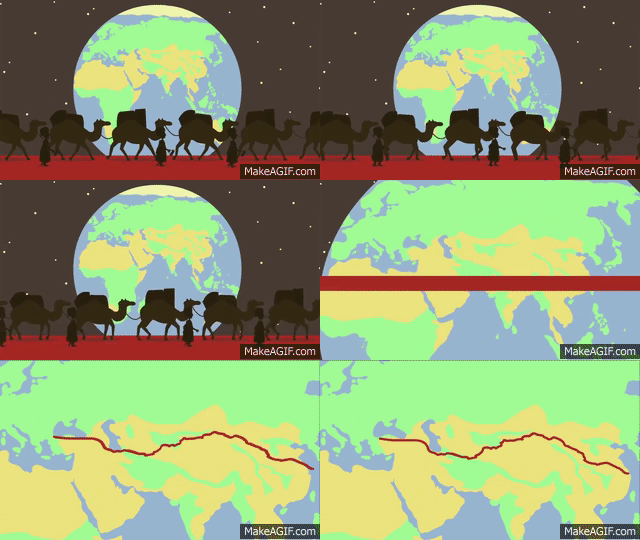
Historical trade routes such as the Silk Road, Trans-Saharan trade routes, and maritime spice routes offer valuable insights into the exchange of goods, ideas, and cultures across vast distances and diverse civilizations. These ancient networks facilitated the flow of commodities such as silk, spices, precious metals, and luxury goods, fostering economic prosperity and cultural exchange.
The Silk Road serves as a compelling example of how trade routes can shape the economic and cultural landscape of entire regions. Stretching from China to the Mediterranean, the Silk Road connected East and West, facilitating trade in silk, tea, porcelain, spices, and other goods. Along its routes, bustling market towns, cosmopolitan cities, and cultural crossroads emerged, fostering intercultural exchange, technological diffusion, and intellectual dialogue.
Examining Modern Trade Agreements & Alliances
Contemporary trade agreements and alliances provide insights into the complexities of international trade relations and economic cooperation. Examples include the North American Free Trade Agreement (NAFTA), the European Union’s Single Market, and the Comprehensive and Progressive Agreement for Trans-Pacific Partnership (CPTPP).
These agreements offer inspiration for crafting fictional trade alliances, economic blocs, and international trade negotiations in speculative fiction settings. Authors can explore themes such as economic integration, trade liberalization, regulatory harmonization, and the geopolitical implications of cross-border trade.
Studying Economic Systems & Models
Real-world economic systems and models, such as capitalism, socialism, mixed economies, and command economies, offer a wealth of ideas for constructing fictional economic frameworks and governing structures in speculative fiction worlds. Authors can explore the strengths and weaknesses of different economic systems and imagine alternative models based on futuristic technologies or magical phenomena.
By examining the historical development of economic theories and policies, authors can enrich their world-building with nuanced depictions of economic ideologies, institutions, and debates. For example, the rise of mercantilism, laissez-faire capitalism, and Keynesian economics provides historical context for understanding the evolution of economic thought and policy.
Inspiration from Resource-Based Economies
Resource-based economies, characterized by reliance on natural resources such as oil, minerals, or agricultural products, offer fertile ground for world-building in speculative fiction. Writers can draw inspiration from real-world examples of resource extraction, commodity markets, and resource-dependent economies.
The economic and geopolitical implications of resource abundance or scarcity, resource conflicts, environmental degradation, and sustainable development can inform the creation of fictional societies, cultures, and conflicts in fantasy and science fiction worlds.
Using the Silk Road as an Example
The Silk Road serves as a captivating example of how trade routes can transcend geographical, cultural, and political boundaries, connecting distant civilizations and fostering economic exchange, cultural diffusion, and technological innovation. Inspired by the Silk Road, authors can create fictional trade routes and networks that shape the economic, cultural, and geopolitical dynamics of their worlds.

Impact of Economy & Trade on Plot & Character
The economy and trade can serve as powerful narrative drivers, shaping the plot and influencing the development of characters in various ways.
Struggle for Economic Survival
Characters may face challenges related to poverty, unemployment, or economic inequality, driving them to desperate measures to secure their livelihoods. Their quest for economic survival can propel the plot forward, leading to conflicts, moral dilemmas, and character growth.
Quest for Wealth & Prosperity
Characters may embark on quests or adventures in pursuit of wealth, riches, or economic opportunities. Their journey may take them to distant lands, perilous dungeons, or bustling marketplaces, where they encounter obstacles, rivals, and unexpected allies along the way.
Impact of Economic Disruption
Economic disruptions such as market crashes, trade embargoes, or currency devaluations can disrupt the status quo and plunge characters into turmoil. They must adapt to changing economic conditions, navigate volatile markets, and confront the consequences of financial instability on their lives and livelihoods.
Economic Power & Influence
Characters wielding economic power and influence, such as merchants, bankers, or industrialists, may manipulate markets, broker deals, or leverage their wealth to advance their agendas. Their actions can shape the trajectory of the plot, influencing political decisions, social dynamics, and power struggles within the story world.
Exploration of Economic Systems & Ideologies
Stories may explore the clash of economic systems and ideologies, such as capitalism versus socialism, free trade versus protectionism, or globalization versus economic nationalism. Characters representing different economic interests or perspectives may engage in debates, negotiations, or conflicts that reflect real-world economic tensions and debates.
Plot Ideas Centered Around Economy and Trade Systems
Economic Espionage & Intrigue
In a world where trade secrets and intellectual property are highly valued, characters may become embroiled in a web of economic espionage, corporate sabotage, and political intrigue as they compete for market dominance or technological supremacy. Plot twists, double-crosses, and high-stakes gambits abound as rival factions vie for economic supremacy.
Trade Route Expedition
Characters embark on a perilous journey along a legendary trade route, braving treacherous terrain, rival traders, and ancient curses in search of lost treasures, exotic goods, or valuable artifacts. Along the way, they encounter diverse cultures, negotiate with wily merchants, and unravel the mysteries of the past that hold the key to untold riches.
Economic Revolution & Upheaval
A society undergoes a seismic economic transformation, such as the transition from agrarianism to industrialization or from capitalism to socialism. Characters find themselves caught amid social upheaval, labor strikes, and political upheaval as they grapple with the consequences of economic change on their lives, relationships, and identities.
Merchant Guild Rivalries
Characters belonging to rival merchant guilds vie for supremacy in a bustling port city, competing for lucrative trade contracts, monopolies, and commercial influence. As tensions escalate between rival factions, characters must navigate a complex web of alliances, betrayals, and rivalries to secure their interests and protect their livelihoods.
Economic Underworld & Smuggling Rings
Characters become entangled in the shadowy world of underground markets, smuggling rings, and black marketeers as they navigate the seedy underbelly of society. Caught between rival criminal syndicates, corrupt officials, and desperate refugees, they must tread carefully to survive in a world where money talks and loyalty is a rare commodity.
Magic & Technology’s Impact on the Economy & Trade
Magic and technology can have a profound impact on the economy and trade within fantasy and science fiction worlds, influencing the types of goods bought and sold, as well as the methods of transportation.
Production of Magical or Technological Goods
Magic and advanced technology can enable the production of unique goods and commodities that are highly sought after in the marketplace. For example, in a fantasy world, enchanted artifacts, potions, or rare magical ingredients may fetch high prices due to their mystical properties. Similarly, in a science fiction setting, advanced technologies such as space-faring vessels, energy weapons, or AI-driven devices may drive economic demand and innovation.
Characters with magical abilities or technological expertise may capitalize on their skills to create or enhance goods for trade, leading to the emergence of specialized industries, artisan guilds, or research institutions dedicated to magical or technological production.
Transportation & Trade Routes
Magic and technology can revolutionize transportation and trade routes, enabling faster, safer, or more efficient movement of goods across vast distances. In a fantasy world, teleportation spells, flying mounts, or magical portals may bypass traditional trade routes, creating new avenues for commerce and cultural exchange.
In a science fiction setting, advanced propulsion systems, warp drives, or hyperspace travel may facilitate interstellar trade networks, connecting distant star systems and alien civilizations. Space-faring vessels equipped with advanced navigation technology and automated cargo systems may ply the space lanes, transporting valuable goods between planets, colonies, and trading outposts.
Regulation & Control of Magical or Technological Resources
Governments, corporations, or powerful organizations may seek to regulate and control access to magical or technological resources that are vital for economic prosperity and national security. The monopolization of magical artifacts, rare minerals, or advanced technologies can lead to economic disparities, political conflicts, and power struggles within society.
Characters may become embroiled in disputes over control of magical or technological resources, engaging in espionage, sabotage, or covert operations to gain a competitive edge in the economic marketplace. Economic espionage, corporate espionage, and industrial sabotage are common tactics employed by rival factions seeking to gain advantage in the race for economic supremacy.
Economic Disruption & Innovation
The introduction of new magical or technological innovations can disrupt existing economic systems and market dynamics, leading to periods of economic boom or bust. For example, the discovery of a new magical resource or the invention of a groundbreaking technology may fuel economic growth, create new industries, and revolutionize trade patterns.
Conversely, the misuse or abuse of magic and technology can have unintended consequences, such as environmental degradation, social upheaval, or economic collapse. Characters may grapple with the ethical and moral implications of their actions, as they navigate the complexities of economic progress and technological advancement.
Cultural Exchange & Interconnectedness
Magic and technology can facilitate cultural exchange and interconnectedness between different societies, fostering economic cooperation, diplomacy, and trade alliances. Characters from diverse backgrounds may come together in bustling marketplaces, trading goods, sharing knowledge, and forging friendships across cultural and ideological divides.
The proliferation of magical or technological artifacts, ideas, and practices can lead to the hybridization of cultures, the diffusion of knowledge, and the emergence of cosmopolitan cities where people of different races, species, and backgrounds coexist and interact in harmony.

The Writer’s Toolkit
Establish Consistent Rules & Systems – Define the economic principles, trade regulations, and currency systems that govern your world. Consistency is key to creating a believable economy, so ensure that the rules you establish are applied consistently throughout your story.
Consider the Impact of Magic & Technology – Evaluate how magic and technology influence economic activities and trade routes in your world. Determine the extent to which magical artifacts, enchanted goods, or advanced technologies shape the economy and drive innovation.
Reflect Cultural Diversity – Incorporate cultural diversity into your economy and trade systems by considering how different societies, races, and factions engage in commerce and exchange goods. Explore the cultural values, traditions, and customs that influence economic practices and trade relations.
Create Supply & Demand Dynamics – Develop a nuanced understanding of supply and demand dynamics within your world, including the availability of resources, the distribution of wealth, and the factors that drive market fluctuations. Consider how scarcity, abundance, and market trends impact trade negotiations and economic decision-making.
Explore Trade Routes & Networks – Map out trade routes, trading hubs, and commercial centers within your world, taking into account geographical features, transportation infrastructure, and cultural connections. Consider the role of trade alliances, trade agreements, and trade blocs in shaping regional and international trade relations.
Integrate Economic Conflicts & Tensions – Introduce economic conflicts, trade disputes, and rivalries that add depth and tension to your story. Explore themes such as economic inequality, resource competition, and trade wars that reflect real-world economic tensions and power struggles.
Show the Realities of Commerce – Depict the realities of commerce, including negotiations, contracts, transactions, and business dealings. Explore the role of merchants, traders, and entrepreneurs in driving economic activities and shaping market trends.
Highlight the Interconnectedness of Economies – Illustrate the interconnectedness of economies by showcasing the ripple effects of economic events and trade decisions across different regions and societies. Demonstrate how economic developments in one part of the world can impact the livelihoods and fortunes of characters in distant lands.
Incorporate Economic Subplots – Weave economic subplots into your story to enrich the narrative and deepen character development. Explore themes such as economic espionage, corporate sabotage, labor strikes, or financial intrigue that add layers of complexity to your world and drive the plot forward.
Research Real-World Economies – Draw inspiration from real-world economies, historical trade networks, and economic theories to inform your world-building. Research economic concepts, market principles, and trade practices to create a grounded and authentic portrayal of economic life in your fictional world.
Fictional Example: The Economy of Salaria
In the fantasy realm of Salaria, the economy is intricately woven into the fabric of society, fueled by a blend of magical resources, artisan craftsmanship, and bustling trade networks. At the heart of Salaria’s economy lies the bustling city of Astrahelm, a thriving metropolis renowned for its vibrant marketplaces, bustling ports, and bustling guilds.
Salaria is rich in magical resources, including enchanted crystals, rare herbs, and mystical artifacts, which are coveted by wizards, alchemists, and enchanters alike. The city of Astrahelm serves as a hub for magical commerce, with guilds of skilled artisans and craftsmen specializing in the creation of enchanted items, potions, and spell scrolls. The city’s renowned Mage’s Quarter is a bustling center of magical research, experimentation, and innovation, where wizards and scholars gather to exchange knowledge and trade magical artifacts.
Astrahelm’s is strategically located along the ancient Spice Road, a vast network of trade routes connecting distant lands and civilizations. Merchants from across the realm converge on the city’s bustling marketplaces. The city’s ports vibrate with activity as merchant vessels from distant shores unload their cargo to be traded in the markets.
Guilds play a pivotal role in Salaria’s economy, serving as powerful economic and political entities that wield influence over trade, commerce, and industry. The city is home to a diverse array of guilds, including the Merchant’s Guild, the Alchemist’s Guild, and the Artisan’s Guild, each representing the interests of their respective trades and professions. Trade alliances and consortiums formed between guilds and merchant houses shape the flow of goods and resources.
Despite its prosperity, Salaria’s economy is not without its challenges and conflicts. Rival guilds vie for dominance, competing for lucrative trade contracts, monopolies, and commercial influence. Economic tensions between guilds, merchant houses, and noble families simmer beneath the surface, fueled by rivalries, betrayals, and clandestine intrigues. The city’s underworld of smugglers, black marketeers, and thieves’ guilds adds an element of danger and intrigue to the economic landscape, as characters navigate the complexities of commerce and power in a world where wealth and influence are coveted prizes.

Economies and trade systems offer fertile ground for creativity, exploration, and storytelling. By crafting rich and believable economic landscapes, writers can immerse readers in vibrant and dynamic fictional worlds, where the ebb and flow of commerce and trade shape the destinies of nations and civilizations. So, let your imagination soar as you delve into the intricate tapestry of economic intrigue and adventure, weaving tales of commerce, conquest, and collaboration across the vast expanse of your fictional universe.
I hope this was helpful. Let me know if you have questions or suggestions by using the Contact Me form on my website or by writing a comment. I post every Friday and would be grateful if you would share my content.
If you want my blog delivered straight to your inbox every month along with exclusive content and giveaways, please sign up for my email list here.
Let’s get writing!
Copyright © 2024 Rebecca Shedd. All rights reserved.
 Rebecca Shedd - Author