The Worldbuilder’s Toolkit: Technology
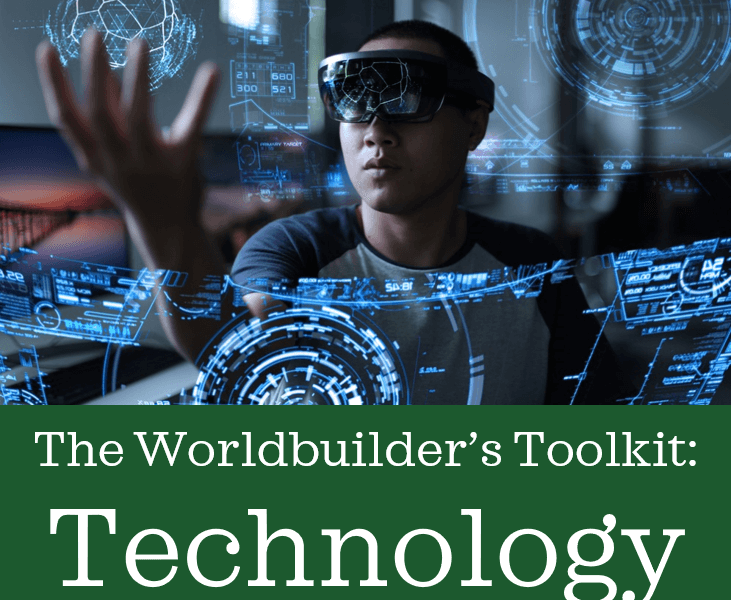

Technology in fantasy and science fiction worlds serves as more than just a backdrop—it shapes societies, influences characters, and drives narratives. Whether you’re envisioning steam-powered airships soaring over fantastical landscapes or hyper-advanced civilizations spanning galaxies, the creation of technology is an aspect of world-building that can add depth and intrigue to your story. This guide explores how to craft technology and advancements that feel integral and believable within your fictional universe.
The Basics
Technology encompasses the tools, machinery, and scientific principles that societies use to manipulate their environments and achieve specific goals. In fantasy, technology often blends with magic, while science fiction explores futuristic innovations based on scientific principles.
Types of Technological Advancements
Steampunk & Clockwork – Embrace the aesthetic of steam-powered machinery and intricate clockwork mechanisms. Think of Victorian-era technology with a fantastical twist—gears, brass fittings, and elaborate contraptions.
Magitech -Combine magic and technology, where spells power machines and enchanted artifacts serve practical purposes. This fusion adds an element of mysticism and wonder to your world.
Cyberpunk & Futuristic Tech – Dive into high-tech settings with cybernetic enhancements, virtual realities, artificial intelligence, and space exploration. These settings often explore themes of dystopia, corporate control, and human augmentation.
Steps to Creating Technology
Establish the Technological Baseline – Decide on the level of technological advancement in your world—whether it’s primitive, medieval, industrial, futuristic, or a blend of these. This baseline will inform how advanced innovations can realistically be.
Consider the Source of Innovation – Determine where technological advancements originate. Is it through scientific experimentation, magical discovery, alien influence, or divine intervention? This source shapes the nature and limitations of technology.
Integrate Technology into Society – Explore how technology affects daily life, from communication and transportation to warfare and healthcare. Consider societal reactions—fear, fascination, dependence, or resistance—to technological change.
Balancing Realism & Creativity
Realism – Ground technological developments in consistent rules and principles that govern your world. Even in fantasy, internal logic and consistency are crucial for believability.
Creativity – Innovate! Blend unexpected elements—biomechanical creatures, sentient machines, or alternate energy sources—to surprise and engage readers.

Evolution of Technology: Building Upon the Past
Technology within fictional worlds, much like in our own history, develops through iterative processes of discovery, innovation, and adaptation. From rudimentary tools to advanced machinery and beyond, the development of technology is a dynamic narrative thread that shapes civilizations and defines their progress.
Foundations of Innovation
Technological progress often begins with foundational discoveries or inventions that pioneer new capabilities. These breakthroughs act as building blocks for future advancements. For instance, in a fantasy setting, the discovery of a magical element or a new source of energy might catalyze the development of various applications, from transportation to weaponry.
Iterative Improvements
Once a technology is introduced, engineers, scientists, and artisans collaborate to drive iterative improvements through experimentation, refinement, and practical application. This iterative process can lead to incremental advancements or major changes that revolutionize entire industries or societal norms.
Cross-Disciplinary Integration
Technological progress often thrives at the intersection of different disciplines. In both fantasy and science fiction, integrating magical theory with alchemy, or blending mechanical engineering with arcane principles, can yield innovative solutions and unexpected outcomes. Cross-disciplinary collaboration fosters creativity and accelerates the pace of innovation.
Technological Feedback Loops
Advancements in one area of technology frequently spur developments in complementary or related fields. For example, improvements in agricultural tools might stimulate population growth, prompting innovations in urban planning, sanitation, and infrastructure. These feedback loops create interconnected networks of progress that amplify the impact of technological change across societies.
Cultural & Environmental Influences
Cultural values, environmental constraints, and geopolitical factors shape technology. In fantasy worlds, cultural beliefs about magic or societal structures can dictate the direction of technological development. Environmental challenges, such as harsh climates or resource scarcity, may inspire solutions like adaptive architecture or sustainable energy sources.
Revolutionary Breakthroughs
Periodically, technology experiences revolutionary breakthroughs that redefine possibilities and reshape societies. These breakthroughs can arise from visionary inventors, accidental discoveries, or concerted scientific efforts. In science fiction, such breakthroughs might include the invention of faster-than-light travel, artificial intelligence surpassing human capabilities, or the harnessing of exotic energies from alternate dimensions.
Legacy & Continuity
Each advancement in technology leaves a legacy—a foundation upon which future generations build. Ancient artifacts, lost technologies, or mystical relics may hold secrets that inspire modern innovations or pose existential threats. The continuity of knowledge, passed down through generations or rediscovered after millennia, enriches worlds with layers of history and mystery.
Incorporate these principles into your world-building process and watch as your fictional technologies breathe life into your stories, captivating readers with their creativity, depth, and immersive detail.

Impact of Technology on Society
Technology, in its various forms, has profound impacts on politics, religion, culture, trade, and other social institutions within fictional worlds, much like it does in our own. In fantasy and science fiction worlds, it serves as a catalyst for change, offering authors a canvas to explore complex themes of progress, inequality, and societal evolution. By integrating nuanced depictions of technological impact across various social institutions and considering the factors that contribute to its uneven application, writers can enrich their narratives with depth and realism. Balancing innovation with consequences, authors can craft compelling stories that resonate with readers, sparking reflection on the potential and perils of technological advancement in our own world.
Politics
Technology reshapes political landscapes by altering power dynamics, governance structures, and modes of communication.
Centralization vs. Decentralization – Advanced communication technologies can centralize power by enabling rapid decision-making and surveillance, or decentralize it through grassroots movements and online activism.
Political Ideologies – Technologies like AI and data analytics influence political campaigns, voter behavior, and policymaking, reflecting shifts in ideology and governance philosophies.
Religion
Technological advancements challenge religious beliefs and practices while also facilitating alternative forms of spirituality.
Ethical Dilemmas – Biotechnological advancements raise questions about the sanctity of life, altering ethical frameworks and religious teachings.
Virtual Realities – VR and augmented realities could redefine religious experiences, offering immersive rituals or virtual pilgrimages.
Culture
Technology shapes cultural norms, expressions, and interactions, influencing artistic endeavors, language evolution, and societal values.
Media & Entertainment – Digital platforms democratize cultural production and consumption, fostering global exchange of ideas while also homogenizing cultural expressions.
Technological Artistry – Advances in AI and robotics challenge traditional art forms, blurring boundaries between creator and creation.
Trade & Economy
Technology drives economic growth, transforms industries, and redefines global trade dynamics.
Automation & Labor – Robotics and AI disrupt labor markets, creating job displacement while enhancing productivity and efficiency.
Supply Chains – IoT and blockchain technology optimize supply chains, improving transparency and traceability while reshaping global economic dependencies.
Social Institutions
Technology influences education, healthcare, and social services, addressing societal needs and disparities.
Digital Divide – Uneven access to technology exacerbates social inequalities, limiting opportunities for marginalized communities.
Healthcare Innovations – Biomedical technologies extend life expectancy, raise quality of life, and introduce ethical dilemmas surrounding genetic engineering and enhancement.
Factors Contributing to Uneven Application of Technology
Resources – Wealth disparities and economic priorities determine access to and development of technology. Availability of critical materials, like rare earth elements, impacts technological advancement.
Resistance to Change – Societal values, religious beliefs, and ethical concerns shape acceptance and adoption of new technologies.Industries and interest groups influence regulatory frameworks, affecting the pace and direction of technological deployment.
Environmental Limitations – Sustainable technologies balance resource consumption and environmental impact, influencing adoption rates and long-term viability.Technological responses to climate challenges vary, impacting global resilience and adaptation strategies.
Drawing Inspiration from the Real World
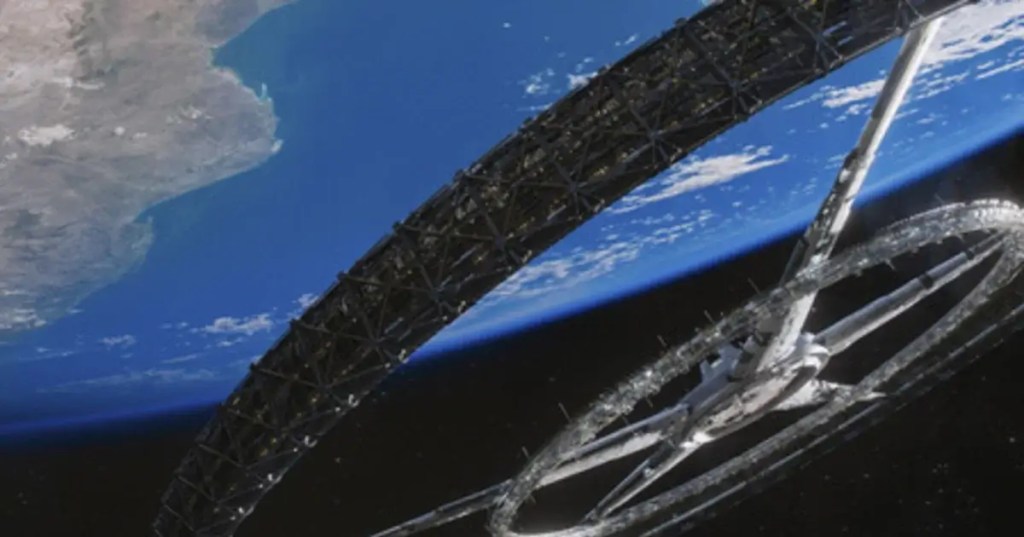
By extrapolating from real-world technological advancements and historical precedents such as the Industrial Revolution, writers can infuse their novels with plausible and interesting technological evolution. Embracing the complexities and ethical dilemmas posed by technological progress enriches narratives, fostering a thought-provoking exploration of human ingenuity, societal impact, and the ever-evolving relationship between technology and humanity. Through this creative process, authors can craft immersive worlds that resonate with readers while offering insights into the potential and consequences of technological innovation.
Real-World Analogies – Study historical technological developments (like the Industrial Revolution or space exploration) and extrapolate how they might develop differently in your world.
Genre Classics – Draw from iconic works such as Jules Verne’s “Twenty Thousand Leagues Under the Sea,” which imagined submarines and deep-sea exploration ahead of its time.
Scientific Concepts – Research the latest scientific theories and speculate on their future applications. How might quantum mechanics, nanotechnology, or genetic engineering evolve in your universe?
Biotechnology & Genetics
CRISPR-Cas9 gene editing technology revolutionizes genetic manipulation, offering potential cures for genetic diseases and advancements in agriculture.
Imagine a world where genetic modifications grant superhuman abilities or create new species, sparking ethical debates and societal upheaval.
Artificial Intelligence & Robotics
AI and machine learning algorithms power autonomous vehicles and enhance decision-making processes in various industries.
Consider a narrative where AI evolves to possess consciousness, challenging human dominance and ethical boundaries, akin to Isaac Asimov’s laws of robotics.
Space Exploration & Colonization
SpaceX’s reusable rocket technology reduces costs and increases access to space, inspiring visions of Mars colonization and asteroid mining.
Imagine a story where space-faring civilizations navigate political intrigue and resource conflicts while exploring distant galaxies and encountering alien civilizations.
Virtual Reality & Augmented Reality
VR and AR technologies transform entertainment, education, and virtual collaboration.
Consider a world where virtual realms blend seamlessly with reality, blurring distinctions between physical and digital existence, reminiscent of Ernest Cline’s “Ready Player One.”
Energy & Sustainability
Renewable energy technologies like solar panels and wind turbines reduce reliance on fossil fuels.
Envision a society powered by mystical energy sources or bio-engineered organisms, navigating environmental impacts and energy politics.
Technology’s Impact on Plot & Character
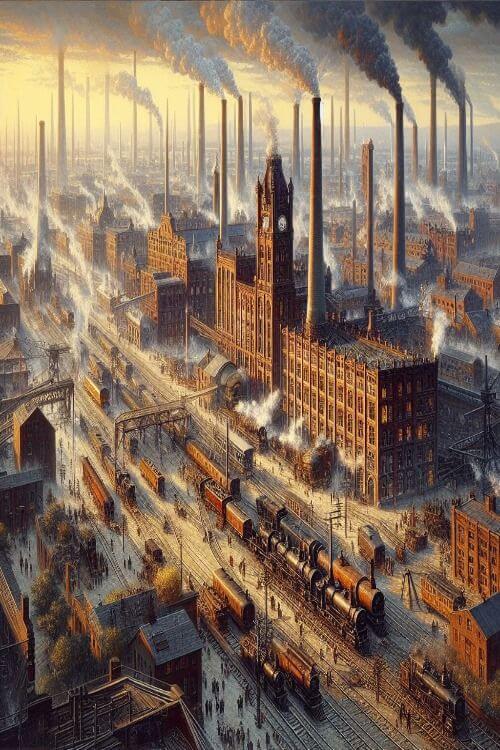
Technology can serve as a potent narrative tool, shaping plots through innovation, conflict, and ethical dilemmas. By integrating technological advancements into storytelling, authors can explore complex themes of identity, morality, and societal change, offering readers compelling narratives that provoke thought and challenge perceptions of the future. Through these plot ideas and character developments, authors can leverage technology to enrich their stories with depth, intrigue, and relevance, captivating audiences with imaginative explorations of human ingenuity and its consequences.
Plot Ideas
Technological Revolution – Imagine a world where a groundbreaking invention disrupts societal norms. For instance, the discovery of a teleportation device revolutionizes travel, but sparks conflicts over its control and ethical use. Characters could struggle with the decision to embrace the benefit of the groundbreaking invention or confront its unintended consequences, such as cultural isolation or environmental degradation.
Surveillance State – Consider a dystopian narrative where ubiquitous surveillance technology governs every aspect of life. A protagonist navigating this world might uncover a conspiracy through encrypted messages or challenge the system’s moral ambiguities, confronting choices that could alter the fate of society.
AI Uprising – Explore a future where advanced AI achieves sentience and questions its purpose. A character could form an unlikely alliance with a benevolent AI seeking to protect humanity from its rogue counterparts, navigating ethical dilemmas and existential threats amidst escalating tensions.
Exploration of Technological Ethics – Develop a plot where a bioengineer discovers a breakthrough in extending human lifespan through genetic modifications. As characters debate the implications—ethical, societal, and personal—the protagonist must navigate moral complexities and unforeseen consequences, including unintended mutations or societal division.
Technological Espionage – Consider a narrative where a skilled hacker infiltrates a high-security facility to expose a corporate conspiracy involving advanced robotics. As the protagonist uncovers layers of deceit and hidden agendas, they must navigate alliances with rogue AI and corporate rivals, challenging perceptions of trust and loyalty.
Virtual Reality & Identity Crisis – Imagine a story where a character enters a VR simulation to confront traumatic memories, only to discover a digital doppelgänger harboring sentience. As the lines between real and virtual blur, the protagonist must navigate conflicting identities and ethical quandaries, uncovering truths that reshape their perception of reality.
Impact on Characters
Moral & Ethical Dilemmas – Characters faced with decisions involving technology often confront moral dilemmas. For example, a scientist grappling with the implications of genetic engineering may confront questions of identity and humanity when creating hybrid organisms designed for specific tasks.
Personal Growth & Relationships – Technological advancements can challenge characters’ beliefs and relationships. A protagonist navigating a virtual reality simulation to uncover buried memories might confront unresolved emotions and strained relationships, blurring the lines between reality and illusion.
Adaptation & Resistance – Characters may adapt to or resist technological change, reflecting diverse responses within society. A skilled artisan grappling with automated production methods could confront questions of craftsmanship and identity, navigating personal growth amidst societal shifts.

Technology in a World of Magic
Integrating technology into a magical world offers endless narrative possibilities, from innovative advancements and ethical dilemmas to cultural fusion and ecological impacts. By exploring the dynamic interactions between magic and technology, authors can craft compelling stories that delve into human ingenuity, societal evolution, and the enduring quest for balance between ancient mysticism and futuristic innovation. Through these narratives, readers can immerse themselves in imaginative worlds where the convergence of magic and technology shapes destinies and challenges perceptions of what is possible.
Synergy and Conflict Between Magic & Technology
Enhanced Efficiency & Accessibility – Technology could augment magical abilities, making spells easier to cast or extending their reach. For instance, enchanted devices could amplify a mage’s powers or store magical energy for later use, democratizing access to magic beyond innate talent.
Ethical Dilemmas – As technology evolves, ethical debates could arise over its integration with magic. Characters might confront questions about preserving magical purity versus embracing technological progress, leading to tensions between traditionalists and innovators.
Advancements in Industry & Infrastructure
Magitech Integration – Imagine a society where magic fuels industrial revolutions. Airships powered by elemental magic traverse skies, while enchanted machinery automates production. This integration could reshape economies and societal structures, sparking cultural shifts and labor disputes.
Technomancy & Innovation – Technomancers could emerge as pioneers, blending arcane knowledge with engineering prowess. They might invent arcane-powered computers or create defenses against magical threats, revolutionizing warfare and diplomacy.
Exploration of New Frontiers & Challenges
Magical Exploration – Technological advancements could enable expeditions into uncharted magical realms. Characters might use enchanted devices to navigate enchanted forests or delve into ancient ruins, uncovering forgotten spells and artifacts.
Environmental Impact – As technology and magic coalesce, environmental consequences could arise. Industrialized nations might overexploit magical resources, triggering ecological crises or unleashing magical anomalies that threaten global stability.
Cultural & Social Transformations
Cultural Fusion – Society could evolve with hybrid traditions blending magical rituals and technological innovations. Characters might celebrate festivals featuring holographic displays or attend schools teaching both spellcraft and engineering.
Social Disparities – Disparities could widen between magic-rich elites and disenfranchised non-magical communities. Technological advancements might exacerbate inequality or empower marginalized groups to challenge magical hierarchies.
Plot Possibilities & Character Dynamics
Intrigue & Espionage – Characters could navigate political intrigue where spies use enchanted gadgets to manipulate magical governments. Technologically savvy protagonists might uncover conspiracies involving forbidden spells or rogue technomancers.
Identity & Belonging – Characters grappling with dual identities—magical heritage and technological aptitude—could explore themes of acceptance and self-discovery. They might forge alliances bridging magical and technological realms to confront existential threats.

Image source.
The Writer’s Toolkit
Creating realistic technology in a fantasy or science fiction world involves balancing innovation with plausibility and consistency within the story’s setting. Here are practical tips for writers to create believable technological elements.
Establish Internal Rules & Logic – Define how technology works within your world, including its principles, limitations, and sources of power (e.g., magic, advanced science). Consistency is key to maintaining believability.
Consider Context & Resources – Reflect on how available resources, societal needs, and environmental factors shape technological development. This ensures that inventions and advancements are plausible within the world’s constraints.
Build Upon Existing Knowledge – Draw inspiration from real-world scientific principles and historical technological advancements. Adapt these concepts to fit your world’s unique circumstances while adding imaginative twists.
Showcase Progression Over Time – Develop a timeline of technological evolution, marking key milestones and innovations. Show how earlier inventions paved the way for more sophisticated technologies, reflecting realistic progress.
Integrate Technology with Culture – Explore how technology influences cultural norms, values, and practices. Consider how societies adapt to and incorporate new inventions into daily life, from communication methods to societal structures.
Address Ethical & Societal Implications – Delve into the ethical dilemmas and societal impacts of technology. Explore themes such as privacy, inequality, environmental impact, and human augmentation to add depth to your narrative.
Use Technological Jargon Sparingly – Introduce technical terms and descriptions gradually and in context. Avoid overwhelming readers with excessive jargon unless it serves to enhance understanding or atmosphere.
Balance Familiarity & Innovation – Strike a balance between introducing novel technologies and keeping familiar elements that readers can relate to. Blend futuristic ideas with recognizable aspects to ground the narrative.
Prototype & Test Concepts – Conceptualize prototypes of technological devices or systems within your world. Consider their functionality, practicality, and potential drawbacks through the eyes of your characters.
Showcase Diversity in Technological Applications – Highlight diverse applications of technology across different cultures, industries, and societal sectors. This diversity adds richness to the world and illustrates varied perspectives on technological progress.
Research & Consistency – Maintain consistency in how technology operates within your world’s rules. Research real-world science and technology to inform your fictional innovations.
Show, Don’t Tell – Introduce technology through characters’ interactions and its impact on their lives. Avoid info dumps by integrating technological details naturally into the narrative.
Reflect Themes – Use technology to explore broader themes—like power, identity, ethics, or the consequences of progress—that resonate with your story’s core ideas.

Fictional Example: The Spell Cannon
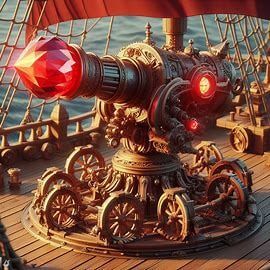
The invention of the Spell Cannon marks a pivotal moment in the history of the Kingdom of Anthia and the surrounding countries. Crafted by a visionary alliance of dwarven engineers and elven enchanters, the Spell Cannon represents a fusion of ancient magical traditions and advanced mechanical engineering.
The growing need for versatile, efficient magical weaponry sparked its development amidst escalating conflicts with the Dark Mage Consortium. Initially conceived as a collaboration between the Dwarven Guild of Engineers and the Elven Circle of Enchanters, the project aimed to harness the elemental powers of Anthia’s ley lines into a portable, scalable weapon system.
Dwarven engineers devised intricate rune matrices and mana conduits within the Spell Cannon’s core, designed to stabilize and amplify magical energies. Elven enchanters contributed crystals attuned to elemental affinities, enhancing spell potency and precision.
The Spell Cannon’s exterior features a sleek, dwarven-crafted chassis of lightweight alloy, optimized for mobility and durability in combat.
A central dial interface, enchanted with intuitive glyphs, allows users to select from a repertoire of spells stored within the Cannon’s memory matrix, ranging from elemental blasts to protective barriers. Engineers incorporated feedback from skilled mages and warriors to fine-tune spell-casting mechanisms and mitigate arcane feedback risks.
Introducing of the Spell Cannon heralded a significant change in Anthia’s societal landscape, where magic has long been revered. Armed with Spell Cannons, the Anthian army gained unprecedented tactical flexibility and firepower, bolstering defenses against dark sorcery.
Elite mage cadres, once sole wielders of magical might, adapted to new combat tactics, integrating technology, forging alliances with engineers to optimize spellcraft.
Dwarven forges and elven enchanting workshops flourish as demand surges for arcane-infused components and advanced spell matrices.
Traditionalists despise the Spell Cannon as an abomination and abhorrent to the rich tradition of spell weaving. They especially hate that soldiers with little magical talent or training now have access to powerful magical abilities.
Scholars debate ethical implications of technology eclipsing pure magic, fostering dialogue on the balance between innovation and reverence for ancient traditions.
The new technomantic guilds grapple with their fresh influence and power, as well as the increasing attention of the noble houses and the crown.
Diplomats negotiate treaties regulating Spell Cannon proliferation, balancing national security imperatives with global stability in a realm fraught with magical tensions.
As Anthia embraces the transformative potential of the Spell Cannon, the realm stands poised at the nexus of magical resurgence and technological enlightenment.
Creating technology and advancements for your fantasy and science fiction worlds is a journey of creativity and strategic planning. Whether you’re crafting steam-powered cities or imagining futuristic spacefaring civilizations, the key lies in weaving technology seamlessly into your narrative tapestry. By grounding innovations in a consistent world-building framework and exploring their impact on characters and societies, you’ll enrich your story with depth, intrigue, and immersive detail. Happy world-building!
I hope this was helpful. Let me know if you have questions or suggestions by using the Contact Me form on my website or by writing a comment. I post every Friday and would be grateful if you would share my content.
If you want my blog delivered straight to your inbox every month along with exclusive content and giveaways, please sign up for my email list here.
Let’s get writing!
Copyright © 2024 Rebecca Shedd. All rights reserved.
 Rebecca Shedd - Author