The Worldbuilder’s Toolkit: Magic Systems
Magic systems are a cornerstone of fantasy, infusing your world with wonder, conflict, and intrigue. A well-crafted magic system not only enriches your story but also deepens character development, drives plot progression, and enhances world-building. This guide is an introduction. Over the next several weeks, I will explore how to build a magic system.
Hard versus Soft Magic Systems
We can broadly categorize magic systems into two types: hard and soft magic.
Hard magic has clearly defined rules and limitations. It operates on a set of principles that are consistent throughout the story. Think of it like a science with its own laws. For instance, Brandon Sanderson’s “Mistborn” series builds the magic system around the precise manipulation of metals, each with its own effects and limitations. Hard magic systems often involve rigorous rules that the characters must follow, and the constraints help to create logical consistency and tension within the story.
Soft magic is more mysterious and less defined. It evokes a sense of wonder and mystery, with magic often serving as a plot device rather than a well-explored mechanism. J.R.R. Tolkien’s “The Lord of the Rings” exemplifies a soft magic system, where the author intentionally leaves the true nature of magic vague and does not fully explain its workings. This approach allows for magical elements to enhance the narrative and atmosphere without being constrained by specific rules.

Types of Magic Systems
You can use various types of magic systems in world-building and storytelling. Each system of magic offers a unique approach to how users harness and use it, affecting everything from character abilities to plot dynamics. Below are examples of several types of magic systems, complete with examples from different media. However, this is far from an exhaustive list. There is also nothing stopping you from creating your own unique magic system.
Elemental Magic Systems
Magic is based on controlling or manipulating the classical elements—earth, water, fire, and air—or their combinations.
“Avatar: The Last Airbender”: This TV show features elemental magic where characters can control water, earth, fire, and air. Each nation specializes in one element, and the Avatar can master all four.
“The Stormlight Archive” by Brandon Sanderson: The magic system involves manipulating natural forces, including wind and storms, which are central to the plot and the abilities of the characters.
Incantation-Based Magic Systems
Mages activate magic through spoken words or written incantations. These systems often require precise wording or gestures.
“Harry Potter” series by J. K. Rowling: Characters perform magic through spells that require specific incantations and wand movements. Each spell has a distinct effect based on the words and gestures used.
“The Name of the Wind” by Patrick Rothfuss: The “sympathy” magic system requires practitioners to use precise incantations and understand the fundamental principles of magic to manipulate physical objects.
Ingredient-Based Magic Systems
Magic requires the use of specific ingredients, potions, or materials. The potency and effect of the magic depend on the components used.
“Fullmetal Alchemist”: In this anime and manga series, alchemy is based on the principle of equivalent exchange. Ingredients and precise transmutation circles are required to perform alchemical processes.
“The Witcher” series by Andrzej Sapkowski: Witchers use potions and elixirs crafted from rare ingredients to enhance their abilities and combat monsters. Each potion has unique effects and requires specific ingredients.
Ritual-Based Magic Systems
Practitioners perform magic through elaborate rituals and ceremonies. The complexity of the ritual often determines the strength and effect of the magic.
“The Dark Tower” series by Stephen King: The use of rituals and symbols is a key aspect of the magic system, with rituals having a significant impact on the storyline.
“The Craft” (1996 film): The witches in this film perform rituals and spells as part of their magical practices, emphasizing the importance of ceremonial magic.
Blood Magic Systems
Magic involves using blood, often from living beings, to cast spells or perform rituals. This type of magic can be powerful, but often comes at a cost.
“The Black Company” series by Glen Cook: The author depicts blood magic as a potent but dangerous form of magic, often involving sacrifices and significant consequences.
“The Broken Empire” trilogy by Mark Lawrence: Blood magic plays a role in the world, with characters using their own blood or the blood of others to perform powerful spells.
Symbol-Based Magic Systems
Users activate magic through symbols, runes, or other graphical representations. The symbols must be drawn or inscribed correctly to perform magic.
“The Magicians” by Lev Grossman: Magic involves the use of symbols and intricate patterns, with specific symbols needed to cast spells or create magical effects.
“Shadowrun”: In this tabletop RPG, magic users often employ runes and symbols as part of their spell-casting, adding complexity and strategic elements to the magic system.
Techno-Magic Systems
Magic and technology intertwine, with magic often functioning through or alongside technological devices.
“Final Fantasy” series: Many games in this series blend magic with technology, where characters use magical abilities alongside advanced technology.
“The Dresden Files” by Jim Butcher: The series features a combination of traditional magic with modern technology, such as using magical artifacts and tech gadgets together.
Spirit or Soul-Based Magic Systems
Magic involves the manipulation of spirits, souls, or other metaphysical entities. Power comes from interacting with these non-physical beings.
“His Dark Materials” by Philip Pullman: The magical system involves interacting with daemons, which are manifestations of a person’s soul and have a profound impact on magic and personal abilities.
“Hades” (video game): The game features a magic system that involves interacting with the spirits of the Underworld and drawing power from them.
Natural Magic Systems
Practitioners derive magic from nature and the natural world. It often involves communion with natural forces or entities.
“The Earthsea Cycle” by Ursula K. Le Guin: In a world where magic is deeply tied to nature, wizards use the true names of things to control them, reflecting the deep connection between magic and nature.
“Naomi Novik’s Temeraire” series: Features a naturalistic approach to dragons and their magic, emphasizing the relationship between magical creatures and the natural environment.

Showing Change over Time
The evolution of magic in a fictional world can parallel the development of technology and science in the real world. As societies grow and change, so too can their understanding and use of magic. Here’s a detailed look at how magic can develop over time and how it can influence and be influenced by the surrounding world.
Primitive Magic
In the earliest stages, people might view magic as a primal, instinctual force. Societies may use magic for survival—healing, protection, and elemental control. Primitive magic could be closely tied to rituals and natural phenomena, often performed by shamans or druids who act as intermediaries between the natural and supernatural worlds.
Ancient societies might have relied on basic charms or totems made from natural materials like stones, bones, and herbs. They might have had rituals to summon rain or protect against wild animals.
Codification & Formalization
As societies become more advanced, the practice of magic could become more organized. This might include establishing magical institutions, schools, or academies where teachers systemically pass on knowledge. Magical practitioners would record and standardize magical theories, principles, and spells, making magic more accessible and structured.
Magic might develop into a formal system with written spells, magical texts, and instructional manuals. Magical guilds or universities might emerge, teaching magic in a structured curriculum.
Integration with Society
With more complex societies, magic could become integrated with daily life and technology. Mages might employ magical practices in various sectors, such as medicine, construction, and transportation. This integration can lead to the development of magical tools and devices that enhance or control magical effects.
People could use enchanted machinery or artifacts in everyday life, such as industrial processes or to power machinery, creating a synergy between magic and technology.
Specialization & Innovation
As magic continues to develop, new schools of thought or specialized branches might emerge. Magic could become more refined, with practitioners focusing on niche areas such as illusion, necromancy, or elemental manipulation. Innovations in magical practice might lead to new spells, rituals, and magical artifacts.
Different magical disciplines might develop, each with its own set of techniques and applications. Magic could become highly specialized, with experts in areas like time manipulation, space distortion, or biological enhancement.
Political & Social Impact
With the advancement of magic, there might be attempts to regulate or control its use. Governments or powerful organizations could impose laws or restrictions on magic, leading to conflicts or power struggles. The political and social implications of magic can have a significant impact, influencing its usage and determining who can access it.
There could be magical legislation, such as licensing requirements for spellcasters or restrictions on certain types of magic. Magical enforcement agencies might monitor and control magical activities.
Conversely, magic users could take control of the governmental and societal levers of power, locking out those who do not have magic. This could lead to non-mages becoming second-class citizens. It could also stratify society, dividing it between those who have access to magic and can perform magic and those who are left with manual means.
This could lead to tyranny by magic users who look down on those who do not have their gifts. Non-magic users in such a society could face oppression or even enslavement by magic users.
Decline or Rediscovery
Over time, magic might face periods of decline or transformation. This could occur because of societal changes, loss of knowledge, or shifts in focus towards other technologies or practices. Alternatively, there might be a rediscovery or renaissance of ancient magical practices as societies seek to reconnect with their mystical heritage.
People might lose or forget ancient magical texts or artifacts, leading to a period where magic is less practiced. Later, scholars or adventurers might uncover these lost secrets, leading to a revival of ancient magical traditions.
Fusion with Other Systems
Magic might blend with other systems of power or knowledge, such as technology or spiritual beliefs. This fusion can create novel forms of magic or change how people perceive and use magic within the society.
Practitioners could combine magic with advanced technology to create techno-magical devices or weapons. Alternatively, new spiritual or philosophical movements might reinterpret or adapt magical practices to fit evolving beliefs.
Cultural & Historical Influences
The history of a society can significantly affect its magical practices. Major historical events, such as wars, revolutions, or cataclysms, could shape the development and application of magic. Cultural exchanges and interactions with other societies might also introduce new magical practices and ideas.
A magical war might lead to the development of new offensive or defensive spells. Cultural exchanges with other nations could cause the incorporation of foreign magical practices or artifacts into local traditions.
Impact of Magic
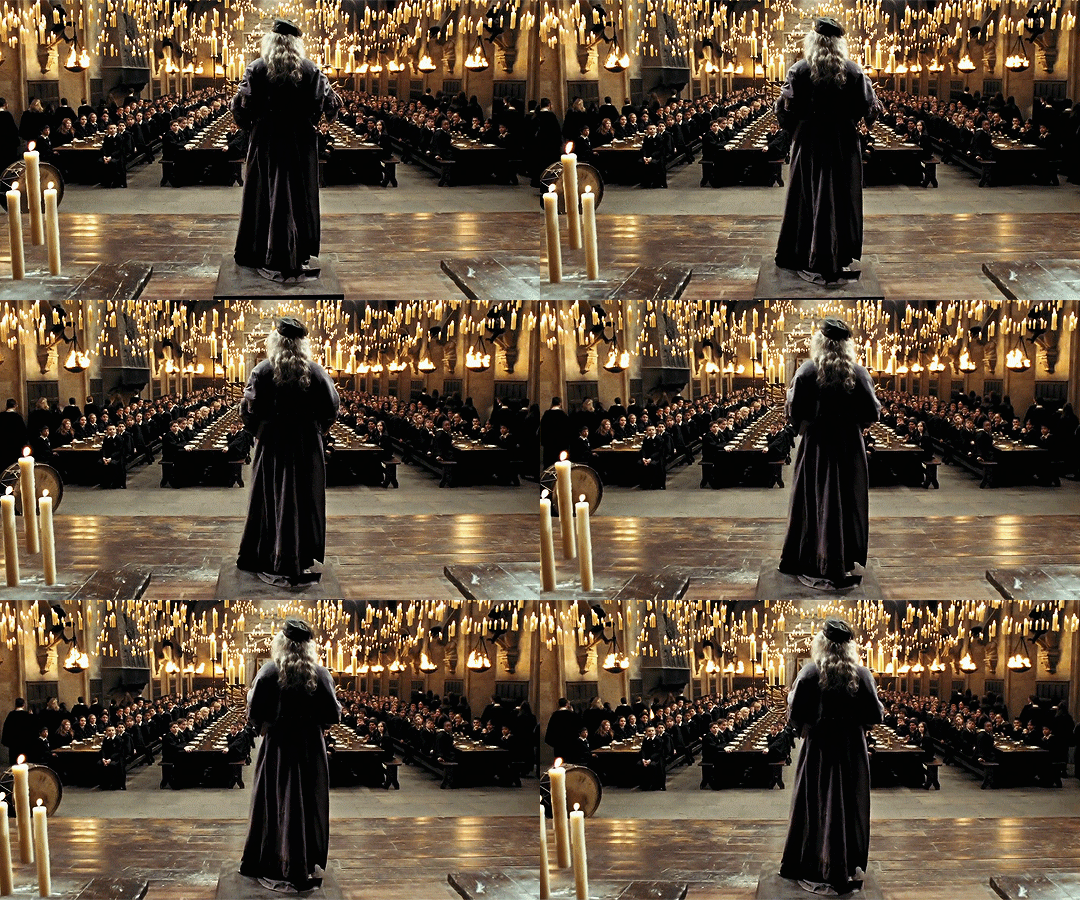
Magic can profoundly influence various aspects of society, including politics, religion, culture, and trade. Its impact can be complex, especially in societies where magic is not universally practiced. In such settings, magic can become a source of power and privilege, or a tool for control and oppression. Exploring these dynamics through examples like Tevinter and the Circles of Magi in the Dragon Age video game series provides valuable insights into how magic can shape societies.
Impact of Magic on Politics
In societies where magic is prevalent or highly valued, mages can hold significant political power. This can cause the establishment of magical hierarchies or mage-dominated governments. Conversely, in societies where magic is less common or feared, political systems might limit or control magical influence.
In the Dragon Age series, the Tevinter Imperium is a prime example of a mage-dominated society. Here, the ruling class comprises powerful mages who use their abilities to maintain control over the empire. Magic, with mages holding the highest positions of power and using their abilities to manipulate political outcomes, heavily influenced the political system. The government’s reliance on magic marginalizes non-mages in society.
In contrast, the Circles of Magi in Ferelden represent a society that controls magic users rather than allowing them to wield it openly. The Circles are institutions designed to regulate magic users, preventing them from causing harm and ensuring that their abilities are kept in check. This system reflects the fear and mistrust surrounding magic, with mages being segregated from the rest of society and subject to strict oversight.
Impact of Magic on Religion
Magic can deeply influence religious practices and beliefs. In societies where magic is seen as divine or sacred, religious institutions might hold magical rites, symbols, or artifacts as central elements of worship. Conversely, people can view magic as heretical or dangerous, leading to religious institutions that seek to suppress or control its use.
In Tevinter, religion and magic intertwine. The people in Tevinter closely connect the worship of the old gods with the use of magic, often appointing mages as high priests or religious leaders. The theological justification for magic reinforces its acceptance and use within the society, embedding it deeply in both religious and political spheres.
The Chantry, a major religious institution in Dragon Age, views magic with suspicion and caution. Andraste, the founder of the Chantry, cautioned her followers that magic was meant to serve man, not rule over him. The Circles of Magi are a direct response to the perceived threat of unchecked magic, reflecting the religious desire to control and regulate magical practices. This institutional fear of magic affects how religion and magic intersect in Ferelden.
Impact of Magic on Culture
Magic can shape cultural norms and traditions, influencing everything from daily life to ceremonial practices. In magical societies, cultural practices may revolve around magical events or artifacts, while in societies where magic is controlled or suppressed, cultural norms might reflect the fear or disdain of magic. Are there magical hierarchies, or is magic a common tool used by everyone?
The culture in Tevinter draws heavy influence from magic, with cultural practices, art, and even architecture reflecting magical themes. Society celebrates and reveres magic, with significant cultural events and festivals centered on magical prowess and achievements.
In Ferelden, people view magic with suspicion, which creates cultural taboos and separates mages from non-mages. This cultural divide affects interactions and relationships between different societal groups, with mages often being ostracized or viewed with distrust.
Impact of Magic on Trade
Magic can significantly impact trade, both in terms of the goods traded and how trade is conducted. Magical societies might develop unique trade goods or magical artifacts that become highly sought after, while non-magical societies might trade for magical items or services.
Does magic have an economic value? Are there industries built around magical goods or services?
In Tevinter, magic influences trade through the creation and trade of magical items and artifacts. The empire’s magical prowess allows it to produce and export valuable magical goods, which can dominate trade networks and create economic dependencies.
In Ferelden, the Circles of Magi limit the amount of magical goods available for trade. The control and regulation of magic means that magical items are scarce and highly regulated, impacting the local economy and trade practices.
Impact of Magic on Social Institutions
Magic can create or reinforce social hierarchies. In societies where magic is a sign of power or prestige, those who can wield magic may occupy higher social classes. Conversely, in societies where people fear and control magic, non-mages may hold more power, while they marginalize mages.
In Tevinter, mages occupy the top of the social hierarchy, with non-mages often being relegated to lower social classes. The societal structure reinforces the dominance of magic and the power of those who wield it.
In Ferelden, the Circles of Magi create a distinct social divide between mages and non-mages. he institutions designed to control them segregate and monitor mages, limiting their societal roles and freedoms.
Impact of Magic on Societies with Unequal Magic Distribution
In societies where not everyone can use magic, those who do may hold significant power and privilege, leading to social stratification. Conversely, those who cannot use magic might oppress or marginalize non-mages, creating tension and conflict.
In Tevinter, mages enjoy significant power and privilege, while non-mages have limited rights and opportunities. This power dynamic creates a society with pronounced inequality and potential for internal conflict.
In Ferelden, mages face oppression and restriction, with their rights and freedoms curtailed by the Circles of Magi. The system reflects a society that fears and controls magic, impacting the lives and interactions of mages and non-mages alike. By the events of Dragon Age: Inquisition, this has led to the Circles in rebellion.
Drawing Inspiration from Real World Mystical Traditions
When creating a magic system, drawing inspiration from real-world mystical traditions can offer a wealth of ideas and add depth to your fictional magic. Real-world mysticism often combines philosophy, spirituality, and ritualistic practices that can provide a rich foundation for imaginative magic systems.
Historical Mysticism
Alchemy – Originating in ancient Egypt and later developing in the Islamic world and medieval Europe, alchemy was a philosophical and proto-scientific tradition aimed at transforming base metals into gold and discovering the elixir of life. Alchemical symbolism, such as the use of symbols like the philosopher’s stone, can inspire systems of magic that involve transmutation, elixirs, and hidden knowledge. For example, a magical system might feature alchemists who combine rare ingredients to create powerful potions or artifacts.
Hermeticism – Rooted in the teachings attributed to Hermes Trismegistus, Hermeticism blends elements of Greek, Egyptian, and Gnostic thought. Its focus on the unity of the divine, the material world, and the cosmos can inspire a magic system that connects the physical and spiritual realms. This could manifest as a system where magic draws on cosmic energies or divine principles, with practitioners capable of influencing both the material and spiritual worlds.
Astrology – The use of celestial bodies to influence magic can be reflected in systems where magical power is tied to the positions of stars and planets.
Indigenous & Shamanic Traditions
Shamanism – Practiced by various indigenous cultures, shamanism involves entering altered states of consciousness to interact with spirits, ancestors, and nature. A magic system inspired by shamanism might feature spellcasters who communicate with spirit guides, perform rituals to harness natural forces, or journey into spiritual realms for knowledge and power.
Totemism – Many indigenous cultures engage in the practice of totemism, where they believe certain animals or natural objects hold spiritual significance. This can inspire a magic system where practitioners form bonds with animal spirits or totems that grant them unique abilities or powers. For example, a character might draw strength from their animal totem, gaining attributes or skills associated with that creature.
Eastern Mysticism
Taoism – This ancient Chinese philosophy and religion emphasize harmony with the Tao, the fundamental principle that is the source of all existence. A magic system based on Taoism might feature elements of balance and duality, such as the interplay between yin and yang, or the use of Taoist alchemy and meditation to achieve enlightenment or control over natural forces.
Zen Buddhism – Zen Buddhism’s focus on meditation and enlightenment can inspire a magic system where spiritual awareness and mental discipline are crucial for mastering magical abilities. Characters might achieve higher levels of magic through intense meditation, mindfulness, and achieving a state of enlightenment.
Western Occultism & Mysticism
Kabbalah – A mystical aspect of Judaism, Kabbalah explores the nature of God, the universe, and the soul. Its complex symbols, such as the Tree of Life, can inspire magic systems with elaborate magical structures and paths of knowledge. For instance, a system might involve climbing a mystical tree to gain insight or power, with each branch representing a different magical discipline or level of understanding.
Theosophy – Theosophy blends elements of Eastern religions and Western mysticism, focusing on the spiritual evolution of humanity. A magic system inspired by Theosophy might feature magical practices aimed at spiritual growth and enlightenment, with practitioners seeking to evolve through cycles of reincarnation and mystical learning.
Contemporary Mystical Practices
Modern Paganism – Contemporary Paganism, including Wicca and Druidry, often incorporates nature worship, ritual magic, and the veneration of deities and spirits. A magic system drawing from modern Pagan practices might emphasize nature-based magic, seasonal rituals, and the worship of pantheons or elemental forces.
Chaos Magic – A modern magical practice that emphasizes the pragmatic use of belief as a tool for achieving magical effects. Chaos magic can inspire a system where the nature and effectiveness of spells depend on the caster’s belief and intent, allowing for a flexible and adaptive approach to magic.
Applying Real-World Inspiration
When drawing from these mystical traditions, it’s essential to approach them with respect and sensitivity. Recognize that these traditions hold deep cultural and spiritual significance for many people. Avoid stereotyping or appropriating practices in a way that might be considered disrespectful. Instead, use these inspirations as a foundation to build unique and respectful magic systems that enhance your world-building and storytelling.

Magic’s Impact on Plot & Character
Magic can be a powerful tool in storytelling, shaping plot dynamics and character development in profound ways. It can drive the narrative forward, create conflict, and reveal deeper truths about your world and characters.
Driving the Plot – Magic can be a central element that propels the story. Whether it’s a quest to find a magical artifact, a struggle to master a new power, or a battle against a magical antagonist, magic can provide clear goals and obstacles that drive the narrative.
Creating Conflict – Magic can introduce unique conflicts. This could involve battles between magical factions, struggles to control or suppress magical abilities, or ethical dilemmas surrounding the use of magic. These conflicts can drive character motivations and plot twists.
Character Development – Magic can deeply influence character growth. Characters might start as novices and devolpe into powerful mages, face challenges that test their abilities and morals, or struggle with the burdens and responsibilities that come with their powers. The impact of magic on their personal journey can lead to compelling character arcs. Magic can reveal aspects of a character’s personality or backstory. A character’s mastery or lack of magical ability can impact their role in the story and their relationships with others.
World-Building – Magic systems often reveal much about a world’s structure, history, and society. The practice of magic, the individuals who have access to it, and its impact on daily life can offer insights into the culture and conflicts of the world, adding depth to the setting.
Revealing Themes – Magic can symbolize larger themes, such as the corrupting influence of power, the conflict between progress and tradition, or the nature of control and freedom. The way magic interacts with characters and plotlines can underscore these themes.
Plot Ideas Centered Around Magic
The Quest for a Lost Artifact – Characters embark on a perilous journey to find a legendary magical artifact that is said to grant immense power or knowledge. Along the way, they face trials that test their abilities and morals, uncover ancient secrets, and confront rival factions also seeking the artifact. The artifact’s true nature might reveal deeper truths about the world or the characters themselves.
The Rise of a New Power – A character discovers they have an unprecedented magical ability or a long-lost magical bloodline. As they learn to harness their power, they become a target for various factions, including those who want to exploit or eliminate them. The story could explore their struggle to control their abilities and the impact of their new role on their personal relationships and societal status.
Magic as a Catalyst for Conflict – Magic becomes the center of a political or social conflict. For instance, a regime uses magic to oppress the populace, and a rebellion forms to overthrow the regime and restore balance. The story could delve into the ethical implications of using magic for control and the personal costs of fighting against such an oppressive system.
The Magic-Inflicted Catastrophe – A magical experiment or event causes a catastrophe that affects the world’s climate, society, or magical balance. The characters must navigate a world altered by magic, dealing with both the immediate impacts and the underlying cause of the catastrophe. The plot could involve reversing the damage or adapting to the new world order.
The Forbidden Magic – Characters discover a form of magic that is considered forbidden or dangerous. They must navigate the moral and practical consequences of using this magic, including potential backlash from authorities or the risk of catastrophic consequences. The story could explore themes of knowledge versus safety and the personal cost of pursuing forbidden power.
The Magical Inheritance – A character inherits a magical legacy from a long-lost relative, including magical objects, knowledge, or responsibilities. As they come to terms with their inheritance, they uncover hidden enemies, secret societies, and ancient prophecies that thrust them into a larger conflict. The story might revolve around their struggle to live up to their heritage and the impact of their newfound role on their life.
The Cursed Land – A region or people are afflicted by a curse that affects their magical abilities or well-being. Characters might be tasked with lifting the curse, discovering its origins, or negotiating with the being or force responsible. The plot could delve into the nature of the curse, its effects on the land and people, and the sacrifices required to break it.
Examples of Magic-Driven Plotlines
The “Warrior Mage” Conflict – In a world where magic is intertwined with martial prowess, a conflict arises between traditional magic users and those who blend magic with combat. The protagonist, a skilled warrior mage, is caught between these factions, struggling to maintain peace while uncovering a conspiracy that threatens the entire realm.
The “Reluctant Hero” – A humble individual discovers they are the prophesied savior with the power to vanquish an ancient evil. They must grapple with their reluctance to embrace their destiny, learn to harness their power, and rally allies while facing personal doubts and external threats.
The “Magical Revolution” – In a society where magic is strictly regulated, a revolutionary group seeks to dismantle the existing magical order and democratize access to magic. The story could explore the revolutionary’s motivations, the ensuing chaos, and the societal shifts caused by the upheaval.

The Writer’s Toolkit
Balance – Avoid making magic a catch-all solution. It should have limitations and costs to maintain tension and challenge.
Define the Rules & Limitations – Establish clear rules and limitations for how magic works in your world. Decide on its source, the extent of its power, and its constraints. This ensures consistency and helps avoid plot holes. For example, if magic requires specific ingredients or gestures, make sure these rules are consistently followed throughout your story.
Integrate Magic into the World-Building – Seamlessly weave magic into your world-building. Consider how it influences society, culture, and technology. Magic should feel like an integral part of your world, impacting everything from daily life to major events. For instance, if you use magic in transportation, demonstrate how it has transformed travel and trade.
Show, Don’t Just Tell – Rather than explaining magic through exposition, demonstrate it through actions and consequences. Show how characters use magic in their daily lives and highlight its impact on their environment and interactions. This approach makes magic more engaging and believable for readers.
Develop Unique Magic Systems – Avoid clichés by creating original and distinctive magic systems. Think about what sets your magic apart from others in the genre. This could be its mechanics, its cultural significance, or its role in the plot. For example, you could invent a system where magic ties to emotions or individuals must have a deep connection to nature.
Consider the Societal Impact – Reflect on how magic affects different aspects of your world. How does it influence politics, the economy, religion, and social structures? Are there power dynamics or conflicts arising from the use or control of magic? Explore how magic creates inequalities or hierarchies within your society.
Balance Magic with Character Development – Ensure that magic does not overshadow character development. Characters should grow and develop beyond their magical abilities. Use magic as a tool to enhance their journey and struggles, but make sure their personal growth and relationships are central to the story.
Introduce Conflicts & Challenges – Create conflicts and challenges related to magic. This could involve magical limitations, moral dilemmas, or the misuse of power. For example, a character might face ethical questions about using magic to manipulate others or struggle with the consequences of a spell gone wrong.
Use Magic to Drive Plot – Incorporate magic into your plot in meaningful ways. It should influence key events and character decisions. For instance, a prophecy or magical artifact might drive the main quest, or a magical curse could create a central conflict that propels the narrative forward.
Develop a Magic-related Culture – Create distinct cultures or subcultures within your world based on their relationship with magic. Different regions or groups might have unique magical traditions, rituals, and beliefs. This adds depth and diversity to your world, enriching the reader’s experience.
Balance Magic with Other Elements – If your story also includes technology or other supernatural elements, balance them with magic to avoid overshadowing any aspect of your world. Ensure that all elements coexist harmoniously and contribute to the overall narrative.
Consider the Evolution of Magic – Explore how magic evolves over time in your world. This could involve changes in magical practices, the discovery of new spells, or shifts in magical theory. Showing how magic develops can add depth and realism to your world.
Be Mindful of Sensitivity – While creating a magical system, be sensitive to real-world cultural and religious connotations. Avoid appropriating or misrepresenting real-world beliefs or practices, and strive to create a magic system that is respectful and original.
Fictional Example: The Weave of Aetheria
In the world of Aetheria, magic is woven into the fabric of reality in what is known as the Weave. he premise of this magic system is that the universe is a vast, interconnected web of magical threads that bind everything together. The threads, which are color-coded, correspond to various types of magical energies—such as Fire (red), Water (blue), Earth (green), and Air (white). Each type of thread has its own properties and rules.
Individuals who practice magic are called Weavers. They can manipulate the Weave to perform spells, create enchantments, and alter reality. Weavers must learn to sense and control the threads of the Weave, which require rigorous training and innate talent. Students learn to harness and manipulate the Weave for various purposes, including combat, healing, and construction in prestigious academies, such as the Arcanum Sanctum.
Practitioners perform magic by weaving threads together. Different patterns and combinations create various magical effects. For example, weaving a pattern of Fire and Air threads might cause in a powerful flame attack, while combining Earth and Water threads could form a protective barrier.
Advanced Weavers can bind threads to objects, imbuing them with magical properties. For instance, a sword might be bound with Fire threads to make it glow with a fiery aura and deal fire damage. Skilled Weavers practice Threadbinding, which involves binding threads to objects to imbue them with magical properties.
Certain locations in Aetheria have strong magical resonances, where the Weave is dense. People often consider these places sacred or dangerous, as their influence can amplify or distort magical effects. For example, the Crimson Canyon is a place of intense Fire resonance, making it an ideal location for fire-based rituals but perilous for inexperienced Weavers.
Millennia ago, the ancient Astral Mages discovered the Weave, mapping the threads of magic and establishing the foundational principles of Weaving. They preserved their knowledge in the form of ancient tomes and arcane schools.
Over time, Weaving techniques have evolved, with new patterns and methods being developed. Modern Weavers use intricate spells and enchantments that the early Astral Mages could not have imagined. Advances in Threadbinding technology have also led to the creation of powerful magical artifacts.
The ability to manipulate the Weave has led to the rise of powerful mage guilds and political factions. The Council of the Weave is the ruling body, comprising representatives from the most influential guilds. Mastery of Weaving often links one to political power, and intense magical duels and conflicts can arise from disputes between factions.
Weaving influences all aspects of life in Aetheria. Festivals often involve elaborate magical displays, and traditional ceremonies incorporate intricate Weaving patterns. Literature, music, and visual arts celebrate the art of Weaving.
Magical goods, such as enchanted items and threadbound artifacts, are valuable commodities. Trade routes exchange these items, and skilled Weavers are in high demand for their ability to create and maintain magical objects.
The people of Aetheria intertwine religious practices with the Weave. Locations of strong magical resonance are where people construct temples and shrines, and they often perform complex Weaving rituals as part of their religious rites. The Celestial Order, a prominent religious group, believes that the Weave is a divine gift and seeks to preserve its purity.

By crafting a well-defined magic system, you can enrich your world, creating a compelling backdrop for your characters and plot. Whether through ancient runes, enchanted crystals, or mystical energies, magic can transform your narrative and captivate your readers. Happy world-building!
I hope this was helpful. Let me know if you have questions or suggestions by using the Contact Me form on my website or by writing a comment. I post every Friday and would be grateful if you would share my content.
If you want my blog delivered straight to your inbox every month along with exclusive content and giveaways, please sign up for my email list here.
Let’s get writing!
Copyright © 2024 Rebecca Shedd. All rights reserved.
 Rebecca Shedd - Author
Pingback: The Worldbuilder’s Toolkit: Magic Users | Rebecca Shedd - Author