The Worldbuilder’s Toolkit: Building a Magic System

Magic is one of the elements that defines the fantasy genre and often serves as the lifeblood of a fantasy world, influencing everything from plot dynamics to character development. A well-designed magic system not only enhances the immersive experience but also provides a solid framework for storytelling. Here’s a guide to building a magic system that will captivate your readers and enrich your narrative.
Starting Point
Consider the following questions when you are building your magic system.
Source of Magic
Where does magic come from? Is it drawn from nature, divine entities, or ancient artifacts? Is it an innate ability possessed by certain individuals, a force that can be harnessed by anyone, or something derived from external sources? In Brandon Sanderson’s Mistborn series, magic derives from ingesting and “burning” metals, while in J.K. Rowling’s Harry Potter series, magic is an inherent ability.
Mechanics
How is magic used? Is it through spells, rituals, or innate abilities? Are they incantations, gestures, or the use of magical items? For example, in The Name of the Wind by Patrick Rothfuss, magic involves speaking names and performing specific actions.
Limits & Costs
What are the boundaries of magic? Are there costs and consequences to using it? Limits ensure magic doesn’t overshadow the plot. Is it physically draining, time-consuming, or does it require rare materials? In The Wheel of Time by Robert Jordan, channeling the One Power requires immense skill and poses significant risks.
Magical Creatures
Do magical creatures exist in your world, and how do they interact with magic? Consider their roles in the ecosystem and society. In The Hobbit by J.R.R. Tolkien, creatures like dragons and trolls add complexity to the magical landscape.
Artifacts
Are there magical items or relics with special properties? How do they impact the story? In The Lord of the Rings, the One Ring is a central artifact with immense power and influence.
Establish the Rules & Structure
A well-defined magic system needs clear rules and structure. This helps in maintaining consistency and avoids deus ex machina situations where magic solves problems too conveniently. What are the specific rules governing magic use? How do characters learn or master it? In Avatar: The Last Airbender, bending elements has strict rules tied to the character’s physical and emotional state.
Training & Mastery – How do characters learn magic? Is it through formal training, inherent talent, or self-discovery? Magic could be a genetic trait, a gift from deities, or a result of ancient pacts or might flow from natural elements like ley lines, celestial bodies, or mystical artifacts. Magic could be a discipline that requires study and practice, like in a magical academy or through ancient tomes. For instance, in The Magicians by Lev Grossman, magic is taught through an academic institution.
Types of Magic – Are there different types or schools of magic? How do they interact or conflict with each other? In The Stormlight Archive by Brandon Sanderson, there are ten Essences that influence different orders of Knights Radiant, each with unique abilities.

Understanding Soft Magic Systems
A soft magic system is characterized by its ambiguity and mystery, offering a more fluid and less defined approach to magic. Unlike hard magic systems, which have strict rules and clear limitations, soft magic systems are often used to create a sense of wonder and to drive narrative elements without strictly defining how magic works. Here’s a detailed look at what typifies a soft magic system and an example to illustrate these concepts.
Ambiguity & Mystique
Soft magic systems often embrace the unknown. The rules governing magic are vague, leaving much to the imagination. This ambiguity can enhance the sense of wonder and the mystical nature of magic. In J.R.R. Tolkien’s The Lord of the Rings, magic is depicted through enigmatic artifacts like the One Ring and Gandalf’s powers. The specifics of how these magical elements work are not thoroughly explained, allowing them to remain shrouded in mystery.
Limited Explanation
This lack of detail can serve to keep the magic enigmatic and fantastical. The focus is more on the effects of magic rather than its mechanisms. For example, the magic in The Chronicles of Narnia by C.S. Lewis is used to create awe and to advance the plot, but the inner workings of the magic are not deeply explored.
Emotional & Thematic Impact
Soft magic systems often serve to highlight themes, emotions, or the story’s tone rather than providing a detailed framework for conflict resolution. The magic is used more to evoke a sense of wonder or to symbolize abstract concepts. In The Wizard of Oz, the magic of Oz is used to support the story’s themes of courage, friendship, and self-discovery, rather than being a clearly defined system.
Plot Device
Magic in soft systems is frequently employed as a plot device to drive the narrative or to create dramatic moments. It’s less about the rules of magic and more about its impact on the characters and storyline. For example, in Harry Potter by J.K. Rowling, while some aspects of magic are explained, many magical phenomena remain mysterious and are used to further plot development and character growth.
Example of a Soft Magic System: The Silmarillion
In J.R.R. Tolkien’s The Silmarillion, the magic system exemplifies many characteristics of a soft magic system.
Magic in The Silmarillion is deeply tied to the divine beings, the Valar and Maiar, who possess powers that are not explicitly defined. The magic of these beings is more about their nature and their influence on the world rather than specific, repeatable spells or abilities.
The book provides little detail on how the magic of the Valar or the Silmarils works. Instead, magic is portrayed through the grand effects it has on the world, such as the creation of the world itself or the enchantments on the Silmarils. This approach maintains the sense of wonder and the grandeur of the world.
The magic in The Silmarillion serves to highlight the epic scale of the story and the grandeur of its characters. The magic of the Silmarils, for example, represents the ultimate beauty and power sought by the characters, driving much of the conflict and theme of the story.
Magic in The Silmarillion is used to create pivotal plot points and to drive the actions of characters. The creation of the Silmarils and the consequences of their use are central to the plot, influencing the actions and fates of many characters throughout the narrative.
How Soft Magic Systems Impact Storytelling
Soft magic systems can be highly effective for creating an atmosphere of wonder and enchantment. They allow authors to use magic in ways that evoke emotions and drive thematic elements without the constraints of detailed rules. This type of magic system is particularly useful for:
Building Atmosphere – The mysterious nature of soft magic contributes to a story’s sense of wonder and awe.
Enhancing Themes – Magic can be used to symbolize abstract concepts or to deepen the exploration of themes.
Supporting Narrative Flow – Magic can be used to propel the plot and introduce significant twists or turning points without the need for strict consistency.
Practical Tips for Using a Soft Magic System
Focus on Effects – Emphasize what magic does rather than how it works. This allows for greater narrative flexibility.
Integrate with Themes – Use magic to underscore the themes and emotional tones of your story.
Maintain Mystery – Avoid over-explaining magic. Let its mysteries enhance the sense of wonder and enchantment.
Use as a Plot Device – Employ magic to create pivotal plot points and drive character actions.

Understanding Hard Magic Systems
A hard magic system is characterized by its detailed and well-defined rules governing how magic works within a world. Unlike soft magic systems, which embrace ambiguity and mystery, hard magic systems offer clear explanations of their mechanics, limitations, and applications. This structured approach allows for consistent world-building and can influence both the narrative and character development in significant ways. Here’s a detailed look at what typifies a hard magic system and an example to illustrate these concepts.
Defined Rules & Limitations
Hard magic systems have specific, well-defined rules that govern how magic operates. These rules detail how magic is accessed, its limitations, and the consequences of its use. This clarity helps create a logical framework within which the story operates. For instance, Brandon Sanderson’s Mistborn series features a hard magic system where “Allomancy” involves ingesting and “burning” specific metals to gain various abilities. The rules about which metals provide which powers and how they interact are clearly defined.
Consistency & Predictability
Due to the detailed rules, the use of magic within hard systems is consistent and predictable. Readers understand the limitations and potential of magic, which can create tension and drive plot development. For example, in The Stormlight Archive by Brandon Sanderson, the use of Surgebinding is governed by well-defined rules about the ten Surges, their effects, and their limitations.
Mechanics & Calculation
Hard magic systems often involve some form of mechanics or calculation, such as the need for specific ingredients, incantations, or rituals. This structured approach allows characters to strategize and plan their use of magic with precision. In The Lightbringer series by Brent Weeks, magic involves the manipulation of light, with precise rules governing how light can be bent and used to create physical objects and effects.
Impact on Plot & Character
The clear rules of a hard magic system allow for strategic use and creative problem-solving within the narrative. Characters can use their understanding of magic to devise plans, overcome obstacles, and achieve goals. This often leads to intricate plot developments and character growth based on their mastery of magic. In Harry Potter by J.K. Rowling, the magic system is detailed enough to allow for consistent use and application, impacting both character development and plot progression.
Example of a Hard Magic System: Allomancy in Mistborn
In Brandon Sanderson’s Mistborn series, the magic system of Allomancy serves as an exemplary hard magic system:
Allomancy is based on ingesting and “burning” specific metals, each granting a distinct power. There are twelve known Allomantic metals, each with a defined effect, such as enhanced strength or the ability to manipulate emotions. The system also includes limitations, such as the need for a metal source and the finite nature of metal reserves.
The consistent rules of Allomancy allow for predictable outcomes. Characters understand exactly what powers they can access based on the metals they have ingested. This consistency is crucial for strategic planning and problem-solving within the plot.
The mechanics of Allomancy involve the precise calculation of metal use, such as the amount needed to achieve specific effects. Characters must carefully manage their metal reserves and choose their actions based on the properties of each metal.
The detailed rules of Allomancy influence both plot and character development. Characters use their knowledge of the magic system to devise strategies, overcome challenges, and interact with other Allomancers. The system also drives significant plot developments, such as conflicts between different types of Allomancers and the political implications of metal control.
How Hard Magic Systems Impact Storytelling
Hard magic systems offer a structured approach that can significantly influence storytelling in several ways:
Strategic Depth – The defined rules of hard magic systems provide opportunities for strategic thinking and planning. Characters can use their understanding of magic to devise intricate plans and solve complex problems.
Consistent World-Building – A clear magic system contributes to consistent world-building, ensuring that magic behaves in predictable ways and aligns with the established rules.
Character Development – Characters’ interactions with magic and their mastery of its rules can drive personal growth and influence their role in the story. Characters who excel in understanding and using magic may become central figures in the narrative.
Plot Advancement – The structured nature of hard magic systems allows for complex plot developments based on the use and limitations of magic. Conflicts, alliances, and resolutions can all be influenced by the mechanics of the magic system.
Practical Tips for Using a Hard Magic System
Define the Rules – Clearly establish the rules and limitations of your magic system. Determine how magic is accessed, its effects, and its constraints.
Ensure Consistency – Maintain consistency in how magic operates throughout the story. Ensure that magic behaves according to the established rules to avoid plot holes and confusion.
Integrate with Plot – Use the magic system to drive plot development and character growth. Allow the mechanics of magic to influence key story events and decisions.
Consider Limitations – Incorporate limitations and costs associated with magic. This adds depth and prevents characters from becoming overpowered or invincible.

Choosing Between Soft & Hard Magic Systems for Your Novel
When crafting a magic system for a novel, authors must decide between a soft magic system and a hard magic system. The choice between these two types of systems depends on various factors, including the desired tone of the story, the role of magic in the plot, and the level of complexity the author is prepared to manage. Here’s a detailed look at the pros and cons of each system to help authors make an informed decision.
Soft Magic System Pros
Sense of Wonder & Mystery – Soft magic systems contribute to a sense of wonder and mystery. The ambiguity surrounding how magic works can create an aura of enchantment and allow readers to experience magic as an awe-inspiring and elusive force. This is particularly effective in stories where magic is meant to evoke a sense of the unknown.
Flexibility in Plot – Since the rules governing magic are not rigidly defined, authors have more flexibility to use magic in various ways to advance the plot. This can be beneficial for stories that rely on magical elements to drive the narrative in unpredictable directions.
Focus on Atmosphere & Themes – Soft magic systems can enhance the thematic and atmospheric aspects of a story without being bogged down by the mechanics of how magic functions. This can create a more immersive experience where magic serves to highlight themes and moods rather than drive plot specifics.
Soft Magic System Cons
Lack of Consistency – The lack of defined rules can lead to inconsistencies in how magic is portrayed and used throughout the story. This can create confusion for readers and undermine the internal logic of the world.
Limited Strategic Depth – Without clear rules and limitations, characters may lack a strategic framework for interacting with magic. This can reduce opportunities for intricate plot developments based on magical strategy.
Potential for Deus Ex Machina – Soft magic systems may lead to situations where magic is used as a convenient plot device to resolve conflicts or challenges without a clear explanation. This can result in a “deus ex machina” effect. Translating to “god from the machine,” it is an unexpected power or event that saves a hopeless situation.
Hard Magic Systems Pros
Defined Rules & Consistency – Hard magic systems come with clear, well-defined rules that ensure consistency throughout the story. Readers understand exactly how magic works, which helps maintain the internal logic of the world and avoids confusion.
Strategic & Plot Complexity – The detailed mechanics of hard magic systems allow for strategic use of magic, enabling characters to plan and execute complex strategies. This can lead to intricate plot developments and heightened tension as characters navigate the limitations and possibilities of magic.
Character Development – The clear rules of hard magic systems can drive character development, as characters’ abilities and mastery of magic can significantly influence their roles and growth within the story. Characters’ interactions with magic become central to their development and the plot.
Hard Magic Systems Cons
Rigidity & Complexity – The detailed rules of hard magic systems can introduce rigidity and complexity that might be challenging to manage. Authors need to carefully establish and maintain these rules to ensure consistency, which can require significant world-building effort.
Potential for Overemphasis on Mechanics – Focusing heavily on the mechanics of magic can shift attention away from character-driven storytelling and thematic elements. The intricacies of the magic system might overshadow other aspects of the narrative.
Limited Sense of Wonder – The detailed nature of hard magic systems can sometimes reduce the sense of wonder and mystery associated with magic. The predictable rules may make magic feel less mystical and more like a set of tools.
Choosing the Right Magic System for Your Novel
Consider the Tone & Theme – If your story aims to evoke a sense of wonder and exploration, a soft magic system may be more suitable. If you want to explore strategic elements and create intricate plot twists, a hard magic system might be a better fit.
Assess the Role of Magic in the Plot – Determine how central magic is to the plot. If magic is a primary driver of the story and its interactions are critical to the plot, a hard magic system can provide the necessary structure. For stories where magic serves more as an atmospheric or thematic element, a soft magic system may be appropriate.
Evaluate Complexity & World-Building – Consider how much time and effort you’re willing to invest in developing the magic system. Hard magic systems require detailed world-building and consistent rule enforcement, while soft magic systems allow for more flexibility and less rigorous detail.
Balance Between Mechanics & Storytelling – Strive for a balance between the mechanics of the magic system and the narrative focus. Whether choosing soft or hard magic, ensure that the system enhances the story rather than overshadowing character development and thematic elements.

Choosing Between Soft and Hard Magic Systems for Different Story Ideas
The choice between a soft and hard magic system can significantly influence how a story unfolds and resonates with readers. By aligning the magic system with the story’s focus, you can create a more immersive and engaging experience that complements the plot and themes of your narrative. Here’s a look at two different story ideas—one suited for a soft magic system and the other for a hard magic system—to illustrate how each type of magic can enhance a narrative in distinct ways.
Story Idea for a Soft Magic System: The Shimmering Veil
In the world of The Shimmering Veil, magic is an enigmatic force that weaves through the fabric of reality, touching everything from the natural landscape to the lives of its inhabitants. The magic in this world is elusive and not well-understood, creating an air of mystery and wonder. The primary focus of the story is on a young protagonist who embarks on a journey to uncover the secrets of an ancient, forgotten realm that is rumored to hold the key to restoring balance to a world suffering from environmental decay.
Why a Soft Magic System Works
The story thrives on the unknown and the mystical aspects of magic. The soft magic system allows for magic to be experienced more as an awe-inspiring force than as a tool with specific rules. This fits well with the protagonist’s quest to explore and discover, maintaining an air of enchantment and intrigue.
Since the magic is not rigorously defined, it can serve to enhance the atmosphere and themes of the story. The focus is on the journey, the ancient mysteries, and the impact of magic on the world’s natural state, rather than on the mechanics of how magic works.
The lack of defined rules allows for flexibility in how magic interacts with the story. The protagonist might encounter magical phenomena that serve as plot devices or challenges without being bound by specific limitations, enabling a more fluid and exploratory narrative.
The story emphasizes the protagonist’s emotional and personal growth as they uncover the hidden truths of the world. The soft magic system supports this by creating a world full of wonder, where magic’s effects are felt more than they are understood.
Story Idea for a Hard Magic System: The Architect’s Codex
In The Architect’s Codex, the world is dominated by a complex and meticulously designed magic system that is integral to society. Magic operates through a system of runes and spells that are rigorously codified and studied by a specialized class of mages known as the Architects. The story follows a young mage-in-training who stumbles upon a hidden, forbidden set of runes that could potentially alter the very fabric of magic and disrupt the balance of power between rival factions vying for control.
Why a Hard Magic System Works
The hard magic system provides a structured framework for how magic works, which is crucial for a story centered around the discovery and manipulation of powerful runes. The rules governing magic allow for strategic planning and complex interactions between characters and magical elements.
The codified nature of the magic system supports intricate plot twists and political intrigue. The protagonist’s discovery of forbidden runes introduces potential for significant shifts in power, creating opportunities for detailed and strategic conflict.
The clear rules of the magic system influence how characters interact with magic and each other. The protagonist’s journey through rigorous magical training and the ensuing conflict with rival factions highlight the societal impact of magic and its regulation.
The hard magic system allows the story to delve deeply into the mechanics of magic, showcasing the protagonist’s growth and expertise. The detailed exploration of runes and spells enriches the narrative, emphasizing the protagonist’s evolving understanding and mastery.

Example of Building a Soft Magic System
Here’s a step-by-step guide to building a soft magic system, with an example to illustrate the process.
In the world of The Veil of Luminara, magic is an ethereal and mysterious force that manifests in subtle and unpredictable ways. It is deeply intertwined with the natural world and the cosmos, influencing the environment and the lives of its inhabitants in ways that are not fully understood. Magic is viewed as a divine or natural gift rather than a controlled or quantifiable phenomenon.
Define the Role of Magic in the World
In The Veil of Luminara, magic serves as a source of wonder and awe, with its effects felt in the environment and in the lives of people. It influences the world subtly, often creating phenomena that are interpreted through folklore and myth rather than through scientific understanding.
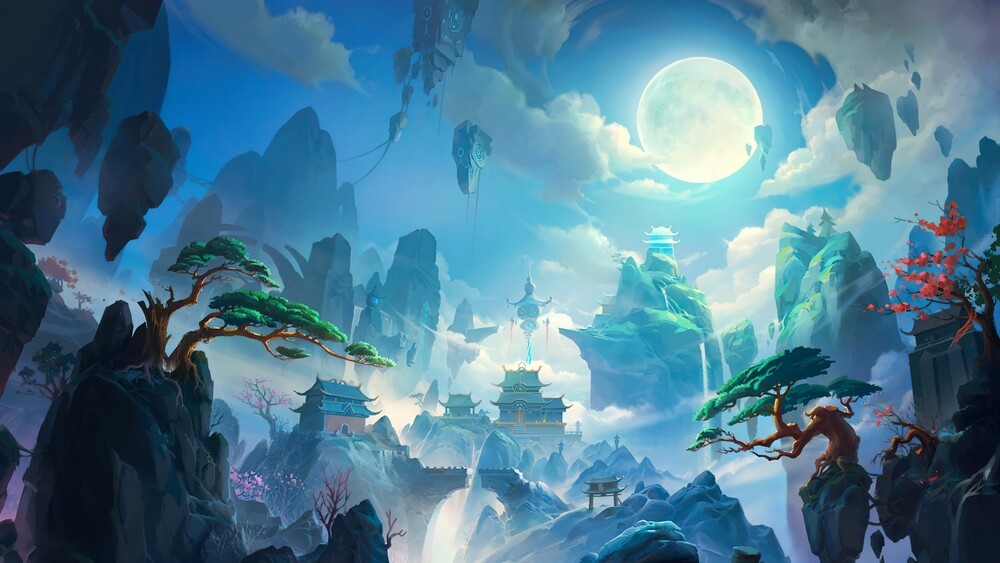
Magic manifests in phenomena like floating islands, bioluminescent plants, and the changing colors of the sky. These occurrences are often interpreted as signs or omens and are deeply embedded in the culture and spirituality of the people.
Create a Source or Origin of Magic
In this world, some believe magic stems from celestial bodies, such as distant stars and comets, whose alignments and movements influence magical phenomena on the planet. The magic is seen as a reflection of the cosmos, connecting the world to the greater universe.
Others think magic is a divine gift from ancient deities or spirits that inhabit the world. The presence of these entities is felt rather than directly seen, with their influence manifesting in subtle and sometimes inexplicable ways.
Develop the Cultural & Societal Impact of Magic
In The Veil of Luminara, magic is revered and integrated into daily life through festivals, rituals, and art. People celebrate celestial events with grand ceremonies, believing that these alignments bring blessings or changes to the world.
The magic is connected to spiritual practices and rites, with priests or shamans performing rituals to harness or interpret magical influences. These practices are deeply rooted in tradition and often shrouded in mystery.
Establish the Limits & Constraints of Magic
Rather than defining clear rules, the limits of magic are defined by its unpredictability and the ambiguity surrounding its effects. Magic might bring about unexpected outcomes that are not easily understood or controlled.
Magic may only manifest during certain celestial events or under specific environmental conditions, adding to its mystique. For instance, floating islands might appear only during a rare planetary alignment.
Integrate Magic into the Plot & Characters
In the story, magic can serve as a plot device by creating intriguing mysteries and challenges. For example, a character might embark on a quest to understand the meaning behind a celestial event that is causing unusual magical phenomena.
Characters might have personal experiences or beliefs about magic that influence their motivations and actions. For example, a protagonist’s belief in a celestial prophecy could drive them to uncover hidden truths about their world.
Use Symbolism & Themes
Magic in The Veil of Luminara can symbolize the unknown and the divine, representing humanity’s desire to connect with the cosmos and understand their place in the universe. The unpredictability of magic adds to the story’s themes of wonder and exploration.
Themes of interconnectedness with nature and the cosmos, the limits of human understanding, and the quest for meaning can be explored through the soft magic system.
Example of Building a Hard Magic System
Here’s a step-by-step guide to building a hard magic system, with an example to illustrate the process.
In the world of The Arcane Engine, magic operates through a complex system of arcane machinery and alchemical processes. Magic is harnessed using devices known as Arcane Engines, which convert raw magical energy into usable power. The system is based on precise scientific principles, with clear rules governing how magic can be accessed, manipulated, and utilized.
Define the Mechanics of Magic
In The Arcane Engine, magic is derived from a substance called Etherium, a rare mineral that contains raw magical energy. Etherium can be mined and refined into various forms, including solid, liquid, and gaseous states.
Magic is harnessed through machines known as Arcane Engines, which use intricate gears, levers, and conduits to convert Etherium into spells, enchantments, and magical effects. Each machine has a specific function and requires precise calibration to operate.
Establish Rules & Limitations
The use of magic follows strict rules. For example, different types of Etherium produce different effects: Solid Etherium might be used for elemental attacks, while Liquid Etherium could be used for healing or protective spells. Each type has its own set of rules for how it can be used and combined.
Magic is limited by the availability of Etherium and the capacity of the Arcane Engines. Overuse can cause machines to overheat or break down. Additionally, only trained individuals with knowledge of the machinery can operate the Arcane Engines effectively.
Develop the Cultural & Societal Impact of Magic
In The Arcane Engine, society is heavily reliant on magical technology. The Arcane Engines are central to daily life, powering cities, vehicles, and communication systems. People’s lives are intricately linked to the availability and functioning of these machines.
The control and distribution of Etherium and Arcane Engines create a social hierarchy. Engineers, who operate and maintain the machines, hold significant power, while those with limited access to Etherium or machinery may be at a disadvantage.
Create a System of Training & Expertise
Operating Arcane Engines requires specialized knowledge and skills. There are academies and guilds dedicated to training engineers and technicians who are proficient in managing the machinery and understanding the properties of Etherium.
Advanced magic involves complex calculations and precise control. Master engineers might develop unique techniques or upgrades for the Arcane Engines, allowing for more powerful or versatile uses of magic.
Integrate Magic into the Plot & Characters
In the story, the Arcane Engines and Etherium can drive the plot. For instance, a shortage of Etherium might lead to a crisis, or a malfunctioning machine could cause widespread havoc. Characters might be involved in quests to find new sources of Etherium or repair damaged engines.
Characters could be engineers, scientists, or technicians who work with the Arcane Engines. Their expertise, or lack thereof, could influence their role in the story. For example, a character’s ability to fix a broken engine might be crucial to resolving a central conflict.
Use Conflict & Tension
The hard magic system can create conflict through scarcity or competition for Etherium. Rival factions or nations might vie for control of magical resources or technological advancements. Additionally, technical failures or accidents can create dramatic tension.
The rigid rules of the magic system can also lead to personal or societal tension. For example, a character might struggle with the limitations of the machinery or face ethical dilemmas regarding the use of magic.
The hard magic system provides a framework for driving the plot, developing characters, and creating conflict. By establishing specific rules and limitations, you can craft a rich and immersive world where magic plays a central role in both the narrative and the setting.

By following these guidelines, you can create a magic system that enriches your fantasy world and captivates your readers. Remember, the key to a compelling magic system is not just in its rules, but in how it integrates with your world and story.
I hope this was helpful. Let me know if you have questions or suggestions by using the Contact Me form on my website or by writing a comment. I post every Friday and would be grateful if you would share my content.
If you want my blog delivered straight to your inbox every month along with exclusive content and giveaways, please sign up for my email list here.
Let’s get writing!
Copyright © 2024 Rebecca Shedd. All rights reserved.
 Rebecca Shedd - Author