The Worldbuilder’s Toolkit: Magic Users

Creating magic users in a fantasy world involves more than just defining their powers; it’s about integrating them seamlessly into your world, establishing their roles, and ensuring they contribute to the narrative in meaningful ways. This article will guide you through the process of developing magic users, from their abilities and training, to their impact on society and the plot.
Places to Start
Define the Nature of Magic Users
First, you need to establish what it means to be a magic user in your world. Magic users can vary widely depending on the magic system and the world’s rules.
We can broadly categorize magic users into several types, such as sorcerers, wizards, enchanters, or shamans. Each type might have a unique method of accessing or controlling magic.
Determine where their magic comes from. Is it innate, learned, or bestowed by external sources like artifacts or deities? In a world where magic is inherited, consider how it manifests in different individuals or families.
Create Unique Abilities & Specializations
Magic users should have distinct abilities or specializations that set them apart from one another.
Magic can be elemental (fire, water, earth, air), transformative (shapeshifting, illusions), or entirely unique to your world (time manipulation, soulbinding). Each magic user might specialize in one or several types of magic.
Within their broader abilities, magic users might have specializations or unique talents. For instance, one might excel at creating magical artifacts, while another is a master of defensive spells. Specializations should reflect their training and natural aptitude.
Develop Societal Roles & Impact
The role of magic users within society should reflect their influence and status.
Determine how society views magic users. Are they revered, feared, or neutral? Do they hold political power or serve in specialized roles, like protectors or advisors?
Magic users might have ceremonial roles, participate in significant rituals, or be key figures in historical events. Their presence and actions could shape societal norms and traditions.
Address Limitations & Vulnerabilities
No magic user should be all-powerful; limitations make characters more relatable and their challenges more compelling.
Think about establishing clear limitations to their powers. This could be physical exhaustion, the need for specific materials or conditions, or vulnerabilities to certain types of magic or magic-blocking substances. This decision depends heavily on whether you are writing a soft or hard magic system.
Consider what weaknesses or drawbacks they have. For example, using magic could have harmful side effects, or certain actions might come with moral or ethical consequences.
Integrate Magic Users into the Plot
Magic users should play a central role in advancing the plot and interacting with other characters.
Magic users can drive the plot through their quests, conflicts, or personal growth. They might seek to master their abilities, resolve magical crises, or uncover hidden knowledge.
Their relationships with non-magic users and other magic users can provide depth to the story. Conflicts, alliances, and mentorships between characters can create rich narrative layers.
Explore Magic Users’ Personal Motivations & Conflicts
The personal motivations and conflicts of magic users can add complexity to their characters.
What drives them to use their magic? Are they seeking power, knowledge, redemption, or something else? Their motivations should influence their decisions and actions throughout the story.
Internal and external conflicts involving their magic can create tension. They might struggle with the ethical implications of their powers, face societal prejudice, or confront personal fears and insecurities.
Draw Inspiration & Innovate
You can draw inspiration from existing fantasy literature, mythologies, and real-world practices, but originality will make your magic users stand out.
Analyze how other works of fiction portray magic users. For example, consider how the authors developed characters like Gandalf from The Lord of the Rings or the wizards in Harry Potter, and how you can put a fresh spin on these archetypes.
Incorporate unique elements that fit your world’s magic system. Consider tailoring magic users’ abilities, training, and roles to suit your specific setting and plot needs.

Inherent Versus Learned Magical Talent
Magic users often fall into one of two categories: those with inherent magical talent and those who acquire their abilities through study and practice. By understanding the distinction between inherent and learned magical talent, as well as how they can be combined, you can enrich your world-building and character development. Whether a character relies on their natural ability, their training, or a blend of both, their magical journey can shape their role in the story and the dynamics of your fantasy world.
Inherent Magical Talent
Inherent magical talent refers to the natural ability to wield magic that is often innate or hereditary. Characters with inherent magical talent possess a unique predisposition for magic from birth, which can be influenced by their lineage, race, or specific genetic factors.
Origins & Characteristics – Inherent talent may be passed down through generations, resulting in certain families or races being naturally predisposed to magic. For instance, elves in many fantasy settings often have an innate connection to nature magic. Those with inherent talent might demonstrate magical abilities without formal training, showing an intuitive grasp of their powers from a young age. They may excel in areas related to their magical heritage, such as elemental control or healing.
Advantages – These individuals often have a natural ease with magic, making them more adept at certain types of spells or magical tasks. Their powers might be rare or unique to their bloodline, giving them abilities that are not easily replicated or learned by others.
Examples – Harry Potter possesses magical abilities from birth because of his family’s magical heritage. Elves in Tolkien’s works have a natural affinity for magic and long life, which enhances their magical capabilities.
Learned Magical Talent
Characters acquire learned magical talent through education, study, and practice. Characters with learned talent must invest time and effort into understanding and mastering magic, often through formal instruction or self-teaching.
Origins & Characteristics – These individuals gain their magical abilities through rigorous study, training in magical institutions, or apprenticeships. They may start with little to no innate ability, but develop their skills through perseverance. Learning magic often involves mastering complex spells, rituals, or magical theories. They hone their talents over time, reflecting their dedication and effort.
Advantages – Learned magic users can often acquire a broad range of magical skills and adapt their abilities based on their studies and experiences. They possess extensive knowledge of magical theory and practices, which can be used to innovate or solve complex magical problems.
Examples – Hermione Granger’s magical skills result from intense study and application, though she was born with the potential for magic. Gandalf in The Lord of the Rings possesses inherent power as a Maia, and he refines his knowledge and use of magic through his experiences and studies.
Combining Inherent & Learned Magic
A magic user who combines inherent and learned magical talent benefits from both the natural ease with magic and the depth of knowledge acquired through study.
Integration – Combining inherent talent with learned skills allows a character to master complex spells more quickly and effectively. They can intuitively grasp magical concepts while also applying rigorous techniques to enhance their abilities. Characters who integrate both types of magic may develop unique or advanced abilities, such as creating new spells, enhancing existing ones, or combining different magic in innovative ways.
Challenges – Managing the balance between natural ability and learned skills can be challenging. A character might struggle with the expectations set by their inherent talent or face difficulties in areas where their natural abilities are less effective. The combination of inherent and learned magic can create internal conflict or opportunities for character growth. A character might grapple with the pressure of their natural talent or seek to prove themselves through their learned abilities.
Examples – Mages in The Wheel of Time, like Rand al’Thor, are born with inherent magical talent but must learn to control and refine their abilities through rigorous training and study. Yoda from Star Wars possesses inherent Force sensitivity but also spends years training others and honing his skills through deep study and meditation.

Impact of Magic Type
The type of magic system you choose plays a crucial role in defining how magic users interact with and wield magic in your world. Different systems—whether elemental, incantation-based, ingredient-based, or others—shape the skills, practices, and societal roles of magic users. Here’s an exploration of how each type of magic system could influence its practitioners and their place within the story. This is not an exhaustive list. For more ideas, see my The Worldbuilder’s Toolkit: Magic Systems.
Elemental Magic
Elemental magic systems are based on the manipulation of natural elements such as fire, water, earth, and air. Magic users can control or harness these elements to perform various magical feats.
Users often develop a natural affinity for one or more elements. Training typically involves enhancing their ability to manipulate these elements with precision and power.
Magic users may specialize in a single element or a combination of elements. This specialization influences their role in society and the tasks they are best suited for. For instance, a fire mage might be a warrior or protector, while a water mage might excel in healing or navigation.
Different elements might be associated with specific cultural or religious significance. Within their culture, users of certain elements could hold higher status or be revered.
In Avatar: The Last Airbender, each of the elemental nations (Water, Earth, Fire, Air) has its own unique approach to manipulating the elements. The bending abilities and roles of characters like Aang (Air) and Zuko (Fire) reflect their elemental affinities and training.
Incantation-Based Magic
Incantation-based magic relies on spoken words, chants, or verses to invoke magical effects. The power of the spell is often tied to the precision and clarity of the incantation.
Magic users often follow structured rituals or formulae when performing spells, requiring memorization and practice to perfect their incantations.
Magic users must have strong linguistic skills and a deep understanding of magical languages or phrases. Their proficiency can limit their ability to perform magic in reciting spells.
Training in incantation-based magic often involves rigorous study of magical texts and practicing pronunciation and rhythm. Users might belong to formal magical academies or orders that focus on preserving and teaching these incantations.
In the Harry Potter series, spells are cast using specific words and wand movements. Characters such as Hermione Granger and Albus Dumbledore must master the correct incantations in order to effectively use their magical abilities.
Ingredient-Based Magic
Ingredient-based magic involves combining specific ingredients, such as herbs, minerals, or mystical items, to create magical effects. The potency of magic is often influenced by the quality and combination of ingredients.
This system often involves a focus on alchemy, potion-making, and the crafting of magical artifacts. Users must possess knowledge of magical properties and the proper mixing of ingredients. They often act as alchemists, potion masters, or artifact creators. Their ability to craft powerful potions or enchanted items showcases their skills.
The availability and quality of ingredients can impact their ability to perform magic. Users might need to gather rare components or trade with others to obtain necessary materials.
In Fullmetal Alchemist, alchemy is central to the story, and characters like Edward and Alphonse Elric use specific ingredients and principles to perform their magical transformations and creations.
Runic or Symbolic Magic
Runic or symbolic magic involves drawing or inscribing magical symbols or runes that channel magical energy. The design and arrangement of these symbols are crucial for the effectiveness of the magic.
This system often requires artistic skill and knowledge of magical symbolism. Users may inscribe runes on objects or create intricate designs to cast spells.
Magic users must be adept at drawing or inscribing runes accurately. Their role might include crafting enchanted objects or creating magical wards.
Mastery of the symbols and their meanings is essential. Training involves learning the correct runic patterns and their associated magical properties.
In The Elder Scrolls V: Skyrim, the use of runes and magical inscriptions in this fantasy world impacts how characters cast spells and create magical effects through the use of ancient symbols.
Choosing the Right Magic System for Your Story
When selecting a magic system for your novel, consider how it will influence the magic users and the society in which they live.
Ensure that the magic system aligns with the broader world-building elements of your story. For instance, an ingredient-based system might fit well in a world where alchemy and potion-making are central to the plot.
Choose a system that complements your character’s growth and roles. For example, a character who starts as a novice in an incantation-based system might face challenges in mastering complex spells, influencing their journey.
Consider how the magic system will drive the plot. A system that relies on rare ingredients can lead to quests for magical components, while an incantation-based system might involve uncovering ancient texts.

Showing Character Progression
Demonstrating a character’s growth in magical abilities can be an important part of your plot. While the mentor trope is a common approach, there are various other ways to portray a magic user’s learning curve and skill advancement that allow for a rich exploration of your character’s journey, making their progression believable and engaging. Each approach provides a unique way to showcase the evolution of magical skills in your story. Here are several techniques and ideas for illustrating a magic user’s progression over time, ensuring their development feels natural and engaging.
Self-Study & Experimentation
Characters can advance their magical abilities through self-study and experimentation. This method involves characters delving into ancient texts, magical artifacts, or personal experiments to understand and refine their skills.
Characters might spend hours poring over old tomes, decoding runes, or studying magical theory. Scenes could show their struggles and breakthroughs as they interpret complex magical principles. They might conduct their own experiments, resulting in both successes and failures. These attempts can provide dramatic moments and showcase their perseverance and ingenuity.
In The Magicians by Lev Grossman, the protagonist, Quentin Coldwater, learns magic through a combination of formal education and personal experimentation. His journey includes self-discovery and the development of his unique magical style.
Trial & Error
Characters learn and improve their magical skills through trial and error. This process involves facing challenges and making mistakes, which leads to growth and better mastery.
Highlight moments when the character’s spells backfire or fail to achieve their intended effects. These failures can be both humorous and humbling, demonstrating the learning curve. Show how characters gradually improve their techniques, making incremental progress. Each minor victory builds their confidence and competence.
Harry Potter’s early attempts at spell-casting are often fraught with mishaps, such as his struggle with levitating objects in “Harry Potter and the Philosopher’s Stone.” Over time, his repeated efforts and experiences lead to mastery.
Real-World Application & Practice
Characters can develop their magical skills by applying them in real-world situations. This involves using their magic in various contexts, such as during conflicts, daily life, or specific missions.
Illustrate how characters use their magic in different scenarios, demonstrating growth through practical application. This could include combat, problem-solving, or assisting others. Characters might receive feedback from others or reflect on their performance after each use. This can help them identify areas for improvement and refine their skills.
In The Name of the Wind by Patrick Rothfuss, Kvothe shows his growth in magic through his practical use of Sympathy and other magical disciplines. His progress is evident as he tackles increasingly complex challenges and applies his abilities in real-world situations.
Peer Interaction & Competition
Characters can advance their skills by engaging with peers or rivals. This interaction can provide motivation, challenges, and opportunities for learning.
Include magical duels or competitions where characters face off against others. These events can highlight their skills and areas where they need improvement. Characters might work on magical projects with peers, learning from each other’s strengths and weaknesses. This collaboration can enhance their abilities and knowledge.
In The Belgariad by David Eddings ,the characters often engage in magical contests and collaborative efforts, which help them refine their skills and demonstrate their growth in various magical disciplines.
Personal Motivation & Goals
Characters’ personal goals and motivations can drive their magical development. Their desire to achieve a specific objective or overcome a personal challenge can fuel their growth.
Highlight how personal stakes, such as saving a loved one or avenging a wrong, push characters to hone their magical skills. Their dedication to these goals can be a powerful motivator. Characters might have long-term aspirations that require significant magical development. Show their progress as they work towards these goals, showcasing their evolution over time.
In Mistborn by Brandon Sanderson, Vin’s growth as a Mistborn is driven by her desire to protect her loved ones and fight against oppressive forces. Her personal stakes and goals drive her to master her magical abilities.
Exposure to Different Magical Practices
Characters can expand their magical repertoire by being exposed to various magical practices or traditions. This exposure can broaden their understanding and enhance their skills.
Characters might encounter different magical traditions or systems, learning new techniques and integrating them into their practice. Include scenes where characters interact with practitioners from different magical cultures, gaining insights and techniques from diverse sources.
In The Way of Kings by Brandon Sanderson, characters in this series encounter various magical traditions and practices, such as Surgebinding and the use of Shardblades. This exposure enriches their magical abilities and understanding.
By using these techniques, writers can effectively portray a magic user’s growth and development.

Drawing Inspiration from the Real World
When creating magic users, drawing inspiration from real-world mystical practitioners can offer depth, authenticity, and nuance to your characters and their abilities. Historical and contemporary practitioners of mysticism, occultism, and esoteric traditions provide rich sources of ideas for developing magic systems and users. Here’s how real-world mystical practices can inform and influence the creation of magical characters and systems in your novel.
Historical Mystics & Their Practices
Historical figures who practiced mysticism and esotericism often had unique approaches to magic and spirituality. Studying their practices can provide insights into how magic users in your world might operate and what drives their abilities. Here are a few examples.
Hermeticism – Rooted in the writings attributed to Hermes Trismegistus, Hermeticism emphasizes the pursuit of hidden knowledge and the manipulation of natural forces. This tradition can inspire characters who seek to uncover esoteric truths and harness mystical energies.
Characters inspired by this tradition might have a deep understanding of hidden laws and cosmic principles, allowing them to manipulate reality in sophisticated ways. They could use symbols, rituals, and invocations to achieve their goals.
Alchemy – Alchemists like Paracelsus aimed to transform base materials into noble ones and discover the philosopher’s stone. Characters inspired by alchemists might focus on transmutation, potions, and the interplay of elements.
Characters could be involved in the study of magical substances and the creation of transformative potions or elixirs. Their expertise might lie in transmuting elements or brewing potions with profound effects.
Contemporary Mystical Practitioners
Modern mystical practitioners, including those involved in New Age spirituality, occult traditions, and modern witchcraft, offer contemporary perspectives on magic. Their practices can offer fresh ideas for portraying magic in your novel.
Wiccans – Modern Wicca incorporates ritual magic, spellcasting, and a reverence for nature. Characters inspired by Wiccan practices might focus on nature-based magic, ritualistic spellcasting, and the worship of deities.
Characters could engage in nature-based rituals, work with elemental energies, and celebrate seasonal cycles. Their magic could closely tie to natural phenomena and the phases of the moon.
Occultists – Contemporary occultists often blend various mystical traditions to create their own systems. Characters might develop complex, personalized magic systems incorporating elements from multiple sources. These practices have a certain reputation, and some would classify them as dark magic.
Characters could create unique, eclectic magical practices that combine different traditions. They might develop intricate rituals, symbols, and personal magical systems.
Indigenous & Traditional Magic
Indigenous and traditional magical practices from around the world offer diverse perspectives on spirituality and magic. These practices can inspire characters who draw upon their cultural heritage for their magical abilities.
Shamanism – Shamans in various cultures act as intermediaries between the physical and spiritual realms, using rituals, trance states, and spirit communication. Characters inspired by shamanic practices might access otherworldly realms and perform healing or divination.
Characters could communicate with spirits, perform healing rituals, and enter trance states. Their magic might involve navigating spiritual realms and seeking guidance from otherworldly entities.
Hoodoo & Voodoo – These traditions involve a mix of African, Native American, and European influences, with a focus on practical magic, spirit work, and ritual. Characters might practice magic with a focus on practical outcomes and spirit interactions. These practices could be considered a form of occultism.
Characters might use a blend of ritual magic, spiritual offerings, and practical charms. They might tie their abilities to specific deities, spirits, and magical traditions.
Integrating Real-World Practices into Fiction
When incorporating real-world mystical practices into your magic system, it’s important to do so respectfully and thoughtfully. Drawing inspiration can add authenticity, but it should be done with an understanding of the cultural and historical contexts.
Study the practices and beliefs of real-world mystics to understand their principles and methods. Avoid stereotypes and ensure accurate representation.
Use real-world practices as a foundation, but adapt them to fit the unique needs and rules of your fictional world. Combine elements in new ways to create something original.
Be mindful of the cultural significance of the practices you’re drawing from and consider how you portray these practices.
Real-world mystical practices can provide a framework for developing nuanced, believable magic systems. Real practitioners can serve as models or inspiration for characters, adding depth to their abilities and motivations.

The Writer’s Toolkit
Creating compelling magic users involves more than just defining their abilities; it requires integrating their magic into their personal history, societal roles, and the broader narrative. Here are some practical tips to help you develop unique and believable magic users.
Establish Clear Rules & Limitations – Every magic system should have boundaries to maintain consistency and suspense. Define the rules of how magic works, including its limitations and costs. Specify what magic can and cannot do. For example, if a character can control fire, can they create it from nothing or only manipulate existing flames? Determine if magic has a physical, mental, or moral cost. Does using magic drain the user’s energy, age them, or require sacrifices?
Develop a Unique Background – Magic users should have backgrounds that explain their relationship with magic. Their history can influence their skills, attitudes, and role in the story. Create a backstory that explains how the character discovered their magical abilities. Did they come from a family of magic users, or did they stumble upon their powers by accident? Decide how they learned their magic. Did they undergo formal training at an academy, learn from a mentor, or develop their abilities through self-study?
Integrate Magic into Character Development – Magic should be a part of the character’s identity and growth. How they use magic and deal with its consequences should reflect their personal journey. Show how magic impacts the character’s strengths and weaknesses. Perhaps their magical prowess makes them arrogant or isolates them from others. Connect their magical abilities to their goals and motivations. Does their magic drive them to seek revenge, protect their loved ones, or explore their origins?
Explore Different Magic User Archetypes – Magic users can fit various archetypes depending on their roles and how they interact with their world.
The Reluctant Hero: A character who possesses great power but struggles with the responsibility it brings. They may be hesitant to use their abilities or seek a normal life.
The Power-Hungry Villain: Someone who seeks to dominate others using their magic. Their drive for power can lead to ethical dilemmas and conflict.
The Wise Mentor: An experienced magic user who guides and trains others. They can offer wisdom, training, and sometimes a tragic backstory.
Reflect Cultural & Societal Impacts – Magic should influence and be influenced by the character’s culture and society. How society views magic users can shape their behavior and role in the world. Determine how magic users are perceived in their society. Are they revered, feared, or marginalized? How does this perception affect their daily lives and interactions? Integrate cultural practices related to magic. For example, a society might have rituals, festivals, or taboos associated with magic use.
Show the Evolution of Magical Abilities – Characters should grow and evolve in their magical abilities throughout the story. This development can drive the plot and enhance character arcs. Illustrate how characters improve their magical skills. They might start with basic abilities and gradually master more complex spells or techniques. Include obstacles and challenges that test their abilities. Failure and struggle can lead to growth and deeper understanding.
Balance Magic with Other Elements – Ensure that magic doesn’t overshadow other aspects of the character or story. It should complement, rather than dominate, the narrative. Keep the character’s personal traits, goals, and relationships central to the story. Magic should enhance these elements, not replace them. Use magic to advance the plot, but avoid relying on it as a convenient solution to every problem. Magic should be a tool, not a crutch.
Be Mindful of Diversity – Magic users should reflect a range of backgrounds, abilities, and identities. Diversity can enrich your world and make it more relatable. Represent different magic users with unique experiences, challenges, and perspectives. Consider how their magical abilities intersect with their personal identities. Make sure to portray magic users with depth and complexity. Avoid reducing them to one-dimensional or clichéd roles.
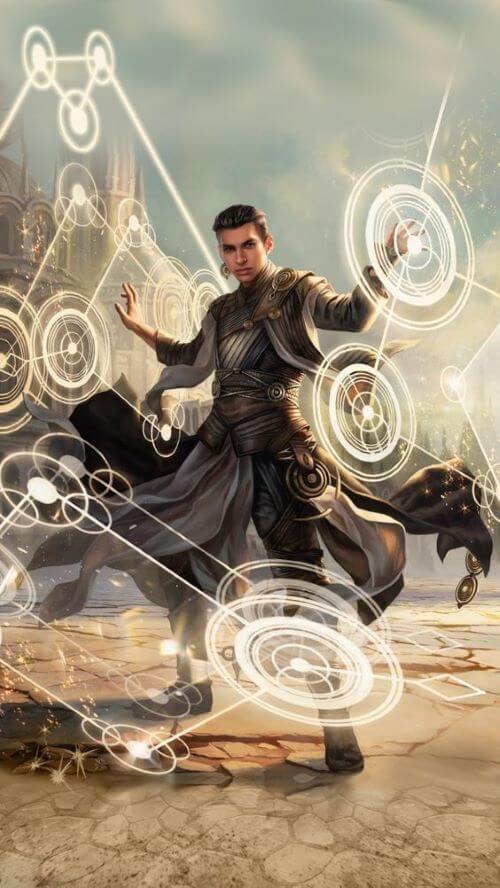
Fictional Example: Aric Stormweaver
Aric Stormweaver hails from the rugged and storm-battered coastal city of Tempest Bay in the world of Rapyz. Born into a family of sailors, Aric grew up amid the relentless sea and storm, which shaped his destiny as an elemental mage specializing in weather manipulation. The struggle of living in a community constantly threatened by violent storms and turbulent seas marked his early life.
The elemental system of Rapyz forms the foundation for Aric’s magic, which harnesses the power of the natural forces in the world. His abilities allow him to control and manipulate weather patterns, summon storms, and command lightning. This type of magic is both awe-inspiring and destructive, making Aric a powerful figure in his world.
Aric can alter weather, from calming a raging storm to creating fog for concealment. He uses this power to protect his city from frequent tempests and to aid in naval navigation. He can channel and direct lightning bolts with pinpoint accuracy, using them both in combat and as a means of energy. In extreme situations, he can summon a full-scale storm to act as a defense mechanism or to disrupt enemies.
Aric’s elemental abilities are an inherited trait, passed down through generations of his family, who have long served as protectors of Tempest Bay. While his natural talent gives him a strong foundation, his true mastery comes from rigorous training. He studied ancient tomes of weather magic and trained under the guidance of the Order of the Storm Mages, learning to refine his control over his powers. Initially, he struggles with the raw power of his abilities, causing unintended destruction. His journey involved learning to balance and harness his magic more precisely. He discovered ancient techniques that allow him to wield his power with greater finesse and less collateral damage. He demonstrates his growth by mastering complex weather phenomena and uncovering forgotten spells that enhance his abilities. As he learns to master his magic, he uncovers deeper layers of his heritage and the true extent of his abilities. He struggles to reconcile his role as a protector with the burdens of his power and responsibilities.
In Tempest Bay, Aric is a revered figure due to his essential role in safeguarding the city from storms and ensuring safe voyages. His actions directly influence the city’s economy and security. However, his power also attracts the attention of rival factions and ambitious individuals seeking to exploit his abilities for their gain.
Aric’s magical abilities serve as both a blessing and a curse, shaping his interactions with other people. His efforts to maintain balance and protect his city against external threats create a compelling backdrop for exploring themes of power, responsibility, and identity.

Creating magic users for your fantasy world involves defining their abilities, roles, and impact on society, while also considering limitations and personal conflicts. By integrating these elements into your story, you can craft compelling characters that drive the narrative and enrich the world-building. Whether drawing inspiration from existing works or innovating new concepts, the key is to make your magic users integral to the world and story you are creating. Happy world-buiding!
I hope this was helpful. Let me know if you have questions or suggestions by using the Contact Me form on my website or by writing a comment. I post every Friday and would be grateful if you would share my content.
If you want my blog delivered straight to your inbox every month along with exclusive content and giveaways, please sign up for my email list here.
Let’s get writing!
Copyright © 2024 Rebecca Shedd. All rights reserved.
 Rebecca Shedd - Author