The Worldbuilder’s Toolkit: World-building for Urban Fantasy
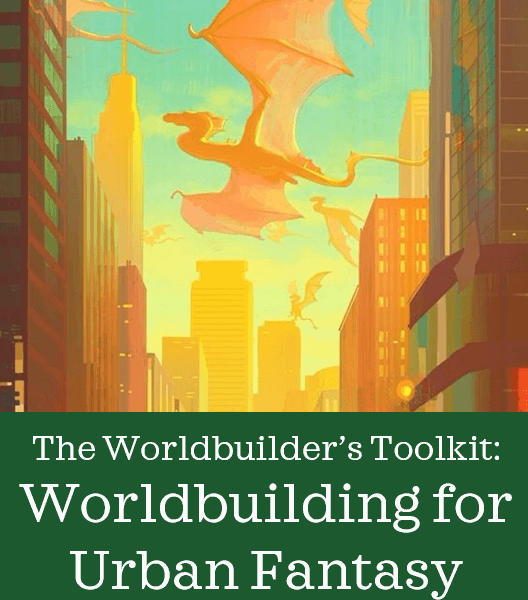

Urban fantasy combines the magical and the mundane, placing supernatural elements in contemporary settings. This subgenre offers a unique opportunity to explore familiar urban landscapes infused with magical intrigue, mythical creatures, and hidden societies. Crafting a believable and immersive urban fantasy world requires careful attention to detail, character integration, and the interplay between reality and the fantastical. Here’s an effective way to build a captivating urban fantasy world.
Understanding Urban Fantasy
Urban fantasy is characterized by its setting in modern cities where magic, supernatural beings, and otherworldly elements coexist with everyday life. This genre often explores themes of identity, societal conflict, and the balance between normalcy and the extraordinary. A well-crafted urban fantasy world enhances the narrative and provides a rich backdrop for character development and plot progression. Here are some key world-building details that are unique to the urban fantasy genre.
Modern Urban Settings
Writers set urban fantasy in recognizable cities or contemporary environments. Writers often draw on real-world locations, giving readers a sense of familiarity while introducing fantastical elements.
Magic exists alongside modern life, often hidden in plain sight. This could include magical shops nestled between coffee houses or supernatural beings living undercover in society.
Hidden Societies and Subcultures
Urban fantasy features hidden societies that operate beneath the surface of the mundane world. These could include magical guilds, supernatural law enforcement, or underground markets for enchanted items.
Each hidden society has its own customs, languages, and traditions that reflect its unique magical heritage. This adds depth and variety to the world.
Interplay of Technology and Magic
Urban fantasy often explores the relationship between modern technology and magic. Characters might use magical devices that enhance their abilities or magical apps that help navigate supernatural challenges.
Consider how technology affects magical practices. For instance, are there enchanted smartphones that connect users to the supernatural community, or magical hacking techniques that manipulate technology?
Diverse Supernatural Beings
Urban fantasy features a broad array of supernatural beings, from traditional creatures like vampires and werewolves to unique inventions. These beings often have their own social structures and hierarchies.
You can explore how these creatures coexist with humans, including issues of discrimination, acceptance, and cultural exchange. The dynamics between different species can create tension and conflict in the narrative.
Cultural Nuances
Incorporate elements of urban culture, such as music, art, and fashion, into the magical community. This could involve magical street art, enchanted graffiti, or supernatural music that has actual effects.
Showcase how magic influences everyday life. For example, a character might have a magical roommate, encounter enchanted public transportation, or attend a magical school disguised as a community college.
Mundane Conflicts with Supernatural Elements
Address real-world social issues such as inequality, prejudice, and identity through the lens of the magical. Characters may face challenges that mirror contemporary societal conflicts, providing depth to the narrative.
Conflicts often arise from characters’ personal lives, such as relationships, jobs, and family dynamics, interwoven with supernatural challenges. This creates relatable stakes while maintaining the fantastical elements.
Secret Histories and Lore
Develop a rich backstory that explains how magic has existed in the urban setting and how it has influenced history. This can include ancient covenants, past wars between magical factions, or significant events that shaped the current world.
Incorporate local myths and legends that resonate with the urban setting. This could involve reinterpretations of classic fairy tales or new legends that emerge from the city’s culture.
Everyday Life of Magical Characters
Explore how characters balance their supernatural abilities with mundane responsibilities, such as jobs, relationships, and personal growth. This duality adds layers to their personalities.
Consider how characters’ magical abilities influence their careers. A mage might work as a private investigator, while a shapeshifter could be a performer or a spy, integrating magic into the fabric of their daily lives.
World-Building Through Character and Plot
Use characters’ experiences to reveal aspects of the world. Their interactions with both magical and mundane elements can provide insight into the setting.
Integrate characters’ backstories with the world’s history and politics. Their personal stakes should reflect broader societal issues, driving the narrative forward.
Ensure that the world influences character arcs. Characters should grow and change as they navigate the complexities of their urban environment.
Use their backgrounds and experiences to create rich, multifaceted characters that resonate with readers.
Use the urban landscape to create unique conflicts. For example, rival supernatural factions might clash over territory or resources, while characters grapple with personal dilemmas rooted in their identities.
The setting can serve as a catalyst for plot developments, influencing character decisions and relationships.
Introduce magical artifacts, ancient spells, or powerful beings that play crucial roles in the plot. You should weave these elements into your world’s lore and history, enhancing the depth of the narrative.
Use sensory details to bring the urban setting to life. Describe the sights, sounds, and smells of the city, making it feel vibrant and real.
Incorporate cultural practices and local customs to enhance the reader’s immersion in the world.
Drawing Inspiration for Urban Fantasy World-Building
Visit cities and observe their unique cultures, architecture, and atmospheres. Use these observations to inform your world-building, creating a setting that feels authentic.
Consider how different cities around the world incorporate elements of magic or superstition in their cultures and histories.
Explore local myths, legends, and folklore that can inspire supernatural beings and magical elements in your world. Consider how you can reimagine these stories in a modern urban setting.
Study social issues such as discrimination, inequality, and cultural diversity in contemporary society. Reflect these dynamics in your characters and plot to create a relatable and thought-provoking narrative.

What Sets Urban Fantasy Apart from High Fantasy
Urban fantasy and high fantasy are two distinct subgenres within the fantasy genre, each with its own unique characteristics and storytelling approaches. Urban fantasy thrives on integrating magical elements within contemporary urban settings, exploring personal and societal themes, while high fantasy transports readers to entirely new realms with grand narratives centered on epic quests and clear moral conflicts. Understanding these differences can help you effectively craft your narratives. Here’s a detailed comparison of what sets urban fantasy apart from high fantasy.
Setting and Environment
Urban fantasy takes place in contemporary or modern urban settings, often resembling real-world cities. The magic and supernatural elements exist alongside everyday life, blending seamlessly with familiar environments. Examples of urban settings include bustling metropolises like New York City, London, or fictional cities that reflect modern urban life.
High fantasy stories take place in entirely fictional worlds that have their own rules, histories, and geographies. These settings are often expansive and richly detailed, featuring diverse landscapes such as enchanted forests, floating islands, and ancient ruins. High fantasy worlds are typically more removed from our reality and may include entire continents or realms populated by various fantastical races and creatures.
Integration of Magic
In urban fantasy, magic hides in plain sight, coexisting with technology and modern societal norms. The presence of magic can be subtle, with supernatural beings and magical occurrences lurking beneath the surface of everyday life. Typically, the narrative presents the magical elements as part of a larger urban culture, with unique customs, underground societies, and hidden magical communities.
In high fantasy, magic is usually a fundamental part of the world, deeply woven into its history, politics, and culture. It often operates under specific rules and limitations that are central to the story. Magic can have grand and epic implications, affecting entire nations or realms, and is often a driving force behind major plot events.
Character Dynamics
In urban fantasy, characters often navigate both the magical and mundane aspects of their lives. Protagonists may be everyday people, supernatural beings, or hybrids, dealing with personal issues that reflect contemporary society. The interactions between human and supernatural characters frequently explore themes of identity, acceptance, and societal prejudice.
In high fantasy, characters are often heroes or larger-than-life figures engaged in epic quests or battles against dark forces. Their journeys may involve clear-cut distinctions between good and evil, often with a focus on destiny and heroism. High fantasy characters may come from diverse races and cultures, each with its own set of skills, powers, and conflicts that contribute to the overall narrative.
Themes and Conflicts
Urban fantasy often centers on the complexities of modern life, such as personal identity, social issues, and the struggle for power within urban environments. Conflicts may arise from clashes between magical and mundane societies, or from individual characters’ internal struggles. Urban fantasy may also explore moral ambiguities, with characters facing ethical dilemmas that challenge their beliefs and values.
High fantasy typically includes epic battles between good and evil, the hero’s journey, and the exploration of fate versus free will. Conflicts are often grand in scale, involving entire kingdoms or realms and the forces of darkness threatening the world. High fantasy narratives often emphasize honor, loyalty, and sacrifice, with characters facing monumental challenges that test their strength and resolve.
Pacing and Tone
In urban fantasy, the pacing is often fast and focused on character-driven plots. The tone can range from dark and gritty to lighthearted and humorous, reflecting the complexities of urban life and the coexistence of the mundane and magical. The narrative may incorporate elements of mystery, thriller, or romance, depending on the story’s focus.
In high fantasy, the pacing can vary, often allowing for more expansive world-building and exploration. The tone is usually epic and grand, emphasizing the stakes involved in the characters’ quests. High fantasy narratives often include extensive lore and mythology, which can slow the pace but enrich the world’s depth.

The Writer’s Toolkit
Crafting an interesting urban fantasy setting and plot involves blending the magical with the mundane, allowing readers to immerse themselves in a world where the extraordinary exists alongside everyday life. Here are some practical tips to guide you through the process:
Start with a Strong Concept – Define the core elements of your urban fantasy world, including its magical system, key supernatural beings, and the major conflicts. This will serve as the foundation for your world-building.
Develop Detailed Character Profiles – Create detailed character profiles that reflect their backgrounds, motivations, and relationships to the world. Ensure that the urban environment and magical elements shape their experiences.
Maintain Consistency – Ensure that the rules of your world, including the magic system and social dynamics, remain consistent throughout the narrative. Inconsistencies can disrupt immersion and confuse readers.
Choose a Realistic Urban Setting – Consider using a real-world city as your setting or create a fictional city that mirrors the characteristics of an urban environment. Research the city’s culture, geography, and history to enhance authenticity. Highlight specific areas within the city that have unique characteristics, such as a vibrant arts district, a bustling market, or a quiet, hidden enclave. This adds depth and variety to your world.
Integrate Magical Elements Naturally – Introduce magic in a way that feels organic to the urban environment. This could be through magical shops, street performers with supernatural abilities, or whispers of the fantastic in everyday conversations. Consider how magic interacts with modern technology. For example, magical apps, enchanted devices, or spell-infused public transport can create a seamless blend of the magical and the technological.
Create Diverse Supernatural Beings – Populate your world with a mix of traditional and original supernatural beings. Develop their cultures, customs, and social hierarchies, ensuring they feel distinct and well-integrated into the urban setting. Explore the relationships between humans and supernatural beings, including issues of discrimination, alliances, and cultural exchanges. These dynamics can drive plot developments and character interactions.
Develop Unique Magical Systems – Create a magic system with clear rules and limitations. Define how to access magic, the cost of using it, and the consequences of misusing it. This adds tension and complexity to your plot. Consider how the presence of magic affects societal norms, laws, and daily life. Are there regulations governing magic use? Is magic widely accepted or feared?
Incorporate Real-World Issues – Address real-world social issues such as prejudice, inequality, and identity through the lens of your urban fantasy world. This can provide depth to your characters and plot while making the story relatable. Ground the plot in personal conflicts and dilemmas that resonate with readers. Characters should face challenges that reflect their struggles within both the magical and mundane realms.
Establish Hidden Societies and Cultures – Create hidden magical societies that operate beneath the surface of the urban setting. These could include magical guilds, supernatural law enforcement, or underground markets for enchanted goods. Develop unique customs, traditions, and rituals within these societies. This adds richness to your world and provides opportunities for conflict and intrigue.
Use Sensory Details – Use sensory details to bring the urban setting to life. Describe the sights, sounds, and smells of the city, weaving in magical elements that enhance the atmosphere. Showcase how magic affects daily activities and routines. This can include characters’ interactions in magical cafes, enchanted shops, or mystical parks.
Create Compelling Conflicts – Develop conflicts that arise from the interaction of magical and mundane elements. This could involve rival supernatural factions, conflicts over territory, or personal vendettas intertwined with larger societal issues. Ensure that the world influences character arcs. Characters should grow and change as they navigate the complexities of their urban environment and magical society.
Balance Plot and World-Building – Introduce world-building details organically through character actions, dialogues, and experiences rather than through lengthy exposition. This keeps the narrative engaging and maintains the pace. Weave historical elements and lore into the plot through artifacts, ancient texts, or character backstories. This adds depth to the world without overwhelming the reader.
Engage with Readers – Share your world-building concepts with beta readers or writing groups to gather feedback. Their insights can help refine your setting and plot, ensuring that it resonates with your audience. Be willing to adapt your world and plot based on what works best for the story. Flexibility allows for creative discoveries that can enhance the narrative.

Fictional Example: The City of Verenthia
Verenthia is a bustling metropolis that seamlessly blends the mundane with the magical. It is a sprawling city with a mix of modern skyscrapers, historical buildings, and hidden alleyways. Enchanted towers, which shimmer at night, dot the skyline.
The Wyrmwood District is a vibrant neighborhood known for its eclectic shops and magical markets. Here, vendors sell potions, enchanted artifacts, and mystical ingredients, often tucked away in narrow streets filled with street performers and magical creatures.
Throughout Verenthia, magical barriers shield certain areas from mundane detection, allowing supernatural beings to coexist with humans without drawing attention. These barriers often shimmer faintly, visible only to those with magical sight.
The city’s public transport system includes enchanted buses and trams that can shift routes based on traffic patterns, ensuring swift travel for both humans and magical beings.
Verenthia is home to a variety of supernatural beings. Vampires, living in the upscale district of Nocturne Heights, run exclusive nightclubs and operate within a network of ancient rules and traditions. A community of shapeshifters known as the Chameleon Guild functions in the back alleys, offering services as spies or informants. Elemental spirits who influence the weather and maintain the natural balance inhabit the city’s parks, often interacting with urban dwellers.
Verenthia hosts annual festivals that celebrate the convergence of magic and technology, such as the Luminal Gala, where they showcase magical light displays and technological innovations.
Characters navigate a world where magic affects everything from daily routines to societal norms. For instance, a local café might serve enchanted coffee that enhances focus or creativity.
In this city, a young bartender named Martin discovers he possesses the rare ability to manipulate time. Martin’s journey intertwines with an enigmatic vampire seeking redemption, a shapeshifter with a hidden agenda, and a wise elemental spirit who guides him. Together, they must navigate the intricate politics of Verenthia’s magical underbelly while confronting their personal demons.
Creating a captivating urban fantasy world requires a delicate balance of realism and imagination. By focusing on the key components, drawing from real-world inspirations, and integrating characters deeply into the setting, you can craft a rich and engaging narrative that captivates readers. The interplay of the ordinary and the extraordinary allows for rich storytelling opportunities, inviting readers to explore the magical dimensions hidden within their own urban landscapes. Happy world-building!

I hope this was helpful. Let me know if you have questions or suggestions by using the Contact Me form on my website or by writing a comment. I post every Friday and would be grateful if you would share my content.
If you want my blog delivered straight to your inbox every month along with exclusive content and giveaways, please sign up for my email list here.
Let’s get writing!
Copyright © 2024 Rebecca Shedd. All rights reserved.
 Rebecca Shedd - Author
I loved the Worldbuilder’s Toolkit For Urban Fantasy!!!
LikeLike
Awesome! Glad you liked it.
LikeLike