World-building Case Study Example
Creating a captivating fantasy world requires not only vivid imagination, but also a structured approach to bring the world and its inhabitants to life. In this article, I’ll walk through every element of world building, following the journey of Zarina, a young woman with a rare gift for manipulating an extraordinary form of magic. I will explore how everything—from landscape and social structures to language and belief systems—shapes and is shaped by her story as I construct Zarina’s world layer by layer.
Meet Zarina
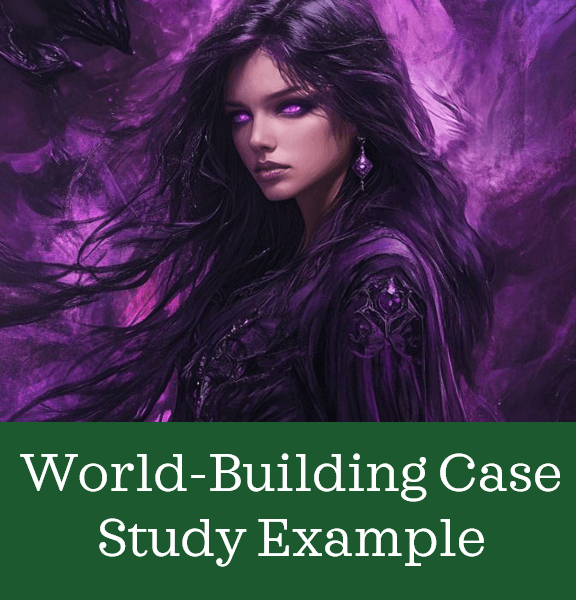
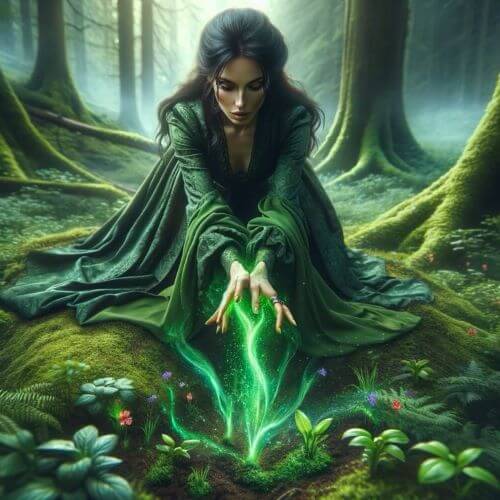
Zarina is a prodigy in the magical arts, but unlike most practitioners who rely on earth, water, air, or fire, Zarina has tapped into the fifth and rarest element: void. This elusive force exists beyond the tangible and visible world, capable of consuming, creating, and bending reality in ways other magic cannot. Let’s start with the setting and gradually construct a world around her that feels vibrant.
Geography & Topography
Zarina’s journey begins in a rugged, yet beautiful land known as the Veiled Highlands. This region, at the edge of the continent’s vast central plains, boasts a diverse landscape marked by steep, mist-covered mountains, plunging valleys, and deep forests threaded with hidden rivers and waterfalls. The terrain is unforgiving yet abundant with life, shaped over centuries by ancient tectonic forces and the subtle influence of elemental magic embedded in the land itself.
The Mist Peaks are towering mountains that loom over the region, their summits often lost to clouds and mist. They house narrow, winding paths that are believed to be sources of magical energy and are used only by the most experienced travelers. Legends say the peaks themselves breathe, inhaling the world’s excess energy and exhaling something that pulls at the minds of those sensitive to magic.
The Luminous Forests are dense, ancient woodlands that stretch across the lower elevations, where the trees are so tall and thick that sunlight only barely filters through. These forests hold bioluminescent flora that glow faintly at night, illuminating paths to hidden springs and forgotten temples. It’s whispered that some of these plants hold traces of void energy, perhaps the very reason Zarina first connected to the element.
The Rifted Valley is a striking scar in the landscape that runs along the Veiled Highlands’ eastern edge. A violent, magical upheaval centuries ago formed this chasm, filled with labyrinthine caves, leaving the valley charged with residual elemental power. The valley’s rivers carve deep into the rock, forming an underworld where secluded groves and pools are rumored to amplify magical abilities.
Descending from the mountains into the plains, the Silver Steppes are an open, wind-swept grasslands dotted with rocky outcrops and rare, medicinal herbs. Fog often covers the steppes, glistening in the sunlight and giving the region its name. Here, nomadic tribes dwell, practicing ancient rituals and guarding secrets of the land’s magic.
Climate and Weather Patterns
The Veiled Highlands experience all four seasons, but each manifest uniquely because of the presence of elemental magic that infuses the landscape. These subtle magical energies contribute to weather patterns that can shift unexpectedly, creating a climate both beautiful and volatile.
Spring is characterized by heavy, early-morning mists that rise from the valleys and forests, lingering until midday. These mists hold a faint, almost tangible energy, believed to resonate with those sensitive to magic. The days are cool, with temperatures climbing steadily as the season progresses. Gentle rains begin in mid-spring, nurturing the region’s rich flora. Spring thunderstorms, though rare, are powerful, often accompanied by strange, atmospheric lights that locals attribute to elemental forces.
Summers are warm but rarely oppressive, thanks to the high elevation. Afternoon rain showers are frequent, providing temporary relief from the sun and lending an ethereal glow to the Mist Peaks as steam rises off the mountain surfaces. During summer nights, the air remains cool, with occasional violent thunderstorms sweeping through. These storms carry a high charge and often produce flashes of color in the clouds. Summer is both a time of abundance and caution, as the storms amplify the local magic, making Zarina’s connection to the void more intense and unpredictable.
Autumn brings shorter days, cooler temperatures, and intense, gusty winds. The winds carry with them a faint whispering sound, amplified by the valleys and cliffs, creating a haunting atmosphere in the highlands. Fog and mist return, blanketing the mountains and forests, but the colors of autumn leaves provide brilliant contrast, filling the landscape with gold, red, and orange hues. This season is a mystical time, and people say it marks a period when the veil between worlds is thin. Those who practice magic find their abilities heightened.
Winters in the Veiled Highlands are crisp, with snowfall blanketing the Mist Peaks and Silver Steppes, turning the region into a realm of quiet beauty. Snowfall can be heavy in the highlands, particularly in January and February, while the lower elevations receive light dustings that disappear quickly under the weak winter sun. The forests become hushed and almost timeless. Void-sensitive creatures emerge in winter, drawn to the quiet.
The Celestial Drift
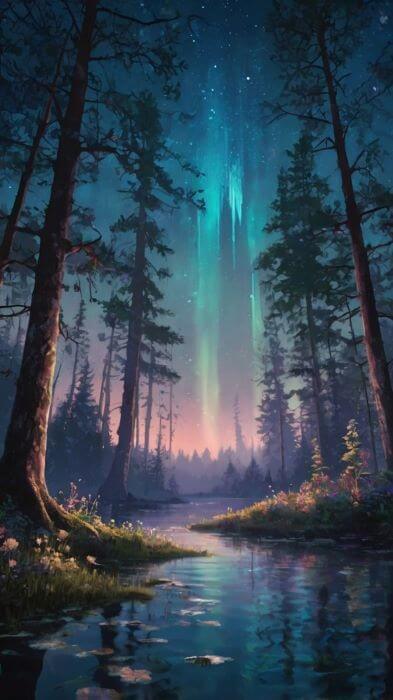
In the Veiled Highlands, the Celestial Drift is a unique and mystical weather phenomenon. Occurring irregularly—sometimes only once every few years — wisps of light, silver, violet, and faintly blue, coalesce above the Mist Peaks and gradually drift downward, filling the valleys and forests with a soft, luminous glow. The lights seem to have substance, moving through the air like glowing mist. They occasionally form shapes or patterns that locals interpret as omens or messages from ancient spirits.
The region’s void energy is connected to the Celestial Drift. Those who are sensitive to magic, like Zarina, experience the Drift on a heightened level. They might hear faint melodies or whispers within the lights. Some practitioners believe that if one stands in the Drift’s light long enough, they might receive visions of the past or glimpses of the future, though these visions are often cryptic and difficult to interpret. This rare weather pattern has become legendary, drawing travelers, sages, and magic users who hope to witness the Celestial Drift and uncover the secrets it holds.
Flora & Fauna
The Veiled Highlands teem with a unique array of plant and animal life, much of which has adapted to the magical energies permeating the land.
Flora
Nightshade Blooms – Found primarily in the dense shadows of the Luminous Forests, these violet-black flowers emit a faint glow at twilight, illuminating the forest floor with a soft, eerie light. While beautiful, they are dangerous—brushing against their petals induces mild hallucinations, often causing individuals to see ethereal shapes or feel as if they are drifting between worlds.
Void Moss – Growing along the shaded crevices of the Rifted Valley and occasionally on the higher cliffs, void moss is an inky-black plant that feeds on the ambient magical energy in its environment. People say that void moss enhances the potency of certain magical rituals and alchemists seek it out.
Embergrass – Found in patches along the Silver Steppes, embergrass is a deep red plant that releases tiny sparks when rustled. People have used the grass in traditional fire rituals for centuries, as it is highly flammable and believed to enhance the power of fire-based spells.
Mistbell Trees – Tall, ancient trees with silver-gray bark and translucent leaves that produce a haunting melody when wind moves through them. Legends say the trees hold the memories of the land, and some magic users like Zarina meditate beneath their branches to seek guidance from these whispers of history.
Fauna
Silver Ravens – These intelligent birds have silvery-gray feathers that gleam faintly in the light and are often regarded as omens and messengers of the spirit world. Void-sensitive individuals attract them, and some believe that silver ravens guide them on mystical paths.
Glowfoxes – With fur that shimmers in shades of blue and green, glowfoxes are elusive nocturnal creatures found in the Luminous Forests. They have keen senses and a curious nature, often approaching travelers quietly at night. Glowfoxes possess a faint, magical glow that allows them to move undetected, blending with the bioluminescent flora of their habitat.
Eldergroves – Enormous tree-like creatures that appear stationary but can slowly move their roots over time, eldergroves are ancient beings covered in moss and lichen. They rarely move, but when they do, they shift toward the Mist Peaks, where people believe they draw energy from the mountains. These lumbering giants are deeply connected to the earth element and are revered by the nomadic tribes.
Rift Serpents – The Rifted Valley is home to these slender, almost translucent serpents with scales that reflect an opalescent sheen. Rift serpents are shy, hiding in deep crevices and hunting small creatures at dawn and dusk. Their venom has mild hallucinogenic properties, making them a sought-after species for those who dabble in divination, though they are fiercely protected by the local tribes.

History and Lore
The Veiled Highlands has a long and storied history, steeped in myths and legends that date back to ancient times. Both natural forces and the mysterious presence of magic have shaped this region, nestled on the edge of the known world.
According to ancient lore, the Veiled Highlands were once part of an unbroken mountain range known as the Spirelands, home to a civilization of seers and mystics who had mastered the elements. This civilization, called the Orathen, flourished because of its deep connection to magic, which was viewed as both a blessing and a responsibility. They revered the elements as sacred beings and built temples and altars throughout the mountains to honor the forces of earth, water, fire, air, and void.
The Orathen were among the few who fully understood void magic, calling it “the Breath of Silence.” They believed that void magic was the essence of all existence, the space between stars, breaths, and thoughts. They guarded this knowledge closely, fearing the consequences of void power falling into untrained or reckless hands.
However, a great calamity struck—one referred to as “The Shattering.” Records differ on the cause, but most accounts speak of a ritual gone wrong. Many of the Orathen vanished, their temples left abandoned, and their legacy shrouded in mystery.
After the Shattering, the Veiled Highlands became a land of superstition and isolation. Nomadic tribes moved in, forming small, transient communities in the valleys and forests. They considered the region haunted, filled with lingering spirits and remnants of the Orathen’s power. The tribes, known collectively as the Wayfarers, adapted to the land’s magical oddities and came to respect its dangers. They developed rituals to honor the elements, believing that keeping the ancient magic appeased would protect them from harm.
Centuries later, a group of scholars, mystics, and elemental magic practitioners formed a secret society called the Order of the Silent Veil, dedicated to studying the remnants of the Orathen and the strange effects left behind by the Shattering. They sought to unravel the mysteries of the void and to guard against its misuse, preserving artifacts, texts, and relics from the ancient temples.
One of the most prominent pieces of lore in the highlands is the Prophecy of the Final Rift, a chilling vision of a time when void magic will surge again, creating a new rift. This event will either spell the rebirth of the Veiled Highlands or its destruction.
Today, the Veiled Highlands are a mystical place of pilgrimage. The Wayfarer tribes still roam, honoring their ancestral rites and watching over the ruins left by the Orathen. The tribes hold festivals to mark the shifting seasons and pay homage to the elements. Local superstition holds that those who disrespect the highlands’ magic may be “taken by the mist,” never to be seen again.
The Shattering: A Cataclysm of Magic
The Shattering remains one of the most significant—and mysterious—events in the history of the Veiled Highlands. A calamitous rupture in the flow of magic itself, it reshaped the land, shattered an ancient civilization, and created a legacy of both awe and caution that persists to this day.
A group of elite Orathen scholars and seers experimented with rituals that would allow them to access deeper dimensions of reality. The highest-ranking members of their order, who called themselves the “Keepers of the Rift,” kept this pursuit secret.
According to legend, the Keepers of the Rift eventually devised a powerful ritual known as the “Invocation of the Celestial Silence.” This rite required the alignment of several unique cosmic phenomena: a specific constellation, a rare lunar phase, and the convergence of elemental ley lines beneath the Mist Peaks.
What happened next is uncertain, but records tell of an intense surge of magical energy unleashed as the ritual began. Witnesses described the sky splitting open and a blinding flash of white-violet light that filled the heavens, seen for miles. The invocation tore through the fabric of the world, creating a powerful energy storm that raged across the highlands, reshaping the land and carving out the massive chasm now known as the Rifted Valley.
The rupture in magic disrupted the delicate balance of the elemental forces, sending shockwaves through the earth and causing fissures and landslides across the region. The Mist Peaks trembled, and several mountains split, filling the land with rivers of molten rock and reconfiguring the ley lines that had once flowed in harmony. This elemental upheaval left behind a deep scar, marking the land with the resonant void energy that exists to this day.
The Shattering did more than alter the landscape: it marked the fall of the Orathen. The violent maelstrom of energy swept away many people, while others vanished without a trace. Survivors spoke of people simply “fading” from view, as if the veil between worlds had thinned so drastically that they were pulled in. They abandoned the temples, cities, and sanctuaries they had constructed, leaving them scattered across the Highlands.
Scholars speculate that the void magic released in the Shattering partially consumed the Orathen, absorbing them into the very essence of the void. This has given rise to many legends about “echoes” of the Orathen appearing in places where void magic is strong, with travelers occasionally reporting fleeting visions of ghostly figures or hearing faint whispers when the Celestial Drift appears.

Races and Species
The Veiled Highlands is home to a diverse array of sentient races and creatures. Each race has adapted to the land in unique ways, developing customs, traditions, and physical attributes that resonate with the magic-infused environment.
The Wayfarers (Human Nomadic Tribes)
The Wayfarers are a loose collective of human tribes who roam the highlands and surrounding plains, preserving an ancient way of life deeply connected to nature and magic. They believe themselves to be descendants of the Orathen, though they do not know of void magic. Instead, the Wayfarers honor the spirits of the land and protect the ancient sites. Wayfarers have a range of physical features because of the intermingling of tribes over generations. They are typically sturdy and well-adapted to the rugged terrain. The Wayfarers value community and unity, seeing each member’s well-being as tied to the land. They highly respect elders and councils that represent each tribe, giving equal weight to the voice of the land (as interpreted by shamans) and the people’s will.
The Liran (Woodland Dwellers)
The Liran are a mystical, forest-dwelling race of humanoids who live in the Luminous Forests. Reclusive and rare, they are often mistaken for spirits because of their mysterious nature and deep connection to the bioluminescent flora that fills their habitat.
The Liran have lithe, slender bodies with skin that shimmers faintly in shades of green or blue, blending seamlessly with the bioluminescent plants around them.
The Fellborn (Mountain Kin)
The Fellborn are a race of resilient, mountain-dwelling beings who inhabit the higher elevations of the Mist Peaks. Said to have evolved from a fusion of elemental energies, the Fellborn possess a deep connection to stone and metal, traits that aid their survival in the unforgiving highlands. They are stocky and robust, with skin that ranges from slate-gray to deep brown, often with a slight metallic sheen.
The Dae’shen (Spiritual Mystics)
The Dae’shen, a mysterious, semi-corporeal race believed to be direct descendants of the Orathen, have origins that are unknown. They dwell within the Rifted Valley and the Mist Peaks, where they guard hidden shrines and temples left by their ancestors. Their semi-corporeal nature suggests a unique affinity with the void. They appear as tall, ethereal figures with translucent skin that faintly glows in shades of purple and silver, often described as “half in this world, half in the next.”
The Draksh (Shadowborn Predators)
The Draksh are formidable, beast-like creatures that stalk the darkest parts of the Rifted Valley and the forests along its edge. They are semi-intelligent and possess a strong connection to void energy, which has altered their appearance and behavior. Though rarely seen, all inhabitants of the Veiled Highlands fear their presence. They are tall, quadrupedal creatures with elongated, sleek bodies covered in shadowy scales that absorb light.
The Durnak (River Keepers)
The Durnak are amphibious beings who live along the rivers and subterranean lakes of the highlands, especially within the Rifted Valley. They have a deep connection to water magic and frequently position themselves near ancient Orathen structures submerged by the floods from the Shattering.
Languages
The region’s landscapes and magical energies have shaped the varied languages spoken. Each race and community has developed its own means of communication, shaped by their unique interactions with the land, magic, and each other. Some languages people speak, while others heavily depend on gestures, sounds, and even magical resonance to convey meaning.
Old Orathic (The Language of the Ancients)
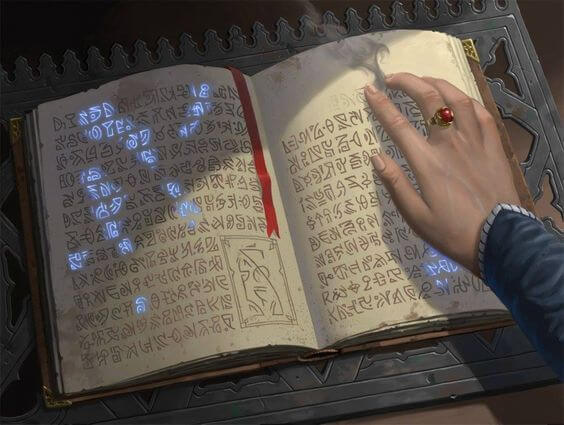
The oldest and rarest language in the Veiled Highlands, Old Orathic, was once the primary language of the Orathen civilization. It has mostly fallen out of use since the Shattering, but remnants of Old Orathic persist in ancient texts, carvings, and magical spells. The Order of the Silent Veil has worked to preserve and decipher it, considering it a sacred link to the past.
Wayfarer Tongue
The Wayfarers have developed their own language over generations, a mix of practical vocabulary and poetic symbolism. Known simply as Wayfarer Tongue, it is a spoken and gestural language that reflects their close relationship with the land and each other.
Liran Whisper
The Liran’s language, known as Whisper, is an auditory and resonant form of communication rather than a traditional spoken language. They use tonal sounds and soft, almost inaudible whispers that blend seamlessly with the forest, often unintelligible to other races.
Fellborn Rune-Speak
The Fellborn language, Rune-Speak, combines spoken words with a system of runes and glyphs carved into stone or metal. It is a practical language that embodies the Fellborn’s connection to the mountains and their crafting traditions.
Dae’shen Voidsong
The Dae’shen communicate through a haunting, melodic language known as Voidsong, believed to be a remnant of the Orathen’s own void magic. Voidsong is ethereal and difficult for other races to understand, as it resonates at a level that bridges the physical and spiritual realms.
Draksh Shadowspeech
The Draksh have developed a primal language known as Shadowspeech, a mix of growls, guttural tones, and body language. Though not a traditional language, Shadowspeech allows them to coordinate during hunts and convey their intent to other creatures.
Durnak River-Tongue
The Durnak language, River-Tongue, is a fluid, melodic language that resembles flowing water. River-Tongue is unique because it combines spoken language with tonal sounds that mimic the sounds of rivers and streams. The Durnak believe their language is a gift from the waters and use it to preserve their history and knowledge.
Religions and Belief Systems
Shaped by elemental and void magic, spiritual and religious beliefs intertwine with the natural world and ancient history. Each community has its own understanding of divinity, the elements, and the mysteries of the void, forming a rich tapestry of belief systems that guide their rituals, ethics, and ways of life.
The Wayfarers’ Path (The Natural Reverence)
The Wayfarers practice a belief system known as the Wayfarers’ Path, a faith rooted in reverence for nature and the elemental spirits that inhabit the land. They view the highlands as a living entity and believe each element—earth, water, fire, air, and void—has a spirit that requires balance and respect. The Wayfarers believe each element has a guardian spirit that watches over the highlands, influencing weather, animal behavior, and even human fate. They view the void with caution, as they consider it a necessary balance to the tangible elements, yet a force that one should approach with great care.
The Wayfarers hold seasonal festivals, each dedicated to an elemental spirit, with the largest, the “Cycle of Elements,” celebrated at the turning of each year. During these festivals, they offer symbolic gifts to the spirits, such as soil for earth or water from sacred springs, hoping to maintain harmony and receive blessings for the coming season.
Wayfarers believe in reincarnation, seeing life as an eternal journey along a path shaped by the elements. They believe that through each life, they inch closer to a spiritual union with the land itself. They honor their ancestors during the “Rite of the Lost Moon,” making offerings to seek their guidance.
The Liran Faith (The Heart of Light)
The Liran follow a faith called the Heart of Light, a mystical belief system that considers the Luminous Forest and its bioluminescent plants as sacred manifestations of a guiding, protective force. The Heart of Light is both a deity and a spiritual force that binds the Liran to their forest home.
The Stone Elders (Fellborn Ancestral Reverence)
The Fellborn practice a belief system centered on the Stone Elders, an ancestral faith that venerates the mountains and the spirits within them. To the Fellborn, the Mist Peaks are sacred, inhabited by ancient spirits of stone and metal that watch over their people.
The Veilkeepers’ Creed (Dae’shen Mysticism)
The Dae’shen follow the Veilkeepers’ Creed, a mystical faith based on the belief that the veil between worlds is fragile and that they maintain its balance. The Dae’shen consider the void as both a force of creation and dissolution, a duality that they must protect and preserve.
The Hunt of Shadows (Draksh Totemistic Belief)
The Draksh follow a primal, totemistic belief system centered on the “Hunt of Shadows,” which sees void energy as an instinctual force that both drives and sustains them. They consider themselves part of a cycle of life and death governed by the Rifted Valley, their home and ultimate source of power.
The Watersong (Durnak River Worship)
The Durnak practice a belief known as the Watersong. To them, water is sacred and carries the memories of all things, acting as a conduit between life, death, and the past. They see rivers and lakes as living beings that preserve the region’s history.
Political Systems
The Veiled Highlands, with its diverse populations and challenging terrain, lacks a centralized political authority. Instead, each community’s distinct cultures, needs, and beliefs shape governance. Politics in the highlands reflects a blend of traditions, councils, and leadership roles tailored to each group’s connection to the land, magic, and their unique history. This decentralized structure fosters both cooperation and tension as communities navigate their overlapping territories and resources.
The Wayfarers’ Council
The Wayfarers govern through a decentralized council system. Each tribe maintains its autonomy but takes part in the Council of Elders, which convenes to decide issues affecting all Wayfarer tribes. This council provides a platform for tribes to discuss matters of territory, resources, and shared customs.
Each tribe has its own leader, known as the “Pathkeeper,” usually the eldest or most respected individual in the community. The Pathkeeper represents the tribe at the Council of Elders, which meets biannually or during emergencies. The Council has no binding authority; it relies on consensus and respect for tradition to implement decisions.
Each tribe contributes to the final decision-making process through discussion and compromise. On important matters, such as territorial disputes or alliances, the council holds a ceremonial debate, where each Pathkeeper presents their position, and other council members offer suggestions.
The Wayfarers emphasize unity and respect for autonomy, but tensions sometimes arise over resources and territory. The council should prevent conflicts and foster mutual respect, but some tribes have histories of rivalry, particularly regarding hunting grounds near the Mist Peaks.
The Wayfarers have a positive relationship with the Fellborn and the Durnak, with whom they trade resources and knowledge. They are wary of the Liran, whom they rarely encounter, and highly cautious around the Dae’shen because of their connection to void magic.

Factions within Wayfarer Society
Wayfarer society comprises semi-autonomous tribes, each with distinct traditions, skills, and beliefs that reflect their unique roles within the highlands. These tribes, known as factions, are bound by shared respect for the land, the elements, and the Wayfarer Council, but differ in their focus, values, and methods of interacting with the magical environment. Below are the primary factions within Wayfarer society.
The Earthbound Clan
The Earthbound Clan, one of the oldest Wayfarer factions, deeply connects with the land and specializes in earth-based rituals and farming practices. They believe their purpose is to nurture the soil and ensure the land remains fertile for future generations. The Earthbound Clan handles most of the agriculture within Wayfarer society and holds extensive knowledge of soil composition, plant life, and sustainable farming methods.
As the primary food producers, they holds significant sway in Wayfarer society, with other factions relying on them for sustenance. Their role grants them influence on the Wayfarer Council.
The Flamekeepers
The Flamekeepers are a spiritual faction dedicated to the element of fire, viewing it as both a force of creation and destruction. They perform ceremonial rites and oversee purification rituals, using fire to cleanse and transform. They also serve as the keepers of Wayfarer lore, maintaining oral traditions and passing down histories through storytelling.
As the lore keepers and ritual leaders, the Flamekeepers play a crucial role in maintaining Wayfarer traditions. Their knowledge of history and fire magic gives them influence within the Wayfarer Council, particularly on spiritual and ceremonial matters.
The Riverkeepers
The Riverkeepers are stewards of the highlands’ waterways, dedicated to preserving the purity and flow of rivers, lakes, and springs. They have extensive knowledge of aquatic ecosystems, medicinal herbs, and water magic. Riverkeepers see themselves as intermediaries between the Wayfarers and the natural spirits of the water.
The Riverkeepers provide essential medicinal resources and water purification techniques, making them highly respected. They often mediate between factions during council discussions, as their focus on purity and healing grants them a position of neutrality and trust.
The Stormcallers
The Stormcallers are a faction that embraces the power of the air and weather. Known for their storm-worship and wind-based rituals, they believe the highlands’ weather is a direct expression of the elemental spirits’ will. They practice storm-divination, interpreting weather patterns as omens, and are skilled in using air magic to manipulate wind and predict seasonal changes.
As the primary weather-watchers, the Stormcallers play a crucial role in Wayfarer society, predicting seasonal shifts, storms, and changes that affect travel and agricultural cycles. Their expertise gives them sway on the Wayfarer Council, especially on decisions about seasonal preparations.
The Shadow Watchers
The Shadow Watchers are a reclusive faction that specializes in protecting ancient sites and sacred spaces throughout the highlands. They have a strong focus on the void and the mysteries surrounding the Orathen ruins, and they believe it is their duty to keep these areas undisturbed and protected from overuse or exploitation.
The Shadow Watchers hold significant influence over the Wayfarer Council with the preservation of Orathen sites and sacred spaces. They serve as protectors of Wayfarer history and heritage, particularly in relation to the void, which they see as misunderstood and potentially dangerous.
The Ironhands
The Ironhands are a faction skilled in metalwork and trade, focusing on creating tools, weapons, and artifacts. They have close ties to the Fellborn, from whom they learned stone and metalcraft techniques. The Ironhands see themselves as providers, using their skills to support the survival and self-sufficiency of Wayfarer society.
The Ironhands are essential to Wayfarer society, as they produce practical tools and weapons needed for survival and trade. This role gives them influence within the Wayfarer Council, especially in matters of trade and relations with the Fellborn.
The Seers of the Veil
The Seers of the Veil are a secretive faction that practices void magic and divination, maintaining a mysterious connection to the ancient Orathen knowledge. People often view their practices with suspicion because they are the least understood faction. However, they respect their insights, especially in matters involving prophecies or omens of change.
Although the Seers are reclusive, their prophetic insights hold weight in the Wayfarer Council, especially during times of crisis or uncertainty. They are often called upon to interpret omens, particularly those related to the prophecy of the Final Rift.
Culture of Wayfarer Society
The Wayfarer society deeply roots itself in a culture of respect for nature, community, and tradition. They see the natural world as sacred, viewing the elements—earth, water, fire, air, and void—as forces that sustain, protect, and challenge them. They regard themselves as stewards of the highlands, with each tribe taking on roles that reflect this connection. Their daily lives revolve around working with the land, whether through farming, crafting, or performing rituals, to honor the spirits believed to live in the landscape.
Rituals and seasonal festivals are integral to Wayfarer culture, marking the passage of time, honoring the elements, and reinforcing community bonds. These events are colorful and often multi-day celebrations, where each tribe gathers, bringing offerings and performing unique rites that celebrate their connection to the elements and each other.
As an oral society, they place great value on storytelling, which serves as both entertainment and a way to preserve their history, beliefs, and values. Storytelling is a communal activity, with tales shared around fires or during festivals, often accompanied by music, dance, and symbolic gestures.
The Wayfarers express their connection to nature and their beliefs through various forms of art and craftsmanship. Their creations are functional but imbued with symbolism, crafted from materials found in the highlands and designed to honor the elements. Tattoos are a significant cultural symbol, with each mark representing an individual’s personal connection to the elements, achievements, or tribal identity. Typically, people get tattoos during rites of passage, such as adulthood or initiation into a faction, and each design reflects the wearer’s life and beliefs.
Wayfarer society is deeply communal, with a strong sense of shared responsibility and mutual aid. They lead a semi-nomadic lifestyle, moving with the seasons to follow resources, and they collectively work to ensure everyone’s needs are met, from food and shelter to spiritual well-being.
Spirituality is deeply embedded in everyday life, rituals, and practices that honor the elements and respect the balance of life and death. While they revere all elements, the Wayfarers approach void magic with a mixture of awe and caution, viewing it as both essential to existence and dangerous when misunderstood.
They build their identity around their relationship with the highlands, viewing themselves as a distinct people with a shared history and destiny. Despite having internal factions and occasional rivalries, Wayfarers see unity as essential to their survival, and they reinforce this through alliances and shared practices.
Clothing in Wayfarer Society
The Wayfarers’ clothing is practical, adaptable, and rich with cultural symbolism, reflecting their connection to the land and the elements. It is designed for durability, flexibility, and comfort in the rugged highlands, with each faction within the society having its own unique variations. People often make clothing from natural materials, decorate it with elemental motifs, and craft it to carry symbolic significance. They primarily use natural fibers and materials available in the highlands. Sheep and goats are common, so they widely use wool for warmth and layering, especially during the colder months. Animal hides are also used for outerwear, particularly by those living in higher elevations. The Earthbound Clan and other agricultural tribes cultivate flax and other plants for lightweight linen. Linen is a common material for summer clothing and inner layers, providing comfort in warmer seasons. People use leather for durability and reinforcement in garments, especially in belts, gloves, boots, and outer layers. Fur-lined clothing is common among those who travel to higher altitudes, where the temperature can drop sharply at night.
Wayfarers dress in layered, practical attire to accommodate the highlands’ unpredictable climate and their semi-nomadic lifestyle. Travelers can easily add or remove layers, adapting to the often-rapid changes in temperature and weather. The base layer for both men and women comprise a long tunic paired with sturdy trousers. Tunics are typically knee length, with wide sleeves and a loose fit for ease of movement. Vests made from wool or leather add warmth without hindering movement, often worn over tunics. Cloaks are common and vary in thickness depending on the season. A cloak’s color and design often show faction and tribal affiliation. People wear sashes and wraps around the waist, chest, or shoulders, for both practical and symbolic purposes. Some sashes carry charms or small pouches for herbs, tools, or trinkets, while others are dyed in colors that represent an individual’s faction or elemental affinity. Sturdy, reinforced leather boots with thick soles are common, providing durability and grip for traversing rocky landscapes. Many boots are waterproof or lined with fur for warmth and comfort. During warmer seasons, people prefer lighter footwear, such as sandals or fabric wraps around the ankles and feet.
Each Wayfarer faction has its own distinct style of clothing, designed to reflect their elemental focus and cultural values.
Earthbound members wear earthy colors—browns, greens, and ochres—to blend with the land. They reinforce their garments with leather patches on the shoulders, knees, and elbows for protection during farming and gathering. Earthbound clothing often has embroidered vine or leaf motifs.
Flamekeepers favor reds, oranges, and deep browns. They design their clothing for ritual and ceremony, with long sleeves and trailing hems. Flamekeepers often wear fireproofed shawls or scarves, woven with flame motifs, which they use during ceremonial dances. They add metallic accessories, such as bronze bangles or pendants, to symbolize the spark of fire.
Riverkeeper attire is practical for working near water, featuring water-resistant fabrics and lightweight materials for freedom of movement. Blues, greens, and silvers are common colors, often adorned with wavelike patterns. Riverkeepers wear leather gloves and sometimes arm wraps that wick away moisture.
Stormcallers wear muted grays, blues, and purples to reflect the sky and storms. Their clothing is loose and airy, with long sleeves and hoods to protect against strong winds. They add feathers, beads, or small bells to their garments, which resonate in the wind and symbolize the air’s movement. Stormcallers often wear cloaks that shimmer subtly, resembling clouds or rain.
Shadow Watchers wear dark, muted colors—charcoal, black, and deep blue—that allow them to blend into shadowed landscapes. Their clothing is close-fitting, quiet, and designed for stealth, often with hoods and extra pockets for tools or charms. Shadow Watchers wear pendants or small totems representing void symbols, and they adorn their clothing with subtle embroidery that resembles stars or shadowy patterns.
Ironhands favor dark brown, and gray fabrics reinforced with leather or metal. Their clothing is sturdy and practical, often with protective arm and leg wraps to guard against sparks and tools while crafting. Ironhands carry small, handcrafted metal tools in their belts and often wear rings, bracelets, or amulets fashioned from iron, copper, or bronze.
The Seers wear deep purples, blacks, and indigo, colors associated with mystery and the void. Their clothing is loose and layered, designed to cover most of their skin, with hoods or veils that partially obscure their faces. Seers decorate their garments with embroidered symbols representing constellations or void elements, and they often wear enchanted charms or beads that enhance their divinatory abilities.

Food in Wayfarer Society
Wayfarer cuisine is hearty, seasonal, and deeply connected to the highlands’ natural resources. The Wayfarers build their diet around local ingredients that they gather, hunt, farm, or trade within the different factions. Communal meals, food-sharing rituals, and seasonal feasts are central to their culture, reinforcing unity and gratitude toward the highlands.
The Wayfarers rely on a diverse range of ingredients adapted to the highlands’ terrain, with each faction contributing its own specialties to the larger society. These include grains, root vegetables, wild greens and herbs, mushrooms, fungi, berries and fruit.
Wayfarers consume a variety of meats, fish, and plant-based proteins, depending on the season, location, and cultural practices of each faction.
The cuisine is simple but flavorful, focusing on practical, filling dishes that nourish the body and connect the people with the land. Each faction cherishes its culinary specialties, but Wayfarer society enjoys certain traditional dishes across the board.
Preservation is essential, as it enables them to maintain food supplies through winter and during times of scarcity. Each faction contributes its preservation skills, including smoking, drying, salting, brining, and jam making.
The Wayfarers have a selection of beverages enjoyed daily and at ceremonial gatherings, from nourishing herbal teas to more celebratory drinks, such as honey mead and berry wine.
Seasonal dishes and ritual foods are integral to the culture, with each element celebrated through meals that reflect the flavors and resources of the season. During the Cycle of Elements festival, specific foods are prepared to honor each element. For the Rite of the Lost Moon, Wayfarers bake special loaves called Ancestor Bread, made from grains, herbs, and honey.
Food preparation is a communal activity in Wayfarer society, with meals prepared in large quantities and shared among families or factions. Each meal is an opportunity for bonding and storytelling, often accompanied by songs, tales, or blessings.
Economy and Trade in Wayfarer Society
The economy within Wayfarer society is primarily a barter system, grounded in communal sharing, trade, and mutual aid. Each faction has specific skills, resources, and products that contribute to the overall wellbeing of the community, creating an interdependent network. Wayfarers also engage in limited trade with neighboring communities, exchanging goods and knowledge with the Fellborn, Durnak, and, on rare occasions, the Liran. Wayfarers center their trade on practical needs but also include items that hold symbolic or ceremonial value, as many goods carry cultural significance.
Certain items hold significant value within Wayfarer society, either for their practical uses or for their cultural and ceremonial importance. They commonly trade these goods, such as medicinal herbs and remedies, crafted tools and weapons, textiles and garments, spiritual charms and talismans, and preserved foods and seasonal delicacies, which are especially sought after during festivals or times of scarcity.
While Wayfarer society is mostly self-sufficient, they engage in selective trade with neighboring communities. They carefully maintain each external trade relationship, balancing mutual respect with caution to avoid dependence.
The Fellborn are the Wayfarers’ closest allies, and they share a long-standing trade relationship. They trade high-quality stone, metal, and minerals for food, medicinal herbs, and textiles. The Riverkeepers maintain a respectful trade relationship with the Durnak, exchanging herbs, fish, and freshwater plants for minerals, healing potions, and aquatic charms.
The Liran are reclusive, but occasionally engage in cautious trade with the Wayfarers, typically in exchange for crafted items or ceremonial herbs. The Draksh are predatory and unpredictable, so there is no formal trade relationship with them. However, small packs occasionally leave hunting spoils or foraged items near Wayfarer paths as a form of indirect trade or peace offering.
Certain items hold spiritual significance, and their exchange plays an essential role in social and religious rituals within Wayfarer society. These exchanges are often symbolic, reinforcing ties between factions or neighboring communities.
The Wayfarers believe in fair exchanges, where both parties benefit without unnecessary exploitation. This ethical approach extends to all trade, with Wayfarers careful not to over-harvest or exhaust resources, respecting the highlands’ natural limits.

Technology in Wayfarer Society
Wayfarer society possesses technology rooted in craftsmanship, elemental magic, and resourceful adaptation to the highlands’ rugged environment. Their “technology” is primarily low tech but carefully crafted, often enhanced by elemental symbolism or small infusions of magic. Each faction brings its own skills and innovations, resulting in a diverse array of tools, structures, and techniques designed to be sustainable, functional, and in harmony with the natural world.
The Wayfarers excel in handcrafted tools and practical items, using natural materials available in the highlands and drawing on generations of knowledge and technique. They design their tools to be durable and suitable for their environment.
They have developed efficient textile techniques suited to the highlands’ climate, creating clothing and fabrics that are durable, protective, and rich with cultural significance.
Wayfarer dwellings and structures are practical and designed to blend with the landscape, using materials that offer protection from the elements while respecting the land’s natural aesthetics.
They have adapted to the highlands’ rough terrain with methods of transportation suited to their environment, with a focus on efficiency, portability, and endurance.
Food preservation is essential in Wayfarer society, and they use a combination of low-tech methods such as smokehouses, drying racks, clay and stone ovens, fermentation and pickling to store and prepare food.
The Wayfarers are skilled in crafting practical weapons, emphasizing survival and protection against aggression. They typically design their weapons, such as bows and arrows, spears, slings, and defensive talismans and charms, for hunting and defending against predators rather than warfare.
While most Wayfarer tools are crafted without overt magic, craftsmen enhance some items like enchanted amulets and wards, weathervanes and wind chimes, and tokens and void charms with elemental infusions or enchanted symbols, subtly merging technology with magic.
Wayfarers maintain knowledge through oral traditions, crafting tools, and simple systems that help pass on skills, stories, and practical information. They use carved stones and wooden markers to show paths, territories, or sacred sites. Healing is an essential skill, and portable herb kits are common.
Magic System of the Wayfarers
The Wayfarer magic system is a versatile, nature-based practice deeply tied to the elemental forces of earth, water, fire, air, and, to a lesser extent, void. Practical applications root the magic rather than flashy displays of power, and it focuses more on harmonizing with the land than dominating it. Each faction specializes in particular aspects of elemental magic, and individuals gain magical abilities through dedicated training, ritual, and personal connection to the elements. This magic system is subtle and restrained, often infused into everyday life, rituals, and tools rather than wielded as raw power.
Wayfarer magic is based on the five core elements: Earth, Water, Fire, Air, and Void, each representing different aspects of the natural world and bringing unique abilities to those attuned to them. Each faction aligns itself with one primary element, but individuals can develop affinities for multiple elements, allowing for versatility in their magical abilities.
Attuning to magical ability is not simply inherited or learned—it involves an intentional process that can take years of training and dedication. Attunement involves forming a bond with an element and learning to channel its power through focus, ritual, and respect.
Wayfarers often use magic as enchantments to channel elemental power for specific purposes. They perform rituals both individually and communally, and play an integral role in the culture, especially during festivals, seasonal transitions, and life milestones.
Wayfarer magic has inherent limitations, and each element comes with its own restrictions. These limitations prevent excessive power use and encourage weirlders to respect the natural balance of the highlands. Each use of magic drains physical and mental energy, particularly if the user goes beyond their skill level. Earth and water magic are the least taxing but require time for recovery. Fire and void magic, however, demand careful use, as they cause fatigue, mental fog, and even fainting if overused. Wayfarers cannot create elements but can only manipulate what is already present in the environment. Earthbound Wayfarers can influence soil but not rocks beyond a certain size. Similarly, Riverkeepers can manipulate small streams or plants but cannot control massive bodies of water. The limitations encourage Wayfarers to work with nature rather than forcefully against it. They teach that one must handle void magic with reverence due to its exceptionally delicate nature. Overuse of void magic can lead to disturbing visions, nightmares, or even temporary dissociation. The Seers of the Veil learn to use void magic sparingly and with clear intent, focusing on subtle perception rather than control.
Each faction has developed specialized magical practices, aligned with their unique elemental affinities and the skills they contribute to Wayfarer society.
The Earthbound specialize in agricultural magic, using earth energy to promote crop growth, protect soil health, and ward off pests. They also have a reputation for “Stonebinding,” a technique where they temporarily harden soil and small rocks for defense or stability.
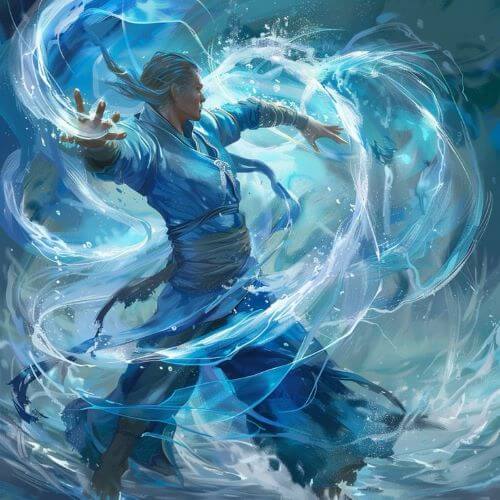
Riverkeepers focus on healing and purification. They practice “Flowing Sight,” a technique that allows them to sense water currents, and “Waterweaving,” which lets them manipulate small amounts of water for ritual washing, purification, and gentle healing.
Flamekeepers specialize in purification and transformation magic, including “Firebinding,” the controlled creation of small flames for ritual or practical use. They practice “Heatbinding,” allowing them to manipulate heat in specific areas, and often forge charms using small, controlled bursts of fire.
Stormcallers practice weather prediction and subtle wind manipulation. Their specialty is “Windwhispering,” which involves listening to the sounds of the air and sensing atmospheric changes. Advanced Stormcallers use “Gustcraft” to create gentle breezes or disperse smoke, fog, or other elements for visibility.
The Shadow Watchers work with void magic and minor earth elements, using “Shadowbinding” to blend into shadows and “Echocasting” to connect briefly with echoes of past events. Their void magic is subtle and focused on perception, protection, and reverence for sacred sites.
Certain locations in the highlands naturally contain stronger elemental energy, making them ideal for magic practice, ritual, and attunement. These sacred sites serve as training grounds, meditation spaces, and focal points for communal gatherings and include elemental pools and springs, rock circles and earth alters, fire pits and pyres, wind groves, and void sanctuaries and ruins.
An ethical code that emphasizes harmony, respect, and caution guides wayfarer magic. In Wayfarer magic, magic is a communal asset, not a tool for personal gain, and the community considers misuse a serious breach of values.
Through this example, I hope I have been able to show you how to piece by piece put together a world for your novel. Although I have used most of the world-building elements, you do not need to do that for your novel. In fact, it can be more manageable if you only pick two to four elements to focus on. Also having a setting and a character is not enough for a book. The third element you will need is a plot.
I hope this was helpful. Let me know if you have questions or suggestions by using the Contact Me form on my website or by writing a comment. I post every Friday and would be grateful if you would share my content.
If you want my blog delivered straight to your inbox every month along with exclusive content and giveaways, please sign up for my email list here.
Let’s get writing!
Copyright © 2024 Rebecca Shedd. All rights reserved.
 Rebecca Shedd - Author