The Worldbuilder’s Toolkit: Mountain Ranges

I will do a deep dive into the topics that I covered in my world building series two years ago. This article is the first in a new series on geography and topography.
Mountain ranges have always been alluring to writers and storytellers. They are places of mystery, beauty, and danger where one can feel the weight of ancient stone and the might of nature. From Tolkien’s Misty Mountains to Frank Herbert’s Shield Wall on Dune, mountain ranges have played central roles in some of the most iconic fantasy and science fiction landscapes. Here’s a guide to help you craft interesting mountain ranges.
Where to Start
The Geography of Your Mountains
First, choose the location and decide how your mountain range formed. Mountains often arise from tectonic activity, volcanic activity, or erosion. In fantasy and science fiction, the causes can be supernatural or alien, such as a mountain range created by a long-dead giant or as remnants of an interstellar war.
A mountain’s altitude affects temperature, vegetation, and animal life. Lower slopes may be lush, while higher reaches are sparse and icy. Consider how local flora and fauna adapt to this environment—and whether magical or alien species exist here.
Add unique landmarks like jagged cliffs, hidden valleys, ancient caves, or abandoned temples. Specific terrain types (steep cliffs, alpine lakes, dense forests) can enhance the atmosphere of danger or discovery in your mountains.
Mountains as Hiding Places and Fortresses
Mountains often serve as natural refuges for those on the run. They offer countless hiding spots for outlaws, rebels, or creatures trying to avoid human encroachment. Perhaps entire communities hide in the mountains, away from prying eyes and outside authorities.
Many classic tales feature impregnable mountain fortresses. Think of how a high-altitude fortress might operate differently than one on flat land. Limited resources and steep access routes might shape daily life and add tension when provisions run low. In a sci-fi setting, this might mean that a military base high in the mountains has advanced security systems, powered by rare crystals only found in that region.
Living in the mountains requires adaptation and resilience. Characters might face extreme weather, dwindling supplies, or the loneliness of isolation. Consider how mountain-dwellers might differ culturally and psychologically from people in lower-lying regions, developing unique values and skills.
Mountains as Characters in Your Story
Treat the mountain range as a character itself, with moods and mysteries. You can give your mountains personality—through the way locals talk about them or by infusing them with natural phenomena, like eerie sounds caused by the wind in caves, or rare atmospheric lights.
Many cultures have myths tied to mountains, often involving dragons, giants, or spirits. In your world, these might be true, half-forgotten, or exaggerated legends that turn out to hold a kernel of reality. Myths about the mountain’s origin, spirits, or lost civilizations can lend your range a deeper narrative weight and mystery.
Mountains are classic symbols of challenge, enlightenment, or isolation. Think of the themes your story explores and how mountains could underscore those themes. Are your characters climbing towards enlightenment, struggling to escape isolation, or confronting the seemingly insurmountable?
Mountains as Strategic Points in Sci-Fi Settings
In a science fiction world, mountains may have entirely different compositions or origins. Imagine a mountain range on a new planet, with alien minerals and rock formations that challenge known science. Anomalous gravity fields, electromagnetic storms, or sentient mountain organisms could create unique obstacles.
Mountains in sci-fi often house military bases, research centers, or clandestine labs. The natural barrier of a mountain provides excellent protection, making it ideal for high-security installations. Your characters may need to infiltrate or defend such a location, heightening the stakes with advanced technology and challenging terrain.
A mountain range on another world could contain bizarre ecosystems with creatures or plants developed specifically for high-altitude conditions. These ecosystems might even offer critical resources for your characters, adding urgency to their journey and potentially spurring conflict with native species or rival factions.
Mountains as Natural Borders and Their Impact on Plot and Characters
Mountain ranges have historically served as natural borders, shaping not only the physical landscape but also the social, political, and economic divides within a region. By placing a mountain range along the boundary between nations, factions, or even species, you can add complexity to your world’s politics and your story’s conflicts. Here’s how mountain-bordered territories can influence your plot and characters.
Physical Division of Regions and Nations
Mountains often separate groups, leading to cultural differences and misunderstandings. For example, two societies on either side of a mountain range might develop different languages, customs, and ideologies over generations. This divide can foster prejudice or mistrust, or even inspire intrigue for characters who wish to bridge the gap.
A mountain border often means uneven resources on either side. One nation may have fertile valleys, while the other has access to mineral-rich mountains. This imbalance can create economic dependence, tension, or even conflict. Characters caught in the middle of these tensions might need to find creative ways to negotiate or exploit the situation.
Mountains are formidable obstacles for invading forces, so they’re often natural borders for defensively minded kingdoms. A character might come from a heavily fortified mountain kingdom, secure in its isolation, or from a neighboring region eager to breach the mountain defenses for trade or conquest. These strategic concerns can lead to alliances, betrayals, or secret passageways and hidden tunnels.
Political and Strategic Implications
When mountains mark a boundary, nations on either side may squabble over territory in the foothills or contest ownership of rare resources found within the mountains. Your plot might involve border skirmishes, political negotiations, or espionage as one side attempts to gain an advantage over the other.
Mountain borders remain unclear in many places. Foggy highlands, unmapped passes, and treacherous peaks could create gray areas between nations. Characters might find themselves in disputed regions, encountering conflicting claims and risking punishment if caught by the “wrong” side. Such a scenario can add moral complexity, especially if innocent people or villages live in these contested zones.
Some mountain ranges serve as neutral territories or buffer zones between rival factions. This could allow for secretive meetings, shady trade deals, or third-party agents who use the neutrality to their advantage. Characters might come to the mountains to broker deals, gather intelligence, or navigate alliances.
Impact on Characters and Their Journeys
For characters needing to cross the border, a mountain range adds a literal and symbolic obstacle. Such a journey requires physical endurance and mental resilience, which can bring out hidden qualities in your characters. This can serve as a rite of passage or a way for them to prove their loyalty or bravery.
Mountains as borders create natural havens for outcasts, refugees, and rebels who wish to avoid authorities on either side. Characters who seek refuge or escape might join a hidden mountain community or forging an alliance with other wanderers. These interactions can lead to the blending of cultures, unexpected alliances, or new sources of conflict.
In a story with mountain-bordered regions, you may have characters who serve as messengers, diplomats, or spies. Characters tasked with bridging the divide must understand both sides, navigate diverse customs, and deal with the physical hardships of mountain travel. Their efforts to negotiate or mediate can add depth to political subplots, as well as emotional stakes, if they feel connected to both lands.
Symbolic and Emotional Significance of Borders
Mountains that serve as borders can create emotional tension for characters with family or friends on the other side. The border’s harsh realities may prevent regular visits or communication, amplifying a sense of loss, nostalgia, or duty. These characters might risk their lives crossing the mountain to reunite with loved ones, defying political or social boundaries.
Characters from opposite sides of a mountain border might defy social expectations by forming bonds. Such relationships could be strained by the cultural, legal, or political hurdles imposed by the border. Characters from different lands may meet in secret or face danger for their connection, adding a layer of personal struggle to the larger geopolitical tension.
Mountains as Natural Protectors of Civilizations
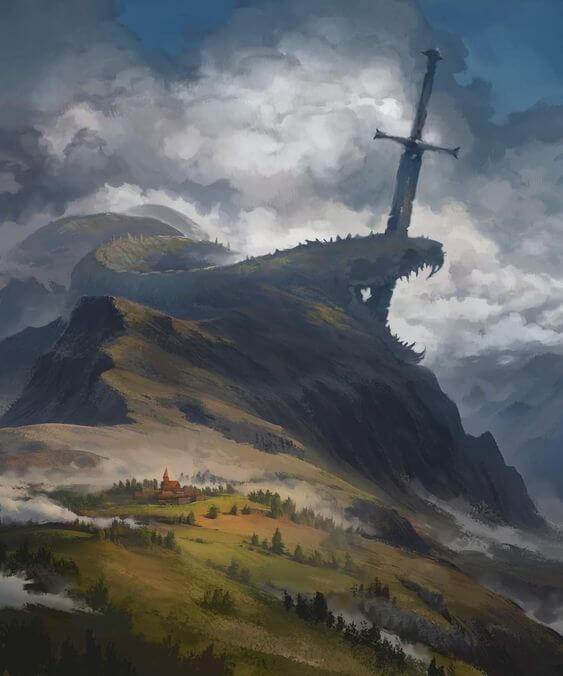
Mountain ranges can act as powerful natural fortifications, shielding civilizations from external threats and shaping the unique ways in which these societies develop. Historically, civilizations nestled within or behind mountain ranges often experienced fewer invasions and developed distinct cultural identities because of their isolation. In your fantasy or science fiction story, mountains as protective barriers can affect plot dynamics, character motivations, and the development of unique societies. Here’s how protected mountain civilizations can enrich your world.
Defense Against Invaders and External Threats
A civilization protected by mountains has a defensive advantage, as invading forces must navigate treacherous passes, steep cliffs, and extreme weather. Characters from such a society may feel a sense of security and even superiority because of their fortress-like home. This defense could inspire pride or insularity among its people, who may view outsiders with suspicion or contempt.
If an invading force seeks to conquer a mountain-protected civilization, their attempts can create high-stakes plot points. Characters defending their homeland might rely on guerrilla tactics, taking advantage of the terrain to ambush enemies. This setting allows for intense and creative battle scenes where knowledge of the mountains proves as valuable as skill in combat.
The mountains may protect against human invaders, but they could also conceal supernatural or alien dangers. Ancient beings, magical forces, or hostile alien species may lurk within the mountains, threatening to spill out into the protected civilization. Characters may have to confront these hidden threats, especially if they discover how the mountains keep these forces in check.
Isolation and Cultural Distinctiveness
Isolation fosters a distinctive cultural identity, with customs, language, and beliefs that set mountain-protected civilizations apart. Characters from these societies might have unique ways of life influenced by the terrain, such as high-altitude agriculture, specialized crafts, or spiritual practices centered on mountain deities. These differences could lead to misunderstandings, curiosity, or fascination among outsiders, adding depth to cross-cultural interactions.
For societies shielded by mountains, the outside world may be a source of myth or mystery. This lack of knowledge can affect characters who venture beyond their homeland, who might feel awe, fear, or excitement upon encountering new lands and people. Their perceptions of the outside world, based on stories or legends, could create interesting plot twists as they confront reality.
The protection of mountains can breed a rigid mindset, resistant to change or outside influence. Characters within these societies might struggle between upholding tradition and embracing progress, especially if new ideas, technologies, or magical practices seep in from beyond the mountains. This tension could manifest in family dynamics, political intrigue, or clashes between elders and younger generations.
Trade and Resource Limitations
Protected mountain civilizations often develop resourceful ways to sustain themselves, relying on unique local resources. Characters might be skilled in crafting or farming techniques suited to high-altitude life. However, limited resources can also drive plot points—such as a search for rare materials, bartering, or even resource-based conflicts if outside forces covet the mountain’s hidden riches.
Mountains can restrict access, making trade routes valuable and tightly controlled. Protected societies may have one or two key passes that facilitate trade with outsiders, creating opportunities for toll collection, smuggling, or disputes over who controls access. Characters might become involved in maintaining or defending these routes, facing danger from both the elements and rival groups vying for control.
Some protected civilizations may wish to expand beyond their mountain refuge or explore the world outside. This desire could lead characters to form alliances, make perilous journeys through mountain passes, or face opposition from those who fear losing their insular way of life. Such a conflict between isolationists and explorers can create rich interpersonal drama and character growth.
Impact on Characters and Their Worldview
Characters from a protected civilization may have limited understanding of the world beyond, leading to an insular mindset. This can affect their interactions with outsiders, who may see them as naïve or closed-minded. These characters might struggle with prejudice or fear of the unfamiliar, while others may feel a deep curiosity and yearning to explore.
The knowledge of living in a protected environment can foster a strong sense of duty in characters, especially if they realize that their safety is a luxury not shared by others. Some characters might feel called to defend their people’s haven, while others could be driven to protect or aid those without similar protection. This sense of responsibility can motivate characters to face the unknown and risk their own security for a larger cause.
A protected civilization’s resistance to change can be a powerful source of internal conflict. Characters within such a society may clash over whether to maintain their traditional ways or open to new ideas, allies, or technologies. Those advocating for progress might face suspicion or backlash, while defenders of tradition grapple with the realization that isolation may not be sustainable.
Mountains as Settings for Myth and Legend
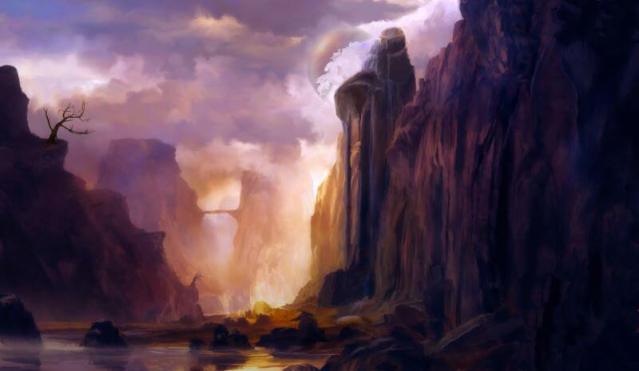
Mountains have long held a place in the mythologies of cultures worldwide, representing both the heights of divinity and the depths of mystery. In fantasy and science fiction, mountains can serve as symbolic locations where legends come alive, becoming places where the natural and supernatural intersect. Using mountains as settings for myth and legend allows you to infuse your world with a sense of ancient wonder and danger, giving characters an epic backdrop for quests, mysteries, and supernatural encounters.
Mountain Deities and Divine Realms
Many cultures believe that gods and spirits dwell in mountains, and your world’s mountains can be no different. These peaks may house powerful deities, spirits, or beings that shape the weather, control the seasons, or guard hidden realms. Characters might make pilgrimages to these sacred peaks to seek blessings, consult an oracle, or bargain with an ancient entity. This divine connection adds gravitas to mountains, imbuing them with a sense of reverence and danger.
A sacred mountain often represents the concept of the axis mundi, or the world’s center. In your story, a mountain might serve as a cosmic bridge between realms or dimensions, allowing communication between mortals and gods or even travel to other worlds. Characters venturing to the top might gain wisdom, insight, or magical powers, while facing tests along the way that reinforce the mountain’s role as a spiritual journey.
Not all mountain deities are benevolent. Local populations may shun certain peaks, believing them cursed or haunted because of legends of vengeful spirits or dangerous curses. Characters approaching these forbidden mountains could face supernatural dangers, discover remnants of past civilizations, or encounter forces that compel them to confront their deepest fears.
Legends of Lost Cities and Hidden Treasure
Mountains often hide secrets of ancient civilizations—ruined temples, long-lost cities, or relics of forgotten eras. Perhaps the remains of a powerful kingdom lie buried high in the peaks, waiting for those daring enough to rediscover them. Characters might go on quests to find these mythical places, motivated by the promise of knowledge, power, or forbidden magic.
Legends of hidden treasures are a staple in mountain lore. These treasures could be powerful artifacts, gemstones with magical properties, or lost technology left by a previous civilization. Characters might undertake treacherous journeys to locate these treasures, facing both natural hazards and mythical guardians along the way. The mountain’s legends could hint at trials or sacrifices required to get these prizes, adding moral stakes to the quest.
Legendary guardians often protect lost cities and treasures. Your mountain myths could feature dragons, spirits, giants, or other creatures who guard these ancient sites. Characters might have to confront or appease these guardians, creating thrilling encounters that deepen the sense of the mountain as a place of legend and mysticism.
Mountains as Places of Transformation and Trial
Many myths depict mountains as sites where heroes prove themselves. To make your story more engaging, you could have characters go through a rite of passage in the mountains, forcing them to survive harsh conditions, complete a sacred ritual, or defeat a mythical beast. This journey can serve as a transformative experience, forcing characters to confront their limitations, fears, and inner conflicts.
Mountains in myth are often testing grounds for those deemed worthy of divine favor or great responsibility. A prophecy may draw characters to the mountains, hoping to fulfill a destiny, gain supernatural abilities, or uncover the truth about their heritage. The trials they face—harsh environments, mythical creatures, or inner demons—become metaphors for personal growth and resilience.
Many mountain myths depict peaks as places of spiritual purification. Characters might travel to a sacred mountain seeking redemption, knowledge, or healing. Along the way, they could undergo a transformation, physically or spiritually, as they shed old identities or burdens. This journey of renewal adds an emotional layer to the mountain’s significance, allowing it to become a place where characters heal and develop.
Portals and Pathways to Other Realms
Legends of secret portals are common in mountain lore, with peaks or caves serving as entrances to hidden realms. Your world’s mountains might contain magical or technological gateways to other dimensions, celestial realms, or underground civilizations. Characters could stumble upon these portals by accident or seek them deliberately, leading to encounters with beings or worlds vastly different from their own.
In myth, mountains are often associated with the afterlife or spiritual planes. Characters could journey up a sacred peak in search of a loved one’s soul, divine judgment, or forbidden knowledge. This journey might involve supernatural trials, encounters with spirits, or the unveiling of truths about life and death, adding existential weight to the mountain’s mystique.
In some stories, mountains themselves are conscious beings, ancient and wise. Characters might encounter a mountain spirit or face trials set by the mountain itself, as if it senses their purpose or intentions. These sentient mountains could communicate through signs, visions, or even direct speech, guiding or challenging characters as they ascend.
Folklore and Superstitions
Every mountain might have its own lore, passed down through generations. Local inhabitants could warn travelers of specific dangers, such as cursed cliffs, ghostly apparitions, or hidden lakes with transformative powers. These superstitions could foreshadow events in your story or reveal hidden truths that characters gradually uncover.
Mountains often serve as observatories for celestial events, from solstices to eclipses. In your world, a mountain might be central to a festival or ritual held at a specific time, when certain stars align, or phenomena occur. Characters taking part in these traditions might witness extraordinary events or receive divine messages, reinforcing the mountain’s mythical status.
Mountain legends can serve as cautionary tales, warning characters of dangers that go beyond the physical. Perhaps there are stories of travelers who were greedy or reckless and met untimely ends, or tales of cursed artifacts and haunted peaks. Characters who disregard these warnings might face tragic consequences, while those who heed them could uncover hidden wisdom or insights.
Impact on Plot and Characters
Legendary mountains can motivate characters to embark on epic journeys, whether to fulfill a prophecy, reclaim a lost relic, or achieve enlightenment. A personal desire to uncover family roots, understand ancient mysteries, or seek retribution may fuel their journey. These stakes add emotional weight to the mountain’s allure.
Cultural beliefs tied to your mountain myths can influence your characters’ worldview, leading to conflict or cohesion. Some characters might uphold the myths and traditions, while others might challenge them, leading to tension within a group or society. This cultural clash can drive plot points, especially if myths play a role in guiding key decisions or setting societal expectations.
Characters who unravel mountain legends might gain knowledge or power that becomes pivotal to the story. They may discover secrets about their world’s creation, tap into ancient magic, or learn about forces that still influence the present. This newfound knowledge can shift power dynamics, creating intrigue and conflict as characters decide how to use or protect what they’ve learned.
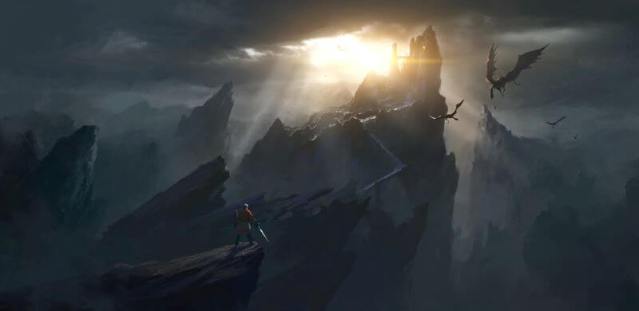
Plot and Character Ideas for Mountain-Centric Stories
Mountains offer unique story opportunities, where the landscape itself shapes characters’ journeys, motivations, and the conflicts they face. I’ve compiled some plot and character ideas for stories that focus on mountains or are strongly influenced by them, each with an example from popular media to illustrate the concept.
The Quest for a Sacred Peak
The protagonist must ascend a sacred mountain to retrieve a powerful artifact or receive wisdom from a mystical figure. Along the way, they face both physical challenges and internal doubts, forcing them to grow before reaching the summit.
The main character, perhaps a reluctant hero or untested youth, starts off doubting their abilities but learns to trust their instincts and inner strength as they face each obstacle the mountain presents. Their journey is both physical and spiritual, symbolizing their ascent to self-realization.
In The Lord of the Rings by J. R. R. Tolkien, Frodo and Sam must journey to the dangerous and almost insurmountable Mount Doom to destroy the One Ring. The mountain serves as both a literal and symbolic test of their resilience and purity of heart.
The Refuge of Rebels or Outcasts
A mountain range serves as a refuge for rebels, exiles, or a hidden society. The protagonist, perhaps a fugitive or a freedom fighter, joins this isolated community, which becomes the last stronghold against an oppressive force.
A character might initially be focused on revenge or survival, but the mountain society teaches them the importance of unity, sacrifice, and strategic thinking. They might eventually become a leader who organizes the resistance and uses the mountain’s natural defenses to fend off enemies.
In The Hunger Games: Mockingjay by Suzanne Collins, District 13, a hidden district with strongholds in the mountains, becomes the heart of the rebellion against the Capitol. The mountain-dwelling community’s values and resourcefulness influence characters like Katniss, transforming her into the symbolic Mockingjay.
The Curse of the Haunted Peak
Legends tell of a mountain cursed by spirits or ancient powers. Characters journey there to uncover its secrets, retrieve a treasure, or break the curse, but they encounter strange, supernatural phenomena that challenge their perceptions of reality.
The protagonist, possibly a skeptic or treasure hunter, may initially dismiss the legends but becomes increasingly haunted by them. Over time, they come to respect and fear the mountain’s powers, experiencing a transformation from arrogance to humility, and perhaps sacrificing to break the curse.
In Pet Cemetery by Stephen King, while not a mountain, the cursed burial ground serves a similar purpose as a place with dark legends that people visit, despite the warnings, in search of something they desperately desire. Its influence transforms those who interact with it, often to disastrous effect.
The Hidden Kingdom
High in the mountains, an ancient, isolated kingdom or city thrives, hidden from the rest of the world. The protagonist stumbles upon it, discovering an entirely different society that either needs protection from a threat or is planning an expansion that could destabilize the surrounding regions.
A curious explorer or outsider might find themselves torn between loyalty to their homeland and a growing attachment to the mountain kingdom. They could face tough choices about allegiance and whether to reveal the hidden kingdom’s existence to the outside world.
In Black Panther (2018), the isolated kingdom of Wakanda hides behind mountains and advanced technology, protecting itself from outsiders. T’Challa, as both ruler and protector, struggles with whether to maintain secrecy or share Wakanda’s resources with the world, leading to profound character development.
The Mountain as the Ultimate Test
The protagonist’s culture has a rite of passage involving a perilous mountain journey. The culture sends them to scale the mountain, survive its dangers, and find a rare object within its depths, to prove their worthiness. This challenge serves as a transformative experience.
The protagonist might be a young individual, eager to prove themselves or find their purpose. Facing dangerous elements, isolation, and physical exhaustion, they emerge changed—more mature, resilient, or having confronted a significant internal fear.
In The Hobbit by J. R. R. Tolkien, Bilbo’s journey to the Lonely Mountain to confront Smaug the dragon is an ultimate test of courage and wits. Though he starts as an unlikely hero, the challenges he faces in the mountain redefine him and change his life permanently.
The Environmental Mystery or Catastrophe
A series of strange events—rockslides, mysterious lights, or unusual animal behavior—occurs on or near the mountains, prompting the protagonist to investigate. They uncover a hidden threat, perhaps environmental degradation, supernatural forces, or an alien presence.
A scientist, investigator, or local villager becomes increasingly obsessed with solving the mystery. Their discoveries may come at a personal cost, as they risk their safety or even face disbelief from their community. They ultimately have to decide between preserving the mountain’s mysteries or exposing the truth to save others.
In The X-Files, particularly episodes like “Ice” and “Firewalker,” Agents Mulder and Scully often investigate mysterious phenomena in isolated, mountainous areas, uncovering secrets about human nature, supernatural forces, or alien life. The mountain environments add an air of danger and isolation, amplifying the mystery.
The Rivalry for the Mountain’s Riches
Two factions or kingdoms both desire the wealth or resources hidden within a mountain range—precious metals, gemstones, or a powerful magical element. Characters from either side face off, with the mountain itself becoming a battleground.
Characters might start with strong loyalties to their side, but the brutality of the conflict, along with their time in the mountains, challenges their beliefs. They might question the cost of war, forming unlikely alliances, or betraying their faction to end the bloodshed.
In Avatar (2009), the Na’vi, a native tribe on the planet Pandora, live in and around the Hallelujah Mountains, which contain valuable minerals sought by humans. Jake Sully, initially loyal to the human faction, switches allegiances as he learns more about the Na’vi and the significance of the mountains, ultimately leading him to fight for their protection.
The Lost Soul or the Mountain Oracle
Legends say that a wise oracle or an ancient sage lives atop a distant mountain, providing guidance to those brave enough to make the climb. The protagonist seeks this figure, looking for wisdom, healing, or answers to a profound question.
This journey challenges the character to face their inner demons, regrets, or unresolved trauma. By the time they reach the oracle, they are ready to hear the truth or gain the insight they seek, whether it’s healing, purpose, or a last goodbye to a loved one.
In Kung Fu Panda 2 (2011). Po journeys into the mountains to find inner peace and clarity about his past. His journey to the peaks is both a physical and emotional journey, symbolizing his self-acceptance and inner strength. The mountain setting heightens the mystical quality of his journey.
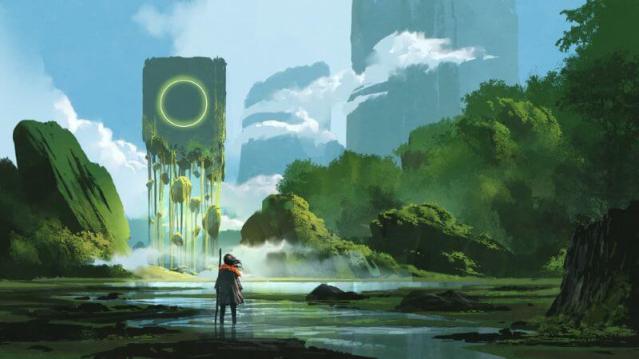
Real-Life Mountain Cultures as Inspiration for Fictional Worlds
Mountain cultures throughout history have developed unique ways of life, shaped by isolation, challenging climates, and rugged landscapes. These societies often share traits of resilience, resourcefulness, and deep cultural roots tied to their surroundings. Drawing from real-life mountain cultures can help you create rich, authentic characters and societies for your fantasy or science fiction settings. Here are some examples of historical mountain cultures and ideas on how they can inspire fictional characters or civilizations.
The Inca Empire (Andes Mountains)
The Inca Empire, centered in the Andes Mountains, was famous for its advanced agricultural techniques, including terracing and irrigation to farm on steep slopes. They developed a network of mountain roads and bridges that connected their vast empire, as well as complex religious practices and cosmology that revered natural features like mountains, rivers, and the sun.
A mountain-based civilization could rely heavily on terraced farming and engineering marvels like bridges, tunnels, and mountain fortresses. This culture might revere mountain peaks as sacred, with deities or spirits believed to inhabit the highest summits. Your characters could be skilled in agriculture, stone masonry, or be part of a priesthood dedicated to appeasing mountain spirits.
A character inspired by an Inca priest could serve as a spiritual leader, tasked with performing rituals to ensure the prosperity of their people. This character might struggle to balance upholding ancient traditions with adapting to new challenges, such as the threat of foreign invaders or changing environmental conditions.
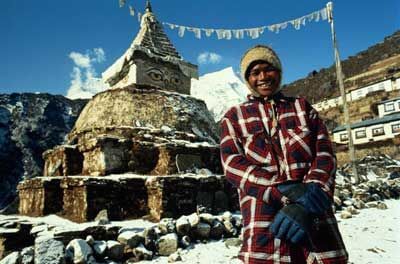
The Sherpa People (Himalayas)
The Sherpa people are renowned for their high-altitude expertise, guiding climbers up some of the world’s highest peaks, including Mount Everest. Known for their physical resilience and adaptability to low oxygen levels, Sherpas have a strong cultural and spiritual connection to the mountains, practicing Tibetan Buddhism and maintaining close-knit communities.
A mountain culture inspired by the Sherpa could have a similar respect for the mountains, viewing them as sacred and perhaps off-limits to those without proper reverence or preparation. They might structure their society around guiding others, either literally or spiritually, with characters trained in survival and reverence for the natural world.
A Sherpa-inspired character might be a seasoned guide who assists outsiders in navigating the treacherous mountain paths, balancing their duty to help others with the belief that the mountains are sacred. This character could serve as a mentor, teaching others humility and respect for the land, or struggle with the influx of foreign explorers who treat the mountains as mere challenges to be conquered.
The Swiss Mountain Communities (Alps)
Swiss mountain communities in the Alps have a rich tradition of pastoralism, cheese-making, and an early form of democracy with localized decision-making. Known for their independence and self-sufficiency, these communities developed cooperative systems to manage resources, especially in harsh winters.
Independence and democratic ideals could characterize a fictional mountain culture inspired by the Swiss Alps, with a strong emphasis on community cooperation. They might be known for their skill in cheese-making, weaving, or herbal medicines, and their people value hard work, loyalty, and mutual support.
A character from a Swiss-inspired community might be a skilled herder or healer, managing livestock in a high-altitude setting. This character could embody resilience and pragmatism, valuing tradition but facing tension between preserving old ways and modernizing for the future. They could also take on a leadership role in a village council, balancing the needs of their people with outside pressures.
The Ainu People (Hokkaido, Japan)
The Ainu, indigenous to the mountainous regions of Hokkaido, Japan, have a culture deeply rooted in animism, with a belief that all natural things have spirits. They practice subsistence hunting and fishing, and their unique art, dance, and oral traditions reflect their reverence for nature, especially mountain spirits.
A mountain culture inspired by the Ainu could include a profound animistic belief system, with rituals and ceremonies to honor mountain and forest spirits. Hunter-gatherers or small communities living harmoniously with their environment might form this society, possessing an intricate knowledge of wildlife, plants, and natural medicines.
A character inspired by the Ainu could be a shaman or spirit guide, communicating with mountain spirits and interpreting signs from nature. They might guide their community through omens or visions, and perhaps face a dilemma when the spirits’ warnings conflict with human desires, such as expanding territory or exploiting resources.
The Georgian Highlanders (Caucasus Mountains)
The Georgian highlanders of the Caucasus region have a tradition of warrior culture, hospitality, and clan-based loyalty. Known for their fierce independence, these communities have historically defended their mountainous homelands from invaders. Their culture includes unique dance, music, and a rich oral history celebrating their heritage and resilience.
A fictional mountain culture inspired by the Georgian highlanders could include warrior traditions, clan systems, and a code of honor centered on loyalty and bravery. The mountains might serve as both a home and a defensive stronghold, with communities who celebrate their history through music, dance, and storytelling.
A character inspired by a Georgian warrior might be a skilled fighter, deeply loyal to their clan and mountain homeland. They might face a feud or defense against outsiders, struggling to balance personal honor with the practical needs of survival. This character could also be a storyteller, preserving the legends and history of their people through song and epic tales.
The Berbers (Atlas Mountains, North Africa)
The Berber communities of the Atlas Mountains have a rich history of pastoralism, trade, and resilience in harsh mountain and desert environments. Known for their distinct language, artistry, and use of mountain passes for trade, they possess a unique identity rooted in both the mountains and deserts, with a strong sense of independence.
A mountain society inspired by the Berbers might have trade routes that wind through dangerous passes, connecting distant lands. This culture might specialize in intricate weaving, jewelry, and pottery, with a blend of mountain and desert influences. They may be skilled navigators who use celestial patterns or natural landmarks to traverse harsh terrains.
A Berber-inspired character might be a trader or craftsman, navigating remote mountain routes to sustain their community through trade. This character could face the challenges of diplomacy, balancing loyalty to their people with the need to interact with diverse cultures. They might also hold secret knowledge of mountain pathways or ancient artifacts that give them an edge in negotiations or conflicts.
Incorporating mountain ranges into your fantasy or science fiction world gives your story added layers of realism, challenge, and intrigue. Mountains are more than just scenic backdrops—they’re barriers, fortresses, mystical spaces, and characters unto themselves. Whether your characters are trying to conquer, defend, or simply survive them, mountains will add epic scale and rich texture to your world. So don’t be afraid to reach new heights with your storytelling by creating mountains that feel both majestic and mysterious. Happy world-building!
I hope this was helpful. Let me know if you have questions or suggestions by using the Contact Me form on my website or by writing a comment. I post every Friday and would be grateful if you would share my content.
If you want my blog delivered straight to your inbox every month along with exclusive content and giveaways, please sign up for my email list here.
Let’s get writing!
Copyright © 2025 Rebecca Shedd. All rights reserved.
 Rebecca Shedd - Author