The Worldbuilder’s Toolkit: Deserts
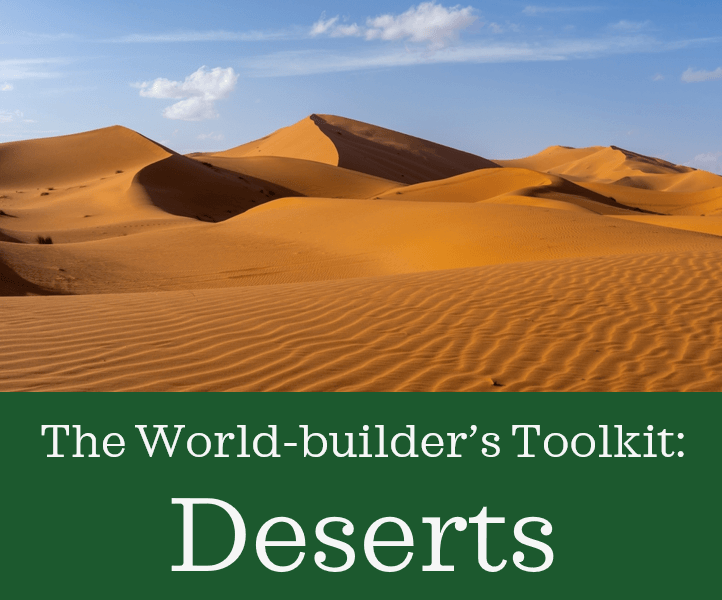

Deserts may seem lifeless at a glance, but they pulse with stories waiting to be told. These harsh, arid landscapes are more than just stretches of sand or cracked earth. They’re crucibles that shape resilient cultures, drive innovation, and influence every aspect of survival. Whether you’re building a vast sci-fi world or a mythic fantasy realm, deserts can offer an evocative and immersive setting full of drama, danger, and depth.
In this article, I’ll explore how to craft believable and compelling desert settings, the cultures that thrive within them, and the role deserts can play in trade, conflict, and plot development.
Understanding the Desert Landscape
All deserts are not the same. Before diving into culture and plot, decide what kind of desert you’re building.
Sandy Deserts (ergs): Vast seas of shifting dunes, such as the Sahara.
Rocky or Stony Deserts (regs): Wind-blasted plains of gravel and rock.
Salt Flats: Crusty, shimmering expanses where water once existed.
Cold Deserts: Found at high altitudes or latitudes (e.g., the Gobi or Antarctica), where water is scarce, but temperatures can plummet.
Key Environmental Features
Extreme temperatures: Blistering heat by day, freezing cold at night.
Scarcity of water: Every drop is precious, affecting everything from the economy to religion.
Unpredictable storms: Sandstorms or electrical activity can be sudden and deadly.
Isolated oases: Natural watering holes often become centers of culture, trade, or power.
Deserts are not empty. Wildlife, hardy vegetation, and even thriving ecosystems exist, adapted to brutal conditions. Consider your world’s equivalent. Will the flora and fauna be familiar, or alien and dangerous?
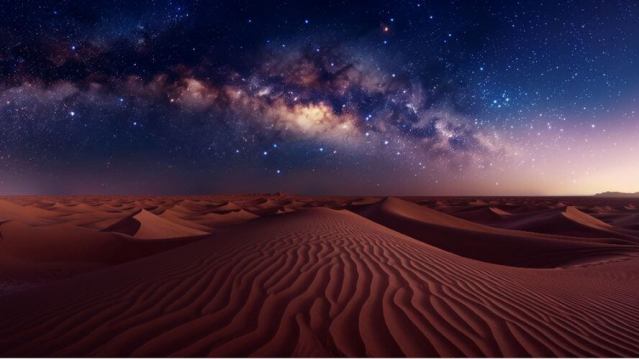
Cultures Shaped by the Desert
People who live in the desert must adapt or perish. This shapes not only their technologies and economies but also their values, traditions, and social structures.
Survival-Based Innovation
Water collection and storage: From qanats (underground aqueducts) to dew harvesters, desert cultures innovate to trap and conserve water. In a sci-fi setting, this might include solar condensers or moisture farms.
Clothing and architecture: Expect loose, breathable clothing, often in light colors. People might build buildings from mud-brick or sun-bleached stone, with thick walls and small windows to insulate them from heat.
Mobility: Nomadic groups often dominate desert travel, using camels, sand skiffs, or advanced hovercrafts. Knowledge of terrain, stars, and weather is essential and often revered.
Cultural Impacts
Honor and hospitality: In many real-world desert cultures, hospitality is a sacred duty. Sharing water, food, and shade could mean the difference between life and death.
Spirituality and belief systems: Deserts can feel like places of divine silence or powerful spirits. Characters may worship sun gods, sky beings, or ancestor spirits said to ride the sandstorms.
Storytelling traditions: Oral histories flourish in cultures with limited written resources. Myths may center on survival, sacrifice, or transformation through the elements.
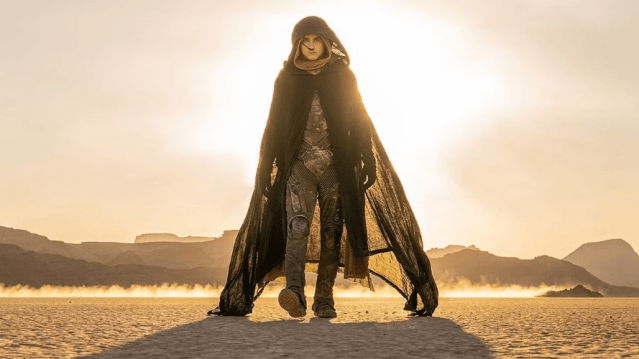
Example: Dune by Frank Herbert features the Fremen, a desert people with a deep, spiritual relationship to water and the land. Their entire culture – language, technology, clothing, even warfare – revolves around survival and desert ecology.
Desert Trade and Power
Though harsh, deserts are often vital to trade and politics.
Trade Routes and Caravans
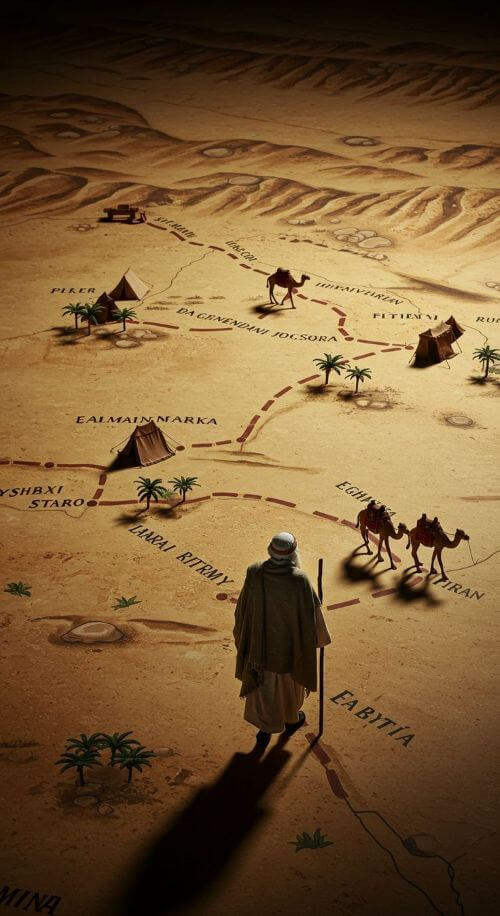
Deserts frequently connect powerful empires or resources (like spices, minerals, or rare magical components). Caravans and convoy networks create interdependence between cities, often controlled by guilds, tribes, or merchant families. Banditry and piracy thrive along lonely stretches. Your characters may guard, attack, or lead these caravans.
Oasis Cities and Trade Hubs
Cities built around oases become power centers, economically, politically, and spiritually. These hubs may host bustling bazaars, underground aquifers, and tightly packed architecture. Alliances and rivalries might revolve around control of wells, springs, or buried aqueducts.
Resource Wars
Water, shade, and rare materials like magical crystals or advanced tech minerals can become the basis for conflict. People might fight entire wars to control a single spring or trade pass. Empires may employ desert tribes as mercenaries or attempt to eradicate them to dominate the terrain.
Example: Mad Max: Fury Road showcases a post-apocalyptic desert wasteland where control of water (“Aqua Cola”) is central to power. The desert becomes both a battlefield and a metaphor for resource greed.
Designing Alien or Magical Deserts
In science fiction and fantasy, deserts don’t need to obey Earth’s rules. You can take the core concepts – scarcity, harshness, isolation- and amplify it.
Magic-infused sand that reacts to moonlight, causing illusions or dangerous mirages.
Living dunes that shift with awareness and trap travelers.
Creatures that burrow into space-time, surfacing only during solar flares.
A desert on a dying planet, where the atmosphere is toxic and the wind cuts like glass.
These ideas open wild possibilities for world-building while still capturing the thematic essence of deserts: survival, danger, and transformation.
Example: Stargate SG-1 often places its alien civilizations in desert environments that blend ancient aesthetics with advanced tech, drawing clear inspiration from Earth’s desert cultures while imagining their evolution in alien contexts.
Deserts as Metaphor and Theme
Deserts can be more than setting. They can be symbolic.
Isolation and introspection: A character wandering the desert may face inner transformation, mirroring the barrenness and clarity of the environment.
Trial and rebirth: The harshness of the desert strips away weakness, revealing what a character is truly made of.
Spiritual purification: The desert becomes a liminal space where characters encounter the divine, the monstrous, or their truest selves.
Real-Life Desert Cultures as Inspiration for Fictional Worlds
Real-world desert cultures offer a wealth of inspiration for writers crafting fictional societies. Shaped by extreme environments, these communities developed remarkable innovations, belief systems, and social structures that allowed them to thrive where life seems impossible. Whether you’re writing high fantasy or far-future sci-fi, drawing from these cultures can help you build civilizations that feel grounded, complex, and interesting.
Here are several desert-dwelling cultures and ideas on how to adapt them into fictional settings and characters.
Bedouin Tribes (Arabian and Syrian Deserts)
Overview: Nomadic herders and traders who traditionally traveled across the deserts of the Middle East, the Bedouin possess strong clan loyalty, excel in oral storytelling, practice hospitality customs, and demonstrate expert knowledge of the land.
Inspiration for Fiction: A nomadic people with deep spiritual ties to the stars and wind, traveling in caravans with solar sails or animal-like biomechs. Their survival depends on moving between shifting oases or ancient waystations marked by sacred stones.
Character Idea: A desert scout trained from childhood to read the dunes and stars. Fiercely loyal to their clan but questioning their people’s refusal to settle. Their journey could involve leading outsiders through sacred lands or uncovering a forgotten prophecy hidden in tribal stories.
Tuareg People (Sahara Desert)
Overview: A Berber-speaking, traditionally nomadic people known as the “blue people” because of their indigo-dyed garments. The Tuareg have a matrilineal society, distinct social customs, and control key trans-Saharan trade routes.
Inspiration for Fiction: A matrilineal desert culture that guards a legendary trade route through cursed lands. Their oral poets carry history in song, and only certain priestesses know the true map of the shifting sands.
Character Idea: A young courier of noble blood, entrusted with a secret cargo and an ancient song that may hold the key to survival for her people. She faces a moral dilemma between protecting her clan and ending a centuries-old conflict fueled by trade monopolies.
San People (Kalahari Desert)
Overview: One of the oldest continuous cultures on Earth, the San have gained recognition for their hunter-gatherer lifestyle, detailed knowledge of tracking and animal behavior, and a rich tradition of storytelling, cave art, and spiritual beliefs.
Inspiration for Fiction: A small desert community that speaks through symbols and glyphs, leaving prophetic markings on sacred canyon walls. Their survival depends on tracking elusive desert beasts that hold magical properties.
Character Idea: A dreamwalker who enters trance states to commune with ancestral spirits and interpret the signs left in ancient cave art. Their visions become more vivid and more dangerous as a mysterious drought stretches into its third year.
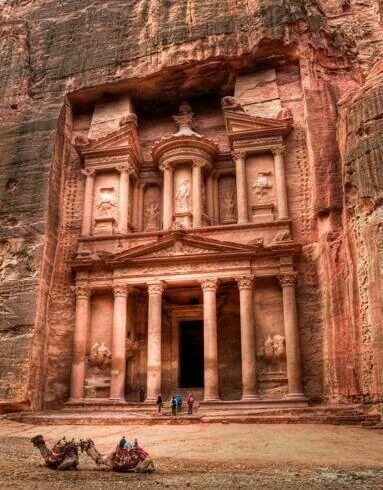
Nabateans (Arabian Desert, Petra)
Overview: An ancient Arab people who built the stone-carved city of Petra and became wealthy from controlling desert trade routes. Known for their advanced water storage systems, rock-cut architecture, and ability to thrive in arid terrain.
Inspiration for Fiction: An ancient desert civilization carved into the sides of cliffs, blending magical stonecraft with hydraulic engineering. They once ruled the desert through control of sacred wells and now guard the ruins of their golden age.
Character Idea: A young stonemason with a gift for manipulating stone is conscripted to uncover a lost chamber said to contain their ancestors’ final prophecy. But the chamber may also awaken something buried for a reason.
Pueblo Cultures (Southwestern U.S.)
Overview: Indigenous peoples such as the Hopi and Zuni built permanent settlements in arid lands, with adobe and stone architecture. Their cultures emphasize harmony with nature, communal life, and intricate ritual cycles.
Inspiration for Fiction: A people who build into cliffs and mesas, using solar mirrors to track celestial events. Their rituals maintain balance between the world of humans and the spirits of sand, wind, and flame.
Character Idea: A ritual keeper responsible for ensuring the harmony of seasons and spirits. When omens go awry and crops fail, he must travel to the sacred high desert to learn why the balance is shifting and what ancient wrong must be made right.
Aboriginal Australians (Central Deserts)
Overview: Aboriginal peoples have lived in Australia’s deserts for tens of thousands of years, navigating vast landscapes using songlines – oral maps embedded in myth and music. Their connection to the land is spiritual, ancestral, and practical.
Inspiration for Fiction: A desert culture that “sings” its way across a magical wasteland. Each songline traces the steps of the world’s creators and unlocks secret knowledge when sung at the right place and time.
Character Idea: A singer who is the last to know the full journey-song. With invaders threatening to strip-mine sacred lands, she must retrace a forgotten songline across perilous terrain to awaken the ancestral guardians bound beneath the dunes.
Tips for Ethical and Inspired World-Building
Research Deeply: If you’re drawing on real-world cultures, take the time to research their history, language, customs, and values. Avoid surface-level portrayals.
Combine Elements Thoughtfully: Rather than directly copying a single culture, consider blending aspects of multiple societies, or imagining how a culture might develop in response to new technologies or magic systems.
Create Depth: Show how the desert shapes your fictional culture’s values, myths, clothing, economy, and art. Let these elements influence your characters’ worldview and decisions.
Respect Real Histories: If you include analogues to real-world peoples, do so respectfully and avoid perpetuating stereotypes. Sensitivity readers can be helpful when dealing with specific cultural inspirations.
Deserts as Natural Defenses
Deserts can act as formidable natural barriers, protecting civilizations from invasion, conquest, or even discovery. The harshness of the terrain, the scarcity of water, and the disorienting nature of endless dunes or salt flats make deserts more effective than walls.
Strategic Isolation
Civilizations hidden deep within or behind deserts may enjoy long periods of peace and independence simply because no army can reach them without immense logistical planning. Harsh desert conditions discourage expansion, limiting the reach of empires and making these protected cultures more insular, self-reliant, or culturally distinct. Characters raised within these protected regions may view the desert as both guardian and gatekeeper, a sacred threshold no outsider should cross.
Impact on Plot and Conflict
Barrier to Conflict: Deserts can delay or prevent war. Perhaps an enemy empire lies beyond the desert, but cannot attack until it masters desert traversal, giving the protagonists time to prepare.
Cultural Superiority or Arrogance: A desert-protected civilization might develop a sense of superiority or complacency, believing they are untouchable until new technology or magic renders the desert passable.
Isolationist Tensions: What happens when outsiders finally breach the desert? Will the people welcome trade, fear invasion, or initiate preemptive strikes? Your characters might be diplomats, scouts, or warriors dealing with the consequences.
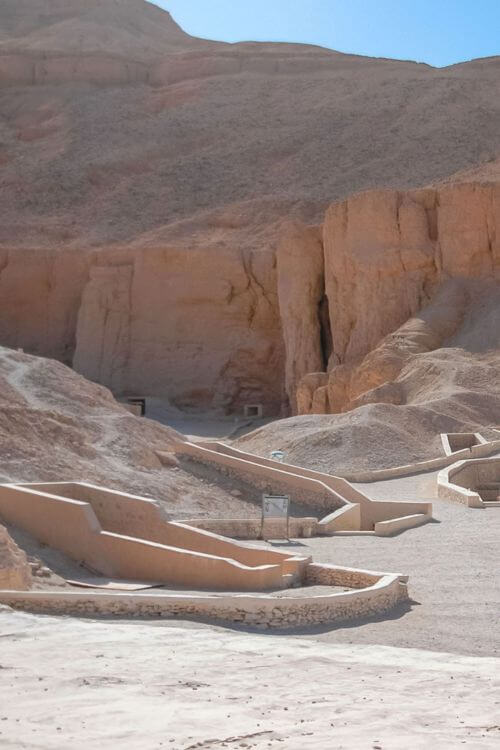
Example: The Valley of the Kings in ancient Egypt remained hidden and undisturbed for centuries thanks to its desert location. In fiction, the idea of a lost or hidden kingdom protected by the desert remains a powerful motif, seen in works like Stargate, Prince of Persia, and Black Panther’s secretive Wakanda.
Deserts as Cradles of Myth and Legend
Deserts are landscapes of extremes: blinding light and endless darkness, silence and sandstorms, death and revelation. They naturally lend themselves to mythic storytelling, both as backdrops and as characters.
Mythical Geography
Sacred Sites: Certain rock formations, dried-up rivers, or mirage-filled basins may be holy places where gods walked, prophets meditated, or ancient battles took place.
Vanishing Landmarks: Myths may speak of lost cities swallowed by the sand, temples that appear only during equinoxes, or cursed caravan routes haunted by vengeful spirits.
Celestial Portals: With vast, unobstructed skies, deserts often become places of astronomical importance. Your story might feature characters seeking prophecy through the alignment of stars, sun, or moons over sacred dunes.
Desert Spirits and Supernatural Forces
Many desert cultures have myths about spirits tied to the wind, sand, or fire, some benevolent, others wrathful. These entities might explain natural hazards or act as protectors or punishers.
In a fantasy or sci-fi setting, these “spirits” could be:
Ancient AIs with fragmented memories controlling sand drones.
Forgotten gods awakened by a solar eclipse.
Elemental beings that sleep beneath the dunes, disturbed by mining or war.
Impact on Characters
Characters raised in the desert may have internalized its mythos: seeing the dunes not as lifeless, but as sacred; the storms not as threats, but as omens. A protagonist might be on a pilgrimage to a legendary location, guided only by fragmented stories, dreams, or ancestral songlines. Skeptics may find their beliefs challenged when the desert’s legends prove real, perhaps painfully so.
Example: The Book of Exodus paints the desert as a place of divine revelation, trial, and transformation. Similarly, Dune uses the deep desert as a space where Paul Atreides becomes the messiah. The desert is not just background; it is an initiator of destiny.
Plot and Character Ideas
The Thirst of Kings
Genres: Epic Fantasy, Political Intrigue
Plot Idea: A centuries-old treaty guaranteeing access to a sacred desert spring is broken, threatening war among the five desert kingdoms.
Character Angle: A young diplomat from a minor oasis is tasked with brokering peace but uncovers evidence that the spring is drying up for a much darker reason.
Twist(s): The spring’s source is a bound elemental, and releasing it would save the desert but collapse every kingdom built on its stolen power.
Dustwalker
Genres: Science Fiction, Survival
Plot Idea: On a terraformed desert planet, travelers must hire a Dustwalker, elite guides who survive the shifting, AI-patrolled wastelands.
Character Angle: A disgraced ex-colonel hires a Dustwalker to smuggle him across forbidden zones to find his missing daughter.
Twist(s): The Dustwalker is part machine and remembers a different version of the planet – one hidden under layers of false history.
The Sand-Scribed Prophecy
Genres: Mythic Fantasy, Quest
Plot Idea: Once every thousand years, desert winds etch a prophecy onto the side of a sacred cliff. This time, it names an outsider.
Character Angle: A skeptical archaeologist discovers a new inscription and reluctantly becomes involved in a desert people’s ancient myth.
Twist(s): The prophecy is incomplete, and finishing it means choosing between saving the desert or preserving time itself.
Salt Glass
Genres: Weird Fantasy, Horror
Plot Idea: In a crystalline desert made of salt and glass, a creature that lives in reflections stalks a caravan.
Character Angle: The caravan’s glassblower must use her craft to trap the entity, but she begins seeing visions of her dead sister in the mirrors.
Twist(s): The creature feeds on grief, and the more the protagonist mourns, the more powerful it becomes.
The Mirage Pact
Genres: Science Fantasy, Espionage
Plot Idea: An empire’s desert border is protected by a “mirage zone” created by lost alien tech. Now, a breach has appeared.
Character Angle: A hybrid spy investigates, but the mirage is distorting their perception of who they are and what side they serve.
Twist(s): The breach is not a flaw; it’s an invitation from a hidden civilization who claim the empire’s founders were exiles.
The Bones Beneath
Genres: Dark Fantasy, Mystery
Plot Idea: A desert town is built atop the remains of a long-buried beast. Now, the bones are stirring.
Character Angle: A cynical grave-keeper finds ancient bones surfacing and hears whispers from them.
Twist(s): The town’s founding families swore a pact to keep the creature dormant, and now one of them is trying to resurrect it.
Sundagger
Genres: Adventure, Coming-of-Age
Plot Idea: In a land where shadows are hunted by sun spirits, a young thief steals the Sundagger, said to cut through light itself.
Character Angle: The thief only wants to sell the blade, but using it awakens a dormant ability to command light and shadow.
Twist(s): The dagger is a prison, and the ancient being inside is bargaining for freedom, promising revenge on the gods of the desert.
The Sand Choir
Genres: Post-Apocalyptic, Sci-Fi Horror
Plot Idea: A musical signal from a vast salt desert drives nearby communities into trance states. Teams sent to investigate vanish.
Character Angle: A neurodivergent sound engineer immune to the melody is drafted to track the source but hears harmonies no one else can.
Twist(s): The signal is a distress call from a buried alien being slowly awakening, and her “choir” is growing.
Oasis Zero
Genres: Cyberpunk, Eco-Fiction
Plot Idea: In a megadrought future, a self-sustaining biodome in the desert known as Oasis Zero holds the key to planetary recovery, but it’s sealed itself off.
Character Angle: A scavenger gains entry and must impersonate a long-dead geneticist to survive inside and uncover its secrets.
Twist(s): The oasis is sentient, and it’s selecting who deserves to inherit the Earth based on their relationship with the land.
Ash of the Sandwyrm
Genres: Sword & Sorcery, Monster Hunter
Plot Idea: An ancient sandwyrm has awakened, threatening to devour entire towns as it migrates toward a forgotten temple.
Character Angle: A retired warrior who once spared the creature’s egg is now hired to kill it but suspects the wyrm is being driven by a curse.
Twist(s): The temple is not a nest, it’s a tomb built to keep the wyrm’s mate sealed, and killing it would break the seal.
Veilwind
Genres: Sci-Fantasy, Romance
Plot Idea: Every 20 years, a supernatural sandstorm called the Veilwind sweeps across the desert, erasing memories but sometimes returning others.
Character Angle: A cartographer with amnesia from the last Veilwind receives letters from a lover they don’t remember.
Twist(s): The letters are from themselves, written across time, and if they don’t reach a certain ruin before the next storm, they’ll forget everything again.
The Dust Archive
Genres: Historical Sci-Fi, Lost Knowledge
Plot Idea: A shifting desert is erasing ancient ruins faster than they can be cataloged. Rumors tell of a sentient archive that relocates itself to stay hidden.
Character Angle: A disillusioned historian joins a rogue archaeological team obsessed with finding the archive and rewriting the empire’s past.
Twist(s): The archive only reveals truth to those willing to sacrifice a memory, and the more valuable the knowledge, the deeper the personal cost.
Deserts in fantasy and science fiction are anything but empty. They’re brimming with story potential – from nomadic cultures shaped by scarcity, to high-stakes trade politics, to the raw emotional power of isolation and endurance. By grounding your desert world-building in ecological logic and cultural depth, you can create a setting that is both believable and breathtaking.
So next time you look out over a sea of sand in your story, ask yourself: Who lives here? What do they fight for? What secrets lie buried beneath the dunes?
And then start digging.
Happy worldbuilding!
I hope this was helpful. Let me know if you have questions or suggestions by using the Contact Me form on my website or by writing a comment. I post every Friday and would be grateful if you would share my content.
If you want my blog delivered straight to your inbox every month along with exclusive content and giveaways, please sign up for my email list here.
Let’s get writing!
Copyright © 2025 Rebecca Shedd. All rights reserved.
 Rebecca Shedd - Author