The Worldbuilder’s Toolkit: Forests
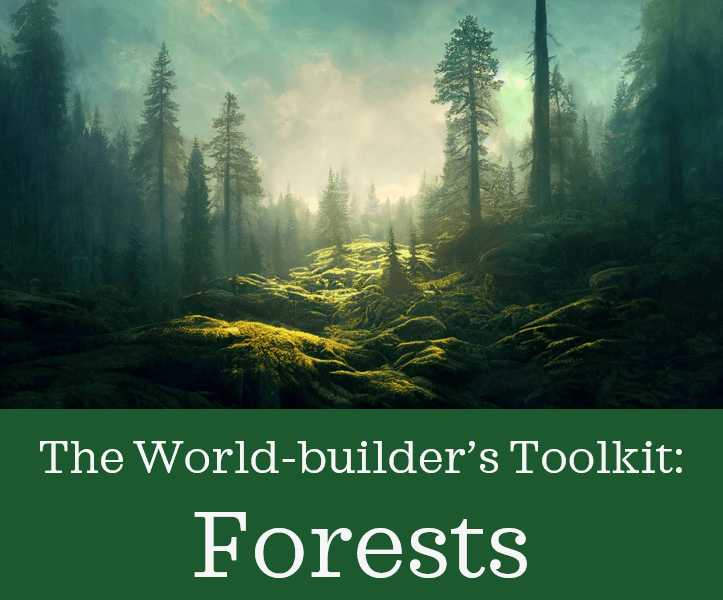

Forests are among the most iconic settings in fantasy and science fiction. Mysterious, ancient, and often teeming with hidden life, they serve as the backdrop for everything from fairy tales to alien encounters. Whether your characters are wandering an enchanted woodland, surviving a post-apocalyptic jungle, or navigating a vast biosynthetic canopy on another planet, forests offer rich, dynamic settings that shape plot, culture, and character alike.
In this article, I’ll explore how to use forests and forest-based ecosystems in your world-building, how they influence civilizations, and how you can tap into their symbolic, thematic, and ecological depth.
Understanding Forest Types and Ecosystems
The first step to creating a believable forest is deciding what kind it is and where it fits in your world’s environment. Real and speculative forests can vary widely in climate, terrain, and biodiversity.
Common Real-World Inspirations
Temperate Forests: Seasonal forests with deciduous trees, undergrowth, and diverse animal life. Think of old-growth forests in Europe or the Pacific Northwest.
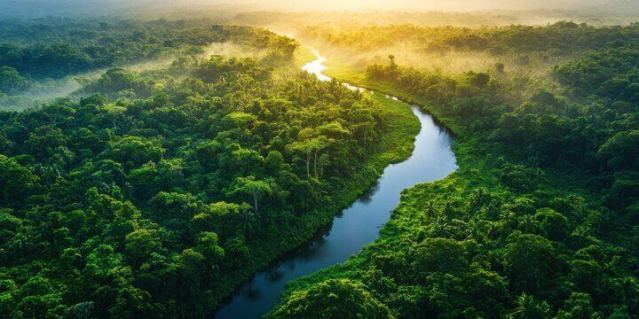
Tropical Rainforests: Dense, humid, and lush, full of vines, massive trees, and constant life. Great for mystery, hidden civilizations, and biological hazards.
Boreal Forests (Taiga): Cold, coniferous forests with hardy life, frozen soil, and long winters. Ideal for survival stories and harsh settings.
Mangroves and Swamp Forests: Coastal or riverine forests with tangled roots, shifting terrain, and brackish waters. Perfect for strange creatures or magical decay.
Alien or Magical Forests: Imagine forests of crystal, fungus, bioluminescent trees, or mobile flora. These can follow your own rules but should still feel cohesive and believable.
Consider
Tree species and their role in the ecosystem
Light levels under the canopy
Terrain: roots, rocks, hills, rivers
Native flora and fauna: predators, prey, parasites
Sounds, smells, and visual density (mist, moss, pollen)
Forests as Living Characters and Symbols
Forests often serve not just as settings, but as forces, full of mystery, memory, and meaning.
Symbolic Roles Forests Often Play
The Unknown: A place of mystery, transformation, or danger. Often, the threshold between civilization and the wild.
Refuge or Resistance: Forests can shelter outlaws, rebels, or exiles, natural fortresses untouched by empires.
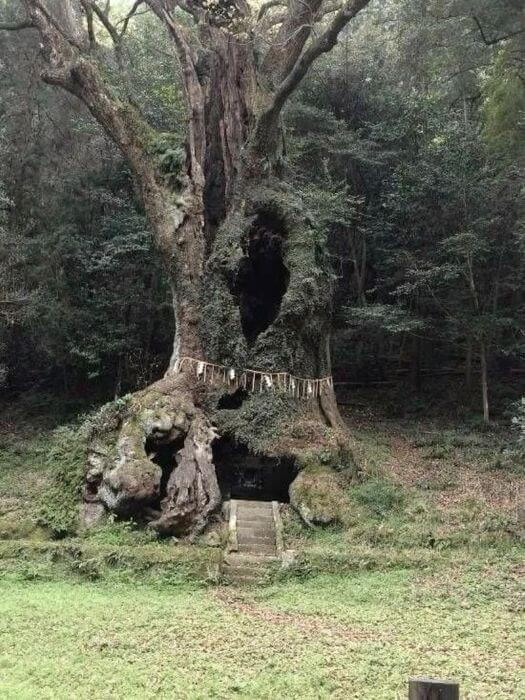
Ancient Memory: Trees can be literal or metaphorical record-keepers. Perhaps they whisper secrets, house ancestral spirits, or store ancient data.
Trial and Transformation: A character who enters the forest often leaves changed. It can serve as a crucible for growth or revelation.
Example: In Princess Mononoke, the forest is not only the battleground for environmental and industrial conflict; it is home to gods, spirits, and the oldest life in the world, challenging human arrogance.
Cultures Shaped by Forest Life
The environment will deeply shape civilizations that live within or beside forests socially, spiritually, and practically.
Forest-Dwelling Societies Might
Build homes in trees, caves, or woven canopies
Develop quiet movement, camouflage, and tracking as cultural values
Revere the forest as sacred, dangerous, or alive
Use bark, leaves, fungi, and vines in medicine, clothing, and technology
Believe in spirits or guardians of individual trees or groves
Possible Social Structures
Matriarchal clans tied to treelines
Nomadic bands that follow fruiting cycles or migratory animals
Guardians or druids protecting sacred groves
Caste systems based on proximity to the “heartwood” or center of the forest
Character Idea: A young herbalist from a reclusive forest tribe must leave to cure a spreading disease, but her medicine only works on those who honor the trees, and the cities have long forgotten how to listen.
Forests in Science Fiction Settings
Forests aren’t just for fantasy. They work beautifully in science fiction, especially when exploring alien worlds, biospheres, or terraformed landscapes.
Ideas for Sci-Fi Forests
Engineered Forests: Genetically modified trees used to scrub carbon, emit light, or create habitats. What happens if they strengthen beyond control?
Artificial Biomes: Space stations or domed cities may contain forested zones either for survival or recreation. They could become unpredictable or develop intelligence on their own.
Alien Flora: Trees that bleed, speak, move, or feed. An entire ecosystem could be semi-sentient or part of a planetary defense system.
Post-Human Wilderness: After civilization falls, forests reclaim the cities. Roots and vines engulf buildings. Forest creatures nest in the ruins of old tech.
Example: In Avatar, the planet Pandora’s forests are not only home to the Na’vi, they are interconnected by a neural-like system, where trees store consciousness and the planet itself is semi-aware.
Dangers and Challenges of Forest Travel
Forests are alive, and they don’t always want you there.
Navigation: It’s easy to get lost. Even more so if the forest resists mapping.
Predators and Parasites: Think beyond wolves and bears: giant insects, psychic fungi, or camouflage beasts that mimic moss-covered rocks.
Weather: Humidity, fog, thunderstorms under the canopy.
Disease and Toxins: Spores, venomous plants, contaminated water, magical blight.
Psychological Effects: Isolation, claustrophobia, the sense of being watched, or losing track of time.
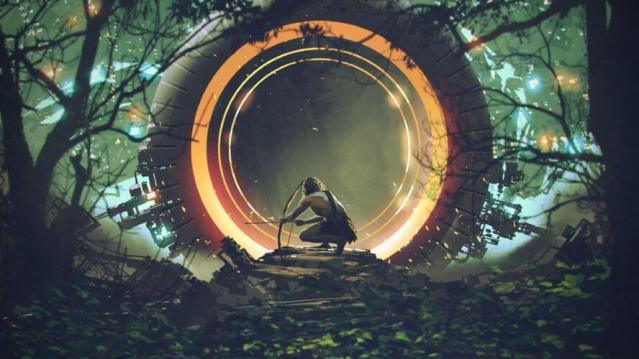
Image courtesy of Shutterstock.
Real-Life Forest Cultures as Inspiration
Forests have shaped human civilization for thousands of years. Not just as environments for survival, but as sources of identity, spiritual meaning, and cultural expression. Across continents and throughout history, people have lived in deep relationships with wooded lands, developing unique ways of life influenced by the forest’s rhythms, resources, and mysteries.
As a writer, you can draw from these real-world forest cultures to inspire believable, nuanced societies in fantasy or science fiction. Done respectfully and with research, they offer a rich foundation for crafting people who feel deeply rooted in place.
The Mbuti and Aka Peoples (Central African Rainforests)
These are Indigenous forest-dwelling hunter-gatherers of the Congo Basin, known for their egalitarian social structures, complex oral traditions, and intimate ecological knowledge.
Inspiration for Fiction: A nomadic forest people who believe the forest is a living being called “The Mother of All.” They sing to the trees and receive “echoes” in return, which help them navigate.
Character Idea: A storyteller whose songs can shape minor aspects of the forest – growing mushrooms, calming birds, guiding fireflies – but who is exiled for singing a forbidden tune.
The Sámi People (Scandinavia, Arctic Forests and Taiga)
Indigenous to the northern forests of Norway, Sweden, Finland, and Russia, the Sámi traditionally herded reindeer and practiced animistic shamanism tied to the land.
Inspiration for Fiction: A forest-edge culture that follows herds of magical or biomechanical creatures, with forest spirits said to be guides or tricksters.
Character Idea: A reluctant spiritual medium must enter the “Silent Forest” to seek visions, only to discover the spirits want her to change her people’s destiny violently.
The Ainu (Hokkaido and Northern Japan)
The Ainu people lived closely with forests and rivers, practicing animism, honoring bear spirits (kamuy), and developing rich textile and oral traditions.
Inspiration for Fiction: A forest tribe that raises spirit-animals in tandem with children, forming life-bonds. A shrine-tree blesses each pairing during a moon ritual.
Character Idea: A girl whose bear-spirit bond is severed becomes a social outcast, but the forest chooses her to act as its speaker when the balance is broken.
The Druids and Celtic Forest Traditions (Western Europe)
Celtic societies revered sacred groves, trees (especially oak, ash, and yew), and the cycles of nature. Druids served as priests, judges, and lore-keepers.
Inspiration for Fiction: A forest people who pass down knowledge through tree-rings, carving runes into sacred bark, accessible only by a “Leafreader” caste.
Character Idea: A rebellious initiate finds a hidden grove with corrupted tree-rings that tell a forgotten version of history and risks heresy by speaking it aloud.
The Amazonian Tribes (South America)
Diverse and numerous Indigenous cultures across the Amazon basin possess deep medicinal and botanical knowledge, sophisticated oral traditions, and spiritual practices tied to riverine and forest spirits.
Inspiration for Fiction: A jungle-dwelling society whose shamans ingest a forest-grown substance to “see” the health of the jungle through spirit-beasts and color trails.
Character Idea: A visionary who sees too much – a coming sickness spreading through the roots – and must unite warring tribes to stop a bio-magical plague.
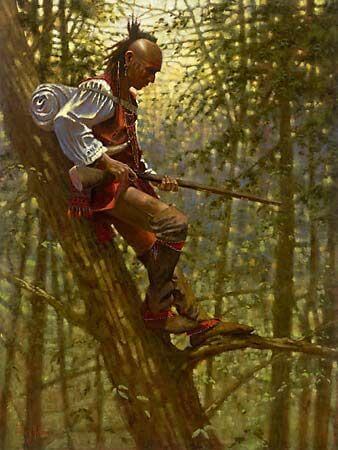
The Indigenous Peoples of North America’s Eastern Woodlands (Iroquois, Cherokee, Ojibwe, etc.)
Forest-based tribes built societies around agriculture, hunting, diplomacy, and oral tradition. Many revered the forest as both provider and sacred space, with clan systems tied to animals or natural forces.
Inspiration for Fiction: Imagine a confederation of forest cities connected by ancient canopy bridges, where leaders make decisions in Grand Lodges built within giant tree hollows.
Character Idea: A young diplomat with a wolf-clan lineage is chosen to deliver a peace message but finds themselves entangled in a prophecy rooted in bark-tattoos only they can read.
Tips for Using Real Cultures Respectfully
Draw Inspiration, Not Imitation: Rather than copying a single culture wholesale, blend ideas with your own innovations. Consider how you can adapt ecological, spiritual, and social principles into your world.
Do Research: Read academic and Indigenous sources where possible. Go beyond Wikipedia summaries and engage with living voices and deeper histories.
Avoid Stereotypes: Don’t reduce a culture to “noble savage,” “tree-hugger,” or magical shaman tropes. Show full humanity: complex, modern, flawed, wise, evolving.
Use Sensitivity Readers: If you closely model your fictional culture on a specific real-world group, especially one that has been marginalized or misrepresented, consider hiring a sensitivity reader.
The Cultural Impact of Forests
Forests are not passive backdrops, they are world-shapers. Cultures that grow within or near them inevitably reflect their complexity, danger, and beauty. Whether your forest society is a network of canopy villages or a single tribe dwelling in a sun-dappled glade, the forest environment will influence everything from how they communicate to how they worship.
Isolation Breeds Identity
Natural Boundaries: Thick woods make travel difficult, especially for outsiders. Dense forests naturally limit contact with other civilizations, allowing forest cultures to develop unique dialects, belief systems, and social hierarchies.
Insular Worldviews: Forest communities might view outsiders with suspicion, considering them “tree-blind” or ignorant of the forest’s will. Isolation could also lead to deep pride, rooted in harmony with the land or survival against its dangers.
Forest as Protector: In times of war or persecution, people may flee to the forest and build hidden societies. Over generations, these “refugees” can develop into proud, self-sustaining cultures that shun the outside world.
Forest-Inspired Culture
Architecture: People might weave homes from living branches, suspended in trees, or built in hollowed trunks. Underground burrows and moss-covered dens offer natural camouflage and insulation.
Rituals and Religion: Forest-dwellers may worship tree spirits, guardian beasts, or the forest itself as a divine entity. Rituals might involve planting trees, burning sacred leaves, or whispering oaths into bark.
Clothing and Tools: Clothing could be made from barkcloth, moss, or enchanted leaves. Tools may include carved bone knives, vine bows, or fungal-based technology.
Communication: Language may be quiet, melodic, or built on hand signals to avoid attracting predators. Oral tradition is strong, tales passed by firelight, leaves braided with memory-symbols, or chants that echo through glades.
Creatures Found Only in the Forest
Forests are natural breeding grounds for mystery and biodiversity. The deeper the forest, the stranger the life forms become.
Camouflaged Predators: Beasts that blend perfectly with moss or bark. Some may hypnotize prey with rhythmic movements or pheromones.
Bioluminescent Herbivores: Creatures that light up the canopy or glow in response to singing or emotional energy.
Symbiotic Creatures: Animals that live in harmony with trees, sharing nutrients, healing wounds, or defending their host from threats.
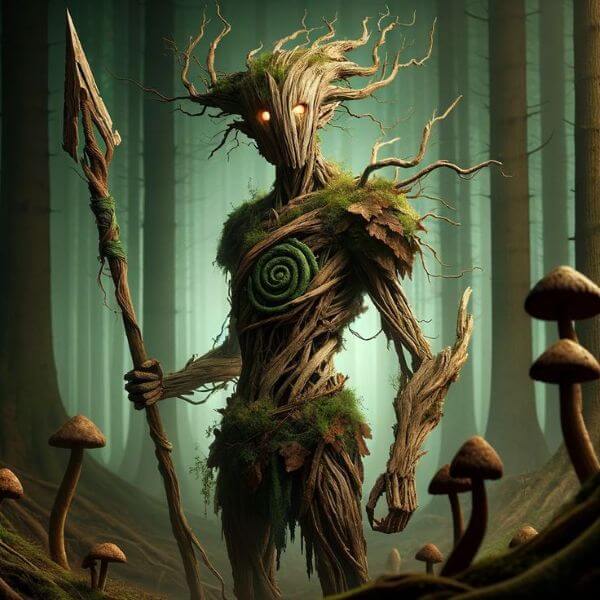
Semi-Sentient Plants: Vines that follow travelers, fungi that communicate through color changes, or groves that “sing” warnings when danger approaches.
Character Idea: A ranger from a reclusive forest clan trains a tree-bonded hawk to guide them through the glades. But when the hawk refuses to enter a new-growth region, the ranger uncovers a buried secret their ancestors meant to keep hidden forever.
Forests in Myth and Legend
From ancient epics to modern dark fantasy, forests have always been fertile ground for legends. Why? Because forests are alive and they keep their secrets well.
The Forest as a Liminal Space
Forests sit between the known and unknown, the civilized and the wild. They are threshold spaces, places where transformation happens.
Characters enter as one thing and leave another: stronger, wiser, cursed, or reborn.
Time flows differently: A day in the forest might be a week in the world. A child could vanish into a grove and return years later, unchanged.
Access to Other Worlds: Glades may serve as portals to faerie realms, alien dimensions, or memory worlds where spirits walk.
Legendary Forest Archetypes
The Forbidden Forest: Off-limits, cursed, or guarded. Entering it is taboo. Great for tension and heroism.
The Whispering Wood: Trees that speak literally or metaphorically. Could be a source of wisdom or madness.
The Shifting Grove: A maze-like forest where trails change, trees move, or spirits mislead travelers. It might hide a holy relic or a sleeping god.
The Drowned Forest: Once-living trees now submerged. Ghosts linger here, and some roots still reach toward the surface, hungry.
What Secrets Might Lie Beneath the Trees?
Buried Cities: Forgotten civilizations overtaken by roots and moss. A lost temple, a palace of glass, a forest-grown prison.
Mythical Creatures: The last dragon, a sentient tree god, or a forgotten deity sealed beneath the canopy.
Magical Sources: Wells of raw magic, crystal seeds, or ancestral energy feeding the entire forest.
Fossil Memories: Some trees remember. If tapped (through song, blood, or sap), they might reveal the past, both beautiful and horrifying.
Folklore Twist Ideas
A cursed grove where people vanish… only to return with bark growing over their skin.
A tree that blooms once every hundred years. Its fruit grants immortality but only if eaten beneath a full moon in silence.
A forest spirit collects the regrets of travelers and stores them in hollow trees. If too many regrets accumulate, the tree will become a wight.
A tree that grows over a buried spaceship or magical artifact, feeding on its energy and dreaming of the stars.
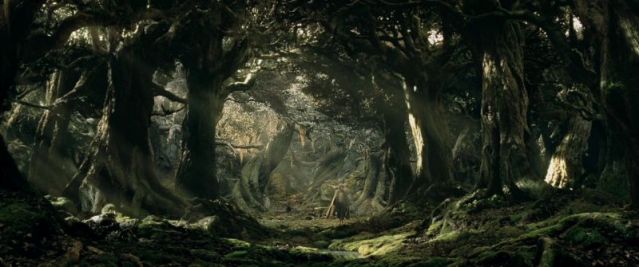
Example: In The Lord of the Rings, Fangorn Forest is ancient, dangerous, and semi-sentient. It shelters the Ents, beings who embody the forest’s memory and power, and it literally marches to war when roused.
Plot and Character Ideas
The Grove That Grows Back
Genres: Dark Fantasy, Mystery
Plot Idea: A noble family’s hunting grounds are being overtaken by a forest that regrows every night no matter how much they burn or cut.
Character Angle: A junior archivist discovers old records hinting the forest is reclaiming land stolen centuries ago. Others deny and sabotage their investigation.
Twist(s): The forest is sentient and protecting something buried beneath the estate, and it remembers the blood that was spilled.
The Barkbound Pact
Genres: Epic Fantasy, Political Intrigue
Plot Idea: A treaty with the ancient forest spirits is about to expire, and its renewal requires a royal heir to bind themselves to the forest.
Character Angle: The heir in question grew up far from the woods and resents the idea but has dreams in the voice of the trees.
Twist(s): The forest doesn’t want the heir. It wants the heir’s younger sibling, and it’s willing to twist fate to make it happen.
Fungus Song
Genres: Sci-Fi Horror, Survival
Plot Idea: A terraforming crew loses contact with one of its forest zones on a distant colony world. A retrieval team is sent in.
Character Angle: A mycologist with PTSD joins the team, drawn by the unique fungal signatures. She hears music no one else can hear.
Twist(s): The forest has fused with an alien neural network and is testing the team for compatibility through hallucinations and mimicry.
The Iron-Root Rebellion
Genres: Fantasy Adventure, Revolution
Plot Idea: A totalitarian city-state uses “ironroot” deforestation tech to fuel its empire. Forest tribes fight back with guerrilla tactics and ancient forest magic.
Character Angle: A disillusioned soldier defects and joins the forest rebels, struggling to adapt to their ways and earn their trust.
Twist(s): The rebellion’s leaders are bonded to elemental tree spirits, and the ironroot tech is awakening something even they can’t control.
Echoes in the Glade
Genres: Paranormal Mystery, Magical Realism
Plot Idea: Every full moon, ghostly echoes of people lost in the forest replay their last moments. Someone leaves clues for the living.
Character Angle: A park ranger grieving her lost sister pieces together the clues and suspects her sister’s echo is trying to speak to her.
Twist(s): The echoes are increasing in number, and they’re changing, not just replaying.
The Last Dryad
Genres: Mythic Fantasy, Environmental Fiction
Plot Idea: As the last of the ancient forests is clear-cut for expansion, a single dryad awakens and bonds with a reluctant city bureaucrat.
Character Angle: A policy writer stuck in red tape finds himself able to hear the trees, and now both sides of the conflict want him silenced.
Twist(s): The dryad isn’t trying to save the forest; she’s preparing to weaponise it for revenge.
The Canopy Divide
Genres: Science Fantasy, Exploration
Plot Idea: A floating continent rests entirely in the canopy of a massive, world-spanning forest. The roots below are unexplored and forbidden.
Character Angle: A young scholar obsessed with the stories of “ground dwellers” descends into the forest floor for proof.
Twist(s): The ground holds an ancient civilization trapped in suspended time, and breaking the canopy barrier may break their prison.
Moss-Crowned
Genres: Fairy Tale, Gothic Fantasy
Plot Idea: A village surrounded by forest crowns a new “Moss King” every generation to ensure the woods stay peaceful. The new king goes missing.
Character Angle: A forest-born orphan raised in the village has visions of the missing king and a throne made of roots.
Twist(s): The Moss King is not a person. It’s a role filled by whomever the forest chooses, and it may have chosen the orphan.
Root-Split
Genres: Urban Fantasy, Family Drama
Plot Idea: A massive forest erupts through city streets overnight, dividing neighborhoods and families. Authorities blame terrorists, but something older is stirring.
Character Angle: A teenage graffiti artist sees sigils in the bark that match her mother’s old sketchbooks.
Twist(s): Her mother was a “Greenbinder,” part of a secret order that once held the forest back. And now it wants her daughter to take her place.
The Hollow Library
Genres: Cozy Fantasy, Mystery
Plot Idea: Inside a great hollow tree in a wandering forest exists a magical library of forgotten stories. Books appear and vanish.
Character Angle: A retired scribe becomes the forest’s new caretaker and must solve why entire shelves are disappearing.
Twist(s): The forest isn’t losing stories, it’s rewriting them. And the scribe is in one of them.
The Ashgrove Accord
Genres: High Fantasy, Post-War Recovery
Plot Idea: After a centuries-long war, humans and forestfolk sign a peace treaty. But the grove where they made the accord begins to rot.
Character Angle: A young ambassador embarks on an investigation and discovers their magic fades the deeper they venture.
Twist(s): The grove is dying because the treaty was a lie and the forest has its own record of truth.
The Forest Beneath the Skin
Genres: Body Horror, Speculative Fiction
Plot Idea: People living near a contaminated forest develop bark-like skin conditions. Officials claim it’s a disease; others think it’s evolution.
Character Angle: A scientist studying the outbreak develops symptoms, but with it comes the ability to communicate with trees.
Twist(s): The forest is terraforming its chosen hosts from the inside out, and they must decide whether to resist or become something new.
Forests are more than just places to get lost—they’re ancient, alive, and full of narrative potential. Whether your characters are hiding among twisted roots, communing with tree spirits, or exploring alien canopies of bioluminescent fungus, forests offer a setting that’s as rich and unpredictable as any character.
Use the forest to test your heroes. Let it guard its secrets, nurture its monsters, and whisper its legends through the leaves. And always remember: when you enter the forest, it sees you too.
Happy worldbuilding!
I hope this was helpful. Let me know if you have questions or suggestions by using the Contact Me form on my website or by writing a comment. I post every Friday and would be grateful if you would share my content.
If you want my blog delivered straight to your inbox every month along with exclusive content and giveaways, please sign up for my email list here.
Let’s get writing!
Copyright © 2026 Rebecca Shedd. All rights reserved.
 Rebecca Shedd - Author