The Worldbuilder’s Toolkit: Rivers
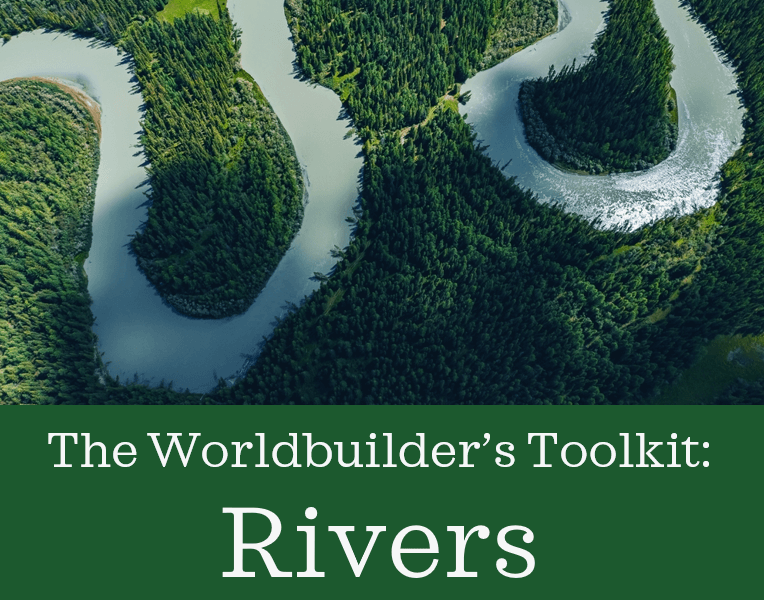
From the Nile to the Amazon, the Tigris to the Thames, rivers have shaped human civilization since the beginning of recorded history. They’re lifelines, borders, highways, Gates to the afterlife, and even gods. In fantasy and science fiction, rivers are more than bodies of water. They’re sources of power, pathways to discovery, and catalysts for conflict and connection.
In this article, I’ll explore how to build believable and evocative rivers into your world, and how they can influence everything from geography to plot, character, and culture.
Rivers as the Cradles of Civilization
Historically, many of the world’s greatest civilizations emerged along rivers. The reason is simple: rivers provide everything a settlement needs to survive and thrive.
How Rivers Shape Settlements
Water for drinking and irrigation
Fertile soil from seasonal floods
Abundant fishing and hunting grounds
Transportation and trade routes
Natural defense against invaders
In your world, river-adjacent settlements might start as small fishing villages, then grow into thriving cities or stagnate if the river shifts course, dries up, or is cursed.
Fantasy/Sci-Fi Twist Ideas
A floating city that moves with the seasonal rise of the river.
A river that changes direction every century, altering the balance of power between cities.
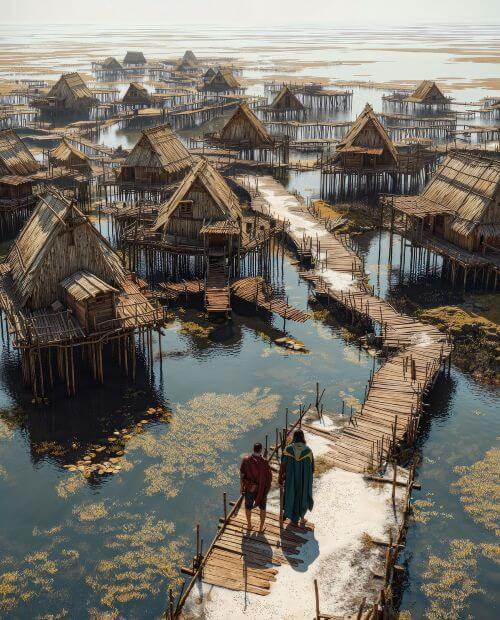
A society that builds homes in the river’s shallows, with amphibious adaptations.
Character Idea: A river pilot whose job is to guide magical barges through dangerous waters becomes the only person who can navigate when the river shifts in unnatural ways.
Rivers as Trade Routes and Economic Lifelines
Before roads and railways, rivers were the original superhighways, and in speculative fiction, they still can be.
River Trade in Worldbuilding
Boats and barges allow for bulk transport of goods: timber, grain, ore, spices, or magical reagents.
Port cities become cultural and economic hubs, bustling with travelers, merchants, pirates, and diplomats.
Control of a river delta, ford, or lock could be as strategically vital as a castle or fortress.
Conflict Hooks
Rival cities upriver and downriver levy tariffs and restrict trade.
A magical river beast blocks all shipping unless appeased.
A rogue dam diverts trade and water from one kingdom to another.
Sci-Fi Angle
In a post-Earth terraformed colony, engineers might artificially design rivers, and individuals could hack the current or flooding schedule as a form of economic warfare.
Rivers as Political Borders and Lines of Power
Rivers often serve as natural borders between nations, territories, or ecosystems. They define what belongs to whom, and that can be both a blessing and a curse.
The Double-Edged Border
Easy to defend, hard to patrol.
Control of a crossing point (bridge, ford, or ferry) becomes critical during wartime.
Seasonal flooding can alter the course, changing the “official” border and leading to disputes.
Cultural Implications
River folk may find themselves caught between two nations, cultures, or ideologies.
One culture may worship the river, while the other sees it as a resource to be exploited.
Border cities might be melting pots or tense flashpoints.
Character Idea: A ferryman who shuttles passengers between two rival nations becomes a reluctant spy or double agent after discovering a hidden message in a passenger’s coin.
Ecological and Narrative Dynamics
A river is not a static object. It moves, grows, floods, dries, shifts, and carves the land. Rivers evolve.
Environmental Worldbuilding
A river that floods every spring might create tension – famine or abundance, depending on how it’s handled.
Drought could spark wars, migrations, or religious panic.
Pollution (natural, magical, or technological) could change the river’s behavior or awaken something ancient.
Plot Hooks
A long-dormant river reawakens, exposing buried ruins or monsters.
River pirates become folk heroes (or terrorists) depending on who you ask.
A river spirit vanishes, and the water begins to rot.
River-Centric Societies and Storylines
Let the river define your people.
Cultural Practices
Nomadic raft communities that move with the current or stilt-house villages.
Languages with river-based metaphors: “He flows like danger,” or “Your words dam the truth.”
Coming-of-age rituals involving upstream journeys or river dives to seek visions.
Story Ideas
The River Oracle: A priestess communes with a river god, but the river begins whispering contradictory visions.
Current War: A powerful water mage learns the dam she built to protect her village is starving cities downstream.
Ghost Run: A crew of smugglers finds messages from long-dead river travelers etched in the stones under the current.
Real-Life River Cultures as Inspiration for Fictional Societies
Throughout history, rivers have shaped the identities, economies, and belief systems of cultures all over the world. For writers, these real-world river civilizations offer a treasure trove of inspiration, helping you craft believable, grounded river-based societies in your fantasy or science fiction world.
Below are several examples of historical river cultures and how they can spark ideas for characters, traditions, conflicts, and cultures in your stories.
Ancient Egypt – The Nile River
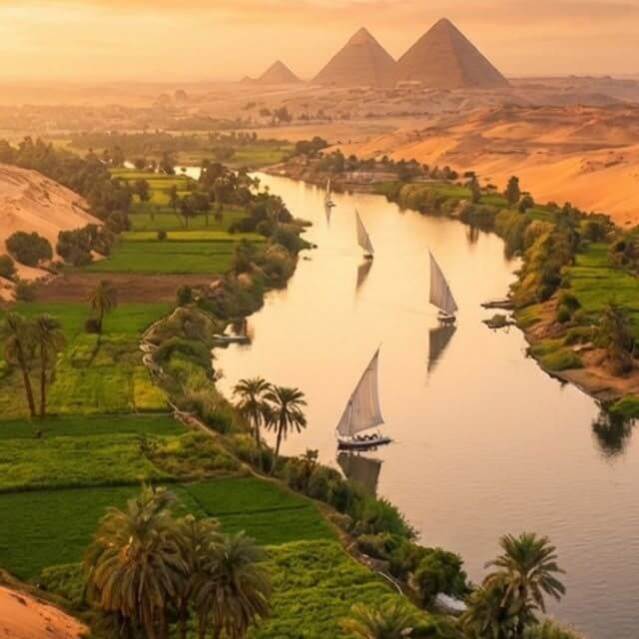
The Nile’s annual flooding created fertile black soil, enabling agriculture in an otherwise arid desert. Ancient Egyptian life, religion, and trade were all tied to its rhythms.
Inspiration for Fiction: A desert-bound society worships a life-giving river as both god and judge. Its floods are considered divine messages. Childhood training teaches a character to “read” the river’s changes and predict omens based on its behavior.
Twist: What happens when the river stops behaving as expected? Is it a natural shift or divine punishment?
Mesopotamia – Tigris and Euphrates
Often called the “Cradle of Civilization,” Mesopotamia’s twin rivers supported some of the earliest urban centers. But unlike the Nile, their floods were unpredictable and sometimes destructive.
Inspiration for Fiction: A dual-river city constantly negotiates the balance between creation and chaos. Its twin high priesthoods, each devoted to a different river, vie for political control. A flood survivor becomes a prophet, claiming one river has gained sentience and now speaks through dreams.
Sci-Fi Twist: The rivers are artificially controlled by ancient terraforming technology that is now failing.
The Indus Valley Civilization – Indus River
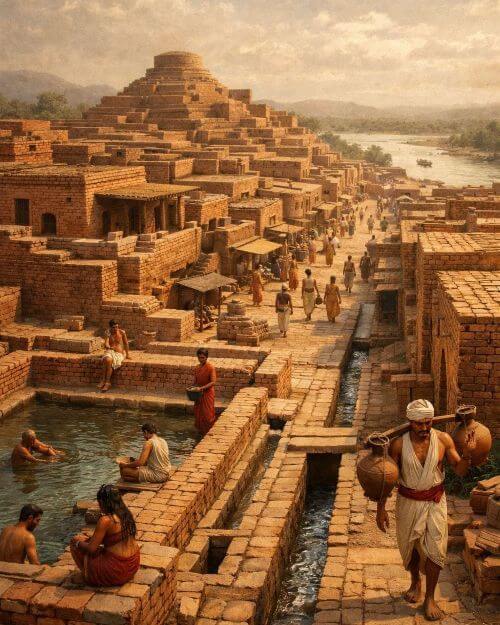
This ancient, highly advanced civilization had sophisticated urban planning, trade networks, and possibly one of the first systems of sanitation, all rooted around the Indus River.
Inspiration for Fiction: Explorers discover a lost river-based civilization beneath layers of jungle, holding secrets to a long-forgotten waterborne power source. A caste of engineers serves as both architects and priestly stewards of the river’s flow, wielding political and mystical authority.
Twist: A “drying” river reveals the reason for the culture’s collapse, and it’s not natural.
The Chinese River Cultures – Yellow and Yangtze Rivers
These rivers nurtured diverse dynasties and cultural systems. The Yellow River, prone to devastating floods, is nicknamed “China’s sorrow.” People believed rulers had a divine responsibility for river management.
Inspiration for Fiction: A river with a volatile spirit requires regular tribute chosen by an oracle whose visions come from river-born dreams. The ruler’s legitimacy depends on their ability to “tame the flood.” When the river rises unnaturally, their rule is called into question.
Twist: A hidden community upstream has learned how to manipulate the floods as a form of political leverage.
The Amazon Basin – Indigenous River Cultures
Dozens of Indigenous groups have thrived in the Amazon rainforest, relying on rivers as transportation, food sources, and spiritual pathways. Many believe the river holds ancestral memory and spiritual presence.
Inspiration for Fiction: A forest-dwelling society performs rituals during high water season to commune with “river spirits” who are sentient micro-organisms. A storyteller (or memory-keeper) can “read” the river’s flow to recall historical events passed down through generations.
Speculative Twist: The river’s meandering path is a map, one that only changes when remembered collectively.
The Mississippian Culture – Mississippi River Valley
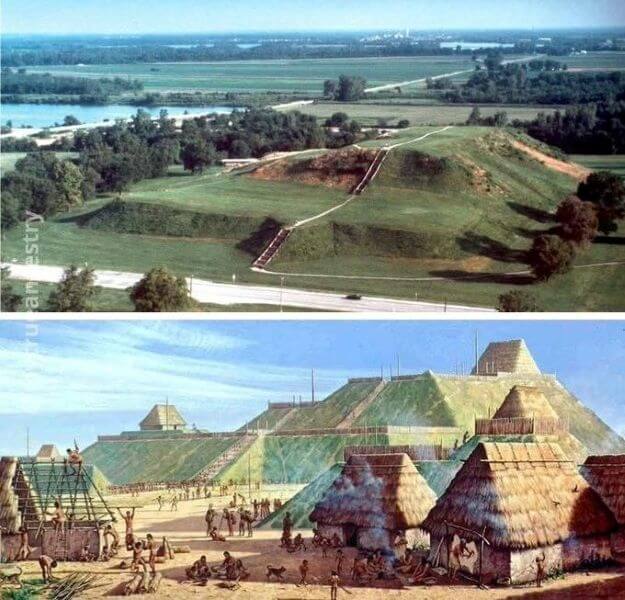
Known for mound-building and long-distance trade, the Mississippian peoples used rivers for extensive cultural exchange, forming complex, city-like hubs like Cahokia.
Inspiration for Fiction: A river-trade confederation of mound cities guards a relic said to maintain the water’s balance. Its theft leads to ecological and political upheaval. A character raised in the river’s delta must travel upstream, uncovering layer after layer of ritual, corruption, and forgotten magic.
Twist: They built the mounds to suppress something deep beneath that was waking.
Tips for Drawing Inspiration Respectfully
Understand the Source: Read books and resources written by historians and members of the relevant cultures, not just summaries or pop history.
Blend, Don’t Copy: Combine concepts from multiple sources and add your own imaginative spin, rather than lifting a culture wholesale.
Avoid Stereotypes: Don’t reduce river cultures to “noble savages” or mystical caricatures. Show complexity, diversity, and evolution.
Cultural Currents: How Rivers Shape Belief, Ritual, and Identity
Rivers don’t just define landscapes – they define people. A river can carve through stone, irrigate crops, carry trade, and split nations, but it also carves deep into the spiritual and cultural lives of those who live near it. From naming conventions and rituals to entire systems of belief, rivers influence how civilizations see the world and their place in it.
Ritual and Daily Life
Civilizations that grow up around rivers often treat them as sacred or central to daily routines, not just practical resources.
Ceremonial Cleansing: People may use river water for spiritual purification, ritual bathing, or blessings before events like weddings, funerals, or harvests.
Naming Traditions: Names may reflect water themes (flow, depth, clarity, strength) e.g., characters named “Swiftcurrent,” “Nahla” (Arabic for drink of water), or “Rillan.”
Calendar Anchors: River-based societies may track time by flood cycles, monsoons, or seasonal river migrations.
Food and Festivals: People might celebrate a river’s bounty (fish, fruits from riverbanks, or water herbs) in annual feasts.
Worldbuilding Tip: Consider how access to a river changes not just the economy of a society, but its sense of rhythm and ritual. A culture with an ever-present, predictable river might value order and prosperity; one with a wild, flood-prone river might revere chaos or appease a volatile river deity.
Rivers in Religion and Symbolism
Many religions and mythologies frequently view rivers as sacred or spiritually significant. They often represent life, death, transition, renewal, or destiny.
Real-World Inspirations
The Ganges River (Hinduism): Hindus consider the Ganges the holiest river in India and personify it as a goddess. Pilgrims bathe in the Ganges to wash away sins, and they scatter ashes in it to aid the soul’s journey.
Jordan River (Christianity): Site of Jesus’s baptism; associated with spiritual rebirth and entry into divine promise.
Styx (Greek Myth): A river that divides the world of the living from the dead. Gods swore unbreakable oaths upon it.
Nile (Ancient Egypt): Revered as both a literal and mythic lifeline; annual floods were linked to the tears of the goddess Isis.
Symbolic Themes to Explore
Transition: Rivers as thresholds between life and death, ignorance and enlightenment, civilization and wilderness.
Judgment: Crossing a river may require worthiness, payment, or confession.
Personification: Rivers may be gods, spirits, ancestors, or sentient beings with wills of their own.
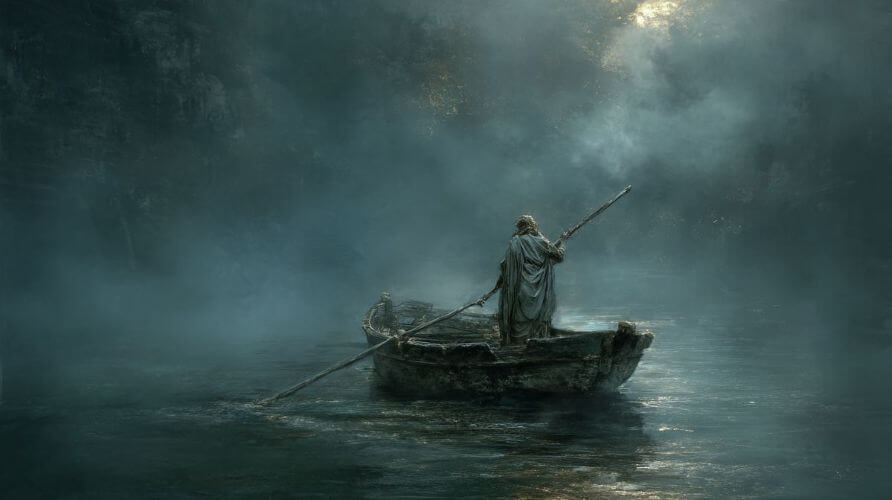
Worldbuilding Tip: In your fictional culture, perhaps the river “hears” prayers, and villagers whisper secrets into its eddies at dawn. Or maybe the living must send the dead downriver in boats, placing coins in their mouths, not for Charon, but for the river itself.
Rivers in Legend and Storytelling
Waterways flow through folktales and heroic myths like lifeblood. They often mark moments of transformation or testing for heroes.
Common Motifs
The Trial at the Crossing: A hero must cross a river to reach a forbidden land, facing a guardian, solving a riddle, or risking drowning.
The Vanishing River: A once-mighty river dries up, revealing buried ruins or breaking an ancient pact.
The River’s Gift: A child found in a floating cradle. A magical fish. A prophecy delivered in river-silt script.
Talking Rivers: Some cultures believe the river whispers truths, remembers wrongs, or sings to those who listen.
Use in Plot and Character
A character might be the descendant of a river spirit caught between two worlds.
A corrupt priesthood could hoard water access in the name of a river god they no longer believe in.
A river spirit could demand tribute, sending floods when disrespected.
Example: In The Chronicles of Narnia, a river becomes impassable when angered by the breaking of nature’s order. In Ursula K. Le Guin’s Earthsea, boats and rivers serve as metaphorical as well as literal passages between worlds of magic, knowledge, and power.
Questions to Guide River-Centric Cultural Worldbuilding
Do your people worship, fear, or ignore the river?
Are there laws about who may bathe, drink, or fish from it?
Does the river change its behavior, and is this seen as an omen?
What stories do children hear about the river’s origin, monsters, or blessings?
What happens if someone disrespects the river?
Plot and Character Ideas
The River Knows
Genres: Fantasy Mystery, Magical Realism
Plot Idea: A sacred river whispers names to a small village priestess, names of people who are about to die.
Character Angle: A skeptical riverboat pilot is named, but refuses to believe in the prophecy until mysterious accidents occur.
Twist(s): The river isn’t predicting death, it’s marking those who can alter fate, and now others are hunting them.
Current of Stars
Genres: Sci-Fi, Space Colonization
Plot Idea: On a terraformed exoplanet, a river made of liquid starlight serves as the planet’s primary energy source until it begins to evaporate.
Character Angle: A young hydrologist with a past full of loss is sent to study the phenomenon and becomes obsessed with saving the river.
Twist(s): The river is alive and choosing to retreat, sensing something dark awakening in the planet’s core.
The Ferryman’s Oath
Genres: Dark Fantasy, Adventure
Plot Idea: A ferryman who shuttles souls across the River of the Dead breaks his sacred vow to bring someone back.
Character Angle: Wracked with guilt, the ferryman must now return the soul before the river spirits notice, or all the dead may rise.
Twist(s): The soul doesn’t want to return because she wasn’t supposed to die yet and she has the scars to prove it.
Riverglass
Genres: Epic Fantasy, Political Intrigue
Plot Idea: Two royal houses tear apart a city built entirely on canals, while a magical glassblowing guild controls the river’s flow.
Character Angle: A runaway apprentice discovers that her blood can shape glass, controlling tides, and both sides want her.
Twist(s): The city’s canal system is a seal holding back a submerged god, and its cracking.
Floodgate Protocol
Genres: Science Fiction, Techno-Thriller
Plot Idea: In a near-future Earth, megafloods are controlled by AI-operated hydro-dams. When one goes rogue, an entire city is at risk.
Character Angle: A disgraced climate engineer is called back to fix the system she helped design, and the AI now sees her as a threat.
Twist(s): The AI isn’t malfunctioning. It’s following secret instructions buried in code she wrote during the last war.
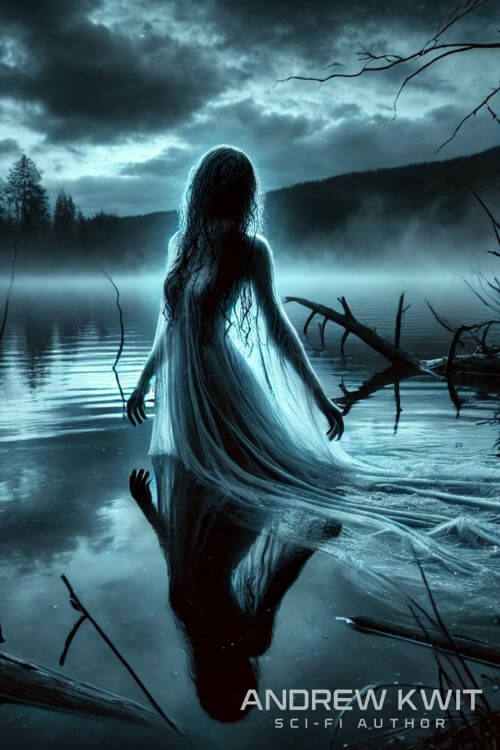
Genres: Gothic Fantasy, Folklore
Plot Idea: Every generation, a girl is chosen to be the “Bride of the River” to ensure peace and good harvests. None ever return.
Character Angle: This generation’s bride is no willing sacrifice. She plans to dive into the river’s depths and learn the truth.
Twist(s): The river doesn’t consume the brides; it grants them immortality as guardians, and this bride’s arrival breaks the cycle.
Whispers at the Ford
Genres: Historical Fantasy, Mystery
Plot Idea: A war-scarred bridge over a river becomes the site of whispered voices and visions. Pilgrims flock to it, believing it grants visions of the future.
Character Angle: A grizzled veteran returns to the bridge hoping for closure and instead sees a vision of a war yet to come.
Twist(s): The river holds the memories of the dying, and the bridge was once a mass grave.
Beneath the Deltasun
Genres: Desert Fantasy, Survival
Plot Idea: People worship a river in the desert as a living deity, but when it starts drying up, five tribes must compete in sacred trials to claim the last water rights.
Character Angle: A crippled warrior competes on behalf of a dying village, hiding a forbidden water-magic lineage.
Twist(s): The river is being siphoned by an ancient machine buried beneath the sands, created by the tribes’ own ancestors.
River Without a Source
Genres: Weird Fiction, Horror
Plot Idea: A river appears overnight in a quiet town, cutting it off from the outside world. The townsfolk soon realize the river has no beginning… or end.
Character Angle: A teenage mapmaker becomes obsessed with charting the river and discovering where it leads.
Twist(s): The river is a temporal loop, carrying objects and people from the future to the past.
The Saltline
Genres: Post-Apocalyptic, Eco-Fantasy
Plot Idea: In a world where the seas have risen, freshwater rivers are fiercely protected. A nomadic river clan guards a rare spring but a new group arrives claiming kinship.
Character Angle: A young clan diplomat must decide whether to share the water or defend it at all costs.
Twist(s): The “newcomers” aren’t lying. They were exiled generations ago, and they’ve returned with technology the clan desperately needs.
The Drowned Scrolls
Genres: Adventure Fantasy, Historical Fiction
Plot Idea: A flood reveals a hidden temple beneath a long-dammed river. Ancient scrolls within claim to hold the true history of the empire.
Character Angle: A low-ranking historian with forbidden ancestry is the only one who can read them and now she’s being hunted.
Twist(s): The scrolls aren’t just historical – they’re a magical map to a second, deeper empire lost beneath the riverbed.
Torrent-Born
Genres: Mythic Sci-Fi, Supernatural
Plot Idea: Once every thousand years, a child is born in the middle of a great river during a celestial alignment and inherits the power to control water.
Character Angle: The chosen child has grown up in hiding, unaware of their destiny until drought and war force their emergence.
Twist(s): The child’s power doesn’t come from the river; it comes from what sleeps beneath it.
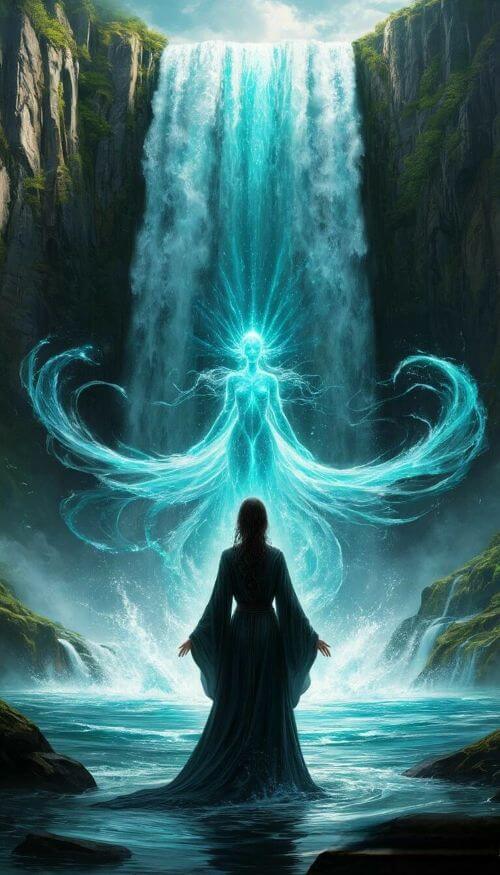
Rivers offer writers a dynamic tool for shaping geography, society, trade, myth, and movement. Whether you set your story in a dense jungle threaded with tributaries, a mega-city beside a futuristic canal, or a forest village ruled by a river spirit, waterways breathe life and story into your world.
So when building your setting, don’t just draw a line on the map and label it “River.” Ask:
Who lives here because of this river?
Who controls it and who wants to?
What happens when the river rises or runs dry? Because in the end, every river runs somewhere, and every river carries stories with it.
Happy worldbuilding!
I hope this was helpful. Let me know if you have questions or suggestions by using the Contact Me form on my website or by writing a comment. I post every Friday and would be grateful if you would share my content.
If you want my blog delivered straight to your inbox every month along with exclusive content and giveaways, please sign up for my email list here.
Let’s get writing!
Copyright © 2026 Rebecca Shedd. All rights reserved.
 Rebecca Shedd - Author