Historical Writing Category
The Writer’s Guide to Bruises
Posted on April 25, 2025 1 Comment

Bruises, also known as contusions, may seem like minor injuries compared to fractures or puncture wounds, but they can add realism and depth to your storytelling. Whether they’re caused by a fall, a punch, or a supernatural event, bruises can serve as visible reminders of a character’s struggles. Writing them realistically involves understanding their types, […]
The Writer’s Guide to Puncture Wounds
Posted on April 11, 2025 Leave a Comment

Puncture wounds are dramatic, high-stakes injuries that can add tension and danger to your story. Whether it’s a dagger through a knight’s side, a nail through a construction worker’s foot, or an alien claw piercing a space traveler’s suit, puncture wounds can create immediate peril and lasting consequences. Writing these injuries realistically requires understanding their […]
The Writer’s Guide to Sprains and Strains
Posted on March 28, 2025 Leave a Comment
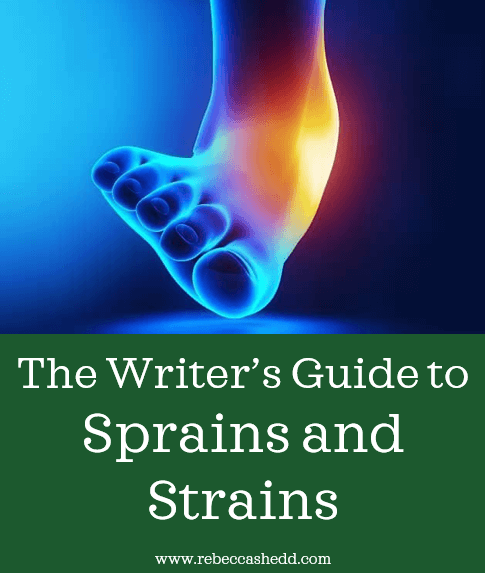
Sprains and strains are common injuries that can add depth and tension to your story, especially in action-oriented or survival-focused plots. These injuries can challenge your characters without incapacitating them completely, providing opportunities for resilience, improvisation, and personal growth. Writing them realistically requires an understanding of their causes, symptoms, severity, and recovery. This article covers […]
The Writer’s Guide to Concussions and Head Injuries
Posted on March 14, 2025 Leave a Comment
Concussions and head injuries are common in action-packed stories, from intense battles in fantasy worlds to space missions gone wrong in science fiction. But writing these injuries convincingly requires more than just a dramatic fall or blow to the head. Understanding causes, symptoms, recovery timelines, and potential long-term effects will add depth and realism to […]
The Writer’s Guide to Broken Bones
Posted on February 28, 2025 Leave a Comment
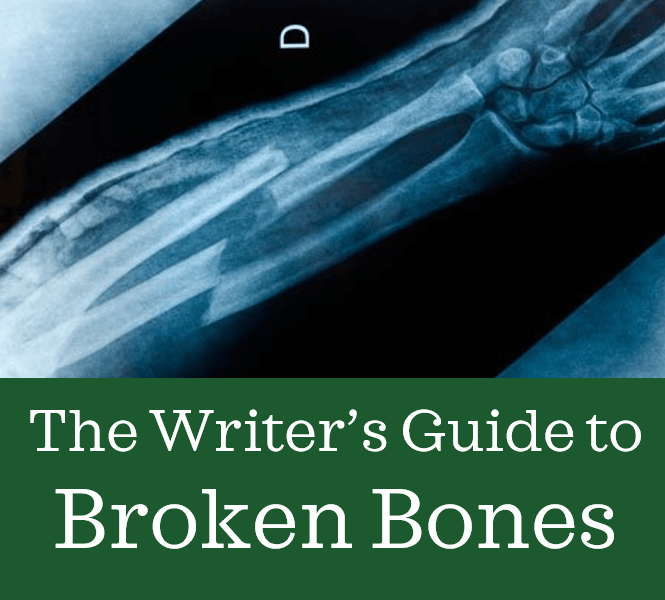
Breaking a bone is one of the most common and impactful injuries in fiction. Whether it happens during a dramatic fight scene, a tragic accident, or an adventurous misstep, fractures offer an opportunity to showcase your character’s resilience, vulnerability, and recovery journey. To write these scenes realistically, it’s essential to understand the types of fractures, […]
The Writer’s Guide to Basic Anatomy
Posted on February 14, 2025 Leave a Comment
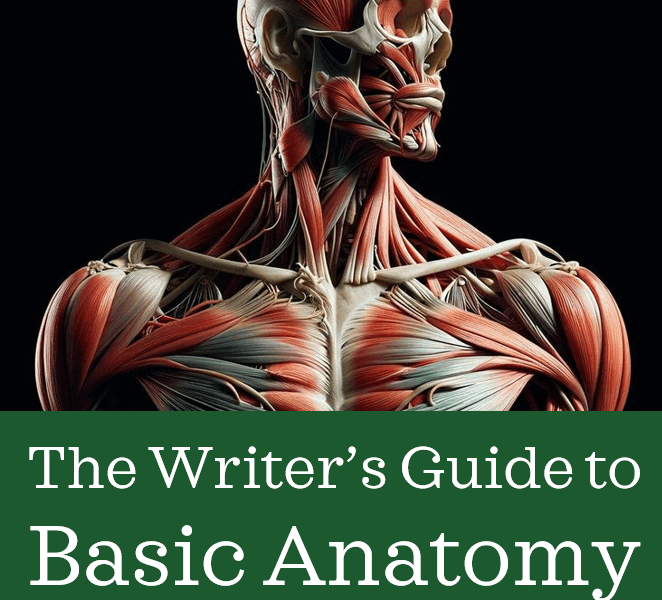
Understanding basic anatomy doesn’t just make your injury scenes more believable—it makes them more engaging. While you don’t need the expertise of a doctor, by focusing on how injuries affect the body, you can craft realistic, impactful moments that resonate with readers and deepen their connection to your characters. Take the time to research and […]
The Writer’s Guide to Writing Injuries Realistically
Posted on January 31, 2025 Leave a Comment
In storytelling, injuries are more than just obstacles for heroes to overcome. They have the power to deepen character development, increase plot tension, and add a layer of authenticity that draws readers into the narrative. But to achieve these effects, injuries in fiction need to be portrayed with realism. A character who takes a severe […]
Writer’s Deep Dive: Sextant
Posted on December 8, 2023 Leave a Comment

The sextant is one of the most easily recognizable and yet least understood navigational instruments. Today I will explain how to take a reading with the sextant and the function of all its pieces. Now, let’s dive in! The Basics The basic principles of the sextant were found in the unpublished writings of Isaac Newton […]
The Writer’s Guide to Maritime Navigation
Posted on November 24, 2023 Leave a Comment
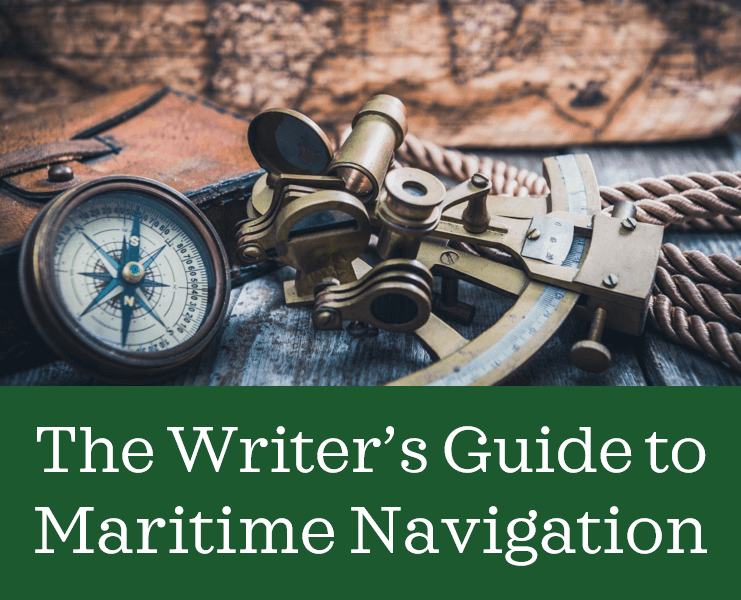
Over the last couple of weeks, I have covered different ships and a large span of maritime history. However, all these ships mean nothing if you do not know how to get where you are going. Today I will cover maritime navigation. I will mainly focus on navigation before satellite and radio. As always, magic […]
Writer’s Deep Dive: Frigates
Posted on November 10, 2023 Leave a Comment

Unlike most of the other ships I have covered, the frigate was a warship first and foremost. Now, let’s dive in! The frigate was a full-rigged ship, built for speed and maneuverability, making it ideal for scouting, escorting, and patrolling. They could carry six months’ worth of stores, giving them a very long range. During […]
 Rebecca Shedd - Author