
The Worldbuilder’s Toolkit: Food
Posted on August 30, 2024 Leave a Comment
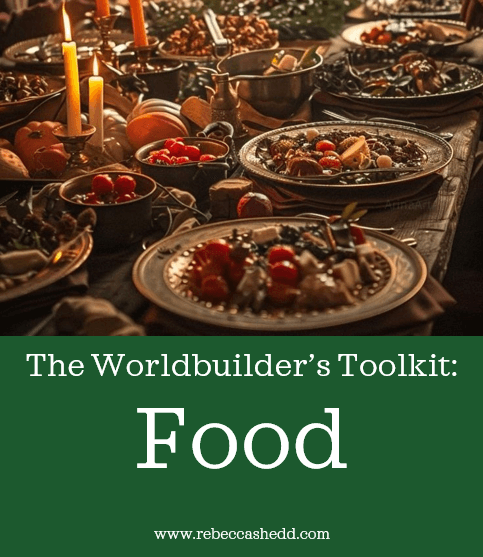

Food is more than mere sustenance; it serves as a cornerstone of culture, reflecting the history, values, and traditions of a society. From exotic feasts fit for kings to futuristic delicacies harvested from alien worlds, the culinary landscapes of speculative fiction offer endless opportunities for creative exploration. From the ingredients used to the methods of preparation and presentation, food embodies the essence of a culture and shapes the experiences of its people. In this guide, I’ll delve into how to world build food in your fantastical and futuristic worlds.
Things to Consider
Culinary Cultures
Just as in our world, different cultures within your fictional universe will have their own unique culinary traditions and preferences. Consider how factors such as geography, climate, and cultural values influence the ingredients, flavors, and cooking techniques of each society.
Environmental Adaptations
The environment plays a crucial role in shaping the food of your world. In lush forests, exotic fruits and foraged delicacies may feature prominently in the diet. In arid deserts, hearty grains and drought-resistant crops may be staples. Consider how the flora and fauna of your world contribute to its culinary diversity.
Technological Advancements
In science fiction settings, technological advancements can revolutionize the way food is grown, prepared, and consumed. Replicators, hydroponic farms, and genetic engineering offer endless possibilities for creating futuristic cuisine. Explore how innovations like food synthesizers and nutrient supplements impact the diets of your characters.
Magical Ingredients & Recipes
In fantasy worlds, magic and alchemy may play a role in creating enchanted ingredients and mystical recipes. Consider how you can incorporate magical creatures, plants, and artifacts into the culinary traditions of your world, from healing potions brewed from rare herbs to dishes infused with elemental magic.
Social Customs & Ceremonies
Food is often central to social customs and ceremonies within a society. Explore how feasts, banquets, and rituals surrounding food are used to celebrate milestones, honor traditions, and forge bonds between individuals. Consider the significance of communal meals and shared experiences in building community and unity.
Fusion Cuisine & Cultural Exchange
As cultures interact and influence one another, culinary traditions may merge and evolve through cultural exchange. Experiment with fusion cuisine, blending flavors and ingredients from different cultures to create unique culinary hybrids. Explore the dynamic interplay between tradition and innovation in the culinary arts.
Dietary Restrictions & Taboos
Consider how dietary restrictions, allergies, and taboos shape the eating habits of your characters. Some societies may eschew certain foods for religious or cultural reasons, while others may have developed unique culinary customs to accommodate environmental challenges or scarcity.
Exotic Ingredients & Flavors
Expand your culinary palette by incorporating exotic ingredients and flavors into your world-building. Experiment with fantastical creatures, alien plants, and rare spices to create dishes that are both intriguing and delicious. Consider how the introduction of new ingredients can spark curiosity, adventure, and discovery for your characters.
Gastronomic Adventures
Food offers endless opportunities for gastronomic adventures and culinary quests in your world. From epic quests to find legendary ingredients to cooking competitions that test the skill and creativity of your characters, explore how food can drive the narrative forward and add depth to your world.
Sensory Descriptions
Bring your world-building food to life through vivid sensory descriptions that tantalize the imagination. Describe the sights, smells, tastes, and textures of your culinary creations in rich detail, inviting readers to savor every mouthwatering moment.
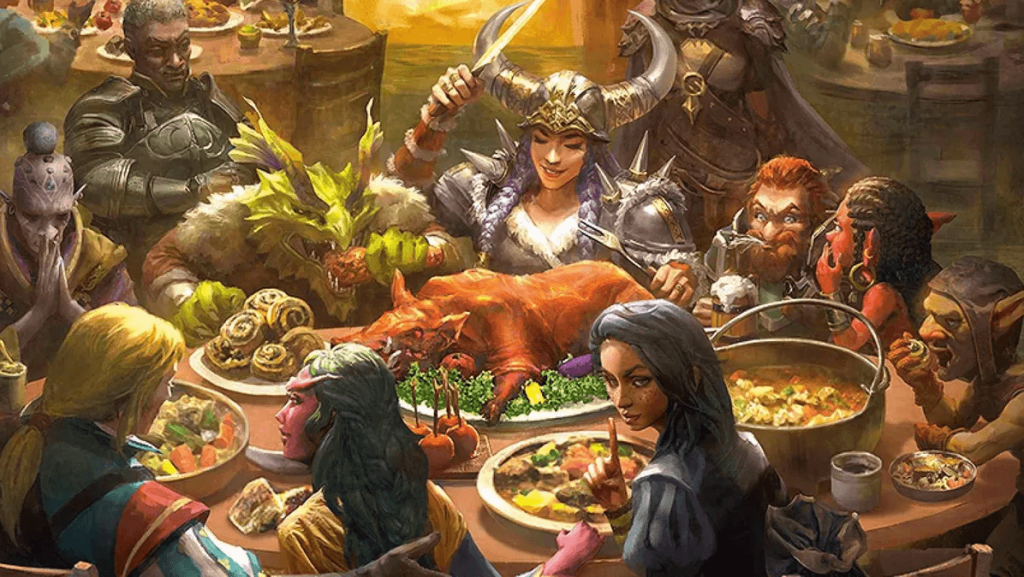
Exploring the Impact of Food on Culture
Here’s how various elements influence a culture’s food and culinary traditions.
Tradition & Heritage
Tradition plays a pivotal role in shaping a culture’s food preferences and culinary practices. Passed down through generations, traditional recipes and cooking techniques serve as a link to the past, preserving cultural identity and fostering a sense of belonging among communities. Whether it’s a family recipe for matzo ball soup or a ceremonial dish served during festivals, tradition infuses food with meaning and significance.
Climate & Geography
The natural environment, including climate and geography, profoundly influences the availability of ingredients and agricultural practices, shaping a culture’s culinary landscape. The abundance or scarcity of resources dictates not only what can be grown or harvested, but also how food is preserved, prepared, and shared within a community.
Availability of Ingredients
The availability of ingredients determines the diversity and flavor profile of a culture’s cuisine. Regions blessed with fertile soil and abundant water sources may cultivate a wide array of fruits, vegetables, and grains, leading to a rich and varied diet. Conversely, remote or isolated communities may rely on foraged foods or preserved staples to sustain themselves, resulting in unique culinary traditions shaped by necessity and ingenuity.
Cultural Exchange & Migration
Cultural exchange and migration contribute to the fusion of culinary traditions, as people bring their food customs and recipes to new lands. The blending of ingredients, cooking techniques, and flavor profiles gives rise to hybrid cuisines that reflect the diversity and interconnectedness of the human experience. Whether through trade routes, conquests, or immigration, culinary exchange fosters a sense of openness and curiosity, expanding the culinary repertoire of societies.
Social & Ritual Significance
Food plays a central role in social gatherings, celebrations, and religious rituals, serving as a catalyst for communal bonding and shared experiences. Festive feasts, wedding banquets, and holiday meals bring people together, fostering connections and reinforcing social bonds. The act of preparing and sharing food becomes a form of expression, conveying love, hospitality, and cultural pride across generations.
Culinary Innovation & Creativity
Culinary innovation and creativity push the boundaries of tradition, leading to the invention of new dishes, techniques, and flavor combinations. Chefs and home cooks alike experiment with fusion cuisine, molecular gastronomy, and farm-to-table dining, challenging conventions and redefining culinary norms. In an age of globalization and digital connectivity, food becomes a medium for artistic expression and cultural exchange, transcending borders and uniting people through shared gastronomic experiences.
Exploring Real-World Food Traditions
One of the richest sources of inspiration for creating fictional culinary cultures lies in the vast breath of real-world food traditions from around the globe. By studying the diverse cuisines of different cultures and historical periods, writers can glean insights into the ingredients, techniques, and cultural significance of food, enriching their fictional worlds with authenticity and depth.
Modern Global Cuisine
Explore the vibrant tapestry of modern global cuisine, which reflects the culinary fusion and cross-cultural exchange of our interconnected world. From sushi in Japan to pizza in Italy, modern cuisine offers a kaleidoscope of flavors, ingredients, and cooking styles drawn from diverse culinary traditions. Delve into the nuances of regional specialties, street food delights, and haute cuisine to discover new culinary possibilities for your fictional cultures.
Historical Foodways
Journey back in time to explore the rich tapestry of historical foodways, spanning ancient civilizations, medieval feasts, and colonial encounters. Study the ingredients and cooking techniques of different eras, from the spice trade routes of the Silk Road to the culinary innovations of the Renaissance. Historical cookbooks, archaeological findings, and culinary artifacts offer valuable insights into the gastronomic practices of bygone civilizations, providing a treasure trove of inspiration for crafting fictional culinary cultures.
Cultural Traditions & Festivals
Immerse yourself in the cultural traditions and festivals that revolve around food, from Chinese New Year celebrations to Mexican Day of the Dead feasts. Each culture has its own unique rituals, customs, and symbolic foods associated with significant life events, religious observances, and seasonal festivities. Explore the significance of food in cultural identity and communal rituals, drawing inspiration from the rich tapestry of culinary traditions that bring people together in celebration and solidarity.
Indigenous Food Heritage
Explore the culinary heritage of indigenous communities and their deep connection to the land, biodiversity, and traditional food systems.
Culinary Icons & Innovators
Pay tribute to culinary icons and innovators who have shaped the modern culinary landscape through their creativity, passion, and ingenuity. From celebrity chefs and restaurateurs to food bloggers and cookbook authors, these trailblazers inspire new generations of food enthusiasts and influence culinary trends around the world. Explore the stories behind iconic dishes, signature ingredients, and culinary revolutions to infuse your fictional cultures with the spirit of culinary innovation and excellence.

Plot, Characters, and Cultural Insight
In storytelling, food can serve as more than just sustenance; it becomes a powerful narrative tool that can affect the plot, shape characters, and provide readers with insights into the culture and world of the story.
Plot Development
Food can drive the plot forward by serving as a catalyst for conflict, resolution, or pivotal moments in the story. For example, a shared meal may bring characters together, forging alliances, or sparking romance. Conversely, a scarcity of food may lead to desperation, survival challenges, or even political unrest, driving the characters to make hard choices that propel the plot forward.
Characterization
The way characters interact with food can reveal key aspects of their personality, background, and motivations. A character’s culinary preferences, cooking skills, or relationship with food can offer insights into their cultural heritage, social status, or emotional state. Whether it’s a gourmet chef who expresses love through their culinary creations or a frugal scavenger who sees food as a means of survival, food-related traits can deepen the reader’s understanding of the characters’ identities and inner worlds.
Cultural Insight
Food serves as a window into the culture and traditions of your story’s world, offering readers a glimpse of its customs, values, and social norms. The ingredients, cooking techniques, and dining rituals depicted in the story can convey cultural nuances and highlight the diversity of culinary traditions within the fictional world. By immersing readers in the sensory experience of food, writers can evoke a sense of place and atmosphere, transporting them to exotic locales and immersing them in the richness of the story’s cultural tapestry.
Symbolism & Metaphor
Food can be infused with symbolism and metaphor, serving as a potent literary device to convey deeper themes and emotions. A shared meal may symbolize unity, community, or reconciliation, while certain foods may carry cultural or religious significance that imbues them with layers of meaning. Writers can use food-related imagery to evoke mood, foreshadow events, or underscore thematic elements, enriching the narrative with layers of symbolism and subtext.
World-Building
By providing detailed descriptions of food, writers can bring the fictional world of the story to life, vividly portraying its geography, climate, and cultural variety. Whether it’s a bustling marketplace filled with exotic spices and street food vendors or a lavish banquet hall adorned with sumptuous delicacies, food-related imagery creates a sense of place and atmosphere that immerses readers in the sights, sounds, and smells of your story’s world.
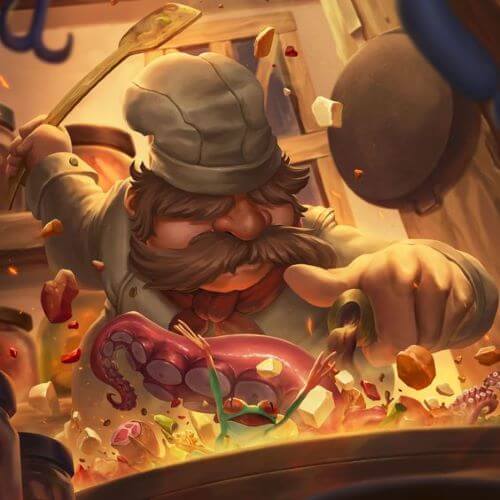
Magic, Technology and the Culinary Landscape
In a world where magic and technology coexist, the transformative evolution of food shapes the way people grow, harvest, prepare, and enjoy ingredients.
Agricultural Advancements
Magic and technology can revolutionize agricultural practices, increasing crop yields, enhancing crop resilience, and diversifying food production. Enchanted irrigation systems, weather-controlling spells, and soil enrichment techniques powered by magical energy can transform barren landscapes into fertile farmland, ensuring food security and abundance for communities. Meanwhile, technological innovations such as automated farming machinery, hydroponic systems, and genetically modified crops contribute to sustainable agriculture and resource efficiency.
Alchemical Creations
Alchemy, the ancient art of transmutation, offers boundless possibilities for culinary innovation and experimentation. Alchemical ingredients and potions can imbue food with magical properties, enhancing flavor, nutrition, and longevity. From healing elixirs and rejuvenating tonics to flavor-enhancing essences and color-changing potions, alchemical creations add a touch of enchantment to the culinary arts, delighting diners with their transformative effects and mystical allure.
Culinary Magic
Culinary magic, the practice of imbuing food with magical properties, adds an element of wonder and spectacle to the dining experience. Magically infused ingredients, enchanted cooking utensils, and spells of flavor enhancement allow chefs to create dishes that defy conventional culinary norms, tantalizing the taste buds and igniting the imagination. Whether it’s a feast of levitating delicacies, a banquet of illusionary delights, or a potion-infused tonic that grants temporary abilities, culinary magic elevates dining to a magical experience.
Technological Innovations
Technological advancements in food preparation and preservation enhance efficiency, convenience, and safety in the culinary industry. From enchanted kitchen appliances and molecular gastronomy techniques to food replicators and teleportation devices, cutting-edge technology streamlines the cooking process, expands culinary creativity, and revolutionizes the way food is consumed and enjoyed. Whether it’s a magical oven that bakes perfect pastries with a wave of a wand or a molecular synthesizer that creates gourmet dishes from raw ingredients, technology enhances the culinary experience in ways previously unimaginable.
Ethical Considerations
Using magic and technology in food production raises ethical considerations regarding sustainability, environmental impact, and social equity. While magical enhancements and technological innovations offer benefits such as increased food security and accessibility, they also pose risks, such as dependency on artificial interventions, genetic manipulation, and ecological imbalance. Writers can explore the ethical dilemmas and consequences of using magic and technology in food production, highlighting the need for responsible stewardship and ethical decision-making in shaping the future of food.
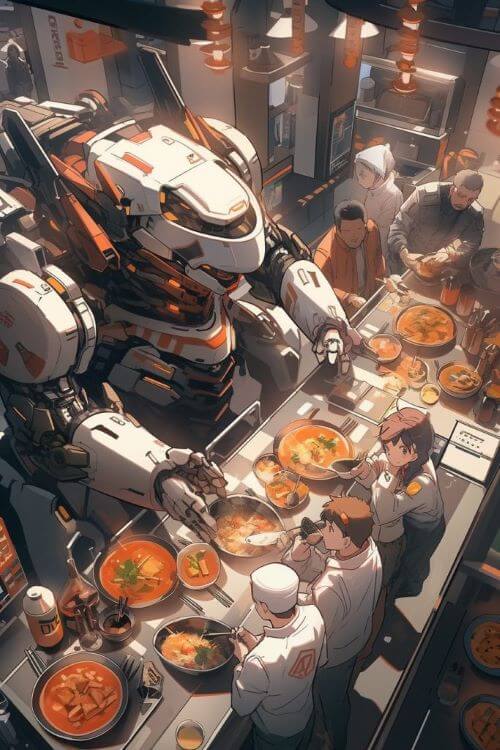
The Writer’s Toolkit
Creating interesting and believable food in your writing can enrich your world-building and captivate your readers.
Draw Inspiration from Real-World Cuisine – Explore the diverse culinary traditions of different cultures and historical periods for inspiration. Study traditional ingredients, cooking techniques, and flavor profiles to create authentic and immersive food experiences in your writing.
Develop Signature Dishes – Give your fictional cultures and regions distinctive signature dishes that reflect their unique heritage, geography, and values. Whether it’s a spicy street food snack or a lavish banquet centerpiece, memorable dishes can become iconic symbols of your world-building.
Incorporate Cultural Nuances – Consider the cultural significance of food in your fictional world and how it reflects social customs, religious beliefs, and regional identities. Infuse your descriptions with cultural nuances, such as dining rituals, etiquette, and symbolism, to add depth and authenticity to your culinary scenes.
Experiment with Fusion Cuisine – Explore the possibilities of fusion cuisine by blending elements from different culinary traditions to create innovative and unexpected flavor combinations. Experiment with cross-cultural ingredients, cooking styles, and culinary techniques to invent new culinary delights that challenge conventions and excite the palate.
Appeal to the Senses – Use vivid sensory descriptions to evoke the sights, sounds, smells, tastes, and textures of the food in your writing. Engage the reader’s imagination by painting a sensory-rich picture of the culinary experience, from the sizzle of a hot skillet to the aroma of freshly baked bread.
Consider Seasonality & Availability – Consider the seasonal availability of ingredients and how it impacts the culinary landscape of your world. Describe the vibrant colors of summer fruits, the earthy flavors of autumn vegetables, and the hearty comfort foods of winter feasts to create a sense of time and place in your writing.
Infuse Magic & Technology – Explore the possibilities of magical and technological innovations in food production, preparation, and presentation. Experiment with enchanted ingredients, alchemical concoctions, and futuristic culinary gadgets to add a touch of wonder and intrigue to your fictional cuisine.
Showcase Food Diversity – Celebrate food diversity by incorporating a variety of cuisines, dietary preferences, and culinary traditions into your writing. Showcase the richness of multiculturalism and the universality of food as a source of joy, nourishment, and cultural exchange.
Use Food as a Narrative Device – Integrate food seamlessly into your narrative as a storytelling device that advances the plot, reveals character traits, and evokes emotion. Show characters bonding over shared meals, navigating culinary challenges, or experiencing food-related revelations to deepen their development and drive the story forward.
Experiment & Have Fun – Don’t be afraid to experiment with unconventional ideas and imaginative concepts when crafting your fictional food. Let your creativity flow and have fun exploring the endless possibilities of culinary world-building in your writing.
Fictional Example: The Dragonfire Souffle
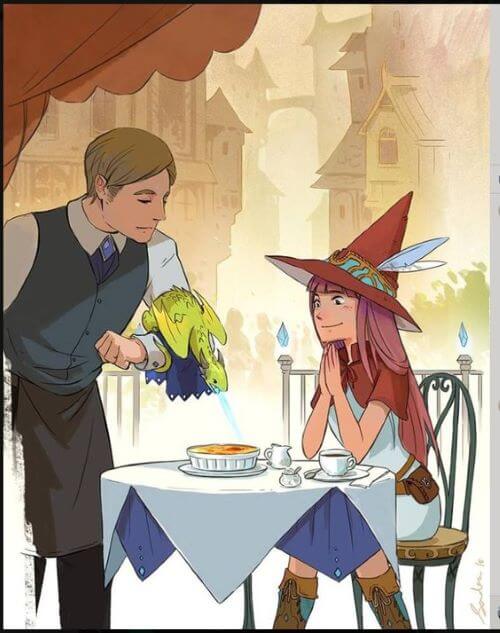
In the realm of Arkania, one of the most coveted delicacies is the “Dragonfire Soufflé.” Crafted by skilled alchemists and master chefs, this culinary marvel combines the fiery essence of dragons with the delicate artistry of soufflé-making to create a truly unforgettable dining experience.
The Dragonfire Soufflé begins with a base of rare dragon eggs harvested from the nests of ancient wyverns. These eggs are prized for their iridescent shells, which shimmer with hues of crimson, gold, and emerald. Carefully cracked open, the eggs reveal a rich, custard-like yolk imbued with the potent essence of dragonfire.
Next, the alchemists infuse the egg yolks with a magical concoction of spices and herbs, including rare dragonmint leaves and fiery peppers harvested from the volcanic slopes of Mount Draconis. This enchanted mixture lends the soufflé its signature blend of heat and flavor.
Meanwhile, the chefs whip the egg whites into a fluffy meringue, incorporating air bubbles with precision to achieve the perfect level of lightness and loftiness. As the soufflé bakes in the oven, the alchemical properties of the dragon eggs react with the heat, causing the mixture to rise and expand into a towering confection of golden perfection.
When the Dragonfire Soufflé emerges from the oven, it is a sight to behold, its surface glistening with a caramelized glaze that crackles and pops like miniature flames. With a flourish, the chef presents the soufflé to the eager diners.
As diners take their first bite, a whirlwind of flavors envelops their palates, dancing across their taste buds. The rich, velvety texture of the soufflé melts away to reveal layers of complexity, with hints of smoky dragonfire mingling with the sweetness of the eggs and the piquancy of the spices. Each mouthful is a symphony of taste and texture, leaving diners longing for more.
Food serves as a mirror reflecting the soul of a culture, embodying its history, values, and aspirations. World-building food in fantasy and science fiction offers boundless opportunities for creativity, exploration, and storytelling. By considering the cultural, environmental, and technological factors that shape the culinary landscapes of your world, you can create a rich and immersive dining experience that leaves readers hungry for more. Happy world-building!
I hope this was helpful. Let me know if you have questions or suggestions by using the Contact Me form on my website or by writing a comment. I post every Friday and would be grateful if you would share my content.
If you want my blog delivered straight to your inbox every month along with exclusive content and giveaways, please sign up for my email list here.
Let’s get writing!
Copyright © 2024 Rebecca Shedd. All rights reserved.

The Worldbuilder’s Toolkit: Clothing
Posted on August 16, 2024 Leave a Comment
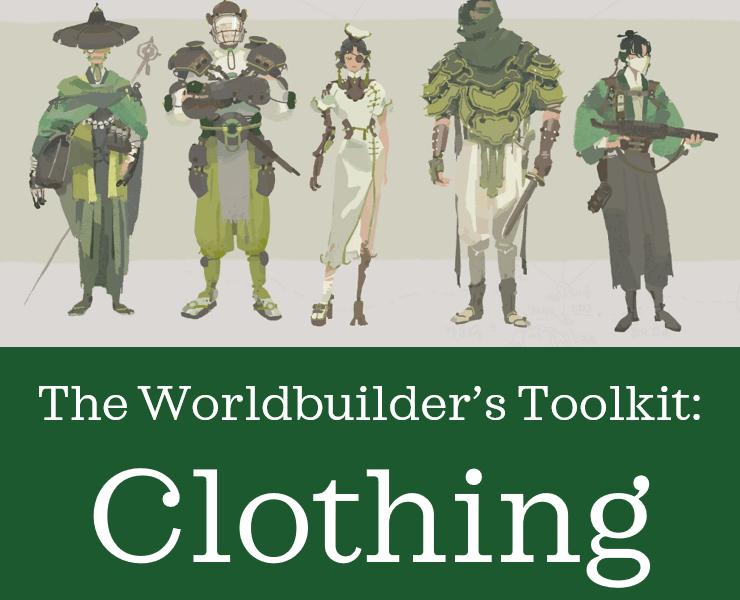
Clothing is not just a practical necessity; it’s a cultural artifact that reflects a myriad of influences, including tradition, climate, gender roles, social class, and resource availability. From the flowing robes of wizards to the sleek spacesuits of intergalactic travelers, every garment tells a story. In this guide, I’ll explore the art of world-building clothing in your fiction worlds.
Things to Consider
Cultural Significance
In crafting clothing for your world, consider the cultural context in which it exists. How do different societies perceive modesty, status, and individuality? Clothing can be laden with symbolism and meaning, from the colors and patterns used to the materials and accessories.
Tradition & Heritage
Tradition plays a significant role in shaping clothing choices, as many cultures have deeply ingrained customs and dress codes passed down through generations. Traditional garments often carry symbolic meaning and serve as a connection to cultural heritage and identity.
Climate & Environment
The environment plays a crucial role in determining the practicality and aesthetics of clothing. In desert landscapes, loose, breathable fabrics and head coverings may offer protection from the sun and sandstorms. In icy tundras, thick furs and insulated layers provide warmth against biting winds.
Availability of Resources
The availability of resources, such as textiles, dyes, and embellishments, can impact the design and production of clothing. Regions with abundant natural resources may have vibrant textile industries, while those with limited resources may rely on simpler materials and techniques.
Technological Advancements
In science fiction settings, technology often influences clothing design. Advanced fabrics with temperature-regulating properties, built-in sensors, and self-repairing capabilities are common. Consider how innovations like nanotechnology and 3D printing might revolutionize fashion in your world.
Magic & Mysticism
Magic users in fantasy worlds may don robes adorned with arcane symbols and shimmering threads, reflecting their connection to the mystical forces they wield. Magical enchantments can imbue clothing with extraordinary properties, from invisibility cloaks to garments that change color with the wearer’s emotions.
Social Hierarchy & Status
Clothing can be a powerful marker of social status and hierarchy within a society. Wealthier individuals may afford luxury fabrics, fine tailoring, and elaborate accessories, while those of lower socioeconomic status may rely on more practical and affordable attire. In feudal kingdoms, elaborate court attire may distinguish nobility from commoners. Conversely, in egalitarian societies, clothing may be more uniform, with subtle variations showing individual preferences and roles.
Subcultural Expression
Just as in our world, subcultures within your fictional societies may develop their own distinctive styles and fashion trends. Rebel factions might don punk-inspired attire adorned with studs and spikes, while intellectuals may favor minimalist, utilitarian designs that prioritize function over form.
Evolution Over Time
As societies devlop and change, so too does fashion. Consider how historical events, technological advancements, and cultural shifts might influence clothing trends. What was fashionable a century ago may be outdated or avant-garde in the present day of your world.
Gender Difference
Gender norms and expectations influence the design and styling of clothing, dictating what is appropriate attire for men and women. Traditional gender roles may dictate the colors, cuts, and embellishments associated with masculine and feminine clothing. Is there a sizable difference between how men and women dress in your world, or is there hardly any difference at all, making it hard to tell the sexes apart?
Practicality vs. Aesthetics
Balance practical considerations with aesthetic appeal when designing clothing for your world. While elaborate costumes may be visually striking, they should also make sense within the context of your world and the activities of your characters.
Cultural Exchange & Fusion
As cultures interact and influence one another, clothing styles may merge and evolve through cultural exchange. Explore the dynamic interplay between different cultures and how they borrow, adapt, and reinterpret fashion trends from one another.

Evolution of Fashion Trends & Societal Impact
Over time, clothing evolves from being purely functional to encompassing elements of fashion and style. A variety of factors influences fashion trends, including:
Cultural Influences
Cultural exchange and globalization contribute to the spread of fashion trends across borders and continents. Styles from different cultures merge and devlop, leading to the creation of new and innovative looks.
Economic Factors
Economic prosperity and consumerism drive demand for new clothing styles and accessories. Fashion industries capitalize on trends and consumer preferences, fueling a cycle of consumption and production.
Media & Celebrity Influence
Celebrities, influencers, and media personalities play a significant role in shaping fashion trends through their public appearances and endorsements. Their influence can propel certain styles into the mainstream and elevate certain brands and designers.
Social Movements & Subcultures
Social movements and subcultures often express themselves through fashion, using clothing as self-expression and identity. Countercultural movements and youth subcultures frequently challenge mainstream fashion norms and push boundaries.
Technology & Innovation
Technological advancements in textiles, manufacturing, and design contribute to the evolution of fashion trends. New materials, production techniques, and digital platforms reshape the way people create, market, and consume clothing.

Clothing’s Impact on Plot & Character
Clothing is a powerful narrative tool that can enrich a story and deepen our understanding of characters and plot elements.
Characterization
Clothing choices can provide valuable insights into a character’s personality, background, and values. Readers can interpret flamboyant clothing choices by a character as a display of confidence and a desire for attention, while consistently dressing modestly and conservatively may lead to the character being viewed as reserved or traditional.
Symbolism & Themes
Clothing can serve as a symbolic representation of themes and motifs within a story. For example, a character who wears a tattered cloak may symbolize resilience and perseverance, while a character dressed in pristine white may represent purity or innocence.
Social Status & Power Dynamic
Clothing often reflects social hierarchies and power dynamics within a society. Characters of higher social status may dress in opulent and luxurious attire, while those of lower status may wear simpler and more practical clothing. These distinctions can influence interactions and relationships between characters.
Plot Progression
Changes in a character’s clothing can signify shifts in their arc and development throughout the story. For example, a character who undergoes a transformative journey may adopt new clothing to reflect their growth and evolution. Similarly, a sudden change in a character’s appearance may foreshadow significant plot developments.
Cultural Context
Clothing provides a valuable context about the cultural and historical setting of a story. By incorporating authentic and culturally appropriate attire, writers can immerse readers in the world of their story and evoke a sense of time and place.
Foreshadowing & Plot Clues
Writers can use clothing as subtle clues to foreshadow future plot twists or reveal hidden truths about characters. For example, a character who always wears gloves may hide a dark secret, while a mysterious insignia on a character’s clothing may hint at their true allegiance or identity.
Subtext & Subterfuge
Characters may use clothing as subterfuge or disguise to conceal their true intentions or identity. A character who masquerades as a member of a different social class or profession through their attire may gain access to restricted areas or deceive unsuspecting adversaries.
Emotional Impact
Clothing can evoke strong emotional responses from characters and readers alike. A character’s reaction to receiving a cherished heirloom or donning a ceremonial garment can reveal their deepest desires, fears, and vulnerabilities, adding depth and resonance to the narrative.

Drawing Inspiration from the Real World
Real-world clothing, both modern and historical, offers a treasure trove of inspiration for writers seeking to infuse their stories with authenticity and depth. By studying the rich tapestry of human attire throughout history and across cultures, writers can enrich their fictional worlds with nuanced details and vibrant imagery.
Historical Clothing
Delve into the fashions of bygone eras, from the opulent gowns of the Renaissance to the functional attire of medieval peasants. Historical clothing reflects the social norms, technological advancements, and cultural values of its time, offering valuable insights into the world-building of your story.
Cultural Diversity
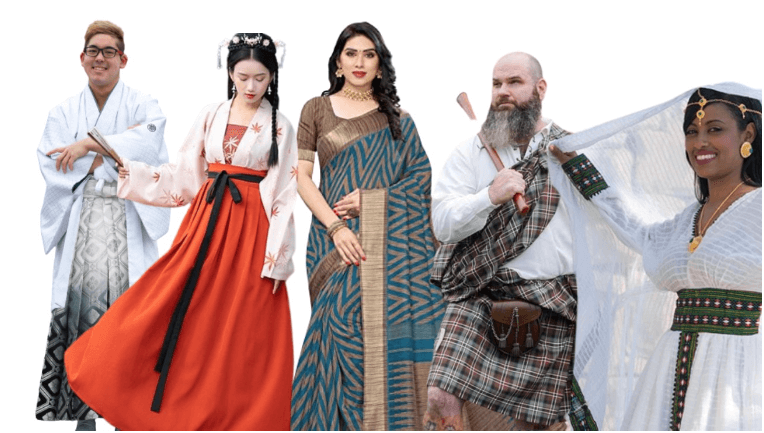
Explore the diverse array of traditional clothing from cultures around the world. From the intricate textiles of South Asian saris to the elaborate headdresses of African tribes, each culture’s clothing reflects its unique identity, heritage, and craftsmanship.
Evolution of Fashion
Trace the evolution of fashion trends through the decades, from the flapper dresses of the Roaring Twenties to the punk-inspired styles of the rebellious ‘80s. Fashion is a dynamic and ever-changing art form that mirrors the social, political, and economic currents of its time.
Symbolism & Iconography
Examine the symbolic significance of clothing in different cultures and historical periods. Colors, patterns, and accessories often carry deep cultural and religious meaning, serving as potent symbols of identity, status, and belief systems.
Practical Considerations
Consider the practical aspects of historical and cultural clothing, such as the materials used, construction techniques, and functional features. Clothing designed for specific environments and occupations can offer valuable insights into the daily lives and challenges faced by characters in your story.
Social Commentary
Using clothing, individuals have frequently engaged in social commentary, challenging norms, and provoking discourse. From the suffragettes’ adoption of bloomers as a symbol of women’s rights to the punk movement’s rejection of mainstream fashion, clothing can be a powerful tool for expressing dissent and advocating for change.
Cultural Sensitivity
Approach the use of real-world clothing with sensitivity and respect for cultural diversity. Strive to represent diverse perspectives authentically and thoughtfully in your storytelling.
Magic & Technology’s Impact on Clothing
Magic and technology offer boundless possibilities for transforming the world of clothing into speculative fiction. From enchanted garments woven with mystical threads to high-tech suits infused with futuristic enhancements, the interplay of magic and technology can revolutionize the way clothing is conceived, crafted, and worn.
Magical Enchantments
Magic can imbue clothing with extraordinary properties and abilities, ranging from enhanced durability and resilience to transformative powers. Enchanted garments may offer protection against physical harm, grant the wearer enhanced strength or agility, or even bestow invisibility or shape-shifting abilities.
Technological Advancements
Technology enables the creation of innovative fabrics, materials, and manufacturing techniques that push the boundaries of conventional clothing design. Nanotechnology, 3D printing, and smart textiles revolutionize clothing producution, offering features such as temperature regulation, self-repair, and built-in sensors.
Adaptive & Responsive Clothing
Magical and technological clothing can adapt and respond to the needs of the wearer and the environment. Self-adjusting garments may alter their fit and form to accommodate changes in body shape or movement, while temperature-regulating fabrics can maintain optimal comfort in any climate.
Augmented Reality & Holographic Displays
Technology enables the integration of augmented reality and holographic displays into clothing, transforming garments into interactive interfaces for communication, entertainment, and information retrieval. Wearable technology such as smart glasses and AR contact lenses can overlay digital information onto the wearer’s field of vision, enhancing their perception of the world around them.
Fashionable Functionality
Magic and technology blur the line between fashion and function, allowing clothing to serve multiple purposes beyond mere adornment. High-tech clothing may incorporate built-in communication devices, integrated power sources, and concealed compartments for storage and utility.
Personalized & Customizable Designs
Magic and technology empower individuals to personalize and customize their clothing according to their preferences and needs. Shape-shifting fabrics, color-changing dyes, and modular designs enable wearers to alter their attire at will, expressing their unique identity and style.

The Writer’s Toolkit
Creating unique, interesting, and believable clothing can be an important part of immersing readers in your fictional world and bringing your characters to life. Here are some practical tips to help you craft captivating attire for your stories:
Consider Cultural Influences – Draw inspiration from real-world cultures and historical periods to create authentic and diverse clothing styles for your fictional world. Research traditional garments, textiles, and adornments from different cultures to enrich your world-building and add depth to your characters’ attire.
Reflect Character Personality & Background – Tailor clothing choices to reflect each character’s personality, background, and social status. Consider how their upbringing, profession, and personal preferences influence their fashion sense and attire. Clothing can serve as a visual cue to communicate key aspects of a character’s identity and backstory to readers.
Balance Functionality & Aesthetics – Strive to balance between functionality and aesthetics when designing clothing for your characters. Consider the practical needs and activities of each character and tailor their attire accordingly. Functional details such as pockets, closures, and reinforcements should complement the overall aesthetic of the garment.
Use Symbolism & Imagery – Infuse clothing with symbolic imagery and motifs that reflect themes, character arcs, and plot elements in your story. Colors, patterns, and accessories can convey deeper meanings and foreshadow future events, adding layers of subtext and intrigue to your narrative.
Show, Don’t Tell – Use vivid and descriptive language to paint a detailed picture of your characters’ clothing without resorting to exposition or info-dumps. Show readers how clothing fits, feels, and moves on the body, allowing them to visualize the garments and immerse themselves in the sensory experience.
Consider Environmental Factors – Consider the climate, geography, and cultural customs of your fictional world when designing clothing. Adapt clothing styles and materials to suit the environmental conditions and practical needs of your characters. Consider how different regions and cultures within your world may have distinct clothing traditions and adaptations.
Experiment with Technology & Magic – Explore the possibilities of incorporating technology and magic into clothing design to create unique and fantastical garments. Experiment with enchanted fabrics, futuristic textiles, and magical embellishments to imbue clothing with extraordinary properties and abilities.
Pay Attention to Detail – Pay attention to the finer details of clothing design, including seams, stitching, textures, and embellishments. Consider how these elements contribute to the overall aesthetic and functionality of the garment, adding richness and authenticity to your descriptions.
Iterate & Revise – Don’t be afraid to iterate and revise your clothing designs as you refine your story. Solicit feedback from beta readers or critique partners to ensure that your clothing descriptions resonate with readers and enhance the immersive experience of your narrative.
Fictional Example: The Nanofiber Kimono
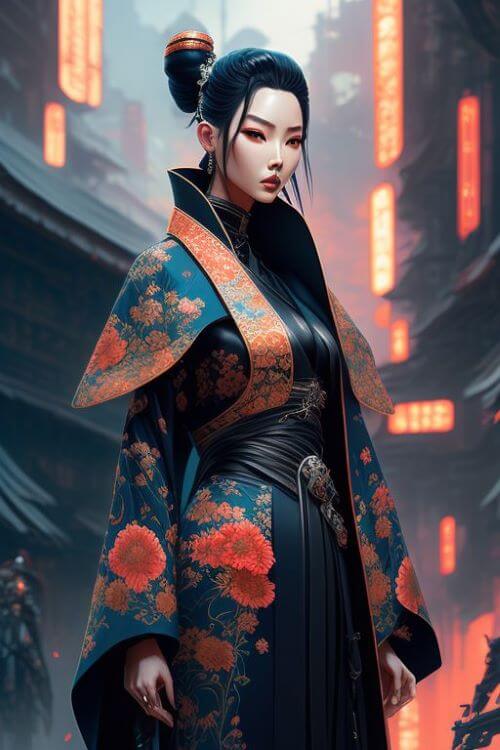
In the bustling metropolis of Neo-Tokyo, where technology and tradition intersect in a dazzling display of innovation, fashion takes on a futuristic flair unlike anything seen before. One such example is the “Nanofiber Kimono,” a fusion of traditional Japanese aesthetics and advanced nanotechnology.
Crafted from ultra-lightweight nanofiber fabric, the Nanofiber Kimono combines the elegance of traditional kimono design with the functionality of modern materials. The fabric contains microscopic sensors and actuators that respond to the wearer’s movements, adjusting the fit and drape of the garment in real-time for optimal comfort and style.
It features intricate patterns and motifs inspired by Japanese folklore and mythology, rendered in shimmering threads that change color with the wearer’s mood or the ambient lighting. Embedded LED panels woven into the fabric allow the kimono to display customizable holographic images and animations, transforming the garment into a dynamic canvas for self-expression.
Functionality meets fashion with the Nanofiber Kimono’s built-in smart features, including integrated biometric sensors that monitor the wearer’s vital signs and health metrics in real-time. The kimono can adjust its temperature and ventilation properties to keep the wearer cool in the summer and warm in the winter, while built-in speakers and microphones enable hands-free communication and audio playback.
Designed for the discerning urbanite navigating the bustling streets of Neo-Tokyo, the Nanofiber Kimono represents the epitome of futuristic fashion. As wearers stroll through the neon-lit streets of the city, it becomes a symbol of sophistication and sophistication, turning heads and sparking conversations wherever they go.
Clothing is an integral aspect of world-building in speculative fiction, offering a window into the complex interplay of tradition, climate, gender roles, social class, and resource availability. Fashion trends reflect the dynamic nature of society, evolving in response to cultural, economic, and technological influences. By understanding the multifaceted factors that shape clothing choices and fashion trends, we gain insight into the rich tapestry of human expression and identity.
I hope this was helpful. Let me know if you have questions or suggestions by using the Contact Me form on my website or by writing a comment. I post every Friday and would be grateful if you would share my content.
If you want my blog delivered straight to your inbox every month along with exclusive content and giveaways, please sign up for my email list here.
Let’s get writing!
Copyright © 2024 Rebecca Shedd. All rights reserved.

The Worldbuilder’s Toolkit: Culture
Posted on August 2, 2024 Leave a Comment

Culture permeates every aspect of life and society, shaping values, behaviors, and interactions in profound ways. In fantasy and science fiction, expressing culture involves exploring the multifaceted impact it has on various aspects of life and society. From unique customs and traditions to distinct social structures and belief systems, cultures add depth and complexity to your storytelling. In this article, I’ll explore practical tips and strategies for developing cultures and cultural elements in your fictional worlds.
Establishing Foundational Elements
Begin by laying the groundwork for your culture. Consider factors such as geography, history, and environment, which can shape the values, beliefs, and practices of your fictional societies. Ask yourself questions like:
How does the landscape influence the way people live and interact?
What major historical events have shaped the culture’s identity?
How do cultural values and norms differ across regions or social groups?
For a deeper dive into many of these topics, please refer to my previous worldbuilder guides to Geography and Topography, Climate and Weather Patterns, Flora and Fauna, History and Lore, and World-Defining Events.
Identify the key components that make each culture unique. This may include:
Social Structure – Determine the hierarchy and organization of society, including roles and expectations for different social classes. Cultural norms dictate family structures, roles, and obligations, influencing relationships between family members. Hierarchical systems based on factors such as age, gender, or social status shape interactions and power dynamics within society.
Language & Communication – Develop languages or dialects unique to each culture, along with gestures, idioms, and other forms of communication. Unique words and expressions reflect cultural values, beliefs, and experiences. Cultural norms dictate the meaning of gestures and body language, influencing communication and social interactions. For a deeper dive, check out my Worldbuilder’s Guide to Languages.
Customs & Traditions – Explore rituals, ceremonies, and celebrations that are integral to the culture’s identity and worldview. Cultural rituals and ceremonies mark significant life events, such as births, marriages, and deaths, reinforcing cultural identity and community bonds. Festivals and celebrations provide opportunities for communal gatherings, fostering a sense of belonging and shared cultural tradition.
Art & Aesthetics – Consider the art, architecture, clothing, and cuisine that reflect the cultural values and aesthetic preferences of the society. Artistic expressions such as paintings, sculptures, and architecture reflect cultural values, beliefs, and aesthetic preferences. Music, dance, and theater serve as outlets for cultural expression, conveying stories, emotions, and traditions.
Cuisine & Culinary Practices – Cultural norms dictate what, when, and how food is prepared, consumed, and shared, reflecting social, religious, and environmental influences. Table manners and dining rituals vary across cultures, reflecting social norms and values related to hospitality and respect.
Religion & Spirituality – Cultural beliefs and practices shape religious and spiritual traditions, influencing moral codes, rituals, and concepts of the divine. Temples, shrines, and holy sites serve as focal points for religious and spiritual practices, reflecting cultural reverence and devotion. Please check out my Worldbuilder’s Guide to Religions and Belief Systems.
Education & Knowledge Transmission – Cultural values influence educational philosophies, methods, and priorities, shaping how knowledge is transmitted and valued within society. People preserve cultural identity and heritage by passing down cultural knowledge and history through oral storytelling, myths, and legends.
Clothing & Fashion – Cultural clothing and adornments reflect regional climates, societal roles, and historical influences, serving as symbols of identity and status. Contemporary fashion trends evolve in response to cultural influences, social norms, and global interactions, reflecting changing attitudes and values.
Using Culture in Story
Culture serves as a powerful narrative tool in storytelling, influencing plot developments, character motivations, and thematic exploration. By weaving cultural elements into your narratives, you can add depth, conflict, and authenticity to your stories.
Driving Conflict & Tension
Cultural Clashes: Differences in values, beliefs, and customs between characters or factions can lead to conflict and tension, driving the plot forward.
Interpersonal Conflict: Cultural expectations and social norms can create friction between characters, fueling interpersonal conflicts and driving character development.
Shaping Character Motivations
Cultural Identity: Characters’ cultural backgrounds and identities inform their beliefs, goals, and actions, shaping their motivations and driving their decisions.
Cultural Expectations: Characters may feel pressure to conform to cultural norms or rebel against societal expectations, driving their choices and arcs throughout the story.
Providing Context & World-building
Setting the Scene: Cultural details and traditions provide context for your story’s setting, immersing readers in the world and enhancing the sense of place.
Enriching World-building: Cultural diversity within the story world adds richness and depth to the world-building, creating a more vibrant and immersive narrative.
Exploring Themes & Messages
Identity and Belonging: Cultural exploration can delve into themes of identity, belonging, and the search for meaning, resonating with readers on a personal level.
Prejudice and Discrimination: Cultural differences can serve as a lens for exploring issues of prejudice and discrimination, fostering empathy and understanding.
Driving Plot Twists & Revelations
Cultural Secrets: Cultural traditions, rituals, and taboos may hide secrets or mysteries that drive plot twists and revelations, adding intrigue and suspense to the story.
Cultural Lore: Ancient myths, legends, and prophecies rooted in the culture can foreshadow key plot developments and provide narrative depth.
Influencing Character Arcs
Cultural Conflict: Characters may undergo personal growth and transformation as they navigate cultural conflicts and reconcile their cultural identities with their individual values.
Cultural Heritage: Characters may grapple with questions of heritage, ancestry, and legacy, shaping their journeys and arcs throughout the story.
Fostering Empathy & Understanding
Cultural Diversity: Exposure to diverse cultures in fiction can broaden readers’ perspectives, fostering empathy, understanding, and appreciation for different ways of life.
Challenging Assumptions: Cultural storytelling can challenge readers’ assumptions and stereotypes, encouraging critical thinking and reflection on their own beliefs and biases.
Drawing Inspiration from Real-World Cultures
One of the most effective ways to infuse depth and authenticity into fantasy and science fiction worlds is by drawing inspiration from real-world cultures. By studying diverse cultures from around the globe and throughout history, you can incorporate rich traditions, beliefs, and practices into your narratives.
Incorporating Cultural Elements
Example: Drawing from the rich history and mythology of Ancient Egypt, you can incorporate elements such as pyramids, hieroglyphics, and deities into your fantasy worlds. The Egyptian concept of the afterlife, with its elaborate burial practices and belief in gods and goddesses, can inspire unique settings, rituals, and characters.
Adapting Historical Examples
Example: The feudal system of Japan, with its samurai warriors, honor codes, and shogunate rulers, can provide a rich source of inspiration. You could adapt elements of Japanese culture, such as tea ceremonies, martial arts, and cherry blossom festivals, to create immersive settings and cultural practices within your stories.
Exploring Cultural Evolution
Example: The medieval period in Europe underwent significant cultural, social, and political changes over time. You could explore different aspects of medieval society, from feudalism and chivalry to the rise of cities and the influence of religion, adapting historical events and developments to create dynamic and evolving worlds.
Embracing Cultural Diversity
Example: Indigenous cultures from around the world offer a diverse array of traditions, beliefs, and worldviews that can enrich fantasy and science fiction narratives. You could draw inspiration from indigenous cosmologies, folklore, and wisdom to create unique cultures and societies within your worlds.
Challenging Stereotypes and Assumptions
Example: African cultures encompass a vast array of ethnicities, languages, and traditions, challenging stereotypes and misconceptions about the continent. You could draw from African folklore, mythology, and history to create nuanced and multifaceted worlds, showcasing the diversity and richness of African cultures.
Reflecting Cultural Change and Adaptation
Example: The Renaissance period in Italy marked a time of cultural rebirth, artistic innovation, and intellectual exploration. You could explore themes of change and adaptation, drawing from the Renaissance’s emphasis on humanism, scientific inquiry, and cultural exchange to create dynamic and evolving societies within your worlds.
Integrating Magic & Technology in Culture
Magic and technology are powerful forces that can profoundly influence the development, practices, and beliefs of cultures within fantasy and science fiction worlds.
Shaping Belief Systems & Worldviews
Magic: In worlds where magic exists, it often becomes intertwined with cultural beliefs and spiritual practices. People may revere magic users as spiritual leaders or fear them as agents of chaos, shaping religious doctrines and rituals. The existence of magic may lead to the development of magical philosophies and worldviews, affecting how societies perceive the nature of reality and their place within it.
Technology: Similarly, advancements in technology can reshape cultural beliefs and worldviews. Scientific discoveries and technological innovations may challenge traditional religious teachings or inspire new interpretations of the universe. The rise of technology-driven societies may prioritize rationality and empiricism over spiritual or mystical beliefs, influencing cultural attitudes towards the unknown and supernatural.
Transforming Social Structures & Power Dynamics
Magic: Access to magic can create hierarchical structures within society, with magic users holding positions of privilege and authority. Cultures may develop caste systems based on magical aptitude, leading to discrimination and inequality. Alternatively, the democratization of magic may empower marginalized groups and challenge traditional power structures.
Technology: Technological advancements can similarly impact social structures and power dynamics. Industrialization and automation may lead to the rise of societies with stark class divisions between the wealthy elite and the working class. Access to technology may also empower previously powerless communities, sparking social movements and revolutions that challenge the status quo.
Redefining Cultural Practices & Traditions
Magic: The existence of magic can redefine cultural practices and traditions, infusing rituals and ceremonies with supernatural elements. Integrating magical abilities can influence art, music, and storytelling in everyday life. Cultural festivals and celebrations may revolve around magical phenomena, reinforcing cultural identity and communal bonds.
Technology: Similarly, technology can redefine cultural practices and traditions, transforming how societies interact and communicate. The internet and social media, for example, has revolutionized the way people connect and express themselves. Technological innovations may also lead to the emergence of virtual worlds and augmented realities, blurring the lines between physical and digital cultures.
Impacting Economic Systems & Livelihoods
Magic: Magical abilities can affect economic systems and livelihoods within a society. Magic users may monopolize lucrative industries, such as enchantment or divination, creating economic disparities between magical and non-magical populations. Cultures may develop unique economies based on the trade and exchange of magical artifacts or services.
Technology: Technological advancements similarly influence economic systems and livelihoods. Automation and artificial intelligence may disrupt traditional industries, leading to unemployment and economic upheaval. Conversely, technological innovations can create new opportunities for entrepreneurship and innovation, driving economic growth and prosperity.
Influencing Cultural Exchange & Globalization
Magic: Magical abilities may facilitate cultural exchange and interaction between different societies, leading to the spread of magical knowledge and practices. Magical artifacts and creatures may serve as cultural symbols or commodities in global trade networks, fostering diplomatic relations and alliances.
Technology: Similarly, technology accelerates cultural exchange and globalization, connecting distant societies through communication networks and transportation systems. Technological innovations such as space travel and teleportation may lead to the exploration and colonization of new worlds, creating opportunities for intercultural exchange and conflict.
The Writer’s Toolkit
Creating cultures for fantasy and science fiction worlds requires a delicate balance of creativity, research, and attention to detail. Here are some practical tips for writers looking to develop unique, interesting, and believable cultures within their stories.
Start with Foundations – Begin by establishing the foundational elements of your culture, including geography, history, and societal structures. Consider how these factors shape the cultural values, beliefs, and practices of your fictional society.
Draw Inspiration from Real-World Cultures – Take inspiration from diverse cultures around the world, studying their customs, traditions, and belief systems. Avoid copying and pasting cultures wholesale into your story. Instead, consider respectfully borrowing elements from multiple cultures, multiple locations, and multiple eras in history.
Create Depth & Complexity – Avoid presenting cultures as monolithic or one-dimensional. Instead, explore the diversity within each culture, including regional variations, subcultures, and minority groups. Show how cultural beliefs and practices evolve over time in response to internal and external influences.
Consider the Impact of Magic & Technology – Determine how magic or technology influences cultural beliefs, practices, and social structures within your world. Consider the role of magic users or technological advancements in shaping cultural norms and power dynamics.
Focus on Everyday Life – Pay attention to the mundane aspects of cultural life, such as daily routines, social interactions, and cultural rituals. These details can add depth and authenticity to your world, immersing readers in the everyday experiences of your characters.
Showcase Cultural Conflict & Change – Explore tensions and conflicts that arise from cultural differences, as well as opportunities for collaboration and mutual understanding. Show how cultural beliefs and practices devlop over time in response to historical events, technological advancements, and interactions with other cultures.
Incorporate Symbolism & Imagery – Use symbolism and imagery to convey the values, beliefs, and aesthetics of your culture. Consider how architecture, clothing, art, and mythology reflect cultural identity and worldview.
Be Mindful of Stereotypes – Avoid relying on stereotypes or clichés when portraying cultures in your story. Instead, strive for nuanced and multidimensional representations that challenge assumptions and foster empathy.
Continuously Refine & Develop – World-building is an ongoing process, so don’t be afraid to iterate and refine your cultures as your story evolves. Stay curious, open-minded, and willing to explore new ideas and perspectives.
Explore Cultural Diversity – Avoid presenting cultures as monolithic or homogenous. Instead, explore the diversity within each culture, including regional variations, subcultures, and minority groups. Highlight tensions and conflicts that arise from cultural differences, as well as opportunities for collaboration and mutual understanding.
Show Cultural Evolution – Cultures are not static; they evolve and change over time in response to internal and external influences. Consider how historical events, technological advancements, and interactions with other cultures shape the evolution of your fictional societies. Allow cultures to adapt and grow organically throughout your storytelling.
Use Culture to Enhance World-building – Culture is integral to world-building and can provide valuable context and richness to your story’s setting. Use cultural elements to inform the backdrop of your narrative, providing readers with insights into your world’s history, politics, and social dynamics.
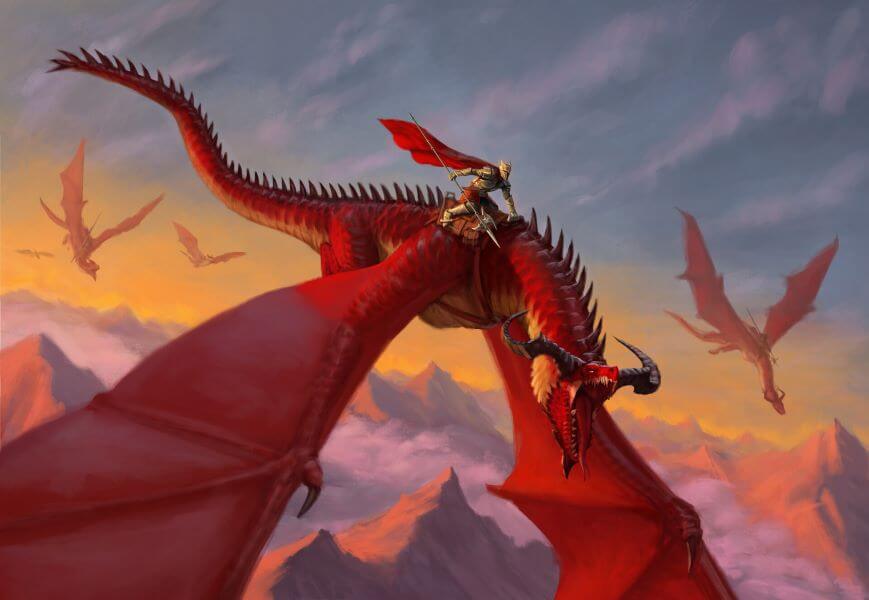
Fictional Example: The Skyweavers of the Celestial Mountains
In the realm of Azura, nestled amidst the peaks of the Celestial Mountains, lies the ancient and enigmatic culture of the Skyweavers. They deeply intertwine their society and form relationships with the wyverns they share their environment with.
The Skyweavers inhabit a series of floating islands suspended high above the clouds, accessible only through the aid of the wyverns. The islands are lush with vibrant flora and fauna, their crystalline waters cascading down into shimmering waterfalls that disappear into the mist below.
The Skyweavers live in tightly knit communities governed by a joint council of human and wyvern elders known as the Aerarchs. They worship the Celestial Spirits, elemental deities, who are said to govern the forces of nature. The Skyweavers hold rituals and ceremonies to honor these spirits and seek their favor, particularly during the annual Festival of the Zephyr, when they believe the veil between the mortal realm and the celestial plane is thinnest.
Despite their isolation, the Skyweavers occasionally engage in trade and diplomacy with neighboring cultures. These interactions serve as opportunities for cultural exchange and mutual learning.
The culture of the Skyweavers demonstrates the potential for forging a relationship between two sentient races. In their floating islands high above the clouds, they have crafted a society that is both otherworldly and deeply rooted in the elemental forces that surround them.
By exploring these diverse aspects of life and society, writers can vividly express culture in their fantasy and science fiction worlds, creating rich and immersive narratives that resonate with readers. Each facet offers opportunities for deeper world-building and character development, enriching the storytelling experience and providing insights into the complexities of cultural identity and expression. Culture serves as a multifaceted storytelling tool that can impact every aspect of a narrative, from plot developments to character arcs and thematic exploration. By establishing foundational elements, defining key cultural components, drawing inspiration from real-world cultures, and exploring diversity and evolution, you can craft immersive and believable worlds that captivate readers and enrich your storytelling experience.
I hope this was helpful. Let me know if you have questions or suggestions by using the Contact Me form on my website or by writing a comment. I post every Friday and would be grateful if you would share my content.
If you want my blog delivered straight to your inbox every month along with exclusive content and giveaways, please sign up for my email list here.
Let’s get writing!
Copyright © 2024 Rebecca Shedd. All rights reserved.
Social media
The Worldbuilder’s Toolkit: Factions
Posted on July 19, 2024 Leave a Comment
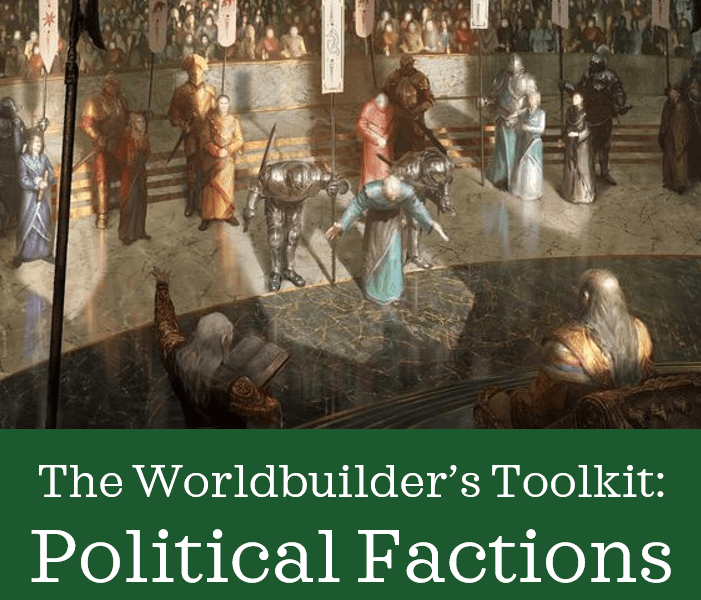
While political systems may set the chess board of power and conflict, factions are the pieces on that board. From the plucky rebel band hiding out in the woods of a fantasy story to the Empress and court of a galactic domain, factions can open up many storytelling and plot opportunities. In this guide I’ll explore how to create factions and how to use them to impact your plot and character development.
Crafting Factions & Organizations
Define the goals and motivations of your factions and organizations. What do they seek to achieve, and why? Consider how these goals align or conflict with those of other factions.
Create factions that are diverse and multifaceted, with different factions representing different interests, ideologies, and agendas. Avoid creating monolithic factions with uniform goals and beliefs.
Develop leaders and characters within your factions who embody their values and drive their actions. Consider their backgrounds, personalities, and relationships with other factions.
Explore the interactions between factions, including alliances, rivalries, and conflicts. Consider how these interactions shape the political landscape of your world.

The Role of Factions in Political Systems
Factions are integral components of political systems, representing diverse interests, ideologies, and agendas within a society. In story, they play a crucial role in shaping the narrative of power, often serving as the driving force behind political conflicts, alliances, and intrigues.
Political Parties
Direct Role: Political parties are formal organizations that seek to gain and maintain control of government institutions through elections.
Impact: Parties can influence policymaking, promote specific ideologies, and mobilize voters.
Interest Groups
Behind the Scenes Role: Interest groups are organizations that seek to influence public policy on specific issues without directly seeking to control government institutions.
Impact: Interest groups can lobby government officials, mobilize public opinion, and shape public discourse.
Secret Societies
Behind the Scenes Role: Secret societies are clandestine organizations that operate outside of public view, often with hidden agendas and mysterious motives.
Impact: Secret societies can manipulate events behind the scenes, engage in covert operations, and wield hidden influence over political leaders.
Rebel Factions
Direct Role: Rebel factions are groups that seek to overthrow or undermine the existing political order through force or subversion.
Impact: Rebel factions can destabilize governments, challenge the legitimacy of ruling authorities, and ignite civil unrest.
Religious Groups
Direct or Behind the Scenes Role: Religious groups can play a direct role in politics by advocating for specific policies based on religious beliefs. They can also operate behind the scenes, exerting influence over political leaders and decision-making.
Impact: Religious groups can shape moral values, influence social norms, and impact public policy on issues such as morality, ethics, and social justice.
Cultural, Ethnic or Species Groups
Direct or Behind the Scenes Role: Cultural, ethnic, or species groups can organize politically to advocate for the rights and interests of their communities. They can also operate behind the scenes, leveraging their cultural, ethnic, or species identity for political gain.
Impact: Cultural or ethnic groups can promote cultural preservation, advocate for minority rights, and influence policies related to language, education, and identity.
Corporate Entities
Direct Role: Corporate entities can engage in politics by lobbying government officials, funding political campaigns, and advocating for policies that benefit their interests.
Impact: Corporate entities can influence economic policy, shape regulations, and impact the allocation of resources.

Using Factions in Storytelling: Plot Dynamics & Character Development
Factions in fantasy and science fiction stories serve as tools for driving the plot forward, creating conflict, and shaping the development of characters. By understanding the roles and motivations of these factions, you can weave intricate narratives that captivate readers.
Conflict & Tension
Plot Impact: Factions can create conflict and tension within the story, driving the narrative forward. Whether through political intrigue, ideological clashes, or power struggles, factions can provide the central conflicts that propel the plot.
Character Impact: Characters aligned with different factions may find themselves at odds with each other, leading to internal conflicts and moral dilemmas. These conflicts can deepen character development and provide opportunities for growth.
Alliances & Betrayals
Plot Impact: Factions can form alliances or betray each other, leading to unexpected plot twists and turns. These shifts in allegiance can keep readers engaged and add complexity to the story.
Character Impact: Characters may have to choose sides or navigate shifting loyalties, revealing their true values and motivations. This can lead to moments of moral ambiguity and character growth.
Power Dynamics
Plot Impact: Factions can influence the balance of power within your story world, leading to changes in the political landscape and the distribution of resources.
Character Impact: Characters aligned with powerful factions may gain or lose influence, affecting their goals and motivations. Characters may also seek to gain power by aligning themselves with certain factions, leading to complex power struggles.
Intrigue & Manipulation
Plot Impact: Factions can engage in intrigue and manipulation, using deception and subterfuge to achieve their goals. This can create suspense and mystery in the story.
Character Impact: Factions can catch characters up in their machinations, either using them as unwitting pawns or as master manipulators. This can reveal the depths of their cunning or naivety.
Ideological Debates
Plot Impact: Factions can represent different ideologies or beliefs, leading to debates and discussions within the story. This can explore complex themes and add depth to the narrative.
Character Impact: Characters aligned with different factions may engage in philosophical debates, revealing their worldviews and values. This can lead to nuanced character development and exploration of moral themes.
Cultural & Social Impact
Plot Impact: Factions can represent different cultural or social groups, highlighting diversity within your story world. This can enrich the world-building and add layers of complexity to the narrative.
Character Impact: Their affiliation may shape characters with cultural or social factions, influencing their beliefs, values, and behaviors. This can lead to richly textured characters and vibrant storytelling.

Drawing Inspiration from the Real World
Real-world factions provide a rich source of inspiration for fantasy and science fiction writers. By studying historical and modern examples from around the world, you can create more believable and immersive worlds.
Political Movements
Civil Rights Movements: Explore the dynamics of social change and resistance, and how they can be reflected in your world’s factions and revolutionary movements.
Popular Movements: Consider how popular concerns and activism can influence political agendas and factions in your world.
Cultural & Ethnic Influences
Nationalism: Study how nationalism has influenced political movements and factions and how it can reflect in the cultures and societies of your world.
Religious Influence: Examine religious beliefs have shaped political ideologies and factions and how they can integrate into the cultures and conflicts of your world.

The Impact of Magic &Technology
Magic and technology wield significant influence over the political landscape of speculative worlds, reshaping power dynamics and fueling the ambitions of political factions vying for control.
Access to Magical Resources
Political factions may vie for control over sources of magical energy, artifacts, or knowledge that grant them supernatural abilities or advantages. Those with access to powerful magical resources may hold sway over governance, military might, or economic prosperity, establishing themselves as dominant players in the political arena.
Technological Advancements & Warfare
Factions that harness advanced technology wield considerable influence over military strategy, defense capabilities, and geopolitical alliances. Technological innovations such as robotics, cybernetics, and weapons of mass destruction can tip the balance of power in favor of those who control them, leading to conflicts and alliances based on technological superiority.
Magical Influence on Leadership
Leaders who possess magical abilities or are supported by magical practitioners may wield disproportionate influence within their factions. Magical leaders may use their supernatural powers to sway public opinion, manipulate outcomes, or enforce their will, consolidating their authority and cementing their position at the pinnacle of political power.
Technological Surveillance & Control
Factions that develop advanced surveillance technologies can monitor and control their citizens, suppressing dissent and maintaining social order through surveillance, censorship, and propaganda. Technological advancements such as artificial intelligence, biometrics, and social media algorithms enable factions to exert control over information and public discourse, shaping political narratives to their advantage.
Magical Ideologies & Belief Systems
Political factions may espouse magical ideologies or belief systems that shape their goals, values, and agendas. Magical cults, secret societies, or religious orders may seek to impose their worldview on society, using magic as a means of enforcing conformity, instilling fear, or inspiring devotion among their followers.
Technological Innovation & Economic Influence
Factions that pioneer technological innovation wield considerable economic influence, driving economic growth, industrial development, and trade expansion. Technological advancements such as automation, renewable energy, and space exploration can transform economies and shape geopolitical alliances, positioning factions as key players in global affairs.
Magical Revolutions & Upheavals
Magical revolutions or uprisings may challenge the existing political order, overthrowing oppressive regimes or establishing new systems of governance based on magical principles or ideologies. Magical factions may harness the power of rebellion, insurgency, or guerrilla warfare to challenge entrenched power structures and effect transformative change in society.
Technological Hegemony & Globalization
Factions that dominate technological industries and global markets wield significant geopolitical influence, shaping trade agreements, economic policies, and international relations. Technological hegemony enables factions to extend their reach and influence beyond national borders, forging alliances and rivalries with other world powers in pursuit of their strategic interests.

The Writer’s Toolkit
Here are some practical tips to help you craft dynamic and compelling political factions for your stories:
Establish Clear Goals & Motivations – Clearly define the goals, motivations, and ideologies of each political faction. Consider what drives them, whether it’s the pursuit of power, ideological supremacy, social reform, or economic prosperity. Understanding their underlying motivations will inform their actions and interactions within the story.
Develop Leaders – Populate each faction with a diverse cast of leaders, each with their own personalities, backgrounds, and agendas. From charismatic orators to cunning strategists, strong leaders can shape the direction and identity of their faction, driving its policies and initiatives forward.
Conflict & Rivalries – Introduce conflicts and rivalries between political factions to add tension and drama to your narrative. Whether it’s competing for resources, vying for control of territory, or ideological clashes, conflict drives the plot forward and keeps readers engaged.
Structure & Organization – Explore the internal structure and organization of each faction, including hierarchies, power dynamics, and decision-making processes. Determine how leadership positions are obtained and maintained, as well as how dissent and disagreement are addressed within the faction.
Societal Diversity – Reflect the diversity of society within your political factions, incorporating different social classes, ethnicities, and cultural backgrounds. This diversity adds depth and complexity to your factions, reflecting the multifaceted nature of real-world political movements.
Symbolism & Iconography – Use symbolism and iconography to distinguish each faction and reinforce its identity. Flags, emblems, slogans, and colors can serve as powerful symbols of unity and solidarity, rallying supporters and fostering a sense of belonging among members.
Show Both Strengths & Weaknesses – Portray each faction’s strengths and weaknesses to create nuanced and realistic portrayals. Every faction has its advantages and vulnerabilities, whether it’s political influence, military might, economic resources, or public support. Highlighting these aspects adds depth and complexity to your factions.
Interactions & Alliances – Explore the interactions and alliances between political factions, including alliances of convenience, rivalries, and betrayals. Consider how external threats or shared interests may lead factions to form temporary alliances or coalitions, reshaping the political landscape of your world.
Ground Factions in Historical & Cultural Context – Ground your political factions in the historical and cultural context of your world, drawing inspiration from real-world political movements, revolutions, and ideologies. Understanding the historical roots of your factions adds authenticity and richness to your world-building.
Show Evolution & Change – Allow your political factions to evolve and change over the course of your story, responding to external pressures, internal conflicts, and changing circumstances. Dynamic factions that adapt and evolve are more compelling and realistic than static organizations.
Fictional Example: The Radiant Assembly
In the sprawling city of Arcadia, nestled among the clouds and powered by advanced technological marvels, the Radiant Assembly emerges as a dominant political faction, wielding influence over the city’s affairs and shaping its destiny.
Led by visionary technocrats and forward-thinking engineers, the Radiant Assembly seeks to harness the power of technology to usher in a new era of prosperity and progress. Their primary goal is to advance scientific innovation, promote technological development, and elevate the city to unprecedented heights of achievement and enlightenment.
At the helm of the Radiant Assembly stands the Council of Lumina, a collective of brilliant minds and influential figures chosen for their expertise and dedication to the faction’s ideals. Led by High Chancellor Elysia Solara, the Council oversees the strategic direction and policies of the Assembly.
It faces opposition from traditionalist factions who resist change and cling to outdated practices. Conflicts often emerge between the Assembly and rival factions vying for control of technological resources, research facilities, and strategic assets essential for their goals.
The Radiant Assembly operates as a meritocratic society, where individuals are rewarded based on their contributions to technological advancement and scientific discovery. Research laboratories, engineering workshops, and educational institutions form the backbone of the Assembly.
The Radiant Assembly adopted the emblem of a radiant sunburst surrounded by gears and circuitry. Their colors, vibrant hues of blue and gold, represent the brilliance of innovation and the promise of a brighter future for Arcadia.
The Radiant Assembly boasts significant strengths in technological prowess, scientific knowledge, and industrial capacity, enabling them to spearhead ambitious projects and initiatives. However, their single-minded focus on progress and innovation can lead to blind spots and oversights, leaving them vulnerable to unforeseen challenges and ethical dilemmas.
The Radiant Assembly seeks alliances with like-minded factions and city-states that share their vision. Collaborations with academic institutions, research consortia, and trade partners amplify their influence and extend their reach beyond the borders of Arcadia.
As Arcadia faces mounting challenges and existential threats, the Radiant Assembly adapts its strategies and priorities to meet the demands of an ever-changing world. Dynamic and forward-thinking, the faction remains at the forefront of technological innovation, driving progress and shaping the future of Arcadia and beyond.

Creating factions for your fantasy and science fiction worlds is a complex and rewarding process that adds depth and realism to your storytelling. By crafting compelling factions and organizations, you can create a vibrant political landscape that enhances the narrative and engages your readers.
I hope this was helpful. Let me know if you have questions or suggestions by using the Contact Me form on my website or by writing a comment. I post every Friday and would be grateful if you would share my content.
If you want my blog delivered straight to your inbox every month along with exclusive content and giveaways, please sign up for my email list here.
Let’s get writing!
Copyright © 2024 Rebecca Shedd. All rights reserved.
The Worldbuilder’s Toolkit: Political Systems
Posted on July 5, 2024 Leave a Comment
Political systems can be components that shape the landscape of power, conflict, and intrigue in your story. From the feudal kingdoms of epic fantasy to the galactic empires of space opera, the political structures and rivalries of these worlds add depth and realism add provide many possibilities for plots. In this guide, I’ll explore how to create political systems, from developing unique systems of governance to creating characters that wield political power or are subject to it.
Creating Political Systems
Start by defining the type of government that rules your world. Is it a monarchy, a democracy, a dictatorship, or something else entirely? Consider how this system distributes power and makes decisions.
Define the political structure of your government, including the roles and responsibilities of different offices and officials. Consider how the government maintains the hierarchy of power.
Develop the laws and customs that govern your society. Consider how people enforce these laws and how they reflect the values and beliefs of the culture.
Explore the political dynamics of your world, including the balance of power between different factions, the influence of external forces, and the potential for conflict and intrigue.
Types of Government
Below, I have listed some of the most common political systems found in science fiction, along with their key characteristics and examples from popular works of fiction. However, this does not mean that you cannot create an entirely new form of government for your story or combine elements from any of the ones I’ve listed.
Absolute Monarchy
A single ruler, usually a king or queen, exercises absolute authority over the state.
Examples: The Targaryen dynasty in George R.R. Martin’s “A Song of Ice and Fire” series; the Empire in Frank Herbert’s “Dune.”
Constitutional Monarchy
A constitution or laws limits a monarch’s powers, and there is usually a parliamentary system in place.
Examples: The United Kingdom; the constitutional monarchy in Robert Jordan’s “Wheel of Time” series.
Oligarchy
The people hold power, often by a specific social, economic, or political elite.
Examples: The Council of Elders in Lois Lowry’s “The Giver,” the oligarchy in Isaac Asimov’s “Foundation” series.
Republic
Power is held by the people, usually through elected representatives, although they can also directly vote on some issues.
Examples: The Galactic Republic in “Star Wars,” the Commonwealth in Philip Pullman’s “His Dark Materials” series.
Direct Democracy
All citizens have a direct say in decision-making, usually through voting on issues.
Examples: The city-states of ancient Greece; the democracy in Ursula K. Le Guin’s “The Dispossessed.”
Representative Democracy
Citizens elect representatives to decide on their behalf.
Examples: The United States; the democracy in Brandon Sanderson’s “Mistborn” series.
Dictatorship
A single individual concentrates power in their hands, often through force or coercion.
Examples: The Capitol in Suzanne Collins’ “The Hunger Games,” the chancellor in “V for Vendetta.”
Authoritarian Regime
Those in power centralize authority and restrict individual freedoms, often through surveillance and censorship.
Examples: The Party in George Orwell’s “1984,” the World Controllers in Aldous Huxley’s “Brave New World.”
Totalitarian Regime
The state seeks to control every aspect of public and private life, often through propaganda and indoctrination.
Examples: The Empire in George Lucas’ “Star Wars,” the Imperium of Man in the “Warhammer 40,000” universe.
Technocracy
Government in which decision-making is based on the expertise of technical and scientific professionals.
Examples: The TechnoCore in Dan Simmons’ “Hyperion Cantos,” the technocracy in Ian McDonald’s “Luna” series.
Communism
The means of production are owned and controlled by the community.
Examples: The society in Karl Marx’s “Communist Manifesto,” the society in China Miéville’s “The Iron Council.”
Socialism
The means of production are owned and controlled by the state or the community, with an emphasis on social welfare.
Examples: The society in Ursula K. Le Guin’s “The Dispossessed,” the society in Kim Stanley Robinson’s “Mars” trilogy.

Using Political Systems in Storytelling
Political systems play a crucial role in shaping your world and characters. They can create conflict, drive the plot, and develop characters.
Absolute Monarchy
Plot Impact: The absolute power of a monarch can lead to conflicts over succession, rebellion by oppressed subjects, or internal power struggles within the royal family.
Character Impact: A desire to gain or maintain power may motivate characters, or they may struggle against the tyranny of the monarch.
Constitutional Monarchy
Plot Impact: The limitations placed on the monarch’s power can lead to political intrigue, as factions vie for influence over the monarch or seek to change the constitution.
Character Impact: Characters may experience a conflict between loyalty to the monarch and allegiance to their faction, or they may actively exploit loopholes in the constitution for their own gain.
Oligarchy
Plot Impact: The concentration of power in the hands of a few can lead to corruption, oppression of the masses, or conflicts between rival factions.
Character Impact: Characters may be members of the ruling elite, seeking to maintain their power, or they may be rebels fighting against the oligarchy.
Republic
Plot Impact: The democratic nature of a republic can lead to debates, political maneuvering, and clashes of ideology.
Character Impact: Characters may be politicians seeking to advance their agendas, or they may be ordinary citizens caught up in the political turmoil.
Direct Democracy
Plot Impact: The direct involvement of citizens in decision-making can lead to debates, referendums, and political rallies and riots.
Character Impact: Characters may be activists advocating for change, or they may be politicians trying to sway public opinion.
Representative Democracy
Plot Impact: The election of representatives can lead to campaigns, debates, and political scandals.
Character Impact: Characters may be politicians running for office, or they may be voters deciding who to support.
Dictatorship
Plot Impact: The dictatorial rule can lead to oppression, resistance movements, and power struggles within the ruling elite.
Character Impact: Characters may be rebels fighting against the dictator, or they may be loyalists seeking to maintain the status quo.
Authoritarian Regime
Plot Impact: The authoritarian nature of the regime can lead to surveillance, propaganda, and crackdowns on dissent.
Character Impact: Characters may be rebels fighting against the regime, or they may be enforcers tasked with maintaining order.
Totalitarian Regime
Plot Impact: The total control exerted by the regime can lead to indoctrination, thought control, and resistance movements.
Character Impact: Characters may be brainwashed by the regime, or they may be freedom fighters seeking to overthrow it.
Technocracy
Plot Impact: The rule by technical experts can lead to debates over the role of technology in society and the ethics of scientific advancement.
Character Impact: Characters may be scientists or engineers grappling with ethical dilemmas, or they may be politicians trying to navigate the complexities of a technocratic society.
Communism
Plot Impact: The communal ownership of the means of production can lead to debates over equality, redistribution of wealth, and the role of the state.
Character Impact: Characters may be revolutionaries seeking to establish communism, or they may resist its spread.
Socialism
Plot Impact: The state ownership of the means of production can lead to debates over social welfare, income inequality, and the role of government.
Character Impact: Characters may be advocates for socialism, or they may be critics seeking to prevent its spread or establishment.

Drawing Inspiration from the Real World
Real-world political systems provide a rich source of inspiration for fantasy and science fiction writers. By studying historical and modern examples from around the world, you can create more believable and immersive worlds.
Historical Examples
Feudalism: Inspired by medieval Europe, feudal systems can create hierarchical societies with lords, vassals, and serfs.
Roman Republic: The complex political structures of the Roman Republic can serve as a model for republics in fantasy worlds, with elements such as senates and assemblies.
Imperial China: The bureaucratic systems of ancient China can inspire complex governmental structures with examinations, ministries, and imperial courts.
Modern Examples
Democracy: Study the workings of modern democracies to create realistic systems of government based on popular representation and rule of law.
Dictatorships: Look at modern dictatorships for examples of oppressive regimes with centralized control and cults of personality.
Oligarchies: Examine modern oligarchies for insights into ruling elites and systems of wealth and power concentration.
Modern Political Issues
Corruption: Explore how corruption can affect political systems and factions, leading to moral dilemmas and conflicts within your world.
Globalization: Consider the impact of globalization on political systems and factions, and how it can lead to cultural clashes and power struggles.
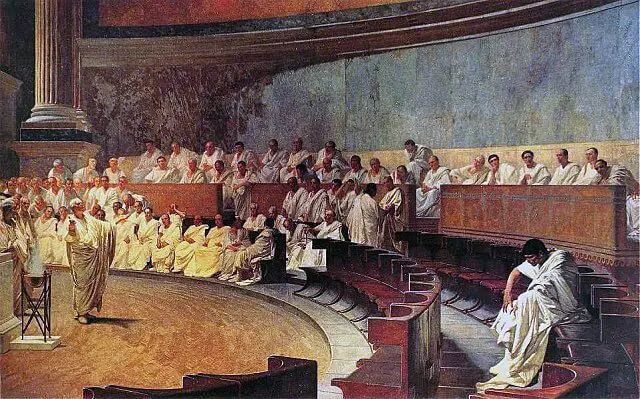
The Impact of Magic and Technology
The presence of magic and technology can profoundly influence political systems. These elements can reshape power dynamics, influence ideologies, and drive conflicts within societies.
Power Dynamics
Magic: The ability to wield magic can create a distinct class of individuals with unique abilities, leading to the formation of magical elites or castes. This can cause power struggles between magic users and non-magic users, shaping the political landscape.
Technology: Advanced technology can similarly create a technological elite, with those who have access to advanced technology holding significant power over others. This can lead to disparities in wealth and influence, driving political tensions.
Political Structures
Magic: The presence of magic can lead to the formation of magical institutions, such as mage councils or magical academies, which may hold significant political sway. These institutions can influence policy-making and decision-making processes.
Technology: Advanced technology can lead to the creation of technocratic governments, where individuals decide based on technological expertise instead of democratic principles. This can cause governments prioritizing technological advancement over other considerations.
Military Power
Magic: In warfare, magical abilities can serve as a powerful tool, resulting in creating magical armies or orders. These military forces can play a significant role in shaping political alliances and conflicts.
Technology: Advanced technology can similarly shape military power, with factions possessing superior technology gaining a strategic advantage in conflicts. This can lead to arms races and military conflicts driven by technological superiority.
Cultural and Social Impact
Magic: The presence of magic can influence cultural beliefs and practices, shaping the values and norms of societies. This can lead to the formation of magical traditions and ideologies that affect political ideologies.
Technology: Advanced technology can similarly impact cultural beliefs and practices, leading to the formation of technological ideologies.
Economic Systems
Magic: The use of magic can create economic disparities, with magical resources or artifacts becoming valuable commodities. This can lead to economic systems based on the control and exploitation of magical resources.
Technology: Advanced technology can similarly create economic disparities, with factions controlling advanced technology gaining economic dominance. This can lead to economic systems based on technological innovation and trade.
The Writer’s Toolkit
Conflict and Tension – Use political systems to create conflict and tension in your story. Explore the competing interests and ideologies that drive these factions and the consequences of their actions.
Character Development – Use political systems to develop your characters. Show how their affiliations shape them and how they navigate the complex political landscape of your world.
World-Building – Use political systems to build a rich and immersive world. Show how these systems impact daily life, culture, and society in your world.
Start with a Strong Foundation – Begin by establishing the basic structure of your political system, including its form of government, key institutions, and governing principles. Consider how magic or technology might influence these foundational elements.
Consider Historical and Cultural Influences – Draw inspiration from real-world historical and cultural examples to add depth and realism to your political systems. Think about how factors such as geography, religion, and societal norms might shape your factions and their ideologies.
Think about Power Dynamics– Consider how your political system distributes power. Who holds power, and how do they maintain it? How do different factions compete for power, and what strategies do they use?
Integrate Magic and Technology Thoughtfully – If your world features magic or advanced technology, consider how these elements impact your political systems. Think about how they might regulate, exploit, or use them as tools of control.
Show, Don’t Tell – Rather than explaining your political systems through exposition, reveal them through character interactions, dialogue, and the unfolding of events. This can make your world feel more organic and immersive.
Create Intriguing Leaders and Characters – Develop compelling leaders and characters within your government to add depth and complexity to your political landscape. Consider their motives, backgrounds, and relationships with each other.
Think about the Impact on Daily Life – Consider how your political systems impact the daily lives of your characters. How do they affect things like education, healthcare, and social mobility?
Stay Consistent and Logical – Ensure that the rules and structures of your political systems remain consistent throughout your story. Avoid introducing elements that contradict established lore or break the internal logic of your world.
Fictional Example: The Celestial Council of Arcanum
In the world of Elyria, where magic flows like rivers and ancient artifacts of immense power lie buried beneath the earth, the Celestial Council of Arcanum reigns supreme. This council, composed of seven Archmages chosen from the most powerful magical practitioners in the land, governs over the realm.
Each Archmage represents one of the seven schools of magic, with seats on the council corresponding to their specialization (e.g., Archmage of Evocation, Archmage of Divination, etc.). The Celestial Council’s authority extends over all matters magical. Beneath the Archmages, a council of lesser mages and scholars serves as advisors, providing expertise and guidance on various magical and mundane affairs.
Consensus typically decides within the council, with each Archmage having equal weight in discussions. Unanimity is often sought but not always achieved, leading to debates and negotiations among the members.
In Elyria, magic is not just a tool but a way of life, with many aspects of society and culture revolving around magical practices and beliefs. The council oversees and ensures that they educate and train young mages, passing down magical knowledge through generations. They enforce strict regulations on the use of magic, particularly concerning dangerous spells or artifacts that could harm society. The council’s decisions and policies influence art, literature, and even religious beliefs, shaping the cultural identity of Elyrians.
Despite its noble intentions, the Celestial Council is not immune to corruption and power struggles. Factions within the council vie for influence, leading to political intrigue and conflict.
Overall, the Celestial Council of Arcanum serves as a central pillar of governance and power in the world of Elyria, embodying both the wonders and dangers of a society built on magic.

Creating political systems for your fantasy and science fiction worlds is a complex and rewarding process that adds depth and realism to your storytelling. By developing unique systems of governance, you can create a vibrant political landscape that enhances the narrative and engages your readers.
I hope this was helpful. Let me know if you have questions or suggestions by using the Contact Me form on my website or by writing a comment. I post every Friday and would be grateful if you would share my content.
If you want my blog delivered straight to your inbox every month along with exclusive content and giveaways, please sign up for my email list here.
Let’s get writing!
Copyright © 2024 Rebecca Shedd. All rights reserved.
Social media
 Rebecca Shedd - Author