
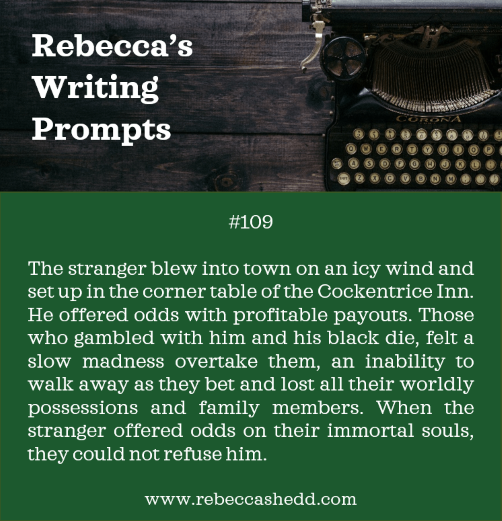
The Writer’s Guide to Concussions and Head Injuries
Posted on March 14, 2025 Leave a Comment
Concussions and head injuries are common in action-packed stories, from intense battles in fantasy worlds to space missions gone wrong in science fiction. But writing these injuries convincingly requires more than just a dramatic fall or blow to the head. Understanding causes, symptoms, recovery timelines, and potential long-term effects will add depth and realism to your story.
This article covers what writers need to know about concussions and head injuries, including how they happen, how they manifest, and how they shape characters in the short and long term.
Causes
A sudden impact or violent motion jars the brain inside the skull, causing a concussion. They can happen in various ways, depending on the setting of your story:
Accidents such as car crashes, falls, or industrial accidents. Combat injuries such as punches, weapon strikes, explosions, or blunt force trauma. Sports and competitions such as athletic injuries, including high-contact sports or gladiatorial combat. Fantasy and sci-fi scenarios such as magic blasts, force fields, psychic feedback, or malfunctioning neural implants.
Example: She slammed into the ship’s bulkhead as the artificial gravity failed. Her helmet cushioned the blow, but her vision swam as alarms blared in her ears.

Symptoms of Head Injuries
Head injuries range from mild to severe. After sustaining one, characters may experience a mix of physical, cognitive, and emotional symptoms.
Immediate Symptoms (Minutes to Hours After Impact)
Physical symptoms such as headache, dizziness, nausea, vomiting, sensitivity to light or sound. Cognitive effects such as confusion, memory loss (especially about the injury), disorientation, trouble focusing. Emotional reactions such as irritability, frustration, or emotional outbursts.
Example: “Where am I?” he groaned, blinking against the harsh fluorescent light. His head throbbed, and he couldn’t remember how he’d ended up in the hospital.
Delayed Symptoms (Hours to Days After Impact)
Persistent headaches, often described as throbbing or dull. Trouble sleeping or feeling exhausted despite rest. Mood swings and irritability, including unpredictable emotional responses. Memory and concentration problems, including difficulty focusing or recalling details.
Example: She woke with a splitting headache and blurred vision. The last thing she remembered was the knight’s gauntleted fist crashing into her temple. Her memories of the fight were a scattered haze.
Severe Symptoms (Red Flags Requiring Emergency Care)
Seizures, loss of consciousness (for more than a minute), slurred speech, severe disorientation or confusion, and bleeding or fluid leakage from the ears or nose.
Example: His words slurred as he fumbled with his comms device. Blood dripped from his nose, unnoticed. “Gravity malfunction—requesting… backup…” The screen went dark as he collapsed.
Severity Levels of a Concussion
Understanding the different severities of concussions can help adjust the injury’s impact on your character and the plot.
Mild Concussion (Grade 1)
Symptoms: Short-term confusion, headache, dizziness.
Recovery Time: 1–2 weeks with rest.
Story Use: Great for temporary incapacitation in action scenes without permanent consequences.
Moderate Concussion (Grade 2)
Symptoms: Memory loss, prolonged headaches, confusion, light sensitivity.
Recovery Time: 2–4 weeks or longer.
Story Use: Increases the stakes by limiting the character’s abilities and creating an ongoing obstacle.
Severe Concussion (Grade 3)
Symptoms: Prolonged unconsciousness, memory loss, cognitive issues, brain bleeding.
Recovery Time: Months to years (or permanent damage).
Story Use: Ideal for high-stakes narratives questioning survival, identity, or mental stability.
Example: The warrior had fought countless battles, but after that final, crushing blow to his skull, he couldn’t remember his home—or his name.

Recovery from Head Injuries
Recovery from a concussion is rarely instantaneous. It often involves periods of rest, restricted activity, and sometimes rehabilitation.
Key Elements of Recovery
Immediate Rest: Doctors may confine the character to bed or order them to avoid physical activity.
Limited Stimulation: No bright lights, screens, or loud noises.
Supervised Recovery: Medical check-ins, magical healers, or futuristic med-bots might monitor progress.
Setbacks and Relapses: Pushing too hard can worsen the injury, delaying recovery, or causing permanent damage.
Example: “Stay still,” the healer warned, pressing glowing fingers to his temple. “Your mind is fractured as much as your skull. Even magic cannot mend a spirit that refuses to rest.”
Long-Term Effects of Head Injuries
Long-term consequences can add complexity to your character’s arc, creating an evolving struggle that goes beyond the immediate injury.
Chronic Headaches: Persistent pain triggered by stress or overexertion.
Memory Issues: Lost memories or ongoing difficulty with recall.
Mood Disorders: Depression, anxiety, PTSD, or unpredictable emotional reactions.
Physical Impairments: Balance problems, reduced motor skills, or permanent damage.
Example: Years after the accident, her hands still trembled when she adjusted the ship’s delicate navigation controls. The med-docs said the neural damage was minimal, but she knew better.
Treating Concussions and Head Injuries Across Time
The treatment of concussions and head injuries heavily depends on the knowledge, technology, and beliefs of the era. From herbal remedies and ritual healing in the ancient world to cutting-edge brain scans in modern medicine, treatments for head injuries have developed dramatically. The treatment of concussions and head injuries reveals much about your world. Treatment methods reflect cultural beliefs, scientific progress, and even ethical dilemmas. By exploring treatment options, you can add depth and authenticity to your stories while crafting compelling recovery arcs for your characters.
In this section, I’ll explore typical treatments from the ancient world, medieval world, and modern contemporary medicine, followed by speculative future advancements in treating head trauma.
Ancient World Treatments
Ancient peoples had limited understanding of head injuries, and their treatment methods were often rudimentary or mystical. However, some ancient practices were surprisingly effective given the lack of scientific knowledge.
Diagnosis and Beliefs
People often linked head injuries to spiritual or supernatural causes. Many cultures believed head trauma could cause “possession” or disrupt a person’s connection to the divine. Healers used observation to assess injuries, noting signs like loss of consciousness or strange behavior after head trauma.
Common Treatments
Trepanation (Skull Drilling): One of the earliest surgical procedures in history, trepanation involved drilling a hole in the skull to relieve pressure from swelling or “release evil spirits.” Surprisingly, some patients survived and even lived long afterward.
Herbal Remedies: Willow bark was used to reduce pain and inflammation (a natural source of salicylic acid). Lavender and chamomile were used to calm the mind and reduce anxiety.
Bed Rest and Observation: Although no formal bed rest concept existed, injuries often compelled individuals to rest.
In Fiction
A shaman might perform trepanation with enchanted tools to “free the mind” in a fantasy world. Ancient herbalists could craft potions from rare plants to dull pain or prevent seizures.
Example: “The village elder pressed a poultice of crushed herbs to the warrior’s temple, muttering ancient prayers. ‘If the spirits wish for his mind to mend,’ she warned, ‘they will answer by dawn.’”
Medieval World Treatments
In the medieval period, superstition deeply influenced medical care, though some practical treatments emerged through trial and error. Medical knowledge expanded slightly thanks to works by physicians like Hippocrates and Avicenna.
Diagnosis and Beliefs
People believed head injuries to be divine punishments or results of imbalances in the body’s humors (blood, phlegm, black bile, and yellow bile). Healers would look for signs of concussion such as confusion, vomiting, and difficulty speaking.
Common Treatments
Herbal Poultices and Compresses: Herbal remedies like comfrey (“knitbone”) were used to heal injuries. Cooling compresses of mint or vinegar were applied to the head to reduce swelling.
Bloodletting and Leeches: Physicians might perform bloodletting to “rebalance” the body, although these likely worsened outcomes.
Trepanning (Still in Use): Trepanation continued, though it was rarely successful without sterile conditions.
Prayers and Healing Rituals: Religious ceremonies and relic-based healing were common in monastic hospitals.
In Fiction
A medieval healer might have prepared an herbal tonic for reducing swelling or attempt bloodletting, making the situation more precarious. Magic-based settings could mix traditional healing with divine intervention or mystical herbal elixirs.
Example: “The monk laid cool, damp linen over the baron’s brow, muttering verses from the holy texts. If the poultice of sage and vinegar did not work, all that remained was prayer.”

Contemporary Medicine
Modern medicine has transformed the treatment of concussions and head injuries. Thanks to scientific advancements, doctors now have a deeper understanding of brain trauma, enabling life-saving care.
Diagnosis Tools
Neurological Exams: Doctors check reflexes, balance, and memory recall to assess the severity of a concussion.
Imaging Scans: CT Scans and MRIs detect bleeding, swelling, or skull fractures.
Cognitive Testing: Memory and problem-solving assessments gauge lingering cognitive effects.
Typical Treatments
Immediate Care: Rest, limited activity, and monitoring for worsening symptoms.
Pain Management: Over-the-counter medications like ibuprofen for headaches (if there’s no risk of bleeding).
Cognitive Rest: Avoiding bright lights, screens, and strenuous mental tasks.
Physical and Speech Therapy: After severe injuries, rehabilitation may be necessary.
Surgery: Skull fractures or brain swelling may require surgical intervention, such as removing blood clots or repairing broken bones.
In Fiction
In a modern setting, characters may endure extended hospital stays or face insurance hurdles. Paramedics on the scene could provide first aid, while doctors handle life-saving surgeries in high-stakes situations.
Example: “The doctor adjusted the glowing MRI scan, frowning at the shadow near his patient’s frontal lobe. ‘We need to operate—there’s bleeding in the brain. Prep the OR, now!’”
Future Treatments
Speculative fiction offers endless possibilities for advanced concussion treatments. Technological marvels, medical breakthroughs, or even mystical methods could treat brain injuries in futuristic settings.
Possible Future Treatments
Stem Cells and Genetic Engineering: Regrowing damaged brain tissue using targeted genetic manipulation.
Nanobot Surgery: Tiny robots could perform microscopic repairs inside the brain, reducing recovery time to minutes or hours.
Memory Backups: Characters could have their memories uploaded to the cloud, restoring lost data after head trauma.
Psychic or AI-Driven Healing: Direct communication with the patient’s subconscious mind could speed up cognitive recovery.
Cybernetic Brain Guards: Advanced implants could prevent concussions or reduce the impact of injuries by reinforcing the skull.
Instant Healing Pods: Futuristic med-beds reset characters’ bones, reduce swelling, and correct brain injuries within minutes.
In Fiction
Use cutting-edge technology to create unique injury-recovery dynamics while exploring the ethical consequences of extreme treatments.
Example: “The AI-guided surgical bot deployed a swarm of nanobots into her skull. As they rebuilt damaged neural pathways, she wondered how much of her mind would still be hers when the procedure was complete.”

Plot and Character Ideas
Writers can use concussions and head injuries as more than just physical setbacks. They can spark thrilling adventures, deepen emotional arcs, and create interesting mysteries in science fiction, fantasy, and cross-genre stories. Here are plot and character ideas centered on head injuries, including unique possibilities for characters with non-human physiologies.
The Forgotten Hero
Plot Idea: A hero suffers a severe concussion during a pivotal battle and wakes up with complete memory loss. Their allies must convince them of who they were, while enemies take advantage of their vulnerability.
Character Angle: The character struggles between rediscovering their past and forging a new identity. Are they bound by who they were—or free to become someone new?
Fantasy Twist: An ancient curse magically sealed the character’s memory in their fractured mind. Finding fragments of their memories becomes a quest across magical realms.
Science Fiction Twist: A neural implant storing the hero’s memories was damaged. Reconstructing those memories through virtual simulations reveals a disturbing secret about their past.
Example: “They called her the Savior of the Last War, but the name meant nothing to her. All she knew was the pain in her head and the faces of strangers expecting her to be their hero once again.”
Memory as Currency
Plot Idea: After suffering a concussion, a character discovers that their memories are being sold or traded on the black market. They must track down the traffickers to recover stolen portions of their mind.
Character Angle: A private investigator with partial amnesia struggles to piece together the case while fighting brain fog and false memories implanted by the criminals.
Sci-Fi Twist: Advanced technology allows memories to be extracted like data. Each time the protagonist recovers a memory, they risk reliving its emotional trauma or losing something even more precious.
Example: “They erased the last 12 hours, and with it, the only clue I had left. To get it back, I’ll have to play their game—and hope my mind survives the next extraction.”
The Echo of Pain
Plot Idea: A magical duel leaves the sorcerer with chronic headaches from residual magical energy trapped in their skull. These magical “echoes” force them to relive the worst moments of their life unless they purge the magic.
Character Angle: The character faces psychological struggles stemming from reliving traumatic memories. They must learn to embrace their pain or risk losing themselves entirely.
Fantasy Twist: The echoes of past battles might be haunting spirits trapped in the caster’s mind, demanding justice—or vengeance.
Example: “Every night, the shattered memories came with the pulsing throb in his skull. He had long since given up trying to sleep; he couldn’t outrun the voices.”
Biological Reset
Plot Idea: An alien species uses concussions as a biological defense mechanism—suffering head trauma resets their nervous system, allowing them to heal faster but erasing recent memories. A character must decide whether to risk using this painful “reset” to escape a deadly situation.
Character Angle: The character struggles between survival and keeping precious memories of loved ones. How much would they give up to stay alive?
Sci-Fi Twist: The “reset” process could come with bizarre side effects, like sensory overload, altered perception of time, or the inability to recognize familiar faces.
Example: “My options were simple: fight and die—or slam my head into the bulkhead, reset the cycle, and hope I’d remember enough to escape this time.”
Cursed by the Blow
Plot Idea: After a cursed weapon strikes a character in the head, they experience fragmented visions of possible futures. The longer they delay confronting the curse, the more disoriented they become—until they can no longer tell reality from prophecy.
Character Angle: The character must navigate shifting realities and decide whether to trust their visions or resist being consumed by the curse’s influence.
Fantasy Twist: The curse might slowly rewrite the character’s memories, forcing them to fight for control of their identity.
Example: “The blade shattered against my skull, but it wasn’t the wound that haunted me—it was the glimpses of futures I had yet to live, each more terrible than the last.”
Broken Connection
Plot Idea: A starship captain suffers a concussion in battle, damaging their neural link to the ship’s AI. As the AI struggles to maintain its own functionality, the captain must rely on outdated manual controls—and a growing emotional connection to the fading AI.
Character Angle: The captain’s injury forces them to reevaluate their reliance on technology, shifting the story toward emotional survival rather than just physical survival.
Sci-Fi Twist: The captain’s memories might be “backed up” into the ship’s AI. As the AI merges with the captain’s mind, they must determine where the human ends and the machine begins.
Example: “My head throbbed as the ship’s interface flickered erratically in my mind. ‘Captain,’ the AI whispered, its voice cracking. ‘I’m not sure how much longer I can hold…’”
Heir to the Blinded Throne
Plot Idea: After a head injury leaves the heir to the throne blinded or cognitively impaired, rivals plot to seize power. The heir must adapt to their new reality, outsmart their enemies, and reclaim their rightful place.
Character Angle: A character learning to lead while confronting their limitations creates a compelling blend of vulnerability and resilience.
Fantasy Twist: The royal family might possess a magical “sight” that is now distorted by the head injury, making the heir’s rule more unstable—but also uniquely powerful.
Example: “They think I’m weak because I can no longer see—but there are things sharper than sight, and I have learned to wield them.”
The Head Injury That Changed the World
Plot Idea: A character with an extraordinary destiny suffers a life-changing concussion that rewires their brain, unlocking new powers—or a dangerous psychic connection to a cosmic force. Now, they must master these abilities or risk unleashing chaos upon the world.
Character Angle: The head injury becomes both a blessing and a curse, forcing the character to accept—or fight—their altered identity.
Fantasy Twist: The injury unlocks long-buried magical potential, but using it slowly erodes the character’s sanity.
Sci-Fi Twist: The injury creates a link to an alien consciousness or an alternate dimension, threatening to consume the character’s reality.
Example: “The fracture in my skull was nothing compared to the fracture in the universe that followed. I don’t know what’s worse—the power I gained, or that it’s still growing.”

Is it Possible to Experience Amnesia from a Blow to the Head?
Yes, it is possible to experience amnesia from a blow to the head, though it is far less common or dramatic than popular fiction often portrays. In real-world medical terms, doctors refer to memory loss from head trauma as post-traumatic amnesia (PTA) or retrograde amnesia (loss of memories before the injury) and anterograde amnesia (inability to form new memories after the injury).
How Head Trauma Can Cause Amnesia
When the brain suffers trauma—such as from a car accident, fall, or sports injury—memory loss can occur because of physical damage to brain areas involved in memory storage and recall, such as the hippocampus and frontal lobes. The extent of amnesia depends on factors like the severity of the injury, the type of trauma, and how the brain swells or bleeds after impact.
Types of Amnesia Linked to Head Trauma
Retrograde Amnesia
Loss of memories from before the injury.
Typically affects recent memories, leaving older memories intact.
Example: Forgetting events from the past week after a car crash.
Anterograde Amnesia
Inability to form new memories after the injury.
Common in severe concussions and traumatic brain injuries (TBIs).
Example: The person remembers their past but cannot retain new information.
Post-Traumatic Amnesia (PTA)
In this temporary state, the person experiences disorientation and cannot recall events after the injury.
It may last minutes, hours, or even days, depending on injury severity.
Real-World Cases of Head Injury Amnesia
Several real-life cases demonstrate head trauma can cause amnesia, though not in the exaggerated ways portrayed in movies or TV. Here are a few notable examples:
Clive Wearing (Severe Amnesia Case)
A British musician and conductor, Clive Wearing, suffered a severe brain infection (encephalitis) that damaged his hippocampus. He developed profound anterograde amnesia, was unable to form new memories, and retrograde amnesia, losing most memories of his past. He lives in a state where he believes he is constantly “waking up” for the first time, with only momentary flashes of awareness.
Michelle Philpots (Memory Reset Condition)
After two serious head injuries from accidents, Michelle Philpots developed anterograde amnesia. Since the early 1990s, she has been unable to form new memories. Every day, she wakes up believing it is still the 1990s and relies on written notes and photos to navigate life.
Benjaman Kyle (Identity Amnesia Case)
In 2004, a man was found unconscious near a fast-food restaurant in the U.S., suffering from severe amnesia. Unable to recall his name, identity, or past, he lived under the assumed name “Benjaman Kyle” until his real identity was discovered in 2015.
Why Amnesia in Fiction Is Often Exaggerated
While real-world cases of amnesia exist, complete and permanent memory loss after a minor head injury is almost entirely a storytelling trope. In reality:
People rarely lose all past memories or develop a blank-slate persona.
Amnesia typically affects memories from specific time periods rather than causing complete identity loss.
Memory loss is temporary many times and often improves with time, rehabilitation, and therapy.
People generally keep skills and language abilities, even if they forget personal experiences.
How to Write Realistic Amnesia
If you’re writing a story involving head-trauma-induced amnesia, consider these tips for making the portrayal more realistic:
Limit Memory Loss to Recent Events: Have the character forget specific events leading up to the injury (retrograde amnesia).
Use Fragmented or Spotty Memories: Show the character recalling pieces of the past rather than wiping out their entire identity.
Include Memory Flashbacks or Triggers: Have sensory experiences or familiar places trigger sudden memory recall.
Consider Long-Term Effects: Use persistent memory problems like difficulty learning new information (anterograde amnesia) or struggling with disorientation.
Incorporate Emotional Impact: Explore how the character feels about losing parts of their past or not recognizing loved ones.

Writing head injuries and concussions realistically requires balancing accuracy with storytelling needs. By showing believable symptoms, lingering consequences, and emotional struggles, you can create a compelling narrative that resonates with readers while keeping the stakes high. Whether your character is a modern-day detective, a fantasy warrior, or a space-traveling hero, a well-written head injury can add depth, drama, and realism to your story. Use the character’s struggle with their injury as a way to explore resilience, vulnerability, and personal growth—and keep your readers on the edge of their seats.
I hope this was helpful. Let me know if you have questions or suggestions by using the Contact Me form on my website or by writing a comment. I post every Friday and would be grateful if you would share my content.
If you want my blog delivered straight to your inbox every month along with exclusive content and giveaways, please sign up for my email list here.
Let’s get writing!
Copyright © 2025 Rebecca Shedd. All rights reserved.
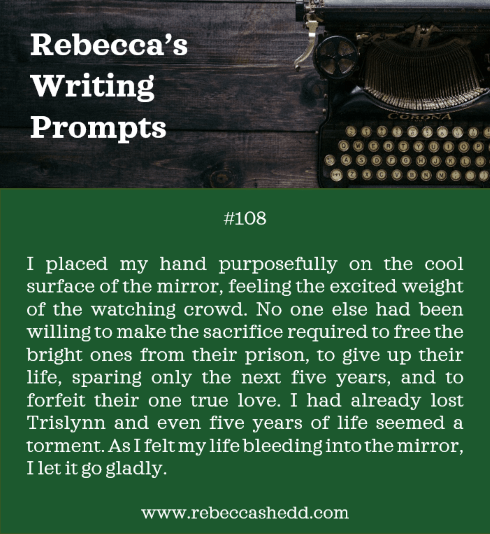
The Writer’s Guide to Broken Bones
Posted on February 28, 2025 Leave a Comment
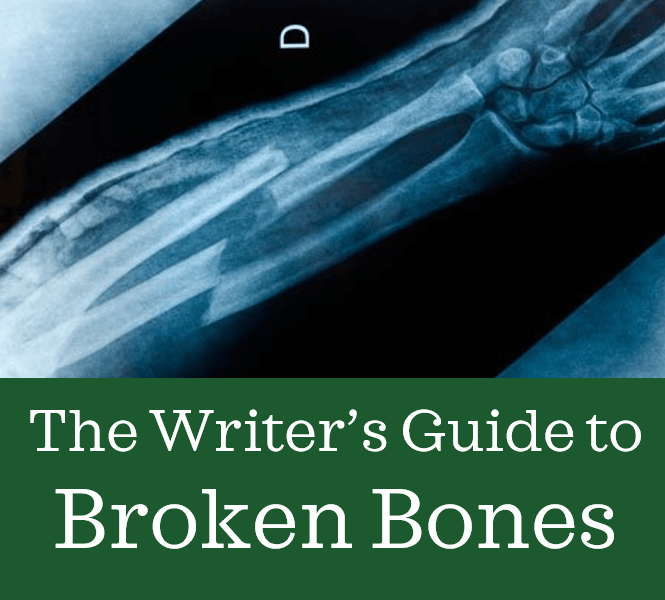
Breaking a bone is one of the most common and impactful injuries in fiction. Whether it happens during a dramatic fight scene, a tragic accident, or an adventurous misstep, fractures offer an opportunity to showcase your character’s resilience, vulnerability, and recovery journey. To write these scenes realistically, it’s essential to understand the types of fractures, their symptoms, and the healing process.
Types of Bone Fractures
Not all broken bones are the same. Understanding the type of fracture can help you determine the severity of the injury and how it will affect your character.
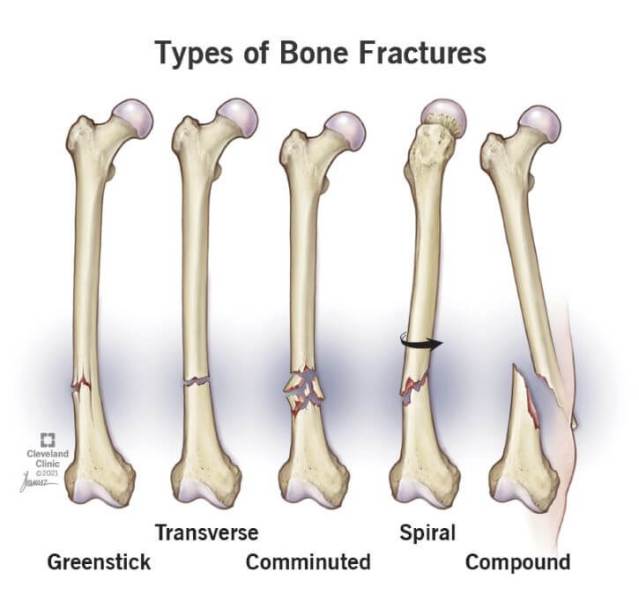
Simple (Closed) Fracture
Definition: The bone breaks but does not pierce the skin.
Symptoms: Swelling, bruising, pain, and an inability to move the affected area.
Impact on Story: These fractures are less dramatic but still debilitating. They often require immobilization (e.g., a cast) and weeks to months of healing.
Compound (Open) Fracture
Definition: The bone breaks and pierces through the skin.
Symptoms: Severe pain, bleeding, visible bone, and risk of infection.
Impact on Story: Compound fractures are graphic and life-threatening. They introduce complications like blood loss, shock, and infection, adding tension and urgency to the narrative.
Hairline (Stress) Fracture
Definition: A thin crack in the bone, often caused by repetitive stress or overuse.
Symptoms: Mild pain that worsens with activity, swelling, and tenderness.
Impact on Story: These fractures are less dramatic but can force characters to slow down or rethink their actions.
Greenstick Fracture
Definition: Common in children, this is a partial fracture where the bone bends and cracks but doesn’t break completely.
Symptoms: Pain, swelling, and difficulty using the limb.
Impact on Story: This type of fracture might be more suitable for younger characters or those with unique physiology (e.g., in fantasy species).
Comminuted Fracture
Definition: The bone shatters into multiple pieces, often from high-impact trauma.
Symptoms: Severe pain, deformity, swelling, and immobility.
Impact on Story: This type of fracture is severe and may require surgery. It’s ideal for high-stakes moments like battle scenes or catastrophic accidents.
Spiral Fracture
Definition: A twisting motion causes the bone to fracture in a spiral pattern.
Symptoms: Pain, swelling, and visible deformity.
Impact on Story: These fractures might occur during combat or athletic activities, adding a layer of realism to dynamic action scenes.
Symptoms of a Broken Bone
When writing a scene where a character breaks a bone, it’s important to convey their immediate symptoms and reactions. These symptoms will vary based on the severity of the fracture.
Pain: Intense and localized, often worsening with movement or pressure.
Swelling and Bruising: The area around the break may become swollen, discolored, and tender.
Deformity: The affected limb or joint might appear misshapen or out of place.
Immobility: Characters may find it difficult or impossible to move the injured part.
Audible Sounds: In some cases, the character (or those around them) might hear a crack or snap when the bone breaks.
Shock: Severe fractures, especially compound ones, can cause symptoms of shock, such as pale skin, rapid breathing, and confusion.
The Healing Process
Breaking a bone is just the beginning. The healing process provides opportunities for character development and introduces physical and emotional challenges.
Stage 1: Inflammation (0–7 Days)
What Happens: The body sends blood to the injury, forming a clot around the broken bone. Swelling, bruising, and pain are at their peak during this stage.
For Your Story: Show the character dealing with acute pain and limited mobility. They may need help with basic tasks, highlighting their vulnerability.
Stage 2: Bone Repair (1–6 Weeks)
What Happens: A soft callus forms around the break, eventually hardening into new bone. Swelling subsides, and the character may regain limited use of the limb.
For Your Story: Depict moments of frustration or minor victories as the character adjusts to their limitations. Perhaps they begin physical therapy or attempt to push themselves too hard, risking reinjury.
Stage 3: Bone Remodeling (6 Weeks–Months)
What Happens: The body reshapes and strengthens the new bone, but full recovery can take months or even years.
For Your Story: Show long-term effects, such as lingering pain, stiffness, or even permanent changes (e.g., a limp or reduced strength). These aftereffects can add depth and realism to your character.

Adding Depth to the Healing Journey
While the healing process can slow the pacing of your story, it’s also an opportunity for character growth. Here are ways to keep the narrative engaging during recovery:
Emotional Struggles
Characters may feel frustration, helplessness, or anger about their injury. For a warrior, the inability to fight could lead to feelings of worthlessness, while an adventurer might worry about letting down their companions.
Example: “He clenched his fists as he stared at the crutches propped against the wall. The fight was still raging outside, and here he was, useless and sidelined. The frustration burned hotter than the pain in his leg.”
Interpersonal Conflict
Recovery often forces characters to rely on others, which can lead to tension or deepen relationships. A fiercely independent character might struggle to accept help, or a caregiver might grow resentful of the extra burden.
Example: “She hated asking for help, but the splint on her arm left her no choice. ‘Can you tie this?’ she muttered, holding out the bandage. The look on his face made it clear he wouldn’t let her forget this.”
Setbacks and Triumphs
Introduce small victories and setbacks to keep the recovery process dynamic. A character might celebrate taking their first step unaided, only to fall and reinjure themselves.
Example: “The first step was agony, but she refused to stop. Her muscles screamed, her vision blurred with tears, but when she finally stood on her own, she couldn’t help but grin.”
Long-Term Consequences
Broken bones can leave lasting effects that shape your character beyond the initial injury. Consider including:
Scarring: A compound fracture might leave visible scars.
Mobility Issues: Severe fractures could cause a limp, reduced strength, or limited range of motion.
Psychological Impact: The memory of the injury might make the character cautious, fearful, or hesitant in future situations.
Chronic Pain: Some fractures, especially if poorly treated, can lead to lifelong pain or discomfort.
Example: “Even months later, his leg ached when the weather turned cold. It was a subtle reminder of the battle he barely survived—a reminder he didn’t need but couldn’t escape.”

Treatments for Broken Bones Across Time
How characters treat broken bones depends on the resources, knowledge, and cultural practices of their time. Advancements in science and technology have driven the evolution of broken bone treatment, from rudimentary splints in ancient history to futuristic bone regrowth technologies. Each era brings unique challenges and opportunities for storytelling, from the desperation of pre-modern remedies to the ethical quandaries of futuristic medicine. This section explores treatments for fractures in the ancient world, medieval world, modern contemporary medicine, and potential future innovations.
Ancient World Treatments
In ancient times, treatments for broken bones relied heavily on observation, intuition, and natural remedies. While often crude by today’s standards, some methods were surprisingly effective.
Splinting and Immobilization: Ancient civilizations like the Egyptians, Greeks, and Romans recognized the importance of immobilizing broken bones. They used materials like wood, reeds, or cloth to create splints. The Edwin Smith Papyrus (circa 1600 BCE) from Egypt contains descriptions of fracture treatments, including setting bones and immobilizing them with bandages.
Traction Techniques: Ancient Indian and Chinese medical texts describe basic traction methods to realign bones. These often involved pulling the limb to straighten it before splinting.
Herbal Remedies: Herbs were applied to reduce swelling and pain. People used willow bark, a natural source of salicylic acid (a precursor to aspirin), for pain relief.
Challenges in Treatment: Without understanding of infection, compound fractures were particularly deadly. Infections from open wounds often resulted in amputation or death. Healing relied on rest and natural recovery, which could lead to improperly healed bones and long-term deformities.
In Your Writing: Depict the resourcefulness of ancient healers by emphasizing natural materials and creative problem-solving. Highlight the risks of infection and limited understanding of anatomy to add tension to injury recovery.
Example: “The healer laid out strips of softened bark and bound the boy’s arm tightly to a wooden splint. ‘Don’t move it,’ she warned. ‘The bone will only heal if it stays straight.’”
Medieval Treatments
Though a lack of understanding of germ theory and internal anatomy limited advances, the medieval period saw progress in bone treatment.
Setting Bones: Medieval healers (often monks or barbers) used manual techniques to realign bones. Healers sometimes employed traction to straighten fractures before immobilization. Wooden or leather splints were common. Bandages soaked in natural adhesives like egg whites or flour might secure splints.
Medicinal Poultices: Poultices made from herbs like comfrey (known as “knitbone”) were applied to promote healing. Honey and wine, known for their antibacterial properties, were sometimes used to clean wounds.
Amputation for Severe Cases: Compound fractures often led to infection, requiring amputation to prevent gangrene. Surgeons performed amputations without anesthesia, using basic tools like saws or knives.
Faith-Based Healing: Medicine and religion were often interwoven in the medieval world. Prayers, blessings, and holy relics were part of the healing process.
In Your Writing: Medieval treatments can add gritty realism to your story. Highlight the pain of setting bones without anesthesia or the desperation of using untested remedies. Show the interplay between faith and medicine to deepen the cultural context.
Example: “The blacksmith’s arm was bound tightly with strips of linen, a salve of comfrey and honey slathered over the break. He gritted his teeth as the barber-surgeon tugged the limb straight, muttering a prayer to St. Roch for mercy.”
Contemporary Medicine
Modern medicine provides advanced techniques for treating broken bones, drastically improving outcomes and reducing recovery times.
Diagnosis: X-rays or CT scans are used to confirm the type and severity of the fracture.
Immobilization: Plaster or fiberglass casts are used to immobilize bones and ensure proper alignment during healing. Doctors often use temporary immobilization devices for less severe fractures.
Surgical Intervention: Severe fractures may require surgical repair. Sometimes, metal hardware is used to stabilize the bone. Devices outside the body hold the bone in place for complex fractures.
Pain Management: Doctors prescribe medications such as acetaminophen or prescription opioids to manage pain.
Physical Therapy: Once the bone heals, patients undergo therapy to rebuild strength, mobility, and function.
In Your Writing: Modern treatments can convey the efficiency and precision of contemporary medicine. Highlight the detailed diagnostic process, the relief of effective pain management, or the frustration of physical therapy to add realism.
Example: “The X-ray showed a clean break along the radius. The doctor explained the surgery: a small titanium plate to hold the bone together, followed by six weeks in a cast. Relief flooded through her—at least it wasn’t permanent.”
Future Treatments
In speculative settings like science fiction, the possibilities for treating broken bones expand dramatically. Advances in biotechnology and materials science could revolutionize fracture care.
Bone-Repairing Nanobots: Microscopic robots could enter the bloodstream, repairing fractures at the cellular level by binding bone tissue or even rebuilding it from scratch.
3D-Printed Implants: Surgeons could print custom bone grafts or implants on-demand, designed to fit perfectly into the fracture site and stimulate rapid healing.
Stem Cell Therapy: Doctors might inject stem cells to accelerate bone regeneration and repair.
Synthetic Biologics: Artificial compounds could mimic natural bone growth, reducing healing times to days instead of months.
Exoskeletal Support: Advanced braces or exoskeletons could provide mobility while stabilizing fractures, allowing characters to remain active during recovery.
Instantaneous Healing Devices: In extreme futuristic settings, devices like “bone-knitting lasers” or sprays that harden fractures instantly could eliminate the need for prolonged recovery.
In Your Writing: Futuristic treatments offer exciting possibilities for creative storytelling. Highlight the ethical dilemmas, technological failures, or cultural differences surrounding these innovations. Consider the implications of instant recovery—does it remove the emotional weight of injury, or does it come at a cost?
Example: “The med-bot hovered over his shattered femur, deploying a swarm of nanobots. Within moments, the pain ebbed as the fracture knitted itself together. ‘You’ll be running again in 12 hours,’ the technician said. ‘Just don’t think about the price tag.’”

Plot and Character Ideas
Broken bones can serve as more than just physical injuries; they can act as catalysts for character development, interpersonal conflict, and plot twists. Below are plot and character ideas that center on fractures, including examples for science fiction and fantasy settings with characters of varied physiologies.
The Unhealing Break
Plot Idea: A character suffers a bone fracture that refuses to heal because of a magical curse, alien infection, or technological malfunction. The injury worsens over time, causing pain and limiting their abilities, forcing them to search for a cure while under constant physical duress.
Character Angle: A proud warrior struggles with the shame of being unable to fight while also confronting their mortality.
Fantasy Twist: A cursed weapon inflicted the fracture, and the bones grow jagged or warp over time unless the curse is lifted.
Science Fiction Twist: The character has synthetic bone implants that are malfunctioning, and their body is rejecting the augmentation.
The Bone Collector
Plot Idea: A healer or scientist seeks rare materials to repair or regrow shattered bones. These materials come from dangerous creatures or forbidden locations, setting the stage for an adventurous quest.
Character Angle: A scholar or medic, usually non-combative, must take up arms or rely on a team to gather what’s needed. Their quest reveals a hidden resilience or bravery.
Fantasy Twist: The bone materials come from mythical beasts like dragons or giants, requiring the character to outwit or slay the creatures.
Science Fiction Twist: The materials are rare alien minerals or nanobot technologies found only on a hostile planet or deep in space.
A Fragile Hero
Plot Idea: A hero with a condition that causes fragile bones (e.g., osteogenesis imperfecta or brittle bones syndrome) faces incredible odds. Despite their physical limitations, they use ingenuity, strategy, and determination to overcome challenges.
Character Angle: The character’s struggle with their condition gives their arc emotional weight and depth, showing that heroism isn’t defined by physical strength alone.
Fantasy Twist: A spell or magical artifact keeps their fragile bones intact, but it comes with a cost—such as draining their life force or emotional energy.
Science Fiction Twist: They fight using powered exoskeletons or synthetic enhancements, but the failure of these aids leaves them dangerously exposed.
The Price of Healing
Plot Idea: After breaking a bone at a pivotal moment, someone offers the character a miraculous but morally questionable healing method. The decision to accept it has profound consequences for themselves and others.
Character Angle: The character must weigh their personal survival against ethical dilemmas, such as exploiting a sentient creature or stealing resources from those in greater need.
Fantasy Twist: The healing requires the life force or bones of another creature, creating a moral conflict about sacrifice and necessity.
Science Fiction Twist: The character must implant alien DNA or rely on experimental nanotechnology that alters their physiology, potentially making them less human.
A Fracture in Time
Plot Idea: A character breaks a bone while exploring a magical or technological anomaly, such as a time rift or a cursed artifact. The fracture becomes a clue to unraveling the mystery—perhaps it heals unnaturally fast, grows abnormally, or carries an imprint of the anomaly’s energy.
Character Angle: The injury forces the character to reconsider their role in the unfolding events, transitioning from a passive observer to an active participant.
Fantasy Twist: The fracture glows faintly and causes visions of the past or future, making it both a burden and a source of insight.
Science Fiction Twist: The bone regenerates alien tissue or absorbs technological data, creating opportunities—and dangers—for the character.
The Broken Leader
Plot Idea: A leader breaks a bone at a critical moment, leaving them unable to physically guide their group. They must lead through wisdom and strategy rather than action, relying on others to execute their plans.
Character Angle: The injury forces the leader to face insecurities about their worth beyond physical prowess and strengthens their bond with their team.
Fantasy Twist: The leader’s broken bone is a sign of a prophecy, interpreted as either a good or bad omen by their followers.
Science Fiction Twist: The fracture disables the neural implants they rely on to communicate or control their crew, leaving them vulnerable.
Alien or Mythical Physiology Challenges
Plot Idea: A character with a non-human physiology suffers a unique fracture that requires entirely unconventional treatment. The injury could have cascading effects on their biology, affecting their behavior, abilities, or survival.
Character Angle: The character’s injury challenges others to understand and accept their differences, fostering empathy or conflict within the group.
Fantasy Twist: A centaur breaks a leg, which is both life-threatening and emotionally devastating, as it renders them unable to run—a core part of their identity.
Science Fiction Twist: A crystalline alien species cracks a vital “bone,” threatened their structural integrity. Their teammates struggle to repair them using unfamiliar technology.
The Healing Trial
Plot Idea: To recover from a broken bone, the character must undergo a grueling trial or test. The process is physical, emotional, or even spiritual, forcing them to confront their fears, limits, or inner demons.
Character Angle: The injury becomes symbolic of the character’s internal struggles, and their healing journey mirrors their growth.
Fantasy Twist: The trial involves seeking a legendary healer or magical spring, but only the worthy can access its power.
Science Fiction Twist: The character must trust an advanced AI or alien entity to guide their recovery, grappling with the fear of losing their autonomy.
The Warrior’s Scar
Plot Idea: A character’s broken bone heals poorly, leaving them with a permanent scar or limp that affects their fighting ability. They must adapt to their new limitations and find new ways to be effective.
Character Angle: The character struggles with feelings of inadequacy, eventually discovering strength in their adaptability and experience.
Fantasy Twist: A magical artifact offers to restore their strength, but it comes with a heavy price, such as binding them to an ancient spirit.
Science Fiction Twist: They change their body with biomechanical implants, but the enhancements come with unexpected side effects, like emotional detachment or societal rejection.
The Stolen Bone
Plot Idea: In a world where bones hold magical or technological power, thieves steal or harvest a character’s broken bone for nefarious purposes. The character must retrieve it or deal with the loss.
Character Angle: The character wrestles with anger, betrayal, or loss of identity tied to their stolen bone, while proving they can overcome adversity without it.
Fantasy Twist: A villain uses the stolen bone to cast a powerful curse or summon a creature, and the character feels a lingering connection to the magic.
Science Fiction Twist: The stolen bone contains vital genetic or technological information, making the character a target for factions that want to control or destroy it.
Writing about broken bones offers a wealth of storytelling opportunities, from dramatic injury scenes to rich character arcs during recovery. By understanding the types of fractures, symptoms, and healing processes, you can create compelling, realistic portrayals that keep readers engaged. Remember, it’s not just about the injury—it’s about how it challenges and changes your characters, both physically and emotionally. With careful attention to detail and a focus on the human (or non-human) experience, you can make even the smallest fracture a pivotal moment in your story.

I hope this was helpful. Let me know if you have questions or suggestions by using the Contact Me form on my website or by writing a comment. I post every Friday and would be grateful if you would share my content.
If you want my blog delivered straight to your inbox every month along with exclusive content and giveaways, please sign up for my email list here.
Let’s get writing!
Copyright © 2025 Rebecca Shedd. All rights reserved.

The Writer’s Guide to Basic Anatomy
Posted on February 14, 2025 Leave a Comment
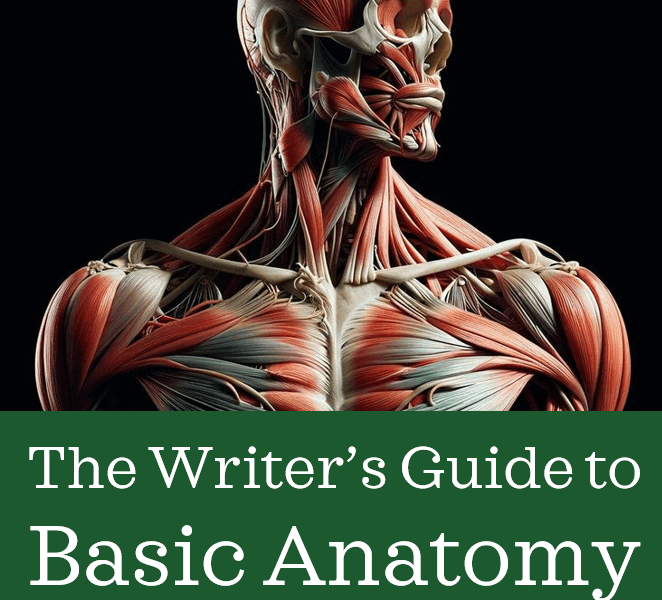
Understanding basic anatomy doesn’t just make your injury scenes more believable—it makes them more engaging. While you don’t need the expertise of a doctor, by focusing on how injuries affect the body, you can craft realistic, impactful moments that resonate with readers and deepen their connection to your characters. Take the time to research and incorporate anatomical accuracy, and you’ll create stories that feel grounded, visceral, and authentic.
Anatomy and Terminology
Here’s a guide to the essential anatomy and terminology every writer should know when portraying common injuries.
The Basics of the Human Body
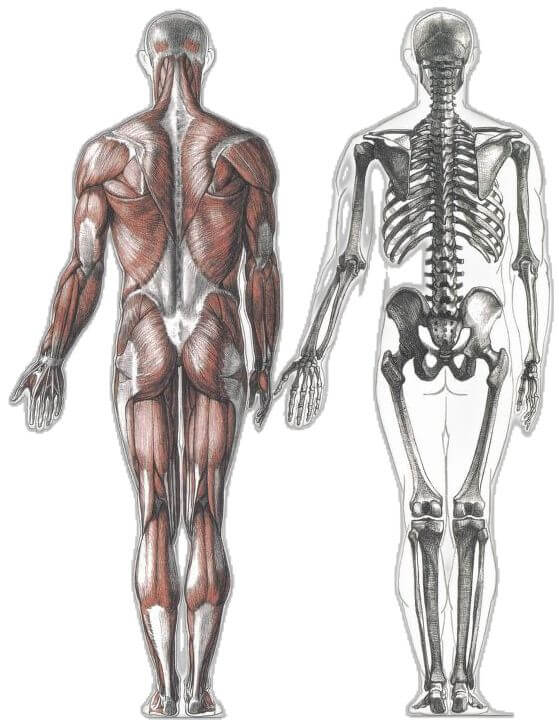
The human body is an intricate system of interconnected parts. To simplify, it’s helpful to divide it into three key layers – skin, muscles, and bones, with organs protected beneath.
Skin – The outer layer that protects the body from external harm. It’s highly vascularized, meaning even shallow cuts can bleed profusely.
Muscles – Tissues beneath the skin responsible for movement. Injuries to muscles can range from bruising (contusions) to tears (strains).
Bones – The rigid structure forming the skeleton. Breaks (fractures) can vary from hairline cracks to complete breaks, often requiring immobilization or surgery.
Organs – Vital structures like the heart, lungs, liver, and kidneys. Injuries to organs are usually life-threatening and require immediate medical attention.
Bones – The Framework of the Body
The skeleton gives the body its shape and supports movement. Key areas to understand when writing injuries include:
Skull – Protects the brain. A blow to the head can cause concussions, fractures, or traumatic brain injuries (TBI).
Spine (Vertebrae) – Composed of cervical, thoracic, lumbar, sacral, and coccygeal vertebrae. Damage to the spine can cause paralysis or chronic pain.
Ribs – Protect the heart and lungs. Fractured ribs can puncture organs, causing internal injuries like pneumothorax (collapsed lung).
Pelvis – Supports the lower body and houses organs. Pelvic fractures are serious because of proximity to major arteries and nerves.
Limbs (Arms and Legs) – Long bones like the femur (thigh bone) and humerus (upper arm bone) are critical for mobility and prone to fractures during impacts.
Common injuries to bones include:
Fractures – Include simple (closed) fractures, where the bone doesn’t pierce the skin, and compound (open) fractures, where it does.
Stress Fractures – Tiny cracks in bones caused by repetitive stress, common in athletes or soldiers.
Dislocations – Forces can dislocate joints (like shoulders or hips), causing intense pain and requiring realignment.
Muscles and Tendons – Movers of the Body
Tendons attach muscles to bones and transmit the force needed for movement. Knowing the difference between muscles, tendons, and ligaments (which connect bones to other bones) can help you write detailed injury scenes.
Upper Body – Includes the biceps, triceps, deltoids (shoulders), and pectorals (chest). These are often involved in injuries from combat or heavy lifting.
Core – Abdominal muscles and the lower back stabilize the body. Strains here are common from overexertion.
Lower Body – Quadriceps, hamstrings, and calves drive movement. Pulled muscles or tears often happen during running or sudden exertion.
Common muscle and tendon injuries include:
Strains – Overstretching or tearing of muscle fibers. Severity ranges from mild (soreness) to severe (complete tears).
Tendinitis – Inflammation of a tendon, often from overuse. Common in joints like elbows and knees.
Ruptures – Tendons can snap completely, often requiring surgery.
Joints and Ligaments – Where Bones Meet
Joints are the pivot points of the body, allowing movement. They’re held together by ligaments, which are prone to injuries during twisting or impacts. Key joints include:
Shoulders – The most flexible joint, but also the most prone to dislocations.
Elbows – A hinge joint prone to sprains and fractures from falls.
Wrists and Ankles – Common sites for sprains, fractures, and repetitive stress injuries.
Knees – Complex joints stabilized by ligaments like the ACL (anterior cruciate ligament) and PCL (posterior cruciate ligament). Injuries here are common in sports.
Common joint injuries include:
Sprains – Overstretching or tearing of ligaments, often caused by twisting or impact.
Dislocations – Dislocations occur when something forces the bones in a joint out of position, resulting in intense pain and a visible deformity.
Cartilage Damage – Cartilage cushions joints; damage can lead to chronic pain or arthritis.
Vital Organs – Protecting Life
Organ injuries are among the most serious because they often involve internal bleeding or life-threatening complications. Understanding where organs are located can help you write injuries with precision. Key organs and their vulnerabilities include:
Brain – Enclosed in the skull, it’s susceptible to concussions or swelling from trauma.
Heart and Lungs – Protected by the ribcage. Injuries can include punctures (e.g., from broken ribs) or cardiac arrest from blunt trauma.
Liver and Spleen – Found in the abdominal cavity. The high vascularity of the liver and spleen makes injuries in this area prone to significant internal bleeding.
Stomach and Intestines – Susceptible to punctures from weapons or accidents. Injuries can cause infection or sepsis if not treated promptly.
Kidneys – Located in the lower back. Blows to the area can cause blood in the urine (hematuria) and long-term damage.
When describing internal entries, have your characters look for signs like sharp pain, swelling, blood loss (external or internal), or systemic symptoms like dizziness, nausea, or loss of consciousness. Internal injuries often require immediate intervention, especially if organs are bleeding.
Nervous System – The Body’s Communication Network
The nervous system, comprising the brain, spinal cord, and nerves, controls all bodily functions. Damage to the nervous system can have long-term or permanent consequences. Common nerve injuries include:
Concussions – A type of traumatic brain injury caused by blows to the head. Symptoms include headaches, dizziness, memory loss, and confusion.
Spinal Cord Injuries – These can lead to paralysis (paraplegia or quadriplegia) depending on the level and severity of the damage.
Nerve Compression or Damage – Conditions like sciatica (pain radiating down the leg) or carpal tunnel syndrome (wrist pain from repetitive strain) can impair movement and cause chronic pain.
Blood and Circulatory System
Blood plays a vital role in injury descriptions, whether it’s external bleeding or internal hemorrhage. Understanding types of blood vessels helps with realistic depictions.
Arteries – Carry oxygenated blood from the heart. Arterial wounds bleed in spurts and are life-threatening.
Veins – Carry deoxygenated blood back to the heart. Venous bleeding is steady but less forceful.
Capillaries – Tiny vessels near the skin’s surface. Capillary bleeding is slow and often seen in abrasions or shallow cuts.
When writing injuries, think about:
Location – Where is the injury located? How does it affect movement or function?
Severity – Is it a minor injury (bruise, shallow cut) or severe (fracture, organ damage)?
Realistic Symptoms – Include pain, swelling, limited motion, or systemic symptoms like fever (from infection) or shock (from blood loss).
Consequences – How does the injury impact the character physically and emotionally? Does it slow them down, alter their plans, or create new conflicts?
Writing Non-Human Injuries
In fantasy and science fiction, characters often belong to unique races or species with anatomy and physiology that differ from humans. Understanding how to create and describe these differences can deepen your world-building and bring more authenticity to your story. When these non-human characters sustain injuries, their unique biology offers opportunities to explore creative healing processes, vulnerabilities, and strengths. Here’s how to approach the anatomy and physiology of non-human characters and how it can enhance your depiction of injuries.
Understanding the Purpose of Non-Human Anatomy
When designing a non-human species, consider their environment, lifestyle, and culture. Environment, lifestyle, and culture influence their anatomy and determine how they sustain or heal from injuries. Is the species aquatic, terrestrial, aerial, or a combination? You must consider anatomical features, such as fins, wings, or gills. Does the species have natural armor, regeneration abilities, or unique sensory organs? These could impact how injuries affect them. Are injuries seen as shameful, honorable, or irrelevant? This will influence how they react to injuries and seek treatment.
Key Elements to Define in Non-Human Anatomy
To effectively describe injuries for non-human characters, focus on:
Skin or External Covering – Scales, fur, feathers, exoskeletons, or skin-like membranes. Scaled species might suffer cracked or missing scales, leaving sensitive areas exposed. Characters with an exoskeleton could face problems like chitin fractures, which might require molting to heal fully. If feathers are singed, plucked, or damaged, it can affect a flying character’s ability to travel.
Bones and Structural Support – Bones, cartilage, or exoskeletons. Some species might have no internal skeleton, like jellyfish-inspired creatures. A species with hollow bones (like bird-like creatures) might be more prone to fractures but heal faster because of lighter weight. Exoskeletons could be resilient to minor impacts but vulnerable to crushing forces or penetration.
Musculature – Flexible, dense, or specialized for unique abilities like flying or enhanced strength. Winged characters might suffer ligament tears or muscle damage, grounding them until healed. A species with prehensile tails might strain or break tail muscles, impairing balance or combat ability.
Organs – Multiple hearts, redundant lungs, or specialized organs for magic or energy production. Redundant organs (e.g., two hearts) might make the species more resilient to certain injuries. Unique organs (e.g., an energy core) could create dramatic injury consequences if damaged, such as magic disruptions or power loss.
Nervous System – Centralized like humans or distributed like octopuses.A distributed nervous system could make it harder to “kill” the character, but injuries to specific areas might cause partial paralysis or movement issues.Non-human sensory organs, such as antennae or echolocation, may impair the character if damaged.
Circulatory System – Single heart, multiple hearts, or an entirely unique system like hemolymph (as in insects).Hemolymph leaks in a creature with an open circulatory system might be less dramatic than arterial bleeding, but could still be fatal.Blood color (e.g., green or blue) could visually differentiate injuries.
Regeneration Abilities – Partial (like lizards regrowing tails) or complete (like sci-fi species with rapid healing). Regeneration might not work on vital organs, or it might drain the character’s energy, requiring rest or food to recover fully. Injuries might heal in strange or imperfect ways, such as mismatched scales or malformed limbs.
Describing Injuries in Non-Human Characters
When injuries occur, take advantage of the unique anatomy you’ve created to craft compelling, vivid descriptions. Here are a few ideas based on different aspects of non-human physiology:
Unique Wound Appearance – A character with a metallic exoskeleton might have dents or cracks instead of cuts. A creature with translucent skin could display internal bleeding visibly.
Exotic Fluids – Blood or equivalent fluids might differ in color, consistency, or even smell. For example, a character’s injuries could ooze glowing green plasma rather than red blood.
Unusual Pain Responses – Some species might not feel pain as humans do, experiencing sensations like heat, pressure, or an electrical pulse instead.
Regeneration and Healing – Highlight the visible stages of regrowth or recovery. For example, a lizard-like species might regenerate a tail slowly, starting with a small nub that grows larger over weeks.
Unique Consequences – Damage to magical or energy-based organs might cause loss of powers, difficulty maintaining their natural form, or the inability to control their environment.
Treating Injuries in Non-Human Characters
The culture, technology, and biology of your world reflect how injuries are treated.
Magical Healing in Fantasy – Magical creatures may respond differently to healing spells, potions, or rituals. Healing might restore the physical body but cannot regenerate magical energy or soul-related damage. Magical healing could have side effects, like leaving scars that glow, drawing life force from others, or permanently altering the character’s abilities.
Advanced Technology in Science Fiction – Nanotechnology might repair wounds at a cellular level, but damage to advanced alien physiology might require custom medical solutions. Alien characters might have biotechnology integrated into their bodies, requiring repairs that combine organic and mechanical processes. If the species is cybernetic, repairs might involve software updates or mechanical replacements rather than traditional healing.
Traditional Remedies – Non-human societies might use unique herbs, salves, or even symbiotic organisms to heal wounds. For example, a character could apply a medicinal slime or allow small creatures to clean and close their wounds. Cultural beliefs could influence treatment—perhaps some species see scars as honorable and avoid “perfect” healing methods.
Enhancing Storytelling Through Non-Human Injuries
By leaning into the unique traits of your fantasy or sci-fi races, injuries become more than obstacles; they become storytelling opportunities.
Highlight Vulnerabilities – An impervious species might have one critical weakness that raises the stakes.
Create Cultural Significance – Scars, missing limbs, or other injury signs might symbolize honor, shame, or coming of age.
Develop New Plot Points – A character might seek rare healing herbs, advanced technology, or a magical ritual to recover, creating new story arcs.

Realistically Portraying Injuries Without Slowing the Story
Realistically depicting injuries can add depth and tension to your narrative, but it’s easy to get bogged down in excessive details or disrupt the pacing. Striking the right balance between authenticity and storytelling ensures your readers stay engaged while still believing in the consequences of your character’s injuries. Here are some practical tips to achieve that balance.
Focus on the Impact, Not the Medical Details
While accuracy is important, your readers don’t need a detailed medical report. Instead, focus on how the injury affects the character’s actions, decisions, and relationships. For example, instead of explaining every step of treating a broken leg, highlight how the character struggles with mobility or feels vulnerable in a dangerous situation.
Show how the injury limits the character’s abilities or adds tension to their journey. Describe physical sensations (pain, stiffness, fatigue) or how it complicates interactions with others. Avoid long medical jargon or unnecessary descriptions of procedures unless they’re critical to the plot or character development.
Instead of: “The medic adjusted the tibial fracture, splinted the leg, and applied antiseptic before wrapping the wound.”
Try: “Every step sent a jolt of pain through her leg, forcing her to lean heavily on her companion. She hated feeling like dead weight, but the alternative was collapsing in the dirt.”
Use Injury as a Tool for Tension and Growth
Injuries are more than physical setbacks—they’re opportunities to reveal vulnerabilities, build relationships, and push your characters to adapt. Use injuries to show how a character copes under pressure, leans on others, or grows.
Let the injury affect the character’s decisions and create new challenges. Use the downtime for introspection, emotional development, or important conversations. Don’t treat injuries as a minor inconvenience or remove their impact too quickly. The consequences of injuries should last long enough to feel meaningful.
Example: “He winced as he tightened the makeshift bandage around his arm. Every movement made the gash throb, but there was no time to stop. If he didn’t keep moving, they’d find him—bleeding or not.”
Highlight the Character’s Experience Over the Mechanics
Readers care more about what your character is feeling than the technical details of their injury. Focus on sensory descriptions (pain, fatigue, frustration) and emotional reactions to make the injury resonate.
Use the character’s perspective to describe the injury. How does the pain affect their thoughts? Do they feel fear, anger, or determination? How does the injury challenge their personality or values? Avoid clinical, detached descriptions that feel more like a textbook than storytelling.
Instead of: “The arrow pierced through his shoulder, hitting the rotator cuff and causing a deep, clean wound.”
Try: “A searing pain shot through his shoulder as the arrow struck, his arm falling limp at his side. He bit down hard to keep from screaming, each breath sharper than the last.”
Show Realistic, Progressive Recovery
Recovery from injuries doesn’t happen overnight, but you can still portray it without slowing the story. Show the recovery in stages, using brief moments to illustrate improvement or setbacks rather than dragging out the process.
Use time skips, montages, or concise scenes to show progress. Highlight milestones like regaining mobility or overcoming pain. Avoid making recovery feel instant or, conversely, spending multiple chapters on repetitive descriptions of healing.
Example: “Weeks later, she still limped when she walked, but the sharp pain had dulled to an ache. She gritted her teeth and pressed on—the wound had taken enough of her time already.”
Use Injuries to Deepen Conflict
An injury can create both internal and external conflict. Internally, the character might struggle with frustration, vulnerability, or self-doubt. Externally, it might force them to rely on others, delay their plans, or leave them exposed to enemies.
Let the injury add stakes to the story. Maybe the injury prevents the character from fighting back during a key confrontation, or their recovery slows the group’s progress, creating tension with allies. Avoid resolving injuries without meaningful consequences. Let the injury serve a purpose in the plot or character arc.
Example: “His shoulder throbbed with every swing of the sword, but stopping wasn’t an option. He had to push through—if he failed now, the injury wouldn’t matter. They’d all be dead.”
Keep the Pacing in Mind
Injury scenes should enhance the story, not halt it. Focus on the most critical details and move quickly to what happens next. Injuries are tools to heighten tension and drama, but they shouldn’t overshadow the main plot.
Incorporate injuries into the flow of the story. Use concise, impactful descriptions that show the stakes and consequences without lingering too long. Avoid overly detailed, drawn-out scenes unless the injury itself is the focal point of the chapter.
Instead of: “She fell to the ground, her leg at an awkward angle. She screamed as she clutched her knee, the pain shooting up her thigh like fire. She tried to move, but every attempt sent waves of agony through her body.”
Try: “She hit the ground hard, her knee twisting painfully beneath her. She bit back a scream, the fiery pain making it clear—she wasn’t getting back up anytime soon.”
Integrate Injuries into the Plot Seamlessly
Rather than treating injuries as separate events, weave them into the story’s natural progression. Show how the character’s physical limitations shape their goals, relationships, and decisions without derailing the main plot.
Use the injury as a subplot that intersects with the main story. Maybe the character’s injury delays their ability to rescue someone, forcing them to rely on others or find alternative solutions. Avoid letting the injury feel isolated from the larger narrative.
Example: “The gash on her side burned with every step, but she forced herself to keep moving. If she didn’t make it to the village by nightfall, she’d have bigger problems than an infected wound.”
Let the Character’s Personality Shine Through
Injuries are opportunities to reveal character traits. How a character reacts to pain, frustration, or helplessness can say a lot about who they are. A stoic warrior might grit their teeth and press on, while an impatient character might lash out at their allies.
Show how the injury affects the character emotionally and mentally. Use it to deepen their personality and relationships. Avoid making all characters react to injuries in the same way. Tailor the response to fit their personality and circumstances.
Example: “She hated asking for help, but as she tried and failed to lift her arm, she swallowed her pride and called for her friend. ‘Don’t say a word,’ she muttered as they helped her up.”

Understanding basic anatomy doesn’t just make your injury scenes more believable—it makes them more engaging. By focusing on how injuries affect the body, you can craft realistic, impactful moments that resonate with readers and deepen their connection to your characters. Take the time to research or world-build, incorporate anatomical accuracy, and you’ll create stories that feel grounded, visceral, and authentic.
I hope this was helpful. Let me know if you have questions or suggestions by using the Contact Me form on my website or by writing a comment. I post every Friday and would be grateful if you would share my content.
If you want my blog delivered straight to your inbox every month along with exclusive content and giveaways, please sign up for my email list here.
Let’s get writing!
Copyright © 2025 Rebecca Shedd. All rights reserved.
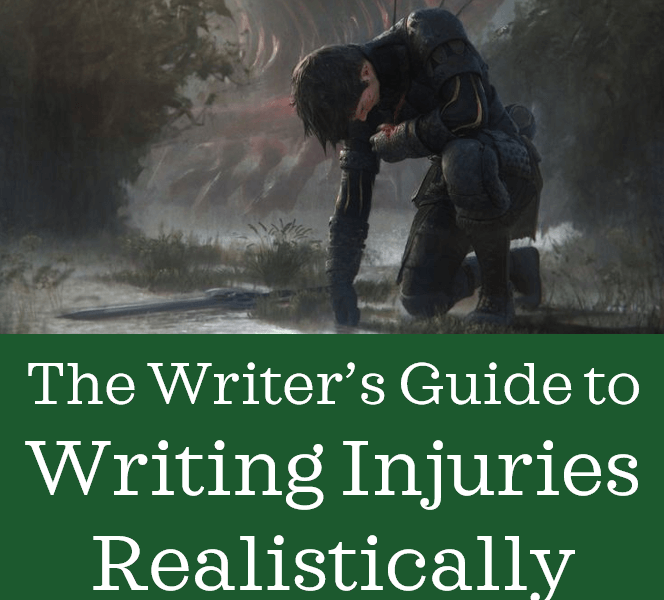
The Writer’s Guide to Writing Injuries Realistically
Posted on January 31, 2025 Leave a Comment
In storytelling, injuries are more than just obstacles for heroes to overcome. They have the power to deepen character development, increase plot tension, and add a layer of authenticity that draws readers into the narrative. But to achieve these effects, injuries in fiction need to be portrayed with realism. A character who takes a severe beating and is back in top shape the next day may break immersion, while a hero who bears scars—both physical and emotional—from past battles can captivate and resonate with audiences.
This article is the first in a new series on different injuries and how to write them realistically.
Why Accuracy Matters
Enhances Realism and Immersion
The first reason for writing injuries accurately is simple – it keeps readers immersed. In real life, injuries have real consequences. A broken bone, for example, isn’t just a temporary setback; it brings pain, requires rest, and limits movement for weeks or months. When characters experience realistic physical consequences, readers are less likely to be jolted out of the story.
Imagine an action sequence where the hero sustains a deep stab wound but fights as if nothing happened. While adrenaline can allow people to ignore pain momentarily, most readers know that a wound that severe would slow someone down. Ignoring these limitations or downplaying injuries reduces the sense of realism and can make it harder for readers to suspend disbelief.
Builds Empathy for Characters
Injuries have a unique way of building empathy. Watching a character in pain or struggling with physical limitations makes us feel for them on a human level. Injuries add vulnerability, a reminder that even heroes are mortal and suffer just like anyone else.
For example, a soldier who bears the scars of battle carries those experiences as a reminder of sacrifice and survival. When a character deals with the slow, painful process of healing, readers feel their frustration, perseverance, and resilience. These experiences bridge the gap between the fictional and real worlds, drawing readers closer to the character’s struggles.
Injuries naturally introduce conflict and tension, both external and internal. A character recovering from a concussion, for example, may feel disoriented or experience migraines. Concentrating on important tasks might be difficult for them, or they might be forced to confront their limitations. This creates a compelling internal struggle, where characters grapple with not only their physical pain but also their perceived or real weaknesses.
Externally, injuries can affect relationships with other characters. If a hero is injured, their allies might try to protect them, creating tension between self-reliance and dependence. This tug-of-war adds complexity to the story, as characters must adapt their actions and relationships in light of their injuries.

Impacts Plot and Pace
Injuries affect what characters can do, which affects the plot. A character who has sustained a serious injury might be unable to pursue a goal directly and instead must rely on others, adapt their strategies, or take longer to achieve their objectives. This forced shift can open new avenues in the plot, introduce unexpected challenges, and affect the pace of the story.
For instance, imagine a detective who suffers a broken leg. They can no longer run after suspects or visit multiple crime scenes. Instead, they may rely on observation, mental deduction, and possibly even collaboration with others, shifting the story’s focus and rhythm. These adjustments make the story feel dynamic and can lead to creative plot developments that might not have existed without the injury.
Shows Character Growth and Resilience
How a character handles an injury—whether it’s a minor scrape or a life-altering wound—speaks volumes about their personality, growth, and resilience. A hero who stubbornly refuses to rest after a serious injury shows both their determination and their flaws. A character who grapples with permanent injury might go through stages of denial, anger, acceptance, and adaptation, all of which can reveal new facets of their personality.
Injuries provide opportunities to explore the mental resilience of characters. Are they the type to bounce back, or do they struggle with self-doubt and frustration? A well-written injury and recovery arc can reveal a character’s strength, vulnerability, and the depths of their perseverance in ways that few other events can.
Last, writing injuries accurately is a way of respecting readers who may have experienced similar situations. People who’ve broken bones, undergone surgeries, or recovered from traumatic injuries know firsthand the struggles involved. When writers handle injuries realistically, they show empathy and respect for these experiences, creating connections with readers who recognize their own hardships reflected in fictional characters.
Inaccurate portrayals risk trivializing or misrepresenting the difficulties of recovery. By taking time to understand injuries and the toll they take, writers can create stories that are both inclusive and sensitive to the realities of pain, healing, and perseverance.

Challenges Writers Face When Depicting Injuries—and How to Overcome Them
Writing injuries accurately isn’t easy. It involves understanding complex physical, emotional, and psychological impacts, each of which can vary widely depending on the type and severity of the injury. Here are some of the most common challenges writers face when depicting injuries and practical tips on overcoming them.
Balancing Realism with Narrative Pace
One of the biggest challenges is balancing realism with the story’s pace. Realistically, many injuries require weeks or months to heal, but this can slow down the plot, especially in action-heavy stories. It’s tempting to have characters recover faster to keep things moving, but doing so risks making the story feel rushed or unrealistic.
How to Overcome It
Use Time Jumps – If the story allows, use time jumps to skip the most tedious parts of recovery while acknowledging the time spent healing.
Explore Alternative Activities – While the character recovers, focus on other aspects of the plot—like interpersonal conflicts, training that doesn’t require physical exertion, or mental challenges.
Show Gradual Improvement – Instead of making recovery instant, let it happen in stages. Small signs of improvement, such as reduced pain or increased mobility, allow readers to see progress without the story dragging.
Avoiding the “Superhero Syndrome”
In many stories, characters—especially action heroes—shrug off serious injuries without proper consequences. This “superhero syndrome” can be appealing for high-energy storytelling, but often results in a lack of believability.
How to Overcome It
Limit Physical Capabilities – Show how the injury restricts the character’s actions. Even if they’re pushing through pain, depict them wincing, slowing down, or relying on others.
Highlight Vulnerability – Show the character struggling with their limitations and needing to adapt. This not only makes the injury more realistic, but also adds depth to the character’s experience.
Use Supportive Devices or Aids – If appropriate for the injury, include crutches, splints, or slings. This minor detail reinforces that injuries have lasting physical consequences.
Understanding the Medical Details
Writers often struggle with the technical aspects of injuries – What exactly happens when a bone breaks? How do you treat a head injury? Mistakes in these areas can be jarring for readers with any medical knowledge.
How to Overcome It
Consult Reputable Sources – Medical websites like Mayo Clinic or MedlinePlus, textbooks, and even firsthand accounts of recovery can give a clearer picture of what’s involved in an injury and its treatment.
Ask a Medical Professional – If possible, consult someone in the field—a doctor, nurse, or paramedic—to understand injury mechanics and treatment steps.
Simplify When Necessary – You don’t need to go into exhaustive detail. Focus on key elements of the injury (e.g., visible symptoms, basic treatment, and recovery time), but avoid getting bogged down in medical jargon.
Managing the Emotional and Psychological Impact
Injuries aren’t just physical; they can lead to frustration, fear, or even trauma. Accurately capturing these emotional responses adds authenticity, but it’s easy to overlook the emotional and mental side of injuries.
How to Overcome It
Research Mental Health Effects – Look into the psychological effects of different injuries, particularly those with long-term implications. Understanding post-traumatic stress, fear of reinjury, or depression after injury can provide depth to your character’s response.
Give Characters Time to Process – Allow your character to express frustration or fear and even have moments of doubt or hopelessness. This helps readers connect with the character’s experience.
Show Support Systems – Injuries often require people to lean on others. Showing characters accepting help or dealing with their isolation adds a valuable layer to the recovery journey.
Avoiding Clichés and Overused Tropes
Injuries in fiction often fall into the same patterns—heroes getting injured in predictable ways or recovering unreasonably fast. This can make a story feel generic, robbing injuries of their unique role in shaping characters.
How to Overcome It
Research Real-Life Accounts – Real-life injury experiences often differ from common tropes. Reading about real recovery journeys can inspire more nuanced and fresh approaches.
Focus on Unique Impacts – Instead of the same “hero with a broken arm” scenario, consider less common injuries, like torn ligaments or nerve damage. These injuries come with unique challenges and recovery paths.
Subvert Expectations – Try introducing injuries at unexpected times or showing characters’ frustrations when they can’t “push through the pain.” Subverting the “grit and bear it” trope with honest, vulnerable reactions can make the story feel refreshing and authentic.
Deciding When to End the Injury Arc
Writers often face the challenge of knowing when the character’s injury should stop affecting the story. Ending it too soon can make it feel inconsequential, while dragging it out can slow the narrative.
How to Overcome It
Plan the Injury’s Arc – Before introducing the injury, decide how long it will last and when it will cease to be a major factor in the story. Outline its impact and recovery milestones.
Use Symbolic Recovery Points – Consider letting the injury “heal” as the character achieves certain story goals. For instance, a physical recovery could parallel an emotional or mental breakthrough.
Acknowledge Lingering Effects – Even after full recovery, many injuries leave scars or slight limitations. Show the character adjusting to these minor aftereffects, allowing the injury to fade naturally without vanishing altogether.

Depiction of Injury and Recovery Depends on Genre
The portrayal of injuries in fiction varies significantly depending on the genre. Each genre, whether contemporary, fantasy, science fiction, or historical, brings unique elements that shape how injuries are received, avoided, described, and treated. In each genre, injuries serve not only as physical events but as storytelling devices that add tension, reveal character, and enhance immersion. By understanding the genre’s specific elements—such as magical healing in fantasy, futuristic treatments in sci-fi, and historical limitations in period pieces—writers can craft realistic, impactful injury portrayals that resonate with readers and stay true to the world they’ve created.
Contemporary Fiction
In contemporary settings, writers portray injuries in familiar, real-world terms. Characters live with the same physical vulnerabilities and medical resources that readers would encounter, which grounds injuries in realism and relatability.
Injuries in contemporary fiction often stem from everyday activities, accidents, violence, or physical confrontations. Car crashes, falls, sports injuries, and fistfights are common sources, with a focus on the realistic aftermath, such as bruising, broken bones, or concussions.
Because characters live in a recognizable world, they likely have access to everyday safety measures like seatbelts, helmets, or protective sports gear. While these don’t guarantee immunity, they can lessen injury severity and inform the realism of how characters might avoid harm.
In contemporary fiction, modern medicine is readily available. Readers expect accurate portrayals of emergency care, doctor visits, physical therapy, and medications. Recovery from injuries will align with medical knowledge, and ignoring realistic recovery times can break immersion.
Since readers are familiar with modern injuries, there’s less need to over-explain treatment processes. Writers can focus more on the emotional and psychological toll, especially if the injury is traumatic or life changing. Realistic timelines, complications, and aftereffects like scarring or limited mobility should be consistent with modern expectations.
Fantasy
Fantasy introduces unique physical and magical elements that can significantly alter how injuries occur, how characters avoid them, and how they’re treated. The availability of armor, enchanted weapons, and healing magic creates a rich tapestry for depicting injuries.
In a fantasy world, characters might receive injuries from swords, arrows, magical attacks, mythical creatures, or powerful enchantments. Writers can get creative with wounds from supernatural forces, such as burns from dragon fire or curses that affect the mind and body.
Armor, shields, and magical protection spells play a significant role in fantasy injury prevention. The effectiveness of these protections can vary – some might completely deflect attacks, while others may lessen the severity of wounds. A character’s combat skill, experience with armor, and agility often determine how well they avoid injuries.
Fantasy opens unique healing possibilities, from herbal remedies and healing potions to full magical restoration. Magic allows for faster recoveries, even from fatal wounds, but writers can add limitations to make healing magic less predictable or require a heavy toll. If magical healing isn’t available, characters may rely on medieval-style treatments with herbs, splints, or poultices, which would come with higher infection risks and slower recoveries.
Fantasy writers have the flexibility to create vivid, even outlandish descriptions of injuries. Magic might leave unusual marks, like glowing scars or burns that never heal completely. Describing the limitations or side effects of magical healing can deepen immersion, as can lingering damage if healing magic is only partially successful.
Science Fiction
Science fiction injury portrayals are defined by advanced technology, futuristic weapons, and, sometimes, alien physiology. The genre’s scope allows writers to imagine new types of wounds and treatments that don’t exist today.
Injuries might come from laser weapons, plasma blasts, explosions, radiation, and high-tech close-combat weapons. The futuristic nature of sci-fi weapons can add unique consequences, such as burns from energy blasts or internal damage from sonic weapons. Alien settings might introduce environmental hazards, such as toxic atmospheres or hostile alien creatures.
Advanced armor, energy shields, and bio-enhancements are common in science fiction, making it possible for characters to evade or minimize damage in unique ways. Protective technology may have drawbacks, like limited battery life, vulnerability to hacking, or being ineffective against certain weapons, adding layers to the narrative.
Sci-fi medicine often includes advanced technologies like nanobots, genetic manipulation, cryotherapy, or instantaneous regenerative treatments. However, these treatments may have risks or limitations, such as high costs, side effects, or being unavailable in emergency situations. Writers can use this flexibility to balance the benefits and risks of futuristic healing, creating compelling decisions for characters.
Sci-fi injuries often warrant more detailed descriptions to help readers visualize unfamiliar wounds or treatments. When writing injuries caused by futuristic weapons, it’s important to explain what a laser burn or radiation wound looks like, feels like, and how it differs from traditional injuries. Advanced healing may leave unusual marks or even alter the character’s body in subtle ways, adding layers to the story’s world-building.
Historical Fiction
In historical fiction, the limitations of the era’s knowledge, technology, and medical practices shape injury depictions. Writers must balance historical accuracy with an understanding of the realities of past eras.
Characters in historical fiction often face injuries from battles, animal attacks, accidents, or harsh living conditions. Weapons like swords, arrows, or early firearms will produce injuries specific to the time, such as sword slashes, arrow wounds, or gunpowder burns. Historical battles often resulted in infections, making minor injuries potentially deadly.
Armor and defensive techniques vary by era and culture. Medieval armor, for instance, was highly effective against bladed weapons, but might be cumbersome and leave areas exposed. Historical characters may also take precautions, like wearing layers of clothing for warmth and padding, especially in harsh climates or while traveling.
Historical medical treatments are often limited, relying on herbal remedies, rudimentary surgery, and basic hygiene. Amputations, cauterization, and bloodletting are just a few historical treatments that add intensity to injury depictions. Recovery times would be much slower, with a high risk of infection or fatal complications from what would be minor injuries today.
Historical accuracy requires depicting both the treatments available and the mental resilience needed to endure them. Writers should consider the sights, sounds, and even smells of period-specific medical practices to immerse readers in the experience. Understanding cultural views on injury, disability, and medicine can also add depth to character interactions and recovery.
Accurately portraying injuries requires effort, but it’s worth the investment. When done well, these portrayals add depth, realism, and emotional weight to a story, giving readers a chance to walk in the shoes of characters who hurt, heal, and grow. Injuries are more than a plot device—they’re a reflection of the human experience, a reminder of both our fragility and our resilience.
By committing to accuracy, you create a richer world for your characters and a more immersive experience for your readers. So, the next time you plan an injury for your character, remember to lean into the details—both the pain and the power that come with it.

I hope this was helpful. Let me know if you have questions or suggestions by using the Contact Me form on my website or by writing a comment. I post every Friday and would be grateful if you would share my content.
If you want my blog delivered straight to your inbox every month along with exclusive content and giveaways, please sign up for my email list here.
Let’s get writing!
Copyright © 2025 Rebecca Shedd. All rights reserved.

World-building Case Study Example
Posted on January 17, 2025 Leave a Comment
Creating a captivating fantasy world requires not only vivid imagination, but also a structured approach to bring the world and its inhabitants to life. In this article, I’ll walk through every element of world building, following the journey of Zarina, a young woman with a rare gift for manipulating an extraordinary form of magic. I will explore how everything—from landscape and social structures to language and belief systems—shapes and is shaped by her story as I construct Zarina’s world layer by layer.
Meet Zarina
Zarina is a prodigy in the magical arts, but unlike most practitioners who rely on earth, water, air, or fire, Zarina has tapped into the fifth and rarest element: void. This elusive force exists beyond the tangible and visible world, capable of consuming, creating, and bending reality in ways other magic cannot. Let’s start with the setting and gradually construct a world around her that feels vibrant.
Geography & Topography
Zarina’s journey begins in a rugged, yet beautiful land known as the Veiled Highlands. This region, at the edge of the continent’s vast central plains, boasts a diverse landscape marked by steep, mist-covered mountains, plunging valleys, and deep forests threaded with hidden rivers and waterfalls. The terrain is unforgiving yet abundant with life, shaped over centuries by ancient tectonic forces and the subtle influence of elemental magic embedded in the land itself.
The Mist Peaks are towering mountains that loom over the region, their summits often lost to clouds and mist. They house narrow, winding paths that are believed to be sources of magical energy and are used only by the most experienced travelers. Legends say the peaks themselves breathe, inhaling the world’s excess energy and exhaling something that pulls at the minds of those sensitive to magic.
The Luminous Forests are dense, ancient woodlands that stretch across the lower elevations, where the trees are so tall and thick that sunlight only barely filters through. These forests hold bioluminescent flora that glow faintly at night, illuminating paths to hidden springs and forgotten temples. It’s whispered that some of these plants hold traces of void energy, perhaps the very reason Zarina first connected to the element.
The Rifted Valley is a striking scar in the landscape that runs along the Veiled Highlands’ eastern edge. A violent, magical upheaval centuries ago formed this chasm, filled with labyrinthine caves, leaving the valley charged with residual elemental power. The valley’s rivers carve deep into the rock, forming an underworld where secluded groves and pools are rumored to amplify magical abilities.
Descending from the mountains into the plains, the Silver Steppes are an open, wind-swept grasslands dotted with rocky outcrops and rare, medicinal herbs. Fog often covers the steppes, glistening in the sunlight and giving the region its name. Here, nomadic tribes dwell, practicing ancient rituals and guarding secrets of the land’s magic.
Climate and Weather Patterns
The Veiled Highlands experience all four seasons, but each manifest uniquely because of the presence of elemental magic that infuses the landscape. These subtle magical energies contribute to weather patterns that can shift unexpectedly, creating a climate both beautiful and volatile.
Spring is characterized by heavy, early-morning mists that rise from the valleys and forests, lingering until midday. These mists hold a faint, almost tangible energy, believed to resonate with those sensitive to magic. The days are cool, with temperatures climbing steadily as the season progresses. Gentle rains begin in mid-spring, nurturing the region’s rich flora. Spring thunderstorms, though rare, are powerful, often accompanied by strange, atmospheric lights that locals attribute to elemental forces.
Summers are warm but rarely oppressive, thanks to the high elevation. Afternoon rain showers are frequent, providing temporary relief from the sun and lending an ethereal glow to the Mist Peaks as steam rises off the mountain surfaces. During summer nights, the air remains cool, with occasional violent thunderstorms sweeping through. These storms carry a high charge and often produce flashes of color in the clouds. Summer is both a time of abundance and caution, as the storms amplify the local magic, making Zarina’s connection to the void more intense and unpredictable.
Autumn brings shorter days, cooler temperatures, and intense, gusty winds. The winds carry with them a faint whispering sound, amplified by the valleys and cliffs, creating a haunting atmosphere in the highlands. Fog and mist return, blanketing the mountains and forests, but the colors of autumn leaves provide brilliant contrast, filling the landscape with gold, red, and orange hues. This season is a mystical time, and people say it marks a period when the veil between worlds is thin. Those who practice magic find their abilities heightened.
Winters in the Veiled Highlands are crisp, with snowfall blanketing the Mist Peaks and Silver Steppes, turning the region into a realm of quiet beauty. Snowfall can be heavy in the highlands, particularly in January and February, while the lower elevations receive light dustings that disappear quickly under the weak winter sun. The forests become hushed and almost timeless. Void-sensitive creatures emerge in winter, drawn to the quiet.
The Celestial Drift
In the Veiled Highlands, the Celestial Drift is a unique and mystical weather phenomenon. Occurring irregularly—sometimes only once every few years — wisps of light, silver, violet, and faintly blue, coalesce above the Mist Peaks and gradually drift downward, filling the valleys and forests with a soft, luminous glow. The lights seem to have substance, moving through the air like glowing mist. They occasionally form shapes or patterns that locals interpret as omens or messages from ancient spirits.
The region’s void energy is connected to the Celestial Drift. Those who are sensitive to magic, like Zarina, experience the Drift on a heightened level. They might hear faint melodies or whispers within the lights. Some practitioners believe that if one stands in the Drift’s light long enough, they might receive visions of the past or glimpses of the future, though these visions are often cryptic and difficult to interpret. This rare weather pattern has become legendary, drawing travelers, sages, and magic users who hope to witness the Celestial Drift and uncover the secrets it holds.

Flora & Fauna
The Veiled Highlands teem with a unique array of plant and animal life, much of which has adapted to the magical energies permeating the land.
Flora
Nightshade Blooms – Found primarily in the dense shadows of the Luminous Forests, these violet-black flowers emit a faint glow at twilight, illuminating the forest floor with a soft, eerie light. While beautiful, they are dangerous—brushing against their petals induces mild hallucinations, often causing individuals to see ethereal shapes or feel as if they are drifting between worlds.
Void Moss – Growing along the shaded crevices of the Rifted Valley and occasionally on the higher cliffs, void moss is an inky-black plant that feeds on the ambient magical energy in its environment. People say that void moss enhances the potency of certain magical rituals and alchemists seek it out.
Embergrass – Found in patches along the Silver Steppes, embergrass is a deep red plant that releases tiny sparks when rustled. People have used the grass in traditional fire rituals for centuries, as it is highly flammable and believed to enhance the power of fire-based spells.
Mistbell Trees – Tall, ancient trees with silver-gray bark and translucent leaves that produce a haunting melody when wind moves through them. Legends say the trees hold the memories of the land, and some magic users like Zarina meditate beneath their branches to seek guidance from these whispers of history.
Fauna
Silver Ravens – These intelligent birds have silvery-gray feathers that gleam faintly in the light and are often regarded as omens and messengers of the spirit world. Void-sensitive individuals attract them, and some believe that silver ravens guide them on mystical paths.
Glowfoxes – With fur that shimmers in shades of blue and green, glowfoxes are elusive nocturnal creatures found in the Luminous Forests. They have keen senses and a curious nature, often approaching travelers quietly at night. Glowfoxes possess a faint, magical glow that allows them to move undetected, blending with the bioluminescent flora of their habitat.
Eldergroves – Enormous tree-like creatures that appear stationary but can slowly move their roots over time, eldergroves are ancient beings covered in moss and lichen. They rarely move, but when they do, they shift toward the Mist Peaks, where people believe they draw energy from the mountains. These lumbering giants are deeply connected to the earth element and are revered by the nomadic tribes.
Rift Serpents – The Rifted Valley is home to these slender, almost translucent serpents with scales that reflect an opalescent sheen. Rift serpents are shy, hiding in deep crevices and hunting small creatures at dawn and dusk. Their venom has mild hallucinogenic properties, making them a sought-after species for those who dabble in divination, though they are fiercely protected by the local tribes.

History and Lore
The Veiled Highlands has a long and storied history, steeped in myths and legends that date back to ancient times. Both natural forces and the mysterious presence of magic have shaped this region, nestled on the edge of the known world.
According to ancient lore, the Veiled Highlands were once part of an unbroken mountain range known as the Spirelands, home to a civilization of seers and mystics who had mastered the elements. This civilization, called the Orathen, flourished because of its deep connection to magic, which was viewed as both a blessing and a responsibility. They revered the elements as sacred beings and built temples and altars throughout the mountains to honor the forces of earth, water, fire, air, and void.
The Orathen were among the few who fully understood void magic, calling it “the Breath of Silence.” They believed that void magic was the essence of all existence, the space between stars, breaths, and thoughts. They guarded this knowledge closely, fearing the consequences of void power falling into untrained or reckless hands.
However, a great calamity struck—one referred to as “The Shattering.” Records differ on the cause, but most accounts speak of a ritual gone wrong. Many of the Orathen vanished, their temples left abandoned, and their legacy shrouded in mystery.
After the Shattering, the Veiled Highlands became a land of superstition and isolation. Nomadic tribes moved in, forming small, transient communities in the valleys and forests. They considered the region haunted, filled with lingering spirits and remnants of the Orathen’s power. The tribes, known collectively as the Wayfarers, adapted to the land’s magical oddities and came to respect its dangers. They developed rituals to honor the elements, believing that keeping the ancient magic appeased would protect them from harm.
Centuries later, a group of scholars, mystics, and elemental magic practitioners formed a secret society called the Order of the Silent Veil, dedicated to studying the remnants of the Orathen and the strange effects left behind by the Shattering. They sought to unravel the mysteries of the void and to guard against its misuse, preserving artifacts, texts, and relics from the ancient temples.
One of the most prominent pieces of lore in the highlands is the Prophecy of the Final Rift, a chilling vision of a time when void magic will surge again, creating a new rift. This event will either spell the rebirth of the Veiled Highlands or its destruction.
Today, the Veiled Highlands are a mystical place of pilgrimage. The Wayfarer tribes still roam, honoring their ancestral rites and watching over the ruins left by the Orathen. The tribes hold festivals to mark the shifting seasons and pay homage to the elements. Local superstition holds that those who disrespect the highlands’ magic may be “taken by the mist,” never to be seen again.
The Shattering: A Cataclysm of Magic
The Shattering remains one of the most significant—and mysterious—events in the history of the Veiled Highlands. A calamitous rupture in the flow of magic itself, it reshaped the land, shattered an ancient civilization, and created a legacy of both awe and caution that persists to this day.
A group of elite Orathen scholars and seers experimented with rituals that would allow them to access deeper dimensions of reality. The highest-ranking members of their order, who called themselves the “Keepers of the Rift,” kept this pursuit secret.
According to legend, the Keepers of the Rift eventually devised a powerful ritual known as the “Invocation of the Celestial Silence.” This rite required the alignment of several unique cosmic phenomena: a specific constellation, a rare lunar phase, and the convergence of elemental ley lines beneath the Mist Peaks.
What happened next is uncertain, but records tell of an intense surge of magical energy unleashed as the ritual began. Witnesses described the sky splitting open and a blinding flash of white-violet light that filled the heavens, seen for miles. The invocation tore through the fabric of the world, creating a powerful energy storm that raged across the highlands, reshaping the land and carving out the massive chasm now known as the Rifted Valley.
The rupture in magic disrupted the delicate balance of the elemental forces, sending shockwaves through the earth and causing fissures and landslides across the region. The Mist Peaks trembled, and several mountains split, filling the land with rivers of molten rock and reconfiguring the ley lines that had once flowed in harmony. This elemental upheaval left behind a deep scar, marking the land with the resonant void energy that exists to this day.
The Shattering did more than alter the landscape: it marked the fall of the Orathen. The violent maelstrom of energy swept away many people, while others vanished without a trace. Survivors spoke of people simply “fading” from view, as if the veil between worlds had thinned so drastically that they were pulled in. They abandoned the temples, cities, and sanctuaries they had constructed, leaving them scattered across the Highlands.
Scholars speculate that the void magic released in the Shattering partially consumed the Orathen, absorbing them into the very essence of the void. This has given rise to many legends about “echoes” of the Orathen appearing in places where void magic is strong, with travelers occasionally reporting fleeting visions of ghostly figures or hearing faint whispers when the Celestial Drift appears.

Races and Species
The Veiled Highlands is home to a diverse array of sentient races and creatures. Each race has adapted to the land in unique ways, developing customs, traditions, and physical attributes that resonate with the magic-infused environment.
The Wayfarers (Human Nomadic Tribes)
The Wayfarers are a loose collective of human tribes who roam the highlands and surrounding plains, preserving an ancient way of life deeply connected to nature and magic. They believe themselves to be descendants of the Orathen, though they do not know of void magic. Instead, the Wayfarers honor the spirits of the land and protect the ancient sites. Wayfarers have a range of physical features because of the intermingling of tribes over generations. They are typically sturdy and well-adapted to the rugged terrain. The Wayfarers value community and unity, seeing each member’s well-being as tied to the land. They highly respect elders and councils that represent each tribe, giving equal weight to the voice of the land (as interpreted by shamans) and the people’s will.
The Liran (Woodland Dwellers)
The Liran are a mystical, forest-dwelling race of humanoids who live in the Luminous Forests. Reclusive and rare, they are often mistaken for spirits because of their mysterious nature and deep connection to the bioluminescent flora that fills their habitat.
The Liran have lithe, slender bodies with skin that shimmers faintly in shades of green or blue, blending seamlessly with the bioluminescent plants around them.
The Fellborn (Mountain Kin)
The Fellborn are a race of resilient, mountain-dwelling beings who inhabit the higher elevations of the Mist Peaks. Said to have evolved from a fusion of elemental energies, the Fellborn possess a deep connection to stone and metal, traits that aid their survival in the unforgiving highlands. They are stocky and robust, with skin that ranges from slate-gray to deep brown, often with a slight metallic sheen.
The Dae’shen (Spiritual Mystics)
The Dae’shen, a mysterious, semi-corporeal race believed to be direct descendants of the Orathen, have origins that are unknown. They dwell within the Rifted Valley and the Mist Peaks, where they guard hidden shrines and temples left by their ancestors. Their semi-corporeal nature suggests a unique affinity with the void. They appear as tall, ethereal figures with translucent skin that faintly glows in shades of purple and silver, often described as “half in this world, half in the next.”
The Draksh (Shadowborn Predators)
The Draksh are formidable, beast-like creatures that stalk the darkest parts of the Rifted Valley and the forests along its edge. They are semi-intelligent and possess a strong connection to void energy, which has altered their appearance and behavior. Though rarely seen, all inhabitants of the Veiled Highlands fear their presence. They are tall, quadrupedal creatures with elongated, sleek bodies covered in shadowy scales that absorb light.
The Durnak (River Keepers)
The Durnak are amphibious beings who live along the rivers and subterranean lakes of the highlands, especially within the Rifted Valley. They have a deep connection to water magic and frequently position themselves near ancient Orathen structures submerged by the floods from the Shattering.
Languages
The region’s landscapes and magical energies have shaped the varied languages spoken. Each race and community has developed its own means of communication, shaped by their unique interactions with the land, magic, and each other. Some languages people speak, while others heavily depend on gestures, sounds, and even magical resonance to convey meaning.
Old Orathic (The Language of the Ancients)
The oldest and rarest language in the Veiled Highlands, Old Orathic, was once the primary language of the Orathen civilization. It has mostly fallen out of use since the Shattering, but remnants of Old Orathic persist in ancient texts, carvings, and magical spells. The Order of the Silent Veil has worked to preserve and decipher it, considering it a sacred link to the past.
Wayfarer Tongue
The Wayfarers have developed their own language over generations, a mix of practical vocabulary and poetic symbolism. Known simply as Wayfarer Tongue, it is a spoken and gestural language that reflects their close relationship with the land and each other.
Liran Whisper
The Liran’s language, known as Whisper, is an auditory and resonant form of communication rather than a traditional spoken language. They use tonal sounds and soft, almost inaudible whispers that blend seamlessly with the forest, often unintelligible to other races.
Fellborn Rune-Speak
The Fellborn language, Rune-Speak, combines spoken words with a system of runes and glyphs carved into stone or metal. It is a practical language that embodies the Fellborn’s connection to the mountains and their crafting traditions.
Dae’shen Voidsong
The Dae’shen communicate through a haunting, melodic language known as Voidsong, believed to be a remnant of the Orathen’s own void magic. Voidsong is ethereal and difficult for other races to understand, as it resonates at a level that bridges the physical and spiritual realms.
Draksh Shadowspeech
The Draksh have developed a primal language known as Shadowspeech, a mix of growls, guttural tones, and body language. Though not a traditional language, Shadowspeech allows them to coordinate during hunts and convey their intent to other creatures.
Durnak River-Tongue
The Durnak language, River-Tongue, is a fluid, melodic language that resembles flowing water. River-Tongue is unique because it combines spoken language with tonal sounds that mimic the sounds of rivers and streams. The Durnak believe their language is a gift from the waters and use it to preserve their history and knowledge.
Religions and Belief Systems
Shaped by elemental and void magic, spiritual and religious beliefs intertwine with the natural world and ancient history. Each community has its own understanding of divinity, the elements, and the mysteries of the void, forming a rich tapestry of belief systems that guide their rituals, ethics, and ways of life.
The Wayfarers’ Path (The Natural Reverence)
The Wayfarers practice a belief system known as the Wayfarers’ Path, a faith rooted in reverence for nature and the elemental spirits that inhabit the land. They view the highlands as a living entity and believe each element—earth, water, fire, air, and void—has a spirit that requires balance and respect. The Wayfarers believe each element has a guardian spirit that watches over the highlands, influencing weather, animal behavior, and even human fate. They view the void with caution, as they consider it a necessary balance to the tangible elements, yet a force that one should approach with great care.
The Wayfarers hold seasonal festivals, each dedicated to an elemental spirit, with the largest, the “Cycle of Elements,” celebrated at the turning of each year. During these festivals, they offer symbolic gifts to the spirits, such as soil for earth or water from sacred springs, hoping to maintain harmony and receive blessings for the coming season.
Wayfarers believe in reincarnation, seeing life as an eternal journey along a path shaped by the elements. They believe that through each life, they inch closer to a spiritual union with the land itself. They honor their ancestors during the “Rite of the Lost Moon,” making offerings to seek their guidance.
The Liran Faith (The Heart of Light)
The Liran follow a faith called the Heart of Light, a mystical belief system that considers the Luminous Forest and its bioluminescent plants as sacred manifestations of a guiding, protective force. The Heart of Light is both a deity and a spiritual force that binds the Liran to their forest home.
The Stone Elders (Fellborn Ancestral Reverence)
The Fellborn practice a belief system centered on the Stone Elders, an ancestral faith that venerates the mountains and the spirits within them. To the Fellborn, the Mist Peaks are sacred, inhabited by ancient spirits of stone and metal that watch over their people.
The Veilkeepers’ Creed (Dae’shen Mysticism)
The Dae’shen follow the Veilkeepers’ Creed, a mystical faith based on the belief that the veil between worlds is fragile and that they maintain its balance. The Dae’shen consider the void as both a force of creation and dissolution, a duality that they must protect and preserve.
The Hunt of Shadows (Draksh Totemistic Belief)
The Draksh follow a primal, totemistic belief system centered on the “Hunt of Shadows,” which sees void energy as an instinctual force that both drives and sustains them. They consider themselves part of a cycle of life and death governed by the Rifted Valley, their home and ultimate source of power.
The Watersong (Durnak River Worship)
The Durnak practice a belief known as the Watersong. To them, water is sacred and carries the memories of all things, acting as a conduit between life, death, and the past. They see rivers and lakes as living beings that preserve the region’s history.
Political Systems
The Veiled Highlands, with its diverse populations and challenging terrain, lacks a centralized political authority. Instead, each community’s distinct cultures, needs, and beliefs shape governance. Politics in the highlands reflects a blend of traditions, councils, and leadership roles tailored to each group’s connection to the land, magic, and their unique history. This decentralized structure fosters both cooperation and tension as communities navigate their overlapping territories and resources.
The Wayfarers’ Council
The Wayfarers govern through a decentralized council system. Each tribe maintains its autonomy but takes part in the Council of Elders, which convenes to decide issues affecting all Wayfarer tribes. This council provides a platform for tribes to discuss matters of territory, resources, and shared customs.
Each tribe has its own leader, known as the “Pathkeeper,” usually the eldest or most respected individual in the community. The Pathkeeper represents the tribe at the Council of Elders, which meets biannually or during emergencies. The Council has no binding authority; it relies on consensus and respect for tradition to implement decisions.
Each tribe contributes to the final decision-making process through discussion and compromise. On important matters, such as territorial disputes or alliances, the council holds a ceremonial debate, where each Pathkeeper presents their position, and other council members offer suggestions.
The Wayfarers emphasize unity and respect for autonomy, but tensions sometimes arise over resources and territory. The council should prevent conflicts and foster mutual respect, but some tribes have histories of rivalry, particularly regarding hunting grounds near the Mist Peaks.
The Wayfarers have a positive relationship with the Fellborn and the Durnak, with whom they trade resources and knowledge. They are wary of the Liran, whom they rarely encounter, and highly cautious around the Dae’shen because of their connection to void magic.

Factions within Wayfarer Society
Wayfarer society comprises semi-autonomous tribes, each with distinct traditions, skills, and beliefs that reflect their unique roles within the highlands. These tribes, known as factions, are bound by shared respect for the land, the elements, and the Wayfarer Council, but differ in their focus, values, and methods of interacting with the magical environment. Below are the primary factions within Wayfarer society.
The Earthbound Clan
The Earthbound Clan, one of the oldest Wayfarer factions, deeply connects with the land and specializes in earth-based rituals and farming practices. They believe their purpose is to nurture the soil and ensure the land remains fertile for future generations. The Earthbound Clan handles most of the agriculture within Wayfarer society and holds extensive knowledge of soil composition, plant life, and sustainable farming methods.
As the primary food producers, they holds significant sway in Wayfarer society, with other factions relying on them for sustenance. Their role grants them influence on the Wayfarer Council.
The Flamekeepers
The Flamekeepers are a spiritual faction dedicated to the element of fire, viewing it as both a force of creation and destruction. They perform ceremonial rites and oversee purification rituals, using fire to cleanse and transform. They also serve as the keepers of Wayfarer lore, maintaining oral traditions and passing down histories through storytelling.
As the lore keepers and ritual leaders, the Flamekeepers play a crucial role in maintaining Wayfarer traditions. Their knowledge of history and fire magic gives them influence within the Wayfarer Council, particularly on spiritual and ceremonial matters.
The Riverkeepers
The Riverkeepers are stewards of the highlands’ waterways, dedicated to preserving the purity and flow of rivers, lakes, and springs. They have extensive knowledge of aquatic ecosystems, medicinal herbs, and water magic. Riverkeepers see themselves as intermediaries between the Wayfarers and the natural spirits of the water.
The Riverkeepers provide essential medicinal resources and water purification techniques, making them highly respected. They often mediate between factions during council discussions, as their focus on purity and healing grants them a position of neutrality and trust.
The Stormcallers
The Stormcallers are a faction that embraces the power of the air and weather. Known for their storm-worship and wind-based rituals, they believe the highlands’ weather is a direct expression of the elemental spirits’ will. They practice storm-divination, interpreting weather patterns as omens, and are skilled in using air magic to manipulate wind and predict seasonal changes.
As the primary weather-watchers, the Stormcallers play a crucial role in Wayfarer society, predicting seasonal shifts, storms, and changes that affect travel and agricultural cycles. Their expertise gives them sway on the Wayfarer Council, especially on decisions about seasonal preparations.
The Shadow Watchers
The Shadow Watchers are a reclusive faction that specializes in protecting ancient sites and sacred spaces throughout the highlands. They have a strong focus on the void and the mysteries surrounding the Orathen ruins, and they believe it is their duty to keep these areas undisturbed and protected from overuse or exploitation.
The Shadow Watchers hold significant influence over the Wayfarer Council with the preservation of Orathen sites and sacred spaces. They serve as protectors of Wayfarer history and heritage, particularly in relation to the void, which they see as misunderstood and potentially dangerous.
The Ironhands
The Ironhands are a faction skilled in metalwork and trade, focusing on creating tools, weapons, and artifacts. They have close ties to the Fellborn, from whom they learned stone and metalcraft techniques. The Ironhands see themselves as providers, using their skills to support the survival and self-sufficiency of Wayfarer society.
The Ironhands are essential to Wayfarer society, as they produce practical tools and weapons needed for survival and trade. This role gives them influence within the Wayfarer Council, especially in matters of trade and relations with the Fellborn.
The Seers of the Veil
The Seers of the Veil are a secretive faction that practices void magic and divination, maintaining a mysterious connection to the ancient Orathen knowledge. People often view their practices with suspicion because they are the least understood faction. However, they respect their insights, especially in matters involving prophecies or omens of change.
Although the Seers are reclusive, their prophetic insights hold weight in the Wayfarer Council, especially during times of crisis or uncertainty. They are often called upon to interpret omens, particularly those related to the prophecy of the Final Rift.
Culture of Wayfarer Society
The Wayfarer society deeply roots itself in a culture of respect for nature, community, and tradition. They see the natural world as sacred, viewing the elements—earth, water, fire, air, and void—as forces that sustain, protect, and challenge them. They regard themselves as stewards of the highlands, with each tribe taking on roles that reflect this connection. Their daily lives revolve around working with the land, whether through farming, crafting, or performing rituals, to honor the spirits believed to live in the landscape.
Rituals and seasonal festivals are integral to Wayfarer culture, marking the passage of time, honoring the elements, and reinforcing community bonds. These events are colorful and often multi-day celebrations, where each tribe gathers, bringing offerings and performing unique rites that celebrate their connection to the elements and each other.
As an oral society, they place great value on storytelling, which serves as both entertainment and a way to preserve their history, beliefs, and values. Storytelling is a communal activity, with tales shared around fires or during festivals, often accompanied by music, dance, and symbolic gestures.
The Wayfarers express their connection to nature and their beliefs through various forms of art and craftsmanship. Their creations are functional but imbued with symbolism, crafted from materials found in the highlands and designed to honor the elements. Tattoos are a significant cultural symbol, with each mark representing an individual’s personal connection to the elements, achievements, or tribal identity. Typically, people get tattoos during rites of passage, such as adulthood or initiation into a faction, and each design reflects the wearer’s life and beliefs.
Wayfarer society is deeply communal, with a strong sense of shared responsibility and mutual aid. They lead a semi-nomadic lifestyle, moving with the seasons to follow resources, and they collectively work to ensure everyone’s needs are met, from food and shelter to spiritual well-being.
Spirituality is deeply embedded in everyday life, rituals, and practices that honor the elements and respect the balance of life and death. While they revere all elements, the Wayfarers approach void magic with a mixture of awe and caution, viewing it as both essential to existence and dangerous when misunderstood.
They build their identity around their relationship with the highlands, viewing themselves as a distinct people with a shared history and destiny. Despite having internal factions and occasional rivalries, Wayfarers see unity as essential to their survival, and they reinforce this through alliances and shared practices.
Clothing in Wayfarer Society
The Wayfarers’ clothing is practical, adaptable, and rich with cultural symbolism, reflecting their connection to the land and the elements. It is designed for durability, flexibility, and comfort in the rugged highlands, with each faction within the society having its own unique variations. People often make clothing from natural materials, decorate it with elemental motifs, and craft it to carry symbolic significance. They primarily use natural fibers and materials available in the highlands. Sheep and goats are common, so they widely use wool for warmth and layering, especially during the colder months. Animal hides are also used for outerwear, particularly by those living in higher elevations. The Earthbound Clan and other agricultural tribes cultivate flax and other plants for lightweight linen. Linen is a common material for summer clothing and inner layers, providing comfort in warmer seasons. People use leather for durability and reinforcement in garments, especially in belts, gloves, boots, and outer layers. Fur-lined clothing is common among those who travel to higher altitudes, where the temperature can drop sharply at night.
Wayfarers dress in layered, practical attire to accommodate the highlands’ unpredictable climate and their semi-nomadic lifestyle. Travelers can easily add or remove layers, adapting to the often-rapid changes in temperature and weather. The base layer for both men and women comprise a long tunic paired with sturdy trousers. Tunics are typically knee length, with wide sleeves and a loose fit for ease of movement. Vests made from wool or leather add warmth without hindering movement, often worn over tunics. Cloaks are common and vary in thickness depending on the season. A cloak’s color and design often show faction and tribal affiliation. People wear sashes and wraps around the waist, chest, or shoulders, for both practical and symbolic purposes. Some sashes carry charms or small pouches for herbs, tools, or trinkets, while others are dyed in colors that represent an individual’s faction or elemental affinity. Sturdy, reinforced leather boots with thick soles are common, providing durability and grip for traversing rocky landscapes. Many boots are waterproof or lined with fur for warmth and comfort. During warmer seasons, people prefer lighter footwear, such as sandals or fabric wraps around the ankles and feet.
Each Wayfarer faction has its own distinct style of clothing, designed to reflect their elemental focus and cultural values.
Earthbound members wear earthy colors—browns, greens, and ochres—to blend with the land. They reinforce their garments with leather patches on the shoulders, knees, and elbows for protection during farming and gathering. Earthbound clothing often has embroidered vine or leaf motifs.
Flamekeepers favor reds, oranges, and deep browns. They design their clothing for ritual and ceremony, with long sleeves and trailing hems. Flamekeepers often wear fireproofed shawls or scarves, woven with flame motifs, which they use during ceremonial dances. They add metallic accessories, such as bronze bangles or pendants, to symbolize the spark of fire.
Riverkeeper attire is practical for working near water, featuring water-resistant fabrics and lightweight materials for freedom of movement. Blues, greens, and silvers are common colors, often adorned with wavelike patterns. Riverkeepers wear leather gloves and sometimes arm wraps that wick away moisture.
Stormcallers wear muted grays, blues, and purples to reflect the sky and storms. Their clothing is loose and airy, with long sleeves and hoods to protect against strong winds. They add feathers, beads, or small bells to their garments, which resonate in the wind and symbolize the air’s movement. Stormcallers often wear cloaks that shimmer subtly, resembling clouds or rain.
Shadow Watchers wear dark, muted colors—charcoal, black, and deep blue—that allow them to blend into shadowed landscapes. Their clothing is close-fitting, quiet, and designed for stealth, often with hoods and extra pockets for tools or charms. Shadow Watchers wear pendants or small totems representing void symbols, and they adorn their clothing with subtle embroidery that resembles stars or shadowy patterns.
Ironhands favor dark brown, and gray fabrics reinforced with leather or metal. Their clothing is sturdy and practical, often with protective arm and leg wraps to guard against sparks and tools while crafting. Ironhands carry small, handcrafted metal tools in their belts and often wear rings, bracelets, or amulets fashioned from iron, copper, or bronze.
The Seers wear deep purples, blacks, and indigo, colors associated with mystery and the void. Their clothing is loose and layered, designed to cover most of their skin, with hoods or veils that partially obscure their faces. Seers decorate their garments with embroidered symbols representing constellations or void elements, and they often wear enchanted charms or beads that enhance their divinatory abilities.

Food in Wayfarer Society
Wayfarer cuisine is hearty, seasonal, and deeply connected to the highlands’ natural resources. The Wayfarers build their diet around local ingredients that they gather, hunt, farm, or trade within the different factions. Communal meals, food-sharing rituals, and seasonal feasts are central to their culture, reinforcing unity and gratitude toward the highlands.
The Wayfarers rely on a diverse range of ingredients adapted to the highlands’ terrain, with each faction contributing its own specialties to the larger society. These include grains, root vegetables, wild greens and herbs, mushrooms, fungi, berries and fruit.
Wayfarers consume a variety of meats, fish, and plant-based proteins, depending on the season, location, and cultural practices of each faction.
The cuisine is simple but flavorful, focusing on practical, filling dishes that nourish the body and connect the people with the land. Each faction cherishes its culinary specialties, but Wayfarer society enjoys certain traditional dishes across the board.
Preservation is essential, as it enables them to maintain food supplies through winter and during times of scarcity. Each faction contributes its preservation skills, including smoking, drying, salting, brining, and jam making.
The Wayfarers have a selection of beverages enjoyed daily and at ceremonial gatherings, from nourishing herbal teas to more celebratory drinks, such as honey mead and berry wine.
Seasonal dishes and ritual foods are integral to the culture, with each element celebrated through meals that reflect the flavors and resources of the season. During the Cycle of Elements festival, specific foods are prepared to honor each element. For the Rite of the Lost Moon, Wayfarers bake special loaves called Ancestor Bread, made from grains, herbs, and honey.
Food preparation is a communal activity in Wayfarer society, with meals prepared in large quantities and shared among families or factions. Each meal is an opportunity for bonding and storytelling, often accompanied by songs, tales, or blessings.
Economy and Trade in Wayfarer Society
The economy within Wayfarer society is primarily a barter system, grounded in communal sharing, trade, and mutual aid. Each faction has specific skills, resources, and products that contribute to the overall wellbeing of the community, creating an interdependent network. Wayfarers also engage in limited trade with neighboring communities, exchanging goods and knowledge with the Fellborn, Durnak, and, on rare occasions, the Liran. Wayfarers center their trade on practical needs but also include items that hold symbolic or ceremonial value, as many goods carry cultural significance.
Certain items hold significant value within Wayfarer society, either for their practical uses or for their cultural and ceremonial importance. They commonly trade these goods, such as medicinal herbs and remedies, crafted tools and weapons, textiles and garments, spiritual charms and talismans, and preserved foods and seasonal delicacies, which are especially sought after during festivals or times of scarcity.
While Wayfarer society is mostly self-sufficient, they engage in selective trade with neighboring communities. They carefully maintain each external trade relationship, balancing mutual respect with caution to avoid dependence.
The Fellborn are the Wayfarers’ closest allies, and they share a long-standing trade relationship. They trade high-quality stone, metal, and minerals for food, medicinal herbs, and textiles. The Riverkeepers maintain a respectful trade relationship with the Durnak, exchanging herbs, fish, and freshwater plants for minerals, healing potions, and aquatic charms.
The Liran are reclusive, but occasionally engage in cautious trade with the Wayfarers, typically in exchange for crafted items or ceremonial herbs. The Draksh are predatory and unpredictable, so there is no formal trade relationship with them. However, small packs occasionally leave hunting spoils or foraged items near Wayfarer paths as a form of indirect trade or peace offering.
Certain items hold spiritual significance, and their exchange plays an essential role in social and religious rituals within Wayfarer society. These exchanges are often symbolic, reinforcing ties between factions or neighboring communities.
The Wayfarers believe in fair exchanges, where both parties benefit without unnecessary exploitation. This ethical approach extends to all trade, with Wayfarers careful not to over-harvest or exhaust resources, respecting the highlands’ natural limits.

Technology in Wayfarer Society
Wayfarer society possesses technology rooted in craftsmanship, elemental magic, and resourceful adaptation to the highlands’ rugged environment. Their “technology” is primarily low tech but carefully crafted, often enhanced by elemental symbolism or small infusions of magic. Each faction brings its own skills and innovations, resulting in a diverse array of tools, structures, and techniques designed to be sustainable, functional, and in harmony with the natural world.
The Wayfarers excel in handcrafted tools and practical items, using natural materials available in the highlands and drawing on generations of knowledge and technique. They design their tools to be durable and suitable for their environment.
They have developed efficient textile techniques suited to the highlands’ climate, creating clothing and fabrics that are durable, protective, and rich with cultural significance.
Wayfarer dwellings and structures are practical and designed to blend with the landscape, using materials that offer protection from the elements while respecting the land’s natural aesthetics.
They have adapted to the highlands’ rough terrain with methods of transportation suited to their environment, with a focus on efficiency, portability, and endurance.
Food preservation is essential in Wayfarer society, and they use a combination of low-tech methods such as smokehouses, drying racks, clay and stone ovens, fermentation and pickling to store and prepare food.
The Wayfarers are skilled in crafting practical weapons, emphasizing survival and protection against aggression. They typically design their weapons, such as bows and arrows, spears, slings, and defensive talismans and charms, for hunting and defending against predators rather than warfare.
While most Wayfarer tools are crafted without overt magic, craftsmen enhance some items like enchanted amulets and wards, weathervanes and wind chimes, and tokens and void charms with elemental infusions or enchanted symbols, subtly merging technology with magic.
Wayfarers maintain knowledge through oral traditions, crafting tools, and simple systems that help pass on skills, stories, and practical information. They use carved stones and wooden markers to show paths, territories, or sacred sites. Healing is an essential skill, and portable herb kits are common.
Magic System of the Wayfarers
The Wayfarer magic system is a versatile, nature-based practice deeply tied to the elemental forces of earth, water, fire, air, and, to a lesser extent, void. Practical applications root the magic rather than flashy displays of power, and it focuses more on harmonizing with the land than dominating it. Each faction specializes in particular aspects of elemental magic, and individuals gain magical abilities through dedicated training, ritual, and personal connection to the elements. This magic system is subtle and restrained, often infused into everyday life, rituals, and tools rather than wielded as raw power.
Wayfarer magic is based on the five core elements: Earth, Water, Fire, Air, and Void, each representing different aspects of the natural world and bringing unique abilities to those attuned to them. Each faction aligns itself with one primary element, but individuals can develop affinities for multiple elements, allowing for versatility in their magical abilities.
Attuning to magical ability is not simply inherited or learned—it involves an intentional process that can take years of training and dedication. Attunement involves forming a bond with an element and learning to channel its power through focus, ritual, and respect.
Wayfarers often use magic as enchantments to channel elemental power for specific purposes. They perform rituals both individually and communally, and play an integral role in the culture, especially during festivals, seasonal transitions, and life milestones.
Wayfarer magic has inherent limitations, and each element comes with its own restrictions. These limitations prevent excessive power use and encourage weirlders to respect the natural balance of the highlands. Each use of magic drains physical and mental energy, particularly if the user goes beyond their skill level. Earth and water magic are the least taxing but require time for recovery. Fire and void magic, however, demand careful use, as they cause fatigue, mental fog, and even fainting if overused. Wayfarers cannot create elements but can only manipulate what is already present in the environment. Earthbound Wayfarers can influence soil but not rocks beyond a certain size. Similarly, Riverkeepers can manipulate small streams or plants but cannot control massive bodies of water. The limitations encourage Wayfarers to work with nature rather than forcefully against it. They teach that one must handle void magic with reverence due to its exceptionally delicate nature. Overuse of void magic can lead to disturbing visions, nightmares, or even temporary dissociation. The Seers of the Veil learn to use void magic sparingly and with clear intent, focusing on subtle perception rather than control.
Each faction has developed specialized magical practices, aligned with their unique elemental affinities and the skills they contribute to Wayfarer society.
The Earthbound specialize in agricultural magic, using earth energy to promote crop growth, protect soil health, and ward off pests. They also have a reputation for “Stonebinding,” a technique where they temporarily harden soil and small rocks for defense or stability.
Riverkeepers focus on healing and purification. They practice “Flowing Sight,” a technique that allows them to sense water currents, and “Waterweaving,” which lets them manipulate small amounts of water for ritual washing, purification, and gentle healing.
Flamekeepers specialize in purification and transformation magic, including “Firebinding,” the controlled creation of small flames for ritual or practical use. They practice “Heatbinding,” allowing them to manipulate heat in specific areas, and often forge charms using small, controlled bursts of fire.
Stormcallers practice weather prediction and subtle wind manipulation. Their specialty is “Windwhispering,” which involves listening to the sounds of the air and sensing atmospheric changes. Advanced Stormcallers use “Gustcraft” to create gentle breezes or disperse smoke, fog, or other elements for visibility.
The Shadow Watchers work with void magic and minor earth elements, using “Shadowbinding” to blend into shadows and “Echocasting” to connect briefly with echoes of past events. Their void magic is subtle and focused on perception, protection, and reverence for sacred sites.
Certain locations in the highlands naturally contain stronger elemental energy, making them ideal for magic practice, ritual, and attunement. These sacred sites serve as training grounds, meditation spaces, and focal points for communal gatherings and include elemental pools and springs, rock circles and earth alters, fire pits and pyres, wind groves, and void sanctuaries and ruins.
An ethical code that emphasizes harmony, respect, and caution guides wayfarer magic. In Wayfarer magic, magic is a communal asset, not a tool for personal gain, and the community considers misuse a serious breach of values.
Through this example, I hope I have been able to show you how to piece by piece put together a world for your novel. Although I have used most of the world-building elements, you do not need to do that for your novel. In fact, it can be more manageable if you only pick two to four elements to focus on. Also having a setting and a character is not enough for a book. The third element you will need is a plot.
I hope this was helpful. Let me know if you have questions or suggestions by using the Contact Me form on my website or by writing a comment. I post every Friday and would be grateful if you would share my content.
If you want my blog delivered straight to your inbox every month along with exclusive content and giveaways, please sign up for my email list here.
Let’s get writing!
Copyright © 2024 Rebecca Shedd. All rights reserved.

