The Writer’s Guide to Noble Titles
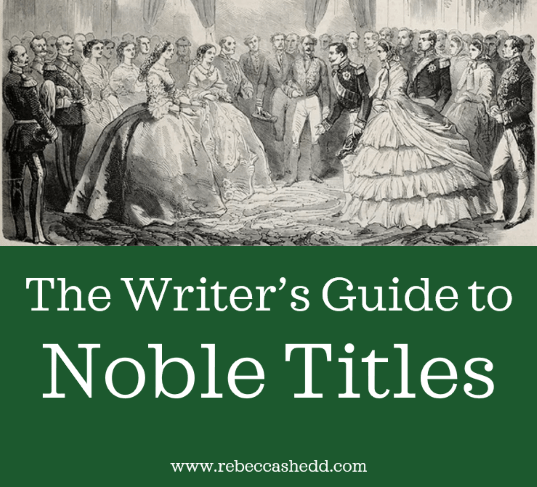
Today I will cover the titles and forms of address for members of the nobility. Collectively, the nobles of a country or kingdom are known as the peerage. There was a strict pecking order within the peerage during much of European history and it still exists in a form today in the United Kingdom and other European countries where the nobility is intact.
If you are interested in titles for royalty, I suggest you read my previous article, The Writer’s Guide to Royal Titles. Just as with that article, I will focus on medieval and Renaissance Europe.
Duke and Duchess
A duke was the highest-ranking member of the peerage, below only royalty. Several royal families have the traditional of giving princes the title of duke, including the UK, Belgium, Denmark, Spain, and Portugal. A duchess was the wife of a duke and could be of royal blood or not.
The proper form of address both in writing and verbally is “Your Grace,” although “My Lord Duke” can also be used. [1] “Your Grace” is used only with those of royal blood. [2] If a duke is greeting another duke in a formal setting, they would use “your Grace” if both are of royal blood or “my Lord Duke,” if they are not. In an informal setting, they would use “Duke (Name)” and if they are friends and in a private setting, they would likely use their first names.
The same rules apply for a duchess, although she would use the term “Duchess.”
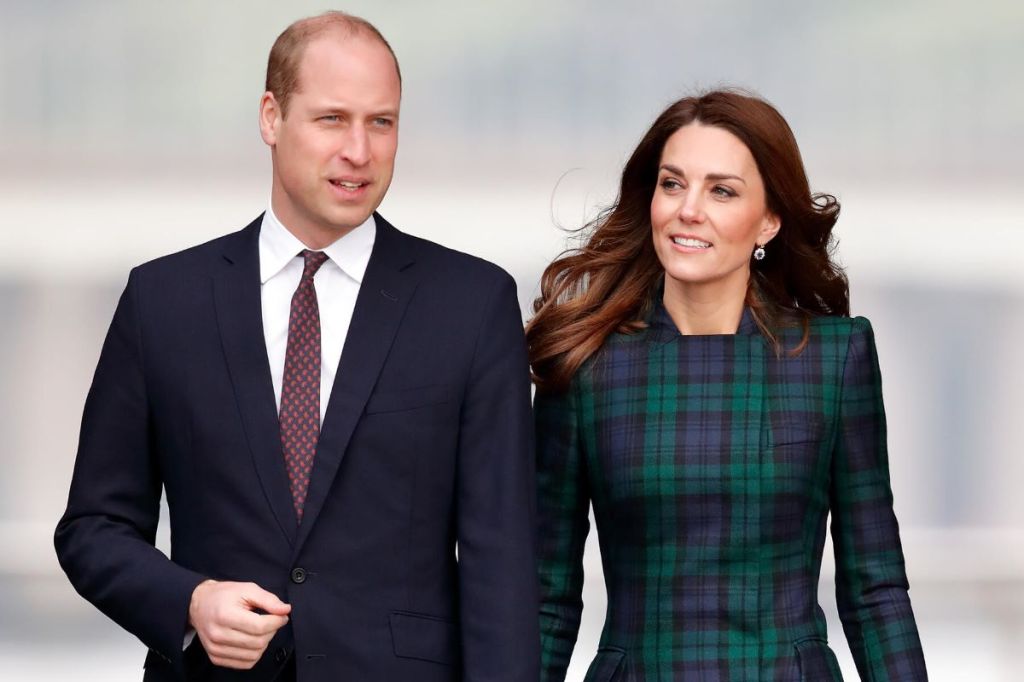
A duke or duchess could also be referred to by the name of the territory they control, even if they are of royal blood. For example, Prince William and his wife, Catherine, are referred to as the Duke and Duchess of Cambridge.
Marquis and Marchioness
The rank of marquis and marchioness originated in France. It also refers to a noble who is given land on the border of a country, commonly called a march, and has a special duty to defend it against invasion. In the UK, the title is spelled marquess.
The formal form of address was “my Lord” or “your Lordship.” “Marquis (Name)” could be used in more informal settings.
A marchioness is the wife of a marquis. She would be referred to as “my Lady” or “your Ladyship” and informally as “Lady (Name).”
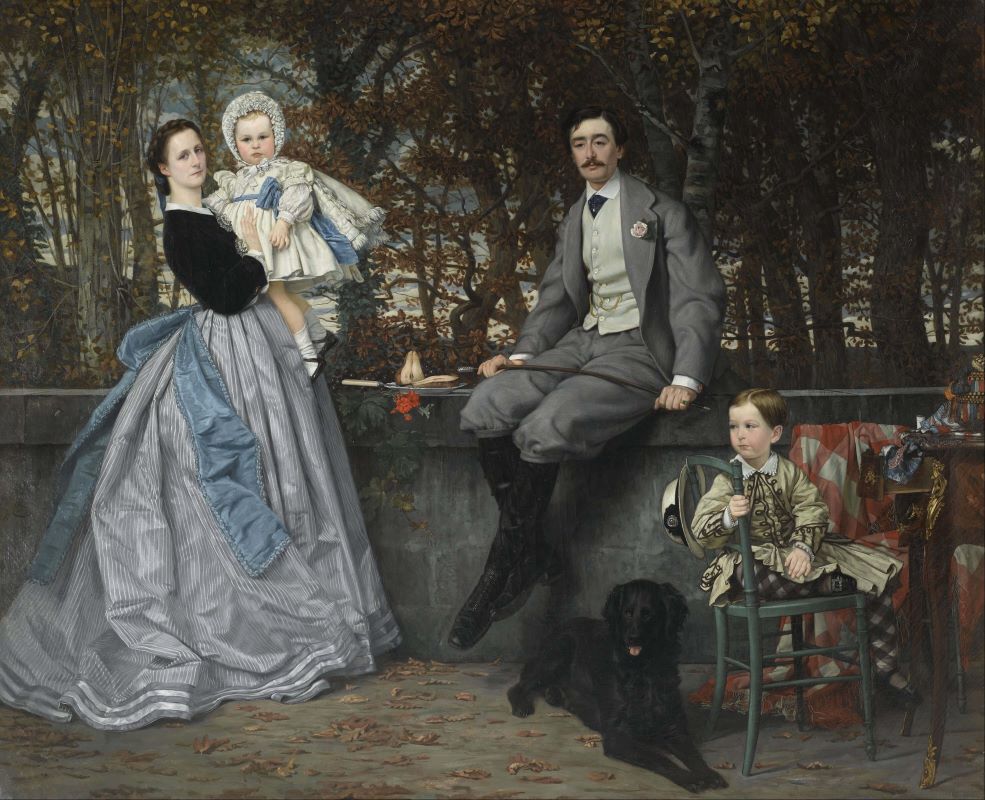
Just as with a duke and duchess, a marquis could be referred to by the name of the territory he controls. For example, John Stewart, the Marquis of Waterton would be called Lord Waterton but not Lord Stewart or Lord John. [3] His wife, Anne Stewart, the Marchioness of Waterton would be called Lady Waterton or Lady Anne but not Lady Stewart. A married woman was also never referred to by her maiden name.
Earl and Countess
Earl is an ancient title that likely originated from the Scandinavian title jarl and referred to a high-ranking chieftain who ruled in the king’s stead. [4] The wife of an earl is a countess.
All the same rules for a marquis and marchioness apply.
Viscount and Viscountess
Use of the title viscount and viscountess varies between different European counties. In some, it is an administrative or judicial title, while in others, such as the UK, it is a hereditary title.
All the same rules for a marquis and marchioness apply.
Baron and Baroness
Baron and baroness were titles that originated in France and were introduced to England after the Norman Conquest of 1066. They later spread to Scotland, Italy, and Scandinavia.
All the same rules for a marquis and marchioness apply.
Knight and Lady
A knight is a warrior given a title and lands by a monarch as a reward for military service. The title was commonly hereditary. [5] The wife of a knight was usually referred to as a lady. A knight could hold another higher title or not.
The common form of address was “sir” although he could also be referenced by name. For example, Sir Thomas Ward would be called Sir Thomas or Master Ward, but not Sir Ward. His wife, Margaret, would be called Lady Ward or Dame Margaret. [6]
I hope this was helpful. Let me know if you have questions or suggestions by using the Contact Me form on my website or by writing a comment. I post every Friday and would be grateful if you would share my content.
If you want my blog delivered straight to your inbox every month along with exclusive content and giveaways, please sign up for my email list here.
Let’s get writing!
Copyright © 2022 Rebecca Shedd. All rights reserved.
[1] Montegue-Smith, Patrick, ed. (1984). Debrett's Correct Form. London: Futura Publications. p. 27. ISBN 0-7088-1500-6.
[2] Secara, Maggie, A Compendium of Common Knowledge 1558-1603, Popinay Press, Los Angeles, CA, 1990-2008, ISBN 978-0-9818401-0-9, p. 25.
[3] Secara, Maggie, A Compendium of Common Knowledge 1558-1603, Popinay Press, Los Angeles, CA, 1990-2008, ISBN 978-0-9818401-0-9, p. 26.
[4] "Earl". Oxford English Dictionary. Retrieved 24 March 2020.
[5] Almarez, Felix D. (1999). Knight Without Armor: Carlos Eduardo Castañeda, 1896-1958. Texas A&M University Press. p. 202. ISBN 9781603447140.
[6] Secara, Maggie, A Compendium of Common Knowledge 1558-1603, Popinay Press, Los Angeles, CA, 1990-2008, ISBN 978-0-9818401-0-9, p. 27-28.
 Rebecca Shedd - Author
What i do not understood is in truth how you are no longer actually a lot more neatly-preferred than you may be right now. You are very intelligent. You already know therefore significantly with regards to this matter, made me individually believe it from a lot of varied angles. Its like men and women are not fascinated until it?s one thing to accomplish with Lady gaga! Your individual stuffs excellent. At all times care for it up!
LikeLike
Thanks for every other informative website. Where else could I get that type of information written in such a perfect method? I’ve a undertaking that I am simply now running on, and I’ve been at the look out for such information.
LikeLike
I have been exploring for a little for any high quality articles or blog posts on this kind of house . Exploring in Yahoo I at last stumbled upon this site. Reading this information So i?m glad to exhibit that I’ve an incredibly excellent uncanny feeling I discovered exactly what I needed. I most undoubtedly will make sure to do not overlook this site and provides it a glance regularly.
LikeLike
Attractive section of content. I just stumbled upon your web site and in accession capital to assert that I acquire in fact enjoyed account your blog posts. Any way I?ll be subscribing to your feeds and even I achievement you access consistently quickly.
LikeLike
Very nice post. I simply stumbled upon your blog and wished to mention that I’ve really loved browsing your weblog posts. After all I will be subscribing in your rss feed and I am hoping you write once more soon!
LikeLike
It?s hard to search out educated individuals on this matter, however you sound like you recognize what you?re talking about! Thanks
LikeLike
We’re a gaggle of volunteers and starting a brand new scheme in our community. Your web site provided us with useful info to paintings on. You have performed a formidable process and our whole community shall be thankful to you.
LikeLike
I have recently started a blog, the info you offer on this site has helped me tremendously. Thanks for all of your time & work.
LikeLike