The Worldbuilder’s Toolkit: Climate & Weather Patterns

In our fictional worlds, climate and weather patterns can accomplish many things. They can set the mood in everything from a scene to the entire novel. These elements can also extend beyond mere backdrop, shaping cultures, influencing characters, and propelling plots forward. In this guide, I’ll explore the profound impact of climate and weather on worldbuilding, examining their role in shaping cultures, settings, and characters, while also offering practical advice and examples for writers to create rich, immersive worlds.
Climate and Culture: The Dunes of Dune
Climate and weather are integral to culture, influencing architecture, clothing, food, and traditions. Of course, the first impact of climate and weather has to do with the general climate of a location. Is the setting of your book in a specific biome such as a jungle, a desert, or a temperate coastline? Consider how much the climate changes between the seasons. If your world is a globe like Earth, then it will be hotter near the equator and the temperature there will change very little throughout the year. How would it change the weather if your world is flat? If your genre is science fiction and set on an alien planet, what is similar or different about your weather from Earth? Consider the impact on length of days and years, makeup of the atmosphere, effect on animal species, etcetera.
Climate and weather also have a massive impact on culture. The most immediate is on how easily people can find food and water. After that is clothing. People must dress to their environment, wearing tight-fitted fur-lined garments for cold climates and loose-fitting breathable fabrics in hotter climates. This is a great chance to pull from many cultures and styles from our own history. You can also mix and match multiple cultures or historical periods to get a look that is unique to your book.
Climate and weather also affect food, determining what kind of food inhabitants of this area can grow or raise, how long the growing season lasts, and how much meat versus produce they consume. Climate and weather also profoundly influence architecture. If the climate is cold, houses normally have smaller rooms to conserve heat with few windows. However, houses that are built in warm climates often prioritize air flow. For example, the Persians developed towers that catch the wind and funnel it through the house, acting as a basic form of air conditioning. [1]
Frank Herbert’s “Dune” presents an exemplary case of how climate and weather intricately weave into the fabric of culture. On the desert planet of Arrakis, relentless heat and scarcity of water steer the evolution of Fremen society. Their architecture, predominantly adobe structures and subterranean sietch communities, revolves around maximizing shade and conserving water. The Fremen’s clothing choices are exemplified by the iconic stillsuits, technologically advanced garments designed to recover and purify bodily fluids, reflecting their imperative to conserve every drop of water. The scarcity of natural resources directly ties into the importance of the spice melange, a cornerstone of Arrakis and the Dune series, whose cultivation and value are intricately bound to the planet’s extreme climate conditions. Water preservation rituals, like the “Water of Life” ceremony, underscore the Fremen’s relationship with their environment and the importance of moisture. These cultural adaptations and traditions vividly illustrate the profound influence of climate on the development of their society, ultimately enriching the narrative with depth and authenticity.

Weather’s Impact on Characters, Setting, and Plot: The Skies of Pern
Climate and weather can also have a large impact on your characters, setting and plot. This could be anything as minor as setting the mood. For example, a gloomy and forbidding English moor is the perfect backdrop for a Victorian mystery, while a sun-drenched beach helps set the mood for a tropical romance. However, weather as setting is the smallest use for these atmospheric elements.
Climate and weather can have a large impact on characters. Depending on where they have lived, the weather could have molded them into a physically tough person. If they have lived in a climate that is hospitable where food is readily available, this could make them a softer, weaker character. Climate also impacts physical appearance. People who have lived in sunny places for a long time naturally develop darker skin, hair, and eyes as a protection against sunburn. While people in more northern climates or those where the sunlight is not as intense have lighter hair, skin, and eyes.
Weather and climate can also have a massive impact on plot. All it takes is one storm, earthquake or flood for your character’s world and life to change forever.
As I mentioned in the previous section, weather can also have a large impact on culture, including the one your character originates from as well as those that they meet in their travels. Think about how their culture developed and the differences between it and the other cultures in your world. Consider small things that could stand out to your character as sizeable differences. For example, if your character comes from a desert culture and someone offers them a bathtub full of water, think about how they would react.
Anne McCaffrey’s “Dragonriders of Pern” serves as a remarkable example of how weather patterns can become dynamic catalysts in the narrative. The relentless threat of Threadfall, deadly spores that descend sporadically from the skies, plagues the planet Pern. This looming menace shapes characters’ destinies as they develop the unique skill of dragon-riding to combat Threadfall. Pern’s dragons can teleport, a power harnessed to fight the threat. The impact of weather on the dragons’ teleportation abilities creates tension and challenges in the story. Threadfall becomes a central plot element, driving character development and societal evolution. The ever-present threat of spores from the sky shapes Pernese culture, influencing societal structures, architecture, traditions, and the partnership of dragons and riders. Weather on Pern is not merely a backdrop but a living element that influences characters’ actions, shapes societal norms, and drives the narrative forward, showcasing the intricate dance between weather patterns and storytelling.

The Writer’s Toolkit
As you consider the climate and weather patterns to include in your world, think about the key considerations. If you are trying to impart a certain mood, consider what types of weather would contribute to that. Consider the climate that your character grew up in if you want them to have certain physical and mental traits besides those imparted by their social and cultural background. If they need to travel somewhere, think about how climate could be an obstacle such as the annual monsoons. When your character travels to a different climate, maybe mention how their thin clothing, which is intended for their humid homeland, is unsuitable for the colder weather. If your world has fantastical elements, such as magical storms or meteorological anomalies, establish clear rules and determined how cultures have had to adapt their lifestyle, clothing, food production, architecture, and cultural practices to this weather pattern.

A Case Study: The Stormlight Archive
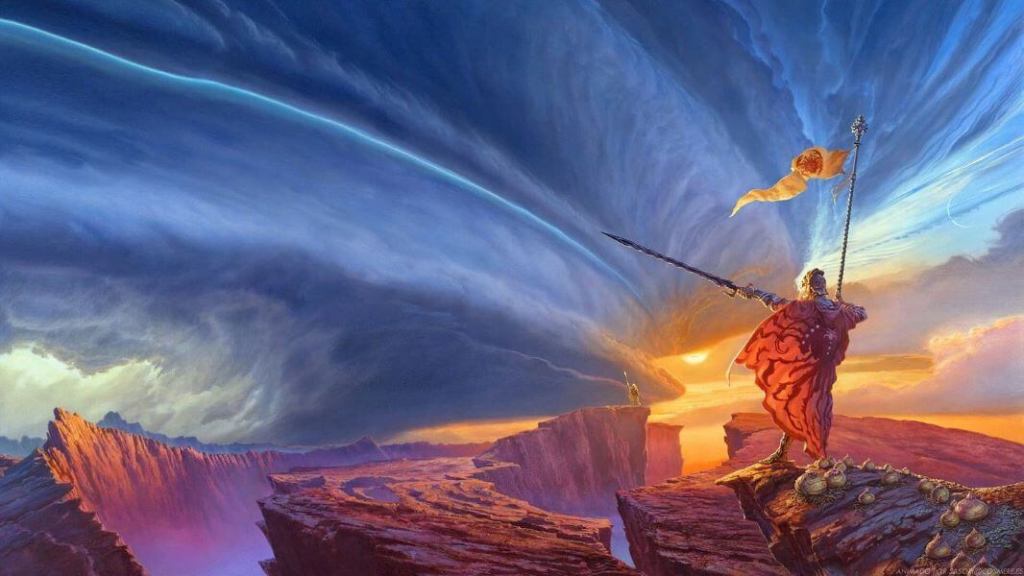
Brandon Sanderson’s “Stormlight Archive” introduces the concept of High Storms, colossal tempests with life-giving energy. These storms shape the landscape, societies, ecology, and even the magic of the world.
The High Storms have influenced flora, leading to the growth of gemhearts, unique plant formations that impact the world’s economy and conflict. They have also led to the evolution of animals which have shells that protect them if they are caught out in a High Storm.
The storms power the magic system, with certain individuals harnessing stormlight to perform extraordinary feats.
Architecture in the world of Roshar accounts for the frequent High Storms, with structures that are strengthened on the windward side and feature retractable walls, protective glyphs, and gemstone reserves to capture stormlight.
High Storms serve as a catalyst for key plot events and character development, making them an essential element of the story.
The art of worldbuilding is an intricate dance between creativity and realism, with climate and weather patterns serving as essential partners. These atmospheric elements not only shape cultures and landscapes, but also breathe life into characters and narratives. As a writer, you have the privilege of harnessing the power of climate and weather to create immersive and captivating worlds. By considering the impact of geography, crafting unique climates, and understanding the cultural and narrative potential of weather, you can paint your worlds with the rich palette of climate, giving them depth, authenticity, and a unique identity. So, let your stories weather the storms and bask in the sunshine of imagination. Happy worldbuilding!
I hope this was helpful. Let me know if you have questions or suggestions by using the Contact Me form on my website or by writing a comment. I post every Friday and would be grateful if you would share my content.
If you want my blog delivered straight to your inbox every month along with exclusive content and giveaways, please sign up for my email list here.
Let’s get writing!
Copyright © 2024 Rebecca Shedd. All rights reserved.
[1] https://en.wikipedia.org/wiki/Windcatcher
 Rebecca Shedd - Author
These are some great examples! The Pern worldbuilding I found facinating.
LikeLike
Thank you!
LikeLike
Pingback: The Worldbuilder’s Toolkit: Culture | Rebecca Shedd - Author