The Writer’s Guide to Writing Injuries Realistically
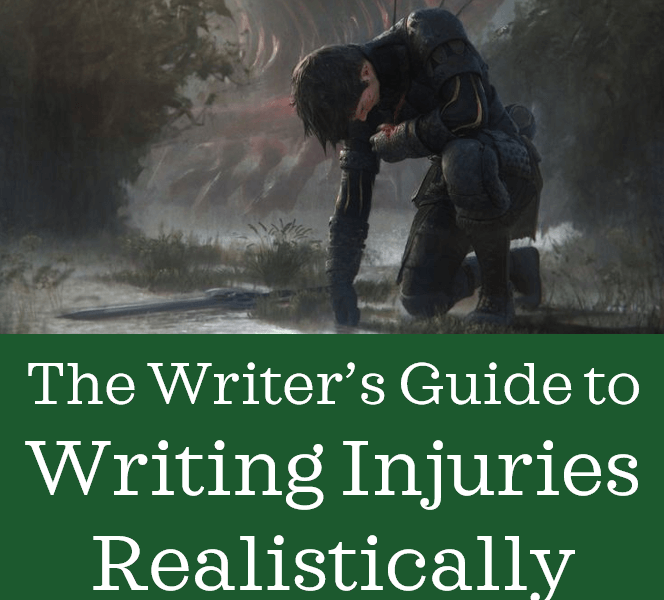

In storytelling, injuries are more than just obstacles for heroes to overcome. They have the power to deepen character development, increase plot tension, and add a layer of authenticity that draws readers into the narrative. But to achieve these effects, injuries in fiction need to be portrayed with realism. A character who takes a severe beating and is back in top shape the next day may break immersion, while a hero who bears scars—both physical and emotional—from past battles can captivate and resonate with audiences.
This article is the first in a new series on different injuries and how to write them realistically.
Why Accuracy Matters
Enhances Realism and Immersion
The first reason for writing injuries accurately is simple – it keeps readers immersed. In real life, injuries have real consequences. A broken bone, for example, isn’t just a temporary setback; it brings pain, requires rest, and limits movement for weeks or months. When characters experience realistic physical consequences, readers are less likely to be jolted out of the story.
Imagine an action sequence where the hero sustains a deep stab wound but fights as if nothing happened. While adrenaline can allow people to ignore pain momentarily, most readers know that a wound that severe would slow someone down. Ignoring these limitations or downplaying injuries reduces the sense of realism and can make it harder for readers to suspend disbelief.
Builds Empathy for Characters
Injuries have a unique way of building empathy. Watching a character in pain or struggling with physical limitations makes us feel for them on a human level. Injuries add vulnerability, a reminder that even heroes are mortal and suffer just like anyone else.
For example, a soldier who bears the scars of battle carries those experiences as a reminder of sacrifice and survival. When a character deals with the slow, painful process of healing, readers feel their frustration, perseverance, and resilience. These experiences bridge the gap between the fictional and real worlds, drawing readers closer to the character’s struggles.
Injuries naturally introduce conflict and tension, both external and internal. A character recovering from a concussion, for example, may feel disoriented or experience migraines. Concentrating on important tasks might be difficult for them, or they might be forced to confront their limitations. This creates a compelling internal struggle, where characters grapple with not only their physical pain but also their perceived or real weaknesses.
Externally, injuries can affect relationships with other characters. If a hero is injured, their allies might try to protect them, creating tension between self-reliance and dependence. This tug-of-war adds complexity to the story, as characters must adapt their actions and relationships in light of their injuries.

Impacts Plot and Pace
Injuries affect what characters can do, which affects the plot. A character who has sustained a serious injury might be unable to pursue a goal directly and instead must rely on others, adapt their strategies, or take longer to achieve their objectives. This forced shift can open new avenues in the plot, introduce unexpected challenges, and affect the pace of the story.
For instance, imagine a detective who suffers a broken leg. They can no longer run after suspects or visit multiple crime scenes. Instead, they may rely on observation, mental deduction, and possibly even collaboration with others, shifting the story’s focus and rhythm. These adjustments make the story feel dynamic and can lead to creative plot developments that might not have existed without the injury.
Shows Character Growth and Resilience
How a character handles an injury—whether it’s a minor scrape or a life-altering wound—speaks volumes about their personality, growth, and resilience. A hero who stubbornly refuses to rest after a serious injury shows both their determination and their flaws. A character who grapples with permanent injury might go through stages of denial, anger, acceptance, and adaptation, all of which can reveal new facets of their personality.
Injuries provide opportunities to explore the mental resilience of characters. Are they the type to bounce back, or do they struggle with self-doubt and frustration? A well-written injury and recovery arc can reveal a character’s strength, vulnerability, and the depths of their perseverance in ways that few other events can.
Last, writing injuries accurately is a way of respecting readers who may have experienced similar situations. People who’ve broken bones, undergone surgeries, or recovered from traumatic injuries know firsthand the struggles involved. When writers handle injuries realistically, they show empathy and respect for these experiences, creating connections with readers who recognize their own hardships reflected in fictional characters.
Inaccurate portrayals risk trivializing or misrepresenting the difficulties of recovery. By taking time to understand injuries and the toll they take, writers can create stories that are both inclusive and sensitive to the realities of pain, healing, and perseverance.

Challenges Writers Face When Depicting Injuries—and How to Overcome Them
Writing injuries accurately isn’t easy. It involves understanding complex physical, emotional, and psychological impacts, each of which can vary widely depending on the type and severity of the injury. Here are some of the most common challenges writers face when depicting injuries and practical tips on overcoming them.
Balancing Realism with Narrative Pace
One of the biggest challenges is balancing realism with the story’s pace. Realistically, many injuries require weeks or months to heal, but this can slow down the plot, especially in action-heavy stories. It’s tempting to have characters recover faster to keep things moving, but doing so risks making the story feel rushed or unrealistic.
How to Overcome It
Use Time Jumps – If the story allows, use time jumps to skip the most tedious parts of recovery while acknowledging the time spent healing.
Explore Alternative Activities – While the character recovers, focus on other aspects of the plot—like interpersonal conflicts, training that doesn’t require physical exertion, or mental challenges.
Show Gradual Improvement – Instead of making recovery instant, let it happen in stages. Small signs of improvement, such as reduced pain or increased mobility, allow readers to see progress without the story dragging.
Avoiding the “Superhero Syndrome”
In many stories, characters—especially action heroes—shrug off serious injuries without proper consequences. This “superhero syndrome” can be appealing for high-energy storytelling, but often results in a lack of believability.
How to Overcome It
Limit Physical Capabilities – Show how the injury restricts the character’s actions. Even if they’re pushing through pain, depict them wincing, slowing down, or relying on others.
Highlight Vulnerability – Show the character struggling with their limitations and needing to adapt. This not only makes the injury more realistic, but also adds depth to the character’s experience.
Use Supportive Devices or Aids – If appropriate for the injury, include crutches, splints, or slings. This minor detail reinforces that injuries have lasting physical consequences.
Understanding the Medical Details
Writers often struggle with the technical aspects of injuries – What exactly happens when a bone breaks? How do you treat a head injury? Mistakes in these areas can be jarring for readers with any medical knowledge.
How to Overcome It
Consult Reputable Sources – Medical websites like Mayo Clinic or MedlinePlus, textbooks, and even firsthand accounts of recovery can give a clearer picture of what’s involved in an injury and its treatment.
Ask a Medical Professional – If possible, consult someone in the field—a doctor, nurse, or paramedic—to understand injury mechanics and treatment steps.
Simplify When Necessary – You don’t need to go into exhaustive detail. Focus on key elements of the injury (e.g., visible symptoms, basic treatment, and recovery time), but avoid getting bogged down in medical jargon.
Managing the Emotional and Psychological Impact
Injuries aren’t just physical; they can lead to frustration, fear, or even trauma. Accurately capturing these emotional responses adds authenticity, but it’s easy to overlook the emotional and mental side of injuries.
How to Overcome It
Research Mental Health Effects – Look into the psychological effects of different injuries, particularly those with long-term implications. Understanding post-traumatic stress, fear of reinjury, or depression after injury can provide depth to your character’s response.
Give Characters Time to Process – Allow your character to express frustration or fear and even have moments of doubt or hopelessness. This helps readers connect with the character’s experience.
Show Support Systems – Injuries often require people to lean on others. Showing characters accepting help or dealing with their isolation adds a valuable layer to the recovery journey.
Avoiding Clichés and Overused Tropes
Injuries in fiction often fall into the same patterns—heroes getting injured in predictable ways or recovering unreasonably fast. This can make a story feel generic, robbing injuries of their unique role in shaping characters.
How to Overcome It
Research Real-Life Accounts – Real-life injury experiences often differ from common tropes. Reading about real recovery journeys can inspire more nuanced and fresh approaches.
Focus on Unique Impacts – Instead of the same “hero with a broken arm” scenario, consider less common injuries, like torn ligaments or nerve damage. These injuries come with unique challenges and recovery paths.
Subvert Expectations – Try introducing injuries at unexpected times or showing characters’ frustrations when they can’t “push through the pain.” Subverting the “grit and bear it” trope with honest, vulnerable reactions can make the story feel refreshing and authentic.
Deciding When to End the Injury Arc
Writers often face the challenge of knowing when the character’s injury should stop affecting the story. Ending it too soon can make it feel inconsequential, while dragging it out can slow the narrative.
How to Overcome It
Plan the Injury’s Arc – Before introducing the injury, decide how long it will last and when it will cease to be a major factor in the story. Outline its impact and recovery milestones.
Use Symbolic Recovery Points – Consider letting the injury “heal” as the character achieves certain story goals. For instance, a physical recovery could parallel an emotional or mental breakthrough.
Acknowledge Lingering Effects – Even after full recovery, many injuries leave scars or slight limitations. Show the character adjusting to these minor aftereffects, allowing the injury to fade naturally without vanishing altogether.

Depiction of Injury and Recovery Depends on Genre
The portrayal of injuries in fiction varies significantly depending on the genre. Each genre, whether contemporary, fantasy, science fiction, or historical, brings unique elements that shape how injuries are received, avoided, described, and treated. In each genre, injuries serve not only as physical events but as storytelling devices that add tension, reveal character, and enhance immersion. By understanding the genre’s specific elements—such as magical healing in fantasy, futuristic treatments in sci-fi, and historical limitations in period pieces—writers can craft realistic, impactful injury portrayals that resonate with readers and stay true to the world they’ve created.
Contemporary Fiction
In contemporary settings, writers portray injuries in familiar, real-world terms. Characters live with the same physical vulnerabilities and medical resources that readers would encounter, which grounds injuries in realism and relatability.
Injuries in contemporary fiction often stem from everyday activities, accidents, violence, or physical confrontations. Car crashes, falls, sports injuries, and fistfights are common sources, with a focus on the realistic aftermath, such as bruising, broken bones, or concussions.
Because characters live in a recognizable world, they likely have access to everyday safety measures like seatbelts, helmets, or protective sports gear. While these don’t guarantee immunity, they can lessen injury severity and inform the realism of how characters might avoid harm.
In contemporary fiction, modern medicine is readily available. Readers expect accurate portrayals of emergency care, doctor visits, physical therapy, and medications. Recovery from injuries will align with medical knowledge, and ignoring realistic recovery times can break immersion.
Since readers are familiar with modern injuries, there’s less need to over-explain treatment processes. Writers can focus more on the emotional and psychological toll, especially if the injury is traumatic or life changing. Realistic timelines, complications, and aftereffects like scarring or limited mobility should be consistent with modern expectations.
Fantasy
Fantasy introduces unique physical and magical elements that can significantly alter how injuries occur, how characters avoid them, and how they’re treated. The availability of armor, enchanted weapons, and healing magic creates a rich tapestry for depicting injuries.
In a fantasy world, characters might receive injuries from swords, arrows, magical attacks, mythical creatures, or powerful enchantments. Writers can get creative with wounds from supernatural forces, such as burns from dragon fire or curses that affect the mind and body.
Armor, shields, and magical protection spells play a significant role in fantasy injury prevention. The effectiveness of these protections can vary – some might completely deflect attacks, while others may lessen the severity of wounds. A character’s combat skill, experience with armor, and agility often determine how well they avoid injuries.
Fantasy opens unique healing possibilities, from herbal remedies and healing potions to full magical restoration. Magic allows for faster recoveries, even from fatal wounds, but writers can add limitations to make healing magic less predictable or require a heavy toll. If magical healing isn’t available, characters may rely on medieval-style treatments with herbs, splints, or poultices, which would come with higher infection risks and slower recoveries.
Fantasy writers have the flexibility to create vivid, even outlandish descriptions of injuries. Magic might leave unusual marks, like glowing scars or burns that never heal completely. Describing the limitations or side effects of magical healing can deepen immersion, as can lingering damage if healing magic is only partially successful.
Science Fiction
Science fiction injury portrayals are defined by advanced technology, futuristic weapons, and, sometimes, alien physiology. The genre’s scope allows writers to imagine new types of wounds and treatments that don’t exist today.
Injuries might come from laser weapons, plasma blasts, explosions, radiation, and high-tech close-combat weapons. The futuristic nature of sci-fi weapons can add unique consequences, such as burns from energy blasts or internal damage from sonic weapons. Alien settings might introduce environmental hazards, such as toxic atmospheres or hostile alien creatures.
Advanced armor, energy shields, and bio-enhancements are common in science fiction, making it possible for characters to evade or minimize damage in unique ways. Protective technology may have drawbacks, like limited battery life, vulnerability to hacking, or being ineffective against certain weapons, adding layers to the narrative.
Sci-fi medicine often includes advanced technologies like nanobots, genetic manipulation, cryotherapy, or instantaneous regenerative treatments. However, these treatments may have risks or limitations, such as high costs, side effects, or being unavailable in emergency situations. Writers can use this flexibility to balance the benefits and risks of futuristic healing, creating compelling decisions for characters.
Sci-fi injuries often warrant more detailed descriptions to help readers visualize unfamiliar wounds or treatments. When writing injuries caused by futuristic weapons, it’s important to explain what a laser burn or radiation wound looks like, feels like, and how it differs from traditional injuries. Advanced healing may leave unusual marks or even alter the character’s body in subtle ways, adding layers to the story’s world-building.
Historical Fiction
In historical fiction, the limitations of the era’s knowledge, technology, and medical practices shape injury depictions. Writers must balance historical accuracy with an understanding of the realities of past eras.
Characters in historical fiction often face injuries from battles, animal attacks, accidents, or harsh living conditions. Weapons like swords, arrows, or early firearms will produce injuries specific to the time, such as sword slashes, arrow wounds, or gunpowder burns. Historical battles often resulted in infections, making minor injuries potentially deadly.
Armor and defensive techniques vary by era and culture. Medieval armor, for instance, was highly effective against bladed weapons, but might be cumbersome and leave areas exposed. Historical characters may also take precautions, like wearing layers of clothing for warmth and padding, especially in harsh climates or while traveling.
Historical medical treatments are often limited, relying on herbal remedies, rudimentary surgery, and basic hygiene. Amputations, cauterization, and bloodletting are just a few historical treatments that add intensity to injury depictions. Recovery times would be much slower, with a high risk of infection or fatal complications from what would be minor injuries today.
Historical accuracy requires depicting both the treatments available and the mental resilience needed to endure them. Writers should consider the sights, sounds, and even smells of period-specific medical practices to immerse readers in the experience. Understanding cultural views on injury, disability, and medicine can also add depth to character interactions and recovery.
Accurately portraying injuries requires effort, but it’s worth the investment. When done well, these portrayals add depth, realism, and emotional weight to a story, giving readers a chance to walk in the shoes of characters who hurt, heal, and grow. Injuries are more than a plot device—they’re a reflection of the human experience, a reminder of both our fragility and our resilience.
By committing to accuracy, you create a richer world for your characters and a more immersive experience for your readers. So, the next time you plan an injury for your character, remember to lean into the details—both the pain and the power that come with it.

I hope this was helpful. Let me know if you have questions or suggestions by using the Contact Me form on my website or by writing a comment. I post every Friday and would be grateful if you would share my content.
If you want my blog delivered straight to your inbox every month along with exclusive content and giveaways, please sign up for my email list here.
Let’s get writing!
Copyright © 2025 Rebecca Shedd. All rights reserved.
 Rebecca Shedd - Author