The Writer’s Guide to Concussions and Head Injuries
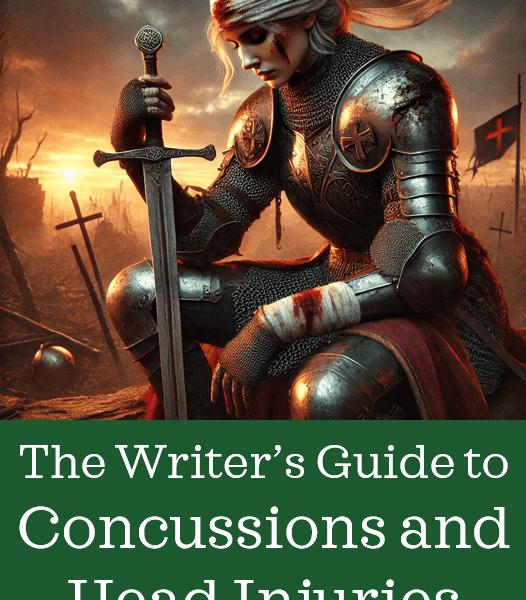
Concussions and head injuries are common in action-packed stories, from intense battles in fantasy worlds to space missions gone wrong in science fiction. But writing these injuries convincingly requires more than just a dramatic fall or blow to the head. Understanding causes, symptoms, recovery timelines, and potential long-term effects will add depth and realism to your story.
This article covers what writers need to know about concussions and head injuries, including how they happen, how they manifest, and how they shape characters in the short and long term.
Causes
A sudden impact or violent motion jars the brain inside the skull, causing a concussion. They can happen in various ways, depending on the setting of your story:
Accidents such as car crashes, falls, or industrial accidents. Combat injuries such as punches, weapon strikes, explosions, or blunt force trauma. Sports and competitions such as athletic injuries, including high-contact sports or gladiatorial combat. Fantasy and sci-fi scenarios such as magic blasts, force fields, psychic feedback, or malfunctioning neural implants.
Example: She slammed into the ship’s bulkhead as the artificial gravity failed. Her helmet cushioned the blow, but her vision swam as alarms blared in her ears.

Symptoms of Head Injuries
Head injuries range from mild to severe. After sustaining one, characters may experience a mix of physical, cognitive, and emotional symptoms.
Immediate Symptoms (Minutes to Hours After Impact)
Physical symptoms such as headache, dizziness, nausea, vomiting, sensitivity to light or sound. Cognitive effects such as confusion, memory loss (especially about the injury), disorientation, trouble focusing. Emotional reactions such as irritability, frustration, or emotional outbursts.
Example: “Where am I?” he groaned, blinking against the harsh fluorescent light. His head throbbed, and he couldn’t remember how he’d ended up in the hospital.
Delayed Symptoms (Hours to Days After Impact)
Persistent headaches, often described as throbbing or dull. Trouble sleeping or feeling exhausted despite rest. Mood swings and irritability, including unpredictable emotional responses. Memory and concentration problems, including difficulty focusing or recalling details.
Example: She woke with a splitting headache and blurred vision. The last thing she remembered was the knight’s gauntleted fist crashing into her temple. Her memories of the fight were a scattered haze.
Severe Symptoms (Red Flags Requiring Emergency Care)
Seizures, loss of consciousness (for more than a minute), slurred speech, severe disorientation or confusion, and bleeding or fluid leakage from the ears or nose.
Example: His words slurred as he fumbled with his comms device. Blood dripped from his nose, unnoticed. “Gravity malfunction—requesting… backup…” The screen went dark as he collapsed.
Severity Levels of a Concussion
Understanding the different severities of concussions can help adjust the injury’s impact on your character and the plot.
Mild Concussion (Grade 1)
Symptoms: Short-term confusion, headache, dizziness.
Recovery Time: 1–2 weeks with rest.
Story Use: Great for temporary incapacitation in action scenes without permanent consequences.
Moderate Concussion (Grade 2)
Symptoms: Memory loss, prolonged headaches, confusion, light sensitivity.
Recovery Time: 2–4 weeks or longer.
Story Use: Increases the stakes by limiting the character’s abilities and creating an ongoing obstacle.
Severe Concussion (Grade 3)
Symptoms: Prolonged unconsciousness, memory loss, cognitive issues, brain bleeding.
Recovery Time: Months to years (or permanent damage).
Story Use: Ideal for high-stakes narratives questioning survival, identity, or mental stability.
Example: The warrior had fought countless battles, but after that final, crushing blow to his skull, he couldn’t remember his home—or his name.

Recovery from Head Injuries
Recovery from a concussion is rarely instantaneous. It often involves periods of rest, restricted activity, and sometimes rehabilitation.
Key Elements of Recovery
Immediate Rest: Doctors may confine the character to bed or order them to avoid physical activity.
Limited Stimulation: No bright lights, screens, or loud noises.
Supervised Recovery: Medical check-ins, magical healers, or futuristic med-bots might monitor progress.
Setbacks and Relapses: Pushing too hard can worsen the injury, delaying recovery, or causing permanent damage.
Example: “Stay still,” the healer warned, pressing glowing fingers to his temple. “Your mind is fractured as much as your skull. Even magic cannot mend a spirit that refuses to rest.”
Long-Term Effects of Head Injuries
Long-term consequences can add complexity to your character’s arc, creating an evolving struggle that goes beyond the immediate injury.
Chronic Headaches: Persistent pain triggered by stress or overexertion.
Memory Issues: Lost memories or ongoing difficulty with recall.
Mood Disorders: Depression, anxiety, PTSD, or unpredictable emotional reactions.
Physical Impairments: Balance problems, reduced motor skills, or permanent damage.
Example: Years after the accident, her hands still trembled when she adjusted the ship’s delicate navigation controls. The med-docs said the neural damage was minimal, but she knew better.
Treating Concussions and Head Injuries Across Time
The treatment of concussions and head injuries heavily depends on the knowledge, technology, and beliefs of the era. From herbal remedies and ritual healing in the ancient world to cutting-edge brain scans in modern medicine, treatments for head injuries have developed dramatically. The treatment of concussions and head injuries reveals much about your world. Treatment methods reflect cultural beliefs, scientific progress, and even ethical dilemmas. By exploring treatment options, you can add depth and authenticity to your stories while crafting compelling recovery arcs for your characters.
In this section, I’ll explore typical treatments from the ancient world, medieval world, and modern contemporary medicine, followed by speculative future advancements in treating head trauma.
Ancient World Treatments
Ancient peoples had limited understanding of head injuries, and their treatment methods were often rudimentary or mystical. However, some ancient practices were surprisingly effective given the lack of scientific knowledge.
Diagnosis and Beliefs
People often linked head injuries to spiritual or supernatural causes. Many cultures believed head trauma could cause “possession” or disrupt a person’s connection to the divine. Healers used observation to assess injuries, noting signs like loss of consciousness or strange behavior after head trauma.
Common Treatments
Trepanation (Skull Drilling): One of the earliest surgical procedures in history, trepanation involved drilling a hole in the skull to relieve pressure from swelling or “release evil spirits.” Surprisingly, some patients survived and even lived long afterward.
Herbal Remedies: Willow bark was used to reduce pain and inflammation (a natural source of salicylic acid). Lavender and chamomile were used to calm the mind and reduce anxiety.
Bed Rest and Observation: Although no formal bed rest concept existed, injuries often compelled individuals to rest.
In Fiction
A shaman might perform trepanation with enchanted tools to “free the mind” in a fantasy world. Ancient herbalists could craft potions from rare plants to dull pain or prevent seizures.
Example: “The village elder pressed a poultice of crushed herbs to the warrior’s temple, muttering ancient prayers. ‘If the spirits wish for his mind to mend,’ she warned, ‘they will answer by dawn.’”
Medieval World Treatments
In the medieval period, superstition deeply influenced medical care, though some practical treatments emerged through trial and error. Medical knowledge expanded slightly thanks to works by physicians like Hippocrates and Avicenna.
Diagnosis and Beliefs
People believed head injuries to be divine punishments or results of imbalances in the body’s humors (blood, phlegm, black bile, and yellow bile). Healers would look for signs of concussion such as confusion, vomiting, and difficulty speaking.
Common Treatments
Herbal Poultices and Compresses: Herbal remedies like comfrey (“knitbone”) were used to heal injuries. Cooling compresses of mint or vinegar were applied to the head to reduce swelling.
Bloodletting and Leeches: Physicians might perform bloodletting to “rebalance” the body, although these likely worsened outcomes.
Trepanning (Still in Use): Trepanation continued, though it was rarely successful without sterile conditions.
Prayers and Healing Rituals: Religious ceremonies and relic-based healing were common in monastic hospitals.
In Fiction
A medieval healer might have prepared an herbal tonic for reducing swelling or attempt bloodletting, making the situation more precarious. Magic-based settings could mix traditional healing with divine intervention or mystical herbal elixirs.
Example: “The monk laid cool, damp linen over the baron’s brow, muttering verses from the holy texts. If the poultice of sage and vinegar did not work, all that remained was prayer.”

Contemporary Medicine
Modern medicine has transformed the treatment of concussions and head injuries. Thanks to scientific advancements, doctors now have a deeper understanding of brain trauma, enabling life-saving care.
Diagnosis Tools
Neurological Exams: Doctors check reflexes, balance, and memory recall to assess the severity of a concussion.
Imaging Scans: CT Scans and MRIs detect bleeding, swelling, or skull fractures.
Cognitive Testing: Memory and problem-solving assessments gauge lingering cognitive effects.
Typical Treatments
Immediate Care: Rest, limited activity, and monitoring for worsening symptoms.
Pain Management: Over-the-counter medications like ibuprofen for headaches (if there’s no risk of bleeding).
Cognitive Rest: Avoiding bright lights, screens, and strenuous mental tasks.
Physical and Speech Therapy: After severe injuries, rehabilitation may be necessary.
Surgery: Skull fractures or brain swelling may require surgical intervention, such as removing blood clots or repairing broken bones.
In Fiction
In a modern setting, characters may endure extended hospital stays or face insurance hurdles. Paramedics on the scene could provide first aid, while doctors handle life-saving surgeries in high-stakes situations.
Example: “The doctor adjusted the glowing MRI scan, frowning at the shadow near his patient’s frontal lobe. ‘We need to operate—there’s bleeding in the brain. Prep the OR, now!’”
Future Treatments
Speculative fiction offers endless possibilities for advanced concussion treatments. Technological marvels, medical breakthroughs, or even mystical methods could treat brain injuries in futuristic settings.
Possible Future Treatments
Stem Cells and Genetic Engineering: Regrowing damaged brain tissue using targeted genetic manipulation.
Nanobot Surgery: Tiny robots could perform microscopic repairs inside the brain, reducing recovery time to minutes or hours.
Memory Backups: Characters could have their memories uploaded to the cloud, restoring lost data after head trauma.
Psychic or AI-Driven Healing: Direct communication with the patient’s subconscious mind could speed up cognitive recovery.
Cybernetic Brain Guards: Advanced implants could prevent concussions or reduce the impact of injuries by reinforcing the skull.
Instant Healing Pods: Futuristic med-beds reset characters’ bones, reduce swelling, and correct brain injuries within minutes.
In Fiction
Use cutting-edge technology to create unique injury-recovery dynamics while exploring the ethical consequences of extreme treatments.
Example: “The AI-guided surgical bot deployed a swarm of nanobots into her skull. As they rebuilt damaged neural pathways, she wondered how much of her mind would still be hers when the procedure was complete.”

Plot and Character Ideas
Writers can use concussions and head injuries as more than just physical setbacks. They can spark thrilling adventures, deepen emotional arcs, and create interesting mysteries in science fiction, fantasy, and cross-genre stories. Here are plot and character ideas centered on head injuries, including unique possibilities for characters with non-human physiologies.
The Forgotten Hero
Plot Idea: A hero suffers a severe concussion during a pivotal battle and wakes up with complete memory loss. Their allies must convince them of who they were, while enemies take advantage of their vulnerability.
Character Angle: The character struggles between rediscovering their past and forging a new identity. Are they bound by who they were—or free to become someone new?
Fantasy Twist: An ancient curse magically sealed the character’s memory in their fractured mind. Finding fragments of their memories becomes a quest across magical realms.
Science Fiction Twist: A neural implant storing the hero’s memories was damaged. Reconstructing those memories through virtual simulations reveals a disturbing secret about their past.
Example: “They called her the Savior of the Last War, but the name meant nothing to her. All she knew was the pain in her head and the faces of strangers expecting her to be their hero once again.”
Memory as Currency
Plot Idea: After suffering a concussion, a character discovers that their memories are being sold or traded on the black market. They must track down the traffickers to recover stolen portions of their mind.
Character Angle: A private investigator with partial amnesia struggles to piece together the case while fighting brain fog and false memories implanted by the criminals.
Sci-Fi Twist: Advanced technology allows memories to be extracted like data. Each time the protagonist recovers a memory, they risk reliving its emotional trauma or losing something even more precious.
Example: “They erased the last 12 hours, and with it, the only clue I had left. To get it back, I’ll have to play their game—and hope my mind survives the next extraction.”
The Echo of Pain
Plot Idea: A magical duel leaves the sorcerer with chronic headaches from residual magical energy trapped in their skull. These magical “echoes” force them to relive the worst moments of their life unless they purge the magic.
Character Angle: The character faces psychological struggles stemming from reliving traumatic memories. They must learn to embrace their pain or risk losing themselves entirely.
Fantasy Twist: The echoes of past battles might be haunting spirits trapped in the caster’s mind, demanding justice—or vengeance.
Example: “Every night, the shattered memories came with the pulsing throb in his skull. He had long since given up trying to sleep; he couldn’t outrun the voices.”
Biological Reset
Plot Idea: An alien species uses concussions as a biological defense mechanism—suffering head trauma resets their nervous system, allowing them to heal faster but erasing recent memories. A character must decide whether to risk using this painful “reset” to escape a deadly situation.
Character Angle: The character struggles between survival and keeping precious memories of loved ones. How much would they give up to stay alive?
Sci-Fi Twist: The “reset” process could come with bizarre side effects, like sensory overload, altered perception of time, or the inability to recognize familiar faces.
Example: “My options were simple: fight and die—or slam my head into the bulkhead, reset the cycle, and hope I’d remember enough to escape this time.”
Cursed by the Blow
Plot Idea: After a cursed weapon strikes a character in the head, they experience fragmented visions of possible futures. The longer they delay confronting the curse, the more disoriented they become—until they can no longer tell reality from prophecy.
Character Angle: The character must navigate shifting realities and decide whether to trust their visions or resist being consumed by the curse’s influence.
Fantasy Twist: The curse might slowly rewrite the character’s memories, forcing them to fight for control of their identity.
Example: “The blade shattered against my skull, but it wasn’t the wound that haunted me—it was the glimpses of futures I had yet to live, each more terrible than the last.”
Broken Connection
Plot Idea: A starship captain suffers a concussion in battle, damaging their neural link to the ship’s AI. As the AI struggles to maintain its own functionality, the captain must rely on outdated manual controls—and a growing emotional connection to the fading AI.
Character Angle: The captain’s injury forces them to reevaluate their reliance on technology, shifting the story toward emotional survival rather than just physical survival.
Sci-Fi Twist: The captain’s memories might be “backed up” into the ship’s AI. As the AI merges with the captain’s mind, they must determine where the human ends and the machine begins.
Example: “My head throbbed as the ship’s interface flickered erratically in my mind. ‘Captain,’ the AI whispered, its voice cracking. ‘I’m not sure how much longer I can hold…’”
Heir to the Blinded Throne
Plot Idea: After a head injury leaves the heir to the throne blinded or cognitively impaired, rivals plot to seize power. The heir must adapt to their new reality, outsmart their enemies, and reclaim their rightful place.
Character Angle: A character learning to lead while confronting their limitations creates a compelling blend of vulnerability and resilience.
Fantasy Twist: The royal family might possess a magical “sight” that is now distorted by the head injury, making the heir’s rule more unstable—but also uniquely powerful.
Example: “They think I’m weak because I can no longer see—but there are things sharper than sight, and I have learned to wield them.”
The Head Injury That Changed the World
Plot Idea: A character with an extraordinary destiny suffers a life-changing concussion that rewires their brain, unlocking new powers—or a dangerous psychic connection to a cosmic force. Now, they must master these abilities or risk unleashing chaos upon the world.
Character Angle: The head injury becomes both a blessing and a curse, forcing the character to accept—or fight—their altered identity.
Fantasy Twist: The injury unlocks long-buried magical potential, but using it slowly erodes the character’s sanity.
Sci-Fi Twist: The injury creates a link to an alien consciousness or an alternate dimension, threatening to consume the character’s reality.
Example: “The fracture in my skull was nothing compared to the fracture in the universe that followed. I don’t know what’s worse—the power I gained, or that it’s still growing.”

Is it Possible to Experience Amnesia from a Blow to the Head?
Yes, it is possible to experience amnesia from a blow to the head, though it is far less common or dramatic than popular fiction often portrays. In real-world medical terms, doctors refer to memory loss from head trauma as post-traumatic amnesia (PTA) or retrograde amnesia (loss of memories before the injury) and anterograde amnesia (inability to form new memories after the injury).
How Head Trauma Can Cause Amnesia
When the brain suffers trauma—such as from a car accident, fall, or sports injury—memory loss can occur because of physical damage to brain areas involved in memory storage and recall, such as the hippocampus and frontal lobes. The extent of amnesia depends on factors like the severity of the injury, the type of trauma, and how the brain swells or bleeds after impact.
Types of Amnesia Linked to Head Trauma
Retrograde Amnesia
Loss of memories from before the injury.
Typically affects recent memories, leaving older memories intact.
Example: Forgetting events from the past week after a car crash.
Anterograde Amnesia
Inability to form new memories after the injury.
Common in severe concussions and traumatic brain injuries (TBIs).
Example: The person remembers their past but cannot retain new information.
Post-Traumatic Amnesia (PTA)
In this temporary state, the person experiences disorientation and cannot recall events after the injury.
It may last minutes, hours, or even days, depending on injury severity.
Real-World Cases of Head Injury Amnesia
Several real-life cases demonstrate head trauma can cause amnesia, though not in the exaggerated ways portrayed in movies or TV. Here are a few notable examples:
Clive Wearing (Severe Amnesia Case)
A British musician and conductor, Clive Wearing, suffered a severe brain infection (encephalitis) that damaged his hippocampus. He developed profound anterograde amnesia, was unable to form new memories, and retrograde amnesia, losing most memories of his past. He lives in a state where he believes he is constantly “waking up” for the first time, with only momentary flashes of awareness.
Michelle Philpots (Memory Reset Condition)
After two serious head injuries from accidents, Michelle Philpots developed anterograde amnesia. Since the early 1990s, she has been unable to form new memories. Every day, she wakes up believing it is still the 1990s and relies on written notes and photos to navigate life.
Benjaman Kyle (Identity Amnesia Case)
In 2004, a man was found unconscious near a fast-food restaurant in the U.S., suffering from severe amnesia. Unable to recall his name, identity, or past, he lived under the assumed name “Benjaman Kyle” until his real identity was discovered in 2015.
Why Amnesia in Fiction Is Often Exaggerated
While real-world cases of amnesia exist, complete and permanent memory loss after a minor head injury is almost entirely a storytelling trope. In reality:
People rarely lose all past memories or develop a blank-slate persona.
Amnesia typically affects memories from specific time periods rather than causing complete identity loss.
Memory loss is temporary many times and often improves with time, rehabilitation, and therapy.
People generally keep skills and language abilities, even if they forget personal experiences.
How to Write Realistic Amnesia
If you’re writing a story involving head-trauma-induced amnesia, consider these tips for making the portrayal more realistic:
Limit Memory Loss to Recent Events: Have the character forget specific events leading up to the injury (retrograde amnesia).
Use Fragmented or Spotty Memories: Show the character recalling pieces of the past rather than wiping out their entire identity.
Include Memory Flashbacks or Triggers: Have sensory experiences or familiar places trigger sudden memory recall.
Consider Long-Term Effects: Use persistent memory problems like difficulty learning new information (anterograde amnesia) or struggling with disorientation.
Incorporate Emotional Impact: Explore how the character feels about losing parts of their past or not recognizing loved ones.

Writing head injuries and concussions realistically requires balancing accuracy with storytelling needs. By showing believable symptoms, lingering consequences, and emotional struggles, you can create a compelling narrative that resonates with readers while keeping the stakes high. Whether your character is a modern-day detective, a fantasy warrior, or a space-traveling hero, a well-written head injury can add depth, drama, and realism to your story. Use the character’s struggle with their injury as a way to explore resilience, vulnerability, and personal growth—and keep your readers on the edge of their seats.
I hope this was helpful. Let me know if you have questions or suggestions by using the Contact Me form on my website or by writing a comment. I post every Friday and would be grateful if you would share my content.
If you want my blog delivered straight to your inbox every month along with exclusive content and giveaways, please sign up for my email list here.
Let’s get writing!
Copyright © 2025 Rebecca Shedd. All rights reserved.
 Rebecca Shedd - Author