The Writer’s Guide to Sprains and Strains
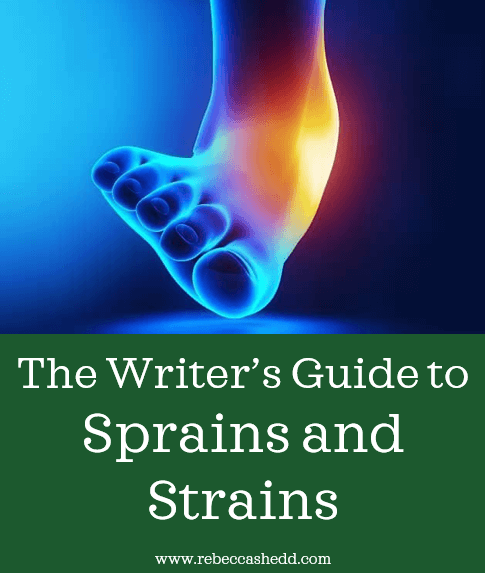
Sprains and strains are common injuries that can add depth and tension to your story, especially in action-oriented or survival-focused plots. These injuries can challenge your characters without incapacitating them completely, providing opportunities for resilience, improvisation, and personal growth. Writing them realistically requires an understanding of their causes, symptoms, severity, and recovery. This article covers everything you need to know about sprains and strains, helping you create believable injury arcs for your characters.
Sprains vs. Strains: What’s the Difference?
Although people often use the terms interchangeably, sprains and strains are different injuries. Understanding this distinction allows you to describe the injury more accurately and tailor it to your story’s needs.
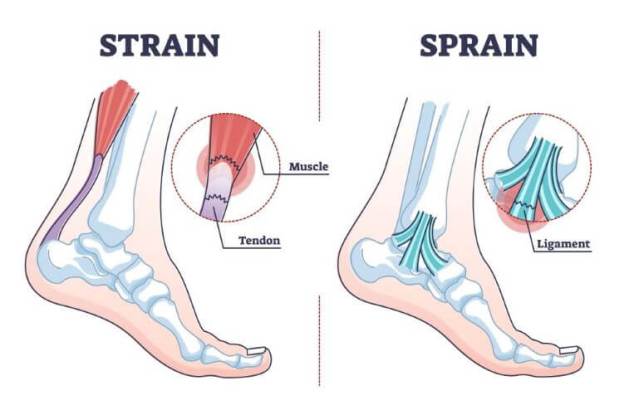
Sprains involve overstretching or tearing of ligaments (tissues connecting bones at joints).
Commonly occurs in ankles, wrists, and knees.
Strains involve overstretching or tearing of muscles or tendons (tissues connecting muscles to bones). Commonly occurs in the back, hamstrings, and shoulders.
Example: A warrior running through uneven terrain may suffer an ankle sprain from a bad landing. A gymnast attempting an aerial routine may suffer a hamstring strain from overexertion.
Causes of Sprains and Strains
These injuries often result from accidents or overuse. Here are common scenarios:
Sprains
Twisting or rolling a joint (e.g., turning an ankle during a misstep).
Falling and landing awkwardly on a joint (e.g., catching oneself with an outstretched hand).
Sudden impacts or changes in direction (e.g., during sports or combat).
Strains
Overexerting a muscle during intense physical activity (e.g., lifting heavy objects).
Repetitive motion over time (e.g., swinging a weapon repeatedly).
Sudden pulling or overstretching of a muscle (e.g., dodging an attack too quickly).
Fantasy Twist
A character performing a powerful magical incantation might strain their arm muscles or neck tendons, leading to stiffness or lingering weakness.
Science Fiction Twist
A space traveler operating in reduced gravity might sprain an ankle during an unexpected fall or strain a shoulder muscle while lifting heavy equipment awkwardly.
Symptoms of Sprains and Strains
Realistic symptoms add credibility to your scenes. Both injuries share overlapping symptoms but differ slightly based on severity and location.
Symptoms of a Sprain
Pain: Felt immediately at the injured joint.
Swelling and Bruising: Caused by ligament damage.
Joint Instability: The joint may feel weak or unable to bear weight.
Limited Mobility: Difficulty moving the joint without pain.
Symptoms of a Strain
Muscle Pain or Spasms: Sharp or dull aches in the affected muscle.
Swelling and Stiffness: Localized around the muscle or tendon.
Weakness: Reduced strength in the affected area.
Limited Range of Motion: Difficulty stretching or flexing the muscle.

Severity Levels
The severity of a sprain or strain determines its impact on your character and the recovery timeline.
Mild (Grade 1)
Sprain: Ligaments overstretch, but do not tear.
Strain: A few muscle fibers have overstretched or torn.
Symptoms: Minimal swelling, mild pain, no significant loss of function.
Recovery Time: A few days to a week with rest.
Moderate (Grade 2)
Sprain: Partial tearing of the ligament.
Strain: More muscle fibers torn, noticeable weakness.
Symptoms: Swelling, bruising, pain during movement, reduced function.
Recovery Time: 2–4 weeks, possibly requiring physical therapy.
Severe (Grade 3)
Sprain: Complete ligament tear, possible joint dislocation.
Strain: Complete muscle or tendon tear, potential surgery needed.
Symptoms: Intense pain, severe swelling, inability to use the affected area.
Recovery Time: Several weeks to months, often requiring rehabilitation.
Long-Term Effects
Sprains and strains can leave lingering effects that add depth to your character’s journey.
Chronic Weakness: The injured area may remain prone to reinjury.
Reduced Mobility: Permanent stiffness or reduced range of motion.
Pain and Inflammation: Persistent aches during intense activity or bad weather.
Psychological Impact: Fear of reinjury might make the character hesitant or cautious.
Example: “Even months after the accident, her wrist still ached whenever she gripped her sword too tightly. She’d learned to adapt, but she doubted she’d ever fight the same way again.”

Treatments Across Time
The treatment of sprains and strains, from ancient poultices to futuristic nanotechnology, reflects your story’s setting and world-building. Whether your characters are relying on herbal remedies, enduring medieval bloodletting, or benefiting from high-tech regeneration, these injuries provide opportunities for realism, tension, and character growth. By incorporating accurate or speculative treatments, you can create an interesting and believable recovery arc that enhances your narrative. This section explores typical treatments from the ancient world, medieval world, and modern medicine, with speculation on what treatments might look like in the future.
Ancient World Treatments
In the ancient world, medical knowledge was based on observation, herbal remedies, and trial-and-error. While primitive by today’s standards, these methods often provided relief and basic healing.
Common Practices
Immobilization: People used strips of wood, bone, or plant stalks as makeshift splints to immobilize injured limbs. Wrapping with linen or animal hide helped stabilize the joint.
Herbal Poultices and Ointments: Comfrey, (known as “knitbone”), can reduce swelling and promote healing. Willow bark eases pain (contains salicylic acid, a precursor to aspirin). Turmeric and honey combined form an anti-inflammatory paste.
Massage and Warm Compresses: Gentle massage or heated stones applied to reduce stiffness and pain.
Rest and Observation: Rest was a crucial part of recovery, even if enforced by necessity rather than medical knowledge.
In Fiction
A shaman or healer could create a salve from rare plants to soothe a strained muscle, introducing an element of mysticism. A warrior might bind their sprained ankle with strips of animal hide to press onward, creating tension and stakes.
Example: “The healer ground comfrey leaves into a thick paste, smearing it over the knight’s swollen knee. ‘You’ll walk again,’ she promised, ‘but only if you stay off it for now.’”
Medieval Treatments
Medieval medicine combined ancient practices with emerging ideas from Islamic and European medical texts. Though still rooted in superstition, treatments became more structured.
Common Practices
Bandages and Supports: Leather straps, cloth bandages, or splints made from wood or bone were used to immobilize the injury.
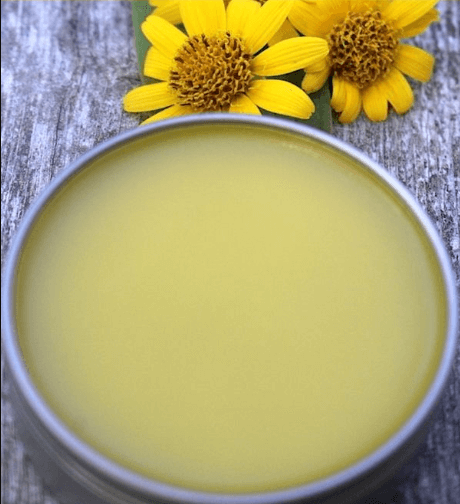
Herbal Remedies: Arnica, applied as a poultice, reduces swelling and bruising. Practitioners used chamomile and lavender for their anti-inflammatory properties. They believed mugwort relieved pain when applied as a compress.
Bloodletting and Humoral Theory: Practitioners used bloodletting to “balance the humors” in cases of severe swelling, though this could be more harmful than helpful.
Warm Baths and Soaks: People sometimes treated injuries with warm, herb-infused baths believed to restore circulation and soothe muscles.
Prayers and Charms: Religious rituals, such as blessings or the use of holy relics, were common adjuncts to physical treatments.
In Fiction
A medieval monk might create a poultice from lavender and arnica to aid a sprain, emphasizing the blend of faith and medicine. A knight injured in battle might have their strained shoulder treated with heated herbal compresses, while their caregivers debate bloodletting.
Example: “The barber-surgeon tied splints around her swollen wrist with careful precision, muttering a prayer to Saint Roch. A poultice of arnica and chamomile would soothe the pain, though it could do little for her pride.”
Fantasy Twist
A magical salve or enchanted splint could accelerate healing but leave scars or weaknesses. Alternatively, the injury might require a healer to channel their life energy into the damaged tissue.
Modern Medicine
Today, healthcare professionals treat sprains and strains with evidence-based methods aimed at reducing pain, swelling, and recovery time while preventing further injury.
Diagnosis
Doctors use X-rays or MRIs to rule out fractures or severe ligament tears.
Immediate Treatment (RICE Method)
Rest: Avoid activity that stresses the injured area.
Ice: Apply cold packs to reduce swelling and pain.
Compression: Use elastic bandages or braces for support.
Elevation: Keep the injured area raised to minimize swelling.
Therapies and Interventions
Pain Relievers: Over-the-counter medications like ibuprofen reduce pain and inflammation.
Physical Therapy: Gradual stretching and strengthening exercises restore mobility and prevent stiffness.
Surgical Intervention: For severe ligament or tendon tears, surgical repair may be required.
In Fiction
A modern athlete might face the frustration of weeks of physical therapy after a severe ankle sprain, creating emotional and career tension. A doctor might use advanced imaging techniques to diagnose a complex strain, adding a layer of precision and stakes.
Example: “The scan confirmed it—a Grade 2 ligament tear. The doctor handed her a brace and a prescription for therapy, warning her to avoid running for the next six weeks.”
Future Treatments
In speculative fiction, futuristic treatments open exciting possibilities. Advanced technologies and medical breakthroughs can revolutionize how characters recover from injuries.
Potential Future Treatments
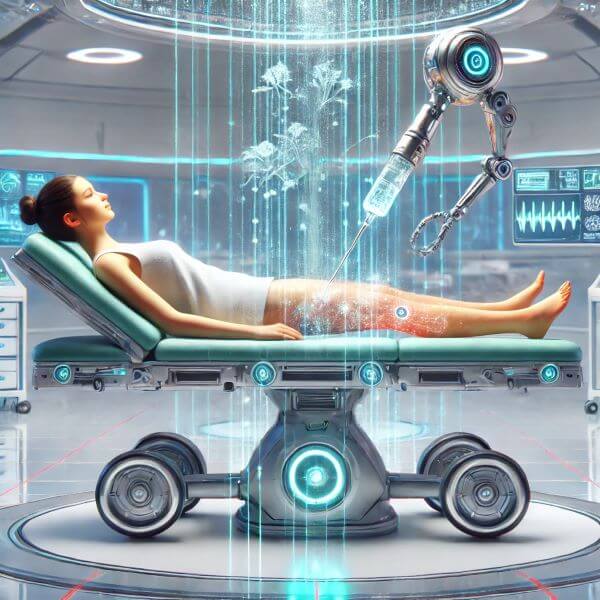
Nanobots: Microscopic robots could repair torn ligaments and muscles at the cellular level, drastically reducing recovery time.
Targeted Inflammation Reduction: Nanobots could neutralize inflammation-causing molecules with pinpoint accuracy.
Stem Cell Therapy: Injected stem cells could regenerate damaged tendons, ligaments, or muscles quickly and efficiently.
Bio-Printed Tissue: 3D printers could create custom ligament or muscle replacements.
Exoskeletal Braces: Smart braces equipped with sensors and AI could provide real-time feedback, preventing further injury while accelerating recovery.
Instant Healing Devices
Regenerative Gel or Spray: Applied directly to the injury, this futuristic substance could instantly repair torn tissue.
Healing Pods: Full-body immersion in a healing chamber could stimulate cellular repair and realign damaged structures.
In Fiction
A character recovering in a healing pod might experience unusual side effects, like enhanced muscle strength or lingering emotional instability. A nanobot repair gone awry could lead to overgrowth of tissue, complicating the injury further.
Example: “The med-bot hovered over her leg, injecting nanobots into the strained ligament. Within moments, the pain eased, and the muscle began knitting itself back together—but she couldn’t shake the odd tingling spreading through her veins.”
Plot and Character Ideas
Sprains and strains might seem like minor injuries, but they can have major storytelling potential, especially in science fiction and fantasy where non-human physiologies introduce unique challenges. These injuries can create tension, drive character growth, or act as critical turning points in your narrative. Here are some plot and character ideas tailored for different genres.
The Mission-Ending Injury
Genre: Science Fiction / Fantasy
Plot Idea: A character suffers a severe sprain or strain at a pivotal moment, forcing them to rely on teammates or an unlikely ally to complete their mission. The injury challenges their independence and shifts the team dynamics.
Character Angle: The character must learn to accept help and adjust to their new limitations, exploring themes of vulnerability and trust.
Fantasy Twist: The character, a centaur, strains a leg muscle during a chase, leaving them unable to run. The need to trust their companions to protect them tests their pride as a swift and independent warrior.
Science Fiction Twist: A space explorer sprains their shoulder while lifting heavy equipment in a low-gravity environment. The injury prevents them from operating critical tools, jeopardizing a mission to repair a failing colony ship.
Example: “The centaur winced as pain shot through his hind leg. He knew he couldn’t run, but the battle wasn’t over. For the first time, he turned to his human allies. ‘You’ll have to lead now,’ he muttered, swallowing his pride.”
The Hidden Injury
Genre: Any
Plot Idea: A character hides a sprain or strain from their group, fearing being left behind or appearing weak. As the injury worsens, their silence puts the entire group in danger.
Character Angle: The character’s stubbornness or fear of rejection causes escalating tension within the group, ultimately leading to a moment of vulnerability and reconciliation.
Fantasy Twist: A shapeshifter hides their sprained wrist, knowing their weakened form might expose them to hunters. Their inability to shift completely because of the injury creates dangerous complications.
Science Fiction Twist: A cyborg’s strained muscle-tendon interface malfunctions, sparking erratic behavior in their cybernetic enhancements. As the injury worsens, it threatens to compromise the group’s mission.
Example: “She clenched her teeth as she adjusted the brace under her sleeve, pain shooting through her wrist. No one could know. Not yet. They were counting on her to finish the spell, and nothing—not even this—would stop her.”
The Unhealable Injury
Genre: Fantasy / Science Fiction
Plot Idea: A character’s sprain or strain resists all healing attempts—whether magical or technological—due to a curse, alien biology, or malfunctioning enhancements. They must find the root cause while dealing with mounting frustration and danger.
Character Angle: The character wrestles with self-doubt and the fear that they’ll never recover, driving a personal journey of resilience and determination.
Fantasy Twist: A curse tied to an ancient artifact the character touched caused the strain. To heal, they must return the artifact to its rightful place, embarking on a dangerous quest.
Science Fiction Twist: The injury stems from an alien parasite that integrates into their tendons, feeding off their movement. Removing it risks permanent damage, forcing the character to seek help from a hostile alien species.
Example: “The priestess’s spells only dulled the pain for a moment before it returned, sharper than ever. Whatever dark magic had bound itself to his shoulder, it wouldn’t let go without a fight.”
The Unlikely Mentor
Genre: Fantasy
Plot Idea: A seasoned warrior suffers a severe strain and can no longer fight. Instead, they must train a younger, inexperienced character to take their place, all while dealing with the frustration of their injury.
Character Angle: The injury forces the mentor to transition from being a doer to a teacher, creating an emotional arc about letting go of pride and embracing legacy.
Fantasy Twist: The warrior is a dragon whose injured wing prevents them from flying. They must teach a human how to wield dragonfire using an ancient bond.
Example: “He growled as his wing dragged uselessly behind him. ‘If I cannot fight, then you must. Listen carefully, hatchling—the fire doesn’t come from strength but from focus.’”
The Gravity Strain
Genre: Science Fiction
Plot Idea: A character develops a muscle strain after being exposed to fluctuating gravity fields on an alien planet or space station. The injury becomes a critical clue to the mystery behind the planet’s strange physics.
Character Angle: The character’s scientific curiosity clashes with their physical limitations, forcing them to balance intellect and endurance.
Example: “Each step felt heavier than the last, the pull of the planet’s gravity dragging at her legs. When the pain became unbearable, she finally collapsed, staring at the readings on her scanner. ‘This planet isn’t stable,’ she muttered. ‘We need to leave—now.’”
The Heir’s Weakness
Genre: Fantasy
Plot Idea: A royal heir suffers a severe sprain during a ceremonial event, symbolizing their perceived unfitness to lead. They must overcome physical and political challenges to prove their worth.
Character Angle: The injury becomes a metaphor for the heir’s struggle with self-confidence and the weight of expectations.
Fantasy Twist: The heir is a fae prince whose injury disrupts their ability to use magic, forcing them to find unconventional solutions to protect their kingdom.
Example: “The whispers in the court grew louder as he hobbled into the hall, his ankle bound tightly in silk bandages. He ignored their stares, focusing instead on the map. If he couldn’t fight, he’d win this war with strategy instead.”
The Bio-Enhanced Strain
Genre: Science Fiction
Plot Idea: A character with bio-engineered muscles strains them while pushing their enhancements beyond safe limits. The injury reveals flaws in the technology, creating a race against time to prevent a complete breakdown.
Character Angle: The character must come to terms with the limits of their augmented body, wrestling with feelings of inferiority or dependence on technology.
Example: “The synthetic fibers in his arm twitched violently, sending a searing jolt through his shoulder. He’d pushed the enhancements too far, and now they were failing him—at the worst possible moment.”
The Ancient Ritual Gone Wrong
Genre: Fantasy
Plot Idea: A character attempting a dangerous ritual to summon a spirit or cast a spell strains a key muscle or ligament, breaking their focus and causing the ritual to spiral out of control. The resulting chaos forces them to confront their limits.
Character Angle: The injury humbles the character, teaching them patience and respect for the forces they’re wielding.
Example: “The pain shot through her arm as the symbols on the floor began to glow. Her grip faltered, and the staff slipped from her fingers. The summoning circle shuddered—and then exploded in a shower of sparks.”
The Stubborn Recovery
Genre: Any
Plot Idea: A character refuses to rest after a sprain or strain, insisting on pushing through the pain. Their stubbornness leads to reinjury, forcing them to confront their own recklessness.
Character Angle: This plot focuses on personal growth, as the character learns the value of self-care and patience.
Example: “He ignored the throbbing in his leg, gritting his teeth as he climbed the ridge. He had to keep going—until the snap of pain sent him tumbling back down.”
The Mysterious Anatomy
Genre: Science Fiction / Fantasy
Plot Idea: A non-human character suffers a strain or sprain, but their unique physiology makes it nearly impossible for their companions to understand or treat the injury. They must teach their allies how to help while battling frustration and pain.
Example: “The alien winced, their translucent skin pulsing faintly over the torn fibers in their arm. ‘No,’ they hissed. ‘Not like that. Press there—it will help the healing glands bind faster.’”

I hope this was helpful. Let me know if you have questions or suggestions by using the Contact Me form on my website or by writing a comment. I post every Friday and would be grateful if you would share my content.
If you want my blog delivered straight to your inbox every month along with exclusive content and giveaways, please sign up for my email list here.
Let’s get writing!
Copyright © 2025 Rebecca Shedd. All rights reserved.
 Rebecca Shedd - Author