The Writer’s Guide to Burns
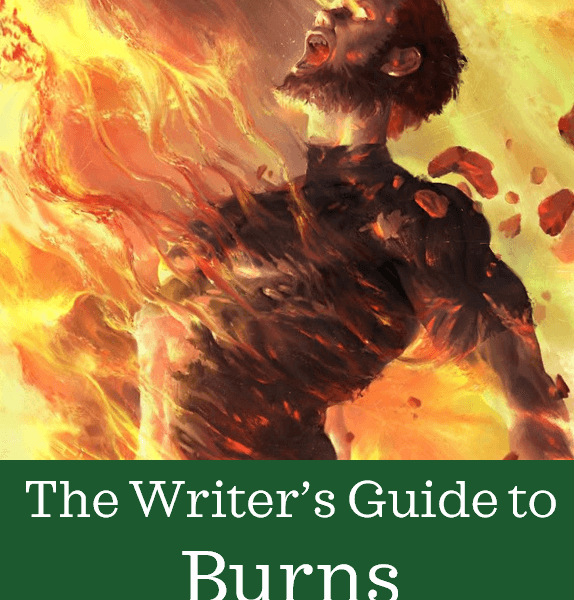
Burns are some of the most painful and visually striking injuries a character can endure. Whether caused by fire, chemicals, or magic, burns add tension, vulnerability, and long-term consequences to a story. Writing them realistically requires an understanding of their degrees, symptoms, appearance, treatment, and long-term effects.
This guide will help you craft authentic, impactful burn injuries that enhance your storytelling while respecting the severity of these wounds.
Degrees of Burns
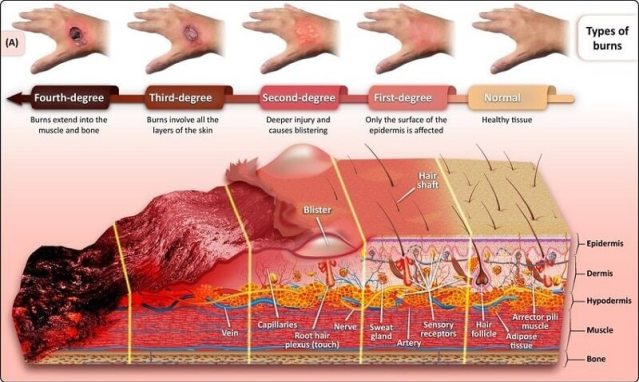
Burns are categorized by degree based on depth and severity. Each type presents different challenges and healing processes.
First-Degree Burns (Superficial Burns)
Depth: Affects only the epidermis (outer skin layer).
Appearance: Red, dry skin with mild swelling. No blisters.
Symptoms: Pain, minor discomfort, slight warmth.
Healing Time: Heals within 3–7 days without scarring.
Second-Degree Burns (Partial-Thickness Burns)
Depth: Affects both the epidermis and dermis (deeper skin layer).
Appearance: Red, blistered skin that may be wet or weeping.
Symptoms: Severe pain, swelling, increased sensitivity.
Healing Time: Heals within 2–3 weeks, often with scarring.
Third-Degree Burns (Full-Thickness Burns)
Depth: Destroys the epidermis, dermis, and may reach fat, muscle, or bone.
Appearance: Waxy, white, leathery, or charred black skin.
Symptoms: No immediate pain (nerves are destroyed), but surrounding tissue may be excruciatingly painful.
Healing Time: Months, often requiring skin grafts and leaving permanent scarring.
Fourth-Degree Burns and Beyond
Depth: Extends through muscle, tendons, and bone.
Appearance: Charred, blackened tissue; often results in limb loss.
Symptoms: No pain in the burned area, but intense pain in adjacent, still-living tissue.
Outcome: Often fatal or results in amputation.
Common Causes of Burns in Fiction
Your setting and story’s world-building will dictate how burns happen here are some examples.
Fire or Flames: House fires, explosions, magic spells, dragon breath.
Scalding Liquids or Steam: Boiling water, molten metal, volcanic steam.
Electrical Burns: Lightning strikes, malfunctioning technology, energy weapons.
Chemical Burns: Acid attacks, industrial spills, alchemical accidents.
Friction Burns: Rope burns, high-speed crashes, skidding on rough terrain.
Radiation Burns: Sunburn, nuclear exposure, laser weapons.
Example: “The alchemist screamed as the bubbling potion splashed onto her wrist. The liquid ate through her sleeve, and the burning sensation intensified as her skin blistered beneath it.”
How Burns Affect the Body and Mind
Burns aren’t just painful—they’re debilitating, both physically and emotionally. Consider these effects in your writing.
Immediate Physical Reactions
Pain: Ranges from stinging (first-degree) to unbearable agony (second-degree) to eerie numbness (third-degree).
Shock: Severe burns can cause shock, leading to dizziness, confusion, or fainting.
Adrenaline: Characters may not initially feel pain due to adrenaline, but it will hit once the rush fades.
Example: “She barely noticed the fire’s bite at first, her mind focused on escaping. It wasn’t until she reached safety that the agony hit, making her gasp and clutch her seared skin.”
Long-Term Effects of Burns
Burns leave permanent reminders of trauma. Their consequences shape a character’s future physically and psychologically.
Scarring and Disfigurement: Severe burns cause thick, raised scars (keloids) or contractures that limit movement.
Chronic Pain and Sensitivity: Nerve damage can lead to either numbness or hypersensitivity in burned areas.
Psychological Trauma: PTSD from the injury (flashbacks, nightmares, fear of fire). Self-esteem issues from disfigurement.
Loss of Functionality: Stiffness, nerve damage, or amputations affecting mobility and dexterity.
Example: “His hands, once quick and steady, trembled as he struggled to grasp the pen. The scar tissue pulled against his knuckles, a cruel reminder that he’d never forge another blade again.”
Using Burns in Storytelling
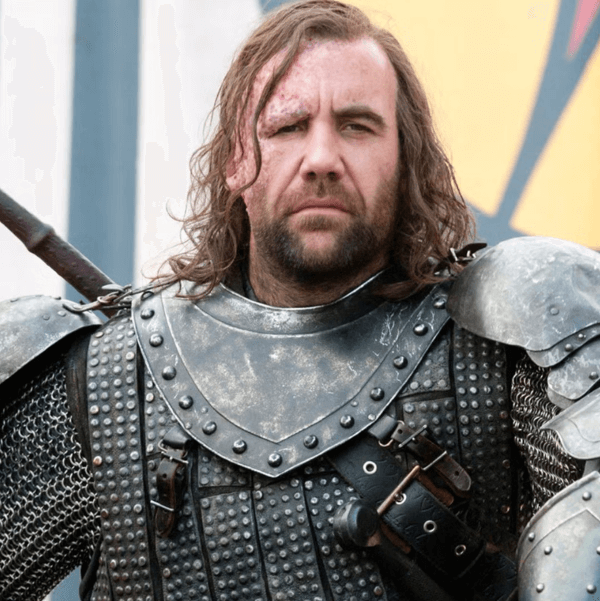
Symbolism: A burn scar could serve as a reminder of past trauma, a mark of survival, or a curse from an enemy.
Challenges and Growth: A warrior with severe burns might struggle to wield a sword again, forcing them to adapt their fighting style.
Tension and Stakes: A character suffering a serious burn mid-mission may slow the group down, forcing difficult decisions.
Depicting Burns Across Genres
Burns are devastating injuries that can add drama, stakes, and lasting consequences to a story. However, how burns are received, described, and treated varies depending on the genre. Elements such as armor in fantasy or advanced medicine in science fiction will affect the realism and severity of burn injuries.
Contemporary
In a modern setting, burns are medical emergencies, and their portrayal should reflect real-world causes, treatments, and psychological effects.
Common Causes
House Fires: Accidental or arson-related.
Electrical Accidents: Exposed wires, lightning strikes.
Car Accidents and Explosions: Gasoline fires, airbag friction burns.
Chemical Exposure: Industrial spills, acid attacks.
Radiation Burns: Sunburns, workplace hazards, or medical treatment side effects.
Typical Treatments
First-Degree Burns: Cold compresses (but no ice, as it damages tissue). Aloe vera, over-the-counter creams, and pain relievers.
Second-Degree Burns: Cleaning the wound with sterile water. Applying antibiotic ointments (like Silver Sulfadiazine). Dressing the wound with non-stick bandages.
Third and Fourth-Degree Burns: Transplanting healthy skin to cover the wound. IV fluids and pain management to prevent dehydration and shock. Hyperbaric oxygen therapy speeds up healing and reduces tissue damage. Physical therapy to restore mobility in affected areas.
Challenges
Long Recovery Time: Severe burns require months or years of healing.
Psychological Trauma: Many burn survivors suffer from PTSD, depression, or body-image struggles.
Impact on Characters
Medical Response: Characters with serious burns will require hospitalization, skin grafts, and physical therapy.
Psychological Trauma: Fire-related PTSD or pyrophobia (fear of fire). Body image struggles from disfigurement and scarring.
Legal and Social Consequences: Arson-related burns might bring police investigations. Chemical burns could spark lawsuits or revenge plots.
Example: “The fire was out, but her world still burned. The skin on her arm felt too tight, too raw beneath the bandages. She traced the edge of the scar, wondering how long it would take before she stopped flinching at her own reflection.”
Historical
In historical fiction, burns are more dangerous due to rudimentary medical care, lack of hygiene, and limited understanding of infections. Burns that might be treatable today could be fatal in the past.
Common Causes
Cooking and Hearth Accidents: Open fires, boiling liquids.
Weaponry: Flaming arrows, Greek fire, gunpowder explosions.
Punishments: Branding, torture, or execution by fire.
Occupational Hazards: Blacksmithing, glassblowing, working in forges.
Ancient World Treatments
Honey: Used as an antiseptic to prevent infection and aid healing.
Milk, Vinegar, or Wine: Used as cooling agents to wash burns.
Animal Fats and Oils: Applied to burned skin, though this often trapped heat and worsened the injury.
Herbal Poultices: Aloe vera, myrrh, and resin-based salves provided some relief.
Religious or Superstitious Practices: Prayers, charms, or ritualistic cleansing were used in many cultures.
Medieval World Treatments
Cold Water and Herbal Pastes: Comfrey, chamomile, and lavender were used to soothe burns.
Goose Fat and Lard: Applied to burned skin, but often worsened infections.
Poultices with Honey and Egg Whites: Thought to reduce inflammation and aid healing.
Bloodletting and Humoral Theory: Some physicians believed burns were caused by an imbalance of humors and prescribed bloodletting.
Cauterization (For Severe Burns): Some burns were intentionally burned again with hot iron to prevent infection, though this often made things worse.
Challenges
Lack of Sterile Conditions: Treatments were performed with dirty hands and tools, increasing the risk of gangrene or tetanus.
Severe Burns Were Fatal: Without skin grafting or antibiotics, third-degree burns were often deadly.
Impact on Characters
Risk of Infection: Without antibiotics, burns could lead to sepsis or gangrene.
Superstitions: Superstitions about fire curses or divine punishment.
Social Stigma: Burned individuals might be seen as “touched by fire” or marked by the gods. A visible burn might impact marriageability or social standing.
Example: “The blacksmith’s apprentice hissed as the molten metal licked his wrist. The master barely spared him a glance. ‘Rub some lard on it, boy. It’ll heal soon enough.’ But the angry red mark told a different story—it would scar.”

Science Fiction
In sci-fi, burns might result from high-tech weaponry, energy fields, or alien environments, and treatment options may be far beyond modern medicine.
Common Causes
Laser and Plasma Weapons: Clean entry burns with cauterized wounds. Plasma burns might leave molecular scarring.
Radiation and Cosmic Burns: Space travel exposure leading to slow, cellular burns. Biohazard contamination causing genetic mutations.
Cybernetic Malfunctions: Overheating implants causing internal burns. Acidic nanotech failures corroding tissue.
Treatment
Regenerative Gels: Special biotech creams that instantly regrow skin cells. Medicated sprays that seal wounds and prevent infection.
Nanobot Therapy: Tiny robotic cells that reconstruct burned tissue at a molecular level. There may be a risk of the nanites malfunctioning, causing uncontrolled mutations.
Synthetic Skin Grafts: Lab-grown tissue that perfectly replaces burned skin. Biotech armor layers that integrate with the nervous system.
Cybernetic Replacements: Severe burns might lead to cybernetic limb replacements. A character’s synthetic skin could change color or texture over time.
Challenges
Is Regeneration Painful? Would regrowing skin feel like being burned again?
Side Effects? Does nanotech healing cause loss of sensation or genetic changes?
Availability? Are advanced treatments only for the rich, or is healing universal?
Tactical Considerations
Energy Shields: Prevent burns but might overload, causing internal damage.
Zero-Gravity Burns: Fire behaves differently in space, potentially causing oxygen-starved slow burns.
Example: “The laser grazed his shoulder, leaving a seared wound with clean, blackened edges. The med-bot injected regenerative nanites, but the process burned from the inside out, reshaping his flesh at a molecular level.”
In fantasy settings, burns might be caused by magic, alchemy, enchanted weapons, or mythical creatures, leading to unnatural healing processes or permanent magical effects.
Common Causes
Fire-Based Magic: Spellcasters wielding flames or pyromantic attacks.
Dragon Fire or Elemental Damage: Burns caused by creatures or curses.
Enchanted Weapons: Swords that leave scorch marks instead of cuts.
Alchemical Accidents: Potions gone wrong or magical explosions.
Holy or Cursed Fire: Divine punishment or unholy flames that never heal.
Treatments
Healing Magic: Instantaneous healing, but at a cost (e.g., exhaustion, memory loss, or magical scars). Healing spells that regrow tissue but leave magical side effects (e.g., glowing scars).
Alchemical Salves: Potions that soothe burns but must be applied before the wound turns necrotic. Rare herbs that neutralize magical burns but require difficult-to-obtain ingredients.
Holy Blessings or Curses: A priest’s touch might purge infection but leave permanent disfigurement as penance. Burns caused by divine fire might never heal naturally.
Challenges
Do Magic Burns Heal Differently? If a fire spell causes burns, can it be healed like normal burns, or does it require specific counter-magic?
Do Healing Spells Have Limits? Does healing require rare ingredients, a price, or time to work?
Permanent Consequences? Does regenerated skin feel different? Does magic prevent scarring, or do healed characters still bear marks of past injuries?
Impact on Characters
Armor Protection: Metal armor heats up and scalds the wearer if exposed to flames. Leather armor burns but offers slight protection. Magical barriers might negate fire but leave residual energy burns.
Magic’s Role in Healing
Instant Healing? Does a healer’s magic fully restore the skin, or does it leave scars?
Side Effects: Magical burns might cause painful visions, mutations, or permanent runes.
Legendary Scars: Fire-wielders might bear permanent scorch marks on their skin. A chosen one’s burn could be a divine mark.
Example: “The flames licked at her arm, but it was no ordinary fire. The spell had branded her flesh with glowing runes that pulsed under her skin. She knew, with a sinking dread, that no healer could undo what magic had wrought.”
Plot and Character Ideas
Burns are more than just physical injuries—they can shape characters, drive plots, and create lasting consequences. In fantasy and science fiction, burns can take on magical, alien, or technological properties, adding unique complications to a character’s journey. Below are plot and character ideas centered around burns, with genre-specific twists for fantasy and sci-fi—especially for non-human characters with different physiologies.
The Fire-Touched Prodigy
Genre: Fantasy
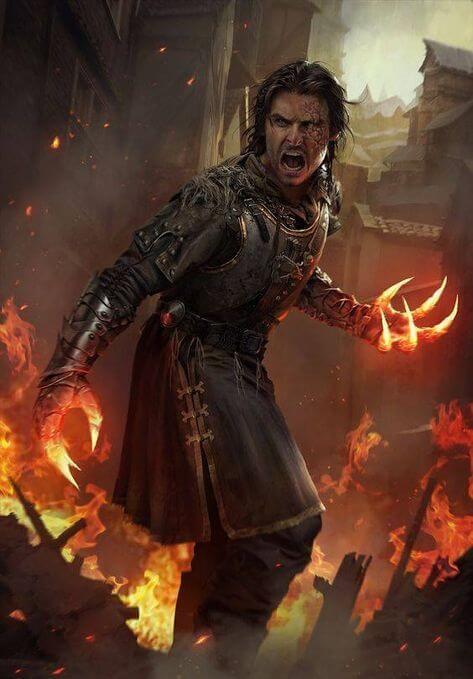
Plot Idea: A young mage accidentally burns themselves while attempting to control fire magic. The burn does not heal naturally but instead begins to glow with latent power, marking them as a potential chosen one—or a cursed outcast.
Character Angle: The burn may unleash hidden magical potential but also cause unbearable pain. The character struggles to control their magic while hiding the mark from those who might seek to exploit it. Healing magic fails to repair the wound, forcing them on a quest to find an ancient cure.
Example: “The flames licked at her skin, but instead of searing pain, she felt something else—power. When the fire died, the burn on her palm pulsed with golden light, whispering secrets only she could hear.”
The Cybernetic Burn Survivor
Genre: Science Fiction
Plot Idea: A character suffers third-degree burns in a lab accident or battle and undergoes experimental treatment that replaces their burned skin with synthetic bio-tech armor. However, the graft begins to malfunction or evolve, changing their identity and sense of self.
Character Angle: They struggle to adjust to their new cybernetic enhancements, questioning if they are still fully human. The cybernetic skin may grant superhuman abilities (strength, sensory perception) but come with unintended side effects, such as pain or alien thoughts. They must track down the scientist who performed the experiment before the graft completely overrides their biological self.
Example: “The synthetic graft pulsed under his skin, responding to his emotions. He clenched his fist, watching as the burnt remnants of his former self shifted, his hand morphing into something stronger—and less human.”
The Phoenix’s Curse
Genre: Fantasy
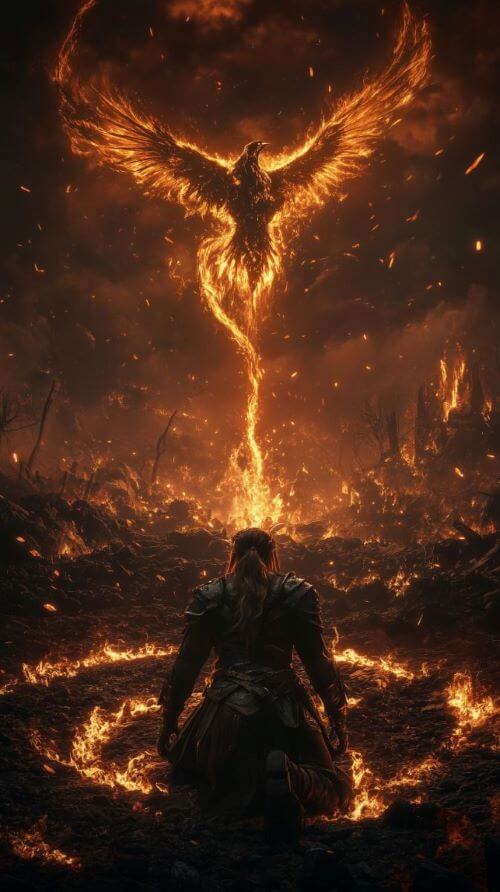
Plot Idea: A warrior is burned to the brink of death in battle but is resurrected by a phoenix’s flames. While they survive, their wounds never stop simmering with heat, and every time they take damage, the burns flare back to life.
Character Angle: The character must constantly endure pain, knowing they can never fully heal. They seek a way to break the phoenix’s curse, even if it means dying permanently. Fire no longer harms them, but water scalds them like acid, making them vulnerable in unexpected ways.
Example: The first time the flames consumed him, she thought he was dying. The second time, she realized the fire was inside her now, waiting for its next chance to rise.”
The Alien Who Burns Differently
Genre: Science Fiction
Plot Idea: An alien character suffers burns but, due to their unique physiology, their wounds react differently—perhaps their scars crystallize, their skin regenerates with a new texture, or their burns emit light or sound.
Character Angle: The injury makes them stand out among their own species, making them an outcast. The burn mutates their DNA, giving them abilities or revealing ancient biological secrets. The character must understand the science of their injury before it spreads or kills them.
Example: “The plasma bolt grazed her shoulder, and instead of scarring, the wound hardened into a lattice of glowing blue crystal. ‘I don’t think this is healing,’ she whispered. ‘I think I’m changing.’”
The Alchemist’s Catastrophe
Genre: Fantasy
Plot Idea: A brilliant but reckless alchemist attempts to craft an elixir of fire resistance but miscalculates, resulting in an explosion that burns away half their body. The injury is no ordinary burn—it continues to smolder indefinitely.
Character Angle: The burn acts as a gateway to a fire realm, allowing them to tap into elemental power, but at great cost. Every time they use their newfound abilities, the burns spread and worsen, threatening to consume them. They must find a mythical ingredient to neutralize the reaction before their entire body turns to ash.
Example: “The fire didn’t stop burning. It smoldered beneath his skin, flickering along his veins like candlelight. He had created something unnatural, and now he would have to live with it.”
The Soldier with Synthetic Skin
Genre: Science Fiction
Plot Idea: A genetically enhanced soldier is burned in combat, and instead of traditional treatment, their military implants trigger rapid regeneration—but the new skin is translucent, bio-luminescent, or reactive to touch.
Character Angle: The soldier struggles with alienation, as their wounds mark them as inhuman among their peers. The burns may allow stealth abilities (chameleon-like blending) but cause extreme pain when activated. They discover the experiment was intentional, and they must decide whether to embrace or destroy the technology.
Example: “He touched his face, expecting to feel ruined flesh. Instead, his fingers met smooth, glass-like skin. It pulsed faintly, responding to his breath. Whatever they had done to him, he wasn’t just human anymore.”
The Flamebound Knight
Genre: Fantasy
Plot Idea: A warrior swears an oath to wield a sword forged in divine flame, but the blade brands their hands and arms with perpetual burns. The longer they use the weapon, the more the fire consumes them.
Character Angle: The knight is torn between duty and self-preservation—if they abandon the sword, their burns might heal, but at what cost? The burns give them supernatural strength, but using it shortens their lifespan. They search for a way to temper the flames, hoping to balance power and survival.
Example: “The sword’s hilt seared against her palm, yet she did not let go. Pain was the price of power, and as long as she could wield it, she would endure.”

The Healer Who Can’t Heal Themselves
Genre: Fantasy or Science Fiction
Plot Idea: A gifted medic or magical healer can cure others of burns effortlessly—but any injury they receive is permanent. When they suffer severe burns, they must rely on others to save them for the first time.
Character Angle: Used to healing others, they must confront their own vulnerability. Their burns act as a permanent reminder of their limitations. They must seek a cure beyond their own knowledge, forcing them into an unfamiliar world of science or magic.
Example: “She had saved thousands, yet no magic could mend her own wounds. The fire had stolen her hands, and now, she could heal no one.”
Burn injuries in fiction add emotional weight, physical struggle, and long-term challenges. By understanding their degrees, symptoms, treatments, and psychological impact, you can write burns realistically and powerfully. Whether your character wields fire, survives an explosion, or suffers a magical curse, burns can leave scars—both visible and unseen—that shape their journey.
I hope this was helpful. Let me know if you have questions or suggestions by using the Contact Me form on my website or by writing a comment. I post every Friday and would be grateful if you would share my content.
If you want my blog delivered straight to your inbox every month along with exclusive content and giveaways, please sign up for my email list here.
Let’s get writing!
Copyright © 2025 Rebecca Shedd. All rights reserved.
 Rebecca Shedd - Author