The Writer’s Guide to Amputations and Severe Limb Injuries
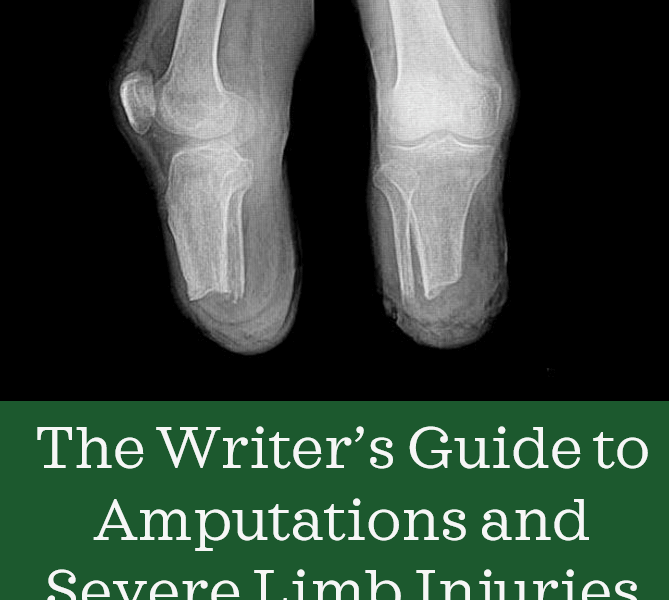
Amputations and severe limb injuries are high-stakes narrative moments that can dramatically alter a character’s role, psychology, and relationships. From the battlefield to the back alley, these injuries evoke visceral emotion, but they also come with real-world implications that fiction often glosses over. This article will guide you through the essential elements of realistically depicting such injuries in your stories, including the specifics of which limb is affected, treatment options, prosthetics, recovery, and survival odds grounded in both historical and modern medical understanding.
What Counts as a Severe Limb Injury?
Not all limb injuries result in amputation, but they may still be life-altering. Common severe injuries include:
Crush injuries from machinery, rockfalls, or combat
Deep lacerations that sever muscles, nerves, or blood vessels
Compound fractures where bones protrude through skin
Degloving injuries where skin and tissue are stripped away
Severing via blade, shrapnel, or explosion
Many severe injuries lead to complications such as infection, gangrene, loss of blood supply, or permanent nerve damage, all of which may necessitate amputation, especially in pre-modern or resource-limited settings.
Which Limb Is Injured?
The specific limb affected has both medical and narrative consequences.
Arms and Hands
Dominant arm loss affects everything from writing to wielding weapons
Loss of a hand reduces fine motor skills and independence
Psychological impact is high, especially for characters in skilled trades or combat
Legs and Feet
Below-the-knee amputations preserve more mobility
Above-the-knee amputations significantly impair walking
Loss of a foot often leads to lifelong use of assistive devices
Balance, posture, and endurance are permanently affected
Multiple Limb Injuries
Drastically lower survival odds, especially without modern intervention
Greater dependence on others or technology
Rich ground for themes of resilience, bitterness, or adaptation
Tip: Consider how the injury affects the character’s identity. A swordsman who loses his hand doesn’t just lose a limb, he may lose a purpose, a profession, and a sense of self.

Survival Odds and Emergency Treatment
Survival depends on how quickly bleeding is stopped and whether infection or shock can be managed.
Critical Factors
Location of injury: Arterial bleeds from thigh or upper arm are especially dangerous
Environment: Battlefield, wilderness, or post-apocalyptic settings decrease survival odds
Available care: Trained help vs. improvised aid
Field Treatment
Tourniquet application to stop arterial bleeding
Wound packing with cloth, dirt, or whatever is on hand
Hydration and warmth to fight shock
Immobilization to reduce further damage
Tip: Tourniquets save lives but in prolonged use (over 2 hours), they increase the risk of permanent tissue damage, often making amputation necessary.
Prosthetics: Then and Now
Historical Prosthetics
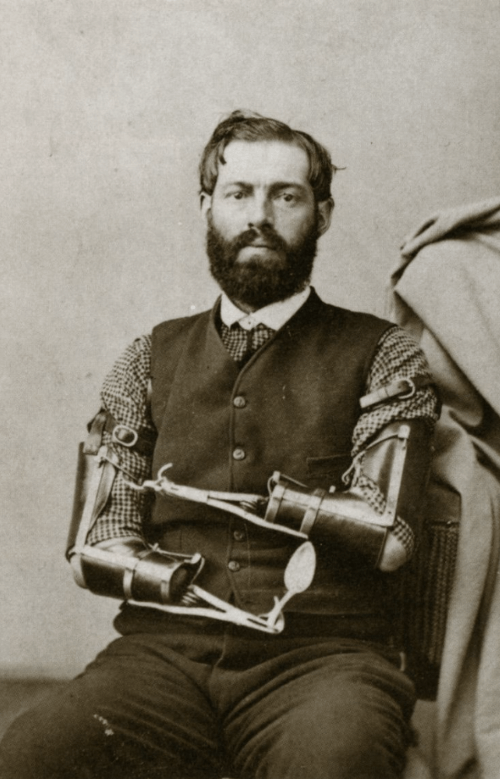
Made from wood, leather, iron, and straps
Limited functionality, mostly cosmetic or for balance
Hooks and pegs common in pirate or military prosthetics
Often caused blisters or pressure injuries
Modern Prosthetics
Myoelectric arms that respond to muscle signals
Bionic hands and fingers with touch sensors
Carbon-fiber running blades for athletic use
Custom-fitted and designed for specific functionality
Fiction Idea: A character’s prosthetic could reflect their status, resources, or personality – sleek and high-tech, cobbled together from scrap, or enchanted with unique properties in a fantasy setting.
Recovery and Adaptation
Recovery includes physical healing, mental adaptation, and skill re-acquisition.
Short-Term Recovery
Pain management
Wound care
Psychological support (especially for traumatic amputations)
Long-Term Effects
Phantom limb pain is common and may last years
Depression or identity crises from a perceived loss of value or autonomy
Rehabilitation with physical and occupational therapy
Social stigma or limitations, especially in historical or militaristic cultures
Consider how your character’s journey includes physical retraining, emotional growth, and shifts in relationships.
Genre-Specific Depictions of Amputations and Severe Limb Injuries
Amputations and major limb injuries are rich with narrative potential, but how writers portrayed them – why they happen, how characters survive, and how they’re treated – depends heavily on the genre and setting. Let’s explore how authors handle these injuries in contemporary, historical, fantasy, and science fiction stories.
Contemporary Fiction
Common Causes
Car and motorcycle accidents
Industrial or construction accidents
Combat or explosions (veteran characters)
Natural disasters (earthquakes, machinery entrapment)
Infections or cancer leading to surgical amputation
Narrative Focus
Readers expect medical accuracy. Survival depends on rapid emergency response, tourniquets, and modern surgical intervention.
Rehabilitation, prosthetics, and mental health challenges are central themes
Focus may shift to emotional resilience, redefining identity, or social reintegration
Legal or systemic struggles (e.g., medical malpractice, insurance issues)
Character Archetypes
War veteran adjusting to civilian life
Athlete rebuilding a career with a prosthetic
Trauma survivor using their experience to advocate for others
Tip: Research real-life survivor stories or consult medical sources to ensure authenticity and sensitivity.

Historical Fiction
Common Causes
Battle injuries from swords, axes, or early firearms
Animal attacks or farming accidents
Severe frostbite or infections (e.g., gangrene)
Punitive amputations (as legal punishment)
Treatment Limitations
No anesthesia (before the 19th century)
No antibiotics – infection was a common cause of death
Crude prosthetics like peg legs, hooks, or splints
Recovery was long, painful, and often incomplete
Narrative Focus
Physical survival and moral endurance
Cultural stigma – amputation may be seen as a loss of honor or usefulness
Reliance on community or faith during recovery
Opportunity to explore period-specific medical practices
Character Archetypes
Knight or soldier forced to retire after injury
Healer navigating the limits of their craft
Pirate with a distinctive prosthetic (hook hand, peg leg)
Tip: Injuries may define a character’s status in society, either diminished or mythologized.
Fantasy
Common Causes
Dragon attacks, magical beasts, sword fights
Cursed weapons or magical accidents
Battle with enchanted foes or divine punishment
Ritual sacrifices or trials that involve limb loss
Narrative Focus
The injury may be part of a mythic transformation or symbolic rebirth
Limb loss may open the door to new magical abilities or spiritual insight
The character might become part-beast, part-machine, or part-legend
Character Archetypes
Warrior who returns from battle physically changed but supernaturally empowered
Mage whose spell goes wrong and now bears the mark
Child of prophecy marked by a divine wound
Tip: If healing magic exists, define its limits. Who can use it? What’s the cost? Can it heal flesh but not restore skill?
Science Fiction
Common Causes
Explosions, alien weapons, space accidents
Cybernetic sabotage or biomechanical failure
Self-sacrifice (e.g., disarming a bomb, intercepting enemy fire)
Genetic malfunction or bioengineered design flaws
Narrative Focus
Exploring the blurred lines between human and machine
Enhancing identity through technology or questioning the loss of humanity
Themes of transhumanism, dependence on technology, or corporate control
Access disparity: does the poor soldier get outdated parts while the elite get near-perfection?
Character Archetypes
Cyborg soldier haunted by the price of survival
Tech genius who designs their own prosthetic improvements
Rebel with a weaponized arm, hunted by the system that built them
Tip: Use prosthetics and cybernetics to explore ethics, class inequality, or psychological alienation.
Ask yourself:
How does this injury reflect the world they live in?
What does survival cost in this setting?
Is the character rebuilt, broken, or both?
Treatment for Amputations and Severe Limb Injuries
The treatment of amputations and major limb trauma has evolved dramatically from brutal battlefield hacks to bionic limb regeneration. This section outlines historical methods, modern approaches, and genre-specific possibilities for writers crafting authentic, emotionally rich stories across time and genre.
Ancient World (Pre-500 AD)
Amputation Techniques
Typically used as a last resort because of extreme risk.
Instruments included knives, flint blades, and saws.
No anesthesia. Patients were often restrained and conscious.
Blood loss was controlled with hot irons (cauterization) or tightly bound ligatures.
Severe Limb Injury Treatments
Broken limbs were splinted with wood or reeds and bound with cloth.
Herbal poultices (like willow bark or myrrh) were applied for infection and pain.
Surgery was rare. Wounds were often left to nature.
Cleanliness and germ theory were nonexistent, so infection was common and often fatal.
Use in Fiction: Ancient healers might rely on a mix of ritual, plant medicine, and trial-and-error. Survival might be seen as divine favor.
Middle Ages (500–1500 AD)
Amputation Techniques
Became more common in warfare and due to disease (e.g., gangrene).
Tools included saws, knives, and hot irons.
Still no anesthesia. Alcohol or opium-based herbal sedatives were sometimes used.
Cauterization or pitch was applied to the stump to stop bleeding.
Severe Limb Injury Treatments
Battlefield injuries were often triaged with basic care or left untreated.
Bloodletting, leeching, and “balancing humors” were common medical practices.
Infection was rarely preventable; mortality rates were high.
Use in Fiction: A medieval surgeon might be revered or feared, operating in grim, unsanitary conditions with spiritual overtones.

18th and 19th Centuries
Amputation Techniques
Field surgery during wars (Napoleonic, Civil War) brought rapid advancements.
Surgeons focused on speed. Amputations in under 2 minutes were prized.
Chloroform and ether were introduced as anesthetics in the mid-19th century.
Tourniquets and ligatures improved survival rates.
Severe Limb Injury Treatments
Antiseptic methods (thanks to Lister) began to reduce infection.
Clean dressings and improved understanding of blood flow helped outcomes.
Splints and slings were used more systematically.
Still, many injured soldiers faced amputation as the only cure for bone shattering or infection.
Use in Fiction: Writers can depict the tension between heroic medicine and harsh battlefield reality. Limbs might be lost not just to trauma, but to the infections that follow.
Contemporary Medicine (20th–21st Century)
Amputation Techniques
Performed in sterile operating rooms with advanced anesthesia and imaging.
Surgeons carefully preserve nerves, blood vessels, and muscle for prosthetic use.
Post-op includes pain management, physical therapy, and often psychological care.
Severe Limb Injury Treatments
Use of internal and external fixators for complex fractures.
Advanced antibiotics, reconstructive microsurgery, and even limb replantation sometimes.
Prosthetics are custom-designed for comfort and function.
Use in Fiction: Writers can explore identity, trauma, and resilience, how a modern character rebuilds their life with support, therapy, and technology.

Fantasy Settings
Amputation and Injury Treatments
Herbalism and alchemy may replace medicine (e.g., troll fat, phoenix ash to stop bleeding).
Healing may rely on clerics, druids, or divine intervention.
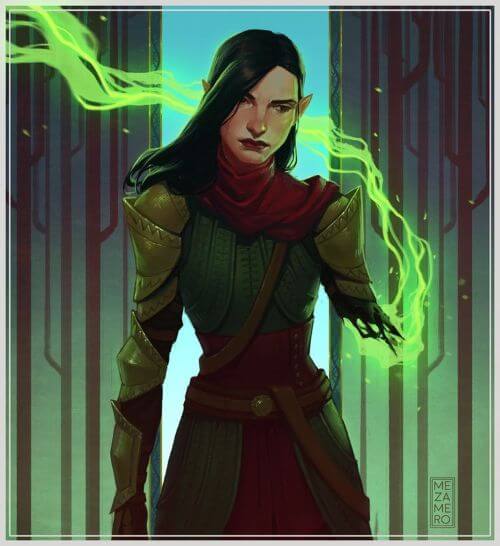
Magical prosthetics: living wood, enchanted silver limbs, ghostly arms controlled by thought.
Some injuries might be inflicted or healed by magic (e.g., cursed wounds that won’t close).
Use in Fiction: Decide whether healing is common, costly, or forbidden. Magic can raise the question: does healing the body erase the trauma or delay its reckoning?
Science Fiction Settings
Amputation and Injury Treatments
Nanobots or regeneration pods can rebuild flesh and bone.
Cybernetic limbs can enhance strength, endurance, or mental interface.
Neural implants may allow prosthetics to be controlled by thought or emotion.
Medical AI might predict and prevent infection before it begins.
Use in Fiction: Sci-fi opens questions about what it means to be human. Is the rebuilt character still themselves? Are they property, weapon, or survivor?
Plot and Character Ideas
Contemporary
The Veteran’s Return
A soldier returns home after a roadside explosion results in a double leg amputation. Struggling with PTSD and the loss of identity, he finds purpose by helping other amputees train for the Paralympics.
The Dancer’s New Stage
A professional ballerina loses her leg in a motorcycle accident. Told she’ll never perform again, she learns to dance with a prosthetic and creates a viral performance that challenges public perceptions of beauty and movement.
Accidental Hero
A man loses an arm saving a stranger from a burning car. He’s hailed as a hero, but the trauma and the media attention cause his personal life to spiral. A reporter with her own hidden scars helps him confront what heroism really means.
Historical
The Battlefield Surgeon
A Napoleonic War field surgeon missing two fingers from a failed amputation attempt on himself must choose whether to save a promising young officer with a risky procedure or let him die honorably.
The Pirate’s Pact
A 17th-century sailor survives a shark attack that takes his leg. He forges a new path as a feared pirate captain with a prosthetic weaponized leg and a crew of other disabled outcasts.
The Executioner’s Apprentice
After an accident crushes his arm, a blacksmith’s son is forced into work he never wanted: becoming the village executioner, the only job he can physically perform. When a loved one is condemned, he must choose between duty and defiance.
Fantasy
The Mage Who Fell
An air mage falls during a magical battle, shattering both legs beyond magical repair. Forbidden from flying again, they study gravity magic to float instead, ultimately revolutionizing aerial combat.
The Golem’s Guilt
A clay golem accidentally crushes its master’s leg during a rampage. Wracked with guilt and given free will, it travels across kingdoms to find a magical healer, learning human compassion along the way.
Marked by the Gods
A warrior loses an arm in a divine trial and awakens with a magical limb of fire. While it gives him power, the burning never stops. Is he cursed or chosen for something greater?
Science Fiction
Prototype 7
A rebel pilot crashes during an escape from a totalitarian regime and is saved by underground cyberneticists. Outfitted with an illegal neural-linked prosthetic arm, she becomes a symbol of resistance and a target for corporate recovery teams.
The Doctor Who Hacked Herself
After losing her hand in a surgical mishap, a trauma surgeon implants her own AI-linked prosthetic. But the AI begins to develop, questioning her decisions and the ethics of playing god with life and limb.
Titan Survivor
A terraforming engineer on Saturn’s moon loses both legs during a quake. With only outdated tech available and rescue weeks away, she must modify her own mobility system while surviving the harsh environment and an unseen alien threat.
Genre-Blending and Thematic Ideas
The Shapechanger’s Cost
A shapechanger is punished for using their gift selfishly. Each transformation causes further damage to their body. As limbs warp and deteriorate, they must choose between power and survival.
The Thief’s Bargain
A fantasy thief trades her dominant arm to a demon for a magical artifact. As the prosthetic grows increasingly possessive, she must decide whether to destroy it or lose herself.
After the Regrowth
In a world where tissue regeneration is standard, one man refuses a cloned limb after losing his in a war, believing the loss defines who he has become. His refusal causes a legal and ethical uproar.

Losing a limb isn’t the end. It’s a turning point. Whether your character becomes a bitter recluse, a determined survivor, or a revolutionary symbol of perseverance, make the experience meaningful. By treating amputations and severe limb injuries with care and realism, you honor the very human struggle and strength that comes with such loss.
Let the injury shape the story, not just fill a scene.
I hope this was helpful. Let me know if you have questions or suggestions by using the Contact Me form on my website or by writing a comment. I post every Friday and would be grateful if you would share my content.
If you want my blog delivered straight to your inbox every month along with exclusive content and giveaways, please sign up for my email list here.
Let’s get writing!
Copyright © 2025 Rebecca Shedd. All rights reserved.
 Rebecca Shedd - Author