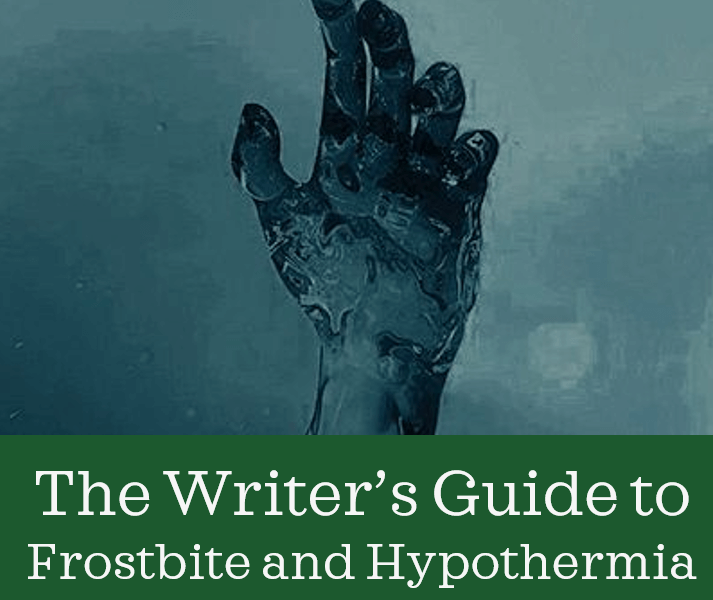
The Writer’s Guide to Frostbite and Hypothermia
From alpine fantasy quests to crash-landed astronauts on an icy moon, cold exposure is a rich and dramatic source of conflict in fiction. But to write it convincingly and avoid falling into Hollywood tropes, you’ll need to understand the real dangers of cold, especially frostbite and hypothermia.
The Difference Between Frostbite and Hypothermia
Though they often occur together, frostbite and hypothermia are not the same thing.
Frostbite
Localized cold injury
Occurs when skin and underlying tissue freeze
Affects fingers, toes, ears, nose, cheeks
Visible signs: discoloration, numbness, hard skin
Hypothermia
Whole-body condition
Occurs when core body temp drops below 95°F (35°C)
Affects brain, heart, lungs, muscles
Systemic signs: shivering, confusion, slurred speech, drowsiness

The Effects of Cold on the Human Body
Cold can be insidious. The early stages of cold injury rarely hurt, they numb. This makes it dangerously easy for characters to push past warning signs.
What Happens When Cold Sets In?
Vasoconstriction: Blood vessels near the surface narrow to conserve heat.
Shivering: Muscle contractions generate heat.
Numbness: Extremities lose feeling.
Slowed metabolism: Organs underperform.
Loss of coordination and judgment: Especially in hypothermia.
Tissue freezing or organ failure: If cold continues unabated.
Understanding Frostbite
Frostbite occurs when tissue freezes, usually on fingers, toes, ears, nose, and cheeks. Doctors classify severity into degrees, similar to burns.
Symptoms by Stage
Frostnip: Skin is pale and cold but not frozen. Tingling or numbness. Reversible.
Superficial Frostbite (1st and 2nd degree): Skin may blister. Tissue is firm but not deeply frozen.
Deep Frostbite (3rd and 4th degree): Skin is blue or black. Tissue is hard, dead, and may require amputation.
Key Symptoms
Numbness or loss of sensation
Pale, waxy, or grayish skin
Hard or frozen areas
Blisters or blackened skin during rewarming
No pain initially, then severe pain as tissue thaws
Tip: Characters may not realize they have frostbite until it’s too late.

Understanding Hypothermia
Hypothermia is a life-threatening drop in core body temperature and can occur even without frostbite. It kills not through freezing limbs but by shutting down organs.
Symptoms by Stage
Mild (95–89°F): Shivering, confusion, poor coordination
Moderate (89–82°F): Slurred speech, drowsiness, lack of shivering
Severe (<82°F): Unconsciousness, slow or irregular heartbeat, death
People often stop shivering as hypothermia worsens, not because they’re better, but because they’re closer to death.
Risk Factors
Wet clothing
Wind exposure
Immobility
Poor nutrition
Alcohol or drugs (which impair heat regulation)
Recovery and Treatment
Frostbite Treatment
Rewarm gradually: Warm water baths (not dry heat or rubbing).
Avoid walking on frozen limbs: Can cause more damage.
Pain relief: Rewarming is extremely painful.
Debridement or amputation: For dead tissue.
Tetanus shot and antibiotics: To prevent infection.
Hypothermia Treatment
Remove wet clothing and insulate the person.
Passive rewarming: Blankets, warm room, body heat.
Active rewarming: Warm IV fluids, heated air, blood rewarming (in hospitals).
Do not massage or jostle severely hypothermic people. They’re at risk of cardiac arrest.
Realistic Recovery Timeline
Mild frostnip or hypothermia: Hours to days.
Severe frostbite: Weeks of monitoring for tissue death.
Deep frostbite or moderate-severe hypothermia: Can cause permanent disability or death.

Writing Tips: Cold Injuries in Fiction
Use sensory details: “Her fingers felt like wood. She couldn’t feel the thread, only the drag of motion.”
Pace the injury: Cold damage builds slowly, making it a great way to create dread.
Combine psychological and physical effects: Hypothermic characters may act drunk or reckless.
Show consequences: Scars, amputations, PTSD, or even phantom limb pain.
Avoid clichés: People don’t usually survive being buried in snowbanks for hours. Magic or tech should come with rules or costs.
Genre-Specific Depictions of Frostbite and Hypothermia
This is a breakdown of how to tailor frostbite and hypothermia to genre, which helps you adapt them realistically or imaginatively whether you’re writing a contemporary thriller, a medieval saga, a fantasy epic, or science fiction.
Contemporary Fiction
Causes
Outdoor exposure: Hikers, mountaineers, survivalists, or lost children.
Accidents: Car breakdowns in snowstorms, falling through ice.
Neglect: Homelessness or abuse.
Risky behavior: Alcohol use in cold climates, dare-based challenges.
Depiction Tips
Use realistic timing: Mild hypothermia can set in within hours; frostbite depends on wind chill and wetness.
Characters may ignore early warning signs, thinking they’re just cold or numb.
Incorporate modern tools: Cell phones with dying batteries, GPS that fails, search and rescue procedures.
Psychological effects matter: Impaired thinking, apathy, paranoia, and irrational stripping of clothes (a real phenomenon called paradoxical undressing).
Example: A solo climber ignores a weather warning to complete his ascent and slowly succumbs to cold-induced hallucinations and creeping frostbite in his fingers.

Historical Fiction
Causes
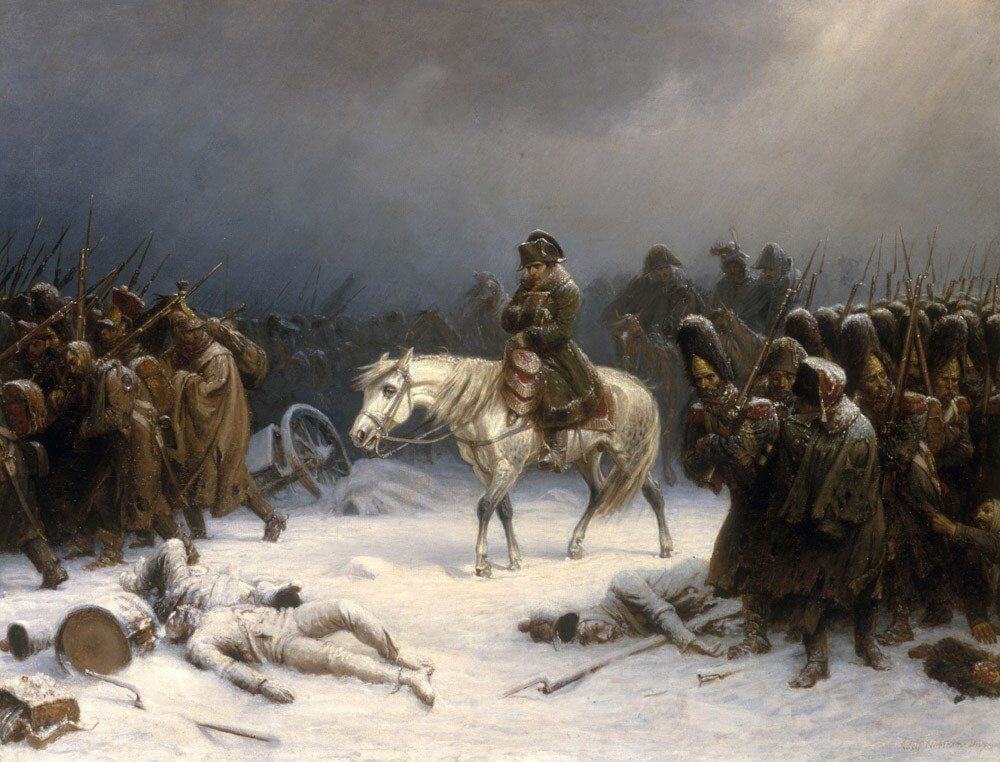
Military campaigns: Armies marching in winter without proper gear (e.g., Napoleon’s retreat from Russia, WWI trench warfare).
Voyages: Shipwrecks, Arctic expeditions, or explorers trapped in snowbound mountain passes.
Common folk: Peasants, pilgrims, or travelers caught in a blizzard or frozen river crossing.
Depiction Tips
Emphasize limited knowledge and superstition: People may only have a basic understanding of cold. A character may suffer from hypothermia or frostbite, but may be unaware of what damage is occurring.
Treatments are primitive: Rubbing frostbitten limbs, heating by fire (often dangerously), or cauterizing blackened flesh.
Severe cases might lead to amputation without anesthesia.
Characters might die of infection or pneumonia days later.
Example: A medieval messenger braves a blizzard to deliver war orders, suffering frostbite in his feet. He completes the mission but loses his toes and his livelihood.
Fantasy
Causes
Magical environments: Cursed forests, eternal winter landscapes, enchanted glaciers.
Ice-elemental enemies or spells: Frost breath, touch of a wight, or exposure to magical artifacts.
Quests and travel: High-altitude crossings, enchanted storms, or mystical trials involving cold.
Depiction Tips
Let your world’s rules shape cold exposure: Is frostbite slower or faster in magic-rich places?
Create fantasy treatments: Fire-sprites that heat flesh gently, enchanted warming salves, divine interventions, or life-draining healing magic.
Cold injuries could symbolize more: A curse, a test of will, or a physical cost for power.
Example: A fire mage journeys into a cursed glacial canyon to recover an artifact. Her immunity to heat makes her especially vulnerable to cold, leading to early-onset hypothermia and mystical frostbite that blunts her power.

Science Fiction
Causes
Space exposure: Hull breaches, suit malfunctions, cryosleep failures.
Harsh planetary environments: Icy moons (like Europa), arctic terraforming zones, or cryogenic labs.
Technological failure: Power outages, heating system collapse, AI sabotage.
Depiction Tips
Use future tech creatively: Thermal suits, nanobot-driven repair, auto-rewarming chambers, emergency gel packs.
Cold may act faster in zero atmosphere though the mechanics depend on vacuum physics.
Think symbolically: Cold as isolation, loss of humanity, malfunction of control.
Example: A colonist on a frozen exoplanet gets trapped outside the dome. Their heated suit malfunctions, forcing them to reroute power from communications to limb survival, ultimately sacrificing fingers to save their life.
Treatments for Frostbite and Hypothermia Through History
The fight against cold has always been a battle between human endurance and limited knowledge. Here’s how different time periods approached treatment and how speculative genres can build upon or reimagine those responses.
Ancient Times
Ancient physicians did not know frostbite or hypothermia as we understand them. People might have viewed cold injuries as a spiritual punishment, an imbalance in the body’s humors, or they might have understood the general effects of cold without knowing the damage it caused or how to best counteract it.
Typical Treatments
Friction or rubbing with snow (to “warm” the tissue, actually harmful)
Hot compresses or fire (often causing burns or worsening damage)
Application of herbal poultices to blackened or dying flesh
Sometimes the affected part was simply cut away once it turned gangrenous
Hypothermia treatments include warming by fire and animal hides, offering warm liquids or alcohol (a common but counterproductive response). Some cultures used body heat (laying the person between warm individuals).
Limitations
Treatments were basic and often harmful, and patients with severe injuries frequently died from exposure, infection, or sepsis.
Middle Ages
There was still no concept of core body temperature or tissue necrosis. Treatments focused more on the spiritual than medical.
Typical Treatments
Rubbing with snow or hot cloths
Use of ointments made from lard, resin, or herbs (such as yarrow or comfrey)
Amputation with crude surgical tools if gangrene set in
Hypothermia treatments such as placing the person near a fire or in a heated room, giving broths, warm wine, or mead, or bloodletting or purging (based on humoral theory) in misguided attempts to “balance” the body
Limitations
Lack of hygiene and anesthesia made surgical intervention extremely risky.

18th and 19th Centuries
Doctors began to document frostbite during military campaigns, such as Napoleon’s invasion of Russia and Arctic expeditions. Although they did not fully understand hypothermia, empirical approaches were emerging.
Typical Treatments
Gradual rewarming with lukewarm water baths
Covering with wool or fur
Avoiding rubbing became recommended
Use of mercury-based ointments or laudanum for pain
Surgical amputation became more refined, sometimes under chloroform or ether
Hypothermia treatments such as heated rooms, hot water bottles, brick warmers, whiskey or brandy still given (wrongly thought to help), or wrapping in multiple blankets. People still sometimes used “heroic medicine” (bleeding, blistering, purging).
Breakthrough
The importance of gradual warming began to be accepted, though core temperature was not yet measured accurately.

Modern Contemporary Medicine
Thanks to scientific breakthroughs, modern medicine has a much better idea of what damage is occurring and how best to treat it.
Frostbite
Rapid recognition and triage in emergency settings
Controlled rewarming in 98–102°F (37–39°C) water baths
Pain management (morphine or other opioids)
Thrombolytic therapy (to prevent clotting in frostbitten limbs)
Wound care with sterile dressings and antibiotics
Delayed amputation decisions (after tissue survival can be assessed)
Hyperbaric oxygen or vasodilators in some advanced hospitals
Hypothermia
Passive rewarming (blankets, warm environment)
Active external warming (forced warm air, heating pads)
Active internal warming (warmed IV fluids, gastric lavage, ECMO for severe cases)
Monitoring vitals carefully to avoid triggering cardiac arrest in severe hypothermia
Modern rule of thumb: “No one is dead until they are warm and dead.” Doctors have revived hypothermia victims even after they appeared lifeless.
Fantasy Treatments
In fantasy settings, writers can balance real-world knowledge with imaginative world-building.
Possible Treatments
Herbal teas with warming or circulation-stimulating effects (realistic or magical)
Magical heat sources like firestones, enchanted cloaks, or heat charms
Healers with elemental control but risk of burns or magical exhaustion
Ritualistic rewarming spells that demand a cost (e.g., years of life, memories)
Fey intervention or divine healing that restores limbs, but changes character physiology or allegiance
Interesting angle: Healing magic may “preserve life” but not reverse tissue death, leaving room for necrosis, amputation, or lasting scars despite supernatural aid.
Science Fiction Treatments
Sci-fi lets you extrapolate from current tech or invent new ones. How does your future society detect, treat, and prevent cold injuries?
Possible Treatments
Thermal-infused clothing that self-regulates based on vitals
Nanobots that de-ice tissue at the cellular level
Cryo-gel injections that rewarm organs from within
Synthetic extremities that replace frostbitten fingers immediately
AI-guided triage drones for battlefield rewarming or limb salvage
Tissue regrowth tanks or 3D bioprinting for lost parts
World-building tip: Advanced treatments may be rationed, expensive, or fail under duress, creating dramatic tension.
Plot and Character Ideas
General Character and Plot Themes
Survival against the elements: A character must endure a frozen wasteland with minimal gear, turning the cold into a near-sentient antagonist.
Cold as consequence: A character who ignored advice or betrayed others is left to face the cold alone.
Permanent change: Loss of fingers, toes, or other extremities becomes a lasting reminder of failure, trauma, or sacrifice.
Wounded healer: A survivor with frostbite becomes skilled at helping others endure cold, but is haunted by past failure to save someone.
Amnesia or hallucinations: Hypothermia-induced confusion leads to critical errors or revelations, shaping the plot.
Haunting Cold
Genre: Contemporary Fiction
A recovering addict volunteers with a mountain rescue team and leads a dangerous winter search, reliving past trauma of losing a sibling to the cold.
Plot Hook: After a crash in a remote winter pass, a group of strangers must survive together. One develops frostbite and begins hallucinating, blurring the lines between survival and psychological thriller.
Twist: A wealthy influencer fakes a survival stunt for views, but ends up genuinely stranded. Their audience watches in real time as signs of hypothermia set in, unsure whether it’s scripted or real.
The Last Cold Mile
Genre: Contemporary Fiction
A search and rescue team is deployed during a blizzard to locate a lost hiker. Time is running out, and as the storm worsens, the team leader shows early signs of hypothermia but refuses to step back. The rescue becomes a dual fight for the victim’s life and the rescuer’s.
Character Angle:A formerly homeless man turned rescue volunteer uses his experience with cold exposure to track the missing person, while confronting his own guilt over a friend who froze to death years earlier.
Twist: The person they rescue isn’t who they expected but a survivalist influencer staging a stunt gone wrong. Their footage becomes vital evidence in an ongoing criminal case.
Toes for the Tsar
Genre: Historical Fiction
Plot Idea: Set during Napoleon’s retreat from Moscow, a young conscript develops severe frostbite but is determined to deliver a critical message across enemy lines. Each mile costs him another finger or toe, but turning back means defeat.
Character Angle: A cobbler by trade, the soldier is ironically proud of his feet until they become the price he pays for duty. His journey is one of transformation from craftsman to survivor to legend.
Twist: Upon return, the message he carried was outdated. The battle had already been lost. People memorialize his heroism, but the truth haunts him for the rest of his life.
Trial by Ice
Genre: Fantasy
Plot Idea: In a northern kingdom, warriors must endure a night in a cursed glacial tomb to earn the title of Frostbound, a sacred order with resistance to elemental cold. When the protagonist fails the trial, they must face an even colder truth: the curse is spreading beyond the tomb.
Character Angle: A would-be champion hiding a fear of the cold, born of childhood frostbite that left one hand deformed. Their magical potential lies dormant, locked behind trauma.
Twist: The curse is not ancient, it’s newly awakened by a rival kingdom. And the protagonist’s old injury connects them to the only power that can stop it.
Cryo Drift
Genre: Science Fiction
Plot Idea: A sleeper ship malfunctions, waking a lone crewmember in a sub-zero cryostasis bay after a navigation error lands them in the gravity well of an icy planet. With no communication and failing heat systems, survival means navigating both the ship and their own failing bodies.
Character Angle: The protagonist is a mission specialist who suffers from Raynaud’s syndrome on Earth, a condition dismissed as irrelevant in cryogenic travel. Now, it becomes a deadly liability.
Twist: They discover that someone else woke up months earlier and froze to death while trying to escape. But their last messages hint at sabotage, not malfunction.
Below Zero
Genre: Contemporary Fiction/Thriller
Plot Idea: A woman is kidnaped and left in a remote cabin in the Rockies during a snowstorm. She escapes barefoot into the snow and must survive long enough for help to arrive, enduring frostbite and early hypothermia.
Character Angle: She’s a city dweller with no survival experience but a brilliant mind for logistics. She uses strategic thinking, timing bursts of movement, using found materials, and rationing body heat to stay alive.
Twist: Her captor is also lost in the storm and injured. She must choose whether to save him, leave him, or let the elements decide.
The Winter Pilgrim
Genre: Medieval Historical Fiction
Plot Idea: A penitent monk embarks on a pilgrimage to retrieve a holy relic from a distant abbey just before a brutal winter. Stranded by snow, he must endure a slow journey home while suffering from frostbite and hallucinations.
Character Angle: Once proud and arrogant, the monk sees the cold as divine punishment. As he loses toes, feeling, and sanity, he has visions or are they real?
Twist: The relic he carries is warm to the touch and seems to preserve him, but also causes the surrounding landscape to freeze. Is it a miracle, or a curse?
The Ember Pact
Genre: Low Fantasy / Elemental Magic
Plot Idea: A winter spirit cursed a young fire-wielder with magical hypothermia after the fire-wielder broke a pact. Their core temperature drops no matter the external heat, and only by seeking the Emberstone can they survive.
Character Angle: They were once the most powerful firemage in their order, arrogant and untouchable. Now even a candle won’t stay lit in their hands, and they rely on a frost-wielding rival to guide them.
Twist: The only way to break the curse is to embrace the cold completely, not fight it. They must let go of their identity as a firemage and become something new.
Protocol Winterfall
Genre: Sci-Fi Thriller / Space Horror
Plot Idea: On a terraforming station orbiting a frozen moon, the AI activates a lockdown protocol after detecting a supposed contaminant, dropping the interior temperature below survivable levels. A crew of engineers must navigate frozen decks to override the system before they all freeze.
Character Angle: A xenobiologist with a prosthetic leg (from a prior frostbite injury) is the only one immune to the effects of the cold-resistant contagion but also the least physically capable of navigating the station.
Twist: The “contaminant” is not a virus, it’s alien intelligence that thrives in sub-zero environments. The AI is trying to contain it. The real question: who do you side with?
The Shiverkin’s War
Genre: Fantasy / Creature POV
Plot Idea: A race of frost-dwelling beings called the Shiverkin are being pushed from their homeland as magical climate change warms their glacier. A Shiverkin warrior with temperature sensitivity defects (they run too warm) must find sanctuary or fight extinction.
Character Angle: The protagonist is a runt among their kind, seen as weak for their warmth. Yet in the encroaching heat, they are the only one capable of surviving long enough to negotiate with surface dwellers.
Twist: The Shiverkin’s melting homeland is not a natural phenomenon, it results from a fire-based weapon test from an empire that doesn’t even know the Shiverkin exist.
Cold is an unforgiving enemy and a rich storytelling tool. Use frostbite and hypothermia not just as physical obstacles but as symbolic moments of desperation, endurance, or transformation.
Whether your character is scaling an ice-covered mountain, wandering through a fantasy tundra, or waking from cryostasis in deep space, their encounter with the cold can leave them changed body and soul.
I hope this was helpful. Let me know if you have questions or suggestions by using the Contact Me form on my website or by writing a comment. I post every Friday and would be grateful if you would share my content.
If you want my blog delivered straight to your inbox every month along with exclusive content and giveaways, please sign up for my email list here.
Let’s get writing!
Copyright © 2025 Rebecca Shedd. All rights reserved.
 Rebecca Shedd - Author