The Writer’s Guide to Heatstroke and Dehydration
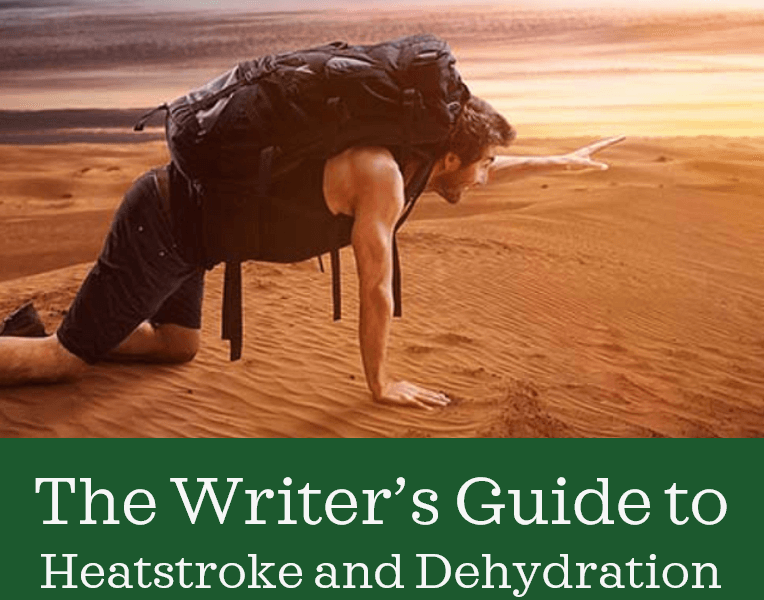
Extreme heat can be just as dangerous and narratively rich as any battlefield injury. For writers, depicting heatstroke and dehydration accurately can raise tension, add realism, and create both physical and emotional challenges for your characters. Whether your setting is a scorching desert, a futuristic mining colony, or a medieval battlefield in midsummer, understanding the science behind these conditions will make your writing more immersive.
Understanding the Difference
Dehydration occurs when the body loses more fluids than it takes in, reducing its ability to function normally. It’s often the precursor to more serious heat-related illnesses.
Heatstroke is a severe, life-threatening condition caused by the body’s inability to regulate its temperature, often because of prolonged heat exposure. While dehydration can lead to heatstroke, heatstroke can also occur even when a person is adequately hydrated if the heat and humidity overwhelm their cooling mechanisms.
Symptoms of Dehydration
Mild to Moderate:
Thirst
Dry mouth and cracked lips
Headache
Fatigue
Dark, concentrated urine
Reduced urination
Severe:
Dizziness and confusion
Sunken eyes
Rapid heartbeat
Low blood pressure
No sweating or urination
Symptoms of Heatstroke
Early Signs (Heat Exhaustion Stage):
Heavy sweating
Weakness or dizziness
Nausea and vomiting
Muscle cramps
Rapid, shallow breathing
Progression to Heatstroke:
Body temperature above 104°F (40°C)
Hot, dry skin (sweating stops)
Severe confusion or delirium
Seizures
Loss of consciousness
Risk of organ failure and death
Tip: Heatstroke often comes with confusion and disorientation, which can make for tense, unreliable POV scenes where the reader experiences the symptoms alongside the character.
Dangers
For Dehydration: Kidney damage, shock, and increased susceptibility to heat injuries.
For Heatstroke: Permanent brain damage, heart strain, multi-organ failure, and death within hours if untreated.
In both cases, the danger increases rapidly if physical exertion continues or if the character is in a setting without shade, water, or cooling methods.

Recovery Process
Dehydration
Mild cases resolve with rest, cool shade, and oral rehydration (water or electrolyte solutions).
Severe dehydration may require IV fluids and monitoring for electrolyte imbalances.
Heatstroke
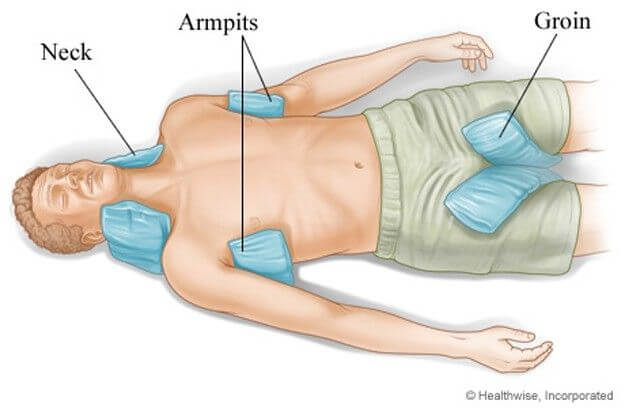
Immediate, aggressive cooling is essential (ice packs to neck, armpits, and groin; cold water immersion; wet cloths with fanning).
Medical care is necessary to monitor organ function.
Full recovery can take days to weeks depending on severity, and some victims suffer lingering weakness or heat sensitivity.
Writing Tips for Authenticity
Show, Don’t Tell Symptoms: Instead of stating “he had heatstroke,” let the reader experience blurred vision, confusion, slowed reactions, and the character’s inability to sweat.
Pace the Decline: Heat injuries usually develop over hours, but under extreme conditions, they can escalate in minutes. Let your readers feel that progression.
Use the Environment: Describe shimmering horizons, the oppressive weight of the air, and the sting of sunlight on overheated skin to make the setting itself feel dangerous.
Incorporate Cognitive Changes: Decision-making and perception falter with both dehydration and heatstroke, which can be a great way to complicate survival scenes or combat.
Show Aftermath: Even after treatment, characters may feel weak, dizzy, or mentally foggy, sometimes for days.
Example: The sand was swallowing him, each step heavier, slower. Sweat had stopped an hour ago. The world had narrowed to white glare and the rasp of his breath. He saw the oasis ahead. No, not an oasis. The green dissolved into heat haze, and he stumbled, hitting the ground hard. It burned. Everything burned.

Genre Variations in Depicting Heatstroke and Dehydration
While the physiological effects of heatstroke and dehydration are consistent across time, the causes, treatments, and narrative emphasis can vary depending on genre. Setting, technology, and cultural understanding of heat-related illness shape how you portray these conditions.
Common Causes in All Settings
Prolonged exposure to high temperatures
Intense physical exertion in hot environments
Lack of access to clean drinking water
Wearing heavy or non-breathable clothing or armor
Illnesses that impair the body’s cooling ability
Contemporary Fiction
Causes
Outdoor work in extreme heat (construction, firefighting, agriculture)
Endurance sports and marathons
Urban heatwaves, especially in poorly ventilated apartments
Stranded travelers in deserts or remote wilderness
Depiction Notes
Modern readers expect medically accurate symptoms.
You can use POV to highlight confusion, hallucinations, and poor judgment.
Treatments will be quick to administer (paramedics, IV fluids, electrolyte packs) unless isolation prevents it.
Example: A hiker in Arizona’s summer heat pushes past their limits, convinced they can reach the car without resting, only to collapse a hundred yards from safety.
Historical Fiction
Causes
Forced marches under the summer sun
Naval voyages in the tropics without adequate fresh water
Siege warfare in hot climates with limited shade
Labor in fields or quarries with minimal breaks
Depiction Notes
Historical figures often lacked a modern understanding of heat injuries. They might attribute collapse to “weak constitution,” “sun fever,” or “bad humors.”
Period-accurate clothing (wool uniforms, heavy armor) can intensify risk.
Cooling methods were limited: shade, wet cloths, and whatever water was available.
Example: During the construction of an ancient pyramid, workers collapse under the sun. Overseers blame laziness, not realizing dehydration is killing their laborers.

Fantasy
Causes
Long desert treks or crossing volcanic plains
Wearing magical armor that traps heat
Magical curses or spells that raise body temperature
Beasts of burden dying from heat, forcing characters to carry heavy loads themselves
Depiction Notes
You can adapt the environment beyond real-world limits: suns that burn hotter, cursed lands radiating magical heat, or underground forges with oppressive conditions.
Healing magic could stop symptoms instantly, but consider the consequences: Does it cure the damage or just mask it, allowing the character to push themselves to death?
Cultures might have elaborate desert survival rituals, enchanted waterskins, or heat-warding amulets.
Example: A caravan crossing the Blistering Wastes depends on an ice-mage to keep temperatures bearable. When the mage collapses from heatstroke, the group must choose between pressing on or risking death in the open sands.
Science Fiction
Causes
Terraforming projects on hot planets
Malfunctioning environmental controls on spaceships or colonies
Exposure to alien suns or multiple-star systems
Combat in powered armor that overheats because of system failure
Depiction Notes
Advanced tech might offer rehydration packs, instant electrolyte injections, or wearable cooling systems.
Alien physiology could change what “heatstroke” looks like. Some species may expel excess heat through unique biological processes or be vulnerable to temperatures humans find mild.
Artificial gravity or atmospheric differences could worsen dehydration.
Example: On a mining outpost orbiting a desert planet, the heat is so intense that protective suits are essential. When a miner’s cooling unit malfunctions deep in the tunnels, they must navigate back while hallucinations blur reality.
Treatments for Heatstroke and Dehydration Across Time and Genres
In fiction, how people treat heat-related illnesses varies widely depending on the era, setting, and resources. From ancient trial-and-error remedies to futuristic medical marvels, the treatment of heatstroke and dehydration is a rich area for world-building.
Ancient World
Ancient physicians recognized collapse from heat but often misunderstood the cause.
Likely Treatments
Moving the patient into shade or a cool indoor space
Pouring or dabbing water on the head and body
Administering water or diluted wine if the patient could swallow
Herbal infusions (mint, chamomile, barley water) to “cool” the body
Avoiding cold water directly on overheated skin for fear of “shock to the system”
Tip: Characters in ancient settings may refuse water because of superstition or give the wrong fluid entirely (like undiluted wine or beer, which could worsen dehydration).
Middle Ages
The concept of “heat illness” still tied to humors, especially an excess of “choler” (yellow bile). People sometimes interpreted collapse as a divine sign or punishment.
Likely Treatments
Rest in shaded or stone buildings
Application of cool cloths or sponging with water from wells or streams
Offering ale or watered wine (often unsafe by modern standards)
Bleeding or purging in severe cases (which could be lethal)
Herbal remedies: lemon balm, rosewater, and vinegar compresses
Tip: Medieval treatments often helped by accident. Shade and fluids worked, but bleeding weakened the patient further. Survival often depended more on the environment than skill.
18th and 19th Centuries
Colonial expansion and military campaigns in hot climates increased awareness of heat-related illness. Terms like “sunstroke” and “heat apoplexy” entered common use.
Likely Treatments
Getting the patient into a shaded, ventilated area
Loosening clothing (sometimes cutting off uniforms)
Pouring water over the head and chest
Applying cool, damp cloths to the neck, armpits, and groin
Giving small sips of water or tea
In severe cases, use of ice if available (especially in colonial outposts)
Still occasional use of bleeding, though increasingly questioned by doctors
Tip: Military medical manuals from this era often stressed discipline over health. The army punished soldiers who fell out because of heat.
Modern and Contemporary Medicine
Likely Treatments For Dehydration
Oral rehydration solutions (ORS) with water, salts, and sugars
IV fluids for severe cases
Monitoring electrolytes and kidney function
Likely Treatments For Heatstroke
Immediate cooling. Ice water immersion or ice packs to major arteries.
Evaporative cooling with mist and fans
Removing restrictive clothing
Oxygen supplementation if needed
Hospital monitoring for organ damage
Tip: Modern emergency care makes heatstroke highly survivable if treated quickly, but remote or disaster scenarios can revert characters to older, improvised methods.
Fantasy Treatments
Likely Treatments
Herbal and Alchemical Cooling: Potions brewed from frostmint or glacial flowers to rapidly drop body temperature.
Magical Cooling Spells: Controlled blasts of cold air or enchanted stones that radiate chill, though careless use could induce hypothermia.
Enchanted Water Skins: Never empty, always chilled to the perfect temperature.
Ritual Recovery: Priests or healers calling on water or ice spirits to restore balance to the body.
Twist for Writers: Healing magic could mask symptoms without fixing underlying dehydration, allowing a character to collapse hours later without warning.
Science Fiction Treatments
Likely Treatments
Instant Rehydration Packs: Gel-based fluids absorbed orally or through the skin.
Nanobot Regulation: Machines in the bloodstream detect heat stress and adjust hydration and electrolyte balance instantly.
Thermal Regulation Suits: Exosuits that monitor core temperature and activate cooling panels or mist systems.
Cryogenic Stabilization: Short-term cold stasis to prevent organ failure until full medical care is available.
Twist for Writers: Advanced medicine can make heat injuries seem trivial, but what happens when tech fails or when an alien body reacts unpredictably to human cooling methods?
Plot and Character Ideas
The Last Water Break
Genre: Contemporary Survival Drama
Plot Idea: A rookie wildland firefighter becomes separated from their crew during a record-breaking heatwave. With only a half-empty canteen and a broken radio, they must navigate burning terrain to find their way back.
Character Angle: Driven to prove themselves, the protagonist ignores early warning signs of dehydration, convinced they can tough it out. Hallucinations blur memory and reality.
Twist(s): They find their way back to camp but the “camp” is a mirage, and rescue comes from an unexpected source: a rival firefighter they clashed with earlier in the season.
March Under the Sun
Genre: 19th-Century Military Fiction
Plot Idea: During a colonial military expedition, a small detachment is ordered to march through arid desert terrain to deliver critical dispatches. Soldiers collapse one by one, their canteens long emptied.
Character Angle: The protagonist, a medic’s apprentice, must decide whether to defy orders and halt the march to save lives or press forward and risk everyone.
Twist(s): When they finally reach their destination, the “urgent orders” they carried are too late. The crisis they were trying to avert has already happened.
The Blistering Wastes
Genre: Epic Fantasy Adventure
Plot Idea: A band of desert-crossing adventurers loses their enchanted water skin after a skirmish with sand raiders. With magic suppressed by a sun curse, they must rely on survival skills instead of spells.
Character Angle: A desert-born guide, shunned by the group as superstitious, becomes the only one capable of navigating the heat while others succumb to dehydration and heatstroke.
Twist(s): The curse was cast not by their enemies, but by one of their own, to keep a dangerous magical relic from reaching civilization, even at the cost of the party’s lives.
Solar Drift
Genre: Sci-Fi Survival Thriller
Plot Idea: A ship transporting colonists suffers a systems failure, forcing an emergency landing on a searingly hot planet. With environmental controls down and water supplies limited, the survivors must trek to a distant supply cache before their bodies give out.
Character Angle: The protagonist is a planetary geologist who knows the terrain but has a rare metabolic condition making them more susceptible to heatstroke.
Twist(s): The “supply cache” turns out to be an alien structure that offers shelter but also emits a heat signature so intense that staying too long is deadly.
The Mirage Killers
Genre: Crime/Adventure Hybrid
Plot Idea: A group of treasure hunters in North Africa suffers multiple heatstroke-related deaths under suspiciously similar conditions. A lone detective suspects deliberate sabotage: someone tampering with the water supplies.
Character Angle: The protagonist is an ex-soldier with PTSD from a desert war, whose own dehydration episodes trigger painful flashbacks while piecing together the mystery.
Twist(s): The killer’s motive isn’t greed; it’s revenge for an ancient betrayal tied to the treasure’s original theft.
Marathon in the Fire Season
Genre: Sports Drama
Plot Idea: An elite runner is determined to finish a charity ultramarathon during a record-breaking heatwave, ignoring the race doctor’s warnings. As temperatures soar, competitors drop out, and the route becomes a fight for survival.
Character Angle: The protagonist’s obsession with finishing stems from a promise made to their late sibling, but their body shuts down from heatstroke.
Twist(s): A rival runner sacrifices their own shot at victory to save them, forcing the protagonist to reevaluate what winning really means.
Salt Road
Genre: Ancient Trade Caravan Drama
Plot Idea: A merchant caravan crosses the Sahara during an unusually harsh dry season. Water rations run dangerously low, and whispers of sabotage spread when the oasis they counted on is found bone dry.
Character Angle: A young apprentice tries to prove themselves to the caravan master, risking their health by carrying water to the weakest travelers.
Twist(s): A rival caravan’s plot to take over their trade route included poisoning the oasis, not drying it up.
The Cinder March
Genre: Dark Fantasy
Plot Idea: An army marches across scorched volcanic plains to attack a fortress, but the enemy uses heat magic to sap their strength, inducing mass dehydration before battle even begins.
Character Angle: A healer with limited magic must ration their cooling spells, deciding who lives and who dies.
Twist(s): The protagonist realizes the heat magic isn’t from the enemy; it’s from the army’s own general, seeking to thin the ranks of dissenters before the siege.
Red Sands Protocol
Genre: Sci-Fi Political Thriller
Plot Idea: On a desert colony world, the planetary governor restricts water to punish rebellious settlements. A smuggler agrees to transport illicit water supplies through the dunes, but their vehicle’s cooling system fails mid-journey.
Character Angle: The smuggler is secretly transporting a child with a rare genetic condition, making them more vulnerable to dehydration, forcing dangerous route changes.
Twist(s): The “child” is a genetically engineered diplomat intended to end the rebellion, if they survive.
Tide of Thirst
Genre: Survival Thriller
Plot Idea: After a small boat capsizes in tropical waters, survivors wash up on a sunbaked atoll with no fresh water source. Their slow dehydration turns tense cooperation into paranoia.
Character Angle: The protagonist, a marine biologist, knows they can collect drinking water from condensation stills, but another survivor sabotages them, believing only the strongest should live.
Twist(s): The saboteur isn’t trying to kill the group; they’re trying to lure in a passing fishing boat by forcing someone to attempt a dangerous ocean swim for help.
Snow Without Melt
Genre: Survival Fantasy
Plot Idea: A magical curse blankets a desert in snow that never melts. Travelers believe they are safe from dehydration until they realize the snow is magically inert and provides no moisture when eaten.
Character Angle: A scholar of magical ecology races to find the source of the curse while hiding their own worsening dehydration.
Twist(s): The curse is a defense mechanism cast by the desert’s guardian spirit to keep out an invading army. Breaking it could doom the land.

I hope this was helpful. Let me know if you have questions or suggestions by using the Contact Me form on my website or by writing a comment. I post every Friday and would be grateful if you would share my content.
If you want my blog delivered straight to your inbox every month along with exclusive content and giveaways, please sign up for my email list here.
Let’s get writing!
Copyright © 2025 Rebecca Shedd. All rights reserved.
 Rebecca Shedd - Author