The Writer’s Guide to Infections and Complications


Writers often focus on the immediate drama of a character’s injury in fiction: the sword strike, the fall, or the gunshot. But some of the most dangerous threats come later, when the wound that seemed survivable turns deadly because of infection and complications.
From battlefield fevers in medieval sagas to post-surgical sepsis in sci-fi, understanding how infections develop and what signs to portray will give your story depth, realism, and suspense.
What Is an Infection?
An infection occurs when harmful microorganisms (bacteria, viruses, fungi, parasites) invade the body and overwhelm its defenses. In injuries, bacterial infection is the most common concern, especially in untreated or dirty wounds.
Complications arise when infection spreads, causes systemic problems, or interferes with the healing process. Historically, untreated infections were a leading cause of death from wounds that seemed minor at first.
Types of Infections in Wounds
Localized Infection
Stays near the wound site.
Redness, swelling, warmth, pus.
Pain increases instead of decreases.
Abscess
A pocket of pus forms beneath the skin or deep in tissue.
Painful swelling, throbbing sensation.
May rupture on its own or require drainage.
Cellulitis
Spreading infection of skin and underlying tissue.
Red streaking, swelling, tenderness.
Can advance rapidly, especially in the legs or arms.
Sepsis (Blood Poisoning)
Infection spreads into the bloodstream.
Fever, chills, confusion, rapid heartbeat, low blood pressure.
Medical emergency, often fatal without treatment.
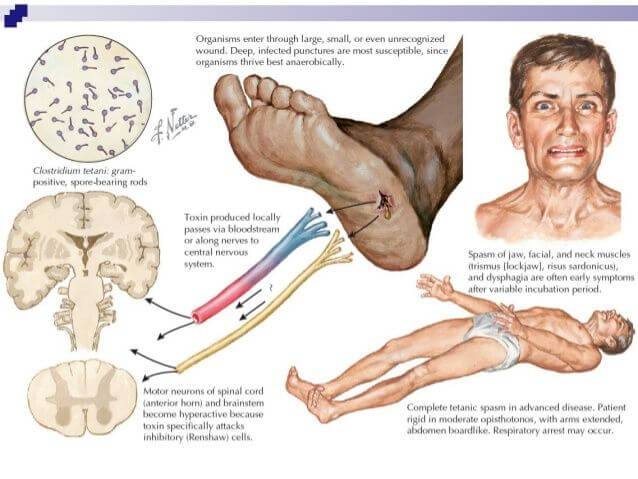
Tetanus
Caused by Clostridium tetani bacteria in deep puncture wounds.
Muscle stiffness, spasms, “lockjaw.”
Historically deadly before vaccines.
Gangrene
Tissue death because of infection or lack of blood flow.
Blackened, foul-smelling flesh.
May require amputation.
Symptoms and Signs
Early Local Signs
Redness, swelling, heat around the wound, pain that worsens, pus or foul odor.
Systemic Signs
Fever, chills, sweating, fatigue, confusion, nausea.
Red Flag Signs
Red streaks running from the wound toward the heart, rapidly spreading swelling, sudden severe pain, or collapse. These indicate the infection is moving into the bloodstream.
Risks and Complications
Delayed Healing: Infection slows recovery, keeping the wound open.
Scarring or Disfigurement: Especially with abscesses or gangrene.
Disability: Joint infections can permanently limit motion.
Death: Sepsis, tetanus, or gangrene can all be fatal.
For writers, infections are a powerful tool to raise the stakes after the immediate danger has passed.
Writing Tips for Realism
Use Timing: Infections usually develop over hours to days, not minutes. Show gradual worsening pain, swelling, fever before the crisis hits.
Show the Struggle: Characters often underestimate infection until too late. Pain, fever dreams, and delirium can all add drama.
Don’t Forget Complications: Amputation to save a life. Months of recovery after sepsis. PTSD from a near-fatal fever.
Avoid the “magic cure” cliché: Antibiotics or healing magic shouldn’t erase tension instantly. Think about limits, scarcity, or consequences.
Example: The cut on his leg had seemed trivial, just a scratch from a rusty blade. Two days later, the skin was angry red, swollen, and hot. By the third night, he burned with fever, shivering and sweating by turns. When the streaks appeared, running up his thigh like crimson rivers, even the bravest in the company whispered the word no one wanted to say: blood poisoning.
Depicting Infections and Complications Across Genres
Infections are one of the oldest and deadliest threats to human survival. Unlike a sword slash or a bullet wound, they are invisible killers, creeping in after the initial injury. How you portray them in your story will depend on genre, setting, and medical knowledge available.
Contemporary Fiction
How They Occur
Post-surgical complications (appendectomy wound, knee replacement, cesarean section).
Everyday injuries: a dirty cut in the garden, a puncture from a rusty nail.
Chronic conditions: diabetic foot infections, IV line infections.
Trauma: untreated cuts, lacerations, or burns from accidents.
Depiction Notes
Readers expect realistic medical accuracy: antibiotics, IV fluids, hospital isolation protocols.
Modern settings introduce issues like antibiotic resistance (MRSA, superbugs).
Infection isn’t always obvious. Symptoms may appear subtly and worsen quickly.
Narrative Use
A character’s minor wound spirals into sepsis during a stressful subplot.
A medical thriller focusing on outbreaks, hospital errors, or superbug crises.
Infection can be a test of resilience, willpower, or resourcefulness when modern medicine fails.
Historical Fiction
How They Occur
Battlefield wounds contaminated by dirt, feces, or rust.
Poor sanitation during sieges or voyages.
Lack of sterile surgical tools, surgeons using unwashed hands or knives.
Everyday risks: childbirth, animal bites, simple scratches.
Depiction Notes
Before germ theory (19th century), healers saw infection as “bad humors,” “putrefaction,” or divine punishment.
They recognized common signs (swelling, pus, fever), but often misunderstood them.
Treatments were primitive: cauterization, herbal poultices, bloodletting, vinegar washes, amputation.
Narrative Use
Characters may survive the battlefield only to die slowly from infection.
Creates realistic tension: the healer/priest must decide whether to amputate.
Infection can highlight themes of superstition, fate, or the limits of human control.
Fantasy
How They Occur
Dirty wounds from battle, monster bites, or curses.
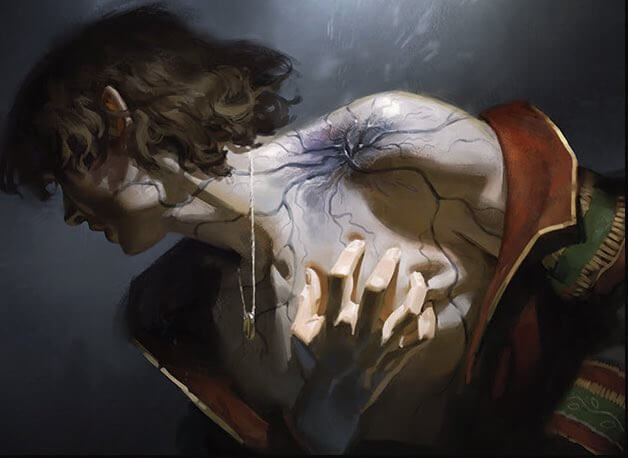
Magical side effects: corrupted wounds that fester unnaturally, demon or poison-laced claws or weapons.
Prolonged exposure to unsanitary environments: swamps, dungeons, plague-ridden cities.
Depiction Notes
Healing magic could alter how infections behave:
Low-level magic may only suppress symptoms, not cure the infection.
Potions could “burn” infection out of the body but leave scars.
Priestly healing may depend on favor, ritual, or sacrifice.
Curses or magical plagues can act like infections but defy normal medicine.
Narrative Use
A wound that looks minor becomes a plot-driving illness, forcing the party to hunt for a rare herb or healer.
Infections can symbolize corruption, evil, or imbalance in the world.
Deciding who receives limited magical healing creates moral conflict.
Science Fiction
How They Occur
Space trauma: infections from poorly sterilized medbays or alien environments.
Colonization risks: alien microbes that interact unpredictably with human biology.
Cybernetic implants or exosuits introduce infections into the body.
Genetic engineering accidents create resistant superbugs.
Depiction Notes
Medicine may be advanced: nanobots, instant tissue regeneration, sterile surgical pods.
But tech introduces new vulnerabilities: Nanobot malfunction spreads infection faster. Alien pathogens bypass human immune systems. Artificial immune boosters might overreact, causing autoimmune “complications.”
Narrative Use
A colony faces a mysterious infection that threatens to wipe it out before terraforming is complete.
A wounded soldier discovers their infection is resistant to all known treatments, forcing experimentation with alien biology.
Infection becomes a metaphor for loss of humanity in a cyberpunk setting (body rejects cybernetic grafts).
Treatments for Infections and Complications Through Time
Infections are one of the greatest killers in human history. Until the discovery of germ theory and antibiotics, even minor scratches could become fatal. How your characters are treated or not will depend heavily on the medical knowledge, resources, and beliefs of the era or genre you’re writing in.
Ancient World (Pre-500 AD)
Healers were ignorant of germs and described wounds as “putrefying” or filled with “bad humors.” Treatments combined practical trial-and-error with ritual and superstition.
Treatments
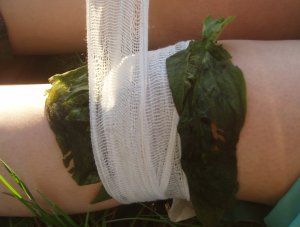
Wound cleaning: Washing with wine, vinegar, honey, or herbal infusions (some of these had mild antibacterial properties).
Poultices: Crushed herbs (garlic, onion, willow, aloe) to reduce swelling.
Cauterization: Burning the wound closed, hoping to prevent spread.
Amputation: Last resort for severe gangrene.
Spiritual methods: Prayers, offerings, amulets.
Limitations
Some remedies (like honey or vinegar) helped, but without understanding infection, survival was inconsistent.
Middle Ages (500-1500 AD)
Humoral theory was still dominant; healers thought infection was caused by imbalance, miasma (“bad air”), or divine punishment. Surgeons gained experience from battlefield medicine but still lacked sterilization practices.
Treatments
Herbal poultices: Yarrow, comfrey, and vinegar compresses.
Bloodletting and purging: Common but harmful.
Cauterization and lancing abscesses: Crude but occasionally effective.
Honey or resin: Used as wound dressings.
Prayer and relics: Spiritual healing sought alongside physical.
Limitations
Surgeons worked with unwashed tools and hands, spreading infection. Mortality rates after surgery were extremely high.
18th and 19th Centuries
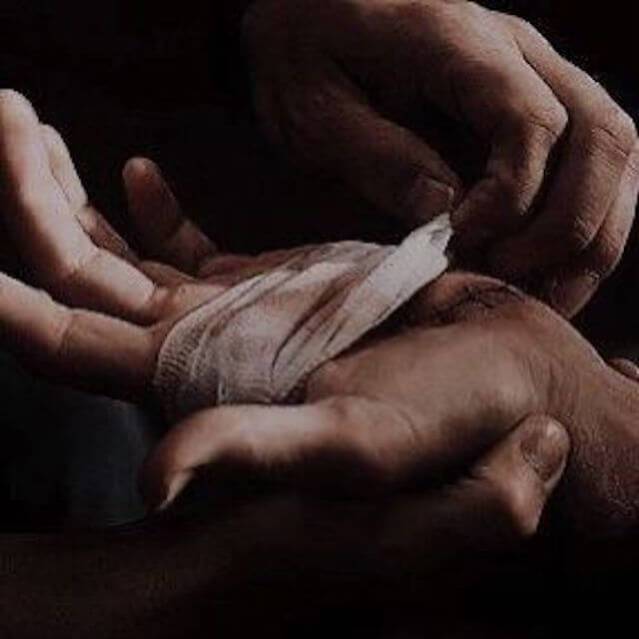
People had a growing awareness of cleanliness, but they did not fully accept germ theory until the late 19th century. Amputations were common for infected limbs.
Treatments
Cleaning with spirits or carbolic acid: Lister pioneered antiseptic surgery in the 1860s.
Amputation: Still widely practiced for gangrene or severe infection.
Topical remedies: Mercury, iodine, and vinegar.
Quinine: Used to fight malaria and fevers.
Quarantine and isolation: For contagious diseases.
Limitations
There were no antibiotics yet; even minor infections could escalate. Sepsis remained a frequent cause of death.
Modern Medicine
Germ theory, antiseptics, vaccines, and antibiotics revolutionized infection control. Most localized infections are now survivable with treatment.
Treatments
Antibiotics: Oral or IV (penicillin, cephalosporins, etc.).
Vaccines: Prevent infections like tetanus.
Surgery: To drain abscesses or remove necrotic tissue.
Antivirals/antifungals: Target specific pathogens.
ICU care: IV fluids, oxygen, vasopressors for sepsis.
Prosthetics: After life-saving amputations.
Limitations
Antibiotic resistance and hospital-acquired infections are growing threats.
Fantasy
Rare plants with natural antibacterial properties, potions that purge “bad blood,” or alchemical brews that sterilize wounds.
Healing Magic
Instant cleansing spells that burn infection away but may leave scarring.
Divine blessings that cure, but only for the faithful or the chosen.
Cursed wounds that resist natural or magical healing, spreading supernatural rot.
Narrative Hooks
A healer forced to choose who receives the last healing potion.
A wound treated with dark magic leaves the character cured physically but spiritually tainted.

Science Fiction
Healers face challenges on alien worlds with no knowledge of how their environment will interact with human bodies.
Possible Treatments
Nanotechnology: Nanobots identify and destroy pathogens at the cellular level.
Synthetic Immune Boosts: Engineered viruses or bacteria designed to out-compete infections.
Tissue Regeneration: Bio-printers or stem cell therapy to replace infected flesh.
Sterile Med pods: Fully automated surgical and healing units.
Alien Pathogens: Infections humans don’t recognize, requiring hybrid medicine or cultural knowledge from alien allies.
Narrative Hooks
A colony faces a microbe that mutates faster than nanotech can counter.
An alien infection resists human antibiotics, forcing risky experimental treatments.
Cybernetic implants become the infection source, rejecting human tissue.
Plot and Character Ideas
The Paper Cut
Genre: Contemporary Drama
Plot Idea: A seemingly trivial paper cut develops into a severe infection because of antibiotic resistance, threatening a young lawyer’s career just before a high-stakes trial.
Character Angle: A workaholic who never slows down must confront fragility and dependence on others.
Twist(s): The infection forces them to rely on a rival associate who has secretly been undermining them.
The Hospital Wing
Genre: Medical Thriller
Plot Idea: A routine post-surgical infection spirals into sepsis after a hospital cover-up hides contamination issues.
Character Angle: A nurse suspects foul play and risks her career to protect patients.
Twist(s): The contamination was not negligence but deliberate sabotage by someone inside.
The Festering Wound
Genre: Medieval Military Drama
Plot Idea: A knight survives battle with only a scratch, but days later infection sets in, weakening him during a siege.
Character Angle: Proud and dismissive of healers, he resists treatment until it’s too late.
Twist(s): His sickness shifts leadership to a younger, underestimated squire who turns the tide of the siege.
The Voyage Fever
Genre: Age of Sail Historical Adventure
Plot Idea: Sailors on a long voyage suffer from infected wounds after a storm leaves medical supplies ruined.
Character Angle: A ship’s surgeon must improvise with herbs and spirits, battling both infection and mutiny.
Twist(s): The surgeon’s remedies save many, but their own untreated wound festers, forcing them to confront mortality.
The Rotting Curse
Genre: Dark Fantasy
Plot Idea: A hero slays a demon but suffers a wound that becomes magically infected, spreading corruption through his body.
Character Angle: Known for bravery, he hides his worsening condition to keep morale high.
Twist(s): The hero’s infection can only be cured by the demon’s blood, forcing the party to resurrect their fallen foe.
Herbalist’s Trial
Genre: High Fantasy
Plot Idea: A village is stricken with infected wounds after a battle. The herbalist must find a rare flower in enemy territory to treat the spreading illness.
Character Angle: A shy, overlooked healer thrust into a position of leadership.
Twist(s): The flower works but only if brewed with the healer’s own blood, binding their life to the patients’.
The Tainted Chalice
Genre: Court Intrigue Fantasy
Plot Idea: A noblewoman suffers complications from a poisoned cup, and infection spreads through her body.
Character Angle: Once politically untouchable, she is now vulnerable, relying on servants she once ignored.
Twist(s): The infection was never natural, it is sustained by a rival’s curse that worsens with each attempt at healing.
Red Sand Fever
Genre: Sci-Fi Survival
Plot Idea: Colonists on Mars develop strange infections from cuts contaminated with alien soil microbes.
Character Angle: A geologist who argued against colonization protocols becomes the only one who knows how to fight the infection.
Twist(s): The microbe isn’t a pathogen, it’s intelligent and attempting to communicate.
Nanobot Rebellion
Genre: Cyberpunk Thriller
Plot Idea: Medical nanobots designed to repair tissue after injury begin malfunctioning, treating healthy cells as infections.
Character Angle: A corporate mercenary enhanced with nanotech now faces their own body turning against them.
Twist(s): The malfunction is deliberate sabotage by a rival corporation, and the “infection” might be reversible if the mercenary switches sides.
Cryo-Sepsis
Genre: Space Opera
Plot Idea: After a cryosleep malfunction, several passengers awaken with systemic infections spreading too quickly for standard treatment.
Character Angle: A medic with outdated training must find experimental ways to treat the survivors while traveling light-years from help.
Twist(s): The infection isn’t bacterial but a cryogenic parasite awakened during the thaw.
The Healing Price
Genre: Fantasy/Sci-Fi Hybrid
Plot Idea: Healer’s save a wounded soldier’s life with advanced biotech grafts, but weeks later the implants fester with a new infection.
Character Angle: They’re torn between gratitude for survival and horror at what’s happening to their body.
Twist(s): The infection isn’t foreign; it’s their own immune system rejecting humanity as their body shifts toward machine.
The Scarlet Vein
Genre: Gothic Historical Horror
Plot Idea: A surgeon in the 19th century notices an epidemic of red-streaked infections after surgery. Patients die in his clinic, and rumors spread of a curse.
Character Angle: He must fight superstition, guilt, and ignorance to uncover the truth of contagion.
Twist(s): He discovers the infections stem from his own unwashed instruments, forcing him to choose between saving future lives or protecting his reputation.

Infections and complications turn “survivable” wounds into slow-burning threats that test a character’s endurance, resilience, and relationships. They force hard decisions: amputate to save a life, risk travel to reach a healer, or use scarce medicine on one person while others go without.
Handled realistically, infections aren’t just obstacles, they’re opportunities for tension, drama, and meaningful change in your story.
I hope this was helpful. Let me know if you have questions or suggestions by using the Contact Me form on my website or by writing a comment. I post every Friday and would be grateful if you would share my content.
If you want my blog delivered straight to your inbox every month along with exclusive content and giveaways, please sign up for my email list here.
Let’s get writing!
Copyright © 2025 Rebecca Shedd. All rights reserved.
 Rebecca Shedd - Author