The Writer’s Guide to Realistic Healing Timelines and Scarring
In fiction, injuries often happen at the speed of plot. A hero is impaled one day and sword-fighting the next. A broken arm is forgotten by chapter three. But realistic recovery doesn’t just make your story believable, it deepens emotion, develops character, and adds tension through limitation.
Healing takes time. It also leaves traces, not only in the body, but in the psyche. Knowing how long it takes a wound to close, a bone to mend, or a scar to fade gives your story the grounding it needs to resonate.
The Variables That Affect Healing
Before we get into injury types, remember that no two recoveries are identical.
Healing depends on:
Severity and location of injury: A leg wound takes longer to heal than an arm wound because it bears weight.
Age and health: Young, well-nourished characters recover faster; the elderly, malnourished, or sick recover slower.
Medical care: A clean wound in a hospital heals faster than one packed with herbs in a medieval tent.
World-building factors: Fantasy or sci-fi settings might include magic, advanced biotech, or alien physiologies that alter these timelines but internal logic should stay consistent.
Bone Injuries (Fractures, Dislocations, Amputations)
Minor Fractures (fingers, toes)
Healing Time: 3–6 weeks
Residual Effects: Stiffness, weakness, occasional pain in cold weather.
Scarring: Minimal external scarring unless surgical repair.
Major Fractures (limbs, ribs)
Healing Time: 8–12 weeks, sometimes months if complicated.
Residual Effects: Muscle atrophy, pain, visible deformity if poorly set.
Scarring: Surgical scars or callus formation along the bone.
Dislocations
Healing Time: 2–6 weeks, depending on the joint.
Residual Effects: Recurring instability, loss of full range of motion.
Scarring: None externally, but connective tissue often weakens permanently.
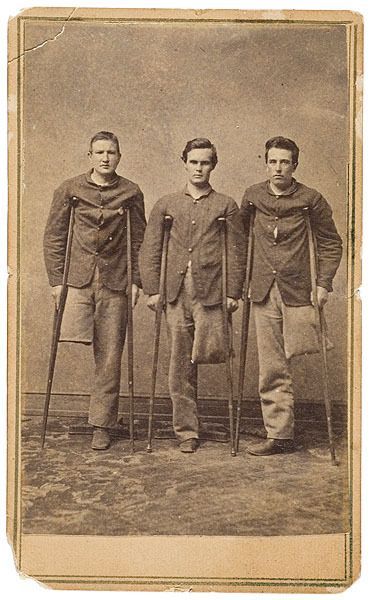
Amputations
Healing Time: 6–12 weeks for wound closure; years for full adaptation to prosthetics.
Residual Effects: Phantom limb pain, muscle contracture, altered balance.
Scarring: Pronounced; hypertrophic or keloid scarring common near sutures.
Head and Brain Injuries (Concussions, Blunt Trauma)
Concussions and Mild Traumatic Brain Injuries
Healing Time: Days to months. Some symptoms (headache, fogginess) linger for weeks.
Residual Effects: Memory gaps, dizziness, mood swings, chronic headaches.
Scarring: None visible, but sometimes symbolic (a faint scalp scar, a recurring tremor).
Severe Head Trauma
Healing Time: Months to years; recovery may never be complete.
Residual Effects: Cognitive deficits, paralysis, speech or vision loss.
Scarring: Surgical scars (stapled incisions, shaved patches), sunken areas from bone removal.
Soft Tissue Injuries (Sprains, Strains, Ligament Tears, Bruises)
Minor Sprain or Strain
Healing Time: 1–3 weeks.
Residual Effects: Mild stiffness or weakness.
Scarring: None visible.
Severe Sprain / Torn Ligament or Tendon
Healing Time: 6 weeks to 6 months; surgical repair extends recovery.
Residual Effects: Chronic instability, reduced mobility, arthritis risk.
Scarring: Small surgical scars or thickened tissue around the joint.
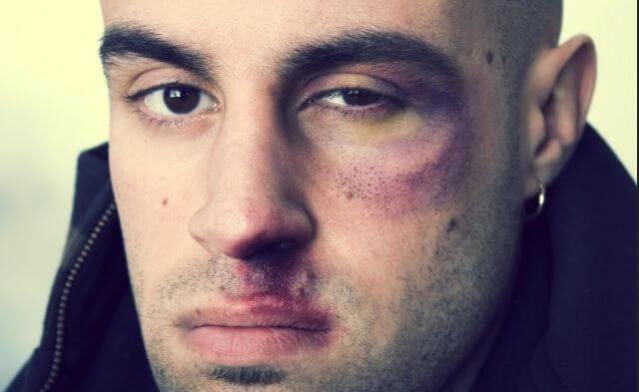
Bruises and Contusions
Healing Time: 1–3 weeks depending on depth.
Scarring: None, though deep trauma may cause long-term pigmentation changes.
Penetrating Injuries (Cuts, Punctures, Stabs, Gunshots, Bites)
Superficial Cuts and Lacerations
Healing Time: 3–10 days.
Scarring: Minor or none unless infected.
Deep Lacerations / Stab Wounds
Healing Time: 4–8 weeks.
Scarring: Linear, may thicken or discolor depending on depth and care.
Gunshot Wounds
Healing Time: 2–6 months depending on trajectory and infection.
Residual Effects: Chronic pain, nerve damage, muscle weakness.
Scarring: Entry and (if present) exit wounds; tissue puckering or burn marks.
Punctures (Arrows, Animal Fangs)
Healing Time: 3–8 weeks, longer if infection develops.
Scarring: Round, pitted, or dimpled; faint unless repeatedly reopened.
Bites / Claw Wounds
Healing Time: 2–6 weeks if cleaned; risk of infection can double recovery time.
Scarring: Jagged or uneven due to tearing rather than slicing.
Thermal Injuries (Burns, Frostbite, Heatstroke)
First-Degree Burns
Healing Time: 3–7 days.
Scarring: None.
Second-Degree Burns
Healing Time: 2–3 weeks.
Scarring: Pigmentation changes; shiny or blotchy patches.
Third-Degree Burns
Healing Time: Months; may require grafts.
Scarring: Severe, often disfiguring. Limited flexibility in affected skin.
Frostbite
Healing Time: Weeks to months; amputations possible.
Scarring: Blotchy, waxy skin; permanent tissue loss or deformity.
Heatstroke / Dehydration
Healing Time: Days for mild cases; weeks if organ damage.
Scarring: None external, but may cause long-term heart or kidney issues.
Internal and Organ Injuries (Internal Bleeding, Infection, Poisoning, Venom)
Internal Bleeding / Organ Damage
Healing Time: 4–12 weeks depending on severity.
Residual Effects: Chronic pain, anemia, or fatigue.
Scarring: Internal adhesions; surgical scars externally.
Infections
Healing Time: Variable, mild infection (days), serious sepsis (months or lifelong effects).
Residual Effects: Organ damage, chronic fatigue, scarring around infected tissue.
Poisoning / Venom
Healing Time: Hours to months depending on toxin.
Residual Effects: Nerve damage, weakness, chronic pain.
Scarring: Possible necrosis or injection-site discoloration.
Eye Injuries
Corneal Scratch / Mild Trauma
Healing Time: 2–7 days.
Residual Effects: Light sensitivity for weeks.
Scarring: None visible unless severe.
Puncture or Rupture
Healing Time: 4–12 weeks for surgical stabilization.
Residual Effects: Partial or complete vision loss.
Scarring: Milky corneal opacity, visible deformity, or prosthetic eye.
Psychological and Long-Term Effects
Post-Traumatic Stress / Anxiety / Depression
Healing Time: Months to years; sometimes lifelong management.
Residual Effects: Nightmares, avoidance behaviors, emotional numbness.
Scarring: Invisible but narrative, affects dialogue, body language, and trust.
Chronic Pain and Fatigue
Healing Time: None, managed, not cured.
Residual Effects: Mood changes, reduced energy, altered gait or posture.
Scarring: May change muscle shape or create uneven wear in joints.
Writing Realistic Scars
Scars are more than marks. They’re memory in tissue. They can define a character’s past, status, or choices.
Types of Scars
Flat / Faint: Small cuts or clean surgical incisions.
Raised / Hypertrophic: Common in burns or repeated wounds.
Keloid: Thick, rope-like overgrowth of scar tissue (varies by genetics).
Contracture: Tightened, shiny scars from severe burns.
Discoloration: From pigment loss or excess after deep injuries.
Healing Timeline for Scars
2–3 weeks: wound closes.
1–3 months: scar tissue forms, may appear red or raised.
6–12 months: scar fades, flattens, or darkens.
1+ year: scar stabilizes; some never fade completely.
Tips for Writers
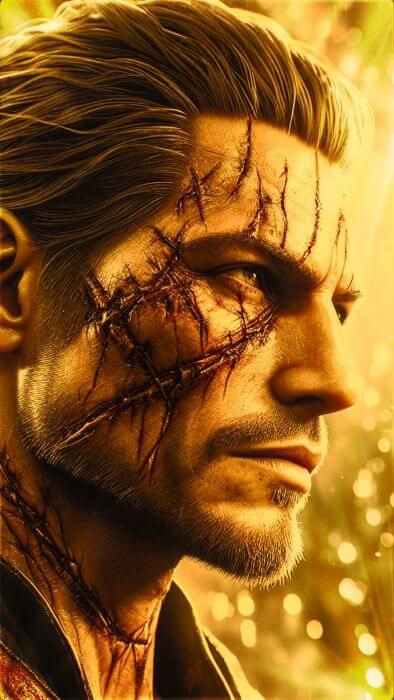
Describe how scars feel, not just how they look: itchy, tight, aching in cold.
Emotional context matters: pride, shame, trauma, or identity.
Scars can change how a character moves, dresses, or sees themselves.
Healing Timelines and Scarring Across Genres
Realistic recovery isn’t just a matter of anatomy, it’s a reflection of era, culture, and worldview. Whether you’re writing a medieval peasant, a modern trauma survivor, a starship medic, or a fantasy healer, your genre dictates what healing looks like, how long it takes, and what scars mean within that world.
Contemporary Fiction
Modern medicine has drastically shortened recovery times and reduced mortality. Broken bones can be set within minutes. Infections that once killed are handled with antibiotics. Skin grafts, physiotherapy, and reconstructive surgery can minimize scarring.
How to Depict It
Focus on rehabilitation, therapy, and mental recovery as much as the physical. The emotional consequences, pain management, PTSD, survivor’s guilt, often carry more weight than the wound itself.
Injuries heal relatively fast, but social recovery can lag: returning to work, rebuilding relationships, or confronting visible scars in a society obsessed with perfection.
Scars often symbolize resilience, trauma, or transformation rather than social stigma.
Example: A car accident victim may walk again in six months, but it takes years before she can drive without panic.
Narrative Tip
Use the precision of modern medicine to highlight what cannot be fixed. A perfect surgical scar doesn’t mean perfect healing.
Historical Fiction
Before the 19th century, injuries were slow to heal and often fatal. Infection, blood loss, and shock were constant threats. Humoral theory, herbalism, and superstition limited medical understanding. Scarring was not cosmetic, it was survival.
How to Depict It
Reflect the slowness and uncertainty of healing. A fever could last weeks. A simple cut could turn septic. A fracture might never set properly.
Herbal remedies, poultices, and prayers were common. Even successful treatments might leave lifelong pain or disability.
Scars often carried social meaning: a warrior’s badge of honor, a servant’s disfigurement, or a witch’s supposed “mark.”
Example: A 14th-century soldier survives a sword wound to the thigh but walks with a limp for life. The wound closes in weeks, but the infection takes months to resolve if it doesn’t kill him first.
Narrative Tip
Let imperfection define authenticity. A smooth recovery feels false; a slow, uneven one builds tension and realism.

Fantasy
Fantasy allows healing to be sped up or distorted through magic, divine power, alchemy, or mythical herbs. Yet too much instant recovery can rob a story of consequence.
How to Depict It
Set clear rules for magical healing. What does it cost? Time? Energy? Life force? Magical ability?
Healing might repair the body but not the soul. A character can be made whole yet still haunted.
Scars can hold mystical significance: runic marks, remnants of curses, or proof of divine intervention.
Consider world-building consistency: if magic can heal everything, why do hospitals or healers exist?
Example: A mage heals a fatal arrow wound by transferring the pain to herself, leaving her scarred while her patient remains unmarked. Magic fixes flesh, not guilt.
Narrative Tip
Let magical healing create moral tension. Fast recovery is powerful, but it should always come with cost or consequence.
Science Fiction
In futuristic or alien settings, technology pushes recovery beyond human limits: nanobots mend cells, cloning replaces limbs, cybernetics restore lost senses. But the question isn’t can they heal; it’s what does that mean for the person who’s healed?
How to Depict It
Decide how advanced your world’s medicine truly is. Does everyone have access, or only the privileged?
Healing may be instant but dehumanizing. A new limb feels alien, or memory editing erases pain but also identity.
Scars might be cosmetic choices in a world that can erase them: symbols of rebellion, authenticity, or memory.
A technologically repaired body can still have emotional or moral wounds that machines cannot touch.
Example: A starship captain with a cybernetic arm feels phantom pain every time he enters hyperspace. His body healed, but his mind was still bound to loss.
Narrative Tip
In speculative settings, scars become metaphors for what it means to be human. They remind us that perfection has a price.

Healing and Scarring Across Genres
Realistic healing timelines and the lasting marks of injury – both physical and emotional – should always reflect the world your characters inhabit. In fiction, how fast a character heals, what kind of scar remains, and how society responds to it can reveal far more about setting and tone than any description of armor or architecture. Each genre approaches injury and recovery through its own lens of culture, science, and belief.
Contemporary Fiction
Medical Context
Modern medicine makes recovery faster and more complete than at any other time in history. Doctors set broken bones with precision, treat infections with antibiotics, and repair or mitigate even severe burns or amputations through surgery and therapy. Yet, while physical recovery is often swift, emotional and psychological recovery can stretch on for years.
Depicting Healing
Timelines: A character might leave the hospital within days but require months of rehabilitation or physical therapy.
Scarring: Minimal for most injuries; reconstructive surgery and skincare can make scars nearly invisible, though some remain as faint reminders.
Focus: Emotional scars, trauma, and societal pressure to “move on.”
Symbolism: Scars can represent survival, transformation, or stigma depending on how society or the character views them.
Example: A car accident survivor physically recovers within months but avoids mirrors for years, unable to confront the faint surgical scars along her face.
Writer’s Tip
Modern medicine removes many external stakes, so the emotional and relational consequences of injury become the story’s heart. Show how a character copes, not just how they heal.
Historical Fiction
Medical Context
Before antiseptics, anesthesia, or antibiotics, injury meant pain, uncertainty, and long recovery times if survival was even possible. A seemingly minor wound could turn fatal. Infection, malnutrition, and lack of rest made healing unpredictable.
Depicting Healing
Timelines: Even minor injuries take weeks; serious wounds may last months or leave permanent impairment.
Scarring: Common and severe. Surgery was crude, wounds often reopened, and scar tissue formed unevenly.
Focus: The realism of suffering, endurance, and resourcefulness in a pre-scientific world.
Symbolism: Scars serve as visible testaments of survival, honor, or divine will. They can also carry social consequences, marking a servant, criminal, or warrior.
Example: A 13th-century soldier recovers from a sword wound over a painful summer. The scar hardens into a pale ridge across his thigh, and his limp becomes a permanent reminder of the price of loyalty.
Writer’s Tip
In historical fiction, recovery shapes character and fate. Let slow healing influence the plot and pacing. It grounds the reader in the era’s harsh reality and makes endurance meaningful.
Fantasy
Medical Context
Fantasy allows for miraculous healing, but realism still matters. Magic, divine power, or enchanted herbs might speed recovery, yet too much convenience undermines tension and emotional depth.
Depicting Healing
Timelines: You can compress healing but establish clear rules and costs. Magical recovery might drain energy, shorten lifespan, or require rare materials.
Scarring: Magical healing may prevent scars or leave symbolic ones. A holy blessing might erase the wound but mark the skin with light or sigil patterns.
Focus: The balance between power and price.
Symbolism: Scars often carry magical or spiritual significance: proof of a curse, divine favor, or transformation.
Example: A priestess who channels her own vitality heals a wounded knight. The wound vanishes overnight, but her hands bear ghostly burn marks where she touched his skin.
Writer’s Tip
Avoid making healing too easy. Restrict the frequency of magic use or make it personally taxing. This keeps tension alive and gives injuries narrative weight.

Science Fiction
Medical Context
Futuristic medicine opens the door to regrowth, regeneration, and cybernetic repair, but perfection comes with philosophical questions. What does it mean to heal when technology can rebuild you completely?
Depicting Healing
Timelines: Healing can be nearly instantaneous through nanotech, cloning, or tissue regeneration. But adaptation to those changes should take time.
Scars can be obsolete or chosen. In a world of synthetic perfection, a scar can symbolize authenticity or rebellion.
Focus: The divide between physical restoration and emotional alienation.
Symbolism: Healing technologies blur identity. Where does humanity end and machinery begin?
Example: A soldier wakes with an artificial arm after a catastrophic injury. The prosthetic is flawless but he can still feel phantom pain from the limb he no longer has.
Writer’s Tip
Advanced healing should raise new dilemmas rather than remove them. If your world can heal the body instantly, ask what it does to memory, morality, or soul.
Plot and Character Ideas
The Long Winter of Bones
Genre: Historical Fiction / War Drama
Plot Idea: After a brutal battle, a medieval knight survives a shattered leg that takes months to heal. While trapped in a remote monastery for the winter, he questions the ideals that sent him to war.
Character Angle: Once defined by action and honor, he must now grapple with stillness, humility, and the terror of being forgotten.
Twist(s): By spring, his leg mends, but his will to fight does not. The scar becomes a mark of renunciation, not valor.
The Color Beneath the Scar
Genre: Contemporary Literary Fiction
Plot Idea: A young woman undergoes skin graft surgery after a car accident. As her body heals, she struggles to reconcile the face in the mirror with the one she remembers.
Character Angle: Her journey isn’t about regaining beauty; it’s about reclaiming ownership of her body and identity.
Twist(s): When she meets another survivor with visible scars, she learns healing isn’t about hiding, it’s about connection.
Stitches of Gold
Genre: Fantasy
Plot Idea: A healer uses enchanted golden thread to sew wounds that close instantly, but each stitch transfers a fraction of the injury’s pain into her own body.
Character Angle: As her own body deteriorates, she must decide which lives are worth saving and which are worth letting go.
Twist(s): Her scars glow faintly, revealing a celestial map, each healed soul a star that now burns in her skin.
The Surgeon’s Mark
Genre: Historical / Medical Drama (19th Century)
Plot Idea: A pioneering surgeon attempts one of the first antiseptic amputations, but his patient’s infection forces him to confront the limits of his knowledge.
Character Angle: Driven by scientific progress, he’s haunted by every scar he leaves behind, literal signatures of imperfection.
Twist(s): His journals of failures later became the foundation of modern surgical practice. His shame becomes medicine’s salvation.
Echoes Under the Skin
Genre: Science Fiction / Psychological Thriller
Plot Idea: After a spacecraft crash, survivors are treated with regenerative nanotech that heals their bodies perfectly, but every healed wound triggers vivid, intrusive memories of the trauma.
Character Angle: The protagonist begins self-harming to test whether pain or the memories are more real.
Twist(s): The nanotech isn’t healing; it’s archiving human experience to preserve data for an alien species.
The Weaver of Flesh
Genre: Dark Fantasy
Plot Idea: In a kingdom where scars determine social rank, a disgraced healer discovers a forbidden herb that can erase them at the cost of memory.
Character Angle: Torn between compassion and ambition, she secretly sells the treatment to nobles while her own scars remain untouched as penance.
Twist(s): When her lover erases all memory of their relationship to join the nobility, she realizes she’s sold away more than flesh – she’s rewritten history.
Splintered Grace
Genre: Contemporary Christian Fiction / Drama
Plot Idea: A missionary injured in an earthquake faces a year of recovery in physical therapy, where she must confront her faith, frustration, and pride.
Character Angle: She learns grace not from miracles, but from the long, patient process of healing.
Twist(s): The man who saves her life later dies in the same hospital, forcing her to redefine what “healing” truly means.
Iron Petals
Genre: Steampunk Romance
Plot Idea: A clockmaker with a prosthetic hand of his own design hides his injury from society. When he meets a botanist experimenting with living metal, he’s drawn into her dream of merging art and anatomy.
Character Angle: His scars represent shame and failure, but she sees beauty in imperfection.
Twist(s): When her experiment goes wrong, he must rebuild her body as she once healed his heart, proving that healing is mutual creation, not restoration.
The Scar Map
Genre: Fantasy Adventure
Plot Idea: A thief discovers his scars form a map to an ancient vault. The marks appeared after being healed by a mysterious cleric years ago.
Character Angle: Scarred from both wounds and guilt, he’s forced to confront the literal and emotional geography of his past.
Twist(s): The vault holds no treasure, only the memories of everyone the cleric ever healed. Each scar he bears is a piece of another’s pain.
Fracture Point
Genre: Science Fiction / Medical Mystery
Plot Idea: In a world where bone regeneration is instant, a researcher investigates why a small percentage of people don’t heal and instead become stronger.
Character Angle: As one of the “non-healers,” she discovers her fractures create crystalline structures inside her skeleton that resist aging.
Twist(s): Her condition isn’t evolution. It’s the body’s rebellion against synthetic perfection.
The Painter of Scars
Genre: Historical Fantasy (Renaissance Italy)
Plot Idea: A disfigured painter uses alchemical pigments that can disguise scars when painted directly onto the skin. Nobles seek his art, but the paint bonds to their blood, sharing emotions between artist and subject.
Character Angle: Lonely and bitter, he experiences the pain and vanity of his patrons through their living portraits.
Twist(s): His masterpiece – a portrait of a saint – heals the scars of everyone who views it but consumes his own life as the price.
After the Fire
Genre: Contemporary Drama / Romance
Plot Idea: A firefighter who barely survives a building collapse spends months recovering from burns. Haunted by guilt and scarred beyond recognition, he pushes everyone away, including the woman who saved him.
Character Angle: His scars are both shield and prison. Through volunteer work at a burn recovery center, he helps others reclaim their confidence before he reclaims his own.
Twist(s): The woman he’s been mentoring online through the center’s support forum is his rescuer, and she bears scars of her own.
When writing recovery, don’t rush it. A believable timeline grounds even the most fantastical story. A knight who limps for weeks after a broken leg, or a soldier who fears fire long after his burns heal, feels more human than one who shrugs off agony.
Healing – physical and emotional – isn’t a return to normal. It’s adaptation. Every scar, every ache, every tremor tells a story about survival. Let your readers feel not just the pain of your characters’ injuries, but the strength it takes to live with what comes after.
I hope this was helpful. Let me know if you have questions or suggestions by using the Contact Me form on my website or by writing a comment. I post every Friday and would be grateful if you would share my content.
If you want my blog delivered straight to your inbox every month along with exclusive content and giveaways, please sign up for my email list here.
Let’s get writing!
Copyright © 2025 Rebecca Shedd. All rights reserved.
 Rebecca Shedd - Author