The Worldbuilder’s Toolkit: Plains and Grasslands
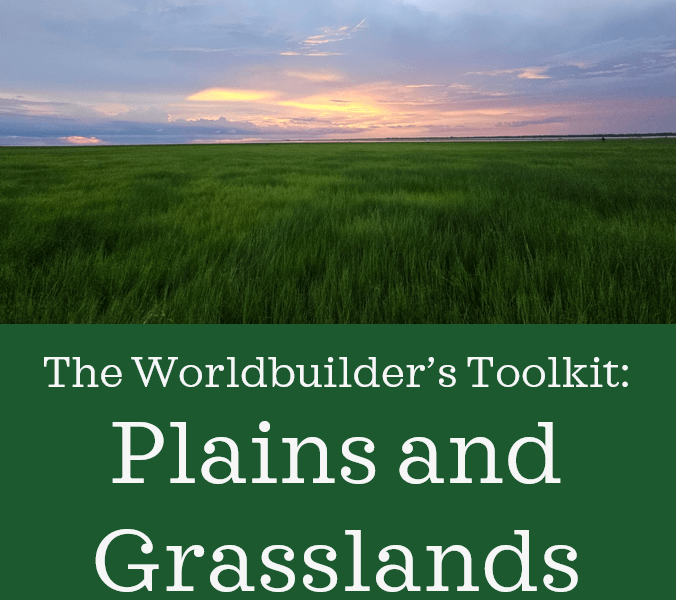
When writers think of dramatic settings, they often reach for mountains, forests, or oceans. But plains and grasslands – vast, open, wind-swept – are just as powerful. Their drama is subtler. Their danger is quieter. Their beauty lies in scale.
Plains and grasslands are landscapes of horizon and sky. They are places where distance matters, where movement is everything, and where survival depends on mobility, weather, and community. In fantasy and science fiction, they can become the stage for sweeping migrations, mounted empires, alien ecologies, and sky-dominant mythologies.
Let’s explore how to use and worldbuild plains and grasslands.
Understanding the Ecology of the Plains
Before you build culture, build environment. Real-world grasslands include:
Prairies (North America)
Steppes (Central Asia)
Savannas (Africa)
Pampas (South America)
Though different in climate and vegetation, they share key characteristics:
Wide-open landscapes
Dominant grasses rather than trees
Seasonal extremes (drought, storms, fires)
Large grazing animals
Few natural barriers
Key Ecological Features to Consider
Wind: Constant and shaping. Wind influences architecture, clothing, sound, and even mythology.
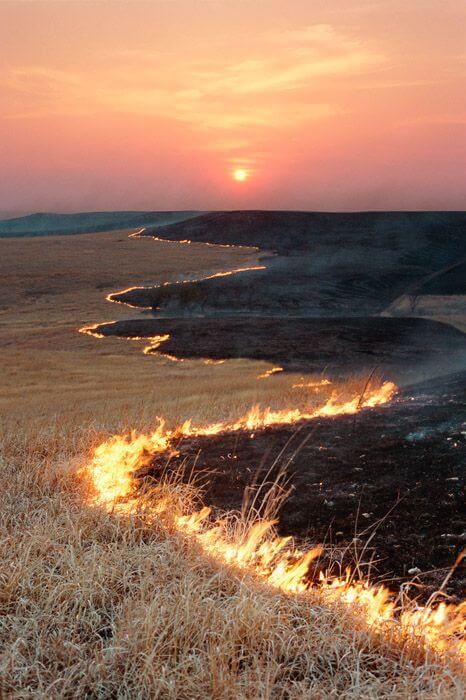
Fire Cycles: Many grasslands depend on periodic burning to remain healthy. Fire can be destructive or sacred.
Migration Patterns: Herd animals move in seasonal cycles. Predator and human life follow.
Water Sources: Rivers, seasonal streams, and hidden springs become centers of life and conflict.
Worldbuilding Tip: Grasslands are rarely empty. Even if they look barren, they are teeming with life, just not the kind that hides in trees.
Plains as Places of Movement and Power
Plains favor mobility over fortifications. Where forests conceal and mountains protect, plains expose.
Cultural Implications
Societies often develop horsemanship, mounted warfare, or animal partnerships.
Architecture may be temporary or mobile (tents, wagons, collapsible structures).
Political power may depend on who controls movement, not territory.
Distance shapes worldview. News travels slowly, and horizons dominate the imagination.
In fantasy or sci-fi settings, this might mean:
Dragon-riding nomads who follow migrating sky-beasts.
Anti-gravity caravans drifting across alien grass oceans.
Psychic-linked herd communities that move as one organism.
Character Idea: A young scout who can “read the wind” better than anyone else becomes essential when a supernatural storm stalks the plains.
The Psychology of Open Space
Plains change how people think. There is nowhere to hide. People can see threats from miles away. The sky feels enormous. Silence stretches.
This can create cultures that value:
Directness
Honor and reputation
Oral storytelling under open skies
Sky-based cosmologies
It can also produce tension:
Paranoia from being constantly visible
Obsession with weather
Fear of what approaches from the horizon
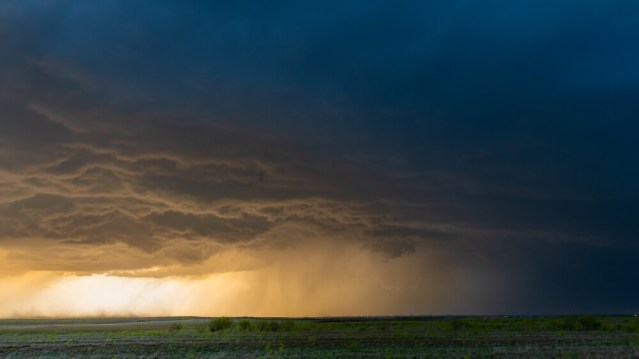
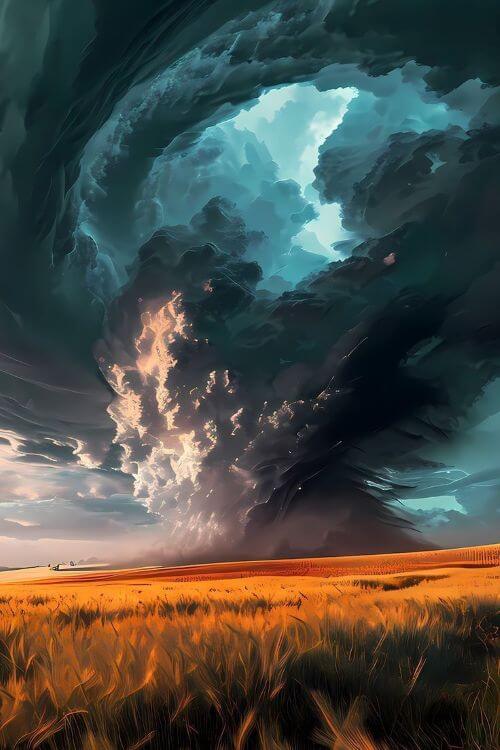
Writing Tip: Use scale. Describe storms rolling in from miles away. Dust clouds signaling riders. The way sunset swallows everything.
Grasslands in Conflict and Empire
Historically, plains have produced formidable empires. Mobility equals military advantage.
Mounted cultures can:
Strike quickly.
Disappear into open terrain.
Outmaneuver heavily fortified states.
In fiction, plains might become:
The birthplace of a conquering empire.
The last refuge of free clans resisting industrial expansion.
A battleground between technological cities and wind-dependent nomads.
Sci-Fi Possibilities
A terraformed grass planet where giant bio-engineered grazers maintain atmospheric balance.
An energy field that ripples like grass, harvested by mobile tribes.
A war fought entirely across migratory corridors.
Plot Hook: A sedentary empire builds walls across the plains to stop raiders, only to realize the raiders were the only force keeping something far worse from spreading.
Unique Creatures of Grasslands (and How to Reimagine Them)
Real-world plains are home to:
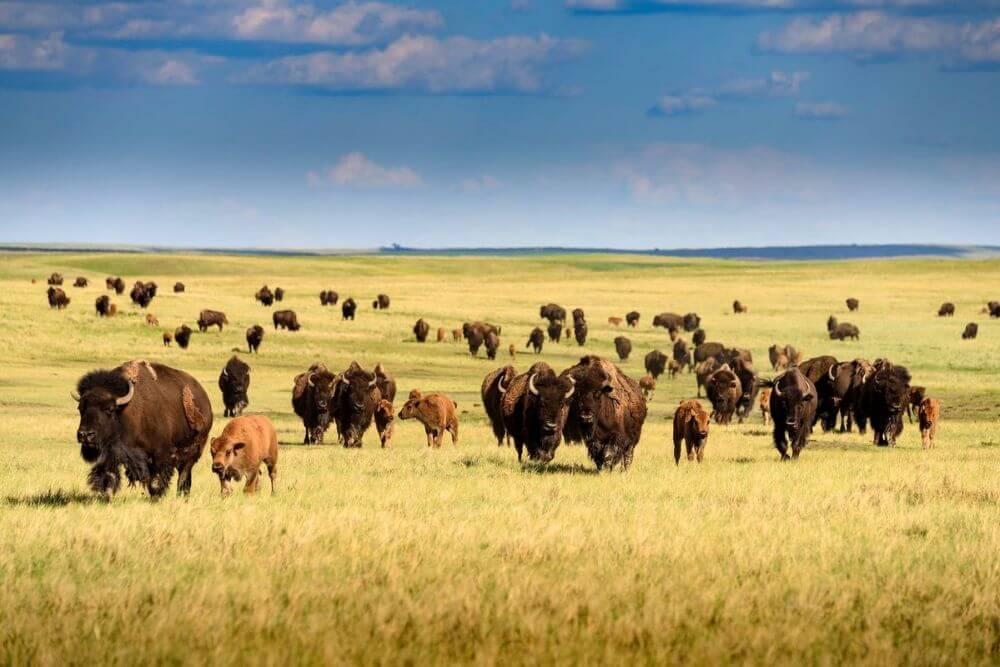
Bison
Antelope
Wildebeest
Lions
Wolves
Prairie dogs
Hawks and eagles
Grasslands are ecosystems of herd and hunt.
Fictional Adaptations
Massive thunder-hooved beasts whose migration creates literal earthquakes.
Camouflaged grass-stalk predators that strike from invisibility.
Skyborne hunters that ride thermals for days.
Hive-intelligent burrowing creatures that reshape entire regions.
Worldbuilding Tip: Grasslands are about scale. Think in terms of herds, migrations, and ripple effects.
Plains in Myth and Legend
Open land invites sky-focused mythology.
In many cultures connected to plains or steppes:
The sky is sacred.
Storm gods dominate.
Ancestors connect to the wind and the horizon.
Burial mounds mark lineage across distance.
In your world, plains might be:
The battlefield of ancient sky giants.
The burial ground of titanic creatures whose bones shape the terrain.
A sacred migration route walked by gods in mortal form.
Mythic Tropes to Explore
A rider who never dismounts, eternally circling the horizon.
A grass-sea that parts once every century, revealing a hidden city.
Wind that carries the voices of the dead.
Character Idea: A young herder hears a second heartbeat in the earth beneath the grass and realizes the plains are not as empty as they seem.
Plains as Narrative Space
Plains are perfect for:
Epic cavalry battles
Nomadic coming-of-age journeys
Pursuit stories
Long-distance survival tales
Sky-based revelations
Migrations and diaspora arcs
Because plains lack physical barriers, tension must come from:
Weather
Politics
Resource scarcity
Personal conflict
Approaching threats visible but unstoppable
Real-World Plains Cultures as Inspiration for Fictional Societies
Plains and grasslands have shaped some of the most dynamic and misunderstood cultures in human history. These societies were not “empty land wanderers.” They were innovators of mobility, trade, diplomacy, and warfare. Studying them can give your fictional plains cultures depth, logic, and texture.
Below are several historical grassland cultures and how writers can thoughtfully draw inspiration from them.
The Mongol and Central Asian Steppe Cultures
The Eurasian Steppe – vast, treeless grasslands stretching from Mongolia through Eastern Europe.
Key Traits
Exceptional horsemanship from early childhood
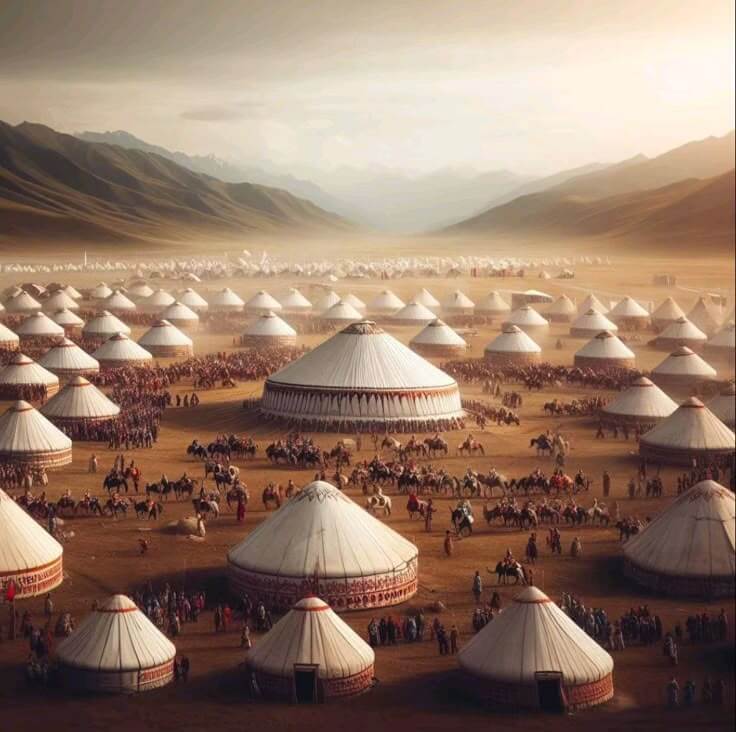
Highly mobile tent dwellings (gers/yurts)
Sophisticated relay communication systems
Merit-based leadership structures
Deep sky-centered spiritual traditions (Tengrism)
Worldbuilding Inspiration
A mounted society whose political structure depends on loyalty networks rather than fixed borders.
Portable architecture designed for rapid assembly during seasonal migration.
A communication system using signal fires, trained birds, or magically enhanced riders.
Character Angle
A young rider trained from infancy to shoot from horseback must navigate the tension between clan loyalty and the temptation of permanent settlement.
Avoiding Stereotypes
Steppe empires were not chaotic raiders; they developed complex governance, trade networks, and legal systems. Show strategic brilliance and cultural nuance, not just warfare.
Indigenous Nations of the North American Great Plains
Prairie ecosystems centered on bison herds and seasonal cycles.
Key Traits
Deep ecological knowledge of migratory patterns
Strong kinship systems
Oral histories and ceremonial traditions
Spiritual relationships with animals and land
Adaptive technologies after the introduction of horses
Worldbuilding Inspiration
A culture intertwines its identity with a massive migratory creature species.
Spiritual rites connect to the seasonal movement of herds.
Governance councils that move with the land rather than rule from fixed cities.
Character Angle
A young hunter chosen to track a vanishing herd discovers the disappearance is not natural, and the survival of their people depends on uncovering why.
Respect Note
Avoid romanticizing or flattening these cultures into mystical archetypes. Emphasize political intelligence, adaptability, and community structures.
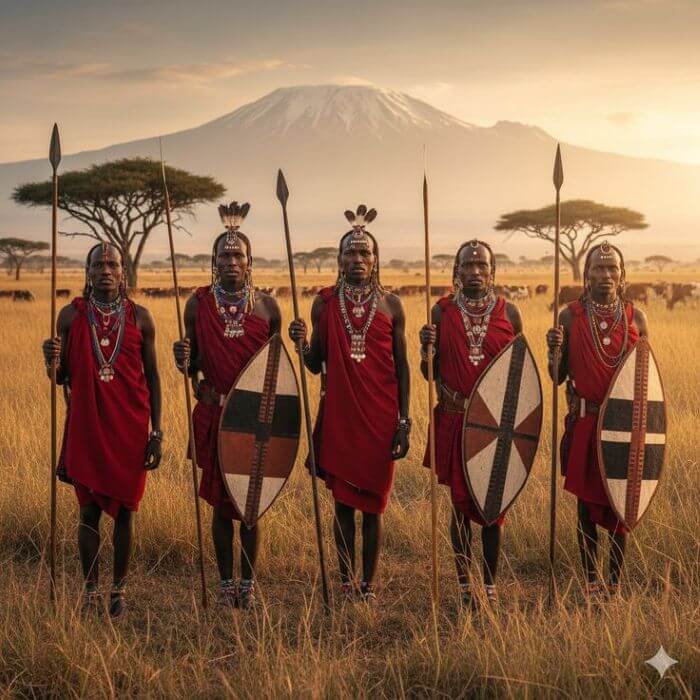
The Maasai and East African Savanna Cultures
Semi-arid grasslands and savannas of East Africa.
Key Traits
Cattle-centered economy
Age-set warrior systems
Distinctive dress and ornamentation
Strong communal identity
Adaptation to coexist with large predators
Worldbuilding Inspiration
A pastoral warrior society that measures wealth in living creatures rather than currency.
Initiation rituals that require survival in predator-heavy grasslands.
A culture that values endurance and social responsibility above conquest.
Character Angle
A young initiate must prove themselves not by killing a predator but by protecting a vulnerable herd during drought season.
The Scythians and Sarmatians
Eurasian steppe grasslands.
Key Traits
Nomadic mounted archers
Elaborate burial mounds (kurgans)
Gold craftsmanship and symbolic art
Women warriors documented in Greek accounts
Worldbuilding Inspiration
Burial mounds scattered across a grass sea, marking ancestral territory.
Warrior women who ride into battle as clan leaders.
Portable art that encodes genealogies and mythic history.
Character Angle
A grave-keeper tasked with defending ancient burial mounds discovers the ancestors buried there are not entirely gone.
Gauchos and Pampas Cultures of South America
Argentine and Uruguayan pampas grasslands.
Key Traits
Horse-based cattle culture
Independent rancher lifestyle
Distinct musical and storytelling traditions
Reputation-based honor systems
Worldbuilding Inspiration
Lone riders who patrol massive open territories.
Song duels that determine leadership disputes.
A society where personal reputation spreads faster than physical travel.
Character Angle
A wandering plains singer uncovers a conspiracy hidden in coded ballads passed from campfire to campfire.
Shared Themes Across Plains Cultures
Despite geographic differences, many grassland societies share core traits:
Mobility over fortification
Oral tradition over written archives
Sky-centered cosmology
Strong communal bonds
Resource management tied to migration
Deep understanding of weather patterns
In fiction, these elements can shape:
Political systems based on confederation rather than a centralized monarchy
Seasonal storytelling festivals
Spiritual reverence for wind, thunder, and stars
Tension between nomadic and sedentary civilizations
Using Real Cultures Respectfully
When drawing inspiration:
Blend influences instead of copying one culture directly.
Research beyond surface aesthetics.
Avoid reducing plains cultures to “barbarian horse tribes.”
Show complexity: diplomacy, trade, art, humor, and internal conflict.
The Open World: How Plains Shape Nomads, War, and Survival
Plains and grasslands are landscapes of exposure. There are few natural barriers, few places to hide, and little permanent shelter. But what they lack in vertical drama, they make up for in mobility, scale, and consequence.
When you build a plains-based setting in fantasy or science fiction, you’re working with a terrain that shapes societies in profound and sometimes brutal ways.
Nomadic Cultures: Movement as Identity
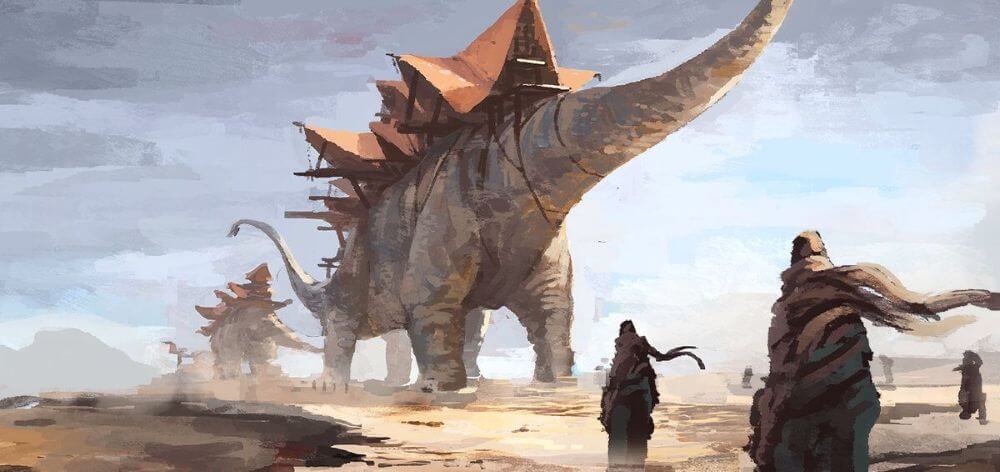
Expansive open land does not reward stillness. It rewards adaptation. Where forests allow concealment and mountains allow fortification, plains demand mobility. This environmental pressure often produces nomadic or semi-nomadic cultures, who root their identities in movement rather than territory.
Why nomadism thrives on the plains:
Grazing animals require seasonal migration.
Water sources shift with rainfall cycles.
Drought and fire reshape usable land.
Agricultural yields may be inconsistent.
Nomadic societies in grasslands often:
Build portable dwellings (tents, collapsible structures, living caravans).
Develop deep knowledge of weather patterns and grazing cycles.
Organize politically around clans or confederations rather than fixed capitals.
Measure wealth in animals, mobility, and alliances.
In speculative fiction, this could translate to:
Wind-sailing caravans that follow migrating sky-whales.
Psychic herd-bonded tribes who share emotional states during travel.
Star-nomads who follow electromagnetic “currents” across alien grass planets.
Cultural impacts:
Mobility shapes values.
Hospitality becomes sacred because anyone might need refuge.
Reputation matters more than infrastructure.
Oral history flourishes where libraries cannot.
Personal skills (riding, hunting, weather-reading) determine survival.
Character Angle: A young nomad raised to ride from childhood questions whether settling in a permanent city would mean safety or spiritual death.
Plains as Battlegrounds
Grasslands have historically produced both conquerors and defenders. Open land allows speed. Speed allows dominance. In fiction, plains are ideal for large-scale conflict.
Why plains favor warfare:
No dense terrain to slow cavalry or mechanized units.
Long visibility lines allow early detection of enemies.
Mobility makes surprise raids possible.
Supply lines are hard to protect.
On plains, warfare becomes:
Fast.
Sweeping.
Devastating.
Mounted warriors, aerial riders, or hovering combat platforms (in sci-fi settings) can maneuver freely. But openness cuts both ways. Armies are visible. Retreat is difficult. There is no forest to melt into.
Tactical possibilities in fiction:
Thunder-herd charges that shake the earth.
Wind manipulation as a battlefield advantage.
Grass fires used strategically to trap enemies.
A city that depends on artificial barriers because it cannot rely on geography.
Plot Hook: Two rival confederations fight for control of a seasonal river crossing that appears only once a year. Whoever controls it controls migration and survival.
The Environmental Challenges of Plains and Grasslands
The beauty of endless horizons hides real hardship. Plains can be unforgiving environments, especially when poorly understood.
Farming on the Grass Sea
Grasslands often have:
Deep, fertile topsoil (great for agriculture).
But inconsistent rainfall.
Vulnerability to drought.
Risk of erosion if overworked.
In speculative settings, this could mean:
A culture that burns grasslands deliberately to renew the soil.
Sacred plowing rituals that prevent magical blight.
A disaster triggered when over-farming awakens something buried beneath the prairie.
If agriculture fails, famine follows swiftly, especially in sedentary societies that rely too heavily on fixed fields.
Water Sources: Scarcity and Power
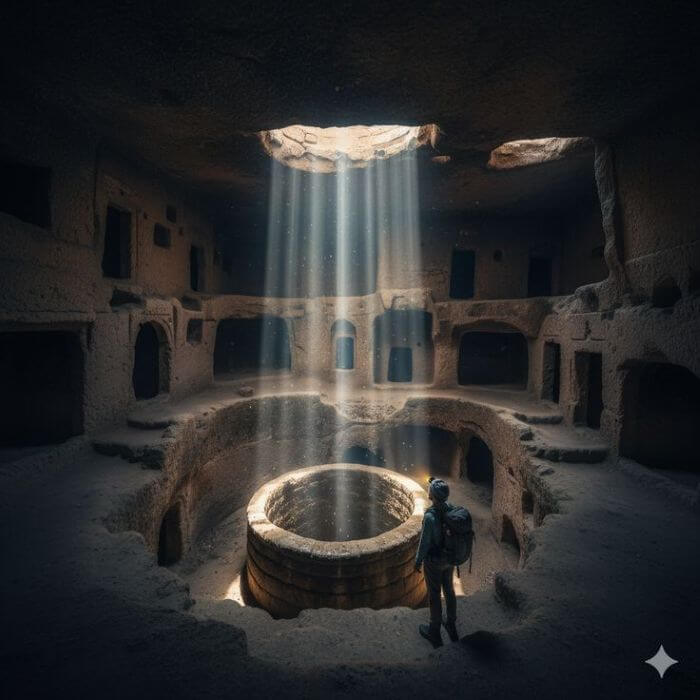
Water on the plains is everything. Unlike mountain rivers or forest streams, water in grasslands may be:
Seasonal.
Hidden underground.
Contested.
Migratory (in floodplains).
Control of wells, springs, and rivers becomes political power. Conflicts may arise over:
Rights to dig.
Diverting seasonal rivers.
Poisoned watering holes.
Drought cycles interpreted as divine judgment.
In fantasy, water might be:
Spirit-guarded.
Bound by oath to certain clans.
Drawn up only through song or ritual.
Contaminated by forbidden magic.
In sci-fi:
Aquifer-drilling technology becomes a new form of warfare.
Atmospheric harvesters are mobile and vulnerable.
A terraforming project miscalculates rainfall patterns.
Character Angle: A water-finder whose ability to sense underground springs makes her both indispensable and politically dangerous.
Psychological and Cultural Consequences of Exposure
Living in open land shapes the psyche. There are no hiding places. People can see storms hours away. The sky dominates perception. Isolation stretches in every direction.
This can create cultures that:
Revere the sky and the weather.
Develop strong communal bonds.
Value vigilance.
Interpret distant dust clouds as omens.
It can also produce anxiety:
Fear of invasion.
Obsession with horizon-watching.
Suspicion of strangers who appear suddenly.
Worldbuilding Detail: Perhaps every settlement has designated “horizon-watchers” trained to read dust plumes and wind direction.
The Dual Nature of the Plains
Plains can symbolize:
Freedom.
Limitless possibility.
Movement.
Conquest.
But also:
Exposure.
Vulnerability.
Environmental fragility.
Resource scarcity.
This duality makes them powerful narrative terrain.
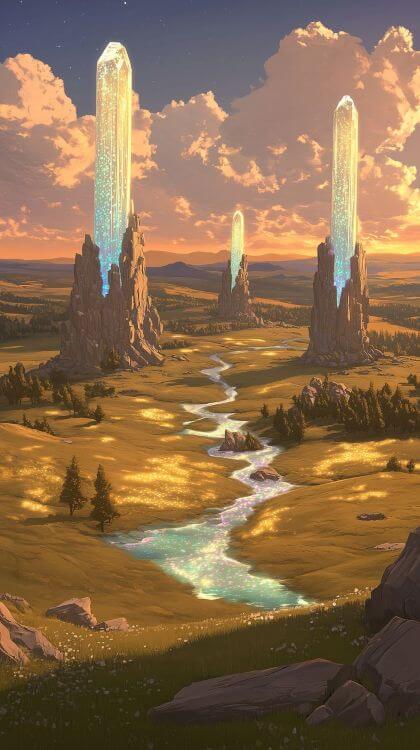
Your plains can be:
The birthplace of an empire.
The last refuge of a free people.
The battleground between industrial agriculture and migratory traditions.
A living ecosystem whose balance is delicate and easily broken.
Plot and Character Ideas
The Thunderherd Prophecy
Genres: Epic Fantasy, Adventure
Plot Idea: Every decade, a massive herd of thunderbeasts crosses the plains. This year, they are running early and toward settled lands.
Character Angle: A young nomadic herd-reader realizes the beasts are fleeing something unseen beneath the grass.
Twist(s): The “something” isn’t a predator; it’s an underground civilization drilling upward, destabilizing the ecosystem.
Windborne Crown
Genres: Political Fantasy, Coming-of-Age
Plot Idea: A mounted race across sacred territory decides the leadership of the plains confederation. Sabotage threatens to ignite civil war.
Character Angle: A reluctant heir who prefers scholarship to saddle must compete or lose her clan’s standing.
Twist(s): The sacred race route hides ancient boundary stones that suppress a buried sky-entity.
The Last Well
Genres: Dystopian Sci-Fi, Survival
Plot Idea: A prolonged drought has reduced the grasslands to dust. One remaining deep aquifer powers a fragile alliance of settlements.
Character Angle: A young water-finder with a rare geological gift discovers the aquifer is collapsing faster than anyone knows.
Twist(s): The aquifer is artificially maintained by an ancient terraforming system about to shut down permanently.
Ashwind Season
Genres: Dark Fantasy, War Drama
Plot Idea: Rival plains nations ignite the grasslands in a controlled burn to trap invading forces. The fires awaken something ancient beneath the soil.
Character Angle: A seasoned cavalry captain sees faces in the smoke, faces that accuse her of ancestral crimes.
Twist(s): The fires have broken a centuries-old seal imprisoning a fire-born titan.
Horizon Watcher
Genres: Fantasy, Suspense
Plot Idea: A settlement depends on trained watchers who read distant dust plumes to detect approaching riders. One watcher sees riders no one else can.
Character Angle: A socially isolated horizon-watcher must decide if he’s losing his mind or seeing invaders from another time.
Twist(s): The riders are echoes of a future conquest, bleeding backward through time.
The Grass That Remembers
Genres: Magical Realism, Eco-Fantasy
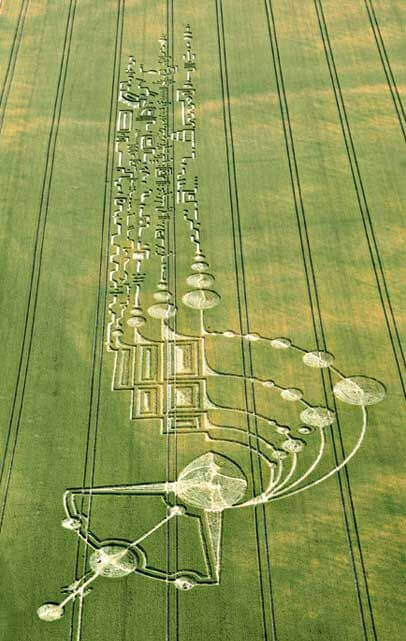
Plot Idea: The plains grass begins growing in patterns that resemble words. The nomads believe the land is speaking.
Character Angle: A skeptical trader dismisses the idea until she recognizes her family’s name woven into the fields.
Twist(s): The grass is replaying forgotten histories buried beneath the soil, histories deliberately erased.
Sky-Mother’s Bones
Genres: Mythic Fantasy, Exploration
Plot Idea: Gigantic fossilized bones stretch across the grasslands, said to belong to a sky deity. Miners arrive to harvest the material.
Character Angle: A clan guardian sworn to protect the bones struggles between tradition and the promise of wealth.
Twist(s): The bones aren’t dead; they’re slowly regenerating.
The Nomad’s Compass
Genres: Sci-Fi Adventure
Plot Idea: On a distant planet covered in endless alien grass, navigation depends on reading electromagnetic wind currents.
Character Angle: A teenage scout gifted at “wind-sense” discovers the currents are being artificially redirected.
Twist(s): A rival settlement is manipulating the currents to herd entire communities toward environmental collapse.
Graves Beneath the Prairie
Genres: Historical Fantasy, Mystery
Plot Idea: Burial mounds across the plains begin glowing at night. Travelers report hearing voices in the wind.
Character Angle: A grave-keeper tasked with protecting ancestral mounds discovers someone is disturbing the spirits.
Twist(s): The spirits aren’t angry; they’re warning of an invasion that follows their ancient path.
The Rider Who Never Dismounts
Genres: Folklore Fantasy, Quest
Plot Idea: They say a legendary rider endlessly circles the plains, appearing before great disasters.
Character Angle: A skeptical courier sees the rider during a time of mounting political tension.
Twist(s): The rider isn’t an omen; he’s trapped in a time loop caused by a forgotten magical war.
The Shifting River
Genres: Fantasy, Political Intrigue
Plot Idea: A seasonal river that marks the border between two plains kingdoms shifts its course unexpectedly.
Character Angle: A young diplomat must negotiate peace while secretly investigating whether the shift was natural.
Twist(s): Magic has anchored the river for centuries, but someone has cut the tether.
Song of the Open Sky
Genres: Epic Fantasy, Cultural Drama
Plot Idea: A nomadic culture believes their survival depends on a sacred sky-song sung at each migration. A new generation forgets the melody.
Character Angle: A disgraced bard must retrace the original migration path to recover lost verses.
Twist(s): The song isn’t symbolic; it stabilizes atmospheric patterns, and forgetting it could trigger catastrophic storms.
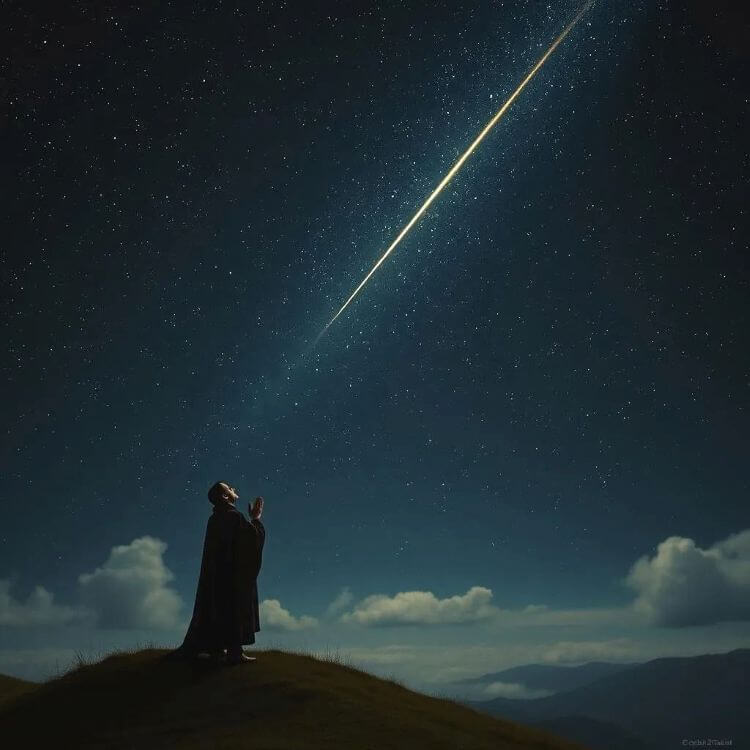
Plains and grasslands are landscapes of movement, exposure, and sky. They are not empty. They are expansive. They challenge characters not with claustrophobia, but with vastness. They reward mobility, foresight, and adaptability.
If you want to write about migration, empire, freedom, horizon-long journeys, or sky-centered mythologies, the plains may be your perfect setting. Sometimes the most powerful stories don’t happen in the shadows. Sometimes they unfold beneath an endless sky.
Happy worldbuilding!
I hope this was helpful. Let me know if you have questions or suggestions by using the Contact Me form on my website or by writing a comment. I post every Friday and would be grateful if you would share my content.
If you want my blog delivered straight to your inbox every month along with exclusive content and giveaways, please sign up for my email list here.
Let’s get writing!
Copyright © 2026 Rebecca Shedd. All rights reserved.

