The Worldbuilder’s Toolkit: Volcanoes and Lava Fields
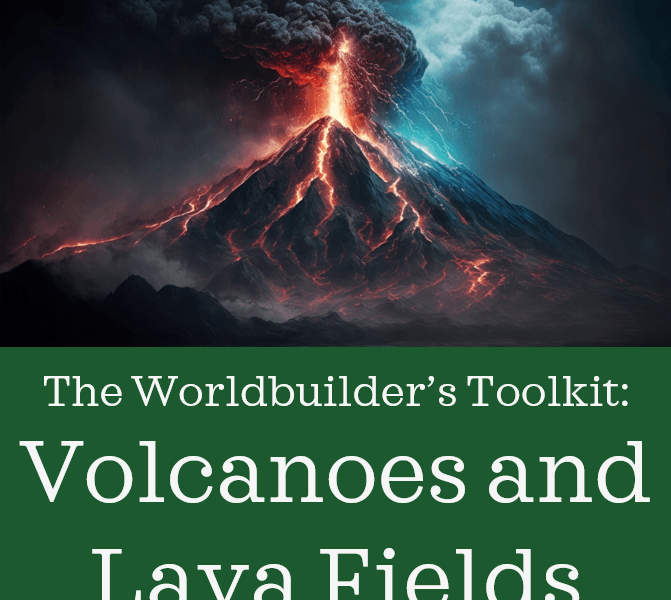
Volcanoes are some of the most dramatic landscapes on Earth. They are places where the planet’s interior forces break through the surface, reshaping entire regions with fire, ash, and molten rock. In storytelling, volcanoes carry immediate symbolic weight: power, danger, transformation, destruction, and rebirth.
For writers of fantasy and science fiction, volcanoes and lava fields offer incredible opportunities for worldbuilding. They influence climate, culture, mythology, politics, and survival. They can serve as sacred places, natural fortresses, industrial power sources, or gates to something far more dangerous beneath the surface.
Volcanoes as Landscapes of Power
A volcano is more than a mountain. It is a reminder that the ground itself is alive.
In fiction, volcanic regions immediately create tension because they are unstable environments. Eruptions, earthquakes, toxic gases, and lava flows constantly threaten nearby settlements.
But danger also attracts people. Historically, volcanic regions often have fertile soil created by mineral-rich ash deposits. Entire civilizations have thrived near volcanoes despite the risks. This dynamic – living in the shadow of destruction for the sake of prosperity – creates powerful narrative conflict.
For writers, this means volcanoes can serve as:
Centers of agriculture surrounded by danger
Sacred or cursed sites tied to the gods
Strategic strongholds protected by natural hazards
Sources of rare minerals or magical energy
A city built near a volcano tells readers something immediately about the people who live there: they are bold, desperate, faithful, or reckless.
Lava Fields as Alien and Hostile Terrain
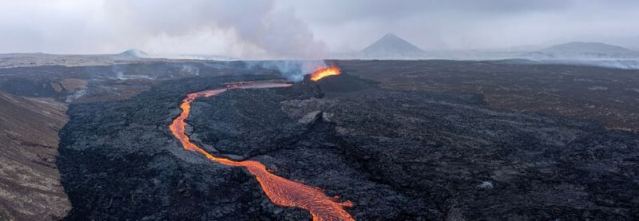
If volcanoes represent explosive power, lava fields represent the aftermath. A lava field is a harsh, surreal landscape of black rock, sharp ridges, and hardened rivers of stone. These environments feel almost otherworldly, making them ideal for speculative fiction.
Travel across lava fields is slow and dangerous. Surfaces are uneven and fragile. Heat can linger underground for years. Vegetation struggles to grow. Entire ecosystems must adapt to survive.
For worldbuilding, lava fields can function as:
Natural barriers between civilizations
Wastelands where few dare to travel
Refuge areas for creatures adapted to extreme environments
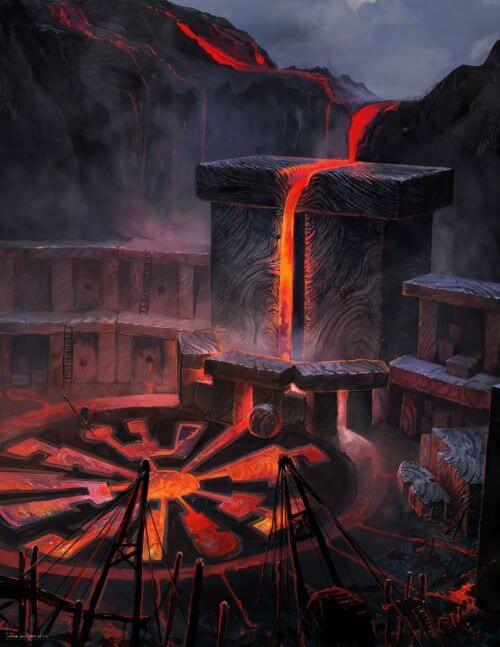
Sites of ancient ruins preserved in volcanic stone
They can also evoke an atmosphere of post-cataclysmic transformation, suggesting that something massive happened here long ago.
Cultural and Religious Significance
Across many cultures, volcanoes have been associated with gods, spirits, or supernatural forces. Ancient peoples often interpreted eruptions as divine anger, warnings, or acts of creation. Lava flows that destroyed villages could also create new land, reinforcing the idea of volcanoes as both destroyers and creators.
In fantasy worldbuilding, volcanoes might be:
Homes of fire deities
Sacred pilgrimage destinations
Locations where legendary weapons are forged
Prisons for ancient monsters
A culture that lives near volcanoes may develop rituals meant to appease the mountain. They may track seismic activity the way others track weather. Their myths may revolve around cycles of destruction and renewal. These beliefs can shape everything from architecture to governance.
Political and Economic Importance
Volcanic regions can be rich in valuable materials. Real-world volcanoes produce minerals like obsidian, sulfur, and precious metals. In speculative fiction, volcanoes might contain magical crystals, rare elements, or geothermal energy sources. Control of these resources can drive political conflict.
A volcanic region might become:
A heavily defended mining territory
The center of magical weapon production
A frontier settlement where fortune-seekers gather
Rival factions may compete to harness the power of the volcano itself, sometimes with catastrophic consequences.
Why Volcanoes Work So Well in Stories
Volcanoes combine three storytelling strengths.
Immediate Danger
The environment itself creates tension. Lava flows, earthquakes, and ash storms mean characters must constantly adapt.
Symbolism
Volcanoes symbolize transformation. They represent pressure building beneath the surface until something finally erupts, an idea that mirrors character arcs and political conflict.
Visual Spectacle
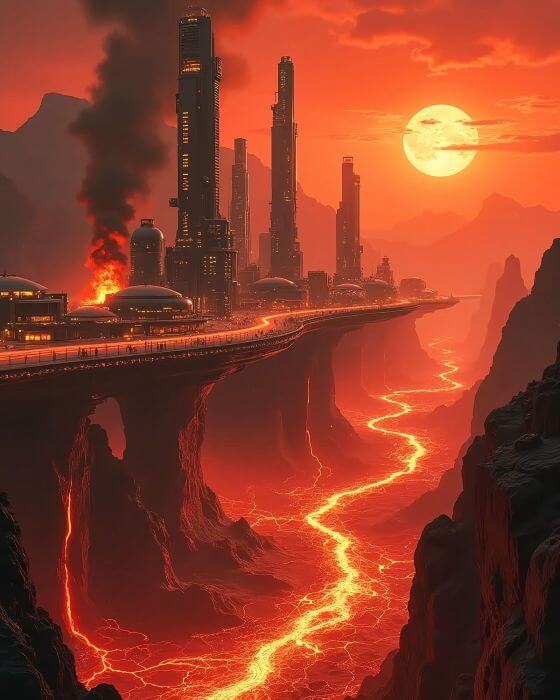
Volcanoes are visually unforgettable. Rivers of lava, glowing skies, falling ash, and thunderous eruptions provide dramatic backdrops that heighten emotional moments.
Because of this, storytellers often use volcanoes at climactic points.
Famous Volcanoes in Fantasy and Science Fiction
Several well-known stories use volcanoes effectively, turning them into powerful narrative elements.
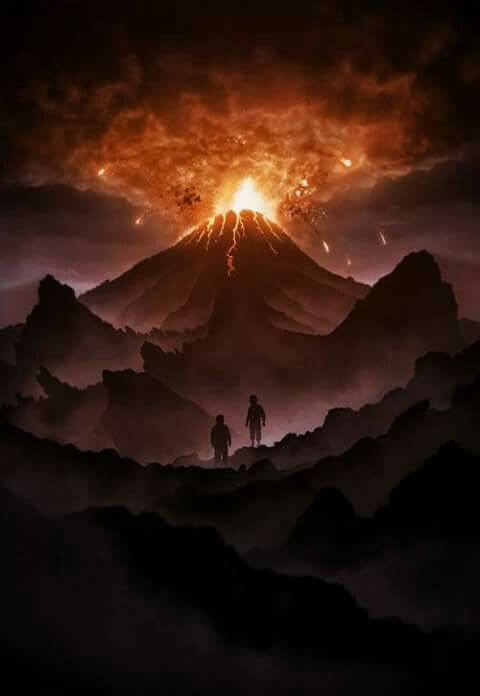
Mount Doom in The Lord of the Rings
In J. R. R. Tolkien’s epic, Mount Doom is where the One Ring was forged and where it must be destroyed. The volcano represents the heart of evil power in Mordor.
Why it works:
The environment mirrors the moral corruption of the antagonist.
The volcano becomes the final destination of the entire quest.
The journey into harsher volcanic terrain builds tension toward the climax.
Mount Doom feels inevitable and mythic.
Mustafar in Star Wars
The volcanic planet Mustafar appears prominently in Star Wars: Episode III – Revenge of the Sith.
Why it works:
The violent environment mirrors Anakin Skywalker’s descent into darkness.
The duel between Anakin and Obi-Wan is visually intensified by rivers of lava and erupting rock.
The planet’s hostile terrain reinforces the idea that Anakin has crossed a point of no return.
The landscape becomes emotional symbolism.
The Fire Nation in Avatar: The Last Airbender
The Fire Nation’s homeland is filled with volcanic islands.
Why it works:
Volcanic geography visually reinforces the Fire Nation’s elemental identity.
The environment explains the nation’s industrial power and geothermal resources.
The landscape shapes architecture, technology, and military strategy.
The volcanoes aren’t just scenery. They help define the culture.
Moana and Te Kā
In the film Moana, the volcanic demon Te Kā embodies destructive fire and rage.
Why it works:
The lava imagery reflects emotional turmoil.
The revelation that Te Kā is actually the goddess Te Fiti shows the dual nature of destruction and creation.
The volcano becomes a metaphor for transformation.
Creatures and Ecosystems of Volcanic Regions
Volcanic environments can inspire unusual creatures and ecosystems. Real-world life often finds surprising ways to survive near volcanoes. Certain microbes thrive in extreme heat. Specialized plants grow in ash-rich soil. Animals adapt to sparse vegetation and harsh conditions.
In speculative fiction, volcanic ecosystems might include:
Fire-resistant animals that live near lava vents
Creatures that feed on mineral-rich rocks
Magma-dwelling beings that emerge during eruptions
Ash-winged birds that ride thermal updrafts
These creatures reinforce the idea that volcanic landscapes are not dead; they are simply different.
Using Volcanoes in Your Story
When designing volcanic regions in your world, ask yourself:
Why do people live near volcanoes?
What resources or beliefs keep them there?
How often does the volcano erupt?
How has the landscape changed over time?
What legends surround the mountain?
A volcano should not just sit on the map. It should influence culture, trade, politics, religion, and fear.
Real-World Cultures Living in the Shadow of Volcanoes
Volcanoes are not just geological features; they are part of the daily lives, beliefs, and histories of the people who live near them. Across the world, communities have adapted to volcanic landscapes for thousands of years. They farm fertile soils, build settlements on lava fields, and incorporate volcanic forces into religion, mythology, and cultural identity.
For writers, these real-world examples can inspire believable societies shaped by fire and stone.
Hawaiian Culture and the Volcano Goddess
Volcanic activity formed the Hawaiian Islands, and volcanoes remain central to Hawaiian cosmology and tradition. One of the most prominent figures in Hawaiian mythology is Pele, the goddess of volcanoes and fire.
People believe Pele lives within volcanoes like Kīlauea, and they sometimes interpret eruptions as expressions of her power or emotion. Local stories describe travelers encountering mysterious women along lava roads, believed to be Pele in disguise, and people sometimes leave offerings to honor her.
Inspiration for Fiction: A volcanic society might view eruptions as direct communication from a fire deity. Lava flows could represent sacred pathways instead of disasters. Priests or priestesses might interpret volcanic rumblings as divine messages.
Character Idea: A young caretaker of a volcanic shrine discovers the mountain is not merely sacred. It is conscious and communicating through seismic vibrations.
Ancient Rome and Mount Vesuvius
The eruption of Mount Vesuvius in 79 CE destroyed the Roman cities of Pompeii and Herculaneum, preserving them beneath ash. Before the eruption, many residents did not fully understand the danger posed by the mountain.
The event shows how people often live near volcanoes despite the risks, drawn by fertile soil and economic opportunities.
Inspiration for Fiction: A prosperous city-state may flourish in the shadow of a volcano because the land produces extraordinary harvests. Over generations, the population becomes complacent, dismissing warnings from scholars or seers.
Character Idea: A geologist, mage, or scholar notices signs that the volcano is awakening, but political leaders refuse to evacuate because abandoning the fertile land would ruin the kingdom’s economy.
The Aztecs and Popocatépetl
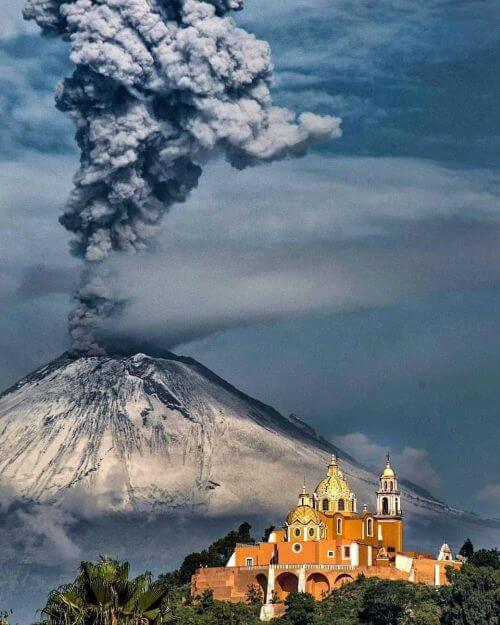
Central Mexico’s volcano Popocatépetl connects to a powerful legend involving a warrior and a princess. According to the story, the warrior Popocatépetl stands eternally beside the sleeping princess Iztaccíhuatl, guarding her.
Volcanoes in Mesoamerican cultures were often associated with divine forces, sacred mountains, and connections between the heavens and the underworld.
Inspiration for Fiction: A volcanic peak could represent a sleeping guardian spirit watching over a kingdom. Periodic eruptions might symbolize the guardian stirring.
Character Idea: A royal family claims descent from the spirit of the volcano, and their legitimacy as rulers depends on maintaining rituals that keep the mountain calm.
Icelandic Culture and the Power of Fire and Ice
Iceland sits on a volcanic hotspot and contains many volcanoes and lava fields. Icelanders have long adapted to this volatile landscape, building communities amid geothermal activity.
Volcanoes appear frequently in Icelandic sagas and folklore, often associated with trolls, hidden people, and supernatural forces tied to the land.
Modern Iceland also harnesses volcanic geothermal energy to power much of the country.
Inspiration for Fiction: A civilization might harness geothermal vents as a source of magical or technological power. People could build cities near lava fields where heat fuels industry or arcane laboratories.
Character Idea: An engineer or mage tasked with maintaining a geothermal energy network discovers that the energy source is actually draining power from a slumbering elemental entity.
Indonesia and the Spirit of Mount Merapi
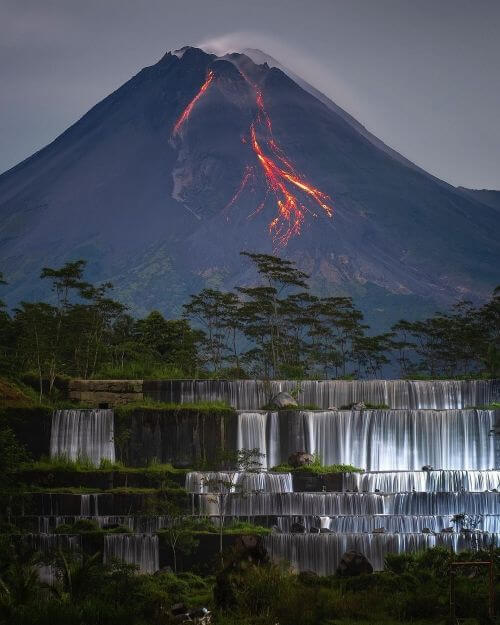
Indonesia contains more active volcanoes than any other country. On the island of Java, Mount Merapi is one of the most active volcanoes in the world.
Local traditions include a ceremonial role known as the Keeper of the Mountain, responsible for performing rituals meant to maintain harmony between the people and the volcano’s spirit.
This role shows how cultures living near volcanoes often develop spiritual practices tied directly to the land.
Inspiration for Fiction: A kingdom may appoint an official mediator between the people and the volcano, a ritual specialist responsible for interpreting the mountain’s moods.
Character Idea: The newly appointed “Volcano Keeper” begins receiving visions suggesting the volcano’s eruptions are not natural but caused by an ancient, imprisoned force beneath the crater.
Common Cultural Themes Around Volcanoes
Despite differences in geography and culture, societies living near volcanoes often share several patterns:
Reverence and fear – Volcanoes are both life-giving and destructive, inspiring a mixture of worship and caution.
Fertility and agriculture – Volcanic soil is extremely fertile, encouraging settlement despite the danger.
Sacred geography – Volcanoes often become holy mountains or spiritual gateways.
Specialized knowledge – Communities develop traditions of reading signs from the land: rumblings, smoke patterns, or changes in springs.
For fictional societies, these themes can shape everything from government roles and religious institutions to architecture and seasonal rituals.
Using These Ideas in Worldbuilding
When incorporating volcanic cultures into your story, consider:
How people interpret eruptions: punishment, warning, or renewal
Whether religious leaders, scientists, or both monitor the volcano
What rituals or technologies exist to calm or harness volcanic power
How the landscape influences trade, defense, and daily life
By grounding your fictional culture in the realities of volcanic environments, you create societies that feel authentic even when magic or alien forces are involved. Volcanoes remind us that the ground beneath civilization is never truly still. And the people who live beside them must learn to coexist with forces far greater than themselves.
Living with Fire: Resources, Risk, and Myth in Volcanic Landscapes
Volcanoes are paradoxical environments. They can destroy cities in hours, yet they also create some of the richest land and most valuable resources on Earth. Because of this dual nature, volcanic regions are often places where danger and opportunity coexist in an uneasy balance.
For writers building worlds in fantasy or science fiction, volcanic activity can influence far more than scenery. It shapes economics, settlement patterns, religion, politics, and the emotional relationship a culture has with the land itself.
Resource Wealth in Volcanic Regions
Volcanic landscapes are often resource rich. This is one of the main reasons people throughout history have lived in the shadow of volcanoes despite the risks.
Fertile Soil
Volcanic ash is rich in minerals such as potassium, phosphorus, and other nutrients that plants need to grow. Over time, ash weathers into extremely fertile soil. So some of the most productive agricultural regions in the world lie near volcanoes.
Examples include:
The slopes of Mount Etna in Italy
The volcanic soils of Java in Indonesia
Agricultural regions near Mount Fuji in Japan
For worldbuilding, fertile volcanic soil can support:
Dense populations around the base of a volcano
Terraced farming built into the mountain’s slopes
Crops that grow nowhere else because of the mineral composition of the land
A kingdom might rely heavily on volcanic farmland for food production, making evacuation during increased volcanic activity politically difficult.
Valuable Minerals and Materials
Volcanic regions produce unique geological materials that can become economically and culturally important.
Some real-world volcanic resources include:
Obsidian, a volcanic glass historically used to make tools and weapons
Sulfur, used in medicine and industry
Basalt, a durable building stone
Precious metals, which often form in volcanic systems
In fantasy or science fiction settings, volcanoes might contain:
Magical crystals formed in magma chambers
Rare metals needed for advanced technology
Energy sources such as geothermal vents or arcane ley lines
This makes volcanic regions potential centers for mining, trade, and technological development. A city near a volcano might thrive because it controls access to these resources, even if eruptions threaten it periodically.
Geothermal Energy
Volcanic regions also provide geothermal heat. In the real world, countries like Iceland use geothermal power to generate electricity and heat homes. We can harness hot springs and underground steam reservoirs as sustainable energy sources.
In speculative fiction, geothermal power might be used to:
Fuel massive arcane forges
Power ancient machines buried beneath the volcano
Sustain underground cities that rely on volcanic heat
This can create fascinating conflicts between those who want to exploit volcanic power and those who fear disturbing the mountain.
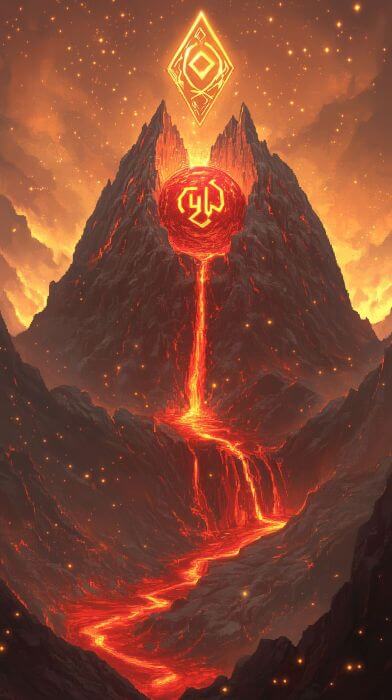
Danger Zones: The Risks of Living Near Volcanoes
Despite the benefits, volcanic landscapes come with serious hazards. These dangers shape how cultures build settlements, organize governments, and interpret signs from the land.
Lava Flows
Lava flows can destroy everything in their path. Although they usually move slowly enough for people to escape, they can bury towns, forests, and farmland. Over centuries, lava flows reshape the landscape, creating new land while erasing old settlements.
In fiction, lava fields might form natural barriers that isolate regions or protect cities from invasion.
Ash and Atmospheric Effects
Volcanic eruptions can send massive clouds of ash into the air.
Ash can:
Collapse roofs
Poison water supplies
Destroy crops
Block sunlight
Large eruptions can even influence global climate for years.
In a fantasy setting, ash clouds might carry magical properties or awaken dormant creatures buried in volcanic rock.
Toxic Gases and Earthquakes
Volcanoes release gases such as sulfur dioxide and carbon dioxide, which can accumulate in low areas and suffocate living creatures. Volcanic regions also experience frequent earthquakes caused by shifting magma beneath the surface.
Because of this, cultures living near volcanoes often develop traditions for interpreting early warning signs such as unusual animal behavior, changes in hot springs, or tremors in the earth.
Why Cultures Choose to Live Near Volcanoes
Given the dangers, why would anyone settle near a volcano?
The answer lies in the balance between risk and reward.
Fertility and Prosperity
Volcanic soil can support productive agriculture that is difficult to replicate elsewhere. For farming communities, abandoning such land could mean losing their primary source of food and wealth. Many times, the land is simply too valuable to abandon.
Strategic Advantages
Volcanoes and lava fields can serve as natural defenses. A city built near a volcano may be protected by difficult terrain that makes invasion challenging. Lava fields, steep slopes, and unstable ground can all slow an approaching army. In fantasy settings, volcanic fortresses may be nearly impregnable.
Cultural and Spiritual Attachment
Over generations, people develop deep cultural ties to the land.
People might consider a volcano as:
The home of a deity
The resting place of ancestors
The birthplace of the nation itself
Leaving such a place could feel like abandoning one’s identity. Some traditions consider living near the volcano a sacred duty.
Volcanoes in Mythology and Religion
Because of their dramatic power, volcanoes appear frequently in mythology. Many cultures interpret eruptions as expressions of divine will.
Pele in Hawaiian Mythology
In Hawaiian tradition, the goddess Pele is associated with volcanoes and lava. The Hawaiian tradition believes she lives within volcanic craters and controls eruptions. People sometimes see lava flows as manifestations of her presence. This belief encourages respect for the volcano as a living force.
Hephaestus and the Forge of the Gods
The Greeks believed that Hephaestus, the god of blacksmiths and craftsmen, had his forge under volcanic mountains. People believed that the fires and smoke from eruptions resulted from his work. This association between volcanoes and forging is common across cultures.
The Legend of Popocatépetl and Iztaccíhuatl
In Mexican legend, the volcano Popocatépetl represents a warrior guarding his sleeping lover, the nearby mountain Iztaccíhuatl. Legend says the volcano’s smoke is the warrior’s torch as he watches over her. This myth transforms the volcano from a destructive force into a symbol of eternal devotion.
Mythology as Cultural Adaptation
Stories about volcanoes often help communities cope with unpredictable natural forces. By interpreting eruptions as messages from gods or spirits, people can create cultural frameworks that make sense of disaster.
For writers, this provides rich opportunities for storytelling.
In a fantasy world, eruptions might truly be caused by:
A restless fire deity
A dragon imprisoned beneath the mountain
An ancient magical engine slowly failing
Myths told by local cultures may be partially true or dangerously misunderstood.
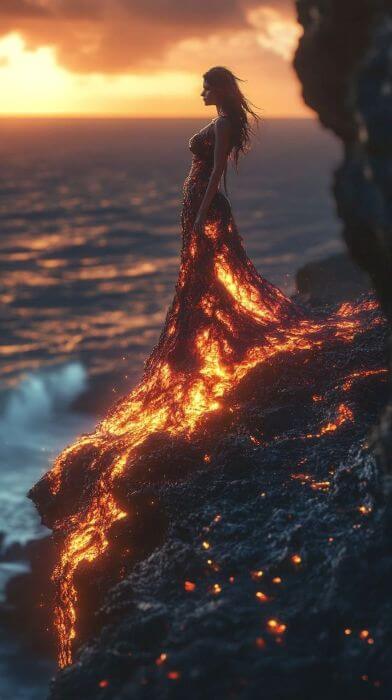
Plot and Character Ideas
The Sleeping Mountain
Genres: Epic Fantasy, Political Drama
Plot Idea: A prosperous kingdom thrives on the fertile slopes of a long-dormant volcano. When tremors begin, rival factions argue over whether to evacuate or stay.
Character Angle: A young royal geologist must convince the court that the mountain is awakening.
Twist(s): The tremors are not natural. The volcano is reacting to forbidden magic being mined beneath it.
Ashwalker
Genres: Dark Fantasy, Adventure
Plot Idea: A courier known as an “ashwalker” transports messages across deadly lava fields that few cross.
Character Angle: After witnessing a secret military operation inside a volcanic crater, the courier becomes the most hunted person in the region.
Twist(s): The military is not mining resources; they are feeding sacrifices to something beneath the lava.
The Fire-Forged Blade
Genres: Mythic Fantasy, Quest
A legendary sword requires reforging in the lava of the world’s largest volcano to defeat an immortal tyrant.
Character Angle: A reluctant blacksmith, descendant of the original blade-maker, must journey into the volcanic wasteland.
Twist(s): The sword doesn’t destroy tyrants; it reveals the truth about them.
The City of Cinders
Genres: Post-Apocalyptic Sci-Fi
Plot Idea: A massive volcanic eruption centuries ago reshaped the world. Survivors now live in fortified cities among hardened lava rivers.
Character Angle: A scavenger searching for lost technology discovers signs that the volcano may erupt again.
Twist(s): Someone deliberately triggered the previous eruption to prevent an ancient enemy from emerging.
The Volcano Keeper
Genres: Fantasy Mystery
Plot Idea: A sacred order monitors a volcano believed to house a fire spirit that protects the realm. The spirit suddenly goes silent.
Character Angle: The newly appointed Volcano Keeper investigates strange signs deep within the crater.
Twist(s): A rival kingdom has captured the spirit, trying to harness its power.
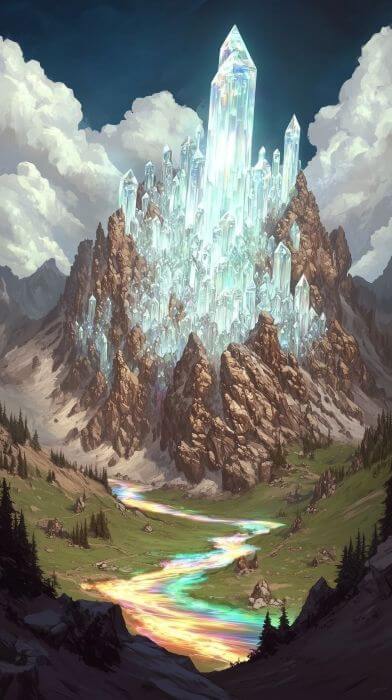
Rivers of Glass
Genres: Sci-Fi Exploration
Plot Idea: On an alien planet, enormous lava rivers cool into glass-like terrain filled with strange crystalline formations.
Character Angle: A planetary surveyor discovers the crystals are a form of living intelligence.
Twist(s): The volcanic system is part of a planetary nervous system.
The Ember Nomads
Genres: Fantasy Adventure
Plot Idea: Nomadic tribes travel across lava fields on heat-resistant beasts, harvesting rare minerals from volcanic vents.
Character Angle: A young tribe member dreams of exploring beyond the volcanic wasteland.
Twist(s): The lava fields are slowly expanding because a buried dragon is waking.
Ashfall
Genres: Disaster Thriller, Sci-Fi
Plot Idea: A supervolcano begins showing signs of eruption that could alter the global climate.
Character Angle: A volcanologist must race against political denial and bureaucratic delays to prepare the world.
Twist(s): An ancient alien device buried in the magma chamber may actually trigger the eruption.
The Lava Labyrinth
Genres: Fantasy Mystery
Plot Idea: Deep beneath a volcanic mountain lies a maze of lava tubes filled with ancient ruins. Explorers enter but never return.
Character Angle: A historian determined to prove the ruins belong to a lost civilization leads an expedition.
Twist(s): The ruins are a prison built to contain a fire elemental civilization.
Children of the Magma Sea
Genres: Science Fantasy
Plot Idea: A civilization lives on floating platforms above a massive sea of magma on a volcanic world.
Character Angle: A young engineer discovers strange creatures moving beneath the molten surface.
Twist(s): The magma sea is not geological, it is a vast living organism.
The Ash Crown
Genres: Political Fantasy
Plot Idea: The ruler of a volcanic kingdom must undergo a ritual inside the crater to prove divine favor.
Character Angle: A skeptical prince doubts the ritual until he survives the impossible trial.
Twist(s): The ritual works because the royal bloodline contains dormant fire magic.
The Ember Road
Genres: Fantasy Western, Adventure
Plot Idea: A trade route known as the Ember Road cuts through a dangerous volcanic region rich with rare minerals.
Character Angle: A caravan guard escorts a mysterious passenger who seems to know the volcano’s secrets.
Twist(s): The passenger is the reincarnation of the ancient being sealed beneath the mountain.
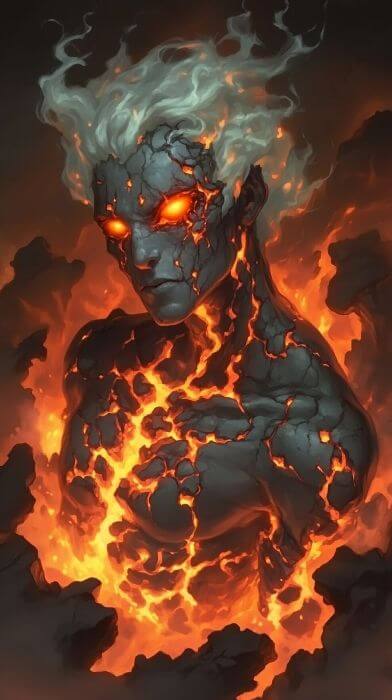
Volcanoes and lava fields are some of the most powerful environments a writer can use. They represent raw natural forces, transformation, and danger. They shape the people who live near them and the stories told about them.
Whether you’re writing epic fantasy, science fiction, or speculative adventure, a volcanic landscape can add drama, symbolism, and unforgettable imagery to your world. After all, when the ground itself can erupt, every story written in its shadow carries the promise that something is about to change.
Happy worldbuilding!
I hope this was helpful. Let me know if you have questions or suggestions by using the Contact Me form on my website or by writing a comment. I post every Friday and would be grateful if you would share my content.
If you want my blog delivered straight to your inbox every month along with exclusive content and giveaways, please sign up for my email list here.
Let’s get writing!
Copyright © 2026 Rebecca Shedd. All rights reserved.

