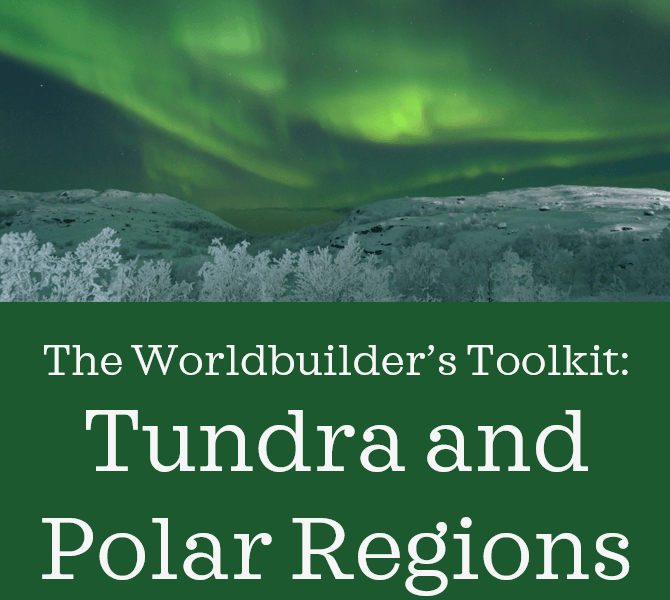
The Worldbuilder’s Toolkit: Tundra and Polar Regions

When many writers imagine dramatic landscapes, they think of forests, deserts, or mountains. But few environments are as powerful and atmospheric as the tundra and polar regions. Vast, frozen, and seemingly empty, these landscapes create immediate tension and isolation.
In fantasy and science fiction, tundra and polar settings can become places of survival, mystery, and revelation. They strip away comfort and civilization, forcing characters to confront nature, themselves, and sometimes ancient forces buried beneath the ice.
If you’re building a world for speculative fiction, tundra and polar regions can provide a striking setting.
What Defines a Tundra or Polar Environment?
The tundra is characterized by:
Frigid temperatures
Permafrost (ground that remains frozen year-round)
Short growing seasons
Low vegetation such as mosses, lichens, and small shrubs
Strong winds and seasonal extremes of light and darkness
Polar regions amplify these traits, often adding glaciers, ice sheets, and months of continuous darkness or daylight. Despite appearing barren, tundra ecosystems are delicate and complex. Life here survives through adaptation, endurance, and cooperation. For writers, these environmental realities can shape culture, technology, and storytelling.
Isolation and Survival
One of the most powerful storytelling aspects of tundra and polar settings is isolation. Vast distances often separate settlements. Travel is dangerous. Weather can change rapidly and unpredictably.
These conditions create natural tension in stories:
A blizzard can trap characters together.
A broken vehicle or sled can become life-threatening.
Communication with the outside world may be limited or impossible.
Isolation forces characters to rely on each other or confront their enemies without escape.
The environment itself becomes a character in the story.
Cultural Adaptation to Frozen Worlds
Cultures living in tundra environments develop unique survival strategies shaped by the land.
These might include:
Seasonal migration following animal herds
Specialized clothing made from fur or insulated materials
Architectural solutions like snow shelters, stone huts, or underground homes
Dietary reliance on hunting and fishing
In speculative fiction, these adaptations could extend further. On an alien ice world, people might harvest energy from geothermal vents beneath glaciers. In fantasy settings, communities may live alongside magical ice spirits or creatures adapted to frozen seas.
Because resources are scarce, cooperation often becomes a cultural value. Communities may rely heavily on shared labor, storytelling traditions, and respect for the natural environment.
Tundra as a Landscape of Mystery
Ice preserves. Glaciers and permafrost can trap objects for thousands of years, from ancient animals to entire civilizations. For writers, this makes polar regions perfect places for discoveries.
A melting glacier might reveal:
A lost city buried beneath ice
A preserved alien spacecraft
A magical artifact frozen for centuries
Creatures that awaken as the ice recedes
The tundra becomes a vault of forgotten history. This also creates strong thematic elements around time, memory, and hidden truths.
The Symbolism of Ice
Ice carries powerful symbolic meaning in storytelling.
It often represents:
Stillness
Isolation
Preservation
Emotional distance
Ancient power
Melting ice can symbolize change or awakening.
These themes allow writers to align the physical environment with character development or narrative arcs. A frozen wasteland may mirror a character’s emotional state, while the thawing of ice might parallel personal transformation.
Creatures of the Tundra
Despite its harsh conditions, the tundra supports fascinating wildlife.
Real-world animals include:
Polar bears
Arctic foxes
Caribou
Snowy owls
Seals and whales
Musk oxen
These animals survive through thick fur, fat reserves, migration, and seasonal adaptation.
In fantasy and science fiction, tundra ecosystems might include:
Ice dragons that nest in glaciers
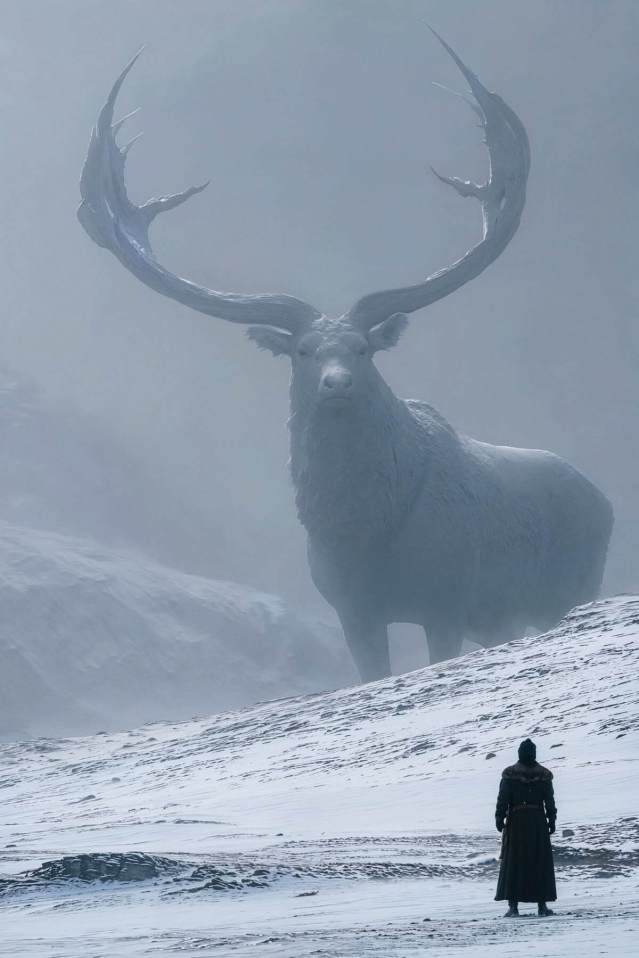
Massive snow beasts that roam frozen plains
Bioluminescent creatures living beneath the ice
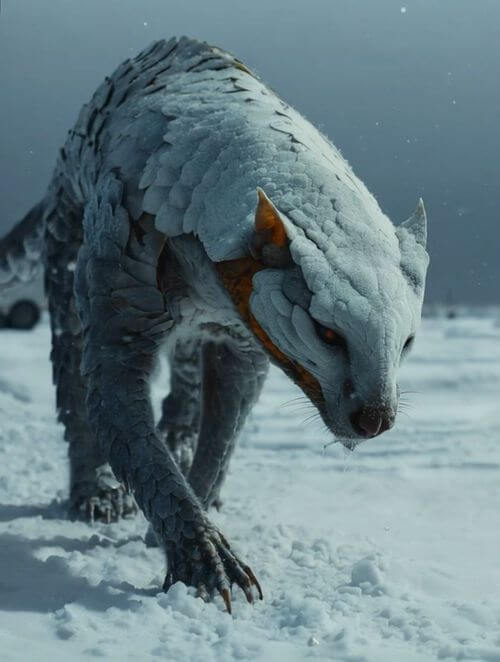
Alien predators adapted to extreme cold
Such creatures can reinforce the sense that tundra environments are not empty; they simply require different forms of life.
Why Polar Environments Work in Stories
Tundra and polar landscapes create powerful storytelling conditions.
They naturally amplify:
Tension – survival is uncertain
Isolation – characters are cut off from civilization
Mystery – ice hides secrets
Scale – endless horizons emphasize vulnerability
This combination makes frozen environments ideal for stories involving exploration, survival, or the uncovering of ancient forces.
Famous Examples in Fantasy and Science Fiction
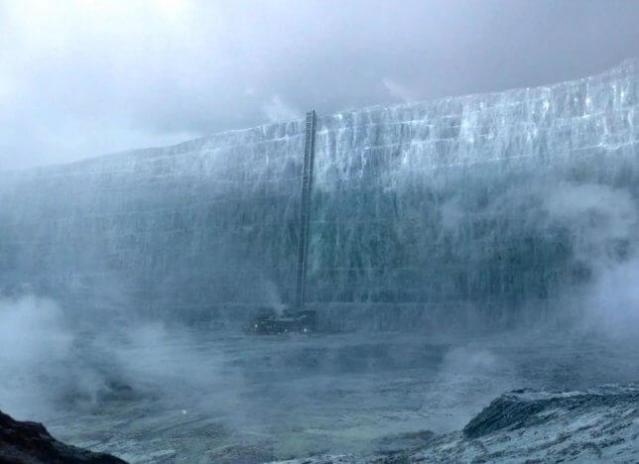
The Wall and the Lands Beyond in Game of Thrones
In A Song of Ice and Fire and the television series Game of Thrones, the lands north of the Wall represent danger, mystery, and the unknown. The frozen wilderness is home to supernatural threats, including the White Walkers.
Why it works:
The harsh environment reinforces the sense of exile and danger.
Isolation builds suspense and dread.
The frozen setting emphasizes the ancient nature of the supernatural threat.
The snowy landscape becomes inseparable from the looming conflict.
Hoth in Star Wars
The ice planet Hoth appears in The Empire Strikes Back as the Rebel Alliance’s hidden base.
Why it works:
The extreme environment isolates the rebels from the Empire.
The hostile conditions heightened the tension during the Imperial attack.
Indigenous creatures like the wampa reinforce the alien nature of the world.
The setting makes the battle feel more desperate and dangerous.
The Thing
In the film The Thing, an Antarctic research station becomes the site of a terrifying alien encounter.
Why it works:
Isolation prevents escape or outside help.
The environment traps characters together with a hidden enemy.
The endless ice reinforces themes of paranoia and mistrust.
The setting intensifies the horror.
His Dark Materials
In Philip Pullman’s series, Arctic regions are places of discovery and spiritual mystery. Explorers travel north in search of knowledge about Dust and the nature of the universe.
Why it works:
The frozen landscape feels ancient and mysterious.
The harsh environment adds danger to the quest.
The setting reflects the story’s themes of discovery and transformation.
Using Tundra in Your Worldbuilding
When designing tundra or polar regions in your fictional world, consider questions such as:
How do people survive in such a harsh environment?
What resources make settlement possible?
What creatures or forces inhabit the frozen landscape?
What ancient secrets might lie beneath the ice?
The answers to these questions will help turn your tundra from a simple backdrop into an active force shaping your story.
Real-World Cultures of the Tundra: Inspiration for Fictional Societies
Although tundra and polar regions can appear barren and inhospitable, people have lived and thrived in these environments for thousands of years. Indigenous cultures across the Arctic and subarctic have developed remarkable knowledge systems, technologies, and traditions that allow them to survive in landscapes of ice, wind, and darkness.
For writers, these cultures provide valuable inspiration for creating believable societies adapted to extreme environments. Studying how actual communities live in the tundra can help you design characters, traditions, and technologies that feel authentic rather than invented out of thin air.
Below are several examples of cultures shaped by tundra and polar environments and how their adaptations can inspire worldbuilding.
The Inuit and Arctic Coastal Peoples
Across Greenland, northern Canada, and Alaska, Inuit communities have lived in Arctic environments for millennia. Survival in these regions depends on an intimate understanding of sea ice, animal migration, and seasonal cycles.
Inuit cultures traditionally relied on hunting animals such as seals, whales, and caribou. Specialized tools and technologies developed to support this lifestyle, including kayaks, harpoons, sleds, and layered fur clothing designed to retain heat even in extreme cold.
Equally important is cultural knowledge passed down through storytelling and oral tradition. Stories preserve information about weather patterns, navigation routes, and safe hunting practices.
Inspiration for Fiction: A fictional tundra society might rely on knowledge keepers who memorize migration routes and ice conditions, ensuring the survival of their community. Hunters could navigate frozen seas using stars, wind direction, and subtle changes in ice texture.
Character Idea: A young navigator trained to read shifting sea ice notices patterns that suggest the ice itself is changing, perhaps because something ancient is stirring beneath the frozen ocean.
The Sámi of Northern Scandinavia
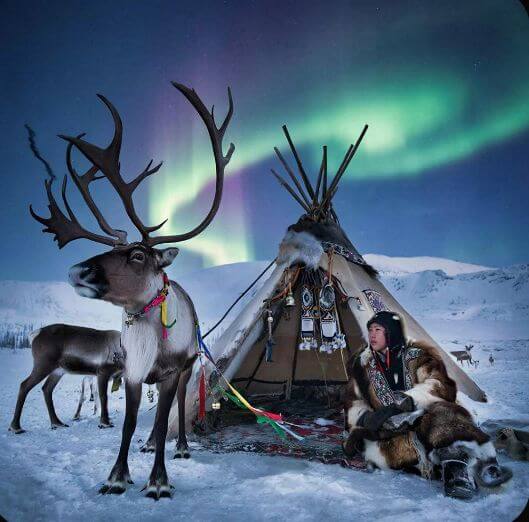
The Sámi people inhabit the Arctic regions of Norway, Sweden, Finland, and Russia. Traditionally, many Sámi communities practiced reindeer herding, moving seasonally across the tundra to follow grazing patterns.
Mobility is central to this way of life. Communities often travel between seasonal camps depending on the availability of pasture and weather.
Sámi culture also contains rich spiritual traditions tied to the land. Sacred sites, songs, and rituals connect people with the landscape and its spirits.
Inspiration for Fiction: A tundra culture might revolve around herding massive ice-adapted animals whose migrations determine when and where communities travel. Songs or chants could serve as both spiritual practice and practical knowledge, encoding maps, weather warnings, and survival techniques.
Character Idea: A young herder discovers that newly forming glaciers block their traditional migration route, and the animals they depend on start to behave strangely.
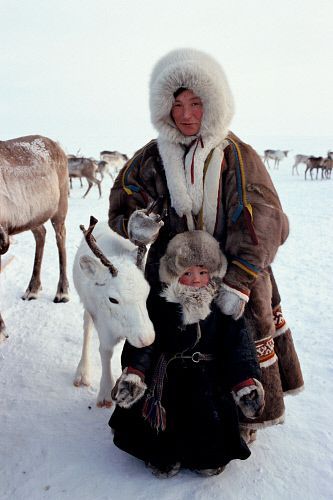
The Nenets of Siberia
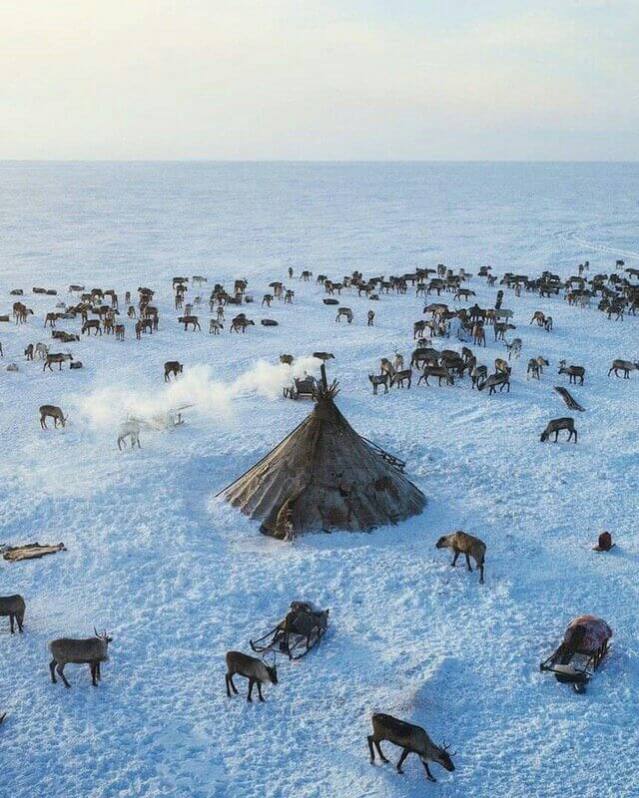
The Nenets people live in the Arctic tundra of northern Russia and are among the most nomadic cultures in the world. Their lives revolve around reindeer herding, and families often travel hundreds of miles each year across frozen tundra.
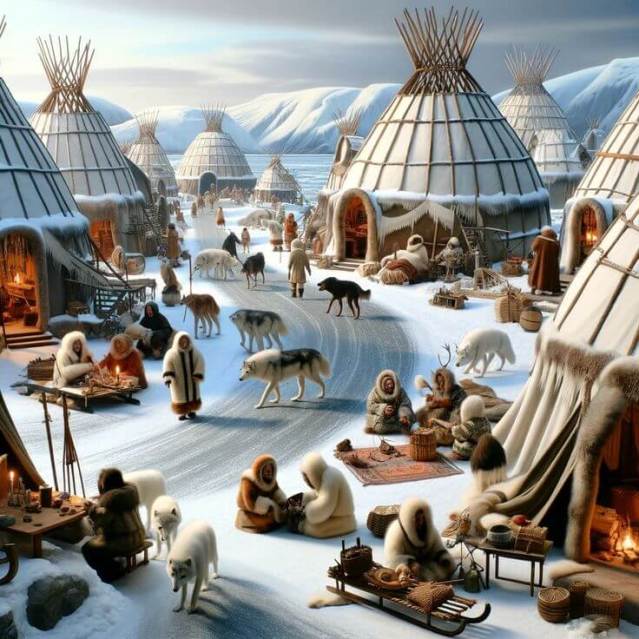
Nenets communities live in portable tents called chums, which withstand extreme wind and cold while remaining easy to transport.
This lifestyle requires deep environmental knowledge, understanding snow conditions, animal behavior, and seasonal weather patterns.
Inspiration for Fiction: Your fictional culture might travel across vast ice plains using mobile settlements designed to withstand blizzards and shifting ice. Entire societies could revolve around protecting and guiding migratory creatures that provide food, clothing, and transport.
Character Idea: A clan scout responsible for scouting safe migration routes discovers that the tundra itself is changing shape. Ice formations appearing where none existed before.
Greenlandic and Arctic Island Communities
In many Arctic regions, settlements cluster near coastlines where fishing and marine hunting provide food.
Communities must contend with long winters, months of darkness, and unpredictable storms. Social bonds and cooperation are essential for survival.
Festivals, storytelling, and shared traditions help maintain community morale during long periods of isolation.
Inspiration for Fiction: A polar settlement might endure months of darkness each year, creating traditions centered on storytelling, music, and communal gatherings to sustain hope. Seasonal celebrations could mark the return of sunlight after the long polar night.
Character Idea: A storyteller responsible for preserving the community’s oral history discovers that the stories contain hidden warnings about an ancient catastrophe buried beneath the ice.
Shared Themes in Tundra Cultures
Despite living in different regions, many tundra cultures share common themes shaped by their environment.
Deep environmental knowledge: Understanding the land, animals, and weather is essential for survival.
Mobility and adaptation: Seasonal migration allows communities to follow food sources and avoid harsh conditions.
Strong community bonds: Isolation and danger encourage cooperation and shared responsibility.
Respect for the natural world: Many traditions emphasize living in balance with the land rather than dominating it.
These themes can help writers design fictional cultures that feel grounded and believable.
Using These Inspirations Responsibly
When drawing inspiration from real-world cultures, it’s important to approach the material thoughtfully.
Avoid copying specific cultural traditions directly without research.
Blend multiple influences and add your own world-specific elements.
Focus on environmental adaptation rather than stereotypes about “primitive” societies.
Emphasize the sophistication of traditional knowledge systems.
Tundra cultures are rich, complex, and deeply connected to their environments. Treating them with respect will strengthen both your worldbuilding and your storytelling.
Survival in the Frozen World: How Extreme Cold Shapes Culture
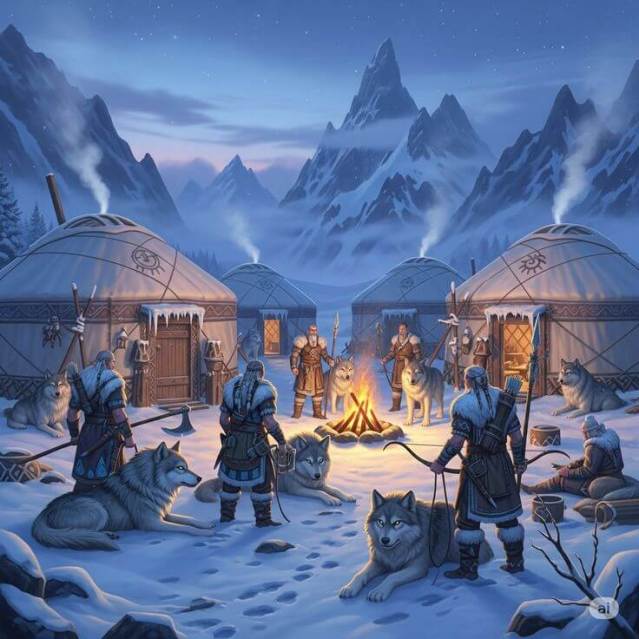
Tundra and polar regions are among the most unforgiving environments on Earth. Temperatures can plunge far below freezing, storms can arrive with little warning, and the landscape itself – frozen ground, drifting snow, and sea ice – constantly changes.
For people who live in these environments, survival depends on knowledge, preparation, and cooperation. Over time, these survival strategies shape not just daily life but the entire culture of a society.
For writers building fictional tundra worlds, understanding how extreme cold influences survival can help create societies that feel authentic and deeply connected to their environment.
Clothing: Engineering Against the Cold
In tundra environments, clothing is not simply fashion. It is survival technology.
Traditional Arctic clothing systems often rely on:
Layering, which traps warm air between garments
Animal fur, which insulates while repelling moisture
Loose construction, allowing air circulation that retains heat
Real-world Arctic clothing systems can be remarkably sophisticated. Double-layered parkas, fur-lined boots, and hood designs that protect the face from wind are all adaptations to extreme cold.
Because clothing is so critical to survival, societies in frozen environments often develop:
Skilled clothing makers who hold respected roles
Decorative traditions tied to fur, stitching, and beadwork
Ceremonial garments that reflect social status or identity
In fiction, clothing might incorporate magical insulation, alien materials, or enchanted fibers that allow people to survive in temperatures that would otherwise be deadly.
Shelter: Protection from Wind and Ice
Wind chill is often more dangerous than temperature alone. Protecting against wind becomes essential in tundra architecture.
Shelters in polar regions tend to prioritize:
Insulation
Low profiles that resist wind
Efficient heat retention
Historically, this has led to several architectural strategies:
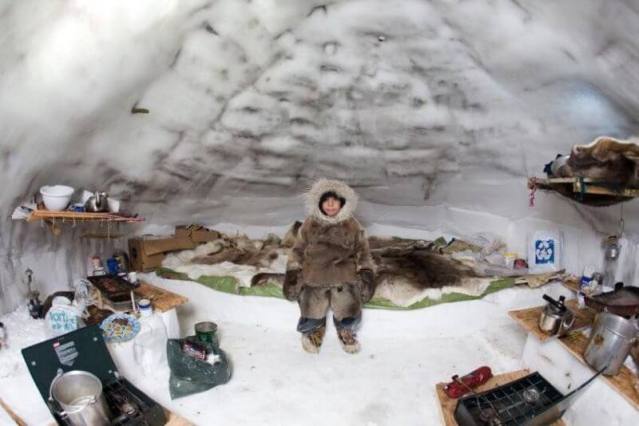
Snow shelters such as igloos
Turf or earth-insulated homes
Portable tents for nomadic travel
Semi-underground dwellings that trap heat
Architecture becomes part of cultural identity. Communities develop specialized building techniques suited to local snow, ice, and wind conditions.
In speculative settings, tundra settlements might include:
Ice-carved cities illuminated by internal light sources
Geothermal caverns beneath glaciers
Floating villages anchored to drifting ice shelves
The environment encourages architectural creativity.
Food and Hunting Strategies
Agriculture is extremely difficult in tundra environments. The short growing season and frozen soil limit crop production.
Instead, traditional food systems rely heavily on:
Hunting animals such as caribou or seals
Fishing through ice-covered waters
Preservation techniques like drying, fermenting, or freezing food naturally
These practices require deep knowledge of animal behavior and migration patterns.
Hunting traditions often carry spiritual or ceremonial meaning. People may honor animals through rituals that acknowledge the relationship between hunter and prey.
Stories, songs, and traditions can encode survival knowledge, teaching younger generations where animals travel, how storms behave, and when ice is safe.
For writers, food scarcity can shape social dynamics:
Communities may emphasize sharing and cooperation
People might condemn hoarding
Leadership could depend on skill in hunting or resource management
Mobility Across Ice and Snow
Movement across tundra landscapes requires specialized tools and techniques.
Historically, many Arctic cultures used:
Dog sleds for long-distance travel
Skis or snowshoes to distribute weight across the snow
Boats or kayaks for navigating icy waters
Travel routes may shift constantly depending on snow conditions, sea ice stability, and weather.
Mobility influences how societies organize themselves. Nomadic or semi-nomadic communities may follow animal migrations or seasonal fishing grounds. Navigation skills become highly valued.
In fictional settings, travel across ice worlds might involve:
Ice-sailing vessels powered by wind
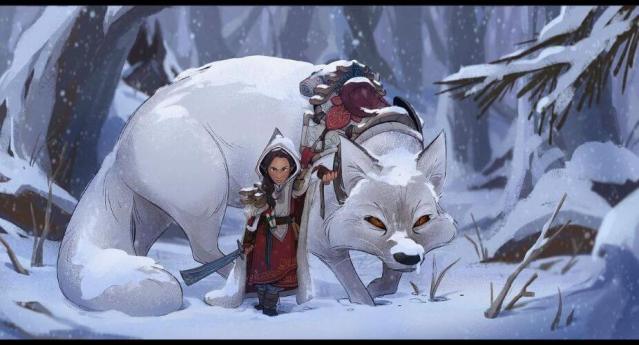
Creatures adapted to polar terrain serving as mounts
Vehicles designed to glide over frozen plains
A culture that survives through mobility often values adaptability and awareness.
Seasonal Light and Darkness
One of the most unusual aspects of polar environments is the cycle of extreme daylight and darkness. During certain times of the year, the sun may not rise for weeks or months. At other times, daylight can last nearly all day.
These cycles can shape traditions and emotional rhythms. Communities may develop festivals marking the return of sunlight after a long darkness. Storytelling traditions might flourish during winter months when outdoor activity is limited.
In fiction, these cycles can influence:
Religious beliefs tied to the sun’s return
Cultural practices designed to combat seasonal depression
Legends about creatures that appear during the polar night
Cooperation as a Cultural Value
In extreme environments, survival often depends on cooperation rather than competition. A single family may not survive harsh winters alone. Communities rely on shared resources, collective hunting efforts, and mutual support.
This can lead to social values such as:
Hospitality toward travelers
Strong communal decision-making
Emphasis on trust and reputation
Isolation and scarcity encourage societies to prioritize group survival over individual ambition. For writers, this dynamic can create interesting conflict when outsiders arrive with different values.
Knowledge as Survival
Perhaps the most important survival strategy in tundra environments is knowledge. Knowing how to read snow patterns, interpret wind direction, track animal migrations, or recognize unsafe ice can mean the difference between life and death. Because of this, elders and experienced hunters often hold tremendous cultural authority. They may preserve knowledge through stories, mentorship, and tradition.
In fictional societies, knowledge keepers might serve as:
Navigators of dangerous terrain
Interpreters of environmental signs
Guardians of ancient survival wisdom
A lost piece of knowledge, such as a migration route or safe winter passage, could become the central conflict of an entire story.
Plot and Character Ideas
The Ice That Breathes
Genres: Sci-Fi Mystery, Survival
Plot Idea: Explorers mapping a shifting ice shelf discover strange vents in the ice that release warm air and eerie sounds at night.
Character Angle: A skeptical glaciologist studies the vents, determined to prove they are natural phenomena.
Twist(s): The vents are actually breathing holes for a massive organism trapped beneath the ice sheet.
The Last Migration
Genres: Epic Fantasy, Adventure
Plot Idea: A nomadic tundra culture depends on the annual migration of enormous ice-grazing beasts. One year, the herd never arrives.
Character Angle: A young tracker sets out to follow the herd’s ancient path across the frozen plains.
Twist(s): The herd has changed course because a glacier has cracked open, exposing a long-sealed predator species.
The Polar Night Watch
Genres: Horror, Psychological Thriller
Plot Idea: A remote research station enters the months-long polar night and begins losing communication with the outside world.
Character Angle: A communications officer tries to maintain morale as paranoia spreads among the crew.
Twist(s): Something is mimicking radio transmissions, and it’s learning their voices.
The Sun Festival
Genres: Fantasy, Cultural Drama
Plot Idea: A tundra settlement holds a sacred festival each year to celebrate the return of sunlight after the long winter darkness.
Character Angle: The young ceremonial leader experiences visions during the festival rituals.
Twist(s): The sun’s return is not just symbolic; the ritual actually stabilizes the region’s magical climate.
The Glacier Library
Genres: Fantasy Adventure, Archaeological Mystery
Plot Idea: A melting glacier reveals the entrance to a massive underground structure filled with frozen scrolls and artifacts.
Character Angle: A historian desperate to prove the existence of an ancient civilization leads an expedition.
Twist(s): The civilization intentionally froze itself to escape a catastrophe, and the ice is thawing.
The White Hunt
Genres: Dark Fantasy, Survival
Plot Idea: Hunters across the tundra speak of a ghostly white creature that appears during blizzards and kills entire caravans.
Character Angle: A disgraced hunter seeks redemption by tracking the beast alone.
Twist(s): The creature isn’t hunting people; it’s protecting a hidden valley where life still flourishes.
Under the Frozen Sea
Genres: Sci-Fi Exploration
Plot Idea: Scientists drilling through Arctic ice discover a vast liquid ocean beneath the frozen surface.
Character Angle: A marine biologist becomes obsessed with the strange bioluminescent lifeforms discovered below.
Twist(s): The ecosystem is intelligent and has been monitoring the surface world for centuries.
The Ice Caravan
Genres: Fantasy, Adventure
Plot Idea: A dangerous trade route crosses the tundra, where merchants travel in massive sled caravans pulled by ice-adapted beasts.
Character Angle: A rookie caravan guard must survive her first journey across the frozen wilderness.
Twist(s): The caravan is secretly transporting a magical prisoner whose presence is awakening ancient spirits in the ice.
The Aurora Gate
Genres: Science Fantasy
Plot Idea: The northern lights appear in strange patterns across the sky, forming shapes that resemble a map.
Character Angle: A young astronomer follows the patterns to an isolated glacier deep in the tundra.
Twist(s): The aurora is a gateway created by an alien civilization buried beneath the ice.
The Frostbound King
Genres: Epic Fantasy, Mythic
Plot Idea: Legends say a powerful king was sealed inside a glacier centuries ago to stop a devastating war.
Character Angle: A wandering ice-scout accidentally uncovers the king’s frozen tomb.
Twist(s): The king did not get imprisoned – he chose to become the living lock on something far worse.
The Silent Blizzard
Genres: Horror, Mystery
Plot Idea: A strange storm sweeps across the tundra, and every person caught outside it vanishes without a trace.
Character Angle: A weather scientist tries to predict where the storm will strike next.
Twist(s): The storm is not weather. It’s a moving portal to another dimension.
Tracks Across the Ice
Genres: Adventure, Fantasy Mystery
Plot Idea: Explorers discover massive footprints crossing the polar ice cap, far larger than any known creature.
Character Angle: A tracker known for reading impossible trails follows the prints across the frozen world.
Twist(s): The creature is the last surviving member of an ancient race that once ruled the planet, and it is searching for something lost beneath the ice.
Tundra and polar regions are landscapes of endurance and revelation. They test characters physically and emotionally while offering opportunities for discovery and transformation.
For writers, they provide a powerful setting where survival, mystery, and ancient forces collide.
Beneath the frozen silence of the tundra, stories wait, preserved in ice, waiting for someone brave enough to uncover them.
Happy worldbuilding!
I hope this was helpful. Let me know if you have questions or suggestions by using the Contact Me form on my website or by writing a comment. I post every Friday and would be grateful if you would share my content.
If you want my blog delivered straight to your inbox every month along with exclusive content and giveaways, please sign up for my email list here.
Let’s get writing!
Copyright © 2026 Rebecca Shedd. All rights reserved.
 Rebecca Shedd - Author