The Worldbuilder’s Toolkit: Barren Wastelands
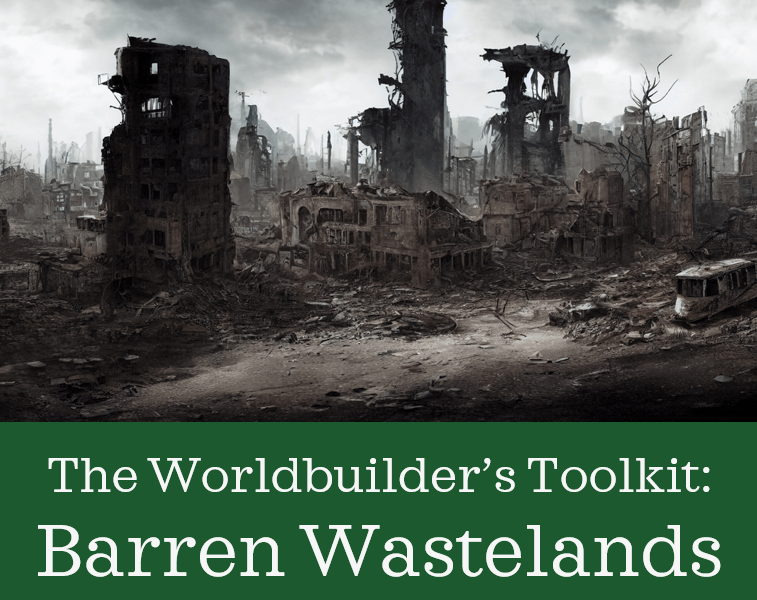
Most landscapes in fiction are defined by what they contain. Forests contain abundant life. Mountains hold resources and settlements. Oceans connect distant lands. Barren wastelands are different. They are defined by what is missing.
These are places where life struggles to exist, where civilization has retreated or vanished entirely. They may be endless stretches of ash, blasted plains of cracked earth, irradiated deserts, salt flats, dead forests, or regions where something has gone fundamentally wrong. A wasteland tells a story before a single character arrives because it raises an immediate question:
What happened here?
For writers, barren wastelands are powerful settings because they embody consequence. They often represent the aftermath of catastrophe, the cost of ambition, or the lingering scars of ancient conflicts. Whether in fantasy or science fiction, they remind readers that worlds can change and sometimes not for the better.
More Than an Empty Landscape
One of the biggest mistakes writers make with wastelands is treating them as an empty space between more interesting locations. In reality, barren regions can be some of the most compelling places in a world because they immediately generate mystery. Every ruined structure, abandoned road, or strange geological formation suggests a history waiting to be uncovered.
A wasteland forces characters to confront hardship directly. Resources become scarce. Travel becomes dangerous. Isolation becomes unavoidable. Unlike jungles, which overwhelm with abundance, wastelands challenge characters with absence. There may be little water, little food, little shelter, and very little certainty.
Worldbuilding Tip: Ask yourself what was there before the wasteland existed. The answer often matters more than the wasteland itself.
How Wastelands Are Created
The origin of a wasteland will shape everything about it, from its appearance to the stories that emerge from it.
Magical disasters, divine punishment, curses, or ancient wars often create wastelands in fantasy settings. A battlefield where gods once fought might still refuse to support life centuries later. A cursed kingdom may remain frozen in a state of decay long after its rulers are gone.
Science fiction often takes a different approach. Wastelands may result from ecological collapse, nuclear war, terraforming failures, industrial exploitation, or alien contamination. These origins emphasize technology and unintended consequences.
The cause influences not only the environment but also how people view it.
A cursed wasteland may inspire fear, superstition, and religious significance.
A post-apocalyptic wasteland may inspire scavenging, adaptation, and technological recovery.
An alien wasteland may challenge humanity’s understanding of biology and survival.
Plot Hook: A supposedly lifeless wasteland shows signs of recovery, forcing neighboring nations to investigate what changed and whether they should fear it.
Living Near the Dead Lands
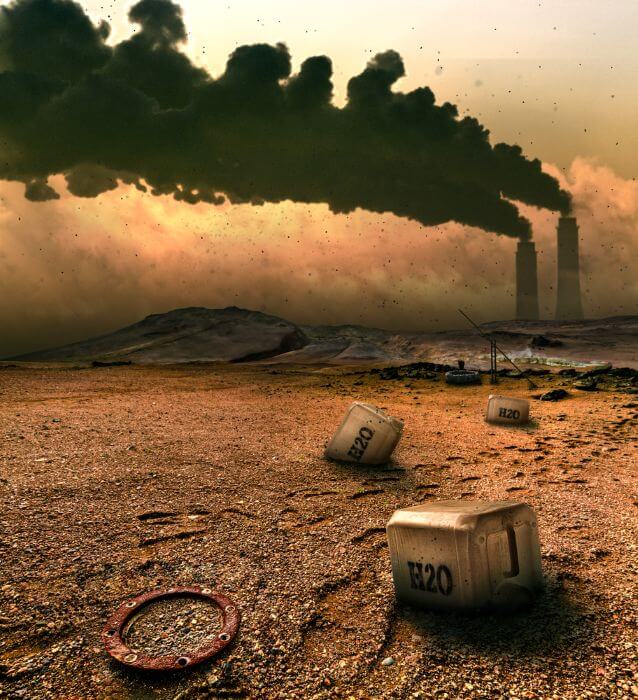
Most wastelands are hard places to inhabit, but that does not mean people avoid them entirely.
Throughout history, humans have settled near dangerous environments when valuable resources were available. The same principle applies in fiction. Settlements may spring up along the edges of wastelands, exploiting trade routes, mining rare materials, scavenging ancient ruins, or studying unusual phenomena.
Life near a wasteland often shapes culture in profound ways. Communities may become fiercely resource-conscious, valuing conservation and self-sufficiency. Legends and warnings about the wasteland may become part of local identity. Entire generations may grow up hearing stories about what lies beyond the horizon.
Character Idea: A scavenger raised on the edge of a cursed wasteland discovers that many of the stories used to frighten children were originally safety instructions disguised as folklore.
Survival in the Absence of Resources
Survival in a wasteland depends on solving problems that other environments take for granted.
Water may need to be imported or carefully collected. Food production can become difficult or impossible. Shelter from temperature extremes may be scarce. Even navigation can be challenging when landmarks are few and the terrain changes constantly.
Because of these pressures, wasteland societies often become highly specialized. Travelers, guides, scavengers, and survival experts may hold elevated status because they possess skills others cannot easily learn.
Scarcity also creates conflict. Limited resources intensify competition. Political power may concentrate around wells, trade routes, ancient technology, or other critical assets.
Worldbuilding Tip: Decide what resource is most valuable in your wasteland. Water is the obvious choice, but information, fuel, magical energy, or shelter can be equally important.
Ruins, Relics, and Lost Civilizations
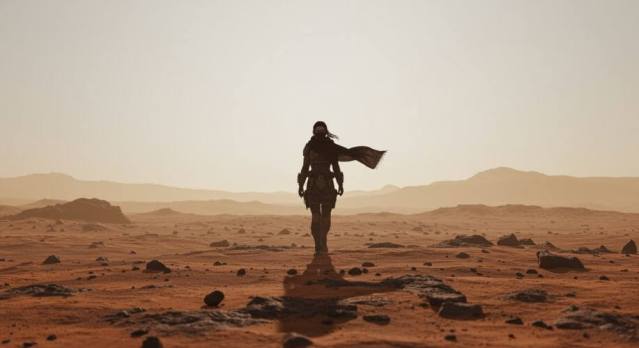
Wastelands are natural homes for ruins. Unlike jungles, which conceal the past beneath growth, wastelands often expose it. Winds strip away soil. Buildings remain standing long after their inhabitants disappear. Roads stretch toward destinations that no longer exist.
This makes wastelands ideal settings for exploration stories. Characters can literally walk through history, uncovering evidence of what came before.
The landscape itself becomes a record of catastrophe. A shattered tower tells one story. A city buried beneath ash tells another.
Plot Hook: Explorers discover an intact city preserved beneath centuries of dust, but evidence suggests its inhabitants knew the catastrophe was coming and prepared for something worse.
Why Wastelands Work: Examples in Storytelling
Many of the most memorable speculative settings use wastelands because they instantly create atmosphere and conflict.
In Mad Max: Fury Road, the wasteland is more than a backdrop. Scarcity drives every aspect of society, from politics to warfare. Water, fuel, and survival have become the central forces shaping the world.
In Fallout, post-nuclear wastelands serve as reminders of civilization’s collapse while simultaneously providing opportunities for rebuilding. The tension between destruction and recovery drives much of the setting’s appeal.
In The Broken Earth Trilogy, catastrophic environmental instability shapes culture, politics, and survival. The world itself becomes a source of ongoing conflict.
Tabletop settings such as Dark Sun use wastelands to create harsh survival-focused stories where resources are scarce and the environment itself is a constant threat.
These settings work because the wasteland is not passive. It influences every decision the characters make.

The Supernatural and the Unnatural
Fantasy and science fiction allow writers to create wastelands that break natural rules.
Perhaps lingering magic haunts the land. Maybe the sky never changes color. Perhaps nothing decomposes. Entire regions could exist outside normal reality, frozen in the moment disaster struck.
In science fiction, alien environments can create equally unsettling effects. A planet may contain vast regions where biology functions differently, where technology malfunctions, or where physical laws behave unpredictably.
The more unusual the wasteland becomes, the more important it is to establish consistent rules.
Character Idea: A researcher studying a seemingly dead region discovers that nothing there is lifeless; it simply exists on a timescale so slow that its movements are almost impossible to perceive.
Symbolism and Theme
Writers often use wastelands symbolically because these landscapes naturally represent loss, consequence, and transformation.
A dead landscape can reflect a fallen civilization, a broken relationship, a failed ideology, or the aftermath of war. It can also represent rebirth. New life emerging from barren ground is powerful precisely because it contrasts so sharply with the surrounding desolation.
The best wastelands are not simply places where things died. They are places where stories about survival, memory, and hope can emerge.
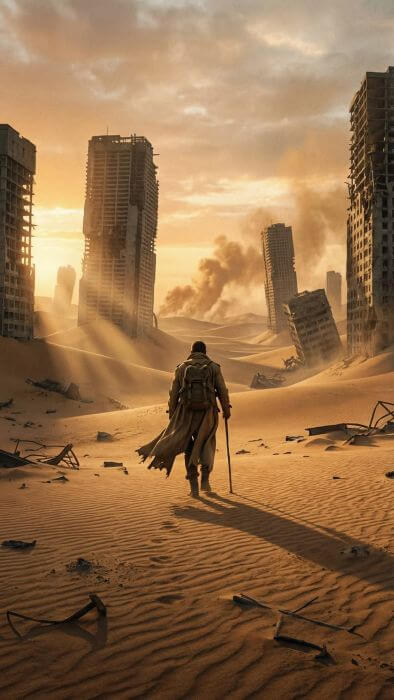
Real-World Wastelands
One reason wastelands are such powerful settings is that they exist in the real world. Disaster, war, environmental collapse, volcanic eruptions, and technological failures have transformed many places throughout human history. Some regions recovered. Others remain scarred for generations later.
For writers, these locations offer a valuable reminder: wastelands do not appear overnight without consequences. People live through their creations. Families adapt. Entire cultures emerge around survival, memory, and loss.
The most interesting fictional wastelands often feel believable because they are inspired by the ways real people endured unimaginable change.
Chernobyl — Life After Invisible Disaster
Perhaps no modern wasteland is more iconic than the region surrounding the Chernobyl Nuclear Power Plant. Following the 1986 reactor explosion, authorities evacuated entire communities. The city of Pripyat became a ghost city almost overnight.
What makes Chernobyl especially fascinating is that the danger is largely invisible. Buildings remain standing. Streets remain recognizable. Trees grow. Wildlife has returned to many areas. Yet contamination continues to shape how humans interact with the landscape.
For fiction writers, Chernobyl demonstrates how a wasteland can be psychologically unsettling. The environment looks familiar, but something fundamental has changed.
Inspiration for Fiction: A magical catastrophe might leave behind a region that appears normal while remaining lethally altered. An alien contamination zone could function similarly, creating landscapes where the danger cannot always be seen. The descendants of survivors might develop cultural taboos, warning rituals, or specialized professions dedicated to detecting hidden threats.
Character Idea: A surveyor trained to identify invisible magical contamination discovers signs that a supposedly stable wasteland is becoming active again.
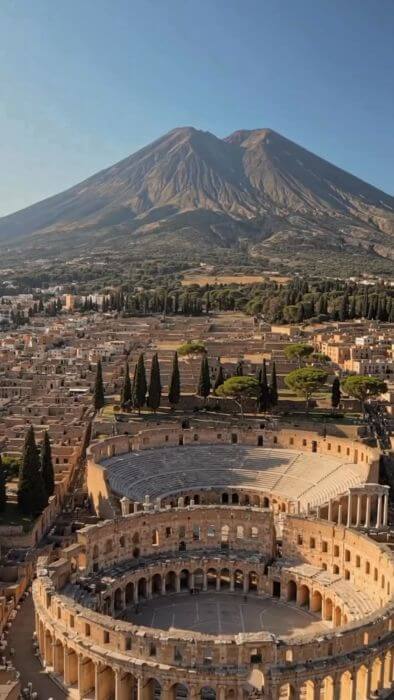
Pompeii and Herculaneum — Buried by Fire
In 79 CE, the eruption of Mount Vesuvius buried entire communities beneath volcanic ash and debris. Cities such as Pompeii and Herculaneum were effectively frozen in time.
Unlike many disasters, the eruption preserved portions of daily life in extraordinary detail. Buildings, tools, artwork, and even human remains provide snapshots of a world abruptly interrupted.
For writers, Pompeii offers an important lesson: a catastrophe does not merely destroy. Sometimes it preserves.
Inspiration for Fiction: A magical eruption, dragon attack, divine judgment, or alien strike might leave behind an entire city preserved beneath ash, crystal, ice, or magical stone. Future generations may view the site as sacred, cursed, or politically important.
Plot Hook: Excavators uncover a city buried centuries ago and discover evidence that its inhabitants predicted the disaster and attempted to communicate with the future.
The Dust Bowl — Environmental Collapse
During the 1930s, portions of the Great Plains of the United States experienced severe drought combined with unsustainable farming practices. The result was the Dust Bowl, a period marked by devastating dust storms, agricultural collapse, and widespread displacement.
Unlike sudden disasters, the Dust Bowl developed gradually. People watched their land become less productive year after year, which eventually forced entire communities to leave. This type of wasteland is useful for speculative fiction because it emerges from cumulative mistakes rather than a single dramatic event.
Inspiration for Fiction: A fantasy kingdom may slowly exhaust its magical resources. A science-fiction colony could overexploit its ecosystem. The resulting wasteland becomes a cautionary tale about short-term thinking and environmental mismanagement.
Worldbuilding Tip: Not every wasteland needs a dramatic origin. Gradual decline often creates more complex social and political consequences than sudden destruction.
The Aral Sea — A Vanishing World
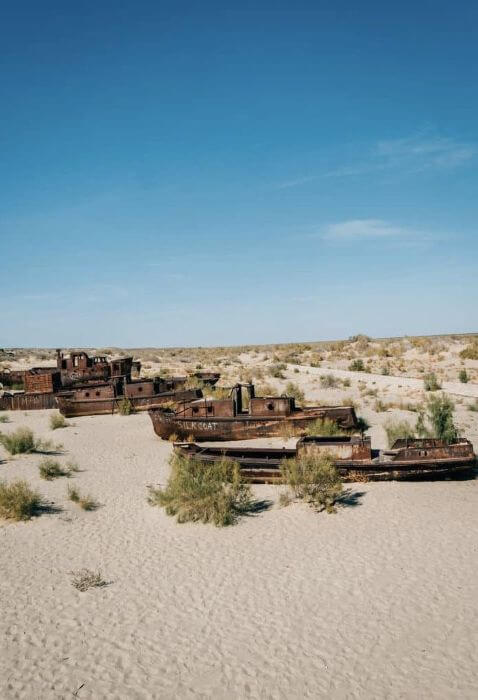
Once one of the largest inland bodies of water on Earth, the Aral Sea shrank dramatically during the twentieth century after people diverted rivers feeding it for irrigation projects.
Fishing communities that once thrived found themselves stranded miles from the receding shoreline. Ports became deserts. Ships were left sitting in sand where water once existed. The Aral Sea shows how quickly entire ways of life can become obsolete when the environment changes.
Inspiration for Fiction: Imagine a civilization built around a magical lake that is slowly disappearing. Ports become ghost towns. Religious practices tied to water lose relevance. Political power shifts as trade routes collapse.
Character Idea: A former sailor whose hometown now sits in the middle of a wasteland becomes obsessed with discovering where the missing water went.
The Exclusion Zones of War
Throughout history, battlefields have sometimes remained dangerous long after wars ended. Regions scarred by landmines, chemical contamination, unexploded ordnance, or environmental devastation can remain effectively uninhabitable for decades.
These areas are useful for worldbuilding because they create landscapes where the past remains physically dangerous. Survivors often develop practical knowledge, rituals, and folklore designed to avoid deadly areas.
Inspiration for Fiction: An ancient magical battlefield might still contain dormant spells. Autonomous weapons that continue functioning centuries later could litter a science-fiction war zone.
Plot Hook: A newly discovered resource beneath a forgotten battlefield makes it valuable, forcing people to enter a region everyone has avoided for generations.
The Zone Rouge — Land That Never Fully Recovered
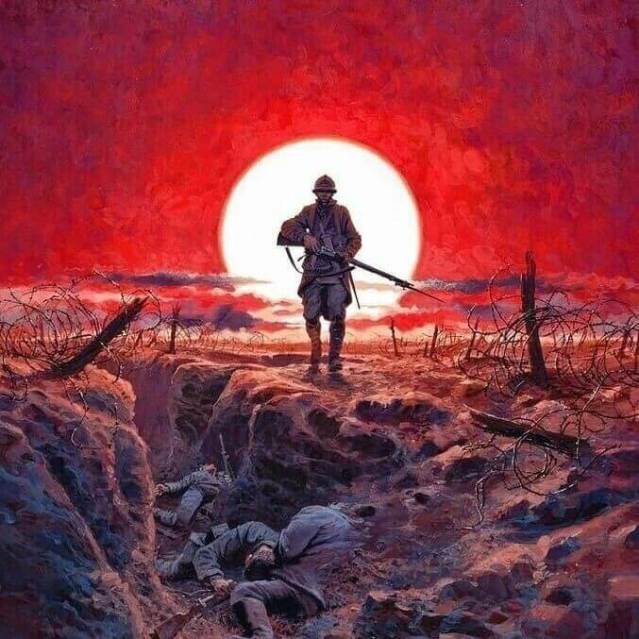
Officials designated portions of northeastern France the “Red Zone” or Zone Rouge because World War I battles heavily damaged them. Some areas suffered contamination, unexploded ordnance, and environmental destruction severe enough that recovery became difficult or impossible. Entire villages disappeared permanently.
For writers, the Zone Rouge demonstrates that landscapes can remain scarred far longer than the events that created them. A catastrophe does not end when the fighting stops.
Inspiration for Fiction: A magical war might leave permanent dead zones where reality itself remains damaged. Generations later, descendants may still live in the shadow of decisions made centuries before.
Character Idea: A historian researching a vanished settlement discovers descendants secretly preserving the culture of a village officially declared dead generations ago.
Common Themes in Real-World Wastelands
Although different causes created these locations, they share several important themes.
People rarely abandon their homes willingly.
Survivors adapt in ways outsiders often underestimate.
Memory becomes as important as survival.
The aftermath of a catastrophe can last far longer than the catastrophe itself.
These themes can make fictional wastelands feel far more believable than simply describing a barren landscape.
Bringing It Into Your Worldbuilding
When creating a wasteland, don’t focus solely on the disaster. Focus on the people who lived through it and those who inherited its consequences.
Who stayed behind? What stories do they tell? What knowledge did they preserve? What mistakes do they fear repeating?
The most interesting wastelands are not monuments to destruction. They are monuments to survival.
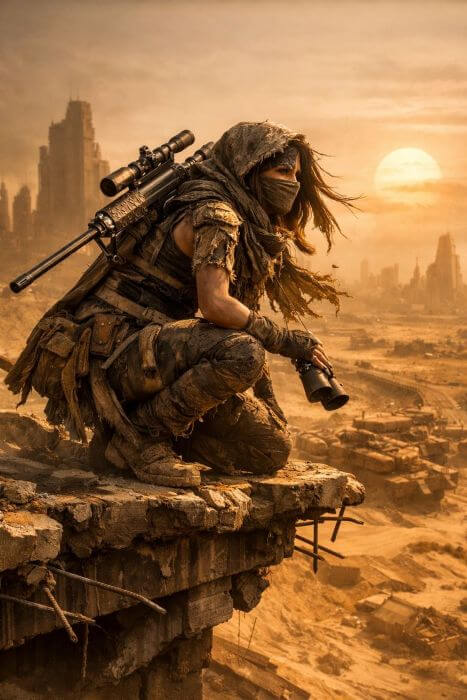
Life After the End: Survival, Ruins, and Renewal in Barren Wastelands
A barren wasteland is more than an inhospitable environment. It is evidence that something went wrong. Whether created by magical catastrophe, divine judgment, ecological collapse, war, plague, or technological disaster, a wasteland represents a break in the normal order of the world. The land remembers what happened, and so do the people who live near it.
For writers, this makes wastelands so compelling. They are not simply hard places to survive. They are landscapes haunted by consequences. Every ruined road, abandoned settlement, and empty horizon reminds the characters that the world was once different.
The Challenge of Survival
Scarcity often defines life in a wasteland. Resources that other societies take for granted become precious commodities. Water may be difficult to find. Fertile soil may be nonexistent. Food sources can be unreliable or dangerous.
But scarcity is only part of the challenge. The environment itself may be unstable. Dust storms, toxic air, magical anomalies, radiation, or extreme temperatures can make even routine travel hazardous. Survival becomes less about thriving and more about enduring.
Communities that persist in these regions often develop specialized skills and traditions. They learn to find safe water, recognize danger, and navigate terrain that outsiders would find impossible.
Character Idea: A guide who has spent their entire life leading travelers through a wasteland discovers signs that familiar routes are becoming increasingly dangerous for reasons no one understands.
When Ecosystems Change
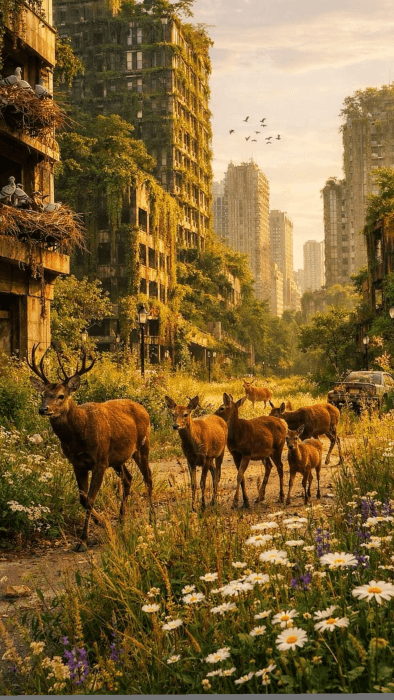
One of the most interesting aspects of a wasteland is that nature rarely disappears entirely. Instead, it adapts.
A magical catastrophe may kill most plant life while allowing strange new species to flourish. A radioactive wasteland may create ecological niches for organisms that can tolerate conditions other life cannot. A cursed region might support creatures altered by the very force that destroyed the land.
Over time, entirely new ecosystems can emerge. The danger comes from assuming the wasteland is empty. It may simply be occupied by forms of life that developed or were transformed to survive conditions others cannot.
Worldbuilding Tip: Ask what species benefits from the catastrophe. Every ecological disaster creates losers, but it often creates winners as well.
New Dangers in a Changed World
The altered ecosystem may introduce threats that did not exist before the disaster.
Predators adapted to scarce prey may become highly aggressive.
Plants may evolve defensive traits or toxic properties.
Environmental hazards may become living parts of the ecosystem.
In fantasy settings, these changes can become even more dramatic. A forest destroyed by a magical war might give rise to crystal growths that drain life from nearby creatures. In science fiction, mutated organisms could exploit ecological niches left vacant by extinction. The most memorable wastelands feel alive in unsettling ways.
Plot Hook: A region believed to be lifeless suddenly experiences an explosion of fresh growth, but every species emerging from the soil appears connected to the catastrophe that created the wasteland.
Ruins as Monuments to Disaster
Few settings create atmosphere as effectively as ruins scattered across a wasteland.
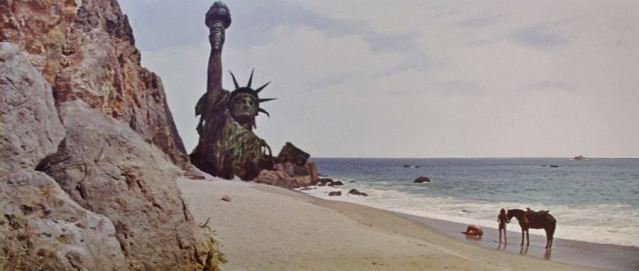
Wasteland ruins frequently lie exposed, unlike those hidden in jungles or buried beneath mountains. Winds strip away soil. Weather erodes structures. Empty roads stretch toward destinations that no longer exist.
These remnants tell stories without words. A collapsed fortress suggests war. Empty farms hint at famine. Abandoned cities speak of populations forced to flee or unable to escape. The landscape becomes an archaeological record of tragedy.
Character Idea: A salvager searching abandoned settlements for valuable relics pieces together evidence that the accepted history of the catastrophe is a lie.
The Impact on Lore and History
Catastrophes rarely disappear from cultural memory. Even centuries later, their influence often remains visible in religion, folklore, politics, and identity.
Some cultures may treat the wasteland as sacred ground, believing it was touched by divine power. Others may view it as cursed, forbidding travel beyond its borders. Entire generations may grow up hearing stories designed to explain what happened there.
As time passes, history becomes myth. Facts blur into legend. Heroes become saints. Villains become monsters. People may eventually forget the actual cause of the catastrophe altogether. This process creates fertile ground for storytelling because characters may have to separate truth from tradition.
Worldbuilding Tip: Consider how different cultures interpret the same wasteland. One society’s holy site may be another’s forbidden zone.
Wastelands as Political and Cultural Boundaries
Over time, wastelands often become more than environmental features; they become political realities.
A barren region may separate rival nations, isolate communities, or protect vulnerable populations from invasion. Trade routes might bypass dangerous areas, reshaping economies and alliances.
Entire cultures can develop on the edge of a wasteland. Their identity may be tied to surviving conditions others avoid. They may view themselves as guardians, victims, pioneers, or descendants of those who endured the original catastrophe. The wasteland becomes part of who they are.

Can a Wasteland Be Healed?
One of the most fascinating questions a writer can explore is whether a wasteland can recover.
The answer depends on what created it. If the damage is environmental, healing may involve restoring ecosystems, reintroducing species, or reversing destructive practices. If the cause is magical, the solution may require breaking an ancient curse, repairing damaged ley lines, or reconciling with forces that were wronged.
Recovery rarely happens quickly. Healing a devastated landscape often requires generations of effort and sacrifice. That slow process can be just as interesting as the catastrophe itself.
The Cost of Restoration
Healing a wasteland is rarely simple. The people living there may depend on the current state of the environment. New ecosystems may have emerged. Political powers may benefit from maintaining the status quo. Restoration can create conflict because not everyone agrees on what “healed” means.
Should the goal be to restore the land to its former state?
What if new species disappeared?
What if entire cultures have adapted to the wasteland?
What if the catastrophe itself is now part of a people’s identity?
These questions create rich opportunities for moral and political conflict.
Plot Hook: A newly discovered method of restoring a centuries-old wasteland threatens to destroy the livelihoods of the communities that have survived there for generations.
Hope in the Empty Places
Despite their desolation, wastelands are often stories about hope. They remind readers that civilizations can fall, ecosystems can collapse, and disasters can reshape entire worlds. But they also show that people adapt. They survive. They rebuild.
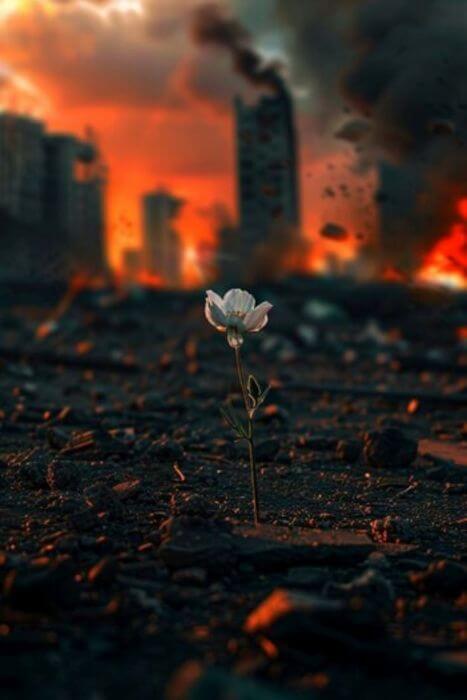
A single green shoot growing through cracked earth can become a powerful symbol because it stands in defiance of everything the wasteland represents.
For writers, this makes barren wastelands more than settings of loss. They become settings of possibility.
Plot and Character Ideas
The First Green Shoot
Genres: Environmental Fantasy, Adventure
Plot Idea: For five centuries, the Ashen Expanse has been a dead land where nothing grows. Then a single green plant appears in the center of the wasteland. Kingdoms, religious orders, scholars, and treasure hunters race to claim it, each believing it holds the key to the future.
Character Angle: A cynical wasteland guide is hired to escort a team of botanists to the site. She distrusts anyone who believes the wasteland can be healed, having spent her entire life surviving the dead lands.
Twist(s): The plant is not the beginning of recovery. It is a warning. Something beneath the wasteland is awakening and using the growth to lure people closer.
The Saints of the Red Dust
Genres: Religious Fantasy, Political Intrigue
Plot Idea: A wasteland created by divine judgment centuries ago separates rival kingdoms. A powerful religious movement emerges, claiming the gods are ready to forgive humanity and restore the land.
Character Angle: A priest who has built his career around the belief that the wasteland is permanent finds evidence that the original religious story is false.
Twist(s): The gods never cursed the land. Human rulers invented the story to hide responsibility for the catastrophe.
The Last Reservoir
Genres: Science Fiction, Political Drama
Plot Idea: A planetary ecosystem collapsed generations ago, leaving most of the world barren. The last functioning freshwater reservoir becomes the center of a growing conflict between city-states.
Character Angle: An engineer responsible for maintaining the reservoir discovers evidence of another water source hidden in the wasteland.
Twist(s): The hidden reservoir belongs to descendants of survivors who deliberately concealed it to avoid exploitation.
The Kingdom Beneath the Glass
Genres: Fantasy, Mystery
Plot Idea: An ancient magical war transformed an entire region into a plain of black glass. Travelers occasionally report seeing structures beneath the surface.
Character Angle: A historian obsessed with proving the lost kingdom truly existed leads an expedition across the wasteland.
Twist(s): The kingdom is intact and still inhabited. Time inside the glass field flows differently than in the outside world.
The Harvest of Ashes
Genres: Environmental Fantasy, Survival
Plot Idea: Strange crops begin growing along the edge of a wasteland. The harvest is incredibly productive, solving food shortages across the region.
Character Angle: A farmer whose family struggled through generations of famine becomes one of the first settlers to embrace the new opportunity.
Twist(s): The crops are feeding on lingering magical contamination and are slowly spreading the wasteland’s influence.
The Cartographer of Dead Lands
Genres: Adventure, Exploration Fantasy
Plot Idea: A massive wasteland expands every year, consuming villages and trade routes. A renowned mapmaker is hired to chart its movement.
Character Angle: The cartographer is determined to leave behind a legacy after a lifetime of being overshadowed by more famous explorers.
Twist(s): The wasteland is not expanding randomly. It follows the path of an ancient buried structure beneath the continent.
The Bone Market
Genres: Dark Fantasy, Political Thriller
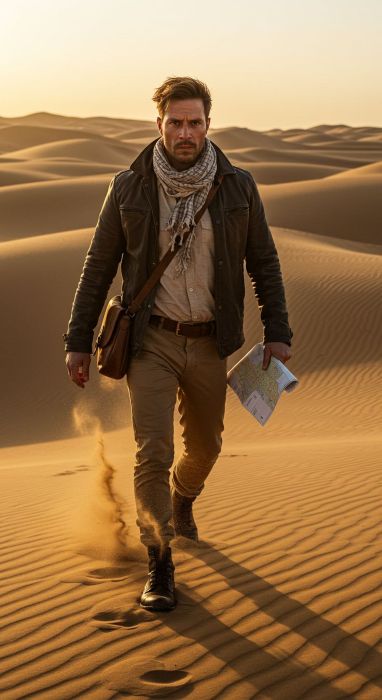
Plot Idea: A cursed wasteland holds the only source of rare magical materials. Their value fuels an entire economy built around scavenging the dead lands.
Character Angle: A merchant prince becomes wealthy trading in these resources but begins questioning the morality of the industry.
Twist(s): Every resource removed from the wasteland weakens the barrier imprisoning whatever caused the catastrophe.
The Children of the Fallout
Genres: Science Fiction, Coming-of-Age
Plot Idea: Generations after a planetary disaster, people born in the wasteland possess unusual biological adaptations that allow them to survive where others cannot.
Character Angle: A young wasteland native dreams of leaving home and joining a prosperous city beyond the dead lands.
Twist(s): The adaptations are not mutations. They are signs that humanity is developing into something new.
The Pilgrimage of Dust
Genres: Religious Fantasy, Journey Narrative
Plot Idea: Every decade, pilgrims cross a deadly wasteland to visit a sacred ruin believed to contain the voice of a saint.
Character Angle: A woman undertaking the journey to honor her deceased father secretly hopes to prove the miracle is a fraud.
Twist(s): The saint’s voice is real, but it belongs to the person who caused the catastrophe centuries ago.
The Restoration Project
Genres: Science Fiction, Environmental Drama
Plot Idea: Scientists develop technology capable of restoring a devastated ecosystem. Governments, corporations, and local communities all want control of the process.
Character Angle: The lead ecologist has dedicated her entire life to bringing life back to the wasteland.
Twist(s): Restoration will destroy the unique ecosystem that developed after the collapse, wiping out species that now exist nowhere else.
The Ghost Cities
Genres: Paranormal Mystery, Fantasy
Plot Idea: Travelers report seeing thriving cities in the wasteland at dusk. By dawn, they vanish.
Character Angle: A skeptical investigator takes on the task of uncovering the truth behind the stories.
Twist(s): The cities are echoes of the past, replaying the last days before the catastrophe. One of them contains information necessary to heal the land.
The Heart of the Wound
Genres: Epic Fantasy, Mythic Adventure
Plot Idea: Ancient prophecies state that reaching the center of the wasteland and fixing the cause of the original disaster will heal the wasteland.
Character Angle: A former soldier who lost everything to the wasteland reluctantly joins the expedition, believing the quest is hopeless.
Twist(s): The source is not an object but a living being. Healing the land requires forgiving the entity that caused the destruction rather than killing it.
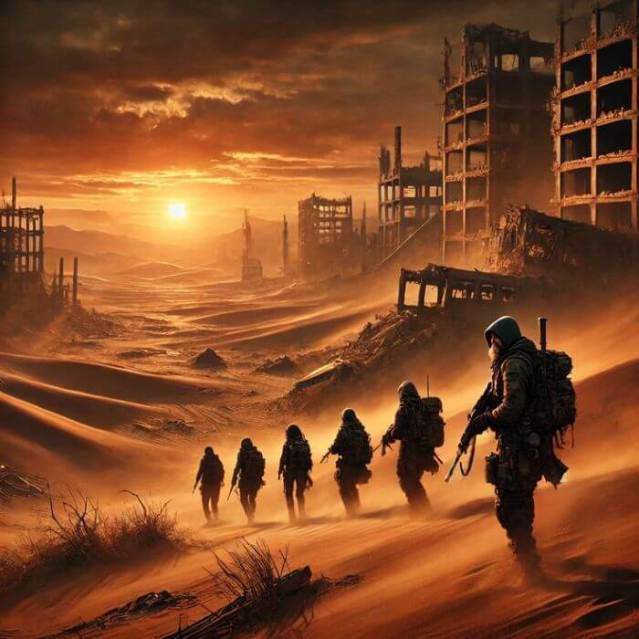
Barren wastelands are landscapes shaped by absence, consequence, and history. Whether created by magical curses, divine wrath, ecological collapse, nuclear war, or alien influence, they tell readers that something significant happened here.
For writers, they offer settings filled with mystery, tension, and opportunity. They challenge characters through scarcity, expose the remains of forgotten worlds, and force societies to adapt in creative ways.
Because a wasteland is never truly empty. It holds the echoes of what came before and the possibility of what might come next.
Happy worldbuilding!
I hope this was helpful. Let me know if you have questions or suggestions by using the Contact Me form on my website or by writing a comment. I post every Friday and would be grateful if you would share my content.
If you want my blog delivered straight to your inbox every month along with exclusive content and giveaways, please sign up for my email list here.
Let’s get writing!
Copyright © 2026 Rebecca Shedd. All rights reserved.

