Fantasy Writing Category
The Writer’s Guide to Gunshot Wounds
Posted on June 20, 2025 3 Comments

Gunshot wounds are high-stakes injuries often used to raise tension, shift plot direction, or force characters into survival situations. But in fiction, they’re also frequently misrepresented. A character shrugs off a bullet to the shoulder and runs a mile. Another takes a shot to the gut and delivers a rousing speech while bleeding out. While […]
The Writer’s Guide to Dislocations
Posted on June 6, 2025 Leave a Comment
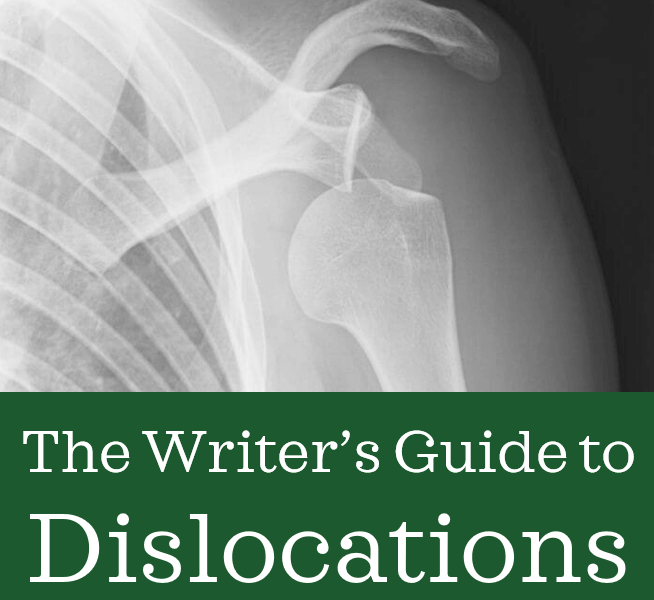
A forcibly displaced joint causes excruciating and debilitating injuries. Unlike fractures, where bones break, a dislocation affects the connective tissues that hold joints together, often tearing ligaments and stretching tendons. Writing realistic dislocations requires understanding which joints are affected, symptoms, appearance, and long-term effects. This article will guide you through writing authentic and compelling injury […]
The Writer’s Guide to Cuts and Lacerations
Posted on May 23, 2025 Leave a Comment

Cuts and lacerations are some of the most common injuries in fiction, appearing in everything from battle scenes to survival narratives. While they may seem simple to write, understanding the difference between cuts and lacerations, degrees of depth, severity, bleeding patterns, symptoms, and long-term effects can add realism and gravity to your storytelling. This article […]
The Writer’s Guide to Burns
Posted on May 9, 2025 Leave a Comment
Burns are some of the most painful and visually striking injuries a character can endure. Whether caused by fire, chemicals, or magic, burns add tension, vulnerability, and long-term consequences to a story. Writing them realistically requires an understanding of their degrees, symptoms, appearance, treatment, and long-term effects. This guide will help you craft authentic, impactful […]
The Writer’s Guide to Bruises
Posted on April 25, 2025 1 Comment

Bruises, also known as contusions, may seem like minor injuries compared to fractures or puncture wounds, but they can add realism and depth to your storytelling. Whether they’re caused by a fall, a punch, or a supernatural event, bruises can serve as visible reminders of a character’s struggles. Writing them realistically involves understanding their types, […]
The Writer’s Guide to Puncture Wounds
Posted on April 11, 2025 Leave a Comment

Puncture wounds are dramatic, high-stakes injuries that can add tension and danger to your story. Whether it’s a dagger through a knight’s side, a nail through a construction worker’s foot, or an alien claw piercing a space traveler’s suit, puncture wounds can create immediate peril and lasting consequences. Writing these injuries realistically requires understanding their […]
The Writer’s Guide to Sprains and Strains
Posted on March 28, 2025 Leave a Comment
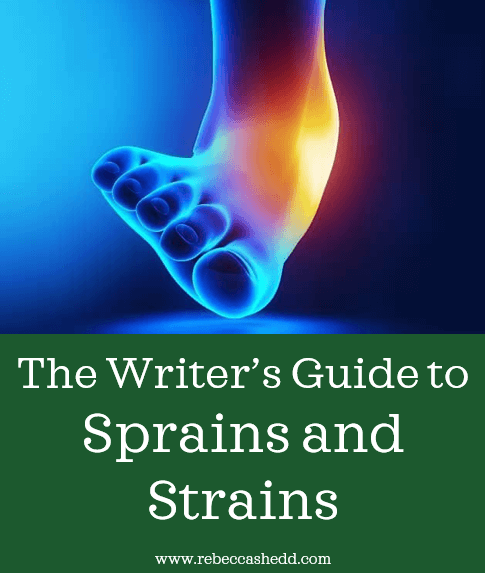
Sprains and strains are common injuries that can add depth and tension to your story, especially in action-oriented or survival-focused plots. These injuries can challenge your characters without incapacitating them completely, providing opportunities for resilience, improvisation, and personal growth. Writing them realistically requires an understanding of their causes, symptoms, severity, and recovery. This article covers […]
The Writer’s Guide to Concussions and Head Injuries
Posted on March 14, 2025 Leave a Comment
Concussions and head injuries are common in action-packed stories, from intense battles in fantasy worlds to space missions gone wrong in science fiction. But writing these injuries convincingly requires more than just a dramatic fall or blow to the head. Understanding causes, symptoms, recovery timelines, and potential long-term effects will add depth and realism to […]
The Writer’s Guide to Broken Bones
Posted on February 28, 2025 Leave a Comment
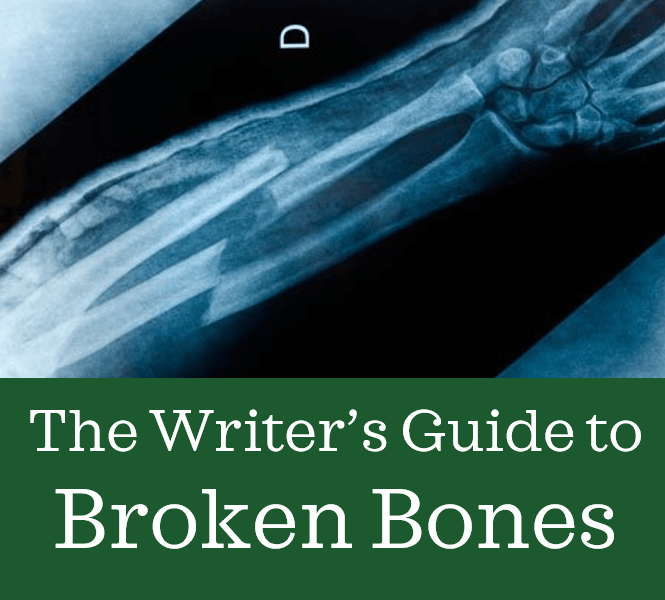
Breaking a bone is one of the most common and impactful injuries in fiction. Whether it happens during a dramatic fight scene, a tragic accident, or an adventurous misstep, fractures offer an opportunity to showcase your character’s resilience, vulnerability, and recovery journey. To write these scenes realistically, it’s essential to understand the types of fractures, […]
The Writer’s Guide to Basic Anatomy
Posted on February 14, 2025 Leave a Comment
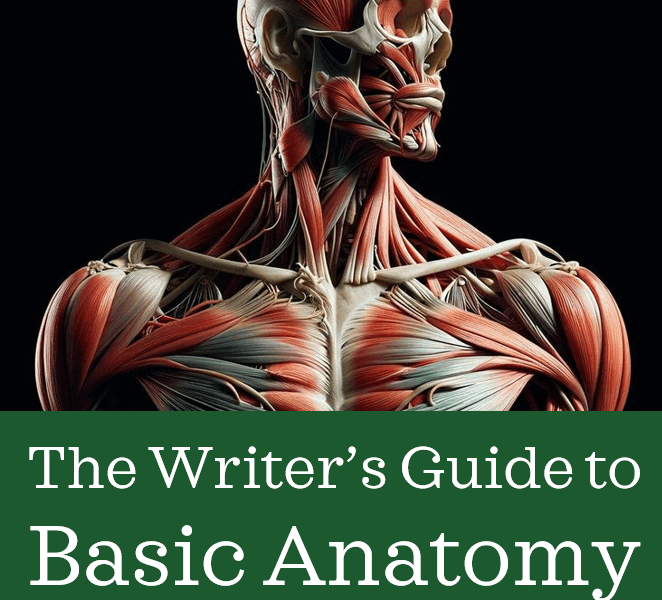
Understanding basic anatomy doesn’t just make your injury scenes more believable—it makes them more engaging. While you don’t need the expertise of a doctor, by focusing on how injuries affect the body, you can craft realistic, impactful moments that resonate with readers and deepen their connection to your characters. Take the time to research and […]
 Rebecca Shedd - Author