Historical Writing Category
The Writer’s Guide to Realistic Healing Timelines and Scarring
Posted on January 30, 2026 Leave a Comment
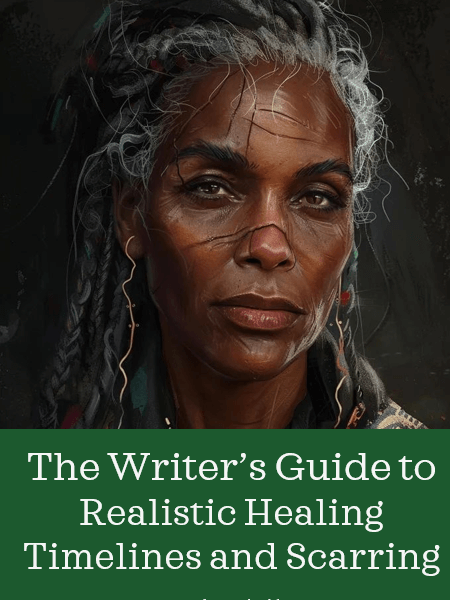
In fiction, injuries often happen at the speed of plot. A hero is impaled one day and sword-fighting the next. A broken arm is forgotten by chapter three. But realistic recovery doesn’t just make your story believable, it deepens emotion, develops character, and adds tension through limitation. Healing takes time. It also leaves traces, not […]
The Writer’s Guide to Healing Herbs and Other Treatments
Posted on January 16, 2026 Leave a Comment

Before antiseptics, antibiotics, and modern surgery, healers relied on the natural world to treat wounds and illnesses. Herbs, roots, resins, and animal products formed the foundation of medicine from ancient Egypt through the 19th century, and they still appear in fantasy, historical, and even post-apocalyptic fiction. When written accurately, herbal medicine can lend authenticity to […]
The Writer’s Guide to the Long-term Effects of Injuries
Posted on January 2, 2026 Leave a Comment
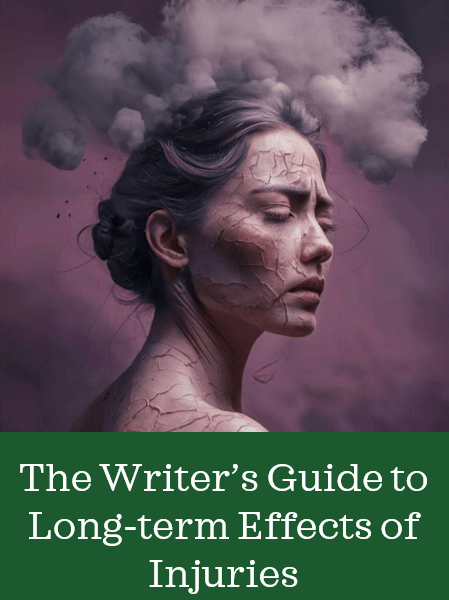
When a character survives an injury in fiction, that’s often where the story ends. The hero limps off into the sunset or awakens in a hospital bed, battered but triumphant. Yet for real people, recovery doesn’t stop when the bleeding does. It continues for months or years afterward. The long-term effects of injury – chronic […]
The Writer’s Guide to Psychological Trauma from Injuries
Posted on December 19, 2025 Leave a Comment

The broken bone, the blood, and the fever often take center stage when a character suffers a physical injury in a story. But many survivors of serious injuries will tell you that the psychological aftermath lasts far longer than the physical wounds. For writers, portraying the emotional impacts, PTSD, and character reactions realistically not only […]
The Writer’s Guide to Infections and Complications
Posted on December 5, 2025 Leave a Comment

Writers often focus on the immediate drama of a character’s injury in fiction: the sword strike, the fall, or the gunshot. But some of the most dangerous threats come later, when the wound that seemed survivable turns deadly because of infection and complications. From battlefield fevers in medieval sagas to post-surgical sepsis in sci-fi, understanding […]
The Writer’s Guide to Torn Ligaments and Tendons
Posted on November 21, 2025 2 Comments
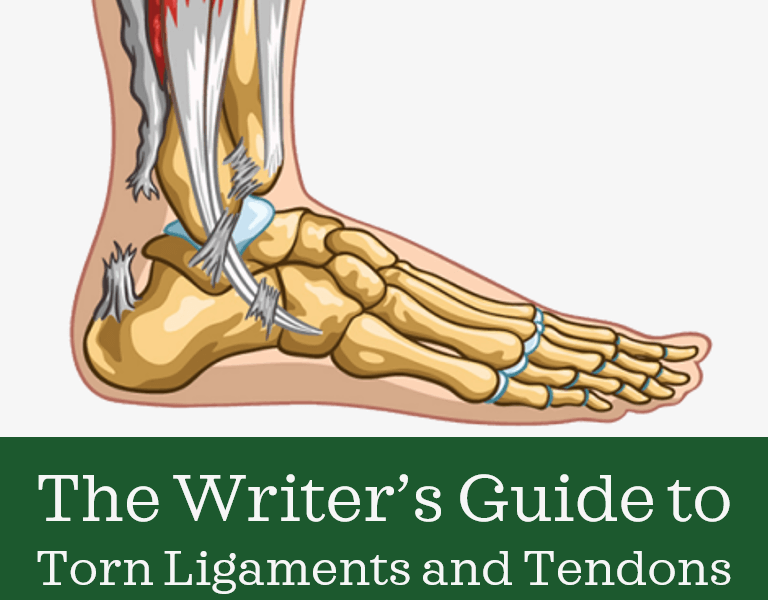
Not all dramatic injuries involve swords, bullets, or fire. Some of the most debilitating and narratively useful injuries are the ones that don’t look dramatic at all: torn ligaments and tendons. A character may walk away from a fall, jump, or sudden movement looking fine, only to discover their body won’t support them when they […]
The Writer’s Guide to Heatstroke and Dehydration
Posted on November 7, 2025 Leave a Comment

Extreme heat can be just as dangerous and narratively rich as any battlefield injury. For writers, depicting heatstroke and dehydration accurately can raise tension, add realism, and create both physical and emotional challenges for your characters. Whether your setting is a scorching desert, a futuristic mining colony, or a medieval battlefield in midsummer, understanding the […]
The Writer’s Guide to Frostbite and Hypothermia
Posted on October 24, 2025 Leave a Comment
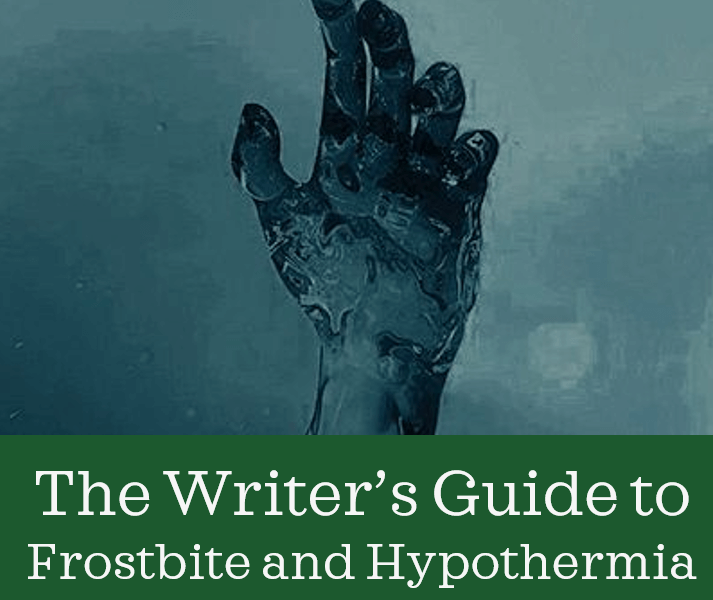
From alpine fantasy quests to crash-landed astronauts on an icy moon, cold exposure is a rich and dramatic source of conflict in fiction. But to write it convincingly and avoid falling into Hollywood tropes, you’ll need to understand the real dangers of cold, especially frostbite and hypothermia. The Difference Between Frostbite and Hypothermia Though they […]
The Writer’s Guide to Blunt Force Trauma
Posted on October 10, 2025 Leave a Comment
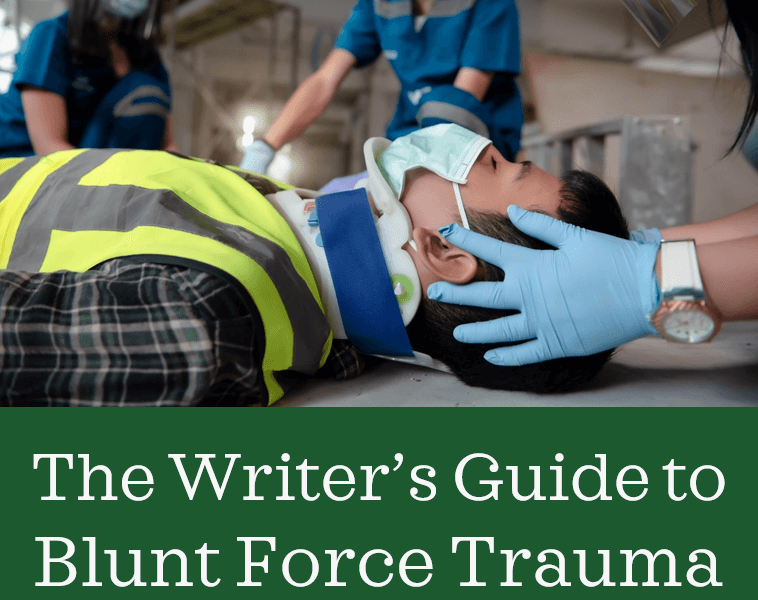
If you watch any police procedural shows, you have probably heard a ME tell the investigator that the cause of death is blunt force trauma. But what is it? Blunt force trauma is one of the most versatile and dramatic injuries in fiction. Whether your character is in a car crash, hit with a baseball […]
The Writer’s Guide to Internal Bleeding
Posted on September 26, 2025 Leave a Comment
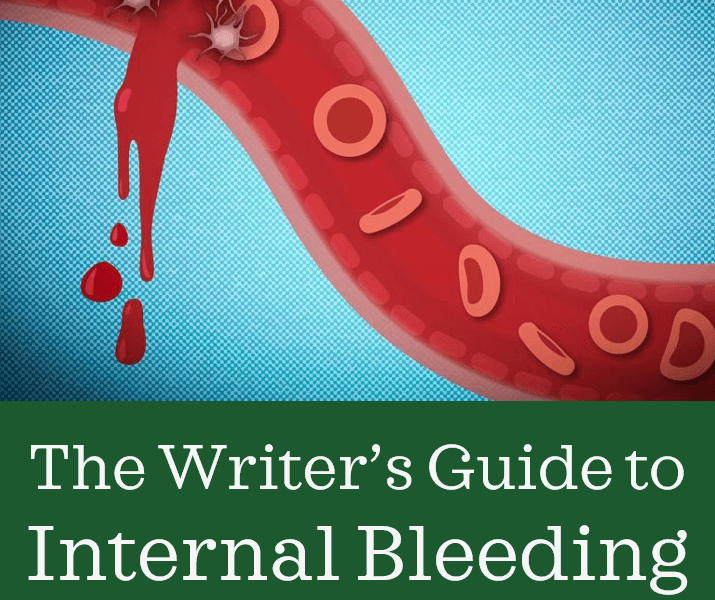
Internal bleeding doesn’t always look dramatic on the outside, which is exactly why it can be so dangerous. Unlike cuts or visible wounds, internal bleeding often happens quietly, only revealing itself through subtle symptoms until it becomes life-threatening. For fiction writers, it’s a powerful device for tension and realism, the hidden injury that escalates when […]
 Rebecca Shedd - Author