The Writer’s Guide to Blunt Force Trauma
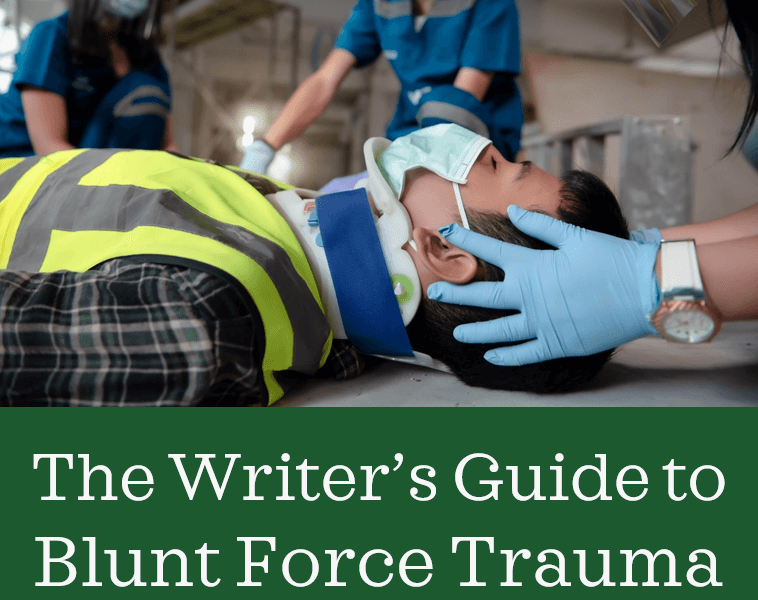
If you watch any police procedural shows, you have probably heard a ME tell the investigator that the cause of death is blunt force trauma. But what is it? Blunt force trauma is one of the most versatile and dramatic injuries in fiction. Whether your character is in a car crash, hit with a baseball bat, or thrown against a wall by magic, blunt force trauma can create tension, reveal vulnerability, and raise the stakes in your story.
But because it doesn’t always look severe from the outside, many writers either overplay or underplay its effects. This article will help you depict blunt force trauma accurately.
What Is Blunt Force Trauma?
Blunt force trauma happens when a body is struck by a forceful impact without piercing the skin. Unlike penetrating trauma (bullets, knives), blunt trauma crushes, compresses, or tears tissues and organs.
Examples in fiction include a soldier hit by an explosion shockwave, a detective thrown down a flight of stairs, a fantasy hero struck by an ogre’s club, and a pedestrian struck by a vehicle
Depending on the force and where it lands, blunt trauma can cause anything from bruises to instant death.
Specific Organs and Systems at Risk
Blunt force trauma can damage nearly any part of the body, but here are some of the most critical injuries by location.
Head and Brain
Injuries: Concussion, skull fracture, brain contusion (bruising), epidural or subdural hematoma (bleeding inside the skull)
Signs: Loss of consciousness, confusion, slurred speech, nausea or vomiting, uneven pupils, seizures
Danger: Brain swelling and bleeding can quickly become fatal.
Chest
Injuries: Rib fractures, flail chest (multiple ribs broken in more than one place), pulmonary contusion (lung bruising), cardiac contusion (heart bruising), tension pneumothorax (collapsed lung)
Signs: Difficulty breathing, chest pain, coughing up blood, blue lips or fingertips
Danger: Respiratory failure or cardiac arrest.
Abdomen
Injuries: Liver or spleen laceration (heavy internal bleeding), kidney damage, bowel rupture
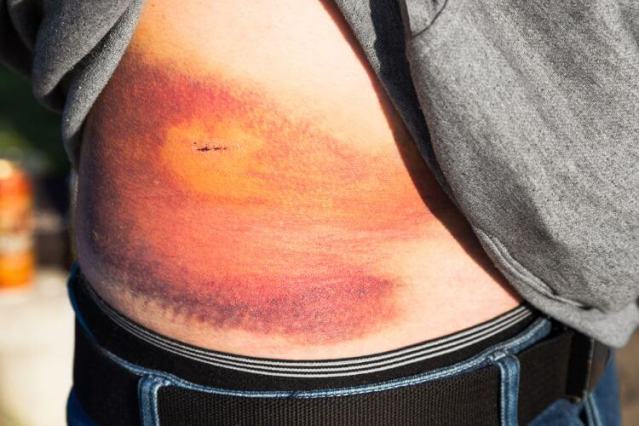
Signs: Abdominal swelling or bruising, severe pain or tenderness, weak, rapid pulse, pale, sweaty skin
Danger: Hidden internal bleeding leading to shock and death.
Limbs and Musculoskeletal
Injuries: Fractures, crush injuries, large hematomas (bleeding under the skin)
Signs: Obvious deformity, severe pain, loss of movement or sensation
Danger: Blood loss into tissues, compartment syndrome (pressure buildup that cuts off circulation)

Why Blunt Trauma Is Dangerous
Hidden Damage: The outside may look fine while organs are bleeding inside.
Shock: Massive internal bleeding can drop blood pressure quickly.
Delayed Symptoms: Someone may walk and talk after injury but deteriorate hours later.
Secondary Complications: Swelling, infection, or clotting issues can worsen outcomes.
Signs and Symptoms
Not every character will show all signs right away.
Depending on severity, look for:
Severe pain and tenderness
Rapid breathing and heartbeat
Confusion or loss of consciousness
Vomiting blood (GI injuries)
Swelling or bruising
Pale, cold, sweaty skin
Difficulty breathing (chest injury)
Weakness or numbness (nerve damage)
Writing Tips
Don’t overdo instant collapse: Many victims stay conscious at first.
Remember delayed deterioration: Characters might worsen after hours.
Respect limitations of first aid: Lay rescuers can’t fix massive internal injuries.
Show consequences: Recovery is long and painful, with possible disability.
Match injury to force and context: A fall from 10 feet is different from a car crash.
Be consistent: If a blow is strong enough to throw someone across a room, it’s strong enough to break bones.
Reflect the world: Healing options and beliefs shape the story as much as the injury itself.
Examples
Contemporary Thriller: A woman is punched in the chest during a mugging. She feels winded but goes home. Hours later, she develops chest pain and shortness of breath, a delayed pneumothorax. She collapses before she can call for help.
Fantasy Adventure: A ranger is slammed into a tree by an ogre. Though she rises and draws her sword, she’s internally bleeding from a ruptured spleen. She fights on, only to collapse after victory, forcing her companions to rush her to the nearest healer.
Depicting Blunt Force Trauma by Genre
Whether it’s a knight struck by a mace, a detective in a car crash, or a cyborg thrown across a starship, the same core injury can look and feel completely different depending on the genre.
Here’s a genre-by-genre guide on how these injuries occur and how you can depict them realistically and vividly.
Contemporary Fiction
Common Causes
Car crashes: The most common real-world cause. Seatbelts save lives but can bruise ribs and organs.
Falls: From stairs, ladders, or scaffolding.
Sports injuries: Football tackles, boxing blows, skiing crashes.
Assaults: Punches, kicks, or strikes with blunt objects (bats, crowbars).
Industrial accidents: Falling objects, machine entrapment.
Depiction Notes
Readers expect realistic symptoms and progression.
Injuries will be assessed quickly with paramedics, trauma teams, and imaging tools.
Survival and recovery depend on how fast help arrives, the severity of internal injuries, and access to surgery and modern care
Tone and Focus
Create tension through delayed symptoms: A character insists “I’m fine,” then collapses.
Show the psychological impact: fear, trauma, guilt.
Use realism: fractured ribs take weeks to heal and make every breath hurt.
Example: A detective is tackled down concrete stairs. At first, he jokes about the bruises but later, he’s coughing up blood from a punctured lung.

Historical Fiction
Common Causes
Melee combat: Maces, hammers, clubs, shields, fists.
Siege warfare: Falling debris, catapult stones, battering rams.
Accidental falls: From ramparts or horseback.
Punishments: Beatings or blunt weapons used in executions.
Depiction Notes
Limited medical understanding.
Broken ribs or internal bleeding were often fatal.
“Healing” involved rest, herbal poultices, and prayer.
Little knowledge of internal injuries. Characters might believe they have a “bruise” while dying of organ rupture.
Tone and Focus
Emphasize brutal consequences: A knight might keep fighting with cracked ribs but die later.
Use historical detail: A medieval surgeon probing a wound by candlelight.
Show cultural attitudes: Stoicism, honor in dying from wounds, religious interpretations.
Example: A squire is struck in the chest by a war hammer. He rides away, gasping, unaware his spleen is torn. He dies days later, a “mystery illness” that no one understands.
Fantasy
Common Causes
Monster attacks: Troll fists, dragon tail swipes, giant boulders.
Magical impacts: Shockwaves, concussive spells, telekinetic slams.
Blunt weapons: War clubs, enchanted hammers, cursed flails.
Falls: From castle walls, airships, or giant mounts.
Depiction Notes
You can combine realistic physics with fantastical elements such as an ogre’s punch that pulverize bone, a magical barrier that reduce damage but does not eliminate it.
Healing can range from simple herbal poultices (which help only minor bruises), potions that accelerate natural healing, or divine or arcane magic that instantly repairs crushed organs if the price is paid.
Tone and Focus
Blunt trauma can symbolize the hero’s mortality, even in a world of magic, the cost of power if healing magic is limited or taboo, or the physical price of fighting monsters.
Example: A mage is thrown into a stone wall by a wyvern’s tail. Though she casts a protection spell midair, she fractures her pelvis. Even with magic, she needs weeks to recover and her power is weakened during that time.

Science Fiction
Common Causes
Spaceship crashes: Sudden deceleration injuries (organs tearing from inertia).
Powered exosuit failures: A servo overload crushes the wearer.
Alien weapons: Energy blasts with concussive force.
Zero-gravity impacts: Being flung into bulkheads.
Depiction Notes
Blend medical realism with speculative technology:
Advanced scans detect internal bleeding instantly.
Biofoam or nanobots can temporarily seal ruptures.
Exoskeletal braces stabilize fractures.
Injuries can have unique complications such as alien physiology (e.g., double circulatory systems) or genetic augmentations that respond unpredictably to trauma.
Tone and Focus
Explore ethical dilemmas:
Who gets access to advanced healing?
Is a cybernetic replacement still “you”?
Use trauma to challenge the illusion of invincibility in high-tech settings.
Example: A pilot in a powered armor suit is hit by a railgun blast. Though shields absorb most of the energy, the shockwave shatters her spine. She survives thanks to a med drone’s emergency exosplint but her neural implants are damaged, blurring her perception of reality.
Treatments Through Time and Genre
Blunt force trauma has always been a challenge for healers because much of the damage is hidden beneath the skin. Throughout history, survival depended on the location of the injury, severity, and luck as much as the skill of the healer.
Below is an overview of what care looked like (and still looks like today) and how you can adapt it for fantasy and science fiction.
Ancient World (Pre-500 AD)
Broken bones were known and could sometimes be set. Internal bleeding and organ damage were mysterious and usually fatal. Swelling, bruising, and pain were attributed to imbalances of humors or the will of the gods.
Typical Treatments
Immobilization: Simple splints of wood, reeds, or linen. Bandaging to keep limbs still.
Poultices and compresses: Honey, wine, oil, or crushed herbs applied to bruises. Cold water or mud to reduce swelling.
Pain management: Alcohol, opium poppy preparations, willow bark infusions.
Rest and ritual: Bed rest under supervision of family or priests. Offerings to gods or spirits.
Limitations
No knowledge of infection.
No ability to stop internal bleeding.
No anesthesia.
Severe injuries often led to shock and death.
Example: A Roman legionary with cracked ribs is treated with herbal compresses and confined to quarters. If he can still breathe, he survives.

Middle Ages (500–1500 AD)
Some surgeons (barber-surgeons) gained more experience with fractures from war. Internal injuries remained poorly understood. Swelling and bruising were sometimes blamed on curses or evil humors.
Typical Treatments
Bone setting: Traction and splints applied by experienced healers. Crude braces made from wood and cloth.
Bloodletting and leeches: Used (often wrongly) to “balance humors.”
Poultices: Warmed herbs like comfrey (“bone-knit”) for swelling.
Immobilization: Slinging limbs or binding the chest.
Pain management: Alcohol, opiates, or soporific sponges (vinegar and herbs on cloth).
Limitations
No sterilization or antiseptics.
Inability to treat internal bleeding.
Many died of complications like pneumonia or sepsis.
Example: A knight thrown from his horse survives with broken ribs. A healer binds his chest with linen and administers poppy juice, praying the damage isn’t worse.
18th and 19th Centuries
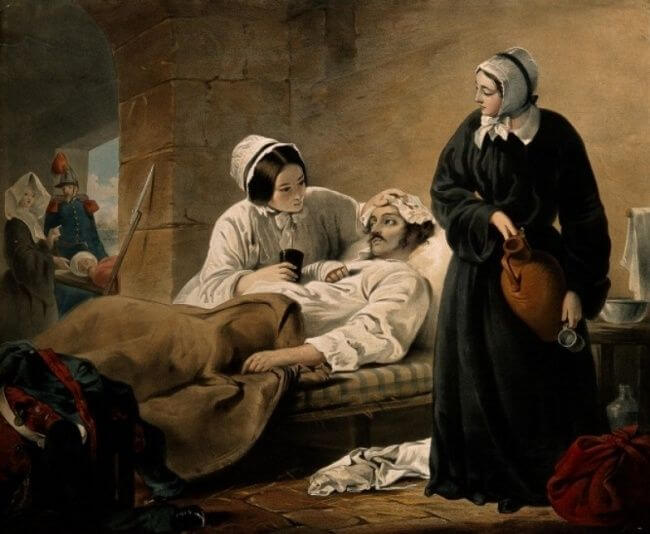
Anatomy improved through dissection and battlefield experience. Fracture care advanced with splint design (e.g., the Thomas splint). Surgeons began to attempt abdominal operations though with high mortality.
Typical Treatments
Splinting and traction: Improved braces and traction devices.
Surgical intervention: Occasional attempts to drain internal bleeding or repair ruptured organs.
Anesthesia: Ether and chloroform used from the mid-1800s.
Antiseptics: Lister’s carbolic acid reduced infection.
Observation: Doctors recognized signs of internal bleeding (weak pulse, pallor, distended abdomen).
Limitations
Even with anesthesia, survival rates for abdominal surgery were low.
Internal injuries often still fatal.
Example: A Civil War surgeon recognizes internal bleeding from a cannon blast. He performs exploratory surgery by lantern light, knowing success is unlikely.
Contemporary Medicine
Blunt force trauma care is a core part of modern emergency medicine. Treatment depends on injury severity and location.
Typical Treatments
Field Stabilization: Spine immobilization. Airway management. IV fluids and oxygen.
Imaging: X-rays, ultrasound (FAST scan), CT scans to locate bleeding.
Surgery: Emergency laparotomy for abdominal bleeding. Chest tube insertion for pneumothorax.
Pain control: Morphine or other analgesics.
Rehabilitation: Physical therapy for fractures, bruised muscles, and nerve damage.
Example: A paramedic team arrives at a crash scene, stabilizes a patient with suspected spleen rupture, and speeds them to the trauma center for surgery.
Fantasy
Possible Treatments
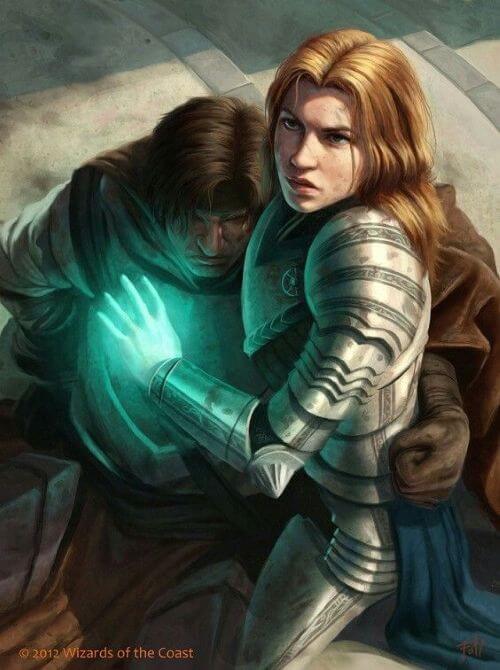
Herbal and Mundane Care: Splints made of enchanted wood or bone. Poultices with magical herbs that hasten clotting. Compresses infused with alchemical salves to reduce swelling.
Magical Healing: Spells that close ruptured vessels, re-knit bones instantly, or draw “dark humors” from bruised flesh.
Healing potions: May restore tissue but cause exhaustion or cost rare ingredients.
Divine intervention: Healers channel gods’ power, often limited by ritual, cost, or merit.
Narrative Considerations
Magical healing should have rules and consequences.
Not all injuries may be healable, especially curses or magic-inflicted trauma.
Example: A druid channels life magic to repair a ranger’s shattered ribs, but drains her own strength, leaving her weakened for days.
Science Fiction Treatments
Possible Treatments
Biofoam: Injected into wounds to stop internal bleeding.
Nanobots: Micro-robots that seal vessels and repair tissue.
Regeneration Chambers: Accelerate healing with gene therapy.
Cybernetic replacements: Internal organs replaced with synthetic equivalents.
Narrative Considerations
Advanced treatments can create social disparities (who gets the best care?).
Technology can fail, glitch, or be sabotaged.
Characters might grapple with identity if their body is partly synthetic.
Example: After an exosuit collapse, a soldier is stabilized with nanobot injections but the bots also record everything he sees, forcing him to decide whether to trust his own memories.
Plot and Character Ideas
Blunt force trauma is a powerful plot catalyst because it’s both common and unpredictable. It can happen in an instant, change everything, and leave lasting physical and emotional scars. Here are plot and character ideas across contemporary, historical, fantasy, and science fiction to spark your imagination:
Contemporary
The Survivor’s Guilt
A paramedic saves a driver from a car crash. The victim has no visible wounds but dies hours later because of internal bleeding. The paramedic spirals into self-doubt, convinced he missed something and sets out to uncover why the injuries were fatal.
The Star Athlete
A rising football star sustains a hidden spleen injury during a game. Desperate to maintain his career, he hides the pain until he collapses on live TV. Now, he must fight for his life and reputation as accusations of negligence swirl.
The Silent Witness
A woman is attacked in her home and struck repeatedly with a blunt object. She survives but suffers from retrograde amnesia. As her memory slowly returns, she begins to suspect that someone she trusts was behind the assault.
Historical
The Broken Knight
A seasoned knight is thrown from his warhorse during battle, suffering a chest injury. Though he survives the field, he faces weeks of breathless agony and a political struggle to keep his lands while confined to his bed.
The Executioner’s Apprentice
During a public punishment, an apprentice executioner hesitates with the cudgel blow, leaving the condemned alive but mortally wounded. Now, he must reckon with guilt and fear as the victim’s family plots revenge.
The Siege Casualty
During a castle siege, a young squire is struck by falling stone debris. Though outwardly bruised but mobile, he hides the injury out of pride only to realize he’s dying from internal bleeding as the walls finally fall.
Fantasy
The Mage’s Limit
A wizard battles an ogre and narrowly survives being hurled into a stone wall. Though he lives, the trauma crushes several ribs and bruises his lungs. While the kingdom expects him to defend them again, he must reconcile his frailty with the myth of his invincibility.
The Druid’s Bargain
A druid is crushed beneath a collapsing tree while protecting her sacred grove. She accepts a fey pact to save her life. Her bones knit instantly, but her spirit is now bound to the forest, unable to ever leave.
The Gladiator’s Mask
A champion gladiator suffers a severe head injury in the arena. Though he survives, he can no longer see in one eye. Forced to wear a helm that hides his weakness, he trains to fight again, haunted by visions of the blow that almost killed him.
Science Fiction
The Zero-G Accident
A maintenance worker aboard a deep-space station is slammed into a bulkhead during a gravity failure. Though she seems to recover, micro-bleeds in her brain begin to cause hallucinations and she must distinguish real threats from illusions to save the crew.
The Bioengineered Soldier
An augmented marine with reinforced bones is hit by an alien war hammer, an impact designed to defeat armor. Though the implants keep him alive, the damage is so severe he’s left paralyzed, triggering a crisis of identity and loyalty.
The Stowaway’s Secret
A fugitive stowaway hides in a cargo hold and is injured when a container shifts during acceleration. Bleeding internally, he must reveal himself to the crew and plead for help before he dies, all while concealing the data chip that could change the fate of the war.
Cross-Genre and Symbolic
The Reluctant Heir
A ruler’s only heir is struck with a bludgeon during a rebellion. Though he survives, the trauma leaves him physically weakened and dependent on others, forcing him to earn the loyalty of a kingdom that doubts his strength.
The Exile’s Redemption
Banished for cowardice, a soldier returns when his homeland is attacked. In the climactic battle, he saves his people but suffers a catastrophic impact. As he lies dying of internal injuries, he becomes a symbol of sacrifice and reconciliation.
The Masked Avenger
A vigilante known for her agility is ambushed and hit with a lead pipe. Surviving with spinal injuries, she must rebuild her body and her resolve while her enemies believe she’s dead.
Blunt force trauma is compelling because it combines the familiar and the unpredictable. A bruise may be nothing or the start of a fatal spiral. By portraying it accurately, you’ll give your readers gripping, believable scenes that honor the stakes of violence and survival.
I hope this was helpful. Let me know if you have questions or suggestions by using the Contact Me form on my website or by writing a comment. I post every Friday and would be grateful if you would share my content.
If you want my blog delivered straight to your inbox every month along with exclusive content and giveaways, please sign up for my email list here.
Let’s get writing!
Copyright © 2025 Rebecca Shedd. All rights reserved.

