Historical Writing Category
The Writer’s Guide to Eye Injuries
Posted on September 12, 2025 Leave a Comment

Eye injuries in fiction are uniquely visceral. They invoke immediate vulnerability, suggest loss of perception or awareness, and dramatically affect a character’s abilities and psychology. From minor irritations to permanent blindness, these injuries can serve as powerful narrative turning points, but only when handled with realism and respect. In this blog post, I will explore […]
The Writer’s Guide to Amputations and Severe Limb Injuries
Posted on August 29, 2025 Leave a Comment
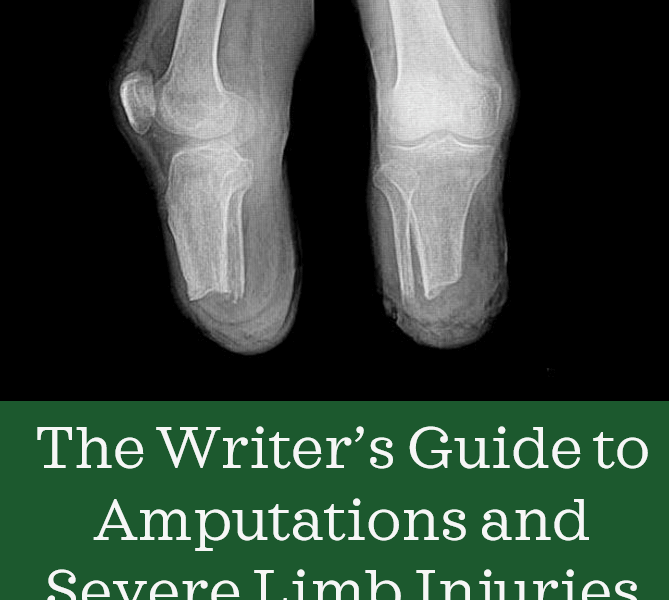
Amputations and severe limb injuries are high-stakes narrative moments that can dramatically alter a character’s role, psychology, and relationships. From the battlefield to the back alley, these injuries evoke visceral emotion, but they also come with real-world implications that fiction often glosses over. This article will guide you through the essential elements of realistically depicting […]
The Writer’s Guide to Venom
Posted on August 15, 2025 Leave a Comment

Venom is a biological weapon with bite – fast, deadly, and often misunderstood. Nature has used it for millions of years to paralyze, kill, or subdue prey, and it makes a powerful storytelling device in fiction. Whether your character is battling a serpent in the jungle, stung by a sci-fi insect, or cursed by a […]
The Writer’s Guide to Poisoning
Posted on August 1, 2025 1 Comment

From Shakespearean tragedies to spy thrillers to medieval murder plots, poisoning has long been a favorite tool for fiction writers. It’s stealthy, dramatic, symbolic and, when done well, devastating. But writing poisoning realistically requires more than tossing a mysterious powder into a goblet. Readers today are savvy, and sloppy depictions can break immersion fast. This […]
The Writer’s Guide to Bites and Claws
Posted on July 18, 2025 2 Comments

Whether it’s a feral animal, a brutal hand-to-hand fight, or a supernatural creature sinking its teeth in, bites and claw wounds are savage, intimate, and dangerous. More than just blood and pain, these injuries carry high infection risks, complicated healing, and long-lasting trauma. In fiction, they’re often used to escalate tension, signal a character’s descent […]
The Writer’s Guide to Stab Wounds
Posted on July 4, 2025 Leave a Comment
Stab wounds can be quick and deadly, slow and painful, or messy and traumatic depending on location, depth, weapon type, and the world your story inhabits. However, a well-written stabbing scene isn’t just about blood – realistic portrayal involves anatomy, physics, psychology, and consequences. This guide will help you realistically depict stab wounds, explaining how […]
The Writer’s Guide to Gunshot Wounds
Posted on June 20, 2025 3 Comments

Gunshot wounds are high-stakes injuries often used to raise tension, shift plot direction, or force characters into survival situations. But in fiction, they’re also frequently misrepresented. A character shrugs off a bullet to the shoulder and runs a mile. Another takes a shot to the gut and delivers a rousing speech while bleeding out. While […]
The Writer’s Guide to Dislocations
Posted on June 6, 2025 Leave a Comment
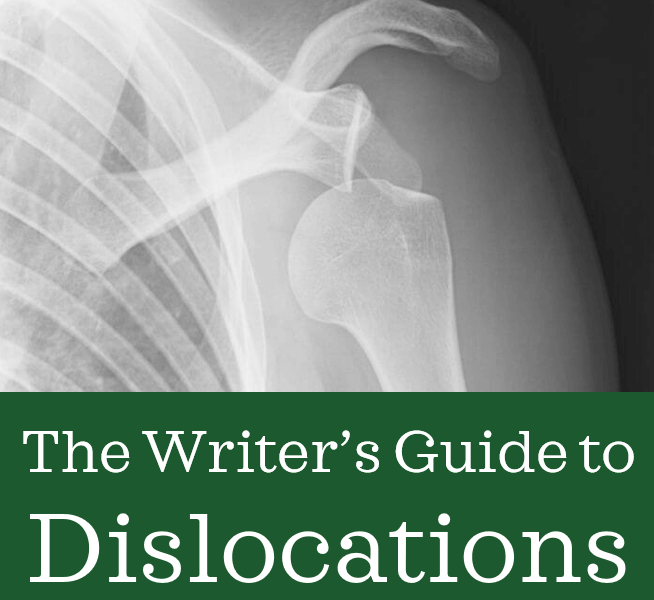
A forcibly displaced joint causes excruciating and debilitating injuries. Unlike fractures, where bones break, a dislocation affects the connective tissues that hold joints together, often tearing ligaments and stretching tendons. Writing realistic dislocations requires understanding which joints are affected, symptoms, appearance, and long-term effects. This article will guide you through writing authentic and compelling injury […]
The Writer’s Guide to Cuts and Lacerations
Posted on May 23, 2025 Leave a Comment

Cuts and lacerations are some of the most common injuries in fiction, appearing in everything from battle scenes to survival narratives. While they may seem simple to write, understanding the difference between cuts and lacerations, degrees of depth, severity, bleeding patterns, symptoms, and long-term effects can add realism and gravity to your storytelling. This article […]
The Writer’s Guide to Burns
Posted on May 9, 2025 Leave a Comment
Burns are some of the most painful and visually striking injuries a character can endure. Whether caused by fire, chemicals, or magic, burns add tension, vulnerability, and long-term consequences to a story. Writing them realistically requires an understanding of their degrees, symptoms, appearance, treatment, and long-term effects. This guide will help you craft authentic, impactful […]
 Rebecca Shedd - Author