Writing Category
The Writer’s Guide to Heatstroke and Dehydration
Posted on November 7, 2025 Leave a Comment
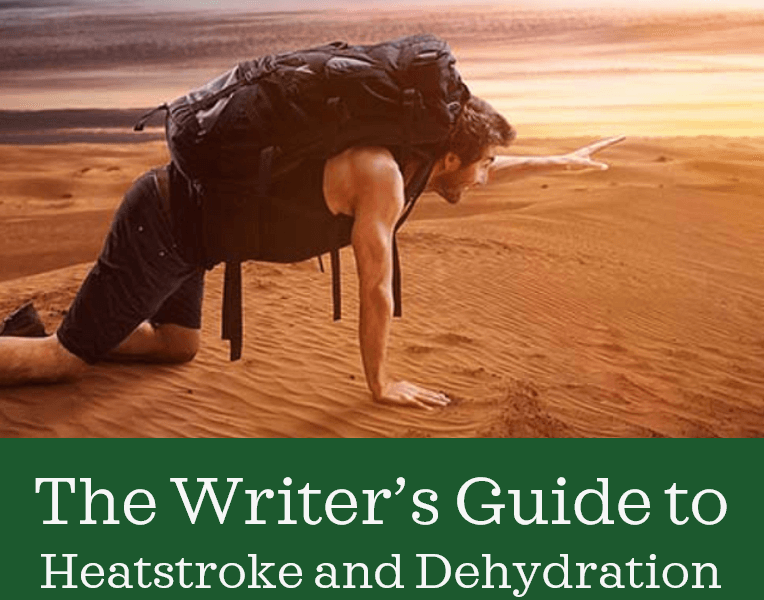
Extreme heat can be just as dangerous and narratively rich as any battlefield injury. For writers, depicting heatstroke and dehydration accurately can raise tension, add realism, and create both physical and emotional challenges for your characters. Whether your setting is a scorching desert, a futuristic mining colony, or a medieval battlefield in midsummer, understanding the […]
The Writer’s Guide to Frostbite and Hypothermia
Posted on October 24, 2025 Leave a Comment
From alpine fantasy quests to crash-landed astronauts on an icy moon, cold exposure is a rich and dramatic source of conflict in fiction. But to write it convincingly and avoid falling into Hollywood tropes, you’ll need to understand the real dangers of cold, especially frostbite and hypothermia. The Difference Between Frostbite and Hypothermia Though they […]
The Writer’s Guide to Blunt Force Trauma
Posted on October 10, 2025 Leave a Comment
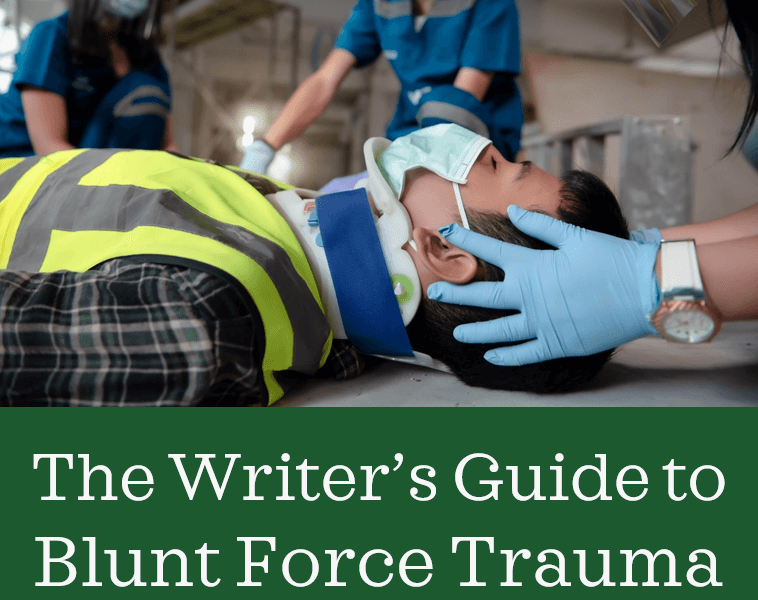
If you watch any police procedural shows, you have probably heard a ME tell the investigator that the cause of death is blunt force trauma. But what is it? Blunt force trauma is one of the most versatile and dramatic injuries in fiction. Whether your character is in a car crash, hit with a baseball […]
The Writer’s Guide to Internal Bleeding
Posted on September 26, 2025 Leave a Comment
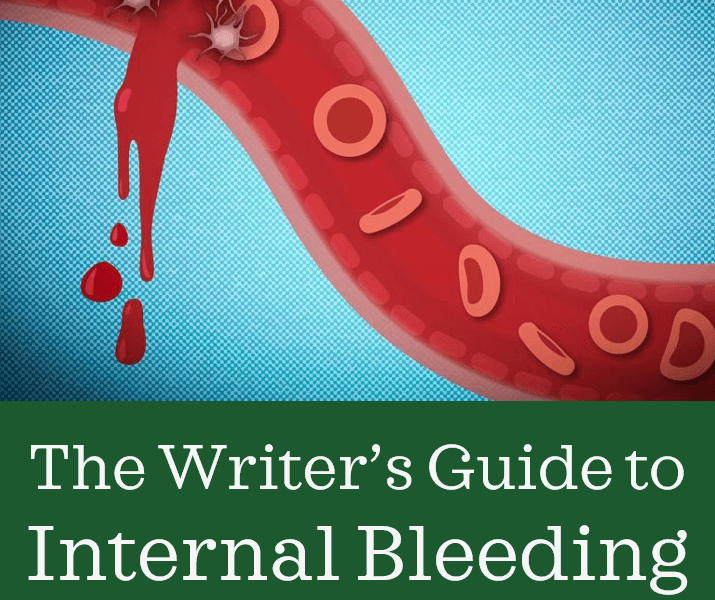
Internal bleeding doesn’t always look dramatic on the outside, which is exactly why it can be so dangerous. Unlike cuts or visible wounds, internal bleeding often happens quietly, only revealing itself through subtle symptoms until it becomes life-threatening. For fiction writers, it’s a powerful device for tension and realism, the hidden injury that escalates when […]
The Writer’s Guide to Eye Injuries
Posted on September 12, 2025 Leave a Comment

Eye injuries in fiction are uniquely visceral. They invoke immediate vulnerability, suggest loss of perception or awareness, and dramatically affect a character’s abilities and psychology. From minor irritations to permanent blindness, these injuries can serve as powerful narrative turning points, but only when handled with realism and respect. In this blog post, I will explore […]
 Rebecca Shedd - Author