
The Worldbuilder’s Toolkit: Political Systems
Posted on July 5, 2024 Leave a Comment
Political systems can be components that shape the landscape of power, conflict, and intrigue in your story. From the feudal kingdoms of epic fantasy to the galactic empires of space opera, the political structures and rivalries of these worlds add depth and realism add provide many possibilities for plots. In this guide, I’ll explore how to create political systems, from developing unique systems of governance to creating characters that wield political power or are subject to it.
Creating Political Systems
Start by defining the type of government that rules your world. Is it a monarchy, a democracy, a dictatorship, or something else entirely? Consider how this system distributes power and makes decisions.
Define the political structure of your government, including the roles and responsibilities of different offices and officials. Consider how the government maintains the hierarchy of power.
Develop the laws and customs that govern your society. Consider how people enforce these laws and how they reflect the values and beliefs of the culture.
Explore the political dynamics of your world, including the balance of power between different factions, the influence of external forces, and the potential for conflict and intrigue.
Types of Government
Below, I have listed some of the most common political systems found in science fiction, along with their key characteristics and examples from popular works of fiction. However, this does not mean that you cannot create an entirely new form of government for your story or combine elements from any of the ones I’ve listed.
Absolute Monarchy
A single ruler, usually a king or queen, exercises absolute authority over the state.
Examples: The Targaryen dynasty in George R.R. Martin’s “A Song of Ice and Fire” series; the Empire in Frank Herbert’s “Dune.”
Constitutional Monarchy
A constitution or laws limits a monarch’s powers, and there is usually a parliamentary system in place.
Examples: The United Kingdom; the constitutional monarchy in Robert Jordan’s “Wheel of Time” series.
Oligarchy
The people hold power, often by a specific social, economic, or political elite.
Examples: The Council of Elders in Lois Lowry’s “The Giver,” the oligarchy in Isaac Asimov’s “Foundation” series.
Republic
Power is held by the people, usually through elected representatives, although they can also directly vote on some issues.
Examples: The Galactic Republic in “Star Wars,” the Commonwealth in Philip Pullman’s “His Dark Materials” series.
Direct Democracy
All citizens have a direct say in decision-making, usually through voting on issues.
Examples: The city-states of ancient Greece; the democracy in Ursula K. Le Guin’s “The Dispossessed.”
Representative Democracy
Citizens elect representatives to decide on their behalf.
Examples: The United States; the democracy in Brandon Sanderson’s “Mistborn” series.
Dictatorship
A single individual concentrates power in their hands, often through force or coercion.
Examples: The Capitol in Suzanne Collins’ “The Hunger Games,” the chancellor in “V for Vendetta.”
Authoritarian Regime
Those in power centralize authority and restrict individual freedoms, often through surveillance and censorship.
Examples: The Party in George Orwell’s “1984,” the World Controllers in Aldous Huxley’s “Brave New World.”
Totalitarian Regime
The state seeks to control every aspect of public and private life, often through propaganda and indoctrination.
Examples: The Empire in George Lucas’ “Star Wars,” the Imperium of Man in the “Warhammer 40,000” universe.
Technocracy
Government in which decision-making is based on the expertise of technical and scientific professionals.
Examples: The TechnoCore in Dan Simmons’ “Hyperion Cantos,” the technocracy in Ian McDonald’s “Luna” series.
Communism
The means of production are owned and controlled by the community.
Examples: The society in Karl Marx’s “Communist Manifesto,” the society in China Miéville’s “The Iron Council.”
Socialism
The means of production are owned and controlled by the state or the community, with an emphasis on social welfare.
Examples: The society in Ursula K. Le Guin’s “The Dispossessed,” the society in Kim Stanley Robinson’s “Mars” trilogy.

Using Political Systems in Storytelling
Political systems play a crucial role in shaping your world and characters. They can create conflict, drive the plot, and develop characters.
Absolute Monarchy
Plot Impact: The absolute power of a monarch can lead to conflicts over succession, rebellion by oppressed subjects, or internal power struggles within the royal family.
Character Impact: A desire to gain or maintain power may motivate characters, or they may struggle against the tyranny of the monarch.
Constitutional Monarchy
Plot Impact: The limitations placed on the monarch’s power can lead to political intrigue, as factions vie for influence over the monarch or seek to change the constitution.
Character Impact: Characters may experience a conflict between loyalty to the monarch and allegiance to their faction, or they may actively exploit loopholes in the constitution for their own gain.
Oligarchy
Plot Impact: The concentration of power in the hands of a few can lead to corruption, oppression of the masses, or conflicts between rival factions.
Character Impact: Characters may be members of the ruling elite, seeking to maintain their power, or they may be rebels fighting against the oligarchy.
Republic
Plot Impact: The democratic nature of a republic can lead to debates, political maneuvering, and clashes of ideology.
Character Impact: Characters may be politicians seeking to advance their agendas, or they may be ordinary citizens caught up in the political turmoil.
Direct Democracy
Plot Impact: The direct involvement of citizens in decision-making can lead to debates, referendums, and political rallies and riots.
Character Impact: Characters may be activists advocating for change, or they may be politicians trying to sway public opinion.
Representative Democracy
Plot Impact: The election of representatives can lead to campaigns, debates, and political scandals.
Character Impact: Characters may be politicians running for office, or they may be voters deciding who to support.
Dictatorship
Plot Impact: The dictatorial rule can lead to oppression, resistance movements, and power struggles within the ruling elite.
Character Impact: Characters may be rebels fighting against the dictator, or they may be loyalists seeking to maintain the status quo.
Authoritarian Regime
Plot Impact: The authoritarian nature of the regime can lead to surveillance, propaganda, and crackdowns on dissent.
Character Impact: Characters may be rebels fighting against the regime, or they may be enforcers tasked with maintaining order.
Totalitarian Regime
Plot Impact: The total control exerted by the regime can lead to indoctrination, thought control, and resistance movements.
Character Impact: Characters may be brainwashed by the regime, or they may be freedom fighters seeking to overthrow it.
Technocracy
Plot Impact: The rule by technical experts can lead to debates over the role of technology in society and the ethics of scientific advancement.
Character Impact: Characters may be scientists or engineers grappling with ethical dilemmas, or they may be politicians trying to navigate the complexities of a technocratic society.
Communism
Plot Impact: The communal ownership of the means of production can lead to debates over equality, redistribution of wealth, and the role of the state.
Character Impact: Characters may be revolutionaries seeking to establish communism, or they may resist its spread.
Socialism
Plot Impact: The state ownership of the means of production can lead to debates over social welfare, income inequality, and the role of government.
Character Impact: Characters may be advocates for socialism, or they may be critics seeking to prevent its spread or establishment.

Drawing Inspiration from the Real World
Real-world political systems provide a rich source of inspiration for fantasy and science fiction writers. By studying historical and modern examples from around the world, you can create more believable and immersive worlds.
Historical Examples
Feudalism: Inspired by medieval Europe, feudal systems can create hierarchical societies with lords, vassals, and serfs.
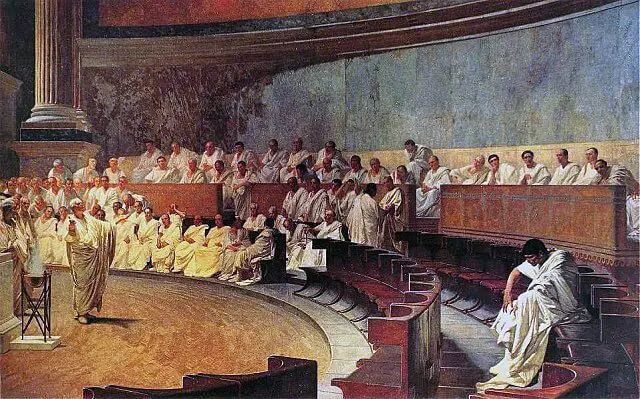
Roman Republic: The complex political structures of the Roman Republic can serve as a model for republics in fantasy worlds, with elements such as senates and assemblies.
Imperial China: The bureaucratic systems of ancient China can inspire complex governmental structures with examinations, ministries, and imperial courts.
Modern Examples
Democracy: Study the workings of modern democracies to create realistic systems of government based on popular representation and rule of law.
Dictatorships: Look at modern dictatorships for examples of oppressive regimes with centralized control and cults of personality.
Oligarchies: Examine modern oligarchies for insights into ruling elites and systems of wealth and power concentration.
Modern Political Issues
Corruption: Explore how corruption can affect political systems and factions, leading to moral dilemmas and conflicts within your world.
Globalization: Consider the impact of globalization on political systems and factions, and how it can lead to cultural clashes and power struggles.
The Impact of Magic and Technology
The presence of magic and technology can profoundly influence political systems. These elements can reshape power dynamics, influence ideologies, and drive conflicts within societies.
Power Dynamics
Magic: The ability to wield magic can create a distinct class of individuals with unique abilities, leading to the formation of magical elites or castes. This can cause power struggles between magic users and non-magic users, shaping the political landscape.
Technology: Advanced technology can similarly create a technological elite, with those who have access to advanced technology holding significant power over others. This can lead to disparities in wealth and influence, driving political tensions.
Political Structures
Magic: The presence of magic can lead to the formation of magical institutions, such as mage councils or magical academies, which may hold significant political sway. These institutions can influence policy-making and decision-making processes.
Technology: Advanced technology can lead to the creation of technocratic governments, where individuals decide based on technological expertise instead of democratic principles. This can cause governments prioritizing technological advancement over other considerations.
Military Power
Magic: In warfare, magical abilities can serve as a powerful tool, resulting in creating magical armies or orders. These military forces can play a significant role in shaping political alliances and conflicts.
Technology: Advanced technology can similarly shape military power, with factions possessing superior technology gaining a strategic advantage in conflicts. This can lead to arms races and military conflicts driven by technological superiority.
Cultural and Social Impact
Magic: The presence of magic can influence cultural beliefs and practices, shaping the values and norms of societies. This can lead to the formation of magical traditions and ideologies that affect political ideologies.
Technology: Advanced technology can similarly impact cultural beliefs and practices, leading to the formation of technological ideologies.
Economic Systems
Magic: The use of magic can create economic disparities, with magical resources or artifacts becoming valuable commodities. This can lead to economic systems based on the control and exploitation of magical resources.
Technology: Advanced technology can similarly create economic disparities, with factions controlling advanced technology gaining economic dominance. This can lead to economic systems based on technological innovation and trade.
The Writer’s Toolkit
Conflict and Tension – Use political systems to create conflict and tension in your story. Explore the competing interests and ideologies that drive these factions and the consequences of their actions.
Character Development – Use political systems to develop your characters. Show how their affiliations shape them and how they navigate the complex political landscape of your world.
World-Building – Use political systems to build a rich and immersive world. Show how these systems impact daily life, culture, and society in your world.
Start with a Strong Foundation – Begin by establishing the basic structure of your political system, including its form of government, key institutions, and governing principles. Consider how magic or technology might influence these foundational elements.
Consider Historical and Cultural Influences – Draw inspiration from real-world historical and cultural examples to add depth and realism to your political systems. Think about how factors such as geography, religion, and societal norms might shape your factions and their ideologies.
Think about Power Dynamics– Consider how your political system distributes power. Who holds power, and how do they maintain it? How do different factions compete for power, and what strategies do they use?
Integrate Magic and Technology Thoughtfully – If your world features magic or advanced technology, consider how these elements impact your political systems. Think about how they might regulate, exploit, or use them as tools of control.
Show, Don’t Tell – Rather than explaining your political systems through exposition, reveal them through character interactions, dialogue, and the unfolding of events. This can make your world feel more organic and immersive.
Create Intriguing Leaders and Characters – Develop compelling leaders and characters within your government to add depth and complexity to your political landscape. Consider their motives, backgrounds, and relationships with each other.
Think about the Impact on Daily Life – Consider how your political systems impact the daily lives of your characters. How do they affect things like education, healthcare, and social mobility?
Stay Consistent and Logical – Ensure that the rules and structures of your political systems remain consistent throughout your story. Avoid introducing elements that contradict established lore or break the internal logic of your world.
Fictional Example: The Celestial Council of Arcanum
In the world of Elyria, where magic flows like rivers and ancient artifacts of immense power lie buried beneath the earth, the Celestial Council of Arcanum reigns supreme. This council, composed of seven Archmages chosen from the most powerful magical practitioners in the land, governs over the realm.
Each Archmage represents one of the seven schools of magic, with seats on the council corresponding to their specialization (e.g., Archmage of Evocation, Archmage of Divination, etc.). The Celestial Council’s authority extends over all matters magical. Beneath the Archmages, a council of lesser mages and scholars serves as advisors, providing expertise and guidance on various magical and mundane affairs.
Consensus typically decides within the council, with each Archmage having equal weight in discussions. Unanimity is often sought but not always achieved, leading to debates and negotiations among the members.
In Elyria, magic is not just a tool but a way of life, with many aspects of society and culture revolving around magical practices and beliefs. The council oversees and ensures that they educate and train young mages, passing down magical knowledge through generations. They enforce strict regulations on the use of magic, particularly concerning dangerous spells or artifacts that could harm society. The council’s decisions and policies influence art, literature, and even religious beliefs, shaping the cultural identity of Elyrians.
Despite its noble intentions, the Celestial Council is not immune to corruption and power struggles. Factions within the council vie for influence, leading to political intrigue and conflict.
Overall, the Celestial Council of Arcanum serves as a central pillar of governance and power in the world of Elyria, embodying both the wonders and dangers of a society built on magic.

Creating political systems for your fantasy and science fiction worlds is a complex and rewarding process that adds depth and realism to your storytelling. By developing unique systems of governance, you can create a vibrant political landscape that enhances the narrative and engages your readers.
I hope this was helpful. Let me know if you have questions or suggestions by using the Contact Me form on my website or by writing a comment. I post every Friday and would be grateful if you would share my content.
If you want my blog delivered straight to your inbox every month along with exclusive content and giveaways, please sign up for my email list here.
Let’s get writing!
Copyright © 2024 Rebecca Shedd. All rights reserved.
Social media
The Worldbuilder’s Toolkit: Religions & Belief Systems
Posted on June 21, 2024 1 Comment

Religions and belief systems can serve as powerful tools for shaping worlds, characters, and narratives. Whether it’s the worship of ancient gods in a mythical land or the reverence for advanced technology in a distant future, crafting religions and belief systems adds depth and richness to your worlds. While often used interchangeably, religions and belief systems differ in their scope, structure, and impact on the characters and plot. Understanding these differences can help writers create more nuanced and engaging stories that explore the complexities of faith and belief. In this guide, I’ll explore how to world-build religions and belief systems, from drawing inspiration to developing unique practices and rituals to the impact they can have on your world and characters.
Narrative & Character Development
Religions and belief systems can provide rich narrative opportunities and drive character development. They can have a profound impact on both the plot and the characters in a story and be used to explore themes such as faith, morality, power, and identity. Characters may grapple with their beliefs, challenge the teachings of their religion, or find themselves motivated to undertake great acts of heroism or villainy in the name of their faith. They can serve as a source of conflict, driving characters to make tough decisions. They can also provide characters with a sense of purpose or belonging, motivating them to undertake epic quests or acts of heroism.
Religions
When creating religions for your world, you can draw inspiration from real-world religions, mythologies, philosophies, and ideologies. Consider the following elements:
Creation Myth – Develop a creation myth that explains the origins of the world and its inhabitants.
Deities – There are many forms that deities can take. Perhaps a pantheon of deities or spiritual beings governs your religion, each possessing their own domains and characteristics. Perhaps the religion is monotheistic or maybe the religion worships the spirits of nature. Also, consider how many religions are present in your world and how they could interact with each other. Are the interactions peaceful or confrontational?
Cosmology -Define the cosmology of your world, including the structure of the universe and the afterlife.
Moral Code – Establish a moral code or set of ethics that guides the behavior of believers.
Sacred Texts – Create sacred texts or scriptures that contain the teachings and history of the religion.
Rituals and Ceremonies – Develop rituals and ceremonies that are performed to honor the deities or mark important events.
Symbols and Icons – Design symbols and icons that represent the beliefs and values of the religion.
Religions and belief systems can have a profound impact on the cultures and societies of your world. They can shape laws, customs, art, architecture, and even the language spoken by the inhabitants. Consider how the beliefs and practices of a religion influence daily life, social interactions, and the worldview of its followers.
In fantasy worlds, practitioners may closely tie their religions to magic, believing that the gods have gifted them with their powers. In science fiction worlds, religions may revolve around advanced technology, with believers worshiping machines or artificial intelligences as divine beings. Consider how these elements shape the beliefs and practices of the religion, as well as their impact on society.
Examples:
In J.R.R. Tolkien’s “The Lord of the Rings,” the religion of the Elves revolves around the worship of the Valar, powerful beings who created the world. Characters such as Galadriel and Elrond are guided by their faith in the Valar, which influences their actions.
In Frank Herbert’s “Dune,” the religion of the Fremen revolves around the worship of the sandworms, giant creatures that inhabit the desert planet of Arrakis. This belief system shapes the culture and practices of the Fremen, influencing their interactions with other characters and factions.
Belief Systems
Belief systems are more abstract and individualistic. They encompass a person’s worldview, values, and moral code, often without the formalized structures of organized religions. Belief systems can be spiritual, philosophical, or ideological, and they can vary widely from person to person.
Belief systems can deepen characters and add layers to their motivations and actions. Characters with strong belief systems may be driven by principles that are at odds with societal norms or may find themselves in conflict with characters who hold different beliefs. Belief systems can also be a source of internal conflict, as characters grapple with doubts or moral dilemmas.
Examples:
In George Orwell’s “1984,” the protagonist Winston Smith holds a belief system that challenges the oppressive regime of Big Brother. His beliefs drive him to rebel against the government, leading to a conflict that drives the plot of the novel.
In Ursula K. Le Guin’s “The Dispossessed,” the protagonist Shevek holds a belief system based on the principles of anarchism and communalism. His beliefs lead him to challenge the social structures of his world, driving the narrative of the story.
Magic & Technology
In fantasy and science fiction worlds, magic and technology can have a profound impact on the religions and belief systems of the inhabitants. These elements can shape the beliefs, practices, and rituals of a society, as well as influence the way individuals perceive their place in the world.
Magic
In worlds where magic exists, people may see it as a divine force that shapes the beliefs and practices of religious institutions. They may revere magic users as priests or shamans and consider magical artifacts as sacred.
Magic users may believe that their abilities are gifts from gods or other divine beings, leading to the development of magical rituals and practices that are integrated into religious ceremonies.
The existence of magic can lead to conflicts between religious institutions and magic users, especially if the use of magic is seen as heretical or blasphemous by religious authorities.
Technology
Technological advancements can lead to new ways of understanding the world and the universe, challenging traditional religious beliefs and leading to the development of new religious philosophies.
In worlds where technology is highly advanced, it may be worshiped or revered as a form of divine power. This can lead to the development of technologically focused religions or belief systems.
The development of advanced technology can raise ethical and moral questions that challenge traditional religious beliefs, such as the creation of artificial intelligence or genetic engineering.
Integration of Magic and Technology
In worlds where magic and technology coexist, belief systems may incorporate elements of both, leading to syncretic religions that blend magical and technological practices.
This can influence the culture and society of a world, shaping its values, norms, and traditions.
Individuals may have personal beliefs about magic and technology and their relationship to the divine, leading to a diverse range of religious beliefs and practices within a society.
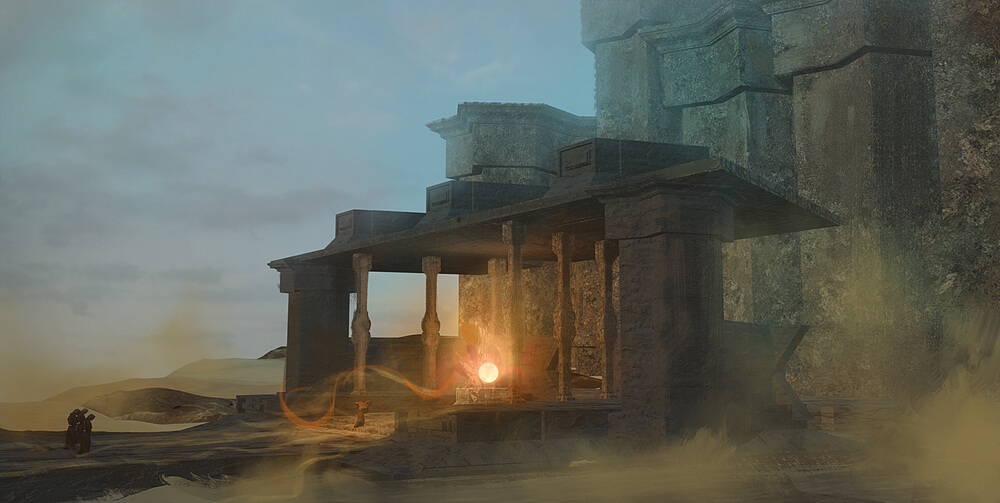
Drawing on Real World Religions & Belief Systems
When crafting religions and belief systems for your fantasy and science fiction worlds, drawing inspiration from the real world can add depth and authenticity to your storytelling. However, it’s important to approach this task with sensitivity, especially when dealing with themes and elements that may resemble real-world religions. Here are some guidelines for drawing inspiration from the real world while respecting the sincerely held beliefs of real people.
Take the time to research and understand the religions and belief systems you are drawing inspiration from. This includes studying their history, practices, and cultural context. Avoid relying on stereotypes or superficial understanding.
While it’s fine to draw inspiration from real-world religions, avoid directly copying or appropriating specific beliefs, practices, or symbols. Instead, use these as a starting point to create something new and original.
Remember that real-world religions are deeply meaningful and important to many people. Avoid using religious themes or elements in a disrespectful or derogatory manner.
Think about how your portrayal of religions and belief systems might affect readers who practice those religions. Avoid perpetuating harmful stereotypes or misconceptions.
If you’re unsure about how your portrayal of religion will be received, consider seeking feedback from people who practice the religion you’re depicting. Their insights can help you ensure your portrayal is respectful and accurate.
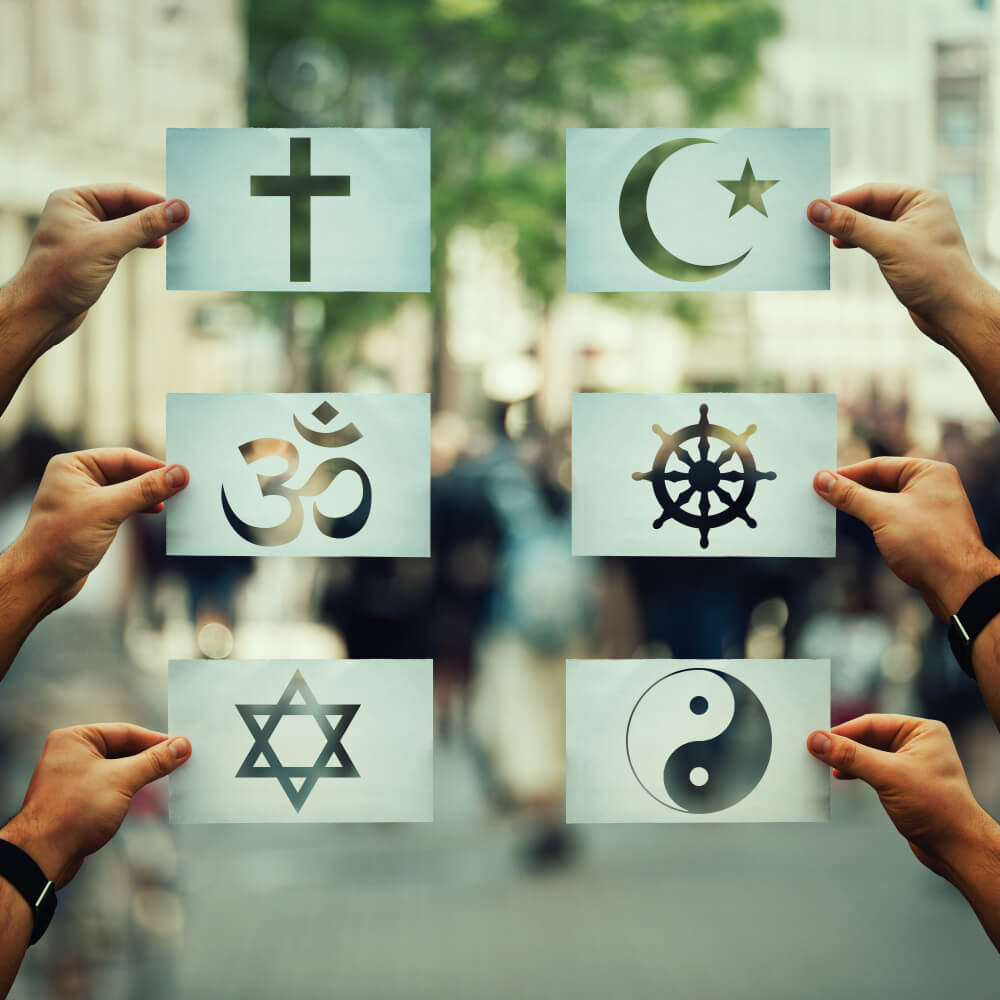
Here are examples of several types of real-world religions to start from:
Polytheistic Religions – Drawing inspiration from ancient polytheistic religions such as Greek, Roman, or Norse mythology can add depth and complexity to your world. Consider how these religions evolved over time and how they influenced the cultures that practiced them.
Monotheistic Religions – Monotheistic religions such as Christianity, Islam, and Judaism have rich histories and complex belief systems. You can draw inspiration from their teachings, moral codes, and religious practices to create religions in your world.
Eastern Philosophies – Eastern philosophies such as Buddhism, Taoism, and Confucianism offer unique perspectives on spirituality and the nature of existence. You can incorporate elements of these philosophies into your belief systems to add depth and diversity.
The Writer’s Toolkit
Both religions and belief systems can be powerful tools for storytelling, allowing writers to explore complex themes such as faith, morality, and the nature of existence. But creating them can be a daunting task. With careful planning and attention to detail, you can develop rich, believable, and captivating faiths. By understanding the differences between these two concepts and how they can impact characters and plot, writers can create more nuanced and compelling stories that resonate with readers. Here are some practical tips to help you create religions and belief systems that feel authentic and immersive:
Consistency – Maintain consistency in the beliefs, practices, and history of the religion throughout your narrative.
Cultural Influence – Consider how the religion influences and is influenced by the culture and society of your world.
Conflict and Harmony – Explore how religions can create both conflict and harmony within your world, driving plot and character development.
Establish Core Tenets – Define the core beliefs and principles of your religion or belief system. Consider what questions it answers about the universe, the meaning of life, and the existence of higher powers.
Create a Pantheon or Hierarchy – If your religion involves deities or spiritual beings, develop a pantheon or hierarchy that reflects their roles and relationships. Consider how these beings interact with each other and with mortals.
Develop Rituals and Practices – Design rituals, ceremonies, and practices that are central to the religion. These can include worship, meditation, prayer, and rites of passage. Consider how these rituals are performed and by whom.
Incorporate Symbolism – Use symbols, icons, and sacred objects to represent key aspects of the religion. Consider how these symbols are used in worship, art, and architecture to convey meaning and significance.
Consider Origin Stories – Develop origin stories or creation myths that explain the origins of the religion and its beliefs. These stories can provide context for the religion’s practices and teachings.
Integrate with Culture and Society – Consider how the culture and society of your world integrate the religion. Explore how it influences laws, customs, art, and literature.
Create Diversity – Just as real-world religions have different sects and interpretations, consider incorporating diversity into your religions and belief systems. Develop different branches, sects, or denominations that have their own interpretations and practices.
Show Impact on Characters – Use the religion or belief system to impact the lives of your characters. Show how their beliefs influence their actions, decisions, and relationships.
Avoid Monolithic Cultures – -Avoid creating religions that are monolithic or one-dimensional. Instead, create religions that are complex and nuanced with diverse beliefs and practices.
Seek Feedback – If possible, seek feedback from individuals who practice real-world religions. Their insights can help you ensure that your portrayal is respectful and accurate.
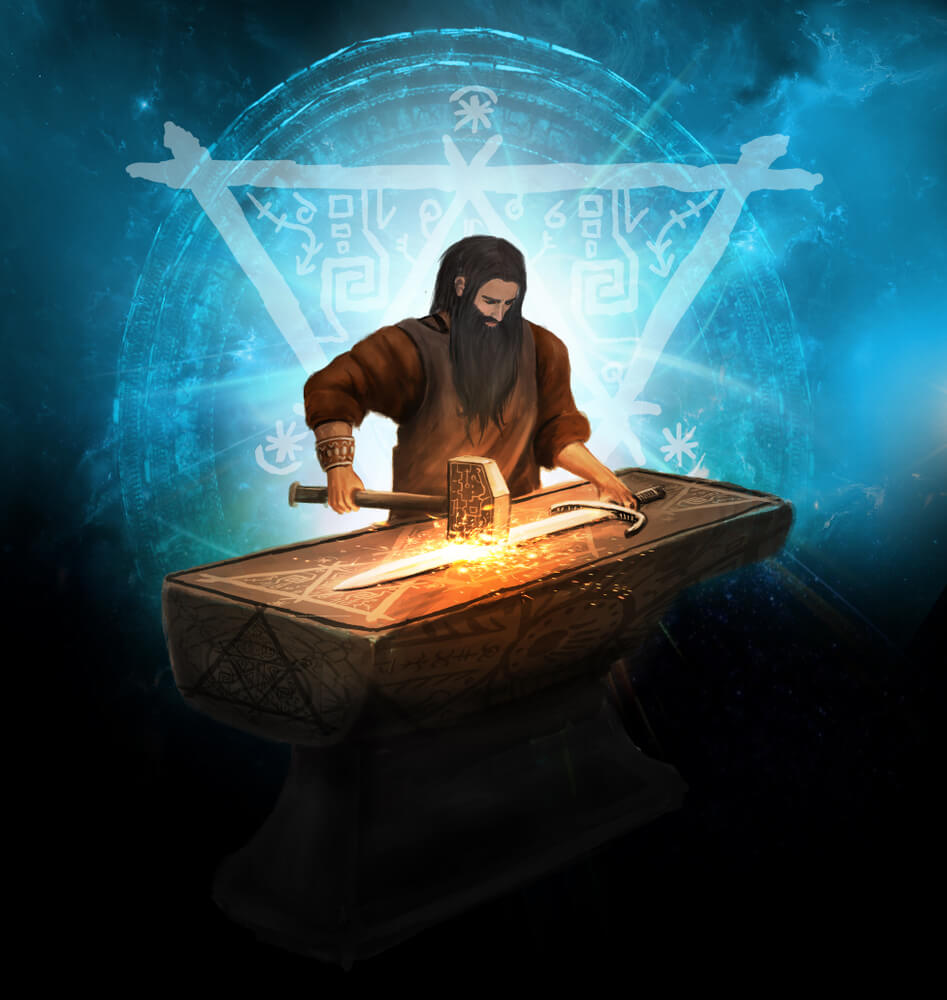
Fictional Example: The Order of the Celestial Forge
In the world of Astra, the Order of the Celestial Forge is a revered religious organization that worships the Forge Gods, ancient beings said to have forged the stars themselves. The religion is centered on the belief that the universe is a vast, cosmic forge, and that all beings are but sparks in the divine fire of creation.
The Forge Gods guide the destiny of all beings. Through devotion and service to them, believers can find purpose and meaning in their lives.
The Forge Gods are a pantheon of seven deities, each representing a different aspect of creation. There is a god of fire, a god of metal, a god of light, and so on. Each deity has their own followers and worshippers, who specialize in the crafts and arts associated with their deity.
Worshipers of the Forge Gods perform daily rituals of devotion, including offerings of metal and fire. They also celebrate celestial events, such as eclipses and comet sightings, as sacred occasions. The most devout followers undergo trials of fire and metal, symbolizing their dedication.
The symbol of the Order is a stylized hammer and anvil, representing the act of creation and craftsmanship. Sacred objects include metal tools, celestial maps, and fragments of meteorites, which are believed to be gifts from the Forge Gods.
The Order of the Celestial Forge plays a central role in the culture and society of Astra, influencing art, architecture, and technology. People highly admire and seek the creations of the skilled metalworkers and artisans from the Order of the Celestial Forge, as they have a reputation for their expertise.
Members of the Order sometimes find themselves conflicted between their devotion to the Forge Gods and their personal ambitions. They may also struggle with questions of fate and free will, as the religion teaches that all beings are part of a larger cosmic plan.
Creating religions and belief systems for your fantasy and science fiction worlds is a deeply rewarding endeavor that adds depth, richness, and authenticity to your world-building. By drawing inspiration from real-world religions, developing unique practices and rituals, and considering the impact on culture and society, you can create religions that are as diverse and compelling as the worlds you imagine.
I hope this was helpful. Let me know if you have questions or suggestions by using the Contact Me form on my website or by writing a comment. I post every Friday and would be grateful if you would share my content.
If you want my blog delivered straight to your inbox every month along with exclusive content and giveaways, please sign up for my email list here.
Let’s get writing!
Copyright © 2024 Rebecca Shedd. All rights reserved.
The Worldbuilder’s Toolkit: Languages
Posted on June 7, 2024 1 Comment

In fantasy and science fiction, languages can play a crucial role in shaping cultures, defining identities, and enriching storytelling. From the melodic elvish tongues of Tolkien’s Middle-earth to the guttural Klingon of Star Trek, invented languages add depth and authenticity to fictional worlds, inviting readers to immerse themselves deeper in the world-building. In this comprehensive guide, I’ll explore the value of creating languages, the structure and evolution of real-world languages, and practical tips for crafting unique and believable languages for your own worlds.
The Value of Including Languages
Including fictional languages in your fantasy or science fiction world can enhance the richness and realism of your world-building in several ways. Different languages can reflect the diversity of cultures within your world, each with its own unique history, values, and traditions. For example, your culture may have multiple words for the same thing that express nuances.
Language can be a tool for character development, revealing aspects of a character’s background, personality, and social status. A nobleman in your world will speak differently than a peasant and a star commander differently than an asteroid belt miner. The words and expressions chosen can tell your reader a lot about your character. For example, a character that is constantly using fishing metaphors even though they live inland will let the reader know they are not native to this region.
Language barriers can create conflict and drive plot, as characters navigate communication challenges and misunderstandings. Immersing readers in fictional languages can enhance the experience, making the world feel more vibrant and alive.
However, the idea of creating a language from scratch can be incredibly daunting. If you do not have a background in linguistics, even though the idea of a unique language for your world is appealing, it may be something beyond your skill level. If the idea of creating a fully functional language is more than what you want to do, there are other ways to give the impression of multiple unique languages. You can create phrases or snippets of language in dialogue that give the impression of more. You can write your dialogue in English but specify that it is being spoken in a different language. Perhaps you only include your fictional language when your character is casting a spell or when they are cursing.

Structure and Evolution of Real-World Languages
Real-world languages are incredibly diverse, with complex structures and punctuation systems that have developed over millennia. Languages evolve through a combination of cultural influences, contact with other languages, and internal changes within the community. Studying the structure and evolution of real-world languages can provide valuable inspiration for creating fictional languages, helping to make them feel more authentic and believable.

Ideas for Creating Languages
When creating languages for your story, consider the following ideas.
Create a set of sounds and rules for combining them to form words. Establish the rules for structuring words into sentences. Create a vocabulary of words that are unique to your language, drawing inspiration from real-world languages, or inventing entirely new words.
Consider developing a unique writing system for your language, with its own alphabet or symbols.
Besides creating multiple languages, incorporating regional dialects and accents can further enhance the richness of your world-building. Regional dialects can reflect geographical features, cultural influences, and historical events, adding depth to the cultures and societies within your world.
In fantasy worlds where magic is prevalent, magical forces may influence language. For example, magic users may speak spells and incantations in ancient mystical languages with unique phonetics and grammar. In science fiction worlds with advanced technology, languages may incorporate elements of technology, such as digital communication or artificial intelligence.
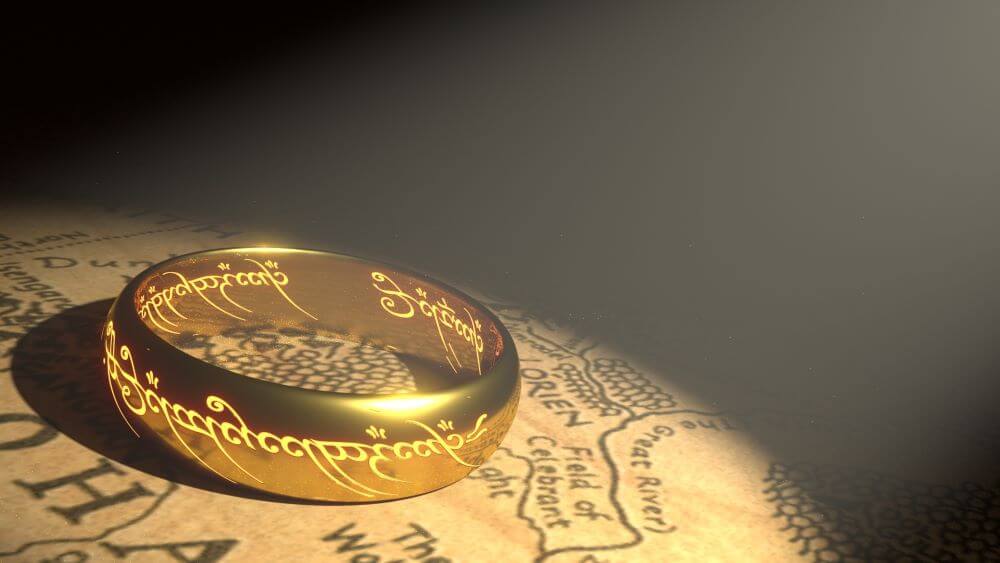
One of the most famous examples of language creation in fantasy literature is J. R. R. Tolkien’s Middle-earth. Tolkien was a philologist with a deep love for languages, and his creation of Quenya and Sindarin was the foundation of his world-building. The languages of Middle-earth shaped the cultures and histories of Tolkien’s fictional races, adding depth and realism to his iconic fantasy world.
The Writer’s Toolkit
Consistency – Maintain consistency in the rules and structure of your language throughout your narrative.
Internal Logic – Ensure that your language follows its own internal logic, even if it differs from real-world languages.
Cultural Context – Consider the cultural context of your language, including how it reflects the values, beliefs, and history of the speakers.
Realism vs. Utility – Decide whether you want to create a fully functional language or just include enough phrases to give the impression of a fully functional language, based on the needs of your story.
Consultation – Consider consulting with linguists or language experts to ensure the authenticity and believability of your language.
Fictional Example: The Celestial Tongue of Astra
In the realm of Astra, the residents of the ethereal city of Lumina speak the Celestial Tongue, a language known for its melodic cadence and intricate script, which is said to be a gift from the gods. Its use of symbolism and incorporation of magical elements makes it unique, and its intricate script resembles a delicate dance of stars across the page. Each symbol is imbued with meaning, representing not only words but also concepts and emotions. The language’s melodic cadence is famous, with a rhythm that people claim resembles the celestial music of the heavens. The language derives many words and phrases from the names of stars, planets, and other celestial bodies, reflecting the belief of its speakers that the heavens hold the key to understanding the world around them.
The Celestial Tongue has developed over millennia. Originally a language used by priests and scholars to communicate with the gods, it has since become the language of the entire city of Lumina. As the city grew and prospered, new words and concepts were introduced, leading to a rich and diverse vocabulary.
One significant change in the Celestial Tongue occurred during a period of cultural exchange with neighboring civilizations, enriching its vocabulary and broadening its scope. Despite these changes, the core principles of the language have remained intact.
Magic plays a significant role in the evolution of the Celestial Tongue. The evolution of the Celestial Tongue incorporates many words and phrases with magical significance, reflecting the belief that language has the power to shape reality. Speakers often use it in magical incantations and rituals, with specific words and phrases believed to have the power to summon or manipulate magical energies.
While technology has had a lesser impact on the Celestial Tongue, it still influenced the way people write and preserve the language. With the invention of celestial scribing devices, the Celestial Tongue has survived and flourished.

Creating languages for your fantasy or science fiction world can add a layer of depth and richness that enhances the immersive experience for your audience. By drawing inspiration from real-world languages, considering the impact of magic and technology, and following practical tips for crafting believable languages, you can create linguistic landscapes that are as vibrant and diverse as the worlds you imagine. So, let your creativity soar as you craft languages that bring your fictional worlds to life with their own unique voices and identities.
I hope this was helpful. Let me know if you have questions or suggestions by using the Contact Me form on my website or by writing a comment. I post every Friday and would be grateful if you would share my content.
If you want my blog delivered straight to your inbox every month along with exclusive content and giveaways, please sign up for my email list here.
Let’s get writing!
Copyright © 2024 Rebecca Shedd. All rights reserved.

The Worldbuilder’s Toolkit: Cultural Diversity
Posted on May 24, 2024 1 Comment
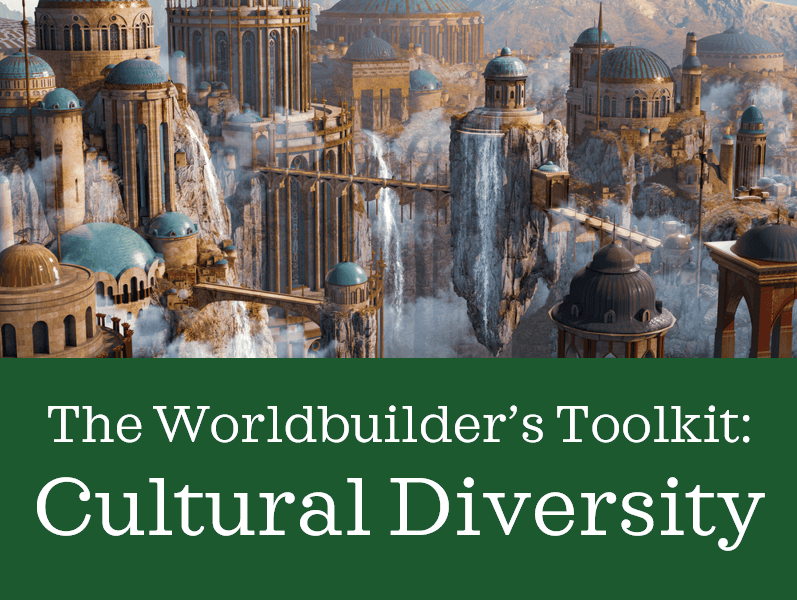
In fantasy and science fiction, cultural diversity enhances the richness and believability of fictional worlds. Just as in our own world, diverse cultures in these genres can offer unique perspectives, values, and traditions that shape societies and drive narratives. In this comprehensive guide, I’ll explore the importance of cultural diversity, the various aspects of culture, and practical tips for creating diverse and Interesting cultures in your world-building.
Why Cultural Diversity Matters in Fantasy and Science Fiction
Just as our world is rich in diverse cultures, so too should be the worlds we create. Diversity adds depth and realism to fictional settings, making them more immersive for readers.
Diverse cultures allow for diverse characters, each with their own backgrounds, beliefs, and values. This diversity adds complexity to characters and allows for more engaging storytelling.
Cultural differences can be a source of conflict and drama in a narrative, driving plot and character development.
Different cultures can offer unique perspectives on themes such as power, morality, and identity, enriching the thematic depth of a story.
Culture encompasses a wide range of elements that shape a society. These include:
Values – Core beliefs and principles that guide behavior.
Social Structure – The organization of society, including hierarchies and roles.
Traditions – Customs and practices passed down through generations.
Religion – Spiritual beliefs and practices.
Superstition – Beliefs in supernatural phenomena or luck.
Politics – Systems of governance and decision-making.
Clothing and Fashion – Styles of dress and adornment.
Food and Cuisine – Culinary traditions and preferences.
Societal Norms – Accepted behaviors and taboos.
It’s important to create cultures that are diverse and nuanced, avoiding the trap of monolithic cultures where every member looks and acts the same. Even within a single culture, there should be variations based on factors such as region, social class, and personal experiences.

Drawing Inspiration from Real World Cultures
Real-world human cultures and ethnicities can provide rich inspiration for creating diverse fictional cultures. It’s important to remember that people who share the same background or appearance can differ greatly from one another, and you should reflect this in your worldbuilding. This also opens opportunities for conflict between characters. Having characters from similar backgrounds who make very different decisions and have very different opinions can add some interesting drama to your story. Conversely, having two characters from unique backgrounds can do the same thing. What one culture considers a great honor, another could consider rude. It is also a good way to showcase what each culture values. One culture may value collective success, while another culture may focus on the achievements of the individual.

Magic and Technology’s Effect on Culture
Magic and technology can have a profound effect on cultures. Consider how societies integrate these elements into their culture and how they affect daily life, values, and traditions. For example, a society with advanced technology may have different social norms around privacy and communication than one without. In another example, a society that highly values magical skills could hold a negative opinion of a character who lacks innate magical ability.
The Writer’s Toolkit
Research – Take the time to research real-world cultures to inform your world-building.
Avoid Stereotypes – Strive to create cultures that are diverse and nuanced, avoiding simplistic stereotypes.
Internal Diversity – Create diversity within cultures, with different groups and individuals having their own unique traits and beliefs.
Consistency – Maintain consistency in cultural traits and behaviors throughout your narrative.
Conflict and Change – Consider how cultures change over time and how conflicts within and between cultures drive these changes.
Adaptation to Climates -How has the environment shaped the culture’s values, traditions, and way of life?
Historical Events – What past events have shaped the trajectory of the culture, and how are they remembered or commemorated?
Interactions with Other Cultures – How have interactions with neighboring cultures influenced the culture’s development and worldview?
Fictional Example: The Sunfire Nomads of the Scorched Wastes
In the unforgiving expanse of the Scorched Wastes, where the sun blazes mercilessly and the land is cracked and parched, dwells a nomadic culture known as the Sunfire Nomads. These hardy people have adapted to the harsh environment, crafting a unique culture that revolves around survival, resilience, and a deep connection to the land. The Sunfire Nomads place a high value on cooperation and community effort, believing that every member of the tribe is vital to the group’s survival. Personal ambition is discouraged.
The Sunfire Nomads have a loosely structured society, with leadership roles determined by merit and experience rather than heredity. Elders, known as Sunseers, hold positions of respect and authority, guiding the tribe with their wisdom and knowledge of the land.
Despite the isolation caused by the harshness of their environment, the Sunfire Nomads occasionally interact with traders from the kingdom of Kargonia to the South. The Kargonians live on the coast with their cities centered around rivers that flow into the ocean. The forests are lush and plentiful as is the farmland. Kargonian society values individual achievement and risk taking.
Discontent is growing among a faction of the Sunfire Nomads. Hailing from the northern tribe that lives in the harshest region of the Scorched Wastes, they are led by a young woman who has defied the elders. This faction has spoken with the Kargonians and heard tales of faraway lands that are flowing with water and thick with vegetation. One of these traders has offered to lead them to this paradise. However, when the faction approached the elders, they were harshly rebuked and forbidden to leave the desert. Yet the number of young people discontent with a harsh, isolated life is growing.

Creating cultural diversity in your fantasy and science fiction worlds is not just about adding variety; it’s about creating a more vibrant and realistic world that resonates with readers. By exploring the various aspects of culture, drawing inspiration from real-world cultures, and considering the impact of magic and technology, you can create cultures that are rich, nuanced, and compelling, adding depth and authenticity to your world-building. So, let your imagination soar as you create worlds as diverse and complex as our own. Happy worldbuilding!
I hope this was helpful. Let me know if you have questions or suggestions by using the Contact Me form on my website or by writing a comment. I post every Friday and would be grateful if you would share my content.
If you want my blog delivered straight to your inbox every month along with exclusive content and giveaways, please sign up for my email list here.
Let’s get writing!
Copyright © 2024 Rebecca Shedd. All rights reserved.
The Worldbuilder’s Toolkit: Races & Species
Posted on May 10, 2024 Leave a Comment
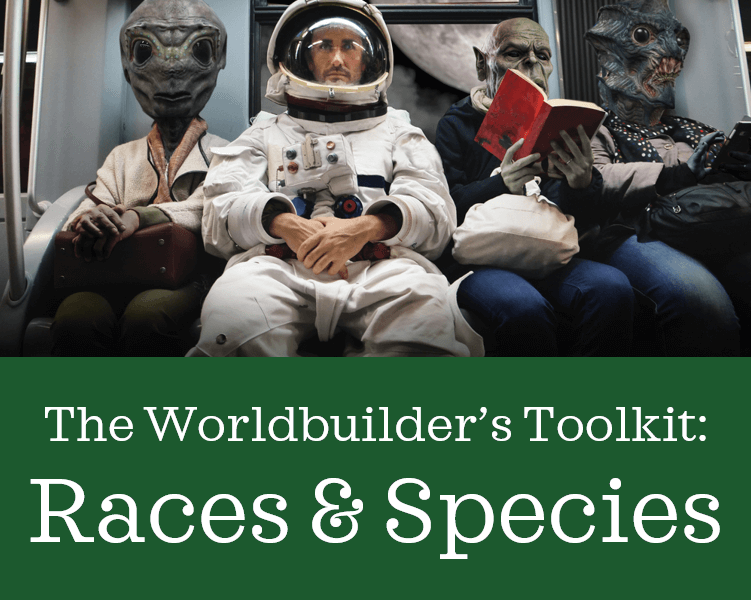
In the vast realms of fantasy and science fiction, the creation of sentient races and species is a cornerstone of worldbuilding. These diverse inhabitants, ranging from elves and dwarves to extraterrestrial beings, enrich your narrative, offering unique perspectives, cultures, and histories. In this guide, I’ll explore the nuances of creating races and species, drawing inspiration from real-world cultures and animals, and providing practical tips for crafting believable and engaging inhabitants for your fictional worlds.
Races vs. Species
In fantasy and science fiction, “races” typically refer to different groups of beings within a single species, often distinguished by physical characteristics, cultural traits, and societal structures. For example, elves and dwarves in fantasy literature are different races of the humanoid species.
“Species” refers to distinct biological classifications of sentient beings with significant genetic differences, often occupying different ecological niches or originating from separate evolutionary paths. For instance, in science fiction, species such as the Galanthi in “The Nevers” are distinct species with their own unique physiology and culture.
Some writers combine races and species to create a diverse array of inhabitants. For example, a fantasy world might feature humanoid races such as elves and orcs alongside sentient animal species like talking dragons or anthropomorphic creatures.

Historical Context: The Evolution of Races and Species in Fiction
The concept of sentient races and species has a rich history in both fantasy and science fiction literature.
Fantasy literature has long featured iconic races such as elves, dwarves, and orcs, drawing inspiration from mythologies, folklore, and literary traditions. Tolkien’s Middle-earth, with its diverse array of races, set the standard for many subsequent fantasy worlds.
In science fiction, authors have imagined a plethora of extraterrestrial species, each with its own unique biology, culture, and society. Works like Star Wars and Star Trek have introduced audiences to memorable species such as Wookiees, Klingons, and Twi’leks, showcasing the vast diversity of sentient life in the cosmos.

Drawing Inspiration: Real-World Cultures and Animal Species
To create rich and believable races and species, drawing inspiration from real-world human cultures and animal species can be invaluable.
Explore the diverse cultures, traditions, and histories of real-world civilizations. Consider how you can weave elements of different cultures, from architecture to mythology, into your fictional races and species.
Study the adaptations of real-world animal species to various environments and ecological niches. Draw inspiration from their physical attributes, behaviors, and social structures to create unique and believable sentient species in your world.
Crafting Races and Species for Your Story
Brainstorming ideas for races and species requires imagination and creativity.
Experiment with different physical forms for your races and species, ranging from humanoid to multi-legged, winged, or even ethereal beings composed of energy. Each form offers unique opportunities for cultural and societal development.
Think about the environments in which your races and species developed and how they have adapted to thrive in these conditions. Consider the impact of factors such as climate, geography, and resources on their biology and culture.
In fantasy worlds, magic can play a significant role in shaping the biology and abilities of sentient beings. Consider how magical forces have influenced the evolution and development of your races and species, granting them unique powers or vulnerabilities.

Cultural Impacts: Form, Abilities, and Values
The form and abilities of your races and species can profoundly influence their culture, values, and history.
The physical attributes of a race or species, such as strength, agility, or sensory abilities, can shape their societal roles and cultural practices. For example, a winged race may prioritize flight and aerial combat in their cultural traditions.
Races with inherent magical abilities may develop intricate magical systems and rituals as integral aspects of their culture. Consider how you can weave elements of different cultures, from architecture to mythology, into your fictional races and species.
Consider how the unique abilities and limitations of your races and species have influenced their interactions with other groups and their place in the world’s history. Conflicts, alliances, and cultural exchanges can be traced back to these formative traits.
The Writer’s Toolkit
Consistency – Maintain consistency in the traits, behaviors, and cultural norms of your races and species throughout your narrative.
Avoid Stereotypes – Strive to avoid simplistic stereotypes when creating races and species. Instead, focus on developing multidimensional characters with diverse motivations and personalities.
Research – Take the time to research real-world cultures and biological adaptations to enrich the depth and authenticity of your fictional inhabitants.
Consider Diversity – Just as human societies are diverse, so too should your fictional races and species be. Explore variations within groups, including differences in appearance, beliefs, and customs.
Embrace Complexity – Embrace the complexity of sentient beings by exploring the nuances of their relationships, conflicts, and cultural evolution.
Fictional Example: The Luminescent Sylphs of Etherea
Nestled among swirling nebulae and celestial bodies, dwells a race of beings known as the Luminescent Sylphs. These graceful and otherworldly creatures are beings of pure energy, their forms shimmering with iridescent hues that shift and dance like the auroras of distant worlds. They possess slender, elongated bodies, adorned with ethereal wings that flutter with the soft glow of starlight. Their luminous eyes, pools of liquid light, convey a sense of wisdom and serenity.
Gifted with the innate ability to manipulate cosmic energies, the Luminescent Sylphs possess a mastery of light and sound. They can weave intricate patterns of energy, creating dazzling displays of auroras and harmonious melodies that resonate across the cosmos. Their ethereal wings allow them to traverse vast distances with effortless grace.
They are the stewards of the celestial realms, tasked with maintaining the delicate balance between light and darkness, order and chaos. Councils of elders govern their society, their wisdom guiding the decisions of the race.
According to ancient legend, the Luminescent Sylphs emerged from the heart of a dying star, imbued with the essence of cosmic energy. They supposedly witness the birth of galaxies and the dance of celestial bodies across the void. Throughout history, they have played a pivotal role in shaping the destiny of the cosmos, their actions guided by a deep sense of cosmic harmony.
Their mastery of cosmic energies has led to the development of advanced technologies and magical arts. Their reverence for the cosmic order shapes every aspect of their society, from their laws and customs to their artistic expressions.

Crafting sentient races and species is a thrilling endeavor that allows you to populate your fictional worlds with a diverse array of captivating inhabitants. By drawing inspiration from real-world cultures and biological adaptations, generating imaginative ideas, and considering the cultural effects of form and abilities, you can create races and species that are both unique and believable, enriching your narrative with depth and intrigue. So, let your imagination soar as you breathe life into the inhabitants of your fantastical realms or distant galaxies. Happy worldbuilding!
I hope this was helpful. Let me know if you have questions or suggestions by using the Contact Me form on my website or by writing a comment. I post every Friday and would be grateful if you would share my content.
If you want my blog delivered straight to your inbox every month along with exclusive content and giveaways, please sign up for my email list here.
Let’s get writing!
Copyright © 2024 Rebecca Shedd. All rights reserved.
 Rebecca Shedd - Author