
The Worldbuilder’s Toolkit: Geography & Topography
Posted on February 16, 2024 1 Comment

Geography and topography serve as the bedrock upon which we build the foundations of a fantasy world. These terms, though related, have distinct differences in the realm of worldbuilding. Understanding and skillfully manipulating these elements can profoundly affect your story, characters, and plot, lending a sense of authenticity and depth to your created world. In this article, I’ll delve into the importance of geography and topography in worldbuilding, how real-world concepts contribute to realism, the influence of natural resources on politics and conflicts, and the transformative power of changing landscapes within a narrative.
The Foundation of Imaginary Realms
Geography is the study of a planet’s physical features, climates, and ecosystems, as well as human (or other sentient being) interactions with these elements. Topography refers to the precise mapping and depiction of surface features, including hills, mountains, rivers, and valleys. Both play a pivotal role in shaping civilizations, cultures, and the stories that unfold within your world.
Geography and topography shape the environment in which your characters exist. The terrain can influence a character’s abilities, limitations, and even cultural practices. For instance, a mountainous region might foster resilient and self-reliant characters, while a coastal area may nurture seafaring cultures.
Incorporating real-world concepts like the flow of rivers and the formation of mountains can enhance the realism of your fantasy world. Understanding these principles allows you, as a writer, to create landscapes that feel more plausible and believable.

Landforms and Terrains
Diverse landforms like mountains, valleys, plateaus, plains, and coastlines define the physical structure of your world. Each landform presents unique challenges and opportunities for characters, affecting travel, settlement, and resource accessibility.
Understanding climatic zones, rainfall patterns, and temperature variations can lend authenticity to a world. The climate of a region determines its flora, fauna, and overall ecosystem. Different climates give rise to varied biomes—tropical rainforests, tundras, grasslands, and more. Each biome hosts distinct species, providing a rich tapestry of creatures and resources for your world.
Mountains – Majestic peaks can act as natural barriers, separating regions and cultures. They might harbor hidden valleys, sacred sites, or elusive creatures, offering both danger and treasure to intrepid adventurers. Rain shadows, caused by mountains blocking moisture-laden air, create areas of reduced precipitation. This phenomenon can cause fertile lands on one side of a mountain range and arid deserts on the other, shaping cultures and conflicts based on resource scarcity.
Rivers and Lakes – Water bodies such as rivers, lakes, and oceans influence trade routes, settlements, and the distribution of resources. They can foster thriving civilizations along their banks or become obstacles to overcome.
Deserts and Forests – Deserts evoke images of harsh landscapes, scarcity, and survival challenges, while forests represent untamed wilderness, mysteries, and potential dangers.
Plate Tectonics and Land Formation – Knowledge of plate tectonics can inform the creation of mountains, volcanoes, and other land formations. Plate movements, convergent boundaries, and fault lines contribute to the geological diversity of a world. Placing mountain ranges along tectonic plate boundaries or incorporating volcanic regions can add depth to your world’s history and provide opportunities for narrative conflicts or cataclysmic events.

Changing Landscapes
Consider the impact of erosion, weathering, and geological processes. Landscapes evolve, and understanding these changes can add layers of history and realism to a world. Rivers carving valleys, coastlines eroding over centuries, or magical cataclysms reshaping continents—all these elements can offer narrative opportunities for plot twists, character development, and the evolution of societies within your world.

The Politics of Geography
The abundance or scarcity of natural resources, such as fertile land, precious metals, or magical crystals, can significantly impact politics and potentially spark conflicts within your world. Understanding how geography affects resource distribution and access can add depth to political dynamics and power struggles in a narrative.
Geography influences human settlements, trade routes, and cultural development. Settlements often arise near fertile land, water sources, or strategic locations, shaping the social dynamics and economies.
Understanding geographic features that facilitate or hinder trade, such as rivers, mountain passes, or sea routes, is crucial for depicting economic interactions and political alliances.

The Writer’s Toolkit
Create Diverse Landscapes – Develop a variety of landscapes within your world. Consider different terrains like mountains, forests, deserts, and plains. Each region can have distinct climates, flora, fauna, and cultural implications.
Research Real-World Concepts – Familiarize yourself with basic geological principles, such as how rivers form and flow, the impact of volcanoes and earthquakes, and the influence of climate on vegetation and ecosystems. Incorporate these principles into your worldbuilding for added realism.
Resource Distribution and Societal Impact – Determine the distribution of resources within your world and explore how this distribution affects different societies. Consider how conflicts might arise from the control or scarcity of specific resources.
Natural Land Changes – Incorporate gradual or sudden changes in geography and topography into your narrative. Erosion, volcanic eruptions, magical cataclysms, or terraforming can serve as pivotal events that shape your world and drive the plot forward.
Consistency and Logic – Maintain internal consistency within your world. Ensure that the changes in geography and topography align with your established rules and principles.
Character Interaction with Environment – Show how characters interact with and are influenced by the environment. Use the landscape as a tool for character development, showcasing their resilience, adaptability, or limitations based on the terrain.
Symbolism and Themes – Use geography and topography to reinforce themes and symbols in your story. A barren wasteland might symbolize desolation, while a lush forest represents growth and renewal, adding depth to the narrative.
Fictional Example: The Geography and Topography of Thundertop
In the realm of Thundertop, geography and topography have played a pivotal role in shaping the culture and way of life of its inhabitants, the Highlanders. Nestled within a secluded high altitude valley, Thundertop is a land dominated by towering mountain ranges, deep ravines, and a unique climatic phenomenon known as the “Eternal Storm.”
Encircled by the formidable Thunderpeak Mountains, it is nearly impervious to outside invasion and has isolated the Highlanders for centuries.
Deep within the valley lies the heart of Thundertop—a vast, serene lake called Stormrider’s Mirror. Its crystal-clear waters reflect the surrounding mountains, creating a mesmerizing spectacle. The lake, sourced from the melting snow of Thunderpeak, serves as the lifeblood of the region, providing fresh water and nourishing the fertile lands along its shores.
The Highlanders have devolped a resilient culture in response to the challenging terrain and climatic conditions. They have developed ingenious terraced farming systems that maximize crop yields. They practice nomadic herding of robust mountain goats and hardy alpine cattle, providing sustenance and materials for clothing and shelter.
The “Eternal Storm” is a climatic phenomenon unique to Thundertop. This constant, rolling storm delivers much-needed rainfall and acts as a natural defense against outsiders. The Highlanders revere the storm as a divine force, believing it to be a manifestation of their land’s protective spirit. They celebrate it annually with the “Stormrider Festival,” a grand event where clans come together to offer prayers, share stories, and pay tribute to the enduring spirit of Thundertop.
The natural barriers of the Thunderpeak Mountains have fostered a sense of self-reliance and independence among the Highlanders. They have developed a decentralized clan-based system, with each clan governing its territory and resources. Limited to access to external trade, the Highlanders have become skilled craftsmen. They produce intricate metalwork, jewelry, and textiles that are highly sought after in neighboring realms.
Thundertop’s geography and topography have indelibly marked its people, shaping their culture, values, and way of life.
Geography and topography serve as the canvases for painting the vivid landscapes of fantasy worlds. Mastering these elements not only adds credibility and depth to your world, but also enriches the storytelling experience. By grounding your world in real-world concepts, understanding the implications of resource distribution, and leveraging the transformative power of changing landscapes, you can sculpt immersive and believable environments that resonate with readers. The terrain your characters traverse, the resources they seek, and the shifting landscapes that shape their journey all contribute to the tapestry of your narrative. With a thoughtful approach to geography and topography, writers can craft worlds that captivate the imagination and transport readers to realms of wonder and adventure. Happy worldbuilding!
I hope this was helpful. Let me know if you have questions or suggestions by using the Contact Me form on my website or by writing a comment. I post every Friday and would be grateful if you would share my content.
If you want my blog delivered straight to your inbox every month along with exclusive content and giveaways, please sign up for my email list here.
Let’s get writing!
Copyright © 2024 Rebecca Shedd. All rights reserved.

Engaging Readers without Info Dumps
Posted on February 2, 2024 Leave a Comment


Through fantasy, readers seek to escape the ordinary and embark on extraordinary journeys. A key challenge for writers is to immerse readers in imaginary worlds without drowning them in unfamiliar terms and excessive exposition. Worldbuilding requires engaging descriptions, character experiences, and careful dissemination of details to avoid the dreaded “info dump.” In this article, I’ll explore strategies to help you engage your readers in your fantasy worlds while maintaining the emotional heart of the narrative and the flow of the plot.
The Pitfall of the Info Dump: Why Readers Disengage
Info dumps, or long expository passages that overwhelm the reader with worldbuilding information all at once, can be a significant turn-off. These information chunks disrupt the story’s flow, making readers feel like they’re sitting through a history lesson instead of an immersive narrative.
Readers connect with the story through the characters. When the narrative shifts to info dumps, characters take a back seat, resulting in a loss of emotional engagement.
“Show, don’t tell” is a fundamental principle of storytelling. Instead of directly telling everything, writers encourage readers to discover the world through the characters’ experiences, actions, and emotions.
It is possible to do the opposite of the info dump and provide too little detail. This is a detriment in most novels, but especially in fantasy, where fantastical worlds are a hallmark of the genre. The best way to know if you are providing too little or too much information is to proofread and enlist beta readers or a professional editor.

Strategies for Immersive Worldbuilding
Starting Small – Start with relatable details instead of bombarding readers with complex worldbuilding elements from the outset. Focus on the sensory experiences and personal observations of your characters. Instead of describing an entire magical city, start with a character’s awe at the intricate architecture or the vibrant colors of the market stalls. Engage your reader by using descriptive language. This is an excellent opportunity to use all five senses. Allow your readers to see, hear, taste, and feel the world as if they were there alongside the characters. What does the magical city sound like? Smell like? If your character touches anything, what does it feel like? If he eats strange food from one of the market stalls, what does it taste like?
Gradual Introduction – Introduce worldbuilding elements progressively, like puzzle pieces that come together. Let readers explore the world organically, just as your characters do as they move through the story. For example, in the “Harry Potter” series, J. K. Rowling introduces magical concepts and locations gradually over the course of the books, allowing readers to grow alongside the characters.
Character Discoveries – Use your characters as vehicles for exploration. Let them encounter, learn, and adapt to the world. Their discoveries should mirror the readers’ experiences.
Dialogue and Interaction – Use character interactions to reveal worldbuilding details. Conversations between characters can be a natural way to impart information and create a sense of realism. In George R.R. Martin’s “A Song of Ice and Fire” series, characters talk about the history, politics, and lore, helping readers to learn about the world without getting overwhelmed.
Character Emotions – The emotional reactions of your characters can serve as powerful tools for worldbuilding. When characters express wonder, fear, or curiosity, readers will share in those emotions.
The Balancing Act of Exposition
While avoiding info dumps, there are cases where exposition is necessary. Be strategic and selective about when and how you provide worldbuilding details. For example, in J.R.R. Tolkien’s “The Lord of the Rings,” the history and significance of the One Ring are revealed gradually through the Council of Elrond, adding depth and suspense to the narrative.
Whenever possible, weave exposition into the story’s action. If a character must consult an ancient tome or visit a wise elder for guidance, these actions can introduce information. In Ursula K. Le Guin’s “A Wizard of Earthsea,” Sparrowhawk’s journey to the School of Wizardry naturally introduces the reader to the magic system of the world.
Use worldbuilding details to create a sense of mystery and intrigue. This can keep readers engaged and eager to discover more about the world.

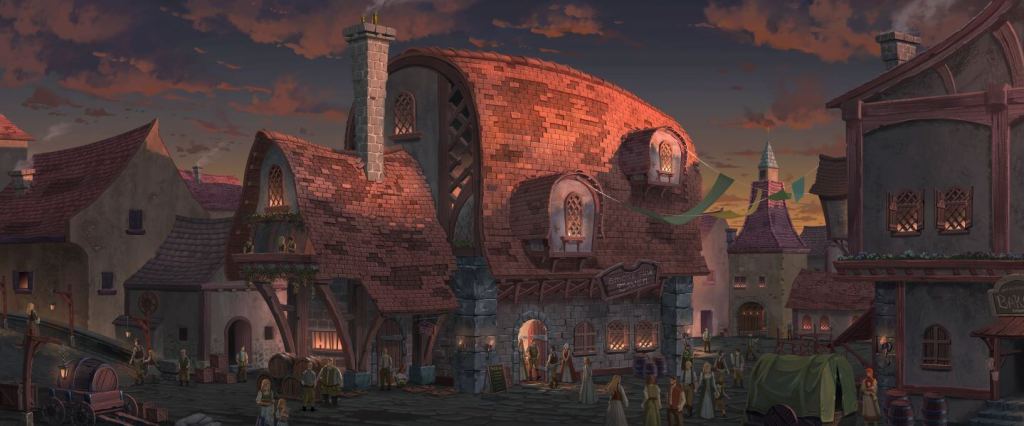
Image courtesy of Shutterstock.
The Emotional Heart of the Story
Remember that characters are the emotional heart of the narrative. Engage readers through the characters’ personal stories, struggles, and triumphs. Emotional connections are the foundation of reader engagement. For example, in C.S. Lewis’s “The Chronicles of Narnia,” the adventures of the Pevensie siblings and their emotional growth are central to the reader’s experience of Narnia.
Show the growth and transformation of your characters as they interact with and adapt to the world. Readers are more likely to engage with characters who evolve and respond to their environments.
Use worldbuilding elements to reinforce the themes and symbols of your story. This integration of the world’s details with the plot and characters creates a seamless, immersive experience.

Crafting immersive fantasy worlds requires a delicate balance between sharing your worldbuilding and engaging readers without overwhelming them. By employing the strategies mentioned in this article, you can guide readers on an exploration of your world’s wonders and mysteries. Create emotional bonds between your readers and your story through character experiences, gradual introductions, immersive descriptions, and selective exposition, allowing them to lose themselves in the enchantment of your fantasy world. In the end, the art of immersion nurtures the reader’s imagination, creating a literary experience that lingers long after they turn the last page. Happy worldbuilding!
I hope this was helpful. Let me know if you have questions or suggestions by using the Contact Me form on my website or by writing a comment. I post every Friday and would be grateful if you would share my content.
If you want my blog delivered straight to your inbox every month along with exclusive content and giveaways, please sign up for my email list here.
Let’s get writing!
Copyright © 2024 Rebecca Shedd. All rights reserved.
Breathing Life into Fantasy: Creating a Believable Setting
Posted on January 19, 2024 Leave a Comment
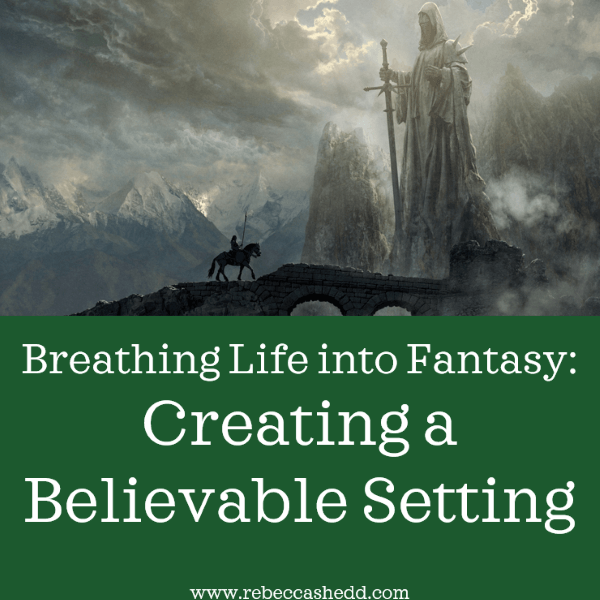
The appeal of fantasy lies in its ability to transform the impossible into reality and make extraordinary things seem commonplace. But for a fantasy world to captivate readers, it must feel believable and immersive. Crafting a world that feels genuine is crucial, not just a writing exercise. In this article, I’ll delve into how to make your fantasy world feel authentic, emphasizing the importance of historical context, geography, and climate. Additionally, I’ll examine how history and setting interconnect and how including logical rules enhances the believability of your world.
The Importance of Believable Fantasy Worlds
One of the primary reasons to make your fantasy world believable is to engage your readers. A well-crafted world draws readers in, allowing them to suspend disbelief and immerse themselves in the story. When readers feel like they’re walking through your world’s landscapes, they become emotionally invested in the story.
Believable worlds create emotional resonance. Readers form a stronger bond with the story when they can connect with the characters’ struggles and successes.
A coherent world with logical rules and a realistic backdrop enhances your reader’s experience. Inconsistencies can jar readers from the narrative and disrupt the suspension of disbelief. It also gives you the ability as a writer to set up situations where your readers will recognize what is going on without having to spell it out.

Building a Believable History
One way to make your fantasy world feel real is to craft a history that is vivid, textured, and interconnected with the narrative. A rich history adds depth and context to your world. Consider these strategies:
Pivotal Events – Integrate pivotal historical events into your narrative. These events shaped the societies, politics, and cultures of your world. Think of them as the historical equivalent of plot points in your story.
Example: In J.R.R. Tolkien’s Middle-earth, the War of the Ring is a major historical event that impacts the characters and the political landscape.
Legendary Figures – Create legendary figures whose stories you weave into the fabric of your world. These figures can be heroes, kings, or even tragic anti-heroes whose legacies continue to affect the present.
Example: Arthurian legends influence countless fantasy worlds, from Camelot to the sword in the stone, reflecting the enduring power of historical stories.
Cultural Evolution – Show how your cultures have developed. Consider how historical events, technological advancements, or invasions have shaped the customs, traditions, and belief systems of your world’s inhabitants. This can also be as simple as showing evolving fashion trends.
Example: In George R.R. Martin’s “A Song of Ice and Fire” series, the history of Westeros plays a significant role in the complex web of political intrigue and power struggles.

The Role of Geography and Climate
Geography and climate play a vital role in shaping the identity and atmosphere of your fantasy world.
Landscape Diversity – Diverse landscapes can offer a range of settings for your story. From lush forests and towering mountains to desolate deserts and rolling plains, each environment can play different roles in your narrative.
Example: The diverse regions of Narnia, created by C.S. Lewis, each have their own unique geography and climate, contributing to the sense of wonder and adventure.
Climate as a Character – Consider how climate affects the lives of your characters. Seasonal changes, unusual weather patterns, and natural disasters can add depth and conflict to your world.
Example: In Anne McCaffrey’s Dragonriders of Pern series, Threadfall greatly influences culture, architecture, and people’s way of life. It also grants a high social status to the dragonriders.
Geopolitical Significance – Geography can have geopolitical significance. Reflect on how the positioning of mountains, rivers, or oceans can affect trade routes, border conflicts, and regional power dynamics.
Example: The desert landscape of Arrakis in Frank Herbert’s “Dune” plays a central role as the only known source of the valuable spice melange, fueling political intrigue and conflict.

Drawing from Real World History
The history of the real world is a rich source of inspiration when crafting your fantasy world. By grounding your world in familiar historical contexts, you can create a sense of authenticity. Here are a few ways to accomplish this:
Analogous Civilizations – Use real-world civilizations as models for your fantasy world’s cultures, societies, and political structures. For instance, you could draw inspiration from ancient Rome, feudal Japan, or medieval Africa. Also consider mixing and matching elements from various cultures to create something new.
Example: The “Wheel of Time” series by Robert Jordan draws heavily from various real-world cultures, infusing each with unique traits and characteristics.
Historical Events – Adapt historical events into your world’s narrative. This can give readers a sense of familiarity and connect them to your story’s larger themes.
Example: “Game of Thrones” by George R.R. Martin draws from real historical events, particularly the Wars of the Roses, to craft a complex and politically driven narrative.
Incorporate Myths and Legends – You can infuse your world with elements from real world myths, legends, and folklore. These components can add depth and resonate with readers who recognize the source material.
Example: Neil Gaiman’s “American Gods” blends ancient mythological figures with modern America, creating a rich tapestry of old and new.
The Connection Between History and Setting
The connection between history and setting is the backbone of a believable fantasy world. History shapes your world, while the setting provides context for the events of the past. Here’s how to strengthen this connection:
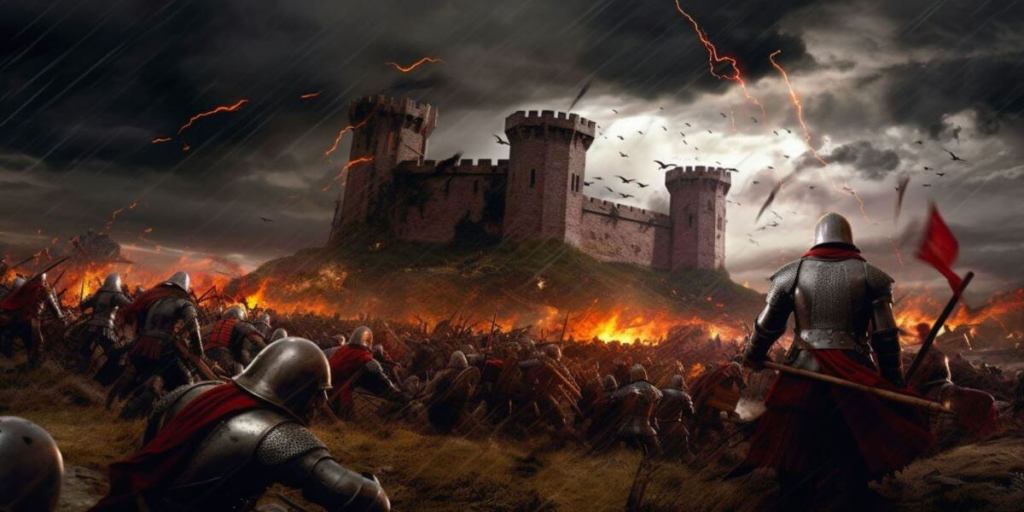
Echoes of the Past – Create echoes of historical events in your world’s setting. Ruined castles, ancient battlefields, looming monuments, or enigmatic artifacts can serve as reminders of the past, sparking curiosity and intrigue. They can also play a part in the plot.
Example: The ancient city of Anor Londo in Hidetaka Miyazaki’s “Dark Souls” series is a haunting reminder of the past, now decaying with secrets of its own.
Cultural Traditions – Show how historical events have influenced cultural traditions and rituals. The customs and celebrations of your world can be rooted in significant historical moments.
Example: In Patrick Rothfuss’ “The Name of the Wind,” the characters celebrate the autumn festival of “Mae Midsummer,” which is based on a legendary event.
Political Intrigue – The political landscape of your world should be deeply connected to its history. Show how past conflicts, alliances, and betrayals have reverberated through time to influence contemporary power struggles.
Example: In the “Mistborn” series by Brandon Sanderson, the world’s political system is shaped by a history of revolutions and magical conflicts.

Logical Rules and Internal Consistency
To ensure your fantasy world feels real, you must establish logical rules and maintain internal consistency. Readers must feel that your world operates according to its own set of laws and principles.
Magic Systems – If your world features magic and you have decided to use a hard magic system, define its rules and limitations. Hard magic systems should have a consistent set of principles that govern their use. Readers should understand what magic can and cannot do within the context of your world. If you decide to go with a soft magic system, it is still a good idea to understand the rules of your magic even if you never detail them to your readers.
Example: Brandon Sanderson’s “Laws of Magic” in his “Cosmere” universe create clear boundaries for magic, ensuring a logical and consistent system.
World Laws – Establish natural laws within your world, such as the behavior of physics, chemistry, and biology. Even if your world has magical elements, adhering to these laws creates a sense of realism.
Example: Terry Pratchett’s “Discworld” series has its own unique laws of physics and magic, which, while whimsical, are internally consistent.
Character Behavior – Characters should act in ways that align with the world’s rules and customs. They should behave in a way that is consistent with their cultural and historical context.
Example: In “The Hobbit” by J. R. R. Tolkien, Bilbo’s character arc aligns with the cultural values and historical events of Middle-earth.
Worldbuilding creates fantasy realms where readers can lose themselves. To make your world feel real, you must invest in its history, geography, and climate, and connect these elements seamlessly. By using actual history and logical rules, you can make your world feel authentic and captivating. Remember that the magic of fantasy lies not in the impossible, but in the art of making it feel utterly believable. Happy worldbuilding!
I hope this was helpful. Let me know if you have questions or suggestions by using the Contact Me form on my website or by writing a comment. I post every Friday and would be grateful if you would share my content.
If you want my blog delivered straight to your inbox every month along with exclusive content and giveaways, please sign up for my email list here.
Let’s get writing!
Copyright © 2024 Rebecca Shedd. All rights reserved.
Introduction to Worldbuilding
Posted on January 5, 2024 Leave a Comment

Fantasy literature transports readers to unimaginable realms, where they can escape reality and embark on epic quests, encounter mythical creatures, and explore magical lands. The key to the magic of these stories lies in creating fantasy worlds that are immersive, believable, and awe-inspiring. These realms become characters in their own right. The art of worldbuilding that captivates and inspires readers is what we’ll explore over this year. Worldbuilding is essential for crafting immersive stories, whether you’re an aspiring writer or a fan of fantasy.
To create a believable and engaging setting, you must start with a solid foundation. Here are some key considerations when crafting your world. I will be exploring all these topics in greater depth over the next year.
Creating a Believable Setting
Begin with the basics.
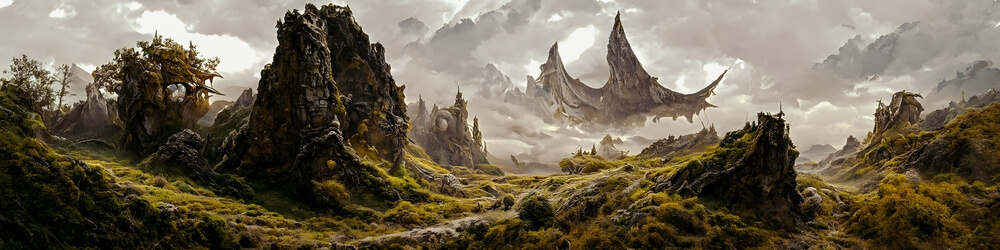
Geography and Topography – What is the lay of the land? Consider the physical features—mountains, rivers, forests, deserts—that make up your world. Are there vast underground caverns, lost cities, or labyrinthine catacombs? How do these elements affect the climate, ecosystems, and the civilizations that inhabit them?
Climate and Weather – Weather plays a crucial role in setting the tone of your world. Think about seasonal changes, unusual weather patterns, and their impact on agriculture, travel, and daily life. Weather patterns and seasonal changes influence the behavior of flora and fauna. These factors also affect how your world’s civilizations have developed.
Flora and Fauna – Populate your world with a diverse range of plants and creatures. Consider their adaptations to the environment and their role in your world’s ecosystem.
History and Lore
Every fantasy world has a history filled with legendary wars, iconic heroes, and world-altering events. Create a detailed history and lore for your world.
Historical Events and Conflicts – Think about pivotal moments in your world’s past. These events can shape your cultures and inform your characters and their motivations. They can also impact the political landscape.
Races and Species
Whether your world is populated by humans, mythical creatures, or a mix of both, give careful thought to its inhabitants.
Creating Diverse Races – Do you want different races and species with unique characteristics and histories in your world? Consider how these races interact and what conflicts or alliances may arise.
Cultural Diversity
In a well-rounded fantasy world, cultures add richness and depth to your setting.
Languages and Linguistics – Develop distinct languages for different cultures, with their own scripts and dialects. Language can be a powerful tool for worldbuilding.
Religions and Belief Systems – Explore the religions in your world. Are there pantheons of gods, monotheistic faiths, or animistic beliefs? How do these religions influence daily life and morality? If there are multiple religions in your world, how do the followers of different faiths interact with each other? Are they peaceful or antagonistic?
Political Systems and Factions – The political landscape of your world can be as intricate as its cultures. Are there kingdoms, empires, or city-states? Are there power struggles, alliances, or wars on the horizon? Political intrigue can be a rich source of conflict and plot.
Cultural Traditions and Rituals – What traditions and rituals exist in the cultures of your world? Explore how geography, climate, and history have affected culture. Cultural aspects encompass literature, gender roles, social institutions like marriage and education, superstitions, and more.

Economy and Trade: The Lifeblood of Your World
Economic systems play a vital role in shaping your world’s societies and conflicts.
Economic Systems – How do people earn a living? What is the currency, and how is wealth distributed? Resources are also critical factors to consider.
Trade Routes and Commerce – Think about the trade routes that crisscross your world. How do they influence cultural exchange and the flow of goods?
Technology and Advancements – Determine the level of technology in your world. Is it a medieval society with swords and horses, or is it a technologically advanced world with steam-powered contraptions? Technology influences every aspect of life, from transportation to communication.
The Magic of Magic Systems
Magic is often a central element of fantasy worlds, and its form is a vital thread in the fabric of your setting.
Magic Rules and Limitations – Establish clear rules for how magic operates in your world. Is it bound by specific laws? Are there limits to its power? Is it something that comes naturally or do people need to be taught and practice it to become skilled? Is magic taught in formal academies, through apprenticeship, or by personal trial and error? This not only adds depth but also provides opportunities for conflict and growth.
Types of Magic Users – Define the various magic users, from wizards and sorcerers to witches and warlocks. Explore their unique abilities and how they fit into the broader society. Are magic users powerful people in the government and society or are they feared and hunted?
Cultural Influence – Consider how different cultures within your world approach and interact with magic. Is it revered, feared, or a closely guarded secret? How do these beliefs shape the world’s politics and religions?
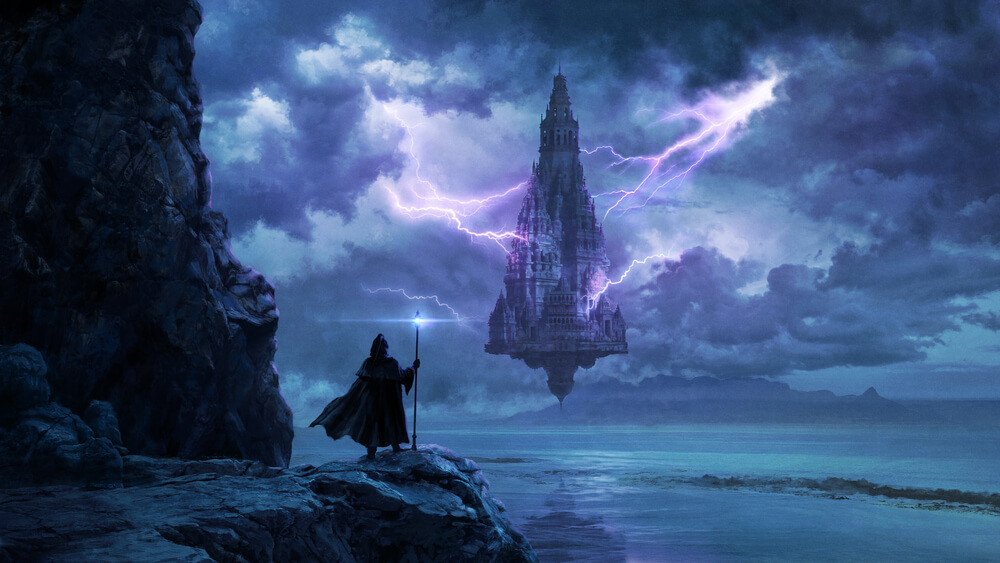
Hidden Realms – Are there hidden realms in your world accessed through portals, magical gateways, or ancient artifacts? These can be realms of wonder, danger, or both.
The Art of Visualizing: Creating Maps and Geography
Maps and visual aids are invaluable for both writers and readers. They provide a tangible sense of your world’s geography and help orient the reader.
Sketching Maps – Create maps of your world, whether it’s a single continent or an entire cosmos. Maps help you keep track of locations and distances, ensuring consistency throughout your narrative.
Visual Aids – Consider using visual aids like sketches, diagrams, or 3D models to help readers picture key places, objects, and creatures.
Building Worlds for Different Fantasy Subgenres
Different subgenres of fantasy require unique worldbuilding approaches.
Worldbuilding for High Fantasy – Embrace the epic and the mythical. High fantasy often features sweeping landscapes, legendary artifacts, and world-altering events.
Worldbuilding for Urban Fantasy – Blend the magical with the mundane. Urban fantasy typically places fantastical elements in a contemporary urban setting.
Worldbuilding for Steampunk – Give your world a Steampunk touch by incorporating Victorian aesthetics, steam-powered machinery, and an industrial revolution atmosphere.
Characters in Your World: Integration and Impact
Characters are the lens through which readers explore your world. The world shapes their backgrounds and experiences they inhabit.
Character Integration – Ensure that you seamlessly integrated your characters into the world. The culture, politics, and history of the world they live in should influence their personal stories.
Reader Engagement – Engage your readers by immersing them in your world. Use descriptive language and character experiences to make the setting come alive.

Fantasy worldbuilding takes time, creativity, and careful consideration. Each facet of your world, from its geography and cultures to its magic systems and mythical creatures, contributes to the spectacle of your story. Remember that your goal is to transport your readers to a realm of wonder and adventure, where the boundaries of reality fade away, and the possibilities are limited only by your imagination. Happy worldbuilding!
I hope this was helpful. Let me know if you have questions or suggestions by using the Contact Me form on my website or by writing a comment. I post every Friday and would be grateful if you would share my content.
If you want my blog delivered straight to your inbox every month along with exclusive content and giveaways, please sign up for my email list here.
Let’s get writing!
Copyright © 2024 Rebecca Shedd. All rights reserved.
The Writer’s Guide to Entering & Exiting a Harbor
Posted on December 22, 2023 Leave a Comment

Sailing ships entering and exiting harbors relied on a combination of wind power, currents, and manual labor. The techniques and procedures varied depending on the size of the ship, prevailing wind and tide conditions, and the design of the harbor. Here is a general overview of how sailing ships entered and exited harbors.
As always, magic is the exception to the rule. Because magic.
Entering Harbor
The crew of the ship would use maps, instruments (like sextants), and landmarks to find their way to the harbor.
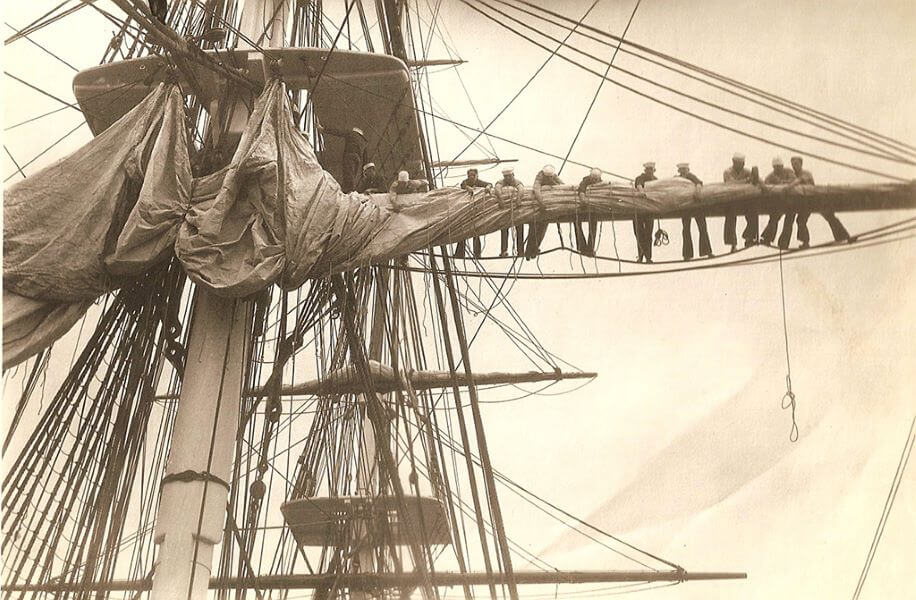
As the ship approached the harbor entrance, the crew would reduce sail by furling or lowering some sails. This reduced the ship’s speed and made it more maneuverable.
The anchor would be ready to drop in case of emergencies or if the ship needed to come to a stop quickly.
Many times, local pilots familiar with the harbor would come on board to guide the ship safely through the narrow and often treacherous entrance. Pilots had specialized knowledge of the harbor’s currents, tides, and hazards.
Depending on the wind direction and the layout of the harbor, the crew would use various techniques to maneuver the ship. These might include tacking (changing the direction of the ship by turning it into and across the wind) or wearing ship (changing direction by turning away from the wind). In the time before motorized vessels, sailors would use row boats to pull ships into harbor. Later, they would fill this role with tugboats. Another method they used was to let out the anchor, load it onto a rowboat, and drop it further out in the direction they wished to go. They would then weigh anchor, pulling the ship towards it. Sailors commonly took advantage of the incoming tides to push their ships into the harbor.
The ship’s crew and harbor authorities would communicate using signal flags, semaphore, or other means to coordinate the ship’s entry.
Once safely inside the harbor, the ship would drop anchor and secure it to the seabed to prevent drifting. They often did this with manual capstans or windlasses. They would also secure the ship to the dock using ropes that were tied to cleats on the dock and sturdy points on the ship. Typically, sailors used three lines: a bowline, a stern line, and a spring line. These lines were tight enough to prevent the boat from drifting too far, but slack enough to allow it to move with the tide and wind.

Exiting Harbor
To leave the harbor, the ship’s crew would “weigh anchor,” which meant raising the anchor from the seabed. This required the use of capstans or windlasses powered by the crew’s muscle.

Once they had secured the anchor, the crew would set the sails. The configuration of sails depended on the wind direction and the ship’s desired course.
The ship’s crew would plan their route out of the harbor, considering the wind and tide conditions. They would aim to avoid obstacles and other vessels.
Like entering the harbor, the crew would use various sailing maneuvers to navigate through the harbor entrance. The crew had to balance the speed and direction of the ship with care to avoid collisions and ensure a safe exit. Sailors used the same methods applied to bring a ship into harbor in reverse to exit the harbor.
Sometimes, a harbor pilot might continue to guide the ship out of the harbor to ensure a safe departure.
Once the ship had safely navigated the harbor entrance, it would set its course for its intended destination, adjust its sails as necessary, and resume its journey under wind power.
These procedures required skilled seamanship, teamwork, and a deep understanding of the local conditions. Bad weather, strong currents, or crowded harbors can make entering and exiting difficult.
I hope this was helpful. Let me know if you have questions or suggestions by using the Contact Me form on my website or by writing a comment. I post every Friday and would be grateful if you would share my content.
If you want my blog delivered straight to your inbox every month along with exclusive content and giveaways, please sign up for my email list here.
Let’s get writing!
Copyright © 2023 Rebecca Shedd. All rights reserved.
 Rebecca Shedd - Author