
The Worldbuilder’s Toolkit: Languages
Posted on June 7, 2024 1 Comment

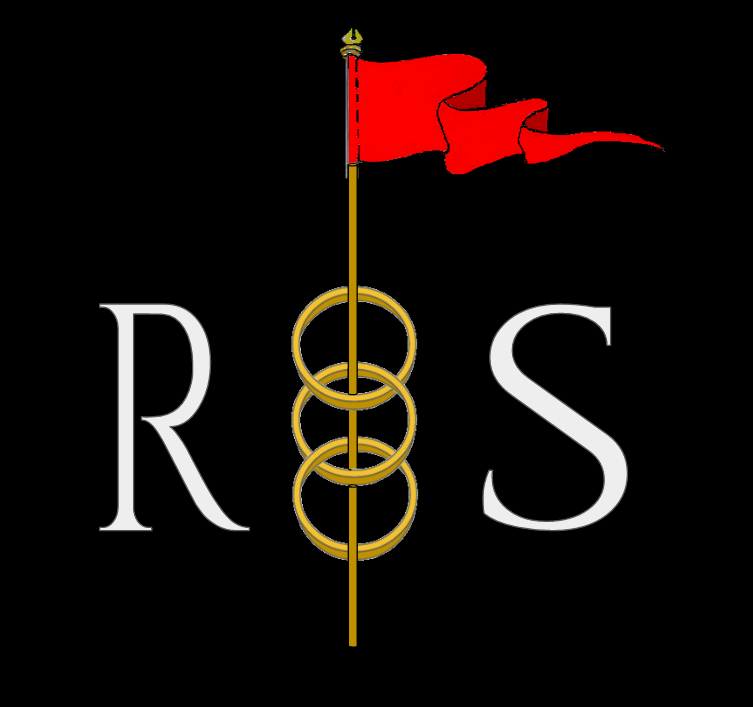
In fantasy and science fiction, languages can play a crucial role in shaping cultures, defining identities, and enriching storytelling. From the melodic elvish tongues of Tolkien’s Middle-earth to the guttural Klingon of Star Trek, invented languages add depth and authenticity to fictional worlds, inviting readers to immerse themselves deeper in the world-building. In this comprehensive guide, I’ll explore the value of creating languages, the structure and evolution of real-world languages, and practical tips for crafting unique and believable languages for your own worlds.
The Value of Including Languages
Including fictional languages in your fantasy or science fiction world can enhance the richness and realism of your world-building in several ways. Different languages can reflect the diversity of cultures within your world, each with its own unique history, values, and traditions. For example, your culture may have multiple words for the same thing that express nuances.
Language can be a tool for character development, revealing aspects of a character’s background, personality, and social status. A nobleman in your world will speak differently than a peasant and a star commander differently than an asteroid belt miner. The words and expressions chosen can tell your reader a lot about your character. For example, a character that is constantly using fishing metaphors even though they live inland will let the reader know they are not native to this region.
Language barriers can create conflict and drive plot, as characters navigate communication challenges and misunderstandings. Immersing readers in fictional languages can enhance the experience, making the world feel more vibrant and alive.
However, the idea of creating a language from scratch can be incredibly daunting. If you do not have a background in linguistics, even though the idea of a unique language for your world is appealing, it may be something beyond your skill level. If the idea of creating a fully functional language is more than what you want to do, there are other ways to give the impression of multiple unique languages. You can create phrases or snippets of language in dialogue that give the impression of more. You can write your dialogue in English but specify that it is being spoken in a different language. Perhaps you only include your fictional language when your character is casting a spell or when they are cursing.

Structure and Evolution of Real-World Languages
Real-world languages are incredibly diverse, with complex structures and punctuation systems that have developed over millennia. Languages evolve through a combination of cultural influences, contact with other languages, and internal changes within the community. Studying the structure and evolution of real-world languages can provide valuable inspiration for creating fictional languages, helping to make them feel more authentic and believable.

Ideas for Creating Languages
When creating languages for your story, consider the following ideas.
Create a set of sounds and rules for combining them to form words. Establish the rules for structuring words into sentences. Create a vocabulary of words that are unique to your language, drawing inspiration from real-world languages, or inventing entirely new words.
Consider developing a unique writing system for your language, with its own alphabet or symbols.
Besides creating multiple languages, incorporating regional dialects and accents can further enhance the richness of your world-building. Regional dialects can reflect geographical features, cultural influences, and historical events, adding depth to the cultures and societies within your world.
In fantasy worlds where magic is prevalent, magical forces may influence language. For example, magic users may speak spells and incantations in ancient mystical languages with unique phonetics and grammar. In science fiction worlds with advanced technology, languages may incorporate elements of technology, such as digital communication or artificial intelligence.
One of the most famous examples of language creation in fantasy literature is J. R. R. Tolkien’s Middle-earth. Tolkien was a philologist with a deep love for languages, and his creation of Quenya and Sindarin was the foundation of his world-building. The languages of Middle-earth shaped the cultures and histories of Tolkien’s fictional races, adding depth and realism to his iconic fantasy world.
The Writer’s Toolkit
Consistency – Maintain consistency in the rules and structure of your language throughout your narrative.
Internal Logic – Ensure that your language follows its own internal logic, even if it differs from real-world languages.
Cultural Context – Consider the cultural context of your language, including how it reflects the values, beliefs, and history of the speakers.
Realism vs. Utility – Decide whether you want to create a fully functional language or just include enough phrases to give the impression of a fully functional language, based on the needs of your story.
Consultation – Consider consulting with linguists or language experts to ensure the authenticity and believability of your language.
Fictional Example: The Celestial Tongue of Astra
In the realm of Astra, the residents of the ethereal city of Lumina speak the Celestial Tongue, a language known for its melodic cadence and intricate script, which is said to be a gift from the gods. Its use of symbolism and incorporation of magical elements makes it unique, and its intricate script resembles a delicate dance of stars across the page. Each symbol is imbued with meaning, representing not only words but also concepts and emotions. The language’s melodic cadence is famous, with a rhythm that people claim resembles the celestial music of the heavens. The language derives many words and phrases from the names of stars, planets, and other celestial bodies, reflecting the belief of its speakers that the heavens hold the key to understanding the world around them.
The Celestial Tongue has developed over millennia. Originally a language used by priests and scholars to communicate with the gods, it has since become the language of the entire city of Lumina. As the city grew and prospered, new words and concepts were introduced, leading to a rich and diverse vocabulary.
One significant change in the Celestial Tongue occurred during a period of cultural exchange with neighboring civilizations, enriching its vocabulary and broadening its scope. Despite these changes, the core principles of the language have remained intact.
Magic plays a significant role in the evolution of the Celestial Tongue. The evolution of the Celestial Tongue incorporates many words and phrases with magical significance, reflecting the belief that language has the power to shape reality. Speakers often use it in magical incantations and rituals, with specific words and phrases believed to have the power to summon or manipulate magical energies.
While technology has had a lesser impact on the Celestial Tongue, it still influenced the way people write and preserve the language. With the invention of celestial scribing devices, the Celestial Tongue has survived and flourished.

Creating languages for your fantasy or science fiction world can add a layer of depth and richness that enhances the immersive experience for your audience. By drawing inspiration from real-world languages, considering the impact of magic and technology, and following practical tips for crafting believable languages, you can create linguistic landscapes that are as vibrant and diverse as the worlds you imagine. So, let your creativity soar as you craft languages that bring your fictional worlds to life with their own unique voices and identities.
I hope this was helpful. Let me know if you have questions or suggestions by using the Contact Me form on my website or by writing a comment. I post every Friday and would be grateful if you would share my content.
If you want my blog delivered straight to your inbox every month along with exclusive content and giveaways, please sign up for my email list here.
Let’s get writing!
Copyright © 2024 Rebecca Shedd. All rights reserved.

The Worldbuilder’s Toolkit: Cultural Diversity
Posted on May 24, 2024 1 Comment
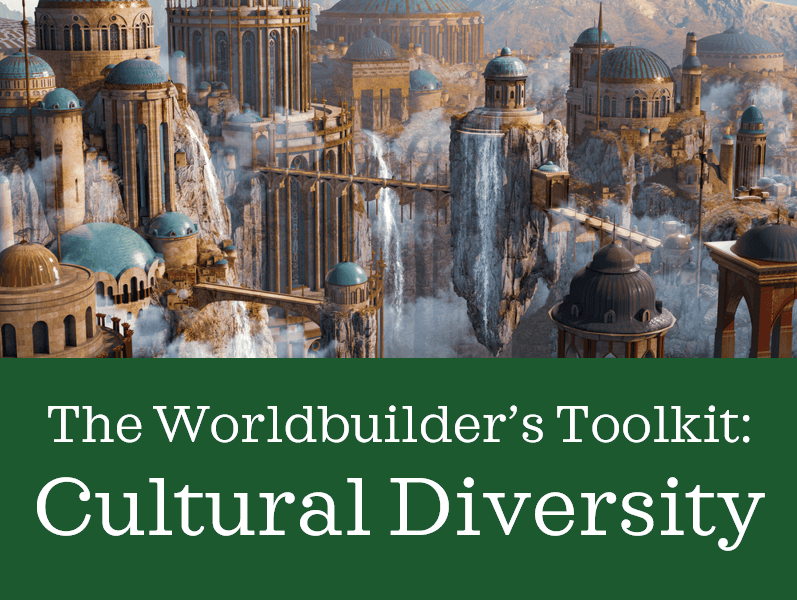
In fantasy and science fiction, cultural diversity enhances the richness and believability of fictional worlds. Just as in our own world, diverse cultures in these genres can offer unique perspectives, values, and traditions that shape societies and drive narratives. In this comprehensive guide, I’ll explore the importance of cultural diversity, the various aspects of culture, and practical tips for creating diverse and Interesting cultures in your world-building.
Why Cultural Diversity Matters in Fantasy and Science Fiction
Just as our world is rich in diverse cultures, so too should be the worlds we create. Diversity adds depth and realism to fictional settings, making them more immersive for readers.
Diverse cultures allow for diverse characters, each with their own backgrounds, beliefs, and values. This diversity adds complexity to characters and allows for more engaging storytelling.
Cultural differences can be a source of conflict and drama in a narrative, driving plot and character development.
Different cultures can offer unique perspectives on themes such as power, morality, and identity, enriching the thematic depth of a story.
Culture encompasses a wide range of elements that shape a society. These include:
Values – Core beliefs and principles that guide behavior.
Social Structure – The organization of society, including hierarchies and roles.
Traditions – Customs and practices passed down through generations.
Religion – Spiritual beliefs and practices.
Superstition – Beliefs in supernatural phenomena or luck.
Politics – Systems of governance and decision-making.
Clothing and Fashion – Styles of dress and adornment.
Food and Cuisine – Culinary traditions and preferences.
Societal Norms – Accepted behaviors and taboos.
It’s important to create cultures that are diverse and nuanced, avoiding the trap of monolithic cultures where every member looks and acts the same. Even within a single culture, there should be variations based on factors such as region, social class, and personal experiences.

Drawing Inspiration from Real World Cultures
Real-world human cultures and ethnicities can provide rich inspiration for creating diverse fictional cultures. It’s important to remember that people who share the same background or appearance can differ greatly from one another, and you should reflect this in your worldbuilding. This also opens opportunities for conflict between characters. Having characters from similar backgrounds who make very different decisions and have very different opinions can add some interesting drama to your story. Conversely, having two characters from unique backgrounds can do the same thing. What one culture considers a great honor, another could consider rude. It is also a good way to showcase what each culture values. One culture may value collective success, while another culture may focus on the achievements of the individual.

Magic and Technology’s Effect on Culture
Magic and technology can have a profound effect on cultures. Consider how societies integrate these elements into their culture and how they affect daily life, values, and traditions. For example, a society with advanced technology may have different social norms around privacy and communication than one without. In another example, a society that highly values magical skills could hold a negative opinion of a character who lacks innate magical ability.
The Writer’s Toolkit
Research – Take the time to research real-world cultures to inform your world-building.
Avoid Stereotypes – Strive to create cultures that are diverse and nuanced, avoiding simplistic stereotypes.
Internal Diversity – Create diversity within cultures, with different groups and individuals having their own unique traits and beliefs.
Consistency – Maintain consistency in cultural traits and behaviors throughout your narrative.
Conflict and Change – Consider how cultures change over time and how conflicts within and between cultures drive these changes.
Adaptation to Climates -How has the environment shaped the culture’s values, traditions, and way of life?
Historical Events – What past events have shaped the trajectory of the culture, and how are they remembered or commemorated?
Interactions with Other Cultures – How have interactions with neighboring cultures influenced the culture’s development and worldview?
Fictional Example: The Sunfire Nomads of the Scorched Wastes
In the unforgiving expanse of the Scorched Wastes, where the sun blazes mercilessly and the land is cracked and parched, dwells a nomadic culture known as the Sunfire Nomads. These hardy people have adapted to the harsh environment, crafting a unique culture that revolves around survival, resilience, and a deep connection to the land. The Sunfire Nomads place a high value on cooperation and community effort, believing that every member of the tribe is vital to the group’s survival. Personal ambition is discouraged.
The Sunfire Nomads have a loosely structured society, with leadership roles determined by merit and experience rather than heredity. Elders, known as Sunseers, hold positions of respect and authority, guiding the tribe with their wisdom and knowledge of the land.
Despite the isolation caused by the harshness of their environment, the Sunfire Nomads occasionally interact with traders from the kingdom of Kargonia to the South. The Kargonians live on the coast with their cities centered around rivers that flow into the ocean. The forests are lush and plentiful as is the farmland. Kargonian society values individual achievement and risk taking.
Discontent is growing among a faction of the Sunfire Nomads. Hailing from the northern tribe that lives in the harshest region of the Scorched Wastes, they are led by a young woman who has defied the elders. This faction has spoken with the Kargonians and heard tales of faraway lands that are flowing with water and thick with vegetation. One of these traders has offered to lead them to this paradise. However, when the faction approached the elders, they were harshly rebuked and forbidden to leave the desert. Yet the number of young people discontent with a harsh, isolated life is growing.

Creating cultural diversity in your fantasy and science fiction worlds is not just about adding variety; it’s about creating a more vibrant and realistic world that resonates with readers. By exploring the various aspects of culture, drawing inspiration from real-world cultures, and considering the impact of magic and technology, you can create cultures that are rich, nuanced, and compelling, adding depth and authenticity to your world-building. So, let your imagination soar as you create worlds as diverse and complex as our own. Happy worldbuilding!
I hope this was helpful. Let me know if you have questions or suggestions by using the Contact Me form on my website or by writing a comment. I post every Friday and would be grateful if you would share my content.
If you want my blog delivered straight to your inbox every month along with exclusive content and giveaways, please sign up for my email list here.
Let’s get writing!
Copyright © 2024 Rebecca Shedd. All rights reserved.
The Worldbuilder’s Toolkit: Races & Species
Posted on May 10, 2024 Leave a Comment
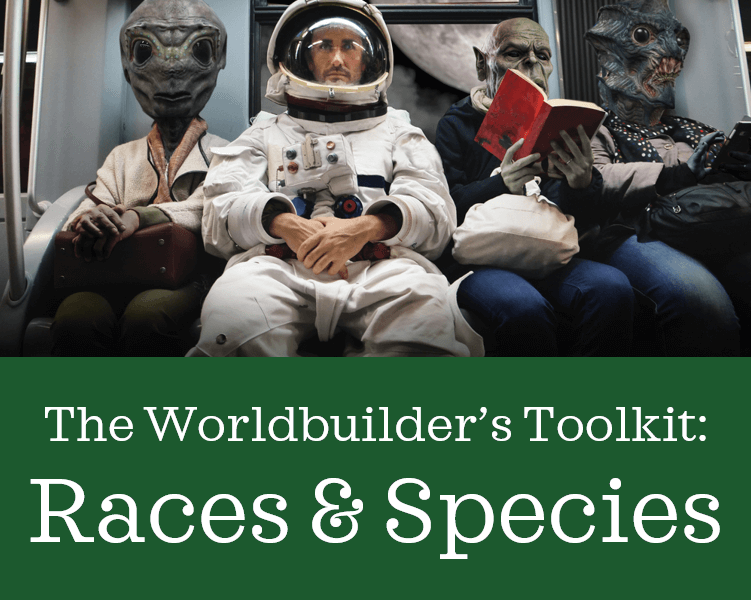
In the vast realms of fantasy and science fiction, the creation of sentient races and species is a cornerstone of worldbuilding. These diverse inhabitants, ranging from elves and dwarves to extraterrestrial beings, enrich your narrative, offering unique perspectives, cultures, and histories. In this guide, I’ll explore the nuances of creating races and species, drawing inspiration from real-world cultures and animals, and providing practical tips for crafting believable and engaging inhabitants for your fictional worlds.
Races vs. Species
In fantasy and science fiction, “races” typically refer to different groups of beings within a single species, often distinguished by physical characteristics, cultural traits, and societal structures. For example, elves and dwarves in fantasy literature are different races of the humanoid species.
“Species” refers to distinct biological classifications of sentient beings with significant genetic differences, often occupying different ecological niches or originating from separate evolutionary paths. For instance, in science fiction, species such as the Galanthi in “The Nevers” are distinct species with their own unique physiology and culture.
Some writers combine races and species to create a diverse array of inhabitants. For example, a fantasy world might feature humanoid races such as elves and orcs alongside sentient animal species like talking dragons or anthropomorphic creatures.

Historical Context: The Evolution of Races and Species in Fiction
The concept of sentient races and species has a rich history in both fantasy and science fiction literature.
Fantasy literature has long featured iconic races such as elves, dwarves, and orcs, drawing inspiration from mythologies, folklore, and literary traditions. Tolkien’s Middle-earth, with its diverse array of races, set the standard for many subsequent fantasy worlds.
In science fiction, authors have imagined a plethora of extraterrestrial species, each with its own unique biology, culture, and society. Works like Star Wars and Star Trek have introduced audiences to memorable species such as Wookiees, Klingons, and Twi’leks, showcasing the vast diversity of sentient life in the cosmos.

Drawing Inspiration: Real-World Cultures and Animal Species
To create rich and believable races and species, drawing inspiration from real-world human cultures and animal species can be invaluable.
Explore the diverse cultures, traditions, and histories of real-world civilizations. Consider how you can weave elements of different cultures, from architecture to mythology, into your fictional races and species.
Study the adaptations of real-world animal species to various environments and ecological niches. Draw inspiration from their physical attributes, behaviors, and social structures to create unique and believable sentient species in your world.
Crafting Races and Species for Your Story
Brainstorming ideas for races and species requires imagination and creativity.
Experiment with different physical forms for your races and species, ranging from humanoid to multi-legged, winged, or even ethereal beings composed of energy. Each form offers unique opportunities for cultural and societal development.
Think about the environments in which your races and species developed and how they have adapted to thrive in these conditions. Consider the impact of factors such as climate, geography, and resources on their biology and culture.
In fantasy worlds, magic can play a significant role in shaping the biology and abilities of sentient beings. Consider how magical forces have influenced the evolution and development of your races and species, granting them unique powers or vulnerabilities.

Cultural Impacts: Form, Abilities, and Values
The form and abilities of your races and species can profoundly influence their culture, values, and history.
The physical attributes of a race or species, such as strength, agility, or sensory abilities, can shape their societal roles and cultural practices. For example, a winged race may prioritize flight and aerial combat in their cultural traditions.
Races with inherent magical abilities may develop intricate magical systems and rituals as integral aspects of their culture. Consider how you can weave elements of different cultures, from architecture to mythology, into your fictional races and species.
Consider how the unique abilities and limitations of your races and species have influenced their interactions with other groups and their place in the world’s history. Conflicts, alliances, and cultural exchanges can be traced back to these formative traits.
The Writer’s Toolkit
Consistency – Maintain consistency in the traits, behaviors, and cultural norms of your races and species throughout your narrative.
Avoid Stereotypes – Strive to avoid simplistic stereotypes when creating races and species. Instead, focus on developing multidimensional characters with diverse motivations and personalities.
Research – Take the time to research real-world cultures and biological adaptations to enrich the depth and authenticity of your fictional inhabitants.
Consider Diversity – Just as human societies are diverse, so too should your fictional races and species be. Explore variations within groups, including differences in appearance, beliefs, and customs.
Embrace Complexity – Embrace the complexity of sentient beings by exploring the nuances of their relationships, conflicts, and cultural evolution.
Fictional Example: The Luminescent Sylphs of Etherea
Nestled among swirling nebulae and celestial bodies, dwells a race of beings known as the Luminescent Sylphs. These graceful and otherworldly creatures are beings of pure energy, their forms shimmering with iridescent hues that shift and dance like the auroras of distant worlds. They possess slender, elongated bodies, adorned with ethereal wings that flutter with the soft glow of starlight. Their luminous eyes, pools of liquid light, convey a sense of wisdom and serenity.
Gifted with the innate ability to manipulate cosmic energies, the Luminescent Sylphs possess a mastery of light and sound. They can weave intricate patterns of energy, creating dazzling displays of auroras and harmonious melodies that resonate across the cosmos. Their ethereal wings allow them to traverse vast distances with effortless grace.
They are the stewards of the celestial realms, tasked with maintaining the delicate balance between light and darkness, order and chaos. Councils of elders govern their society, their wisdom guiding the decisions of the race.
According to ancient legend, the Luminescent Sylphs emerged from the heart of a dying star, imbued with the essence of cosmic energy. They supposedly witness the birth of galaxies and the dance of celestial bodies across the void. Throughout history, they have played a pivotal role in shaping the destiny of the cosmos, their actions guided by a deep sense of cosmic harmony.
Their mastery of cosmic energies has led to the development of advanced technologies and magical arts. Their reverence for the cosmic order shapes every aspect of their society, from their laws and customs to their artistic expressions.

Crafting sentient races and species is a thrilling endeavor that allows you to populate your fictional worlds with a diverse array of captivating inhabitants. By drawing inspiration from real-world cultures and biological adaptations, generating imaginative ideas, and considering the cultural effects of form and abilities, you can create races and species that are both unique and believable, enriching your narrative with depth and intrigue. So, let your imagination soar as you breathe life into the inhabitants of your fantastical realms or distant galaxies. Happy worldbuilding!
I hope this was helpful. Let me know if you have questions or suggestions by using the Contact Me form on my website or by writing a comment. I post every Friday and would be grateful if you would share my content.
If you want my blog delivered straight to your inbox every month along with exclusive content and giveaways, please sign up for my email list here.
Let’s get writing!
Copyright © 2024 Rebecca Shedd. All rights reserved.

The Worldbuilder’s Toolkit: World-Defining Events
Posted on April 26, 2024 1 Comment
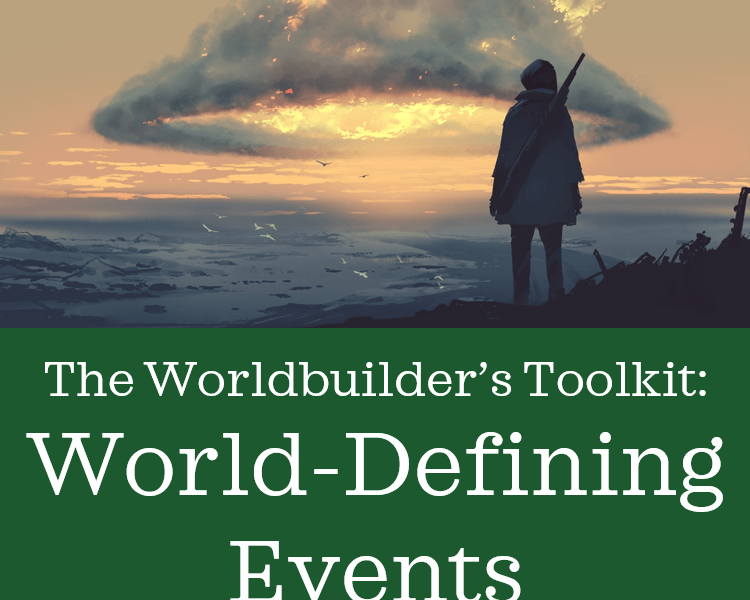
In the realms of fantasy and science fiction, world-defining events can serve as catalysts that drive your story forward or bring about world altering change. These pivotal moments and influential occurrences shape the culture, values, and trajectory of your fictional countries and characters. In this article, I’ll delve into creating these transformative events, drawing inspiration from history, generating ideas, and providing practical tips for crafting compelling and believable narratives.
One thing I want to point out is that you don’t have to have a world-defining event in your story. This is not a necessary part of your novel.
Drawing Inspiration from Real-World History
When crafting world-defining events, it’s valuable to draw inspiration from the annals of our own history. Real-world historical incidents can provide a blueprint for creating events that resonate with readers. Consider the following.
Revolutionary Upheaval – The French Revolution, for example, can inspire a rebellion or uprising in your world. Explore how class disparities, calls for equality, and the fall of an aristocracy can fuel the flames of change.
Natural Disasters -The eruption of Mount Vesuvius and the destruction of Pompeii offer a template for natural calamities in your world. Earthquakes, droughts, or cataclysmic storms can reshape landscapes and societies.
Epic Battles – Iconic battles like the Battle of Thermopylae can inspire grand conflicts in your story. The clash of armies, the heroism of warriors, and the consequences of conflicts can mirror historical struggles.

Generating Ideas for Major Historical Events
Creating major historical events demands imaginative prowess. Here’s how you can brainstorm ideas for events that will define your world.
Consider how environmental crises, such as a prolonged drought or the sudden freezing of a vast sea, can challenge your world’s inhabitants. How would they adapt to survive?
Explore the dynamics of conflicts, whether they are political, ethnic, or magical. Think about the motivations, alliances, and betrayals that drive these wars.
Delve into the idea of societal upheaval. What circumstances might lead to a mage rebellion against oppressive magical hierarchies, or a technological revolution that reshapes the world’s industries and power structures?
Magical World-Defining Events
In fantasy worlds, magical events can be particularly captivating.
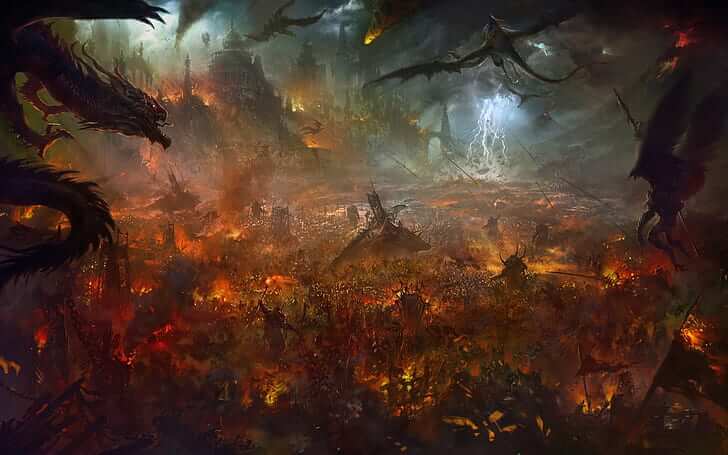
Imagine a cataclysmic magical event, such as the shattering of a powerful magical artifact. How would this event alter the fabric of your world’s reality? What consequences would it unleash?
Explore the idea of a rebellion led by mages seeking freedom from persecution. The Mage Rebellion could spark a revolution, challenging established power structures and leading to a new era of magic.
For example, imagine a world where the authorities tightly regulate magic, and an event called “The Unbinding” takes place, releasing magic and causing it to become uncontrollable and unpredictable. How would this event transform the world, both for the better and for the worse?
Cultural Impact and Narrative Threads
Each world-defining event should be a catalyst for change, shaping the world’s culture, values, and trajectory.
How have these events altered the belief systems, customs, and traditions of your fictional societies? Has a drought led to the veneration of water deities, or has a rebellion forged a newfound sense of unity and purpose?
Explore how these events have shaped the moral compass of your characters. Have the horrors of war scarred them, or have they found resilience and hope amid adversity?
Consider how the world-defining events your characters have experienced influence their goals and ambitions. Have they become determined to prevent history from repeating itself, or are they driven by personal vendettas born from past conflicts?

The Writer’s Toolkit
Foreshadowing – Drop subtle hints throughout your narrative to build anticipation of major events, ensuring they feel organic and inevitable.
Consequences Matter – Explore the lasting consequences of these events, both immediate and long-term. Show how they ripple through time, affecting generations of characters.
Character-Centered – Use the events to drive character development. Show how individuals’ experiences shape, empower, or scar them.
Symbolism – Consider the symbolic elements of your events. Are they metaphors for larger themes in your story?
Subvert Expectations – Don’t be afraid to subvert traditional tropes and expectations, offering fresh and unexpected twists to your world-defining events.
Fictional Example: The Celestial Convergence
In Andromedaris, a distant galaxy where advanced technology and mystic energies coexist, a world-defining event known as the “Celestial Convergence” shaped the destiny of an entire star system. Andromedaris was home to many planets and species, each with its unique culture and connection to the mystical energy known as “Celestium.”
The alignment of three celestial bodies – the sun, the moon, and a colossal comet named “Astraeth” – triggered the Celestial Convergence.
During the Convergence, the planet’s core resonated with Celestium, causing it to surge through the land, oceans, and skies. Celestium was the source of both magic and technological advancement in Andromedaris, and its sudden intensification led to widespread transformations.
The boundaries between magic and technology blurred. Machines developed magical sentience, while sorcerers gained unprecedented control over machinery. This convergence led to complex magic and technological integration.
This profoundly impacted the cultures of Andromedaris. Traditionalist societies, reliant on either magic or technology, faced internal struggles as they adapted to the new balance. Some embraced the convergence while others resisted, clinging to their old ways.
Amidst the chaos, a new order known as the “Convergence Guilds” emerged. Their members, known as “Celestial Artisans,” sought to harness the full potential of the Convergence. They became arbitrators of innovation and guardians of knowledge, working to ensure the responsible use of Celestium’s power.
As news of the event spread to neighboring star systems, diplomatic relations were forged, and conflicts ignited. The newfound power source of Celestium became both a catalyst for cooperation and a source of rivalry among star-faring civilizations.
The legacy of the Celestial Convergence persists in Andromedaris. The interplay between magic and technology continues to shape the world’s culture, values, and trajectory. New generations of Celestial Artisans seek to unlock the secrets of Celestium, and the galaxy stands at the cusp of a new era, where innovation and adaptation are the keys to survival.

Crafting world-defining events is an opportunity to mold the very essence of your fictional realms. By drawing inspiration from history, generating unique ideas, and considering the cultural impact and narrative threads, you can breathe life into your world’s events, shaping a compelling and immersive story that resonates with readers and captivates their imagination. Happy worldbuilding!
I hope this was helpful. Let me know if you have questions or suggestions by using the Contact Me form on my website or by writing a comment. I post every Friday and would be grateful if you would share my content.
If you want my blog delivered straight to your inbox every month along with exclusive content and giveaways, please sign up for my email list here.
Let’s get writing!
Copyright © 2024 Rebecca Shedd. All rights reserved.
The Worldbuilder’s Toolkit: History & Lore
Posted on April 12, 2024 1 Comment
In the realm of fantasy and science fiction, crafting an immersive and believable world hinges not only on the intricacies of geography and culture, but also on the rich tapestry of history and lore. These elements breathe life into the narrative, providing depth, context, and resonance for both characters and readers. This guide explores the art of constructing history and lore, drawing inspiration from the annals of our own world and offering practical advice to help writers create captivating and convincing backstories for their fictional realms.
Drawing Inspiration from History
The pages of history books are replete with tales of empires rising and falling, heroic figures, and momentous events that have shaped the course of civilizations. Drawing inspiration from real-world historical events and individuals can serve as a wellspring of creativity for your fictional world.
Identify historical periods and locations that have a similar feel as that of your book. One beauty of fantasy and science fiction is that we do not need to be completely historically accurate, and we can pull elements from throughout history. Identify historical events that parallel the themes or conflicts in your narrative. For example, the fall of the Roman Empire might inspire a tale of a once-mighty kingdom in decline, grappling with internal strife and external threats. Another example is drawing on the Golden Age of Piracy because you specifically want naval cannon battles in your story.
Real-world historical figures can be the muse for your characters. Adapt their qualities, achievements, or dilemmas to craft compelling and multidimensional personas in your story. Be willing to dive deeper into historical figures to see what truly made them tick. You may discover that a famous general battled crushing self-doubt and had failed at everything else in life. You can use these details as inspiration in your own characters to create emotional depth.
Delve into the cultures, customs, and societies of different historical periods. Integrating elements from various cultures can create a rich and diverse backdrop for your world. Draw on other worldbuilding elements, such as climate, to provide inspiration for your culture’s clothing, food, and other customs.
Historical events often center around moral dilemmas and choices. Use these dilemmas to develop complex characters and thought-provoking narratives.

Crafting Major Historical Events and Figures: The Architect of Lore
To construct convincing history and lore, you must first create the pivotal moments and influential figures that have shaped your world. Consider these steps.
Brainstorm major historical events that have left a lasting imprint on your world. These could be wars, revolutions, natural disasters, or cultural shifts. Think about how these events ripple through time and affect your narrative. Consider how these events are remembered by the people and the leaders. Do they look back on them with a sense of pride or shame?
Craft prominent historical figures who played pivotal roles in your world’s past. Develop their personalities, motivations, and legacies. These figures can serve as symbols of change, heroes, or antagonists in your lore. Decide if history has remembered them correctly or if they have a hidden side, maybe even one that could shake the culture.
Explore how these historical events and figures have transformed the culture, values, and trajectory of your fictional societies. Think about how they have influenced art, religion, politics, and daily life. Does your culture have festivals that celebrate these historical events and figures, or are they portrayed in plays and literature as villains?

The Writer’s Toolkit
Consistency – Maintain consistency in your world’s history and lore. Create a timeline or historical records to keep track of events, figures, and their impact on the world.
Symbolism and Themes – Infuse your lore with symbolism and themes that resonate with your narrative. Consider how historical events and figures can embody or challenge these themes.
Cultural Diversity – Diversify your world’s history by including multiple cultures, each with its own set of events, figures, and perspectives. This adds richness and depth to your world.
Legends and Myths – Develop legends and myths surrounding historical events and figures. These stories passed down through generations can add layers of intrigue and mystique.
Evolution Over Time – Show how history and lore evolve over time. Explore how the passage of centuries can alter perceptions of past events and figures.
Reader Engagement – Allow readers to uncover the layers of history and lore gradually. Use flashbacks, historical documents, or character revelations to unveil the hidden truths of your world’s past.
Fictional Example: The History and Lore of the Kingdom of Eldoria
In the fantasy realm of Eldoria, a major historical event known as the Eclipse War serves as a turning point in the kingdom’s history. A dispute over the control of a powerful artifact triggered this war, known as the Solarian Eclipse Crystal. This ancient crystal, said to hold the essence of both the sun and the moon, possessed immense magical properties.
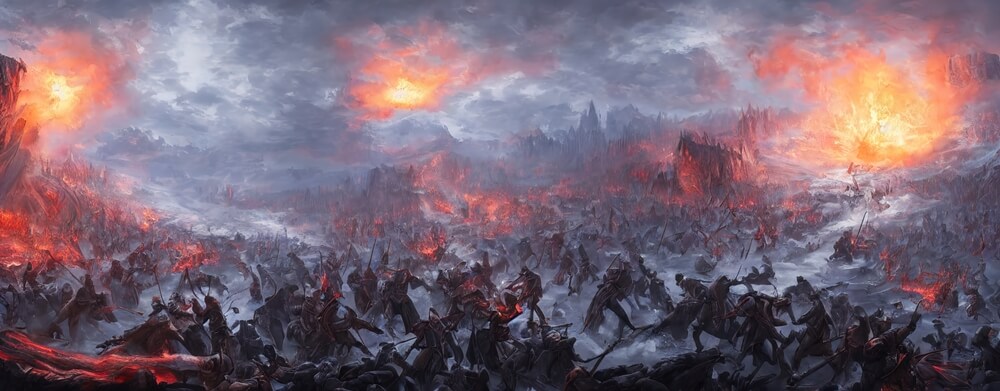
Two prominent noble houses: House Solari, based in the lowlands, and House Lunara, residing in the highlands, each coveted the Solarian Eclipse Crystal, believing it would grant them unparalleled dominance over Eldoria. The Eclipse War endured for decades, marked by a series of battles, skirmishes, and shifting alliances. The conflict tested the endurance and resources of both houses, plunging Eldoria into a state of turmoil and upheaval.
The monarchy weakened and ultimately dissolved as the royal family struggled to maintain control among the warring factions. This event marked a significant shift in Eldoria’s political structure. In the war’s aftermath, a council composed of representatives from various noble houses emerged as the ruling authority in Eldoria. This council was established to prevent further internal strife and to distribute power more equitably among the highlands and lowlands. The Eclipse War not only reshaped the political landscape but also fostered a culture of cautious diplomacy and alliance-building, as the kingdom sought to avoid further conflicts.
One of Eldoria’s iconic historical figures is Lady Seraphina, a brilliant strategist who played a pivotal role in ending the Eclipse War. Her legacy as a peacemaker and advocate for diplomacy still resonates in Eldorian society. The council’s rule, established in the war’s aftermath, has led to a decentralized system of governance, where noble houses wield significant influence over their respective regions.
The conflict became a source of legends, stories, and songs, often depicted as a tragic chapter in the kingdom’s history. It serves as a reminder of the consequences of unchecked ambition and the importance of unity in the face of adversity.
Creating immersive and believable history and lore is an art that requires careful consideration, creativity, and attention to detail. By drawing inspiration from real-world history, crafting significant events and influential figures, and following practical guidelines, writers can weave a rich tapestry of narrative depth, cultural resonance, and compelling storytelling. So, embark on the journey of world-building, where history and lore are the keystones to a world as vivid and captivating as your imagination can conjure. Happy worldbuilding!
I hope this was helpful. Let me know if you have questions or suggestions by using the Contact Me form on my website or by writing a comment. I post every Friday and would be grateful if you would share my content.
If you want my blog delivered straight to your inbox every month along with exclusive content and giveaways, please sign up for my email list here.
Let’s get writing!
Copyright © 2024 Rebecca Shedd. All rights reserved.

