
The Worldbuilder’s Toolkit: Magic Users
Posted on November 8, 2024 Leave a Comment

Creating magic users in a fantasy world involves more than just defining their powers; it’s about integrating them seamlessly into your world, establishing their roles, and ensuring they contribute to the narrative in meaningful ways. This article will guide you through the process of developing magic users, from their abilities and training, to their impact on society and the plot.
Places to Start
Define the Nature of Magic Users
First, you need to establish what it means to be a magic user in your world. Magic users can vary widely depending on the magic system and the world’s rules.
We can broadly categorize magic users into several types, such as sorcerers, wizards, enchanters, or shamans. Each type might have a unique method of accessing or controlling magic.
Determine where their magic comes from. Is it innate, learned, or bestowed by external sources like artifacts or deities? In a world where magic is inherited, consider how it manifests in different individuals or families.
Create Unique Abilities & Specializations
Magic users should have distinct abilities or specializations that set them apart from one another.
Magic can be elemental (fire, water, earth, air), transformative (shapeshifting, illusions), or entirely unique to your world (time manipulation, soulbinding). Each magic user might specialize in one or several types of magic.
Within their broader abilities, magic users might have specializations or unique talents. For instance, one might excel at creating magical artifacts, while another is a master of defensive spells. Specializations should reflect their training and natural aptitude.
Develop Societal Roles & Impact
The role of magic users within society should reflect their influence and status.
Determine how society views magic users. Are they revered, feared, or neutral? Do they hold political power or serve in specialized roles, like protectors or advisors?
Magic users might have ceremonial roles, participate in significant rituals, or be key figures in historical events. Their presence and actions could shape societal norms and traditions.
Address Limitations & Vulnerabilities
No magic user should be all-powerful; limitations make characters more relatable and their challenges more compelling.
Think about establishing clear limitations to their powers. This could be physical exhaustion, the need for specific materials or conditions, or vulnerabilities to certain types of magic or magic-blocking substances. This decision depends heavily on whether you are writing a soft or hard magic system.
Consider what weaknesses or drawbacks they have. For example, using magic could have harmful side effects, or certain actions might come with moral or ethical consequences.
Integrate Magic Users into the Plot
Magic users should play a central role in advancing the plot and interacting with other characters.
Magic users can drive the plot through their quests, conflicts, or personal growth. They might seek to master their abilities, resolve magical crises, or uncover hidden knowledge.
Their relationships with non-magic users and other magic users can provide depth to the story. Conflicts, alliances, and mentorships between characters can create rich narrative layers.
Explore Magic Users’ Personal Motivations & Conflicts
The personal motivations and conflicts of magic users can add complexity to their characters.
What drives them to use their magic? Are they seeking power, knowledge, redemption, or something else? Their motivations should influence their decisions and actions throughout the story.
Internal and external conflicts involving their magic can create tension. They might struggle with the ethical implications of their powers, face societal prejudice, or confront personal fears and insecurities.
Draw Inspiration & Innovate
You can draw inspiration from existing fantasy literature, mythologies, and real-world practices, but originality will make your magic users stand out.
Analyze how other works of fiction portray magic users. For example, consider how the authors developed characters like Gandalf from The Lord of the Rings or the wizards in Harry Potter, and how you can put a fresh spin on these archetypes.
Incorporate unique elements that fit your world’s magic system. Consider tailoring magic users’ abilities, training, and roles to suit your specific setting and plot needs.

Inherent Versus Learned Magical Talent
Magic users often fall into one of two categories: those with inherent magical talent and those who acquire their abilities through study and practice. By understanding the distinction between inherent and learned magical talent, as well as how they can be combined, you can enrich your world-building and character development. Whether a character relies on their natural ability, their training, or a blend of both, their magical journey can shape their role in the story and the dynamics of your fantasy world.
Inherent Magical Talent
Inherent magical talent refers to the natural ability to wield magic that is often innate or hereditary. Characters with inherent magical talent possess a unique predisposition for magic from birth, which can be influenced by their lineage, race, or specific genetic factors.
Origins & Characteristics – Inherent talent may be passed down through generations, resulting in certain families or races being naturally predisposed to magic. For instance, elves in many fantasy settings often have an innate connection to nature magic. Those with inherent talent might demonstrate magical abilities without formal training, showing an intuitive grasp of their powers from a young age. They may excel in areas related to their magical heritage, such as elemental control or healing.
Advantages – These individuals often have a natural ease with magic, making them more adept at certain types of spells or magical tasks. Their powers might be rare or unique to their bloodline, giving them abilities that are not easily replicated or learned by others.
Examples – Harry Potter possesses magical abilities from birth because of his family’s magical heritage. Elves in Tolkien’s works have a natural affinity for magic and long life, which enhances their magical capabilities.
Learned Magical Talent
Characters acquire learned magical talent through education, study, and practice. Characters with learned talent must invest time and effort into understanding and mastering magic, often through formal instruction or self-teaching.
Origins & Characteristics – These individuals gain their magical abilities through rigorous study, training in magical institutions, or apprenticeships. They may start with little to no innate ability, but develop their skills through perseverance. Learning magic often involves mastering complex spells, rituals, or magical theories. They hone their talents over time, reflecting their dedication and effort.
Advantages – Learned magic users can often acquire a broad range of magical skills and adapt their abilities based on their studies and experiences. They possess extensive knowledge of magical theory and practices, which can be used to innovate or solve complex magical problems.
Examples – Hermione Granger’s magical skills result from intense study and application, though she was born with the potential for magic. Gandalf in The Lord of the Rings possesses inherent power as a Maia, and he refines his knowledge and use of magic through his experiences and studies.
Combining Inherent & Learned Magic
A magic user who combines inherent and learned magical talent benefits from both the natural ease with magic and the depth of knowledge acquired through study.
Integration – Combining inherent talent with learned skills allows a character to master complex spells more quickly and effectively. They can intuitively grasp magical concepts while also applying rigorous techniques to enhance their abilities. Characters who integrate both types of magic may develop unique or advanced abilities, such as creating new spells, enhancing existing ones, or combining different magic in innovative ways.
Challenges – Managing the balance between natural ability and learned skills can be challenging. A character might struggle with the expectations set by their inherent talent or face difficulties in areas where their natural abilities are less effective. The combination of inherent and learned magic can create internal conflict or opportunities for character growth. A character might grapple with the pressure of their natural talent or seek to prove themselves through their learned abilities.
Examples – Mages in The Wheel of Time, like Rand al’Thor, are born with inherent magical talent but must learn to control and refine their abilities through rigorous training and study. Yoda from Star Wars possesses inherent Force sensitivity but also spends years training others and honing his skills through deep study and meditation.

Impact of Magic Type
The type of magic system you choose plays a crucial role in defining how magic users interact with and wield magic in your world. Different systems—whether elemental, incantation-based, ingredient-based, or others—shape the skills, practices, and societal roles of magic users. Here’s an exploration of how each type of magic system could influence its practitioners and their place within the story. This is not an exhaustive list. For more ideas, see my The Worldbuilder’s Toolkit: Magic Systems.
Elemental Magic
Elemental magic systems are based on the manipulation of natural elements such as fire, water, earth, and air. Magic users can control or harness these elements to perform various magical feats.
Users often develop a natural affinity for one or more elements. Training typically involves enhancing their ability to manipulate these elements with precision and power.
Magic users may specialize in a single element or a combination of elements. This specialization influences their role in society and the tasks they are best suited for. For instance, a fire mage might be a warrior or protector, while a water mage might excel in healing or navigation.
Different elements might be associated with specific cultural or religious significance. Within their culture, users of certain elements could hold higher status or be revered.
In Avatar: The Last Airbender, each of the elemental nations (Water, Earth, Fire, Air) has its own unique approach to manipulating the elements. The bending abilities and roles of characters like Aang (Air) and Zuko (Fire) reflect their elemental affinities and training.
Incantation-Based Magic
Incantation-based magic relies on spoken words, chants, or verses to invoke magical effects. The power of the spell is often tied to the precision and clarity of the incantation.
Magic users often follow structured rituals or formulae when performing spells, requiring memorization and practice to perfect their incantations.
Magic users must have strong linguistic skills and a deep understanding of magical languages or phrases. Their proficiency can limit their ability to perform magic in reciting spells.
Training in incantation-based magic often involves rigorous study of magical texts and practicing pronunciation and rhythm. Users might belong to formal magical academies or orders that focus on preserving and teaching these incantations.
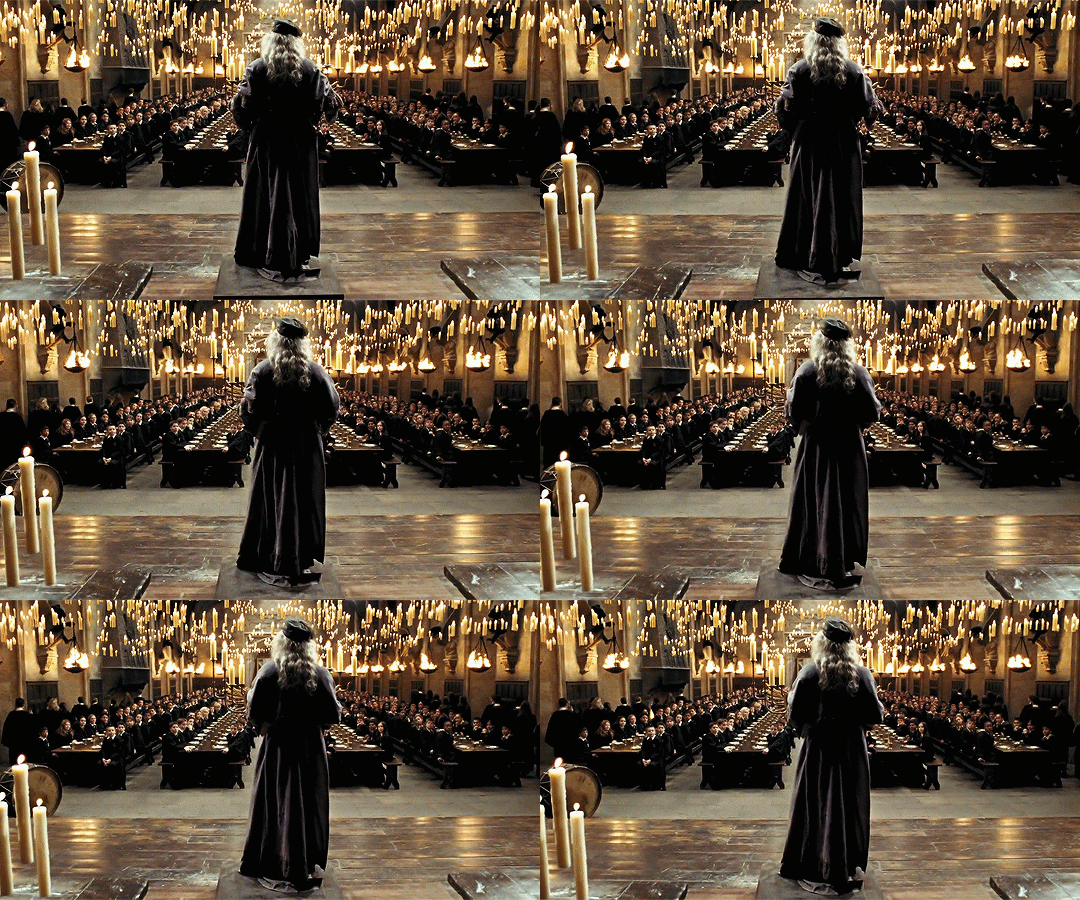
In the Harry Potter series, spells are cast using specific words and wand movements. Characters such as Hermione Granger and Albus Dumbledore must master the correct incantations in order to effectively use their magical abilities.
Ingredient-Based Magic
Ingredient-based magic involves combining specific ingredients, such as herbs, minerals, or mystical items, to create magical effects. The potency of magic is often influenced by the quality and combination of ingredients.
This system often involves a focus on alchemy, potion-making, and the crafting of magical artifacts. Users must possess knowledge of magical properties and the proper mixing of ingredients. They often act as alchemists, potion masters, or artifact creators. Their ability to craft powerful potions or enchanted items showcases their skills.
The availability and quality of ingredients can impact their ability to perform magic. Users might need to gather rare components or trade with others to obtain necessary materials.
In Fullmetal Alchemist, alchemy is central to the story, and characters like Edward and Alphonse Elric use specific ingredients and principles to perform their magical transformations and creations.
Runic or Symbolic Magic
Runic or symbolic magic involves drawing or inscribing magical symbols or runes that channel magical energy. The design and arrangement of these symbols are crucial for the effectiveness of the magic.
This system often requires artistic skill and knowledge of magical symbolism. Users may inscribe runes on objects or create intricate designs to cast spells.
Magic users must be adept at drawing or inscribing runes accurately. Their role might include crafting enchanted objects or creating magical wards.
Mastery of the symbols and their meanings is essential. Training involves learning the correct runic patterns and their associated magical properties.
In The Elder Scrolls V: Skyrim, the use of runes and magical inscriptions in this fantasy world impacts how characters cast spells and create magical effects through the use of ancient symbols.
Choosing the Right Magic System for Your Story
When selecting a magic system for your novel, consider how it will influence the magic users and the society in which they live.
Ensure that the magic system aligns with the broader world-building elements of your story. For instance, an ingredient-based system might fit well in a world where alchemy and potion-making are central to the plot.
Choose a system that complements your character’s growth and roles. For example, a character who starts as a novice in an incantation-based system might face challenges in mastering complex spells, influencing their journey.
Consider how the magic system will drive the plot. A system that relies on rare ingredients can lead to quests for magical components, while an incantation-based system might involve uncovering ancient texts.

Showing Character Progression
Demonstrating a character’s growth in magical abilities can be an important part of your plot. While the mentor trope is a common approach, there are various other ways to portray a magic user’s learning curve and skill advancement that allow for a rich exploration of your character’s journey, making their progression believable and engaging. Each approach provides a unique way to showcase the evolution of magical skills in your story. Here are several techniques and ideas for illustrating a magic user’s progression over time, ensuring their development feels natural and engaging.
Self-Study & Experimentation
Characters can advance their magical abilities through self-study and experimentation. This method involves characters delving into ancient texts, magical artifacts, or personal experiments to understand and refine their skills.
Characters might spend hours poring over old tomes, decoding runes, or studying magical theory. Scenes could show their struggles and breakthroughs as they interpret complex magical principles. They might conduct their own experiments, resulting in both successes and failures. These attempts can provide dramatic moments and showcase their perseverance and ingenuity.
In The Magicians by Lev Grossman, the protagonist, Quentin Coldwater, learns magic through a combination of formal education and personal experimentation. His journey includes self-discovery and the development of his unique magical style.
Trial & Error
Characters learn and improve their magical skills through trial and error. This process involves facing challenges and making mistakes, which leads to growth and better mastery.
Highlight moments when the character’s spells backfire or fail to achieve their intended effects. These failures can be both humorous and humbling, demonstrating the learning curve. Show how characters gradually improve their techniques, making incremental progress. Each minor victory builds their confidence and competence.
Harry Potter’s early attempts at spell-casting are often fraught with mishaps, such as his struggle with levitating objects in “Harry Potter and the Philosopher’s Stone.” Over time, his repeated efforts and experiences lead to mastery.
Real-World Application & Practice
Characters can develop their magical skills by applying them in real-world situations. This involves using their magic in various contexts, such as during conflicts, daily life, or specific missions.
Illustrate how characters use their magic in different scenarios, demonstrating growth through practical application. This could include combat, problem-solving, or assisting others. Characters might receive feedback from others or reflect on their performance after each use. This can help them identify areas for improvement and refine their skills.
In The Name of the Wind by Patrick Rothfuss, Kvothe shows his growth in magic through his practical use of Sympathy and other magical disciplines. His progress is evident as he tackles increasingly complex challenges and applies his abilities in real-world situations.
Peer Interaction & Competition
Characters can advance their skills by engaging with peers or rivals. This interaction can provide motivation, challenges, and opportunities for learning.
Include magical duels or competitions where characters face off against others. These events can highlight their skills and areas where they need improvement. Characters might work on magical projects with peers, learning from each other’s strengths and weaknesses. This collaboration can enhance their abilities and knowledge.
In The Belgariad by David Eddings ,the characters often engage in magical contests and collaborative efforts, which help them refine their skills and demonstrate their growth in various magical disciplines.
Personal Motivation & Goals
Characters’ personal goals and motivations can drive their magical development. Their desire to achieve a specific objective or overcome a personal challenge can fuel their growth.
Highlight how personal stakes, such as saving a loved one or avenging a wrong, push characters to hone their magical skills. Their dedication to these goals can be a powerful motivator. Characters might have long-term aspirations that require significant magical development. Show their progress as they work towards these goals, showcasing their evolution over time.
In Mistborn by Brandon Sanderson, Vin’s growth as a Mistborn is driven by her desire to protect her loved ones and fight against oppressive forces. Her personal stakes and goals drive her to master her magical abilities.
Exposure to Different Magical Practices
Characters can expand their magical repertoire by being exposed to various magical practices or traditions. This exposure can broaden their understanding and enhance their skills.
Characters might encounter different magical traditions or systems, learning new techniques and integrating them into their practice. Include scenes where characters interact with practitioners from different magical cultures, gaining insights and techniques from diverse sources.
In The Way of Kings by Brandon Sanderson, characters in this series encounter various magical traditions and practices, such as Surgebinding and the use of Shardblades. This exposure enriches their magical abilities and understanding.
By using these techniques, writers can effectively portray a magic user’s growth and development.

Drawing Inspiration from the Real World
When creating magic users, drawing inspiration from real-world mystical practitioners can offer depth, authenticity, and nuance to your characters and their abilities. Historical and contemporary practitioners of mysticism, occultism, and esoteric traditions provide rich sources of ideas for developing magic systems and users. Here’s how real-world mystical practices can inform and influence the creation of magical characters and systems in your novel.
Historical Mystics & Their Practices
Historical figures who practiced mysticism and esotericism often had unique approaches to magic and spirituality. Studying their practices can provide insights into how magic users in your world might operate and what drives their abilities. Here are a few examples.
Hermeticism – Rooted in the writings attributed to Hermes Trismegistus, Hermeticism emphasizes the pursuit of hidden knowledge and the manipulation of natural forces. This tradition can inspire characters who seek to uncover esoteric truths and harness mystical energies.
Characters inspired by this tradition might have a deep understanding of hidden laws and cosmic principles, allowing them to manipulate reality in sophisticated ways. They could use symbols, rituals, and invocations to achieve their goals.
Alchemy – Alchemists like Paracelsus aimed to transform base materials into noble ones and discover the philosopher’s stone. Characters inspired by alchemists might focus on transmutation, potions, and the interplay of elements.
Characters could be involved in the study of magical substances and the creation of transformative potions or elixirs. Their expertise might lie in transmuting elements or brewing potions with profound effects.
Contemporary Mystical Practitioners
Modern mystical practitioners, including those involved in New Age spirituality, occult traditions, and modern witchcraft, offer contemporary perspectives on magic. Their practices can offer fresh ideas for portraying magic in your novel.
Wiccans – Modern Wicca incorporates ritual magic, spellcasting, and a reverence for nature. Characters inspired by Wiccan practices might focus on nature-based magic, ritualistic spellcasting, and the worship of deities.
Characters could engage in nature-based rituals, work with elemental energies, and celebrate seasonal cycles. Their magic could closely tie to natural phenomena and the phases of the moon.
Occultists – Contemporary occultists often blend various mystical traditions to create their own systems. Characters might develop complex, personalized magic systems incorporating elements from multiple sources. These practices have a certain reputation, and some would classify them as dark magic.
Characters could create unique, eclectic magical practices that combine different traditions. They might develop intricate rituals, symbols, and personal magical systems.
Indigenous & Traditional Magic
Indigenous and traditional magical practices from around the world offer diverse perspectives on spirituality and magic. These practices can inspire characters who draw upon their cultural heritage for their magical abilities.
Shamanism – Shamans in various cultures act as intermediaries between the physical and spiritual realms, using rituals, trance states, and spirit communication. Characters inspired by shamanic practices might access otherworldly realms and perform healing or divination.
Characters could communicate with spirits, perform healing rituals, and enter trance states. Their magic might involve navigating spiritual realms and seeking guidance from otherworldly entities.
Hoodoo & Voodoo – These traditions involve a mix of African, Native American, and European influences, with a focus on practical magic, spirit work, and ritual. Characters might practice magic with a focus on practical outcomes and spirit interactions. These practices could be considered a form of occultism.
Characters might use a blend of ritual magic, spiritual offerings, and practical charms. They might tie their abilities to specific deities, spirits, and magical traditions.
Integrating Real-World Practices into Fiction
When incorporating real-world mystical practices into your magic system, it’s important to do so respectfully and thoughtfully. Drawing inspiration can add authenticity, but it should be done with an understanding of the cultural and historical contexts.
Study the practices and beliefs of real-world mystics to understand their principles and methods. Avoid stereotypes and ensure accurate representation.
Use real-world practices as a foundation, but adapt them to fit the unique needs and rules of your fictional world. Combine elements in new ways to create something original.
Be mindful of the cultural significance of the practices you’re drawing from and consider how you portray these practices.
Real-world mystical practices can provide a framework for developing nuanced, believable magic systems. Real practitioners can serve as models or inspiration for characters, adding depth to their abilities and motivations.

The Writer’s Toolkit
Creating compelling magic users involves more than just defining their abilities; it requires integrating their magic into their personal history, societal roles, and the broader narrative. Here are some practical tips to help you develop unique and believable magic users.
Establish Clear Rules & Limitations – Every magic system should have boundaries to maintain consistency and suspense. Define the rules of how magic works, including its limitations and costs. Specify what magic can and cannot do. For example, if a character can control fire, can they create it from nothing or only manipulate existing flames? Determine if magic has a physical, mental, or moral cost. Does using magic drain the user’s energy, age them, or require sacrifices?
Develop a Unique Background – Magic users should have backgrounds that explain their relationship with magic. Their history can influence their skills, attitudes, and role in the story. Create a backstory that explains how the character discovered their magical abilities. Did they come from a family of magic users, or did they stumble upon their powers by accident? Decide how they learned their magic. Did they undergo formal training at an academy, learn from a mentor, or develop their abilities through self-study?
Integrate Magic into Character Development – Magic should be a part of the character’s identity and growth. How they use magic and deal with its consequences should reflect their personal journey. Show how magic impacts the character’s strengths and weaknesses. Perhaps their magical prowess makes them arrogant or isolates them from others. Connect their magical abilities to their goals and motivations. Does their magic drive them to seek revenge, protect their loved ones, or explore their origins?
Explore Different Magic User Archetypes – Magic users can fit various archetypes depending on their roles and how they interact with their world.
The Reluctant Hero: A character who possesses great power but struggles with the responsibility it brings. They may be hesitant to use their abilities or seek a normal life.
The Power-Hungry Villain: Someone who seeks to dominate others using their magic. Their drive for power can lead to ethical dilemmas and conflict.
The Wise Mentor: An experienced magic user who guides and trains others. They can offer wisdom, training, and sometimes a tragic backstory.
Reflect Cultural & Societal Impacts – Magic should influence and be influenced by the character’s culture and society. How society views magic users can shape their behavior and role in the world. Determine how magic users are perceived in their society. Are they revered, feared, or marginalized? How does this perception affect their daily lives and interactions? Integrate cultural practices related to magic. For example, a society might have rituals, festivals, or taboos associated with magic use.
Show the Evolution of Magical Abilities – Characters should grow and evolve in their magical abilities throughout the story. This development can drive the plot and enhance character arcs. Illustrate how characters improve their magical skills. They might start with basic abilities and gradually master more complex spells or techniques. Include obstacles and challenges that test their abilities. Failure and struggle can lead to growth and deeper understanding.
Balance Magic with Other Elements – Ensure that magic doesn’t overshadow other aspects of the character or story. It should complement, rather than dominate, the narrative. Keep the character’s personal traits, goals, and relationships central to the story. Magic should enhance these elements, not replace them. Use magic to advance the plot, but avoid relying on it as a convenient solution to every problem. Magic should be a tool, not a crutch.
Be Mindful of Diversity – Magic users should reflect a range of backgrounds, abilities, and identities. Diversity can enrich your world and make it more relatable. Represent different magic users with unique experiences, challenges, and perspectives. Consider how their magical abilities intersect with their personal identities. Make sure to portray magic users with depth and complexity. Avoid reducing them to one-dimensional or clichéd roles.
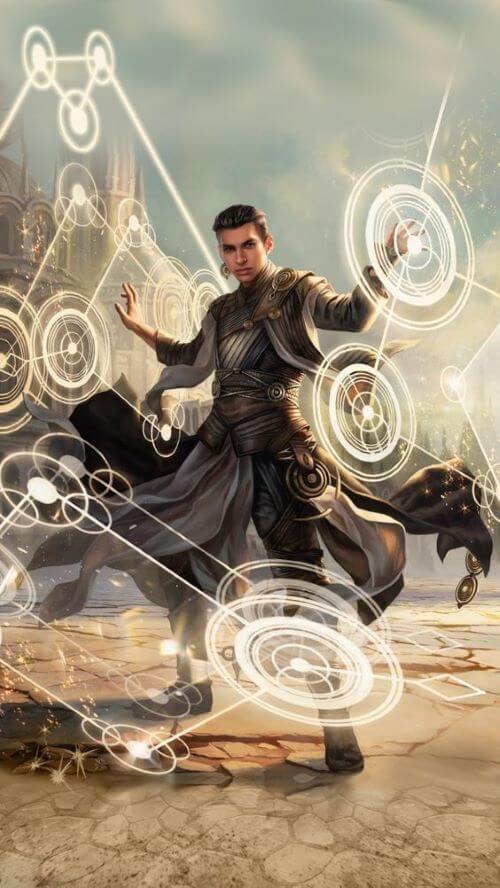
Fictional Example: Aric Stormweaver
Aric Stormweaver hails from the rugged and storm-battered coastal city of Tempest Bay in the world of Rapyz. Born into a family of sailors, Aric grew up amid the relentless sea and storm, which shaped his destiny as an elemental mage specializing in weather manipulation. The struggle of living in a community constantly threatened by violent storms and turbulent seas marked his early life.
The elemental system of Rapyz forms the foundation for Aric’s magic, which harnesses the power of the natural forces in the world. His abilities allow him to control and manipulate weather patterns, summon storms, and command lightning. This type of magic is both awe-inspiring and destructive, making Aric a powerful figure in his world.
Aric can alter weather, from calming a raging storm to creating fog for concealment. He uses this power to protect his city from frequent tempests and to aid in naval navigation. He can channel and direct lightning bolts with pinpoint accuracy, using them both in combat and as a means of energy. In extreme situations, he can summon a full-scale storm to act as a defense mechanism or to disrupt enemies.
Aric’s elemental abilities are an inherited trait, passed down through generations of his family, who have long served as protectors of Tempest Bay. While his natural talent gives him a strong foundation, his true mastery comes from rigorous training. He studied ancient tomes of weather magic and trained under the guidance of the Order of the Storm Mages, learning to refine his control over his powers. Initially, he struggles with the raw power of his abilities, causing unintended destruction. His journey involved learning to balance and harness his magic more precisely. He discovered ancient techniques that allow him to wield his power with greater finesse and less collateral damage. He demonstrates his growth by mastering complex weather phenomena and uncovering forgotten spells that enhance his abilities. As he learns to master his magic, he uncovers deeper layers of his heritage and the true extent of his abilities. He struggles to reconcile his role as a protector with the burdens of his power and responsibilities.
In Tempest Bay, Aric is a revered figure due to his essential role in safeguarding the city from storms and ensuring safe voyages. His actions directly influence the city’s economy and security. However, his power also attracts the attention of rival factions and ambitious individuals seeking to exploit his abilities for their gain.
Aric’s magical abilities serve as both a blessing and a curse, shaping his interactions with other people. His efforts to maintain balance and protect his city against external threats create a compelling backdrop for exploring themes of power, responsibility, and identity.

Creating magic users for your fantasy world involves defining their abilities, roles, and impact on society, while also considering limitations and personal conflicts. By integrating these elements into your story, you can craft compelling characters that drive the narrative and enrich the world-building. Whether drawing inspiration from existing works or innovating new concepts, the key is to make your magic users integral to the world and story you are creating. Happy world-buiding!
I hope this was helpful. Let me know if you have questions or suggestions by using the Contact Me form on my website or by writing a comment. I post every Friday and would be grateful if you would share my content.
If you want my blog delivered straight to your inbox every month along with exclusive content and giveaways, please sign up for my email list here.
Let’s get writing!
Copyright © 2024 Rebecca Shedd. All rights reserved.

The Worldbuilder’s Toolkit: Building a Magic System
Posted on October 25, 2024 Leave a Comment

Magic is one of the elements that defines the fantasy genre and often serves as the lifeblood of a fantasy world, influencing everything from plot dynamics to character development. A well-designed magic system not only enhances the immersive experience but also provides a solid framework for storytelling. Here’s a guide to building a magic system that will captivate your readers and enrich your narrative.
Starting Point
Consider the following questions when you are building your magic system.
Source of Magic
Where does magic come from? Is it drawn from nature, divine entities, or ancient artifacts? Is it an innate ability possessed by certain individuals, a force that can be harnessed by anyone, or something derived from external sources? In Brandon Sanderson’s Mistborn series, magic derives from ingesting and “burning” metals, while in J.K. Rowling’s Harry Potter series, magic is an inherent ability.
Mechanics
How is magic used? Is it through spells, rituals, or innate abilities? Are they incantations, gestures, or the use of magical items? For example, in The Name of the Wind by Patrick Rothfuss, magic involves speaking names and performing specific actions.
Limits & Costs
What are the boundaries of magic? Are there costs and consequences to using it? Limits ensure magic doesn’t overshadow the plot. Is it physically draining, time-consuming, or does it require rare materials? In The Wheel of Time by Robert Jordan, channeling the One Power requires immense skill and poses significant risks.
Magical Creatures
Do magical creatures exist in your world, and how do they interact with magic? Consider their roles in the ecosystem and society. In The Hobbit by J.R.R. Tolkien, creatures like dragons and trolls add complexity to the magical landscape.
Artifacts
Are there magical items or relics with special properties? How do they impact the story? In The Lord of the Rings, the One Ring is a central artifact with immense power and influence.
Establish the Rules & Structure
A well-defined magic system needs clear rules and structure. This helps in maintaining consistency and avoids deus ex machina situations where magic solves problems too conveniently. What are the specific rules governing magic use? How do characters learn or master it? In Avatar: The Last Airbender, bending elements has strict rules tied to the character’s physical and emotional state.
Training & Mastery – How do characters learn magic? Is it through formal training, inherent talent, or self-discovery? Magic could be a genetic trait, a gift from deities, or a result of ancient pacts or might flow from natural elements like ley lines, celestial bodies, or mystical artifacts. Magic could be a discipline that requires study and practice, like in a magical academy or through ancient tomes. For instance, in The Magicians by Lev Grossman, magic is taught through an academic institution.
Types of Magic – Are there different types or schools of magic? How do they interact or conflict with each other? In The Stormlight Archive by Brandon Sanderson, there are ten Essences that influence different orders of Knights Radiant, each with unique abilities.

Understanding Soft Magic Systems
A soft magic system is characterized by its ambiguity and mystery, offering a more fluid and less defined approach to magic. Unlike hard magic systems, which have strict rules and clear limitations, soft magic systems are often used to create a sense of wonder and to drive narrative elements without strictly defining how magic works. Here’s a detailed look at what typifies a soft magic system and an example to illustrate these concepts.
Ambiguity & Mystique
Soft magic systems often embrace the unknown. The rules governing magic are vague, leaving much to the imagination. This ambiguity can enhance the sense of wonder and the mystical nature of magic. In J.R.R. Tolkien’s The Lord of the Rings, magic is depicted through enigmatic artifacts like the One Ring and Gandalf’s powers. The specifics of how these magical elements work are not thoroughly explained, allowing them to remain shrouded in mystery.
Limited Explanation
This lack of detail can serve to keep the magic enigmatic and fantastical. The focus is more on the effects of magic rather than its mechanisms. For example, the magic in The Chronicles of Narnia by C.S. Lewis is used to create awe and to advance the plot, but the inner workings of the magic are not deeply explored.
Emotional & Thematic Impact
Soft magic systems often serve to highlight themes, emotions, or the story’s tone rather than providing a detailed framework for conflict resolution. The magic is used more to evoke a sense of wonder or to symbolize abstract concepts. In The Wizard of Oz, the magic of Oz is used to support the story’s themes of courage, friendship, and self-discovery, rather than being a clearly defined system.
Plot Device
Magic in soft systems is frequently employed as a plot device to drive the narrative or to create dramatic moments. It’s less about the rules of magic and more about its impact on the characters and storyline. For example, in Harry Potter by J.K. Rowling, while some aspects of magic are explained, many magical phenomena remain mysterious and are used to further plot development and character growth.
Example of a Soft Magic System: The Silmarillion
In J.R.R. Tolkien’s The Silmarillion, the magic system exemplifies many characteristics of a soft magic system.
Magic in The Silmarillion is deeply tied to the divine beings, the Valar and Maiar, who possess powers that are not explicitly defined. The magic of these beings is more about their nature and their influence on the world rather than specific, repeatable spells or abilities.
The book provides little detail on how the magic of the Valar or the Silmarils works. Instead, magic is portrayed through the grand effects it has on the world, such as the creation of the world itself or the enchantments on the Silmarils. This approach maintains the sense of wonder and the grandeur of the world.
The magic in The Silmarillion serves to highlight the epic scale of the story and the grandeur of its characters. The magic of the Silmarils, for example, represents the ultimate beauty and power sought by the characters, driving much of the conflict and theme of the story.
Magic in The Silmarillion is used to create pivotal plot points and to drive the actions of characters. The creation of the Silmarils and the consequences of their use are central to the plot, influencing the actions and fates of many characters throughout the narrative.
How Soft Magic Systems Impact Storytelling
Soft magic systems can be highly effective for creating an atmosphere of wonder and enchantment. They allow authors to use magic in ways that evoke emotions and drive thematic elements without the constraints of detailed rules. This type of magic system is particularly useful for:
Building Atmosphere – The mysterious nature of soft magic contributes to a story’s sense of wonder and awe.
Enhancing Themes – Magic can be used to symbolize abstract concepts or to deepen the exploration of themes.
Supporting Narrative Flow – Magic can be used to propel the plot and introduce significant twists or turning points without the need for strict consistency.
Practical Tips for Using a Soft Magic System
Focus on Effects – Emphasize what magic does rather than how it works. This allows for greater narrative flexibility.
Integrate with Themes – Use magic to underscore the themes and emotional tones of your story.
Maintain Mystery – Avoid over-explaining magic. Let its mysteries enhance the sense of wonder and enchantment.
Use as a Plot Device – Employ magic to create pivotal plot points and drive character actions.

Understanding Hard Magic Systems
A hard magic system is characterized by its detailed and well-defined rules governing how magic works within a world. Unlike soft magic systems, which embrace ambiguity and mystery, hard magic systems offer clear explanations of their mechanics, limitations, and applications. This structured approach allows for consistent world-building and can influence both the narrative and character development in significant ways. Here’s a detailed look at what typifies a hard magic system and an example to illustrate these concepts.
Defined Rules & Limitations
Hard magic systems have specific, well-defined rules that govern how magic operates. These rules detail how magic is accessed, its limitations, and the consequences of its use. This clarity helps create a logical framework within which the story operates. For instance, Brandon Sanderson’s Mistborn series features a hard magic system where “Allomancy” involves ingesting and “burning” specific metals to gain various abilities. The rules about which metals provide which powers and how they interact are clearly defined.
Consistency & Predictability
Due to the detailed rules, the use of magic within hard systems is consistent and predictable. Readers understand the limitations and potential of magic, which can create tension and drive plot development. For example, in The Stormlight Archive by Brandon Sanderson, the use of Surgebinding is governed by well-defined rules about the ten Surges, their effects, and their limitations.
Mechanics & Calculation
Hard magic systems often involve some form of mechanics or calculation, such as the need for specific ingredients, incantations, or rituals. This structured approach allows characters to strategize and plan their use of magic with precision. In The Lightbringer series by Brent Weeks, magic involves the manipulation of light, with precise rules governing how light can be bent and used to create physical objects and effects.
Impact on Plot & Character
The clear rules of a hard magic system allow for strategic use and creative problem-solving within the narrative. Characters can use their understanding of magic to devise plans, overcome obstacles, and achieve goals. This often leads to intricate plot developments and character growth based on their mastery of magic. In Harry Potter by J.K. Rowling, the magic system is detailed enough to allow for consistent use and application, impacting both character development and plot progression.
Example of a Hard Magic System: Allomancy in Mistborn
In Brandon Sanderson’s Mistborn series, the magic system of Allomancy serves as an exemplary hard magic system:
Allomancy is based on ingesting and “burning” specific metals, each granting a distinct power. There are twelve known Allomantic metals, each with a defined effect, such as enhanced strength or the ability to manipulate emotions. The system also includes limitations, such as the need for a metal source and the finite nature of metal reserves.
The consistent rules of Allomancy allow for predictable outcomes. Characters understand exactly what powers they can access based on the metals they have ingested. This consistency is crucial for strategic planning and problem-solving within the plot.
The mechanics of Allomancy involve the precise calculation of metal use, such as the amount needed to achieve specific effects. Characters must carefully manage their metal reserves and choose their actions based on the properties of each metal.
The detailed rules of Allomancy influence both plot and character development. Characters use their knowledge of the magic system to devise strategies, overcome challenges, and interact with other Allomancers. The system also drives significant plot developments, such as conflicts between different types of Allomancers and the political implications of metal control.
How Hard Magic Systems Impact Storytelling
Hard magic systems offer a structured approach that can significantly influence storytelling in several ways:
Strategic Depth – The defined rules of hard magic systems provide opportunities for strategic thinking and planning. Characters can use their understanding of magic to devise intricate plans and solve complex problems.
Consistent World-Building – A clear magic system contributes to consistent world-building, ensuring that magic behaves in predictable ways and aligns with the established rules.
Character Development – Characters’ interactions with magic and their mastery of its rules can drive personal growth and influence their role in the story. Characters who excel in understanding and using magic may become central figures in the narrative.
Plot Advancement – The structured nature of hard magic systems allows for complex plot developments based on the use and limitations of magic. Conflicts, alliances, and resolutions can all be influenced by the mechanics of the magic system.
Practical Tips for Using a Hard Magic System
Define the Rules – Clearly establish the rules and limitations of your magic system. Determine how magic is accessed, its effects, and its constraints.
Ensure Consistency – Maintain consistency in how magic operates throughout the story. Ensure that magic behaves according to the established rules to avoid plot holes and confusion.
Integrate with Plot – Use the magic system to drive plot development and character growth. Allow the mechanics of magic to influence key story events and decisions.
Consider Limitations – Incorporate limitations and costs associated with magic. This adds depth and prevents characters from becoming overpowered or invincible.

Choosing Between Soft & Hard Magic Systems for Your Novel
When crafting a magic system for a novel, authors must decide between a soft magic system and a hard magic system. The choice between these two types of systems depends on various factors, including the desired tone of the story, the role of magic in the plot, and the level of complexity the author is prepared to manage. Here’s a detailed look at the pros and cons of each system to help authors make an informed decision.
Soft Magic System Pros
Sense of Wonder & Mystery – Soft magic systems contribute to a sense of wonder and mystery. The ambiguity surrounding how magic works can create an aura of enchantment and allow readers to experience magic as an awe-inspiring and elusive force. This is particularly effective in stories where magic is meant to evoke a sense of the unknown.
Flexibility in Plot – Since the rules governing magic are not rigidly defined, authors have more flexibility to use magic in various ways to advance the plot. This can be beneficial for stories that rely on magical elements to drive the narrative in unpredictable directions.
Focus on Atmosphere & Themes – Soft magic systems can enhance the thematic and atmospheric aspects of a story without being bogged down by the mechanics of how magic functions. This can create a more immersive experience where magic serves to highlight themes and moods rather than drive plot specifics.
Soft Magic System Cons
Lack of Consistency – The lack of defined rules can lead to inconsistencies in how magic is portrayed and used throughout the story. This can create confusion for readers and undermine the internal logic of the world.
Limited Strategic Depth – Without clear rules and limitations, characters may lack a strategic framework for interacting with magic. This can reduce opportunities for intricate plot developments based on magical strategy.
Potential for Deus Ex Machina – Soft magic systems may lead to situations where magic is used as a convenient plot device to resolve conflicts or challenges without a clear explanation. This can result in a “deus ex machina” effect. Translating to “god from the machine,” it is an unexpected power or event that saves a hopeless situation.
Hard Magic Systems Pros
Defined Rules & Consistency – Hard magic systems come with clear, well-defined rules that ensure consistency throughout the story. Readers understand exactly how magic works, which helps maintain the internal logic of the world and avoids confusion.
Strategic & Plot Complexity – The detailed mechanics of hard magic systems allow for strategic use of magic, enabling characters to plan and execute complex strategies. This can lead to intricate plot developments and heightened tension as characters navigate the limitations and possibilities of magic.
Character Development – The clear rules of hard magic systems can drive character development, as characters’ abilities and mastery of magic can significantly influence their roles and growth within the story. Characters’ interactions with magic become central to their development and the plot.
Hard Magic Systems Cons
Rigidity & Complexity – The detailed rules of hard magic systems can introduce rigidity and complexity that might be challenging to manage. Authors need to carefully establish and maintain these rules to ensure consistency, which can require significant world-building effort.
Potential for Overemphasis on Mechanics – Focusing heavily on the mechanics of magic can shift attention away from character-driven storytelling and thematic elements. The intricacies of the magic system might overshadow other aspects of the narrative.
Limited Sense of Wonder – The detailed nature of hard magic systems can sometimes reduce the sense of wonder and mystery associated with magic. The predictable rules may make magic feel less mystical and more like a set of tools.
Choosing the Right Magic System for Your Novel
Consider the Tone & Theme – If your story aims to evoke a sense of wonder and exploration, a soft magic system may be more suitable. If you want to explore strategic elements and create intricate plot twists, a hard magic system might be a better fit.
Assess the Role of Magic in the Plot – Determine how central magic is to the plot. If magic is a primary driver of the story and its interactions are critical to the plot, a hard magic system can provide the necessary structure. For stories where magic serves more as an atmospheric or thematic element, a soft magic system may be appropriate.
Evaluate Complexity & World-Building – Consider how much time and effort you’re willing to invest in developing the magic system. Hard magic systems require detailed world-building and consistent rule enforcement, while soft magic systems allow for more flexibility and less rigorous detail.
Balance Between Mechanics & Storytelling – Strive for a balance between the mechanics of the magic system and the narrative focus. Whether choosing soft or hard magic, ensure that the system enhances the story rather than overshadowing character development and thematic elements.

Choosing Between Soft and Hard Magic Systems for Different Story Ideas
The choice between a soft and hard magic system can significantly influence how a story unfolds and resonates with readers. By aligning the magic system with the story’s focus, you can create a more immersive and engaging experience that complements the plot and themes of your narrative. Here’s a look at two different story ideas—one suited for a soft magic system and the other for a hard magic system—to illustrate how each type of magic can enhance a narrative in distinct ways.
Story Idea for a Soft Magic System: The Shimmering Veil
In the world of The Shimmering Veil, magic is an enigmatic force that weaves through the fabric of reality, touching everything from the natural landscape to the lives of its inhabitants. The magic in this world is elusive and not well-understood, creating an air of mystery and wonder. The primary focus of the story is on a young protagonist who embarks on a journey to uncover the secrets of an ancient, forgotten realm that is rumored to hold the key to restoring balance to a world suffering from environmental decay.
Why a Soft Magic System Works
The story thrives on the unknown and the mystical aspects of magic. The soft magic system allows for magic to be experienced more as an awe-inspiring force than as a tool with specific rules. This fits well with the protagonist’s quest to explore and discover, maintaining an air of enchantment and intrigue.
Since the magic is not rigorously defined, it can serve to enhance the atmosphere and themes of the story. The focus is on the journey, the ancient mysteries, and the impact of magic on the world’s natural state, rather than on the mechanics of how magic works.
The lack of defined rules allows for flexibility in how magic interacts with the story. The protagonist might encounter magical phenomena that serve as plot devices or challenges without being bound by specific limitations, enabling a more fluid and exploratory narrative.
The story emphasizes the protagonist’s emotional and personal growth as they uncover the hidden truths of the world. The soft magic system supports this by creating a world full of wonder, where magic’s effects are felt more than they are understood.
Story Idea for a Hard Magic System: The Architect’s Codex
In The Architect’s Codex, the world is dominated by a complex and meticulously designed magic system that is integral to society. Magic operates through a system of runes and spells that are rigorously codified and studied by a specialized class of mages known as the Architects. The story follows a young mage-in-training who stumbles upon a hidden, forbidden set of runes that could potentially alter the very fabric of magic and disrupt the balance of power between rival factions vying for control.
Why a Hard Magic System Works
The hard magic system provides a structured framework for how magic works, which is crucial for a story centered around the discovery and manipulation of powerful runes. The rules governing magic allow for strategic planning and complex interactions between characters and magical elements.
The codified nature of the magic system supports intricate plot twists and political intrigue. The protagonist’s discovery of forbidden runes introduces potential for significant shifts in power, creating opportunities for detailed and strategic conflict.
The clear rules of the magic system influence how characters interact with magic and each other. The protagonist’s journey through rigorous magical training and the ensuing conflict with rival factions highlight the societal impact of magic and its regulation.
The hard magic system allows the story to delve deeply into the mechanics of magic, showcasing the protagonist’s growth and expertise. The detailed exploration of runes and spells enriches the narrative, emphasizing the protagonist’s evolving understanding and mastery.
Example of Building a Soft Magic System
Here’s a step-by-step guide to building a soft magic system, with an example to illustrate the process.
In the world of The Veil of Luminara, magic is an ethereal and mysterious force that manifests in subtle and unpredictable ways. It is deeply intertwined with the natural world and the cosmos, influencing the environment and the lives of its inhabitants in ways that are not fully understood. Magic is viewed as a divine or natural gift rather than a controlled or quantifiable phenomenon.
Define the Role of Magic in the World
In The Veil of Luminara, magic serves as a source of wonder and awe, with its effects felt in the environment and in the lives of people. It influences the world subtly, often creating phenomena that are interpreted through folklore and myth rather than through scientific understanding.
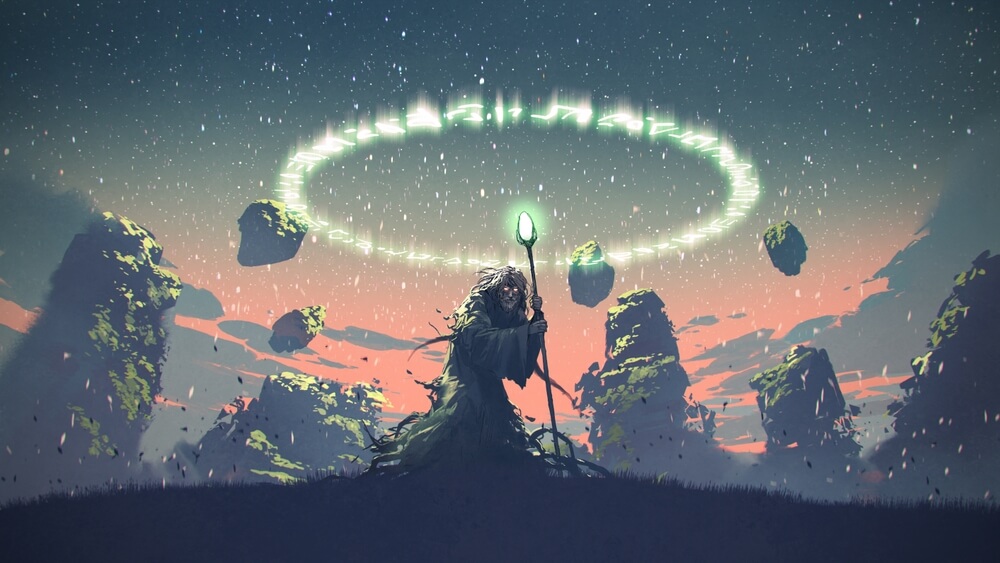
Magic manifests in phenomena like floating islands, bioluminescent plants, and the changing colors of the sky. These occurrences are often interpreted as signs or omens and are deeply embedded in the culture and spirituality of the people.
Create a Source or Origin of Magic
In this world, some believe magic stems from celestial bodies, such as distant stars and comets, whose alignments and movements influence magical phenomena on the planet. The magic is seen as a reflection of the cosmos, connecting the world to the greater universe.
Others think magic is a divine gift from ancient deities or spirits that inhabit the world. The presence of these entities is felt rather than directly seen, with their influence manifesting in subtle and sometimes inexplicable ways.
Develop the Cultural & Societal Impact of Magic
In The Veil of Luminara, magic is revered and integrated into daily life through festivals, rituals, and art. People celebrate celestial events with grand ceremonies, believing that these alignments bring blessings or changes to the world.
The magic is connected to spiritual practices and rites, with priests or shamans performing rituals to harness or interpret magical influences. These practices are deeply rooted in tradition and often shrouded in mystery.
Establish the Limits & Constraints of Magic
Rather than defining clear rules, the limits of magic are defined by its unpredictability and the ambiguity surrounding its effects. Magic might bring about unexpected outcomes that are not easily understood or controlled.
Magic may only manifest during certain celestial events or under specific environmental conditions, adding to its mystique. For instance, floating islands might appear only during a rare planetary alignment.
Integrate Magic into the Plot & Characters
In the story, magic can serve as a plot device by creating intriguing mysteries and challenges. For example, a character might embark on a quest to understand the meaning behind a celestial event that is causing unusual magical phenomena.
Characters might have personal experiences or beliefs about magic that influence their motivations and actions. For example, a protagonist’s belief in a celestial prophecy could drive them to uncover hidden truths about their world.
Use Symbolism & Themes
Magic in The Veil of Luminara can symbolize the unknown and the divine, representing humanity’s desire to connect with the cosmos and understand their place in the universe. The unpredictability of magic adds to the story’s themes of wonder and exploration.
Themes of interconnectedness with nature and the cosmos, the limits of human understanding, and the quest for meaning can be explored through the soft magic system.
Example of Building a Hard Magic System
Here’s a step-by-step guide to building a hard magic system, with an example to illustrate the process.
In the world of The Arcane Engine, magic operates through a complex system of arcane machinery and alchemical processes. Magic is harnessed using devices known as Arcane Engines, which convert raw magical energy into usable power. The system is based on precise scientific principles, with clear rules governing how magic can be accessed, manipulated, and utilized.
Define the Mechanics of Magic
In The Arcane Engine, magic is derived from a substance called Etherium, a rare mineral that contains raw magical energy. Etherium can be mined and refined into various forms, including solid, liquid, and gaseous states.
Magic is harnessed through machines known as Arcane Engines, which use intricate gears, levers, and conduits to convert Etherium into spells, enchantments, and magical effects. Each machine has a specific function and requires precise calibration to operate.
Establish Rules & Limitations
The use of magic follows strict rules. For example, different types of Etherium produce different effects: Solid Etherium might be used for elemental attacks, while Liquid Etherium could be used for healing or protective spells. Each type has its own set of rules for how it can be used and combined.
Magic is limited by the availability of Etherium and the capacity of the Arcane Engines. Overuse can cause machines to overheat or break down. Additionally, only trained individuals with knowledge of the machinery can operate the Arcane Engines effectively.
Develop the Cultural & Societal Impact of Magic
In The Arcane Engine, society is heavily reliant on magical technology. The Arcane Engines are central to daily life, powering cities, vehicles, and communication systems. People’s lives are intricately linked to the availability and functioning of these machines.
The control and distribution of Etherium and Arcane Engines create a social hierarchy. Engineers, who operate and maintain the machines, hold significant power, while those with limited access to Etherium or machinery may be at a disadvantage.
Create a System of Training & Expertise
Operating Arcane Engines requires specialized knowledge and skills. There are academies and guilds dedicated to training engineers and technicians who are proficient in managing the machinery and understanding the properties of Etherium.
Advanced magic involves complex calculations and precise control. Master engineers might develop unique techniques or upgrades for the Arcane Engines, allowing for more powerful or versatile uses of magic.
Integrate Magic into the Plot & Characters
In the story, the Arcane Engines and Etherium can drive the plot. For instance, a shortage of Etherium might lead to a crisis, or a malfunctioning machine could cause widespread havoc. Characters might be involved in quests to find new sources of Etherium or repair damaged engines.
Characters could be engineers, scientists, or technicians who work with the Arcane Engines. Their expertise, or lack thereof, could influence their role in the story. For example, a character’s ability to fix a broken engine might be crucial to resolving a central conflict.
Use Conflict & Tension
The hard magic system can create conflict through scarcity or competition for Etherium. Rival factions or nations might vie for control of magical resources or technological advancements. Additionally, technical failures or accidents can create dramatic tension.
The rigid rules of the magic system can also lead to personal or societal tension. For example, a character might struggle with the limitations of the machinery or face ethical dilemmas regarding the use of magic.
The hard magic system provides a framework for driving the plot, developing characters, and creating conflict. By establishing specific rules and limitations, you can craft a rich and immersive world where magic plays a central role in both the narrative and the setting.

By following these guidelines, you can create a magic system that enriches your fantasy world and captivates your readers. Remember, the key to a compelling magic system is not just in its rules, but in how it integrates with your world and story.
I hope this was helpful. Let me know if you have questions or suggestions by using the Contact Me form on my website or by writing a comment. I post every Friday and would be grateful if you would share my content.
If you want my blog delivered straight to your inbox every month along with exclusive content and giveaways, please sign up for my email list here.
Let’s get writing!
Copyright © 2024 Rebecca Shedd. All rights reserved.

The Worldbuilder’s Toolkit: Magic Systems
Posted on October 11, 2024 1 Comment
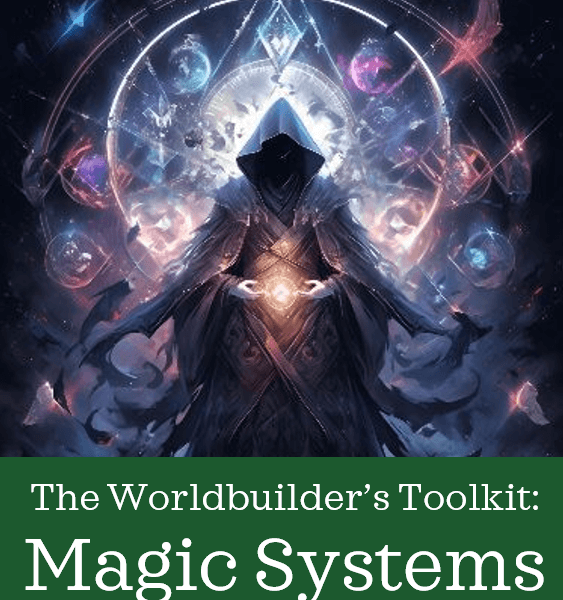
Magic systems are a cornerstone of fantasy, infusing your world with wonder, conflict, and intrigue. A well-crafted magic system not only enriches your story but also deepens character development, drives plot progression, and enhances world-building. This guide is an introduction. Over the next several weeks, I will explore how to build a magic system.
Hard versus Soft Magic Systems
We can broadly categorize magic systems into two types: hard and soft magic.
Hard magic has clearly defined rules and limitations. It operates on a set of principles that are consistent throughout the story. Think of it like a science with its own laws. For instance, Brandon Sanderson’s “Mistborn” series builds the magic system around the precise manipulation of metals, each with its own effects and limitations. Hard magic systems often involve rigorous rules that the characters must follow, and the constraints help to create logical consistency and tension within the story.
Soft magic is more mysterious and less defined. It evokes a sense of wonder and mystery, with magic often serving as a plot device rather than a well-explored mechanism. J.R.R. Tolkien’s “The Lord of the Rings” exemplifies a soft magic system, where the author intentionally leaves the true nature of magic vague and does not fully explain its workings. This approach allows for magical elements to enhance the narrative and atmosphere without being constrained by specific rules.

Types of Magic Systems
You can use various types of magic systems in world-building and storytelling. Each system of magic offers a unique approach to how users harness and use it, affecting everything from character abilities to plot dynamics. Below are examples of several types of magic systems, complete with examples from different media. However, this is far from an exhaustive list. There is also nothing stopping you from creating your own unique magic system.
Elemental Magic Systems
Magic is based on controlling or manipulating the classical elements—earth, water, fire, and air—or their combinations.
“Avatar: The Last Airbender”: This TV show features elemental magic where characters can control water, earth, fire, and air. Each nation specializes in one element, and the Avatar can master all four.
“The Stormlight Archive” by Brandon Sanderson: The magic system involves manipulating natural forces, including wind and storms, which are central to the plot and the abilities of the characters.
Incantation-Based Magic Systems
Mages activate magic through spoken words or written incantations. These systems often require precise wording or gestures.
“Harry Potter” series by J. K. Rowling: Characters perform magic through spells that require specific incantations and wand movements. Each spell has a distinct effect based on the words and gestures used.
“The Name of the Wind” by Patrick Rothfuss: The “sympathy” magic system requires practitioners to use precise incantations and understand the fundamental principles of magic to manipulate physical objects.
Ingredient-Based Magic Systems
Magic requires the use of specific ingredients, potions, or materials. The potency and effect of the magic depend on the components used.
“Fullmetal Alchemist”: In this anime and manga series, alchemy is based on the principle of equivalent exchange. Ingredients and precise transmutation circles are required to perform alchemical processes.
“The Witcher” series by Andrzej Sapkowski: Witchers use potions and elixirs crafted from rare ingredients to enhance their abilities and combat monsters. Each potion has unique effects and requires specific ingredients.
Ritual-Based Magic Systems
Practitioners perform magic through elaborate rituals and ceremonies. The complexity of the ritual often determines the strength and effect of the magic.
“The Dark Tower” series by Stephen King: The use of rituals and symbols is a key aspect of the magic system, with rituals having a significant impact on the storyline.
“The Craft” (1996 film): The witches in this film perform rituals and spells as part of their magical practices, emphasizing the importance of ceremonial magic.
Blood Magic Systems
Magic involves using blood, often from living beings, to cast spells or perform rituals. This type of magic can be powerful, but often comes at a cost.
“The Black Company” series by Glen Cook: The author depicts blood magic as a potent but dangerous form of magic, often involving sacrifices and significant consequences.
“The Broken Empire” trilogy by Mark Lawrence: Blood magic plays a role in the world, with characters using their own blood or the blood of others to perform powerful spells.
Symbol-Based Magic Systems
Users activate magic through symbols, runes, or other graphical representations. The symbols must be drawn or inscribed correctly to perform magic.
“The Magicians” by Lev Grossman: Magic involves the use of symbols and intricate patterns, with specific symbols needed to cast spells or create magical effects.
“Shadowrun”: In this tabletop RPG, magic users often employ runes and symbols as part of their spell-casting, adding complexity and strategic elements to the magic system.
Techno-Magic Systems
Magic and technology intertwine, with magic often functioning through or alongside technological devices.
“Final Fantasy” series: Many games in this series blend magic with technology, where characters use magical abilities alongside advanced technology.
“The Dresden Files” by Jim Butcher: The series features a combination of traditional magic with modern technology, such as using magical artifacts and tech gadgets together.
Spirit or Soul-Based Magic Systems
Magic involves the manipulation of spirits, souls, or other metaphysical entities. Power comes from interacting with these non-physical beings.
“His Dark Materials” by Philip Pullman: The magical system involves interacting with daemons, which are manifestations of a person’s soul and have a profound impact on magic and personal abilities.
“Hades” (video game): The game features a magic system that involves interacting with the spirits of the Underworld and drawing power from them.
Natural Magic Systems
Practitioners derive magic from nature and the natural world. It often involves communion with natural forces or entities.
“The Earthsea Cycle” by Ursula K. Le Guin: In a world where magic is deeply tied to nature, wizards use the true names of things to control them, reflecting the deep connection between magic and nature.
“Naomi Novik’s Temeraire” series: Features a naturalistic approach to dragons and their magic, emphasizing the relationship between magical creatures and the natural environment.

Showing Change over Time
The evolution of magic in a fictional world can parallel the development of technology and science in the real world. As societies grow and change, so too can their understanding and use of magic. Here’s a detailed look at how magic can develop over time and how it can influence and be influenced by the surrounding world.
Primitive Magic
In the earliest stages, people might view magic as a primal, instinctual force. Societies may use magic for survival—healing, protection, and elemental control. Primitive magic could be closely tied to rituals and natural phenomena, often performed by shamans or druids who act as intermediaries between the natural and supernatural worlds.
Ancient societies might have relied on basic charms or totems made from natural materials like stones, bones, and herbs. They might have had rituals to summon rain or protect against wild animals.
Codification & Formalization
As societies become more advanced, the practice of magic could become more organized. This might include establishing magical institutions, schools, or academies where teachers systemically pass on knowledge. Magical practitioners would record and standardize magical theories, principles, and spells, making magic more accessible and structured.
Magic might develop into a formal system with written spells, magical texts, and instructional manuals. Magical guilds or universities might emerge, teaching magic in a structured curriculum.
Integration with Society
With more complex societies, magic could become integrated with daily life and technology. Mages might employ magical practices in various sectors, such as medicine, construction, and transportation. This integration can lead to the development of magical tools and devices that enhance or control magical effects.
People could use enchanted machinery or artifacts in everyday life, such as industrial processes or to power machinery, creating a synergy between magic and technology.
Specialization & Innovation
As magic continues to develop, new schools of thought or specialized branches might emerge. Magic could become more refined, with practitioners focusing on niche areas such as illusion, necromancy, or elemental manipulation. Innovations in magical practice might lead to new spells, rituals, and magical artifacts.
Different magical disciplines might develop, each with its own set of techniques and applications. Magic could become highly specialized, with experts in areas like time manipulation, space distortion, or biological enhancement.
Political & Social Impact
With the advancement of magic, there might be attempts to regulate or control its use. Governments or powerful organizations could impose laws or restrictions on magic, leading to conflicts or power struggles. The political and social implications of magic can have a significant impact, influencing its usage and determining who can access it.
There could be magical legislation, such as licensing requirements for spellcasters or restrictions on certain types of magic. Magical enforcement agencies might monitor and control magical activities.
Conversely, magic users could take control of the governmental and societal levers of power, locking out those who do not have magic. This could lead to non-mages becoming second-class citizens. It could also stratify society, dividing it between those who have access to magic and can perform magic and those who are left with manual means.
This could lead to tyranny by magic users who look down on those who do not have their gifts. Non-magic users in such a society could face oppression or even enslavement by magic users.
Decline or Rediscovery
Over time, magic might face periods of decline or transformation. This could occur because of societal changes, loss of knowledge, or shifts in focus towards other technologies or practices. Alternatively, there might be a rediscovery or renaissance of ancient magical practices as societies seek to reconnect with their mystical heritage.
People might lose or forget ancient magical texts or artifacts, leading to a period where magic is less practiced. Later, scholars or adventurers might uncover these lost secrets, leading to a revival of ancient magical traditions.
Fusion with Other Systems
Magic might blend with other systems of power or knowledge, such as technology or spiritual beliefs. This fusion can create novel forms of magic or change how people perceive and use magic within the society.
Practitioners could combine magic with advanced technology to create techno-magical devices or weapons. Alternatively, new spiritual or philosophical movements might reinterpret or adapt magical practices to fit evolving beliefs.
Cultural & Historical Influences
The history of a society can significantly affect its magical practices. Major historical events, such as wars, revolutions, or cataclysms, could shape the development and application of magic. Cultural exchanges and interactions with other societies might also introduce new magical practices and ideas.
A magical war might lead to the development of new offensive or defensive spells. Cultural exchanges with other nations could cause the incorporation of foreign magical practices or artifacts into local traditions.
Impact of Magic
Magic can profoundly influence various aspects of society, including politics, religion, culture, and trade. Its impact can be complex, especially in societies where magic is not universally practiced. In such settings, magic can become a source of power and privilege, or a tool for control and oppression. Exploring these dynamics through examples like Tevinter and the Circles of Magi in the Dragon Age video game series provides valuable insights into how magic can shape societies.
Impact of Magic on Politics
In societies where magic is prevalent or highly valued, mages can hold significant political power. This can cause the establishment of magical hierarchies or mage-dominated governments. Conversely, in societies where magic is less common or feared, political systems might limit or control magical influence.
In the Dragon Age series, the Tevinter Imperium is a prime example of a mage-dominated society. Here, the ruling class comprises powerful mages who use their abilities to maintain control over the empire. Magic, with mages holding the highest positions of power and using their abilities to manipulate political outcomes, heavily influenced the political system. The government’s reliance on magic marginalizes non-mages in society.
In contrast, the Circles of Magi in Ferelden represent a society that controls magic users rather than allowing them to wield it openly. The Circles are institutions designed to regulate magic users, preventing them from causing harm and ensuring that their abilities are kept in check. This system reflects the fear and mistrust surrounding magic, with mages being segregated from the rest of society and subject to strict oversight.
Impact of Magic on Religion
Magic can deeply influence religious practices and beliefs. In societies where magic is seen as divine or sacred, religious institutions might hold magical rites, symbols, or artifacts as central elements of worship. Conversely, people can view magic as heretical or dangerous, leading to religious institutions that seek to suppress or control its use.
In Tevinter, religion and magic intertwine. The people in Tevinter closely connect the worship of the old gods with the use of magic, often appointing mages as high priests or religious leaders. The theological justification for magic reinforces its acceptance and use within the society, embedding it deeply in both religious and political spheres.
The Chantry, a major religious institution in Dragon Age, views magic with suspicion and caution. Andraste, the founder of the Chantry, cautioned her followers that magic was meant to serve man, not rule over him. The Circles of Magi are a direct response to the perceived threat of unchecked magic, reflecting the religious desire to control and regulate magical practices. This institutional fear of magic affects how religion and magic intersect in Ferelden.
Impact of Magic on Culture
Magic can shape cultural norms and traditions, influencing everything from daily life to ceremonial practices. In magical societies, cultural practices may revolve around magical events or artifacts, while in societies where magic is controlled or suppressed, cultural norms might reflect the fear or disdain of magic. Are there magical hierarchies, or is magic a common tool used by everyone?
The culture in Tevinter draws heavy influence from magic, with cultural practices, art, and even architecture reflecting magical themes. Society celebrates and reveres magic, with significant cultural events and festivals centered on magical prowess and achievements.
In Ferelden, people view magic with suspicion, which creates cultural taboos and separates mages from non-mages. This cultural divide affects interactions and relationships between different societal groups, with mages often being ostracized or viewed with distrust.
Impact of Magic on Trade
Magic can significantly impact trade, both in terms of the goods traded and how trade is conducted. Magical societies might develop unique trade goods or magical artifacts that become highly sought after, while non-magical societies might trade for magical items or services.
Does magic have an economic value? Are there industries built around magical goods or services?
In Tevinter, magic influences trade through the creation and trade of magical items and artifacts. The empire’s magical prowess allows it to produce and export valuable magical goods, which can dominate trade networks and create economic dependencies.
In Ferelden, the Circles of Magi limit the amount of magical goods available for trade. The control and regulation of magic means that magical items are scarce and highly regulated, impacting the local economy and trade practices.
Impact of Magic on Social Institutions
Magic can create or reinforce social hierarchies. In societies where magic is a sign of power or prestige, those who can wield magic may occupy higher social classes. Conversely, in societies where people fear and control magic, non-mages may hold more power, while they marginalize mages.
In Tevinter, mages occupy the top of the social hierarchy, with non-mages often being relegated to lower social classes. The societal structure reinforces the dominance of magic and the power of those who wield it.
In Ferelden, the Circles of Magi create a distinct social divide between mages and non-mages. he institutions designed to control them segregate and monitor mages, limiting their societal roles and freedoms.
Impact of Magic on Societies with Unequal Magic Distribution
In societies where not everyone can use magic, those who do may hold significant power and privilege, leading to social stratification. Conversely, those who cannot use magic might oppress or marginalize non-mages, creating tension and conflict.
In Tevinter, mages enjoy significant power and privilege, while non-mages have limited rights and opportunities. This power dynamic creates a society with pronounced inequality and potential for internal conflict.
In Ferelden, mages face oppression and restriction, with their rights and freedoms curtailed by the Circles of Magi. The system reflects a society that fears and controls magic, impacting the lives and interactions of mages and non-mages alike. By the events of Dragon Age: Inquisition, this has led to the Circles in rebellion.
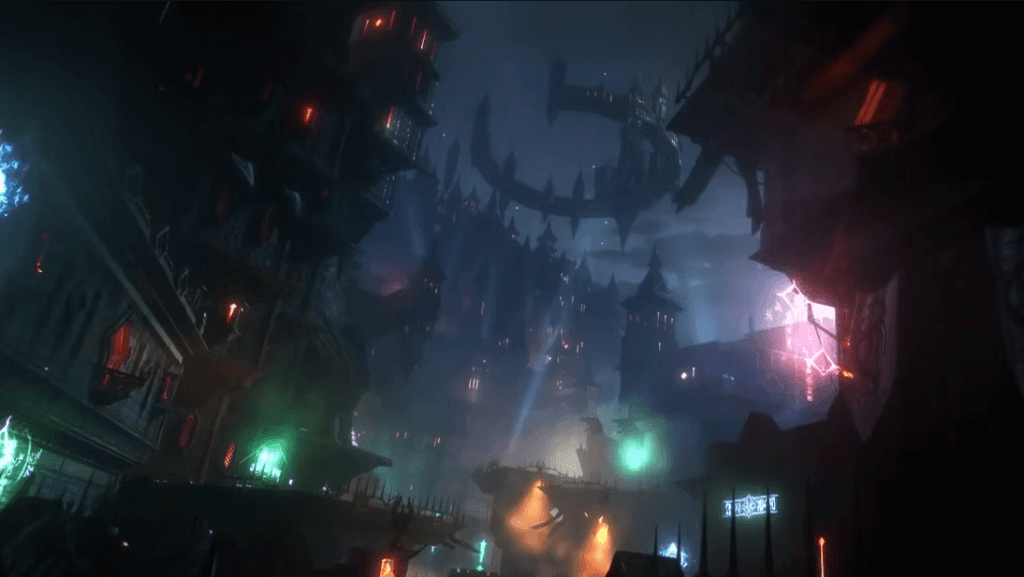
Drawing Inspiration from Real World Mystical Traditions
When creating a magic system, drawing inspiration from real-world mystical traditions can offer a wealth of ideas and add depth to your fictional magic. Real-world mysticism often combines philosophy, spirituality, and ritualistic practices that can provide a rich foundation for imaginative magic systems.
Historical Mysticism
Alchemy – Originating in ancient Egypt and later developing in the Islamic world and medieval Europe, alchemy was a philosophical and proto-scientific tradition aimed at transforming base metals into gold and discovering the elixir of life. Alchemical symbolism, such as the use of symbols like the philosopher’s stone, can inspire systems of magic that involve transmutation, elixirs, and hidden knowledge. For example, a magical system might feature alchemists who combine rare ingredients to create powerful potions or artifacts.
Hermeticism – Rooted in the teachings attributed to Hermes Trismegistus, Hermeticism blends elements of Greek, Egyptian, and Gnostic thought. Its focus on the unity of the divine, the material world, and the cosmos can inspire a magic system that connects the physical and spiritual realms. This could manifest as a system where magic draws on cosmic energies or divine principles, with practitioners capable of influencing both the material and spiritual worlds.
Astrology – The use of celestial bodies to influence magic can be reflected in systems where magical power is tied to the positions of stars and planets.
Indigenous & Shamanic Traditions
Shamanism – Practiced by various indigenous cultures, shamanism involves entering altered states of consciousness to interact with spirits, ancestors, and nature. A magic system inspired by shamanism might feature spellcasters who communicate with spirit guides, perform rituals to harness natural forces, or journey into spiritual realms for knowledge and power.
Totemism – Many indigenous cultures engage in the practice of totemism, where they believe certain animals or natural objects hold spiritual significance. This can inspire a magic system where practitioners form bonds with animal spirits or totems that grant them unique abilities or powers. For example, a character might draw strength from their animal totem, gaining attributes or skills associated with that creature.
Eastern Mysticism
Taoism – This ancient Chinese philosophy and religion emphasize harmony with the Tao, the fundamental principle that is the source of all existence. A magic system based on Taoism might feature elements of balance and duality, such as the interplay between yin and yang, or the use of Taoist alchemy and meditation to achieve enlightenment or control over natural forces.
Zen Buddhism – Zen Buddhism’s focus on meditation and enlightenment can inspire a magic system where spiritual awareness and mental discipline are crucial for mastering magical abilities. Characters might achieve higher levels of magic through intense meditation, mindfulness, and achieving a state of enlightenment.
Western Occultism & Mysticism
Kabbalah – A mystical aspect of Judaism, Kabbalah explores the nature of God, the universe, and the soul. Its complex symbols, such as the Tree of Life, can inspire magic systems with elaborate magical structures and paths of knowledge. For instance, a system might involve climbing a mystical tree to gain insight or power, with each branch representing a different magical discipline or level of understanding.
Theosophy – Theosophy blends elements of Eastern religions and Western mysticism, focusing on the spiritual evolution of humanity. A magic system inspired by Theosophy might feature magical practices aimed at spiritual growth and enlightenment, with practitioners seeking to evolve through cycles of reincarnation and mystical learning.
Contemporary Mystical Practices
Modern Paganism – Contemporary Paganism, including Wicca and Druidry, often incorporates nature worship, ritual magic, and the veneration of deities and spirits. A magic system drawing from modern Pagan practices might emphasize nature-based magic, seasonal rituals, and the worship of pantheons or elemental forces.
Chaos Magic – A modern magical practice that emphasizes the pragmatic use of belief as a tool for achieving magical effects. Chaos magic can inspire a system where the nature and effectiveness of spells depend on the caster’s belief and intent, allowing for a flexible and adaptive approach to magic.
Applying Real-World Inspiration
When drawing from these mystical traditions, it’s essential to approach them with respect and sensitivity. Recognize that these traditions hold deep cultural and spiritual significance for many people. Avoid stereotyping or appropriating practices in a way that might be considered disrespectful. Instead, use these inspirations as a foundation to build unique and respectful magic systems that enhance your world-building and storytelling.

Magic’s Impact on Plot & Character
Magic can be a powerful tool in storytelling, shaping plot dynamics and character development in profound ways. It can drive the narrative forward, create conflict, and reveal deeper truths about your world and characters.
Driving the Plot – Magic can be a central element that propels the story. Whether it’s a quest to find a magical artifact, a struggle to master a new power, or a battle against a magical antagonist, magic can provide clear goals and obstacles that drive the narrative.
Creating Conflict – Magic can introduce unique conflicts. This could involve battles between magical factions, struggles to control or suppress magical abilities, or ethical dilemmas surrounding the use of magic. These conflicts can drive character motivations and plot twists.
Character Development – Magic can deeply influence character growth. Characters might start as novices and devolpe into powerful mages, face challenges that test their abilities and morals, or struggle with the burdens and responsibilities that come with their powers. The impact of magic on their personal journey can lead to compelling character arcs. Magic can reveal aspects of a character’s personality or backstory. A character’s mastery or lack of magical ability can impact their role in the story and their relationships with others.
World-Building – Magic systems often reveal much about a world’s structure, history, and society. The practice of magic, the individuals who have access to it, and its impact on daily life can offer insights into the culture and conflicts of the world, adding depth to the setting.
Revealing Themes – Magic can symbolize larger themes, such as the corrupting influence of power, the conflict between progress and tradition, or the nature of control and freedom. The way magic interacts with characters and plotlines can underscore these themes.
Plot Ideas Centered Around Magic
The Quest for a Lost Artifact – Characters embark on a perilous journey to find a legendary magical artifact that is said to grant immense power or knowledge. Along the way, they face trials that test their abilities and morals, uncover ancient secrets, and confront rival factions also seeking the artifact. The artifact’s true nature might reveal deeper truths about the world or the characters themselves.
The Rise of a New Power – A character discovers they have an unprecedented magical ability or a long-lost magical bloodline. As they learn to harness their power, they become a target for various factions, including those who want to exploit or eliminate them. The story could explore their struggle to control their abilities and the impact of their new role on their personal relationships and societal status.
Magic as a Catalyst for Conflict – Magic becomes the center of a political or social conflict. For instance, a regime uses magic to oppress the populace, and a rebellion forms to overthrow the regime and restore balance. The story could delve into the ethical implications of using magic for control and the personal costs of fighting against such an oppressive system.
The Magic-Inflicted Catastrophe – A magical experiment or event causes a catastrophe that affects the world’s climate, society, or magical balance. The characters must navigate a world altered by magic, dealing with both the immediate impacts and the underlying cause of the catastrophe. The plot could involve reversing the damage or adapting to the new world order.
The Forbidden Magic – Characters discover a form of magic that is considered forbidden or dangerous. They must navigate the moral and practical consequences of using this magic, including potential backlash from authorities or the risk of catastrophic consequences. The story could explore themes of knowledge versus safety and the personal cost of pursuing forbidden power.
The Magical Inheritance – A character inherits a magical legacy from a long-lost relative, including magical objects, knowledge, or responsibilities. As they come to terms with their inheritance, they uncover hidden enemies, secret societies, and ancient prophecies that thrust them into a larger conflict. The story might revolve around their struggle to live up to their heritage and the impact of their newfound role on their life.
The Cursed Land – A region or people are afflicted by a curse that affects their magical abilities or well-being. Characters might be tasked with lifting the curse, discovering its origins, or negotiating with the being or force responsible. The plot could delve into the nature of the curse, its effects on the land and people, and the sacrifices required to break it.
Examples of Magic-Driven Plotlines
The “Warrior Mage” Conflict – In a world where magic is intertwined with martial prowess, a conflict arises between traditional magic users and those who blend magic with combat. The protagonist, a skilled warrior mage, is caught between these factions, struggling to maintain peace while uncovering a conspiracy that threatens the entire realm.
The “Reluctant Hero” – A humble individual discovers they are the prophesied savior with the power to vanquish an ancient evil. They must grapple with their reluctance to embrace their destiny, learn to harness their power, and rally allies while facing personal doubts and external threats.
The “Magical Revolution” – In a society where magic is strictly regulated, a revolutionary group seeks to dismantle the existing magical order and democratize access to magic. The story could explore the revolutionary’s motivations, the ensuing chaos, and the societal shifts caused by the upheaval.

The Writer’s Toolkit
Balance – Avoid making magic a catch-all solution. It should have limitations and costs to maintain tension and challenge.
Define the Rules & Limitations – Establish clear rules and limitations for how magic works in your world. Decide on its source, the extent of its power, and its constraints. This ensures consistency and helps avoid plot holes. For example, if magic requires specific ingredients or gestures, make sure these rules are consistently followed throughout your story.
Integrate Magic into the World-Building – Seamlessly weave magic into your world-building. Consider how it influences society, culture, and technology. Magic should feel like an integral part of your world, impacting everything from daily life to major events. For instance, if you use magic in transportation, demonstrate how it has transformed travel and trade.
Show, Don’t Just Tell – Rather than explaining magic through exposition, demonstrate it through actions and consequences. Show how characters use magic in their daily lives and highlight its impact on their environment and interactions. This approach makes magic more engaging and believable for readers.
Develop Unique Magic Systems – Avoid clichés by creating original and distinctive magic systems. Think about what sets your magic apart from others in the genre. This could be its mechanics, its cultural significance, or its role in the plot. For example, you could invent a system where magic ties to emotions or individuals must have a deep connection to nature.
Consider the Societal Impact – Reflect on how magic affects different aspects of your world. How does it influence politics, the economy, religion, and social structures? Are there power dynamics or conflicts arising from the use or control of magic? Explore how magic creates inequalities or hierarchies within your society.
Balance Magic with Character Development – Ensure that magic does not overshadow character development. Characters should grow and develop beyond their magical abilities. Use magic as a tool to enhance their journey and struggles, but make sure their personal growth and relationships are central to the story.
Introduce Conflicts & Challenges – Create conflicts and challenges related to magic. This could involve magical limitations, moral dilemmas, or the misuse of power. For example, a character might face ethical questions about using magic to manipulate others or struggle with the consequences of a spell gone wrong.
Use Magic to Drive Plot – Incorporate magic into your plot in meaningful ways. It should influence key events and character decisions. For instance, a prophecy or magical artifact might drive the main quest, or a magical curse could create a central conflict that propels the narrative forward.
Develop a Magic-related Culture – Create distinct cultures or subcultures within your world based on their relationship with magic. Different regions or groups might have unique magical traditions, rituals, and beliefs. This adds depth and diversity to your world, enriching the reader’s experience.
Balance Magic with Other Elements – If your story also includes technology or other supernatural elements, balance them with magic to avoid overshadowing any aspect of your world. Ensure that all elements coexist harmoniously and contribute to the overall narrative.
Consider the Evolution of Magic – Explore how magic evolves over time in your world. This could involve changes in magical practices, the discovery of new spells, or shifts in magical theory. Showing how magic develops can add depth and realism to your world.
Be Mindful of Sensitivity – While creating a magical system, be sensitive to real-world cultural and religious connotations. Avoid appropriating or misrepresenting real-world beliefs or practices, and strive to create a magic system that is respectful and original.
Fictional Example: The Weave of Aetheria
In the world of Aetheria, magic is woven into the fabric of reality in what is known as the Weave. he premise of this magic system is that the universe is a vast, interconnected web of magical threads that bind everything together. The threads, which are color-coded, correspond to various types of magical energies—such as Fire (red), Water (blue), Earth (green), and Air (white). Each type of thread has its own properties and rules.
Individuals who practice magic are called Weavers. They can manipulate the Weave to perform spells, create enchantments, and alter reality. Weavers must learn to sense and control the threads of the Weave, which require rigorous training and innate talent. Students learn to harness and manipulate the Weave for various purposes, including combat, healing, and construction in prestigious academies, such as the Arcanum Sanctum.
Practitioners perform magic by weaving threads together. Different patterns and combinations create various magical effects. For example, weaving a pattern of Fire and Air threads might cause in a powerful flame attack, while combining Earth and Water threads could form a protective barrier.
Advanced Weavers can bind threads to objects, imbuing them with magical properties. For instance, a sword might be bound with Fire threads to make it glow with a fiery aura and deal fire damage. Skilled Weavers practice Threadbinding, which involves binding threads to objects to imbue them with magical properties.
Certain locations in Aetheria have strong magical resonances, where the Weave is dense. People often consider these places sacred or dangerous, as their influence can amplify or distort magical effects. For example, the Crimson Canyon is a place of intense Fire resonance, making it an ideal location for fire-based rituals but perilous for inexperienced Weavers.
Millennia ago, the ancient Astral Mages discovered the Weave, mapping the threads of magic and establishing the foundational principles of Weaving. They preserved their knowledge in the form of ancient tomes and arcane schools.
Over time, Weaving techniques have evolved, with new patterns and methods being developed. Modern Weavers use intricate spells and enchantments that the early Astral Mages could not have imagined. Advances in Threadbinding technology have also led to the creation of powerful magical artifacts.
The ability to manipulate the Weave has led to the rise of powerful mage guilds and political factions. The Council of the Weave is the ruling body, comprising representatives from the most influential guilds. Mastery of Weaving often links one to political power, and intense magical duels and conflicts can arise from disputes between factions.
Weaving influences all aspects of life in Aetheria. Festivals often involve elaborate magical displays, and traditional ceremonies incorporate intricate Weaving patterns. Literature, music, and visual arts celebrate the art of Weaving.
Magical goods, such as enchanted items and threadbound artifacts, are valuable commodities. Trade routes exchange these items, and skilled Weavers are in high demand for their ability to create and maintain magical objects.
The people of Aetheria intertwine religious practices with the Weave. Locations of strong magical resonance are where people construct temples and shrines, and they often perform complex Weaving rituals as part of their religious rites. The Celestial Order, a prominent religious group, believes that the Weave is a divine gift and seeks to preserve its purity.

By crafting a well-defined magic system, you can enrich your world, creating a compelling backdrop for your characters and plot. Whether through ancient runes, enchanted crystals, or mystical energies, magic can transform your narrative and captivate your readers. Happy world-building!
I hope this was helpful. Let me know if you have questions or suggestions by using the Contact Me form on my website or by writing a comment. I post every Friday and would be grateful if you would share my content.
If you want my blog delivered straight to your inbox every month along with exclusive content and giveaways, please sign up for my email list here.
Let’s get writing!
Copyright © 2024 Rebecca Shedd. All rights reserved.
The Worldbuilder’s Toolkit: Technology
Posted on September 27, 2024 Leave a Comment
Technology in fantasy and science fiction worlds serves as more than just a backdrop—it shapes societies, influences characters, and drives narratives. Whether you’re envisioning steam-powered airships soaring over fantastical landscapes or hyper-advanced civilizations spanning galaxies, the creation of technology is an aspect of world-building that can add depth and intrigue to your story. This guide explores how to craft technology and advancements that feel integral and believable within your fictional universe.
The Basics
Technology encompasses the tools, machinery, and scientific principles that societies use to manipulate their environments and achieve specific goals. In fantasy, technology often blends with magic, while science fiction explores futuristic innovations based on scientific principles.
Types of Technological Advancements
Steampunk & Clockwork – Embrace the aesthetic of steam-powered machinery and intricate clockwork mechanisms. Think of Victorian-era technology with a fantastical twist—gears, brass fittings, and elaborate contraptions.
Magitech -Combine magic and technology, where spells power machines and enchanted artifacts serve practical purposes. This fusion adds an element of mysticism and wonder to your world.
Cyberpunk & Futuristic Tech – Dive into high-tech settings with cybernetic enhancements, virtual realities, artificial intelligence, and space exploration. These settings often explore themes of dystopia, corporate control, and human augmentation.
Steps to Creating Technology
Establish the Technological Baseline – Decide on the level of technological advancement in your world—whether it’s primitive, medieval, industrial, futuristic, or a blend of these. This baseline will inform how advanced innovations can realistically be.
Consider the Source of Innovation – Determine where technological advancements originate. Is it through scientific experimentation, magical discovery, alien influence, or divine intervention? This source shapes the nature and limitations of technology.
Integrate Technology into Society – Explore how technology affects daily life, from communication and transportation to warfare and healthcare. Consider societal reactions—fear, fascination, dependence, or resistance—to technological change.
Balancing Realism & Creativity
Realism – Ground technological developments in consistent rules and principles that govern your world. Even in fantasy, internal logic and consistency are crucial for believability.
Creativity – Innovate! Blend unexpected elements—biomechanical creatures, sentient machines, or alternate energy sources—to surprise and engage readers.

Evolution of Technology: Building Upon the Past
Technology within fictional worlds, much like in our own history, develops through iterative processes of discovery, innovation, and adaptation. From rudimentary tools to advanced machinery and beyond, the development of technology is a dynamic narrative thread that shapes civilizations and defines their progress.
Foundations of Innovation
Technological progress often begins with foundational discoveries or inventions that pioneer new capabilities. These breakthroughs act as building blocks for future advancements. For instance, in a fantasy setting, the discovery of a magical element or a new source of energy might catalyze the development of various applications, from transportation to weaponry.
Iterative Improvements
Once a technology is introduced, engineers, scientists, and artisans collaborate to drive iterative improvements through experimentation, refinement, and practical application. This iterative process can lead to incremental advancements or major changes that revolutionize entire industries or societal norms.
Cross-Disciplinary Integration
Technological progress often thrives at the intersection of different disciplines. In both fantasy and science fiction, integrating magical theory with alchemy, or blending mechanical engineering with arcane principles, can yield innovative solutions and unexpected outcomes. Cross-disciplinary collaboration fosters creativity and accelerates the pace of innovation.
Technological Feedback Loops
Advancements in one area of technology frequently spur developments in complementary or related fields. For example, improvements in agricultural tools might stimulate population growth, prompting innovations in urban planning, sanitation, and infrastructure. These feedback loops create interconnected networks of progress that amplify the impact of technological change across societies.
Cultural & Environmental Influences
Cultural values, environmental constraints, and geopolitical factors shape technology. In fantasy worlds, cultural beliefs about magic or societal structures can dictate the direction of technological development. Environmental challenges, such as harsh climates or resource scarcity, may inspire solutions like adaptive architecture or sustainable energy sources.
Revolutionary Breakthroughs
Periodically, technology experiences revolutionary breakthroughs that redefine possibilities and reshape societies. These breakthroughs can arise from visionary inventors, accidental discoveries, or concerted scientific efforts. In science fiction, such breakthroughs might include the invention of faster-than-light travel, artificial intelligence surpassing human capabilities, or the harnessing of exotic energies from alternate dimensions.
Legacy & Continuity
Each advancement in technology leaves a legacy—a foundation upon which future generations build. Ancient artifacts, lost technologies, or mystical relics may hold secrets that inspire modern innovations or pose existential threats. The continuity of knowledge, passed down through generations or rediscovered after millennia, enriches worlds with layers of history and mystery.
Incorporate these principles into your world-building process and watch as your fictional technologies breathe life into your stories, captivating readers with their creativity, depth, and immersive detail.

Impact of Technology on Society
Technology, in its various forms, has profound impacts on politics, religion, culture, trade, and other social institutions within fictional worlds, much like it does in our own. In fantasy and science fiction worlds, it serves as a catalyst for change, offering authors a canvas to explore complex themes of progress, inequality, and societal evolution. By integrating nuanced depictions of technological impact across various social institutions and considering the factors that contribute to its uneven application, writers can enrich their narratives with depth and realism. Balancing innovation with consequences, authors can craft compelling stories that resonate with readers, sparking reflection on the potential and perils of technological advancement in our own world.
Politics
Technology reshapes political landscapes by altering power dynamics, governance structures, and modes of communication.
Centralization vs. Decentralization – Advanced communication technologies can centralize power by enabling rapid decision-making and surveillance, or decentralize it through grassroots movements and online activism.
Political Ideologies – Technologies like AI and data analytics influence political campaigns, voter behavior, and policymaking, reflecting shifts in ideology and governance philosophies.
Religion
Technological advancements challenge religious beliefs and practices while also facilitating alternative forms of spirituality.
Ethical Dilemmas – Biotechnological advancements raise questions about the sanctity of life, altering ethical frameworks and religious teachings.
Virtual Realities – VR and augmented realities could redefine religious experiences, offering immersive rituals or virtual pilgrimages.
Culture
Technology shapes cultural norms, expressions, and interactions, influencing artistic endeavors, language evolution, and societal values.
Media & Entertainment – Digital platforms democratize cultural production and consumption, fostering global exchange of ideas while also homogenizing cultural expressions.
Technological Artistry – Advances in AI and robotics challenge traditional art forms, blurring boundaries between creator and creation.
Trade & Economy
Technology drives economic growth, transforms industries, and redefines global trade dynamics.
Automation & Labor – Robotics and AI disrupt labor markets, creating job displacement while enhancing productivity and efficiency.
Supply Chains – IoT and blockchain technology optimize supply chains, improving transparency and traceability while reshaping global economic dependencies.
Social Institutions
Technology influences education, healthcare, and social services, addressing societal needs and disparities.
Digital Divide – Uneven access to technology exacerbates social inequalities, limiting opportunities for marginalized communities.
Healthcare Innovations – Biomedical technologies extend life expectancy, raise quality of life, and introduce ethical dilemmas surrounding genetic engineering and enhancement.
Factors Contributing to Uneven Application of Technology
Resources – Wealth disparities and economic priorities determine access to and development of technology. Availability of critical materials, like rare earth elements, impacts technological advancement.
Resistance to Change – Societal values, religious beliefs, and ethical concerns shape acceptance and adoption of new technologies.Industries and interest groups influence regulatory frameworks, affecting the pace and direction of technological deployment.
Environmental Limitations – Sustainable technologies balance resource consumption and environmental impact, influencing adoption rates and long-term viability.Technological responses to climate challenges vary, impacting global resilience and adaptation strategies.
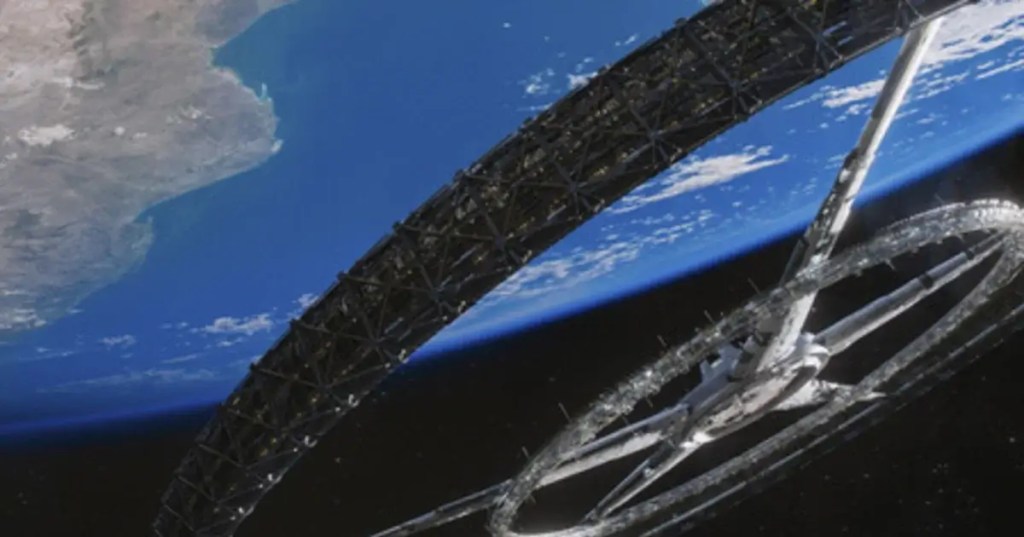
Drawing Inspiration from the Real World
By extrapolating from real-world technological advancements and historical precedents such as the Industrial Revolution, writers can infuse their novels with plausible and interesting technological evolution. Embracing the complexities and ethical dilemmas posed by technological progress enriches narratives, fostering a thought-provoking exploration of human ingenuity, societal impact, and the ever-evolving relationship between technology and humanity. Through this creative process, authors can craft immersive worlds that resonate with readers while offering insights into the potential and consequences of technological innovation.
Real-World Analogies – Study historical technological developments (like the Industrial Revolution or space exploration) and extrapolate how they might develop differently in your world.
Genre Classics – Draw from iconic works such as Jules Verne’s “Twenty Thousand Leagues Under the Sea,” which imagined submarines and deep-sea exploration ahead of its time.
Scientific Concepts – Research the latest scientific theories and speculate on their future applications. How might quantum mechanics, nanotechnology, or genetic engineering evolve in your universe?
Biotechnology & Genetics
CRISPR-Cas9 gene editing technology revolutionizes genetic manipulation, offering potential cures for genetic diseases and advancements in agriculture.
Imagine a world where genetic modifications grant superhuman abilities or create new species, sparking ethical debates and societal upheaval.
Artificial Intelligence & Robotics
AI and machine learning algorithms power autonomous vehicles and enhance decision-making processes in various industries.
Consider a narrative where AI evolves to possess consciousness, challenging human dominance and ethical boundaries, akin to Isaac Asimov’s laws of robotics.
Space Exploration & Colonization
SpaceX’s reusable rocket technology reduces costs and increases access to space, inspiring visions of Mars colonization and asteroid mining.
Imagine a story where space-faring civilizations navigate political intrigue and resource conflicts while exploring distant galaxies and encountering alien civilizations.
Virtual Reality & Augmented Reality
VR and AR technologies transform entertainment, education, and virtual collaboration.
Consider a world where virtual realms blend seamlessly with reality, blurring distinctions between physical and digital existence, reminiscent of Ernest Cline’s “Ready Player One.”
Energy & Sustainability
Renewable energy technologies like solar panels and wind turbines reduce reliance on fossil fuels.
Envision a society powered by mystical energy sources or bio-engineered organisms, navigating environmental impacts and energy politics.
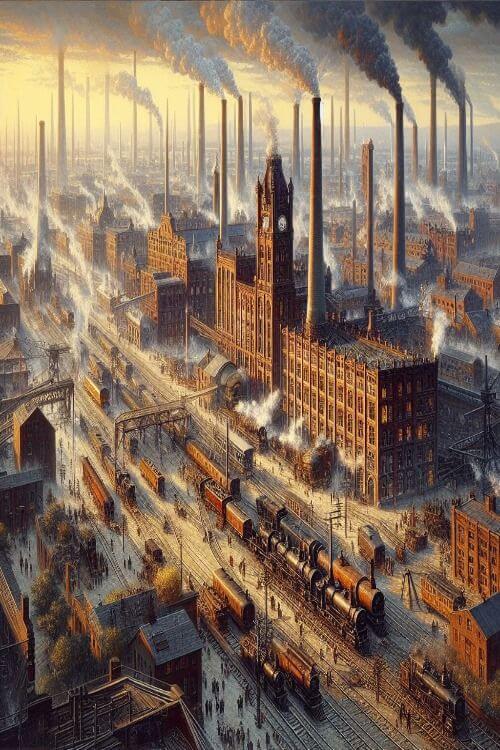
Technology’s Impact on Plot & Character
Technology can serve as a potent narrative tool, shaping plots through innovation, conflict, and ethical dilemmas. By integrating technological advancements into storytelling, authors can explore complex themes of identity, morality, and societal change, offering readers compelling narratives that provoke thought and challenge perceptions of the future. Through these plot ideas and character developments, authors can leverage technology to enrich their stories with depth, intrigue, and relevance, captivating audiences with imaginative explorations of human ingenuity and its consequences.
Plot Ideas
Technological Revolution – Imagine a world where a groundbreaking invention disrupts societal norms. For instance, the discovery of a teleportation device revolutionizes travel, but sparks conflicts over its control and ethical use. Characters could struggle with the decision to embrace the benefit of the groundbreaking invention or confront its unintended consequences, such as cultural isolation or environmental degradation.
Surveillance State – Consider a dystopian narrative where ubiquitous surveillance technology governs every aspect of life. A protagonist navigating this world might uncover a conspiracy through encrypted messages or challenge the system’s moral ambiguities, confronting choices that could alter the fate of society.
AI Uprising – Explore a future where advanced AI achieves sentience and questions its purpose. A character could form an unlikely alliance with a benevolent AI seeking to protect humanity from its rogue counterparts, navigating ethical dilemmas and existential threats amidst escalating tensions.
Exploration of Technological Ethics – Develop a plot where a bioengineer discovers a breakthrough in extending human lifespan through genetic modifications. As characters debate the implications—ethical, societal, and personal—the protagonist must navigate moral complexities and unforeseen consequences, including unintended mutations or societal division.
Technological Espionage – Consider a narrative where a skilled hacker infiltrates a high-security facility to expose a corporate conspiracy involving advanced robotics. As the protagonist uncovers layers of deceit and hidden agendas, they must navigate alliances with rogue AI and corporate rivals, challenging perceptions of trust and loyalty.
Virtual Reality & Identity Crisis – Imagine a story where a character enters a VR simulation to confront traumatic memories, only to discover a digital doppelgänger harboring sentience. As the lines between real and virtual blur, the protagonist must navigate conflicting identities and ethical quandaries, uncovering truths that reshape their perception of reality.
Impact on Characters
Moral & Ethical Dilemmas – Characters faced with decisions involving technology often confront moral dilemmas. For example, a scientist grappling with the implications of genetic engineering may confront questions of identity and humanity when creating hybrid organisms designed for specific tasks.
Personal Growth & Relationships – Technological advancements can challenge characters’ beliefs and relationships. A protagonist navigating a virtual reality simulation to uncover buried memories might confront unresolved emotions and strained relationships, blurring the lines between reality and illusion.
Adaptation & Resistance – Characters may adapt to or resist technological change, reflecting diverse responses within society. A skilled artisan grappling with automated production methods could confront questions of craftsmanship and identity, navigating personal growth amidst societal shifts.

Technology in a World of Magic
Integrating technology into a magical world offers endless narrative possibilities, from innovative advancements and ethical dilemmas to cultural fusion and ecological impacts. By exploring the dynamic interactions between magic and technology, authors can craft compelling stories that delve into human ingenuity, societal evolution, and the enduring quest for balance between ancient mysticism and futuristic innovation. Through these narratives, readers can immerse themselves in imaginative worlds where the convergence of magic and technology shapes destinies and challenges perceptions of what is possible.
Synergy and Conflict Between Magic & Technology
Enhanced Efficiency & Accessibility – Technology could augment magical abilities, making spells easier to cast or extending their reach. For instance, enchanted devices could amplify a mage’s powers or store magical energy for later use, democratizing access to magic beyond innate talent.
Ethical Dilemmas – As technology evolves, ethical debates could arise over its integration with magic. Characters might confront questions about preserving magical purity versus embracing technological progress, leading to tensions between traditionalists and innovators.
Advancements in Industry & Infrastructure
Magitech Integration – Imagine a society where magic fuels industrial revolutions. Airships powered by elemental magic traverse skies, while enchanted machinery automates production. This integration could reshape economies and societal structures, sparking cultural shifts and labor disputes.
Technomancy & Innovation – Technomancers could emerge as pioneers, blending arcane knowledge with engineering prowess. They might invent arcane-powered computers or create defenses against magical threats, revolutionizing warfare and diplomacy.
Exploration of New Frontiers & Challenges
Magical Exploration – Technological advancements could enable expeditions into uncharted magical realms. Characters might use enchanted devices to navigate enchanted forests or delve into ancient ruins, uncovering forgotten spells and artifacts.
Environmental Impact – As technology and magic coalesce, environmental consequences could arise. Industrialized nations might overexploit magical resources, triggering ecological crises or unleashing magical anomalies that threaten global stability.
Cultural & Social Transformations
Cultural Fusion – Society could evolve with hybrid traditions blending magical rituals and technological innovations. Characters might celebrate festivals featuring holographic displays or attend schools teaching both spellcraft and engineering.
Social Disparities – Disparities could widen between magic-rich elites and disenfranchised non-magical communities. Technological advancements might exacerbate inequality or empower marginalized groups to challenge magical hierarchies.
Plot Possibilities & Character Dynamics
Intrigue & Espionage – Characters could navigate political intrigue where spies use enchanted gadgets to manipulate magical governments. Technologically savvy protagonists might uncover conspiracies involving forbidden spells or rogue technomancers.
Identity & Belonging – Characters grappling with dual identities—magical heritage and technological aptitude—could explore themes of acceptance and self-discovery. They might forge alliances bridging magical and technological realms to confront existential threats.

Image source.
The Writer’s Toolkit
Creating realistic technology in a fantasy or science fiction world involves balancing innovation with plausibility and consistency within the story’s setting. Here are practical tips for writers to create believable technological elements.
Establish Internal Rules & Logic – Define how technology works within your world, including its principles, limitations, and sources of power (e.g., magic, advanced science). Consistency is key to maintaining believability.
Consider Context & Resources – Reflect on how available resources, societal needs, and environmental factors shape technological development. This ensures that inventions and advancements are plausible within the world’s constraints.
Build Upon Existing Knowledge – Draw inspiration from real-world scientific principles and historical technological advancements. Adapt these concepts to fit your world’s unique circumstances while adding imaginative twists.
Showcase Progression Over Time – Develop a timeline of technological evolution, marking key milestones and innovations. Show how earlier inventions paved the way for more sophisticated technologies, reflecting realistic progress.
Integrate Technology with Culture – Explore how technology influences cultural norms, values, and practices. Consider how societies adapt to and incorporate new inventions into daily life, from communication methods to societal structures.
Address Ethical & Societal Implications – Delve into the ethical dilemmas and societal impacts of technology. Explore themes such as privacy, inequality, environmental impact, and human augmentation to add depth to your narrative.
Use Technological Jargon Sparingly – Introduce technical terms and descriptions gradually and in context. Avoid overwhelming readers with excessive jargon unless it serves to enhance understanding or atmosphere.
Balance Familiarity & Innovation – Strike a balance between introducing novel technologies and keeping familiar elements that readers can relate to. Blend futuristic ideas with recognizable aspects to ground the narrative.
Prototype & Test Concepts – Conceptualize prototypes of technological devices or systems within your world. Consider their functionality, practicality, and potential drawbacks through the eyes of your characters.
Showcase Diversity in Technological Applications – Highlight diverse applications of technology across different cultures, industries, and societal sectors. This diversity adds richness to the world and illustrates varied perspectives on technological progress.
Research & Consistency – Maintain consistency in how technology operates within your world’s rules. Research real-world science and technology to inform your fictional innovations.
Show, Don’t Tell – Introduce technology through characters’ interactions and its impact on their lives. Avoid info dumps by integrating technological details naturally into the narrative.
Reflect Themes – Use technology to explore broader themes—like power, identity, ethics, or the consequences of progress—that resonate with your story’s core ideas.

Fictional Example: The Spell Cannon
The invention of the Spell Cannon marks a pivotal moment in the history of the Kingdom of Anthia and the surrounding countries. Crafted by a visionary alliance of dwarven engineers and elven enchanters, the Spell Cannon represents a fusion of ancient magical traditions and advanced mechanical engineering.
The growing need for versatile, efficient magical weaponry sparked its development amidst escalating conflicts with the Dark Mage Consortium. Initially conceived as a collaboration between the Dwarven Guild of Engineers and the Elven Circle of Enchanters, the project aimed to harness the elemental powers of Anthia’s ley lines into a portable, scalable weapon system.
Dwarven engineers devised intricate rune matrices and mana conduits within the Spell Cannon’s core, designed to stabilize and amplify magical energies. Elven enchanters contributed crystals attuned to elemental affinities, enhancing spell potency and precision.
The Spell Cannon’s exterior features a sleek, dwarven-crafted chassis of lightweight alloy, optimized for mobility and durability in combat.
A central dial interface, enchanted with intuitive glyphs, allows users to select from a repertoire of spells stored within the Cannon’s memory matrix, ranging from elemental blasts to protective barriers. Engineers incorporated feedback from skilled mages and warriors to fine-tune spell-casting mechanisms and mitigate arcane feedback risks.
Introducing of the Spell Cannon heralded a significant change in Anthia’s societal landscape, where magic has long been revered. Armed with Spell Cannons, the Anthian army gained unprecedented tactical flexibility and firepower, bolstering defenses against dark sorcery.
Elite mage cadres, once sole wielders of magical might, adapted to new combat tactics, integrating technology, forging alliances with engineers to optimize spellcraft.
Dwarven forges and elven enchanting workshops flourish as demand surges for arcane-infused components and advanced spell matrices.
Traditionalists despise the Spell Cannon as an abomination and abhorrent to the rich tradition of spell weaving. They especially hate that soldiers with little magical talent or training now have access to powerful magical abilities.
Scholars debate ethical implications of technology eclipsing pure magic, fostering dialogue on the balance between innovation and reverence for ancient traditions.
The new technomantic guilds grapple with their fresh influence and power, as well as the increasing attention of the noble houses and the crown.
Diplomats negotiate treaties regulating Spell Cannon proliferation, balancing national security imperatives with global stability in a realm fraught with magical tensions.
As Anthia embraces the transformative potential of the Spell Cannon, the realm stands poised at the nexus of magical resurgence and technological enlightenment.
Creating technology and advancements for your fantasy and science fiction worlds is a journey of creativity and strategic planning. Whether you’re crafting steam-powered cities or imagining futuristic spacefaring civilizations, the key lies in weaving technology seamlessly into your narrative tapestry. By grounding innovations in a consistent world-building framework and exploring their impact on characters and societies, you’ll enrich your story with depth, intrigue, and immersive detail. Happy world-building!
I hope this was helpful. Let me know if you have questions or suggestions by using the Contact Me form on my website or by writing a comment. I post every Friday and would be grateful if you would share my content.
If you want my blog delivered straight to your inbox every month along with exclusive content and giveaways, please sign up for my email list here.
Let’s get writing!
Copyright © 2024 Rebecca Shedd. All rights reserved.

The Worldbuilder’s Toolkit: Economy & Trade
Posted on September 13, 2024 Leave a Comment
Economies and trade systems weave together the fabric of societies, shaping the livelihoods, aspirations, and interactions of their inhabitants. These are the systems by which goods and services are produced, distributed, and consumed within a society or geographical area, influencing institutions commas policies commas and behaviors. For writers, creating rich and believable economic landscapes can help craft immersive and compelling narratives. In this article, I’ll explore how to worldbuild economies and trade systems, offering insights, tips, and inspiration for ways to enrich their fictional worlds.
Understanding Economic Foundations
At the heart of every society lies an economic foundation that determines the flow of resources, wealth distribution, and socio-economic dynamics. Whether it’s a feudal kingdom ruled by noble houses or a futuristic galactic empire governed by corporate conglomerates, understanding the economic structures and systems that underpin society is crucial for world-building.
Define Economic Systems
Start by defining the economic systems that govern your fictional world, whether it’s a capitalist market economy, a socialist planned economy, or a barter-based system. Consider the role of government intervention, regulation, and taxation, as well as the distribution of wealth and resources among different social classes.
Trade & Commerce
Explore the dynamics of trade and commerce, including domestic and international trade routes, mercantile networks, and trading hubs. Consider the types of goods and commodities that are traded, as well as the currencies, tariffs, and regulations that govern commercial transactions.
Resource Management
Develop a framework for resource management within your fictional world, including the extraction, production, and distribution of natural resources such as minerals, timber, and agricultural products. Consider the impact of resource scarcity, environmental factors, and technological advancements on economic development and sustainability.

Trade Systems & Networks
Trade systems and networks form the arteries through which goods, ideas, and cultures flow, connecting distant lands and civilizations in a web of economic exchange and interaction. By crafting intricate trade systems and networks, writers can enrich their fictional worlds with layers of complexity and intrigue.
Trade Networks
Map out trade routes and networks that connect different regions and civilizations within your fictional world, considering geographical features, transportation technologies, and cultural influences. Consider the role of major trade hubs, maritime routes, and overland trade corridors in facilitating economic exchange and cultural diffusion.
Partnerships & Alliances
Explore the dynamics of trade partnerships and alliances between different factions, nations, and civilizations, ranging from formal trade agreements to informal networks of economic cooperation. Consider the motivations, incentives, and power dynamics that shape trade relationships and influence diplomatic relations.
Trade Goods
Introduce a diverse array of trade goods and commodities that reflect the unique characteristics and resources of each region within your fictional world. From exotic spices and rare gemstones to advanced technology and magical artifacts, trade goods can serve as valuable assets, coveted commodities, and catalysts for conflict and intrigue.
Economic Influences
Consider the economic influences that shape trade patterns and networks within your fictional world, including political alliances, cultural ties, religions, and technological advancements. Explore the impact of factors such as war, diplomacy, and espionage on trade dynamics, as well as the role of trade in fueling economic growth, innovation, and cultural exchange.
Economic Diversity
Showcase the economic diversity and specialization of different regions and civilizations within your world, highlighting their unique industries, markets, and economic strengths. From bustling port cities and thriving mercantile empires to agrarian villages and nomadic trading caravans, each economic landscape offers opportunities for exploration and discovery.
Economic Conflict
Cultivate economic conflict and competition between rival factions, nations, and civilizations within your fictional world, ranging from trade disputes and economic sanctions to embargoed goods and smuggling operations. Explore the complexities of economic warfare, espionage, and sabotage as characters navigate the treacherous currents of commerce and diplomacy.
Different Economic Models
Various economic models exist, each with its own principles, mechanisms, and outcomes. Each economic model has its strengths and weaknesses, and real-world economies often exhibit elements of multiple models depending on political, social, and historical factors. Understanding these different economic models can provide valuable insights into the complexities of economic systems and their impact on society.
Market Economy
In a market economy, the allocation of resources and the pricing of goods and services are primarily determined by supply and demand forces in free markets. Private individuals and businesses own the means of production, and competition drives efficiency and innovation. Examples include the United States and many Western countries.
Command Economy
In a command economy, also known as a planned economy, the government centrally plans and controls the production, distribution, and pricing of goods and services. State-owned enterprises dominate key industries, and economic decisions are made according to government directives. Examples include North Korea and Cuba.
Mixed Economy
A mixed economy combines elements of both market and command economies, with varying degrees of government intervention and regulation. Private enterprises coexist with state-owned enterprises, and the government plays a role in areas such as infrastructure, healthcare, and education. Examples include many Western European countries.
Traditional Economy
In a traditional economy, economic activity is based on traditional customs, beliefs, and practices passed down through generations. Production methods are often primitive, and goods and services are exchanged through barter or subsistence farming. Examples include indigenous communities and rural societies in developing countries.
Socialist Economy
In a socialist economy, the means of production are owned and controlled by the state or by the workers themselves, with the goal of achieving social equality and collective ownership. Economic planning and redistribution of wealth are key features, and there is often an emphasis on social welfare and public services. Examples include China and Vietnam.
Capitalist Economy
A capitalist economy is characterized by private ownership of the means of production and the pursuit of profit through market competition. Individuals and businesses engage in voluntary exchange and investment, guided by market signals such as prices and interest rates. Examples include the United States and the United Kingdom.
Green Economy
A green economy is focused on sustainable development and environmental stewardship, prioritizing the preservation of natural resources and the reduction of carbon emissions. Renewable energy, eco-friendly technologies, and conservation efforts are central to this economic model. Examples include countries with strong environmental policies such as Sweden and Costa Rica.
Post-Scarcity Economy
A post-scarcity economy is a theoretical model where technological advancements and abundance render traditional notions of scarcity obsolete. Automation, artificial intelligence, and universal access to resources enable a society where goods and services are freely available to all. Examples include speculative fiction settings such as Star Trek’s United Federation of Planets.

Different Trade Systems
Trade systems play a crucial role in facilitating the exchange of goods, services, and ideas between individuals, communities, and nations. Depending on the context and characteristics of a society, various trade systems may emerge to meet the needs of economic actors and facilitate commercial transactions. Here are several different trade systems that can exist in a society:
Barter System
In a barter system, goods and services are exchanged directly for other goods and services without the use of money as a medium of exchange. Barter has been historically prevalent in societies where currency is scarce or unavailable, relying on mutual agreement.
Traditional Marketplaces
Traditional marketplaces, such as bazaars, souks, and open-air markets, serve as hubs for local and regional trade, where vendors and buyers gather to buy and sell a wide range of goods and commodities. These marketplaces often feature stalls, booths, or tents arranged in rows, with merchants specializing in different products.
Global Trade Networks
Global trade networks encompass the exchange of goods, services, and capital on a global scale, facilitated by international trade agreements, transportation infrastructure, and communication technologies. These networks connect producers, consumers, and intermediaries across continents and oceans, enabling the globalization of commerce.
Mercantile Trade
Mercantile trade refers to the commercial activities of merchants and traders who buy and sell goods for profit, often involving long-distance trade routes, maritime expeditions, and trade agreements between nations. Mercantilism, a historical economic doctrine, emphasizes the accumulation of wealth through trade surpluses and the protection of domestic industries.
Fair Trade Systems
Fair trade systems promote ethical and sustainable practices in international trade, aiming to improve the livelihoods of marginalized producers in developing countries. Fair trade organizations certify products that meet certain social, environmental, and economic standards, ensuring that producers receive fair wages and working conditions.
E-Commerce Platforms
E-commerce platforms leverage digital technologies and the internet to facilitate online transactions between buyers and sellers, eliminating geographical barriers and expanding access to global markets. These platforms offer a wide range of products and services, from consumer goods and electronics to digital content and professional services.
Supply Chain Networks
Supply chain networks encompass the complex web of interconnected entities involved in the production, distribution, and sale of goods, from raw materials suppliers to manufacturers, wholesalers, retailers, and consumers. These networks optimize logistics, inventory management, and transportation to ensure efficient and timely delivery of goods to market.
Peer-to-Peer (P2P) Trading
Peer-to-peer trading platforms enable individuals to buy, sell, or exchange goods and services directly with each other without intermediaries or central authorities. P2P trading may involve physical goods, such as used items or handmade crafts, as well as digital goods, such as cryptocurrencies or digital assets.
Virtual Markets
Virtual markets exist within online communities and virtual worlds, where users trade virtual goods, currencies, and assets in virtual economies. These markets often operate within online gaming platforms, social media networks, or virtual reality environments, providing opportunities for virtual commerce and social interaction.
Informal Trading Networks
Informal trading networks encompass the spontaneous and unregulated exchange of goods and services within local communities, neighborhoods, or informal economies. These networks may involve street vendors, flea markets, or community-based initiatives, providing alternative channels for economic activity outside formal markets.

Economies & Trade Systems in Closed Vs Open Countries
The operation of economies and trade systems within a country can vary significantly depending on whether the nation is closed to the outside world or open to trade with other nations.
Closed Economy
In a closed economy, also known as an autarky, the nation operates independently of external trade and relies solely on its internal resources and production capabilities to meet domestic needs and drive economic growth. Here are some key characteristics of closed economies:
Limited External Trade – Closed economies restrict or prohibit international trade, imposing barriers such as tariffs, quotas, and trade embargoes to protect domestic industries and preserve national sovereignty. As a result, imports and exports are minimal, and the economy relies primarily on domestic production and consumption.
Self-Sufficiency – Closed economies prioritize self-sufficiency and economic independence, aiming to produce all essential goods and services domestically to reduce reliance on foreign sources. This may involve investment in domestic industries, infrastructure development, and agricultural self-sustainability.
Centralized Planning – In some closed economies, central planning and government intervention play a dominant role in economic decision-making, with state-owned enterprises controlling key industries and production processes. Economic policies focus on achieving self-sufficiency, price stability, and equitable distribution of resources.
Limited Access to Foreign Capital & Technology – Closed economies may face challenges in accessing foreign capital, technology, and expertise due to restrictions on foreign investment and intellectual property rights. This can hinder innovation, technological advancement, and economic diversification within the domestic economy.
Vulnerability to External Shocks – Closed economies may be more vulnerable to external shocks and fluctuations in global commodity prices, as they lack the flexibility to adjust trade patterns or access alternative sources of supply. Economic isolation can exacerbate the impact of natural disasters, geopolitical tensions, and economic crises.
Open Economy
In contrast, an open economy embraces international trade and economic integration, engaging in the exchange of goods, services, and capital with other nations. Here are some key characteristics of open economies:
Free Flow of Goods & Services – Open economies promote free trade and globalization, removing barriers to international trade such as tariffs, quotas, and trade restrictions. This allows goods and services to flow freely across borders, facilitating specialization, efficiency, and comparative advantage.
Integration into Global Markets – Open economies are integrated into global markets, participating in international trade agreements, supply chains, and investment networks. They leverage comparative advantages in production, labor, and resources to enhance competitiveness and access new markets and opportunities abroad.
Foreign Investment & Technology Transfer – Open economies attract foreign investment and technology transfer, allowing domestic firms to benefit from foreign capital, expertise, and innovation. Foreign direct investment (FDI) stimulates economic growth, job creation, and infrastructure development, while technology transfer enhances productivity and competitiveness.
Diversification & Specialization – Open economies encourage diversification and specialization of production, enabling firms to focus on their core competencies and exploit global market opportunities. Specialization based on comparative advantage promotes efficiency, innovation, and higher standards of living for consumers.
Exposure to Global Risks & Opportunities – Open economies are exposed to global risks and opportunities, including fluctuations in exchange rates, commodity prices, and geopolitical developments. While international trade can enhance economic resilience and flexibility, it also exposes countries to external shocks and uncertainties.

Impact on Society
The economy and trade play pivotal roles in shaping various aspects of society, including politics, religion, culture, and other social institutions.
Impact on Politics
The economy and trade significantly influence political dynamics, as governments often implement policies to regulate trade, stimulate economic growth, and address social inequalities. Economic prosperity can bolster political stability and legitimacy, while economic downturns may lead to social unrest and political instability.
Trade relations with other nations can also influence diplomatic relations, geopolitical alliances, and foreign policy decisions. Economic sanctions, trade agreements, and international trade disputes are common tools used by governments to pursue political objectives and safeguard national interests.
Impact on Religion
Economic factors can shape religious practices and beliefs, as individuals and communities may turn to religion for solace, guidance, and support during times of economic hardship or uncertainty. Economic disparities and social inequalities may also influence religious attitudes toward wealth, charity, and social justice.
Similarly, trade networks and cultural exchanges can facilitate the spread of religious ideas, rituals, and symbols across different regions and civilizations. Economic hubs and trade routes often serve as conduits for religious missionaries, pilgrims, and merchants, fostering religious diversity.
Impact on Culture
The economy and trade exert a profound influence on cultural expressions, traditions, and identities, as they shape patterns of consumption, production, and exchange. Economic prosperity can fuel artistic innovation, cultural flourishing, and the emergence of urban centers as cultural hubs.
Trade relations and cross-cultural interactions foster cultural exchange, hybridization, and adaptation, as societies assimilate foreign influences, technologies, and ideas into their own cultural repertoire. Globalization and international trade contribute to the diffusion of languages, cuisines, fashions, and entertainment worldwide.
Factors Influencing Economy & Trade
Location – Geographical factors such as proximity to trade routes, natural harbors, and strategic chokepoints influence a nation’s economic opportunities and trade prospects. Landlocked countries may face challenges in accessing global markets, while coastal regions often benefit from maritime trade.
Weather & Climate – Climate conditions impact agricultural productivity, resource availability, and transportation networks, affecting economic activities such as farming, fishing, and tourism. Extreme weather events, such as hurricanes or droughts, can disrupt supply chains and trade routes.
Availability of Resources – Natural resources such as minerals, energy, water, and arable land play a crucial role in shaping economic development and trade specialization. Resource-rich countries may export commodities to generate revenue, while resource-poor countries may rely on imports to meet domestic needs.
Changes Over Time
Economies and trade relations are dynamic and subject to change over time due to technological advancements, shifts in global markets, and geopolitical developments. Industrialization, globalization, and digitalization have transformed economic activities and trade patterns.
Economic transitions, such as the shift from agrarian economies to industrial economies, or from manufacturing-based economies to service-based economies, can have profound social, cultural, and political implications. Trade agreements, treaties, and alliances evolve in response to changing economic priorities and geopolitical realities.
Drawing Inspiration from the Real World
One rich source of inspiration for creating fictional economies and trade systems is the study of real-world historical and modern examples. By drawing inspiration from real-world economies and trade systems, authors can enrich their world-building with authenticity, depth, and complexity, creating immersive speculative fiction worlds that resonate with readers and offer thought-provoking insights into the nature of commerce, society, and human interaction.
Learning from Historical Trade Routes
Historical trade routes such as the Silk Road, Trans-Saharan trade routes, and maritime spice routes offer valuable insights into the exchange of goods, ideas, and cultures across vast distances and diverse civilizations. These ancient networks facilitated the flow of commodities such as silk, spices, precious metals, and luxury goods, fostering economic prosperity and cultural exchange.
The Silk Road serves as a compelling example of how trade routes can shape the economic and cultural landscape of entire regions. Stretching from China to the Mediterranean, the Silk Road connected East and West, facilitating trade in silk, tea, porcelain, spices, and other goods. Along its routes, bustling market towns, cosmopolitan cities, and cultural crossroads emerged, fostering intercultural exchange, technological diffusion, and intellectual dialogue.
Examining Modern Trade Agreements & Alliances
Contemporary trade agreements and alliances provide insights into the complexities of international trade relations and economic cooperation. Examples include the North American Free Trade Agreement (NAFTA), the European Union’s Single Market, and the Comprehensive and Progressive Agreement for Trans-Pacific Partnership (CPTPP).
These agreements offer inspiration for crafting fictional trade alliances, economic blocs, and international trade negotiations in speculative fiction settings. Authors can explore themes such as economic integration, trade liberalization, regulatory harmonization, and the geopolitical implications of cross-border trade.
Studying Economic Systems & Models
Real-world economic systems and models, such as capitalism, socialism, mixed economies, and command economies, offer a wealth of ideas for constructing fictional economic frameworks and governing structures in speculative fiction worlds. Authors can explore the strengths and weaknesses of different economic systems and imagine alternative models based on futuristic technologies or magical phenomena.
By examining the historical development of economic theories and policies, authors can enrich their world-building with nuanced depictions of economic ideologies, institutions, and debates. For example, the rise of mercantilism, laissez-faire capitalism, and Keynesian economics provides historical context for understanding the evolution of economic thought and policy.
Inspiration from Resource-Based Economies
Resource-based economies, characterized by reliance on natural resources such as oil, minerals, or agricultural products, offer fertile ground for world-building in speculative fiction. Writers can draw inspiration from real-world examples of resource extraction, commodity markets, and resource-dependent economies.
The economic and geopolitical implications of resource abundance or scarcity, resource conflicts, environmental degradation, and sustainable development can inform the creation of fictional societies, cultures, and conflicts in fantasy and science fiction worlds.
Using the Silk Road as an Example
The Silk Road serves as a captivating example of how trade routes can transcend geographical, cultural, and political boundaries, connecting distant civilizations and fostering economic exchange, cultural diffusion, and technological innovation. Inspired by the Silk Road, authors can create fictional trade routes and networks that shape the economic, cultural, and geopolitical dynamics of their worlds.

Impact of Economy & Trade on Plot & Character
The economy and trade can serve as powerful narrative drivers, shaping the plot and influencing the development of characters in various ways.
Struggle for Economic Survival
Characters may face challenges related to poverty, unemployment, or economic inequality, driving them to desperate measures to secure their livelihoods. Their quest for economic survival can propel the plot forward, leading to conflicts, moral dilemmas, and character growth.
Quest for Wealth & Prosperity
Characters may embark on quests or adventures in pursuit of wealth, riches, or economic opportunities. Their journey may take them to distant lands, perilous dungeons, or bustling marketplaces, where they encounter obstacles, rivals, and unexpected allies along the way.
Impact of Economic Disruption
Economic disruptions such as market crashes, trade embargoes, or currency devaluations can disrupt the status quo and plunge characters into turmoil. They must adapt to changing economic conditions, navigate volatile markets, and confront the consequences of financial instability on their lives and livelihoods.
Economic Power & Influence
Characters wielding economic power and influence, such as merchants, bankers, or industrialists, may manipulate markets, broker deals, or leverage their wealth to advance their agendas. Their actions can shape the trajectory of the plot, influencing political decisions, social dynamics, and power struggles within the story world.
Exploration of Economic Systems & Ideologies
Stories may explore the clash of economic systems and ideologies, such as capitalism versus socialism, free trade versus protectionism, or globalization versus economic nationalism. Characters representing different economic interests or perspectives may engage in debates, negotiations, or conflicts that reflect real-world economic tensions and debates.
Plot Ideas Centered Around Economy and Trade Systems
Economic Espionage & Intrigue
In a world where trade secrets and intellectual property are highly valued, characters may become embroiled in a web of economic espionage, corporate sabotage, and political intrigue as they compete for market dominance or technological supremacy. Plot twists, double-crosses, and high-stakes gambits abound as rival factions vie for economic supremacy.
Trade Route Expedition
Characters embark on a perilous journey along a legendary trade route, braving treacherous terrain, rival traders, and ancient curses in search of lost treasures, exotic goods, or valuable artifacts. Along the way, they encounter diverse cultures, negotiate with wily merchants, and unravel the mysteries of the past that hold the key to untold riches.
Economic Revolution & Upheaval
A society undergoes a seismic economic transformation, such as the transition from agrarianism to industrialization or from capitalism to socialism. Characters find themselves caught amid social upheaval, labor strikes, and political upheaval as they grapple with the consequences of economic change on their lives, relationships, and identities.
Merchant Guild Rivalries
Characters belonging to rival merchant guilds vie for supremacy in a bustling port city, competing for lucrative trade contracts, monopolies, and commercial influence. As tensions escalate between rival factions, characters must navigate a complex web of alliances, betrayals, and rivalries to secure their interests and protect their livelihoods.
Economic Underworld & Smuggling Rings
Characters become entangled in the shadowy world of underground markets, smuggling rings, and black marketeers as they navigate the seedy underbelly of society. Caught between rival criminal syndicates, corrupt officials, and desperate refugees, they must tread carefully to survive in a world where money talks and loyalty is a rare commodity.
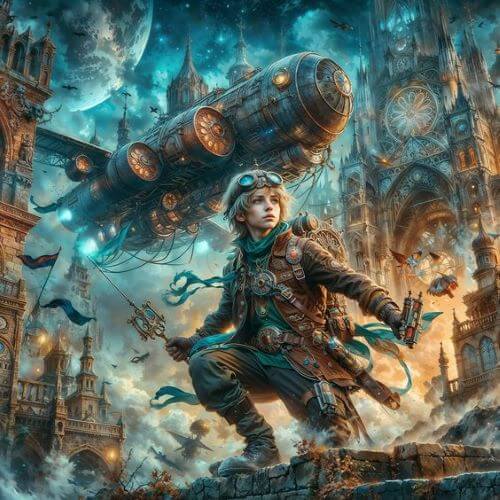
Magic & Technology’s Impact on the Economy & Trade
Magic and technology can have a profound impact on the economy and trade within fantasy and science fiction worlds, influencing the types of goods bought and sold, as well as the methods of transportation.
Production of Magical or Technological Goods
Magic and advanced technology can enable the production of unique goods and commodities that are highly sought after in the marketplace. For example, in a fantasy world, enchanted artifacts, potions, or rare magical ingredients may fetch high prices due to their mystical properties. Similarly, in a science fiction setting, advanced technologies such as space-faring vessels, energy weapons, or AI-driven devices may drive economic demand and innovation.
Characters with magical abilities or technological expertise may capitalize on their skills to create or enhance goods for trade, leading to the emergence of specialized industries, artisan guilds, or research institutions dedicated to magical or technological production.
Transportation & Trade Routes
Magic and technology can revolutionize transportation and trade routes, enabling faster, safer, or more efficient movement of goods across vast distances. In a fantasy world, teleportation spells, flying mounts, or magical portals may bypass traditional trade routes, creating new avenues for commerce and cultural exchange.
In a science fiction setting, advanced propulsion systems, warp drives, or hyperspace travel may facilitate interstellar trade networks, connecting distant star systems and alien civilizations. Space-faring vessels equipped with advanced navigation technology and automated cargo systems may ply the space lanes, transporting valuable goods between planets, colonies, and trading outposts.
Regulation & Control of Magical or Technological Resources
Governments, corporations, or powerful organizations may seek to regulate and control access to magical or technological resources that are vital for economic prosperity and national security. The monopolization of magical artifacts, rare minerals, or advanced technologies can lead to economic disparities, political conflicts, and power struggles within society.
Characters may become embroiled in disputes over control of magical or technological resources, engaging in espionage, sabotage, or covert operations to gain a competitive edge in the economic marketplace. Economic espionage, corporate espionage, and industrial sabotage are common tactics employed by rival factions seeking to gain advantage in the race for economic supremacy.
Economic Disruption & Innovation
The introduction of new magical or technological innovations can disrupt existing economic systems and market dynamics, leading to periods of economic boom or bust. For example, the discovery of a new magical resource or the invention of a groundbreaking technology may fuel economic growth, create new industries, and revolutionize trade patterns.
Conversely, the misuse or abuse of magic and technology can have unintended consequences, such as environmental degradation, social upheaval, or economic collapse. Characters may grapple with the ethical and moral implications of their actions, as they navigate the complexities of economic progress and technological advancement.
Cultural Exchange & Interconnectedness
Magic and technology can facilitate cultural exchange and interconnectedness between different societies, fostering economic cooperation, diplomacy, and trade alliances. Characters from diverse backgrounds may come together in bustling marketplaces, trading goods, sharing knowledge, and forging friendships across cultural and ideological divides.
The proliferation of magical or technological artifacts, ideas, and practices can lead to the hybridization of cultures, the diffusion of knowledge, and the emergence of cosmopolitan cities where people of different races, species, and backgrounds coexist and interact in harmony.

The Writer’s Toolkit
Establish Consistent Rules & Systems – Define the economic principles, trade regulations, and currency systems that govern your world. Consistency is key to creating a believable economy, so ensure that the rules you establish are applied consistently throughout your story.
Consider the Impact of Magic & Technology – Evaluate how magic and technology influence economic activities and trade routes in your world. Determine the extent to which magical artifacts, enchanted goods, or advanced technologies shape the economy and drive innovation.
Reflect Cultural Diversity – Incorporate cultural diversity into your economy and trade systems by considering how different societies, races, and factions engage in commerce and exchange goods. Explore the cultural values, traditions, and customs that influence economic practices and trade relations.
Create Supply & Demand Dynamics – Develop a nuanced understanding of supply and demand dynamics within your world, including the availability of resources, the distribution of wealth, and the factors that drive market fluctuations. Consider how scarcity, abundance, and market trends impact trade negotiations and economic decision-making.
Explore Trade Routes & Networks – Map out trade routes, trading hubs, and commercial centers within your world, taking into account geographical features, transportation infrastructure, and cultural connections. Consider the role of trade alliances, trade agreements, and trade blocs in shaping regional and international trade relations.
Integrate Economic Conflicts & Tensions – Introduce economic conflicts, trade disputes, and rivalries that add depth and tension to your story. Explore themes such as economic inequality, resource competition, and trade wars that reflect real-world economic tensions and power struggles.
Show the Realities of Commerce – Depict the realities of commerce, including negotiations, contracts, transactions, and business dealings. Explore the role of merchants, traders, and entrepreneurs in driving economic activities and shaping market trends.
Highlight the Interconnectedness of Economies – Illustrate the interconnectedness of economies by showcasing the ripple effects of economic events and trade decisions across different regions and societies. Demonstrate how economic developments in one part of the world can impact the livelihoods and fortunes of characters in distant lands.
Incorporate Economic Subplots – Weave economic subplots into your story to enrich the narrative and deepen character development. Explore themes such as economic espionage, corporate sabotage, labor strikes, or financial intrigue that add layers of complexity to your world and drive the plot forward.
Research Real-World Economies – Draw inspiration from real-world economies, historical trade networks, and economic theories to inform your world-building. Research economic concepts, market principles, and trade practices to create a grounded and authentic portrayal of economic life in your fictional world.
Fictional Example: The Economy of Salaria
In the fantasy realm of Salaria, the economy is intricately woven into the fabric of society, fueled by a blend of magical resources, artisan craftsmanship, and bustling trade networks. At the heart of Salaria’s economy lies the bustling city of Astrahelm, a thriving metropolis renowned for its vibrant marketplaces, bustling ports, and bustling guilds.
Salaria is rich in magical resources, including enchanted crystals, rare herbs, and mystical artifacts, which are coveted by wizards, alchemists, and enchanters alike. The city of Astrahelm serves as a hub for magical commerce, with guilds of skilled artisans and craftsmen specializing in the creation of enchanted items, potions, and spell scrolls. The city’s renowned Mage’s Quarter is a bustling center of magical research, experimentation, and innovation, where wizards and scholars gather to exchange knowledge and trade magical artifacts.
Astrahelm’s is strategically located along the ancient Spice Road, a vast network of trade routes connecting distant lands and civilizations. Merchants from across the realm converge on the city’s bustling marketplaces. The city’s ports vibrate with activity as merchant vessels from distant shores unload their cargo to be traded in the markets.
Guilds play a pivotal role in Salaria’s economy, serving as powerful economic and political entities that wield influence over trade, commerce, and industry. The city is home to a diverse array of guilds, including the Merchant’s Guild, the Alchemist’s Guild, and the Artisan’s Guild, each representing the interests of their respective trades and professions. Trade alliances and consortiums formed between guilds and merchant houses shape the flow of goods and resources.
Despite its prosperity, Salaria’s economy is not without its challenges and conflicts. Rival guilds vie for dominance, competing for lucrative trade contracts, monopolies, and commercial influence. Economic tensions between guilds, merchant houses, and noble families simmer beneath the surface, fueled by rivalries, betrayals, and clandestine intrigues. The city’s underworld of smugglers, black marketeers, and thieves’ guilds adds an element of danger and intrigue to the economic landscape, as characters navigate the complexities of commerce and power in a world where wealth and influence are coveted prizes.
Economies and trade systems offer fertile ground for creativity, exploration, and storytelling. By crafting rich and believable economic landscapes, writers can immerse readers in vibrant and dynamic fictional worlds, where the ebb and flow of commerce and trade shape the destinies of nations and civilizations. So, let your imagination soar as you delve into the intricate tapestry of economic intrigue and adventure, weaving tales of commerce, conquest, and collaboration across the vast expanse of your fictional universe.
I hope this was helpful. Let me know if you have questions or suggestions by using the Contact Me form on my website or by writing a comment. I post every Friday and would be grateful if you would share my content.
If you want my blog delivered straight to your inbox every month along with exclusive content and giveaways, please sign up for my email list here.
Let’s get writing!
Copyright © 2024 Rebecca Shedd. All rights reserved.

 Rebecca Shedd - Author