The Writer’s Guide to Bruises

Bruises, also known as contusions, may seem like minor injuries compared to fractures or puncture wounds, but they can add realism and depth to your storytelling. Whether they’re caused by a fall, a punch, or a supernatural event, bruises can serve as visible reminders of a character’s struggles. Writing them realistically involves understanding their types, symptoms, severity, appearance, and recovery process, as well as potential long-term effects.
In this article we will discuss portraying bruises authentically, from the science behind their formation to their role in character development.
What Are Bruises and Contusions?
A bruise or contusion occurs when small blood vessels (capillaries) under the skin are damaged due to blunt trauma, causing blood to leak into the surrounding tissues.
Types of Bruises
Subcutaneous Bruises: Just beneath the skin. Commonly caused by minor bumps or impacts.
Intramuscular Bruises: Deeper bruises affecting the muscle tissue. Caused by harder impacts or repetitive strain.
Periosteal Bruises: Involve the bone surface (bone bruise). Extremely painful and often result from severe impacts like falls or direct blows.
Choose the type of bruise based on the severity of the event in your story. A simple stumble might cause a subcutaneous bruise, while a sword blow could lead to a periosteal bruise.
Symptoms of Bruises
The symptoms of a bruise depend on its depth and severity. Use these details to show your character’s discomfort and limitations.
Pain: Mild for subcutaneous bruises, sharp or throbbing for deeper contusions.
Swelling: Caused by inflammation around the injured area.
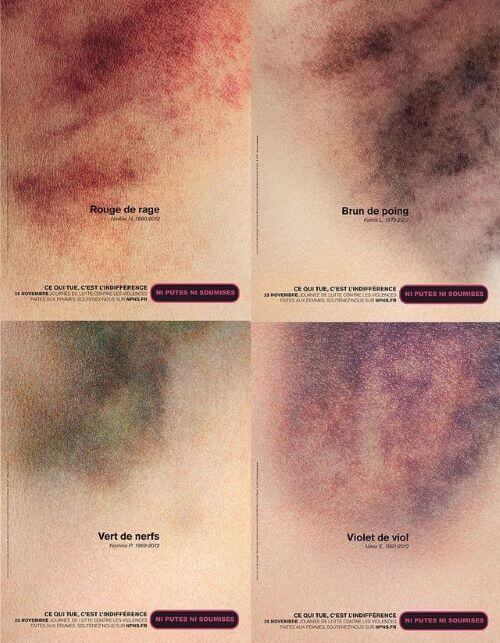
Skin Discoloration: The hallmark of a bruise, starting red or purple and changing colors over time.
Stiffness and Limited Mobility: Common with muscle or bone bruises, especially near joints.
Example: “Her arm throbbed where the bandit’s club had struck, the skin already turning an angry purple. She flexed her fingers gingerly, wincing at the stiffness creeping into her shoulder.”

Severity Levels
Not all bruises are created equal. Use the severity of the bruise to influence how much it affects your character.
Mild Bruise (Grade 1)
Symptoms: Minor pain, small and localized discoloration.
Impact: Little to no effect on mobility.
Recovery Time: A few days.
Moderate Bruise (Grade 2)
Symptoms: Significant pain, noticeable swelling, and larger discoloration.
Impact: Reduced mobility or discomfort during movement.
Recovery Time: 1–2 weeks.
Severe Bruise (Grade 3)
Symptoms: Intense pain, extensive discoloration, significant swelling, and possible complications like compartment syndrome (dangerous pressure buildup in tissues).
Impact: Difficulty using the affected area, possible need for medical intervention.
Recovery Time: Several weeks to months.
The Appearance of Bruises Over Time
Bruises change color as the body breaks down and reabsorbs the blood trapped under the skin. Including these stages can help ground your narrative in reality.
Red/Pink (Immediately): Caused by fresh blood pooling under the skin.
Blue/Purple (1–2 Days): As oxygen is depleted from the blood, the bruise darkens.
Green (5–7 Days): The body begins breaking down hemoglobin, causing a greenish tint.
Yellow/Brown (7–10 Days): The final stage of healing as the body reabsorbs the blood.
Use the changing appearance of a bruise to indicate the passage of time in your story.
Example: “The bruise on his forearm had faded to a sickly yellow, but the memory of the brawl still lingered. Every flex of his wrist brought a dull ache, a reminder of how close he’d come to losing the fight.”
Long-Term Effects of Severe Bruises
While most bruises heal without issue, severe contusions can have lasting consequences.
Chronic Pain or Stiffness: Deep muscle bruises may lead to ongoing discomfort, especially in overused areas.
Permanent Discoloration: Particularly large or deep bruises may leave faint discoloration or scar-like marks.
Psychological Impact: Bruises from traumatic events (e.g., abuse or combat) might serve as emotional reminders of the incident.
Example: “The bruise on her thigh had long since faded, but every time she saw the faint outline of a scar, she remembered the ambush and the fear that came with it.”
Using Bruises to Drive Plot and Character Development
Bruises can serve more than just a visual reminder of an injury—they can shape your character’s arc or influence the plot.
Physical Limitations: A bruised limb might slow your character’s progress or prevent them from performing certain tasks, creating tension.
Emotional Symbolism: Bruises can reflect a character’s resilience or highlight vulnerability, adding depth to their emotional state.
Conflict: A visible bruise might draw unwanted attention, creating questions or suspicions among other characters.
Example: “The bruise on her jaw was impossible to hide. As the council stared at her in silence, she could feel their questions hanging heavy in the air. She had survived—but at what cost?”

Depicting Bruises Across Genres
The way bruises are portrayed in fiction varies widely based on the genre. Factors such as the setting, technology, medical knowledge, or fantastical elements influence how characters receive, describe, and treat these injuries. Below, I’ll explore how depictions of bruises differ in contemporary, historical, fantasy, and science fiction genres, focusing on how genre-specific elements like armor or advanced medicine shape the narrative.
Contemporary
In contemporary settings, bruises are grounded in realism. They’re often caused by everyday events like falls, accidents, or altercations and treated with modern first aid or medical care.
Causes
Sports injuries, domestic abuse, car accidents, fistfights, or workplace mishaps.
Treatment
The RICE Method: Rest (avoid activities that stress the bruised area), ice (apply ice packs for 15–20 minutes every few hours to reduce swelling), compression (use elastic bandages to minimize swelling and provide support) and elevation (eep the bruised area elevated to reduce blood pooling).
Pain Relief: Over-the-counter medications like ibuprofen or acetaminophen are used for pain and inflammation.
Physical Therapy (For Severe Bruises): Rehabilitation exercises may be prescribed to restore mobility and strength after deep muscle bruises.
Description
Writers can focus on the visual progression of a bruise, the pain associated with movement, or how it draws attention in social settings.
Narrative Impact
Visible Symbolism: A black eye might serve as a visible reminder of a fight, leading to questions or assumptions from others.
Emotional Weight: Bruises may highlight vulnerability in abuse survivors or evoke empathy for a struggling character.
Physical Challenges: Deep bruises (e.g., on ribs or legs) could slow down a protagonist, creating tension in action-oriented plots.
Example: “The bruise on her forearm was an ugly mottling of purple and yellow, a stark reminder of her collision with the pavement. She winced every time she moved, clutching the coffee cup with her good hand.”
Historical
In historical fiction, bruises often reflect the physicality of the time period—manual labor, harsh punishments, or violent encounters. The limited medical knowledge of the era also shapes how these injuries are perceived and treated.
Causes
Physical labor, harsh discipline (e.g., lashings), battles with blunt weapons, or accidents involving primitive tools.
Treatment in the Ancient World
Herbal Poultices: Crushed herbs like comfrey (known as “knitbone”) and arnica were applied to reduce swelling and pain.
Cold Compresses: River stones or cloths soaked in cold water were used to reduce inflammation.
Massage and Oils: Gently massaging the area with olive oil or mustard oil to stimulate circulation and relieve stiffness.
Rituals and Superstition: Healing rituals, charms, or prayers were often used alongside physical treatments, reflecting spiritual beliefs.
Challenges: Limited understanding of internal injuries meant deeper bruises could lead to complications like blood clots or infections without proper care.
Treatment in the Medieval World
Herbal Remedies: Poultices made from arnica, chamomile, or sage were applied to bruises to reduce pain and swelling.
Warm Compresses: Heated cloths or herbal infusions were used to improve circulation and soothe aching muscles.
Bloodletting (Rarely for Bruises): Though not a common treatment for bruises, bloodletting was occasionally used if the injury was believed to disrupt the balance of humors.
Bone Setting (For Severe Bruises): Bruises near joints or bones were sometimes treated by barbers or surgeons who specialized in bone injuries.
Challenges: Poor sanitation and reliance on superstition often led to infections or mismanagement of injuries, especially for severe contusions.
Narrative Impact
Symbol of Hardship: A laborer might bear constant bruises as a sign of their grueling work.
Indication of Class or Status: Bruises could signify mistreatment, poverty, or hard labor, creating social tension.
Tension from Ineffective Medicine: Without modern tools, even minor bruises could lead to complications, adding stakes to the story.
Example: “My brother took in the sight of my bruised face in the lantern light. “What happened?” he sighed. “Never mind, I do not wish to know. But I suggest you cease your brawling and keep this from Father.”

Fantasy
In fantasy, bruises are shaped by the fantastical elements of the world. They may result from magical battles, blunt weapons, or encounters with mythical creatures. Armor, healing spells, and the nature of magic itself can also influence how bruises are described and treated.
Causes
Blunt trauma from maces, clubs, or fists. Magical attacks that cause internal damage without breaking the skin. Non-human opponents like trolls or dragons inflicting bruises with their sheer strength.
Treatment
Magical Healing: Spells or potions may instantly heal bruises, though they might come with side effects (e.g., draining the caster’s energy, leaving scars, or triggering magical aftereffects).
Enchanted Poultices: Herbs could have mystical properties that speed up healing when combined with incantations.
Healing Rituals: Priests or shamans might perform rituals invoking deities or spirits to heal bruises, often adding a dramatic flair to the recovery process.
Alchemical Treatments: Alchemists might create salves or tonics from rare ingredients to accelerate recovery and reduce pain.
Challenges: Limited access to magical resources or a healer might create tension, forcing characters to rely on slower, mundane methods.
Narrative Impact
Armor’s Role: Armor might prevent fatal wounds but leave characters bruised from the force of impacts. A knight might survive a blow to the chest plate but be left with a deep bruise that limits their movement.
Magical Complexity: A bruise caused by a cursed weapon or a magic spell might resist normal healing, creating a plot-driving dilemma.
Example: “Though the ogre’s club hadn’t broken her bones, the impact against her breastplate left her ribs aching and her chest mottled with dark bruises. She sipped the bitter tea the healer had brewed, hoping it would ease the stiffness before morning.”
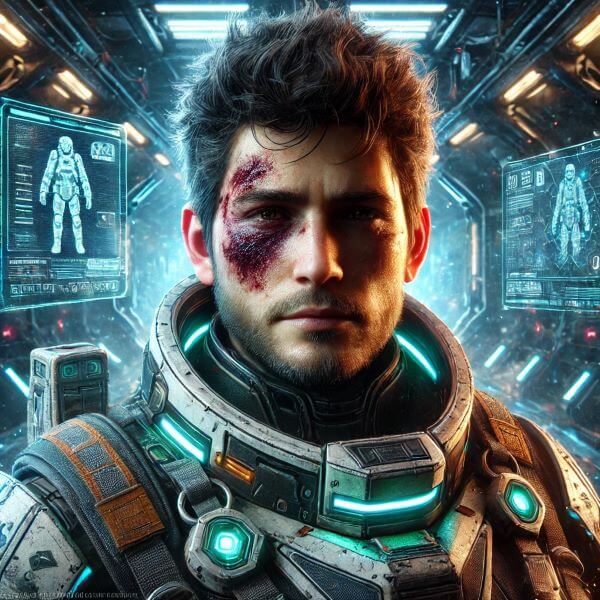
Science Fiction
In science fiction, bruises often result from futuristic technologies, alien environments, or enhanced combat scenarios. Advanced medicine and technology significantly influence how these injuries are portrayed and treated.
Causes
Kinetic impacts from blunt weapons, exosuit malfunctions, or alien encounters.
Environmental factors, such as low-gravity falls or pressure injuries.
Experimental technology (e.g., force fields failing) causing internal contusions.
Treatment
Regenerative Gels: Applied to bruised areas, these gels repair blood vessels, reduce swelling, and heal tissue within minutes.
Nanobot Therapy: Tiny robots are injected into the bloodstream, targeting damaged capillaries and muscle tissue to accelerate recovery.
Healing Pods: Characters can lie in full-body pods that repair injuries at a cellular level using lasers, cryotherapy, or other advanced methods.
Exoskeletons or Biotech Augments: For characters with biomechanical enhancements, the injury might be repaired by the augment itself or integrated medical systems.
Challenges: Over-reliance on technology might create dilemmas if equipment malfunctions or alien infections complicate healing.
Narrative Impact
Combat and Protection: Characters might wear advanced armor or exoskeletons that prevent penetration wounds but amplify bruises due to kinetic force.
Alien Physiology: Non-human characters might experience bruises differently, such as bruises that change color to signal healing or injuries that glow due to unique biochemistry.
Example: “The impact of the alien’s strike sent her sprawling, the kinetic energy bypassing her suit’s shielding. By the time she staggered to her feet, a deep purple bruise was already blooming across her ribs, the nanobots in her bloodstream working overtime to dull the pain.”
Plot and Character Ideas
Bruises and contusions may seem like minor injuries, but they can play a significant role in storytelling. In science fiction and fantasy, where non-human physiologies or advanced technologies come into play, bruises can take on unique forms and meanings. Below are plot and character ideas centered on bruises and contusions, with specific examples for speculative genres.
The Slow Reveal of a Secret Battle
Genre: Any (especially Fantasy or Science Fiction)
Plot Idea: A character hides bruises that hint at secret struggles, whether from battles, training, or abuse. Over time, the injuries raise questions that unravel a deeper plot.
Character Angle: The character’s reluctance to discuss their bruises reflects their internal conflict—pride, shame, or fear. Their physical pain mirrors emotional or psychological scars.
Fantasy Twist: The bruises glow faintly, hinting at magical corruption from an enchanted opponent. The character struggles to keep their condition hidden as it worsens.
Sci-Fi Twist: The bruises are caused by an alien parasite or malfunctioning implants, and the character races to find a cure before their condition becomes fatal.
Example: “The dark marks on his arms weren’t from sparring, though that’s what he told the others. Beneath his cloak, the bruises shimmered faintly, spreading further each day. Whatever magic had struck him, it wasn’t done yet.”
The Healer’s Challenge
Genre: Fantasy
Plot Idea: A healer is confronted with a patient whose bruises resist all traditional and magical treatments. The source of the injury reveals a deeper magical curse or secret enemy.
Character Angle: The healer must confront their self-doubt as they struggle to cure the patient while uncovering the mystery of the unhealing bruises.
Fantasy Twist: The bruises are caused by cursed armor or a weapon enchanted to harm over time. The healer must craft a counter-spell using forbidden techniques.
Example: “No matter how many salves she applied, the bruises darkened, as if feeding on the patient’s life. The only clue lay in the sword that caused them—a blade etched with runes she’d never seen before.”
The Alien Symptom
Genre: Science Fiction
Plot Idea: A non-human character’s bruises appear differently from those of their human companions, offering clues to their physiology and the limits of their durability. The unique injury becomes critical to solving a larger problem.
Character Angle: The character’s injury forces them to rely on others, creating tension or strengthening bonds. The injury also sparks revelations about their culture or biology.
Sci-Fi Twist: The alien’s bruises glow, expand, or emit sound as their body attempts to heal, causing confusion and potential danger to the rest of the team.
Example: “The bruises spread in geometric patterns across her iridescent skin. When they began to hum faintly, the crew’s medic stepped back nervously. ‘Is that normal for your species?’ he asked. Her silence was not reassuring.”
The Warrior’s Legacy
Genre: Fantasy
Plot Idea: A character’s bruises from a recent battle become symbols of their resilience and determination. However, as the injuries worsen, they begin to question whether their pride is worth the pain.
Character Angle: The warrior struggles with balancing their reputation for strength with the reality of their injuries. They must decide whether to rest and recover or push through the pain, risking further damage.
Fantasy Twist: The bruises form patterns that resemble runes or prophecies, hinting at the character’s larger destiny.
Example: “He refused to remove his armor, hiding the deep bruises along his ribs. Each step sent a jolt of pain through his chest, but he kept walking. His people needed a strong leader, not a wounded one.”
The Unusual Side Effect
Genre: Science Fiction
Plot Idea: A character suffers bruises from using experimental technology or alien artifacts, but the injuries come with bizarre side effects like enhanced abilities, hallucinations, or a telepathic connection to the artifact.
Character Angle: The character must weigh the benefits of their new abilities against the growing physical toll on their body.
Example: “The bruises spread like ink beneath his skin, pulsing faintly with each beat of his heart. He could feel something shifting in his mind—new thoughts, alien and unfamiliar, whispering secrets he couldn’t ignore.”
The Accidental Message
Genre: Fantasy
Plot Idea: A character’s bruises form unusual patterns that resemble ancient symbols or a map. The injuries suggest they are part of a larger prophecy or divine plan.
Character Angle: The character is torn between disbelief and destiny, unsure whether to follow the path suggested by their injuries.
Fantasy Twist: The bruises were caused by a magical beast or relic, and they shift or fade as the character approaches certain locations.
Example: “The bruises on her arms formed jagged lines, too precise to be random. As the moonlight struck her skin, they glowed faintly, and she realized they outlined the mountain range she’d seen in her dreams.”
The Gravity of War
Genre: Fantasy or Science Fiction
Plot Idea: After a brutal battle, a character is covered in bruises, symbolizing the physical toll of war. Their recovery process serves as a backdrop for exploring themes of resilience, camaraderie, and the consequences of violence.
Character Angle: The character’s bruises become a visible reminder of their vulnerability, leading them to reconsider their role in the conflict or how they perceive their comrades.
Fantasy Twist: A fellow soldier uses magic to share the burden of pain, creating a bond between the two.
Sci-Fi Twist: The character’s bruises reveal weaknesses in their exosuit or armor, prompting a mission to upgrade their gear.
Example: “Each bruise was a memory—a blow narrowly avoided, a fall that could have ended him. He traced a hand over his ribs, wincing at the deep purple marks. The war was over, but the echoes of it lingered.”
The Heirloom Weapon’s Curse
Genre: Fantasy
Plot Idea: A magical weapon leaves bruises on its wielder, feeding on their vitality each time it’s used. The character must decide whether the weapon’s power is worth the cost.
Character Angle: The character’s growing collection of bruises serves as a physical manifestation of their moral struggle—are they willing to sacrifice themselves for the cause?
Example: “The bruises wrapped around his arms like shackles, darkening with every swing of the sword. He could feel the weapon drawing from him, but without it, they had no hope of victory.”
The Cultural Difference
Genre: Science Fiction or Fantasy
Plot Idea: In a multi-species or multi-culture setting, the appearance or treatment of bruises becomes a point of misunderstanding or conflict between characters.
Character Angle: The character must navigate cultural differences, balancing their own beliefs with the expectations of others.
Example: “The alien stared at her mottled skin, their bioluminescent face shifting colors in confusion. ‘You call this healing?’ they asked. ‘In my world, such marks are signs of decay.’”
The Hidden Strength
Genre: Fantasy or Science Fiction
Plot Idea: A character’s bruises, far from being a sign of weakness, are revealed to grant them strength, endurance, or magical abilities. The darker the bruises, the stronger they become, but the cost to their body grows over time.
Character Angle: The character must decide whether to embrace the power and risk permanent damage or find an alternative way to achieve their goals.
Example: “The bruises on her knuckles deepened, turning almost black as her strength surged. Each blow carried more force, but with it came a warning: her body could only take so much.”

I hope this was helpful. Let me know if you have questions or suggestions by using the Contact Me form on my website or by writing a comment. I post every Friday and would be grateful if you would share my content.
If you want my blog delivered straight to your inbox every month along with exclusive content and giveaways, please sign up for my email list here.
Let’s get writing!
Copyright © 2025 Rebecca Shedd. All rights reserved.
 Rebecca Shedd - Author
Wonderful ♥️
LikeLike