The Writer’s Guide to Bites and Claws


Whether it’s a feral animal, a brutal hand-to-hand fight, or a supernatural creature sinking its teeth in, bites and claw wounds are savage, intimate, and dangerous. More than just blood and pain, these injuries carry high infection risks, complicated healing, and long-lasting trauma. In fiction, they’re often used to escalate tension, signal a character’s descent into danger, or mark the beginning of a supernatural transformation.
In this article, I’ll explore how writers can realistically portray bite and claw wounds, covering injury types based on the attacker, the location and depth, infection risks, and the survival odds and long-term consequences for your characters.
What Makes Bite and Claw Wounds Unique
Unlike clean cuts or bullet wounds, bites and claws are jagged, tearing injuries. They often:
Rip flesh rather than slice it.
Leave irregular, hard-to-stitch wounds.
Introduce bacteria, venom, or disease.
Cause deep puncture wounds that trap pathogens inside.
These aren’t surgical injuries, they’re primal.
Types of Bite and Claw Wounds by Attacker
Human Bites
Type: Blunt-force bite; tearing and crushing.
Severity: Often deep punctures with bruising.
Risk: Extremely high infection risk because of human mouth bacteria (Eikenella, Streptococcus, Staph).
Use in fiction: Prison fights, domestic violence, combat desperation.
Realism Note: Human bites to the hand or face are especially dangerous due to infection and nerve damage.
Dogs
Injury: Crushing wounds, torn muscles, punctures.
Common locations: Arms, legs, neck (especially with children).
Complications: Rabies risk, nerve damage, infection.
Cats
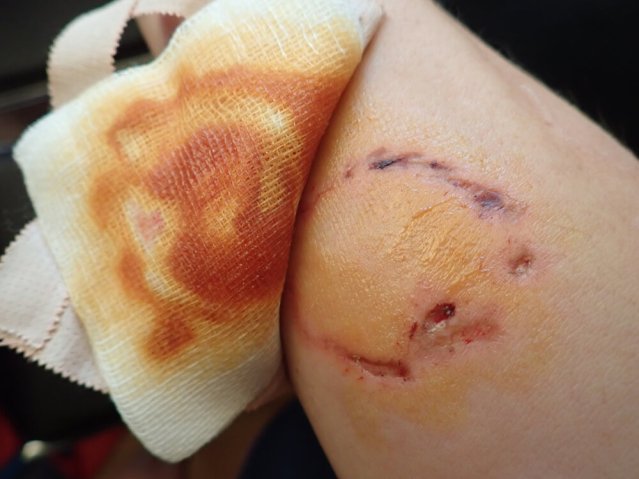
Injury: Sharp puncture wounds, usually deeper than they appear.
Risk: Extremely high for infection, especially Pasteurella multocida.
Locations: Hands and arms in defensive situations.
Rodents and Small Mammals
Injury: Small punctures, but higher risk of disease.
Risk: Hantavirus, rat-bite fever.
Snakes
Injury: Sharp puncture wounds with or without venom.
Risk: Extremely high, especially if venom was injected.
Large Predators (Bears, Wolves, Big Cats)
Bite: Bone-crushing force, often targeting the throat, abdomen, or limbs.
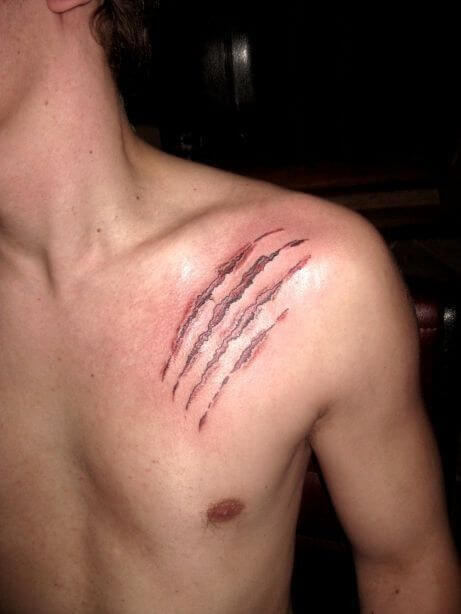
Claws: Long lacerations, deep gashes, often breaking through muscle.
Survival: Rare without immediate aid; limb loss and disfigurement are likely.
Example: A wolf’s bite can exert over 400 psi of pressure, enough to crush bones or sever arteries.
Supernatural or Fictional Creatures
Vampires, werewolves, or alien beasts may inflict both physical and magical or infectious damage. The bite may transform the character, trigger visions, or resist healing.
Tip: Ground these wounds in real-world trauma, then layer in the fantasy or sci-fi twist to keep it visceral and believable.

Location, Depth, and Weapon
Location Matters
Neck/Throat: Rapid blood loss, airway damage, extremely high fatality.
Hands/Fingers : High infection risk, nerve and tendon damage, loss of function.
Face: Disfigurement, psychological trauma, sensory loss (vision, hearing).
Legs/Arms: Arterial damage (femoral, brachial), limited movement, potential amputation.
Abdomen/Chest: Organ damage, internal bleeding, high infection risk, difficult recovery.
Depth and Nature of the Wound
Puncture wounds (fangs, claws) may look small but hide deep tissue damage.
Lacerations (swipes from claws) cause open wounds, muscle exposure, and severe bleeding.
Avulsions (skin torn away) are highly traumatic, requiring reconstructive surgery.
Type of Teeth or Claw
Flattened human teeth crush and tear.
Sharp feline claws slice clean but deep.
Canine teeth puncture and grip.
Raking claws from bears or reptiles can break bones and flay flesh.
Infection and Disease Risks
Bite and claw wounds are notorious for infection, especially when untreated or inflicted in dirty environments.
Common Complications
Cellulitis: Painful, spreading skin infection.
Abscesses: Pockets of pus needing drainage.
Sepsis: Life-threatening systemic infection.
Rabies: Fatal without post-exposure treatment.
Tetanus: Especially dangerous in deep, puncture-style wounds.
In low-tech or historical settings, infection is often the actual killer, not the wound itself.
Survival Odds and Long-Term Effects
Survival odds depend on:
Speed of treatment (especially with arterial or organ damage).
Cleanliness of wound care.
Access to antibiotics or magical/technological healing.
Strength and location of the bite/claw.
Long-Term Effects
Nerve or tendon damage leading to limited mobility or paralysis.
Disfigurement or scarring, especially from facial or neck wounds.
Psychological trauma, including PTSD, nightmares, or phobias.
Amputations in severe limb injuries.
Chronic pain and vulnerability to re-injury.
In fantasy and science fiction, surviving a bite might also mean being hunted, infected, or transformed.
Writing Tips for Realistic Bite and Claw Scenes
Show the aftermath, not just the wound. Pain, fear, fever, and emotional toll matter.
Don’t forget the mess: bites and claws are bloody, chaotic, and hard to treat.
Use medical logic even in magical or futuristic settings. Infection, tissue damage, and blood loss still apply.
Involve the senses: the warmth of blood, the rasp of breath, the jagged edge of a broken claw still in the skin.
Let scars have meaning, both physical and emotional.
Depicting Bites and Claw Wounds Across Genres
Bites and claw wounds are some of the most visceral injuries you can write, but how they’re depicted varies widely by genre. A modern dog attack, a medieval bear mauling, a vampire’s bite, or a cybernetic panther slash all demand different levels of realism, emotional tone, and narrative consequence.
This article explores how the portrayal of these wounds changes based on genre and how the creature inflicting the wound dramatically shapes the scene.
Contemporary
In contemporary fiction, accuracy is key. Readers expect depictions grounded in real-world biology, first aid, and emotional realism.
Common Causes
Dog attacks (domestic or wild).
Cat or rodent bites, especially in domestic abuse or self-defense situations.
Human bites in bar fights, riots, or desperate situations.
Wild animal encounters during camping, hunting, or disaster survival.
Depiction Focus
Wound detail: location, depth, shape (e.g., crescent-shaped human bite).
Medical response: bleeding control, tetanus shots, rabies treatments, antibiotics.
Psychological impact: fear, trauma, anxiety, PTSD.
Legal/Social implications: dog euthanasia, quarantine, lawsuits, assault charges.
Example: A loose pit bull attacked a jogger. The story may follow the victim’s hospitalization, the investigation into the dog’s owner, and emotional consequences like fear of going outside again.
In historical fiction, the same bite that’s survivable today might be fatal because of lack of sanitation, medicine, and understanding of disease.
Common Causes
Hunting accidents with wolves, bears, boars.
Battle injuries from war dogs or cavalry horses.
Punishment bites (e.g., gladiator pits, bear baiting).
Plague rats and wild animals in urban slums or during sieges.
Depiction Focus
Primitive wound care: cauterization, herbal poultices, or “bleeding the bad humors.”
Superstition: belief that an animal bite is a curse or divine punishment.
Slow deaths from sepsis, fever, or tetanus.
Scarring or amputation: long-term disfigurement as a social and physical consequence.
Example: A bear clawed a hunter. The village healer packs the wound with herbs, but fever sets in. The real tension lies in whether the character will live and what he’ll lose if he does.

Fantasy
In fantasy, bite and claw wounds often signal a deeper transformation or curse. The creature doing the damage may be mythical, cursed, divine, or undead.
Common Causes
Dragons, gryphons, wyverns: large-scale, devastating wounds.
Werewolves, vampires: transformative or infectious bites.
Demons or cursed beasts: magical wounds that resist healing.
Fey or spirit animals: claw wounds that mark the soul or alter fate.
Depiction Focus
Supernatural infection: wounds that burn with dark magic, mutate the victim, or pass along a curse.
Resistance to healing: traditional medicine or even magic fails unless special conditions are met.
Symbolism: the wound marks the character as chosen, doomed, or hunted.
Creature anatomy: enchanted talons, venomous saliva, or jaws that tear through steel.
Example: A rogue is clawed by a shadowbeast. The wound doesn’t bleed, but it spreads like smoke under the skin. No healer can stop it until he finds the ancient stag whose breath can cleanse all corruption.
Science Fiction
In science fiction, bite and claw wounds often come from alien organisms, genetically modified animals, or cybernetic creatures. These wounds may be biologically hazardous, weaponized, or biomechanically enhanced.
Common Causes
Xenomorphs or alien fauna with acidic saliva or infectious venom.
Cybernetic beasts with retractable claws, saw-toothed mouths, or energy-infused jaws.
Genetically engineered attack animals for security or warfare.
Bio-mech hybrids bred for stealth and assassination.
Depiction Focus
Futuristic medical intervention: nanobots, med-gel, auto-sutures.
Complex infections: alien pathogens, cyber viruses, mutagens.
Data disruption: in cybernetic characters, a claw slash may damage internal tech or wipe memory.
AI analysis of wounds: smart armor detecting and triaging injuries.
Example: An alien predator slashed a scout. The wound won’t clot because the creature’s enzymes keep it open. If left untreated, the enzymes will digest the surrounding tissue, turning the host into a breeding ground for larval implants.

Treating Bites and Claw Wounds Through History and Genre
Bite and claw wounds are more than traumatic injuries. They’re breeding grounds for infection, often jagged, dirty, and resistant to clean healing. Treatment has evolved dramatically over the centuries, shaped by the available tools, medical understanding, and cultural beliefs of the time. In fantasy and science fiction, the rules shift again, with access to magic or technology altering the outcome of what might otherwise be a deadly encounter. In every genre, from the battlefield tents of medieval wars to sleek medical pods aboard a starship, treatment is not just a step in the healing process. It’s a reflection of the world, its values, and its limitations.
This guide walks you through typical treatments for bite and claw wounds from ancient history through modern trauma care, and then explores what healing might look like in fantasy and science fiction worlds.
Ancient World Treatments
In ancient times, healing was a blend of observation, ritual, and limited herbal knowledge.
Typical Treatments
Cleaning the wound with wine, vinegar, or honey, substances known even then to slow infection.
Herbal poultices: crushed garlic, myrrh, or yarrow applied to promote healing or prevent rot.
Cauterization: burning the wound shut to stop bleeding and “purify” it.
Animal-based medicine: using fat, milk, or animal dung as poultices (sometimes worsening infection).
Ritual purification: chants, offerings, or talismans to ward off “spiritual poison” from animal bites.
Challenges
No antiseptics or antibiotics besides alcohol.
High rate of sepsis, tetanus, and gangrene.
Bites, especially from rabid animals, were often a death sentence.
Example: A Roman soldier bitten by a jackal has his wound washed in wine, bandaged in linen, and blessed by a priest, but fever sets in days later, and the question becomes whether to treat or amputate.
Medieval Treatments
While slightly more advanced than ancient methods, medieval medicine still relied heavily on theory over evidence, especially humoral balance and spiritual causes.
Typical Treatments
Wound irrigation with herbal infusions: sage, lavender, rosemary.
Bleeding and leeching: used to “draw out the bad humors” introduced by the bite.
Honey and silver: both natural antimicrobials, sometimes applied topically.
Tying with moss or cobwebs: thought to stop bleeding and help to clot.
Cauterization or branding: common for animal bites, believed to “burn out disease.”
Challenges
Poor hygiene in surgery and wound care.
No knowledge of germ theory. Healers treated most wounds based on appearance, not cause.
Superstition-based medicine. If the wound resisted healing, people might blame it on curses or demons.
Example: After being clawed by a wolf, a peasant’s wound is bound with moss and wrapped tight. The village healer chants prayers while leeches draw blood, but infection still sets in, leading to fever and hallucinations.

Contemporary Treatments
Today, doctors treat animal and human bite wounds as serious medical events, especially because of the infection risk.
Typical Treatments
Wound cleaning and debridement: removing damaged or infected tissue.
Antibiotics: first line defense against infection (e.g., amoxicillin-clavulanate).
Tetanus booster: especially for dirty, deep, or claw-inflicted wounds.
Rabies post-exposure prophylaxis (PEP): if the animal is unknown or rabid.
Surgical repair: if tendons, nerves, or organs are damaged.
Pain management and wound monitoring: long-term healing often requires follow-up care.
Doctors treat human bites especially cautiously because of high bacterial load and common infections like Eikenella, Staph, and Strep.
Example: A bear mauled a hiker. In the ER, medical staff irrigated their wounds with saline, x-rayed them for debris, and stitched them up. They’re given IV antibiotics, a rabies shot, and scheduled for plastic surgery.
Fantasy Treatments
Fantasy worlds can treat wounds in wildly creative ways, but they’re often shaped by historical parallels or deliberately defy them.
Treatment Options
Healing magic: Simple spells may close flesh but cannot repair internal trauma or remove infection. Powerful healing might require rare reagents (phoenix ash, dragon’s blood, etc.) or religious authority.
Alchemical salves and elixirs: Potions might speed healing or sterilize a wound, but could have side effects like fatigue, hallucination, or magical scarring.
Cursed or magical wounds: Claw marks from a demon may resist healing entirely or slowly turn the victim into something else unless a specific curse is lifted.
Herbalists and hedge witches: May rely on folk remedies and ancient forest knowledge, treating wounds with enchanted poultices or ceremonial cleansing.
Healing Limitations as Plot Devices
Healing may not work on wounds from enchanted creatures.
A wound may require a specific ritual, place, or object to be healed.
A prophecy or curse linked to the wound might consume the healer’s life force or cause magical healing to fail.
Example: A ranger clawed by a corrupted warg finds his wound festering with dark magic. Traditional healing fails. Only a moonlit ritual performed in a sacred glade can draw the rot from his flesh.
Science Fiction Treatments
In a sci-fi setting, technology can dramatically reduce the danger of bites and claw wounds or introduce entirely new complications.
Treatment Options
Nanobot repair systems: Microscopic machines clean, close, and rebuild tissue from within. May malfunction or become infected by biomechanical contaminants.
Auto-sealing synthetic skin: Medical patches that bind to damaged tissue and stimulate rapid regrowth. Used in field kits by soldiers or colonists.
Gene-repair therapy: In cases of venom or biological degradation, therapy may recode damaged cells. May trigger mutation or unexpected gene expression.
AI-guided surgery or injectables: Smart needles that find arteries or track infection in real-time. Injectable meds that stabilize, numb, and disinfect all in one.
Immuno-suppression or rejection risk: Hybrid wounds (from alien organisms or synthetic beasts) may resist treatment or confuse the immune system.
Example: A bounty hunter slashed by a genetically engineered predator uses a medkit to seal the wound with biofoam but later learns that the creature’s claw carried a neural toxin and only advanced neurosurgery on the outer rim can save him.

Plot and Character Ideas
Bites and claw wounds are primal, painful, and deeply symbolic. Whether inflicted by animals, monsters, or people, they’re not just injuries. They’re turning points. These wounds can leave lasting scars, both physical and emotional, and serve as potent metaphors for betrayal, transformation, trauma, or survival. In speculative fiction, they may also carry magic, curses, or infection, altering the very nature of the character.
Here are a variety of plot and character ideas centered on bite and claw wounds across contemporary, historical, fantasy, and science fiction genres.
The Infection That Isn’t Bacterial
Genre: Contemporary, Medical Thriller, Horror
Plot Idea: After being bitten by a seemingly normal animal, a character shows neurological or behavioral changes. Tests show no rabies, no infection, but something is wrong.
Character Angle: The wound becomes the center of a mystery. Was it a bio-engineered animal, or something supernatural? The character experiences hallucinations, memory loss, or strange compulsions. Their team/partner suspects that forces beyond scientific understanding have altered them.
Twist: The bite transmits a dormant ancestral memory, not a disease, one that awakens something long forgotten in human evolution.
The Beast Within
Genre: Fantasy, Dark Urban Fantasy
Plot Idea: A were-creature or demon clawed a character, and the wound doesn’t heal. As the moon cycles, they shift but not into a typical werewolf. Something older and stranger is stirring.
Character Angle: They seek a cure but find those who know the truth want them dead. The claw wound acts like a tether to the creature that marked them. Each transformation becomes harder to reverse, risking their identity and humanity.
Twist: The original creature wasn’t trying to infect them but to pass on a curse they could no longer carry.
The Healer’s Curse
Genre: Fantasy
Plot Idea: A cursed beast bites a magical healer while the healer is saving it, and the wound absorbs the curse. Now their magic only heals others at a substantial cost to themselves and the wound grows worse each time.
Character Angle: They must choose when and for whom they’ll sacrifice themselves. Others view their wound as a mark of sainthood or a death sentence. They begin to lose control of their healing powers, spreading decay instead.
Twist: The only way to heal themselves is to wound someone else with the same bite, forcing a moral reckoning.
Survivor or Monster?
Genre: Science Fiction, Military
Plot Idea: An alien creature mauled a soldier but survives. In the aftermath, their body begins to adapt – new senses, reflexes, even claws. But are they evolving… or being replaced?
Character Angle: They become a weapon, faster and stronger than before, but unpredictable. Their squad fears them; their command wants to weaponize or terminate them. They must decide: stay human or embrace the mutation?
Twist: Someone sent the alien to spread a symbiotic species, and the character may now hold the key to humanity’s survival or destruction.
The Bite That Started It All
Genre: Historical, Horror
Plot Idea: Investigators traced a plague ravaging a medieval village back to a single mysterious bite wound on a woman a strange creature attacked in the woods. The wound never closed and her presence spreads sickness.
Character Angle: She is both victim and potential cause of the plague. Her family hides her, believing she’s cursed but redeemable. Priests want her executed. A traveling doctor wants to study her.
Twist: The creature was not evil but divine, punishing the village for a hidden crime. The bite is not a disease, but a judgment.
The Price of Survival
Genre: Contemporary, Adventure
Plot Idea: After a plane crash or wilderness accident, a wild animal bit or clawed a character who was trying to protect someone else. They survive, but the wound changes how others see them.
Character Angle: They’re hailed as a hero, but suffer from trauma and disfigurement. Survivor’s guilt and media attention push them to the edge. The person they saved grows closer or more distant because of the wound.
Twist: The animal was defending its young, and the character realizes they weren’t the hero they thought they were.
The Ritual Scar
Genre: Epic Fantasy, Coming-of-Age
Plot Idea: A sacred rite of passage in a tribal or warrior society involves being clawed by a bonded beast. The wound creates a magical link, but only if the wound heals without corruption.
Character Angle: The character’s wound festers, meaning they’re either unworthy or cursed. Their bond with the beast is incomplete, causing dangerous side effects. They must prove themselves in another way, or risk exile.
Twist: The failed bond wasn’t their fault. The beast is dying, and the character must save it to heal themselves.
The Predator’s Mark
Genre: Urban Fantasy, Detective Noir
Plot Idea: A private investigator finds a victim with a distinctive claw wound, a pattern he recognizes from his own past. He suffered an attack years ago, but no one believed him.
Character Angle: He has a partial immunity or sensitivity to the creature because of his wound. The attacker is still out there, possibly watching him. Every new case brings him closer to finishing the hunt or becoming prey again.
Twist: He’s been unknowingly tracked for years. The original wound was a tag, not a mauling.
The Bite That Can’t Be Hidden
Genre: Romance, Suspense, Contemporary
Plot Idea: In a violent domestic altercation, someone bites a character. They escape and start a new life, but the scar becomes a flash point for intimacy and trust with a new partner.
Character Angle: They flinch at touch, avoid mirrors, and hide their wound. Their new partner notices, and the slow reveal becomes central to healing and connection. The past resurfaces when the abuser reappears.
Twist: The bite scar matches another recent case, revealing the abuser isn’t just a monster to them, but to others too.
The Self-Inflicted Claw
Genre: Psychological Horror, Supernatural
Plot Idea: A character wakes with deep claw marks on their own body with no memory of what caused them. The wounds keep reappearing, growing deeper, more intricate, and more ritualistic.
Character Angle: They suspect sleepwalking, possession, or something worse. No one believes them until others suffer similar marks. They begin to see things, fragments of other lives, creatures just out of view.
Twist: They are the vessel of an ancient predator and the claw wounds are its way of preparing the body for its final form.

Bite and claw wounds can be raw, personal, and terrifying, making them excellent narrative tools. Whether your character is battling a wild animal, an unhinged enemy, or a beast from another world, depicting the injury with realism and consequence will elevate your storytelling.
From infection to impairment, pain to psychological scars, these injuries mark characters – literally and metaphorically. Use them not just to hurt your characters, but to shape who they become after the bleeding stops.
I hope this was helpful. Let me know if you have questions or suggestions by using the Contact Me form on my website or by writing a comment. I post every Friday and would be grateful if you would share my content.
If you want my blog delivered straight to your inbox every month along with exclusive content and giveaways, please sign up for my email list here.
Let’s get writing!
Copyright © 2025 Rebecca Shedd. All rights reserved.
 Rebecca Shedd - Author
Rebecca,I am so impressed at the amount of information you provide in your posts. I stumbled upon your website while looking for clothing styles in the late 1800’s and was blown away at the amount of information you cover–clothes, weaponry, injuries–the list is endless! I can’t imagine the time it must take you to research each item. And how thoroughly you cover in each topic. (i.e. types, locations, genres, etc.) I have you bookmarked as a wonderful, reliable resource. Great job! And thank you for sharing your research with others. Jennie Atkins
LikeLike
Pingback: Bite Wounds: Common Issues & Why Healing May Be Different