The Writer’s Guide to Poisoning

From Shakespearean tragedies to spy thrillers to medieval murder plots, poisoning has long been a favorite tool for fiction writers. It’s stealthy, dramatic, symbolic and, when done well, devastating. But writing poisoning realistically requires more than tossing a mysterious powder into a goblet. Readers today are savvy, and sloppy depictions can break immersion fast.
This article will help you write poisoning with accuracy, impact, and tension, while also clearing up one of the most common misconceptions in fiction: the difference between poison and venom.
Poison vs. Venom
Writers often confuse poison and venom, but understanding the distinction not only makes your writing more accurate, it opens up unique plot opportunities based on how each works.
Poison
A toxin that causes harm when ingested, inhaled, or absorbed
You eat it, drink it, breathe it, or touch it
Examples: arsenic, cyanide, hemlock, mercury, carbon monoxide
Venom
A toxin that causes harm when injected through a bite, sting, or specialized body part
It bites, stings, or stabs you
Examples: cobra venom, black widow venom, bee stings, cone snail harpoons
Simple Rule for Writers
If you bite it and die, it’s poison.
If it bites you and you die, it’s venom.
Understanding Real-World Poisons
People have used poison throughout history as a weapon of stealth, power, and fear. It’s a favorite of both assassins and storytellers because of its wide variety, subtlety, and dramatic potential. To write a realistic and compelling poisoning scene, it helps to understand the major categories of real poisons, how they’re administered, the symptoms they cause, and what determines a person’s survival or long-term prognosis.
Let’s break down the main poisons, their typical use or delivery, physiological impact, and a real historical case that shows just how powerful and insidious poison can be.
Neurotoxins
Effect: Attack the nervous system, disrupting signals between the brain, spinal cord, and muscles.
Common Examples: Botulinum toxin (Botox in small doses), sarin gas (nerve agent), tetrodotoxin (found in pufferfish), organophosphates (used in pesticides and chemical warfare)
Administration: Inhalation (nerve gases), ingestion (contaminated food, fish), injection (bio-weapons, animal venom)
Symptoms: Muscle weakness or paralysis, slurred speech, seizures, respiratory failure, loss of coordination or consciousness
Survival Odds: Low without immediate treatment, especially for nerve agents. Doctors may need to provide artificial ventilation until the body metabolizes the toxin.
Long-Term Effects: Neurological damage, chronic fatigue, reduced motor function
Ideal for stories involving: Political assassinations, bio-engineered weapons, elite toxin-based assassins.
Hemotoxins
Effect: Disrupt blood clotting, destroy red blood cells, or damage vascular tissue.
Common Examples: Ricin (from castor beans), arsenic, viper venom (in nature), warfarin (a blood thinner that can be toxic in large amounts)
Administration: Ingestion, injection (snakebite or weapon tip), inhalation (powdered toxins like ricin)
Symptoms: Internal bleeding, bruising, blood in stool or urine, organ failure due to lack of oxygen, circulatory collapse
Survival Odds: Moderate to low, depending on dosage and medical response time.
Long-Term Effects: Kidney or liver damage, anemia, impaired clotting or vascular issues
Great for stories involving: Sabotage, slow political assassination, long-term suffering masked as illness.
Cytotoxins
Effect: Kill or damage living cells directly.
Common Examples: Mustard gas, certain snake and spider venoms, chemotherapy agents in high doses
Administration: Skin contact, inhalation (airborne agents), injection (venoms)
Symptoms: Blistering skin, cell necrosis, organ failure, fever and fatigue
Survival Odds: Depends on exposure level, can range from full recovery to fatality.
Long-Term Effects: Scarring or disfigurement, increased cancer risk, autoimmune complications
Useful in fiction for: Visibly damaging poisons, dramatic transformations, magical or cursed toxins.

Gastrointestinal Poisons
Effect: Primarily attack the digestive system but may also cause systemic toxicity.
Common Examples: Strychnine, food-borne toxins (e.g., from spoiled mushrooms or seafood), ethylene glycol (antifreeze), cyanide (can also be classified as a metabolic toxin)
Administration: Ingested—commonly slipped into food or drink
Symptoms: Vomiting, diarrhea, severe abdominal pain, convulsions, difficulty breathing, collapse
Survival Odds: Higher if vomiting is induced early or if activated charcoal is administered. Some poisons (e.g., cyanide) can kill in minutes.
Long-Term Effects: Organ damage, nutrient malabsorption, ongoing GI disorders
Best for scenes involving: Tainted feasts, deceptive hosts, or suicide attempts with tragic consequences.
Metabolic Poisons
Effect: Disrupt cellular respiration and energy production.
Common Examples: Cyanide, carbon monoxide, fluoroacetate (a pesticide), methanol (in poorly made alcohol)
Administration: Inhalation (gas), ingestion (contaminated drink, pills), injection (less common)
Symptoms: Headache and confusion, seizures, cherry-red skin (cyanide), death because of cellular oxygen deprivation
Survival Odds: Very low without immediate treatment (e.g., antidotes, oxygen therapy)
Long-Term Effects: Cognitive impairment, memory loss, chronic fatigue
Great for science fiction, dystopias, or historical accidents involving gas exposure.
Historical Case Study: The Death of Georgi Markov (1978)
Who: Bulgarian dissident journalist living in London.
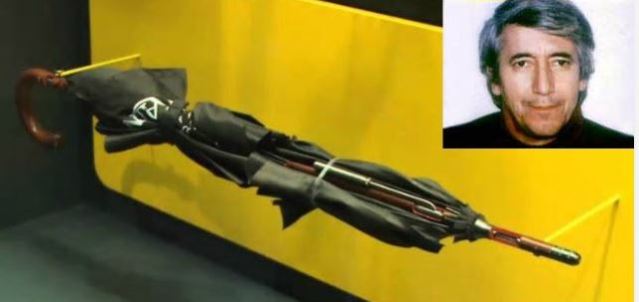
What Happened: While waiting at a bus stop, Markov felt a sharp sting in his leg. A man behind him dropped an umbrella and apologized before walking away. Markov later fell ill and died in the hospital.
The Cause: A tiny pellet filled with ricin had been injected into his leg via a modified umbrella gun, a KGB-linked assassination method.
Symptoms: Fever, vomiting, organ failure, death within days
Why It’s Notable: No antidote exists for ricin. It was deliberate, undetectable, and politically motivated.
This case remains one of the most infamous modern poisonings, illustrating how chillingly efficient the weaponisation of toxins can be.
In Fiction: Markov’s story shows how a minor encounter can carry fatal consequences and how poisons can instill fear and eliminate threats without a trace.
Consider creative setups: a poisoned letter sealed with a toxic powder, or a ceremonial dagger coated with plant extract that acts days later.
Detection and Treatment
In contemporary fiction, consider how forensic teams or toxicologists might uncover the truth. In historical settings, people might overlook poisoning, or blame it on curses, illness, or divine wrath.
Realistic Consequences
Antidotes may not exist (especially for rare or custom-made poisons)
Activated charcoal may help if caught early
Symptoms often linger, leaving survivors with lasting damage
Using Poison for Plot and Character Development
Poison is a weapon of choice of characters who are:
Cunning (a clever courtier who fakes her own death)
Desperate (a servant trying to end an abusive master)
Calculated (a ruler quietly eliminating threats)
Moral gray (a rebel leader debating whether to poison a tyrant)
You can also use poisoning to:
Frame someone
Create mystery (”Who drank from which goblet?”)
Provoke a race against time for the antidote
Symbolize betrayal (poison as the weapon of traitors and cowards)
Writing Poison Realistically
Do your research: Choose real poisons with plausible symptoms and timelines.
Use restraint: Poisons work best when they’re slow, suspenseful, and layered with character tension.
Don’t overcomplicate: A simple poison with realistic symptoms can be far more chilling than a magical instant-kill toxin.
Be consistent: If your world has magical or futuristic poisons, define the rules, how they work, who has access, and how they’re cured (or not).

Symptom Progression Matters
Most poisons don’t kill instantly. Even the deadliest, like cyanide or ricin, often take minutes to hours. Many (like arsenic or digitalis) act slowly over days, mimicking illness. That gives you time to:
Build tension (“Why is he sweating? Why can’t he speak?”)
Insert clues (“She didn’t drink the wine, did she?”)
Use delayed effects as a plot twist
Bad Example: The villain sips wine and drops dead in seconds.
Better Example: The villain begins to sweat, loses control of speech, and dies while gasping for air—just as the dinner host slowly backs away.
Poisoning in Fiction: How Genre Shapes Its Depiction
Poisoning is one of the most versatile tools a writer can use – stealthy, symbolic, and deeply personal. But how it’s used, perceived, and treated varies across genres. In contemporary and historical fiction, realism and accuracy take center stage. In fantasy and science fiction, the rules change, opening doors to creative concoctions, magical afflictions, and bio-engineered toxins that push the boundaries of imagination.
Let’s explore how the depiction of poisoning shifts by genre, with special attention to contemporary, historical, fantasy, and science fiction settings.
Contemporary Fiction: Forensics, Medicine, and Motive
In modern settings, poisoning must be scientifically plausible. Audiences expect realistic symptoms, timelines, and investigations. This often means:
Common Uses
Murder mystery or thriller: Poison chosen for being tasteless, slow-acting, or hard to trace.
Medical drama: Accidental overdoses, toxic exposure, or drug interactions.
Domestic or psychological thrillers: Slow poisoning by a caregiver, spouse, or parent.
Poison Types
Pharmaceuticals (e.g., opioids, insulin, antidepressants)
Household chemicals (e.g., antifreeze, cleaning agents)
Plant toxins (e.g., belladonna, hemlock)
Designer or synthetic poisons
Depiction Focus
Realistic symptoms and progression
Autopsy reports and toxicology
Access to medical intervention or delay thereof
Legal and ethical implications
Example: A cozy mystery where the killer slips digitalis into herbal tea. The sleuth uncovers it via symptoms (nausea, vision disturbances) and the victim’s medical history.
Historical Fiction: Secrecy, Symbolism, and Slow Death
In a pre-modern world, poisoning is often more feared than understood. With limited medical knowledge and rudimentary treatments, poisons can feel like superstition or divine punishment, which adds emotional and narrative tension.
Common Uses
Court intrigue and succession plots: Nobles and monarchs are poisoned at banquets or in their sleep.
Political assassinations: Cups, rings, or meals laced with toxins.
Folk remedies gone wrong: Accidental poisonings through herbal misuse.
Poison Types
Natural toxins (e.g., hemlock, aconite, arsenic)
Animal-based (e.g., snake venom applied to a blade)
Metallic poisons (e.g., mercury, lead, antimony)
Depiction Focus
Slow, agonizing deaths misdiagnosed as natural illness
Superstition and suspicion; characters may fear curses or witchcraft
Lack of antidotes, reliance on ritual, prayer, or herbal “cures”
Social consequences: Accusations of treason or witchcraft
Example: A medieval queen accused of witchcraft when a noble dies after a feast. The only evidence is his vomiting and convulsions but in a world with no autopsies, suspicion is all it takes.

Fantasy: Magical Toxins, Curses, and Symbolic Deaths
Fantasy allows you to break the rules of chemistry and biology. Poisons may not just kill, they may transform, curse, or corrupt.
Common Uses
Assassin guilds with signature toxins
Magical plagues tied to dark spells or forbidden herbs
Trial by poison, rituals where victims must survive ingestion to prove innocence
Poison Types
Cursed daggers that deliver soul-sickness
Enchanted venoms from mythical creatures (basilisks, wyverns, shadow hounds)
Alchemical elixirs that blur the line between poison and potion
Plants that only grow under moonlight, harvested by witches
Depiction Focus
Physical + mystical symptoms (visions, magical scarring, spiritual poisoning)
Cures require rare ingredients, sacred sites, or divine intervention
Dual-purpose poisons: may grant temporary powers before they kill
Cultural lore around the poison’s origin and moral weight
Example: A thief is poisoned by a ritual-bound relic. The poison won’t kill immediately, but each time he lies, the toxin spreads deeper into his body.
Science Fiction: Futuristic Toxins and Bioengineering
In science fiction, poisons become tools of precision warfare, genetic sabotage, or alien biology. Technology expands the concept beyond simple toxicity.
Common Uses
Targeted gene poisons: kill only individuals with certain DNA
Cyber-toxins: introduced via neural interfaces or implants
Atmospheric poisons: used for planetary control or terrorism
Alien biotoxins: immune to human treatment
Poison Types
Nanobot toxins: microscopic machines programmed to destroy cells or disrupt neural pathways
Engineered viruses: deliver lethal effects via infection rather than traditional poisoning
Synthetic molecules: bypass immune responses, only activated under certain conditions
Depiction Focus
Advanced delivery systems (aerosol, cybernetic implant, stealth drone)
AI medical scans and futuristic antidotes
Legal or moral questions: Was it a weapon or a medical experiment?
Delayed effects, sleeper agents, or memory-triggered activation
Example: A diplomatic envoy is poisoned via handshake. The nanopoison only activates after 48 hours, giving the assassin time to escape the system.

Poisoning Through the Ages: Treatments in History, Fantasy, and Science Fiction
Realistic poisoning isn’t just about the toxin, it’s about what happens after the poison is discovered. Who notices the symptoms? Is there a known cure? Does the character live with lasting damage, or are they doomed? Your genre and setting will significantly affect the answer.
In this section, we’ll explore typical treatments for poisoning from ancient times through modern medicine, then delve into how fantasy and science fiction can expand or complicate the possibilities.
Ancient and Classical Treatments
In the ancient world, people often misunderstood poisonings, feared them, and sometimes used them deliberately for executions or political purposes. Treatments were crude and based more on theory and superstition than science.
Typical Methods
Induced vomiting (using salt water, mustard, or herbs like ipecac)
Charcoal or clay ingestion (to “absorb” the toxin)
Bloodletting (to release the “bad humors”)
Herbal remedies believed to counteract poisons (e.g., rue, garlic, yarrow)
Theriacs: complex antidote mixtures, sometimes containing dozens of ingredients
Religious rituals: prayer, offerings, or exorcisms to “cast out” the poison
Limitations
No knowledge of dosage, absorption, or systemic effects
Treatments often did more harm than good
Death was common, even if the poison wasn’t particularly lethal
Great for fiction, where a character’s survival is a matter of superstition, desperation, or divine intervention.

Medieval and Renaissance Treatments
In the Middle Ages, treatments were still mostly guesswork but slightly more organized. Poisoning was a feared tool of assassins and nobles alike, and healers turned to herbology, alchemy, and early medical texts.
Typical Methods
Purgatives and emetics (to induce vomiting and diarrhea)
Poultices applied to the stomach
Amulets or talismans to ward off “bad air” or toxins
Antidotes made from animal parts, minerals, and plants
Testing for poison by feeding the food to animals or using silver to detect arsenic (a myth, but common)
Limitations
Most antidotes were broad-spectrum theriacs with little actual effect
Knowledge was often closely guarded or lost
Antidotes were prestigious, something only the wealthy could access
In your story, the rarity of a known cure could spark a quest, a bribe, or a betrayal.
Modern Medicine
Today, we understand poisons and how they work. Treatments have become targeted, rapid, and life-saving (when help is available in time).
Typical Treatments
Activated charcoal: Absorbs poison in the GI tract if administered early
Gastric lavage (stomach pumping): Less common now, used only in severe cases
Specific antidotes (e.g., naloxone for opioids, atropine for nerve agents, antivenoms)
Supportive care: IV fluids, oxygen, breathing assistance, medications to stabilize heart rate or blood pressure
Chelation therapy: For heavy metal poisoning (e.g., lead, mercury)
Dialysis: For cases of kidney failure or to filter toxins in the blood
Outcomes
High survival rate with timely intervention
Long-term effects vary depending on the poison and duration before treatment
For a mystery or thriller, modern medicine allows for dramatic near-misses, forensic tracing, and tense ICU scenes.

Fantasy Treatments
In fantasy, treatments for poison can be as imaginative and symbolic as the toxin itself. The cure may be magical, mythic, or tied to a prophecy or ritual.
Treatment Concepts
Healing magic: Spells that purge or neutralize toxins but may fail on cursed or magical poisons
Alchemical antidotes: Brewed with rare or magical ingredients (e.g., phoenix feather, bloodroot, shadowbloom)
Sacred rituals: Only a priestess, shaman, or oracle can cleanse the body or soul
Herbalism + lore: A village herbalist or hermit may hold knowledge passed through oral tradition
Poison immunity: Characters may build resistance through exposure (a trope seen in assassins or royals)
Fantasy poisons often resist normal healing, requiring the character to go on a journey or make a sacrifice to be cured, perfect for quest arcs.
Science Fiction Treatments
In sci-fi, treatments may be technologically advanced, highly precise, and potentially morally questionable.
Possible Approaches
Nanobots: Injected to locate and neutralize the toxin at the cellular level
Genetic editing: Rewrites affected DNA to repair damage or build resistance
Smart meds: Pills or patches that detect specific poisons and release tailored countermeasures
Bio-scans: AI-assisted diagnosis and chemical balancing in real time
Stasis chambers: Freeze the body until treatment is found
Alien cures: Extraterrestrial plants, symbiotes, or organisms that absorb or metabolize toxins
For speculative fiction, you can use poisoning to explore themes of biological warfare, genetic manipulation, or technological dependence.
Plot and Character Ideas
Poison is one of fiction’s most versatile tools. It can strike silently, act slowly, frame the innocent, or force the guilty to confess. Whether used in murder, mystery, betrayal, or healing, poison always carries weight, both literal and symbolic. It’s not just about death, it’s about intent, secrecy, and consequence.
Below is a range of plot and character ideas centered on poisoning, across genres like historical fiction, fantasy, science fiction, thrillers, and drama.
The Silent Assassin
Genre: Historical, Spy Thriller, Fantasy
A renowned poisoner-for-hire has never been seen, only their victims, who die with no trace of toxins. A desperate noble hires them, but the assassin’s moral code forbids targeting children and the client has lied about the intended victim.
Character Angle: The assassin has built immunity to dozens of poisons, but not to guilt. The target might be their own estranged relative. They’re being hunted by a rival who uses antidotes as blackmail.
Twist: The poisoner is already dying from a rare, slow poison they failed to detect in time.
The Experimental Cure
Genre: Science Fiction, Medical Thriller
A brilliant but disgraced scientist develops a synthetic poison that only kills cancer cells. When a corrupt biotech company steals her formula to create a targeted assassination tool, she must race to stop them before the first death.
Character Angle: Once labeled a “madwoman,” she’s now the only one who can stop a wave of invisible murders. She’s forced to team up with the test subject she accidentally poisoned.
Twist: The poison mutates and becomes airborne.
The Dinner Party Game
Genre: Contemporary, Mystery, Dark Comedy
A murder-mystery dinner party turns deadly when someone actually poisons a guest. With no way to leave, the guests must figure out who brought real poison to a pretend murder game.
Character Angle: The host is a failed mystery novelist trying to stage a comeback. One guest has immunity to the toxin and is using the chaos to exact revenge.
Twist: The wrong person dies and the actual target knows it.
The Taster’s Dilemma
Genre: Fantasy, Court Intrigue
A newly appointed royal taster discovers a slow poison in the queen’s food, but the queen already knows and has been building immunity. She plans to expose her enemies by surviving their plots. But the taster has their own agenda.
Character Angle: Torn between loyalty, survival, and ambition. Must taste-test all meals but isn’t immune like the queen.
Twist: The taster is the last living heir to a rival throne.
Genetic Poison
Genre: Science Fiction, Dystopia
A totalitarian regime uses a “clean poison” that only affects people with certain DNA markers. The girl’s survival of the targeted purge reveals that someone altered her genetics as a child, and she may not be who she thought she was.
Character Angle: Raised in ignorance of her origins, she becomes the key to overthrowing the regime. The resistance wants to use her blood as a universal antidote, but it will kill her.
Twist: Her own mother designed the poison to protect her from worse.
The Healer Who Kills
Genre: Historical, Folk Horror, Dark Fantasy
A village herbalist is accused of witchcraft after multiple nobles die of illness. She insists she gave them medicine, not poison, but someone else tampered with the herbs, and her reputation hides a deeper secret.
Character Angle: She was once a royal court alchemist, exiled for refusing to create a deadly toxin. Her knowledge of plants could save or destroy the kingdom.
Twist: She has a forbidden garden of “deadly cures” – plants that heal but at a steep cost.
The Poison Pact
Genre: Contemporary, Psychological Drama
Two terminally ill friends make a suicide pact using poison. One survives. As guilt sets in, they discover the poison wasn’t real, and now someone is manipulating them through staged “symptoms” and fear.
Character Angle: One of them questions their memory and sanity. The survivor must uncover who replaced the poison and why.
Twist: It was never about death, it was a test of loyalty and identity.
The Cursed Ink
Genre: Fantasy
A rare ink made from the venom of a dream serpent allows users to write living stories, but the ink is also toxic to anyone who tries to alter what’s been written. Someone blackmailed a scribe into forging a deadly prophecy.
Character Angle: Their hands tremble from constant exposure. They alone know how to create an antidote but revealing it would destroy centuries of lore.
Twist: The scribe’s own name has appeared in the poisoned script.
Accidental Killer
Genre: Contemporary, Legal Thriller
A food safety chemist discovers that a new preservative has become toxic under certain conditions. But when she tries to blow the whistle, her lab partner dies, and she’s framed for the murder.
Character Angle: She must prove her innocence while avoiding both the police and the real culprit. She has 72 hours before the product hits supermarket shelves.
Twist: Someone intentionally sabotaged the preservative to trigger a product recall war.
Poisoned Memories
Genre: Gothic Horror, Supernatural
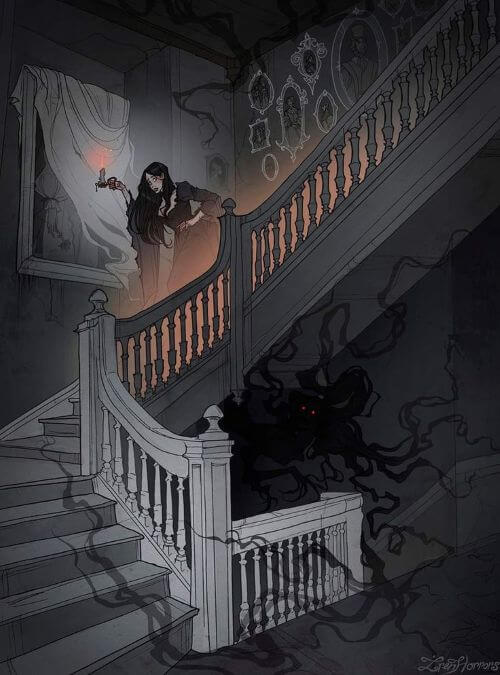
A woman returns to her ancestral manor after her brother’s mysterious death. She begins to suffer hallucinations, memory loss, and physical symptoms, all pointing to poisoning. But the house has secrets and the toxin may haunt her mind as much as her body.
Character Angle: She uncovers a hidden lab used by their alchemist ancestor. The poison might not be physical, it might be etched into the house itself.
Twist: Her own bloodline was cursed with inherited sensitivity to the manor’s ancient fumes.
Poisoning is never just a way to kill, it’s a way to change the story. It can launch a mystery, deepen a betrayal, reveal secrets, or redefine identity. Whether your poison is brewed in a lab, stirred into a cup, written in a book, or whispered into a vial of magic, let it leave a mark that goes far beyond death.
In the best stories, poison lingers – on the lips, in the blood, and in the soul.
I hope this was helpful. Let me know if you have questions or suggestions by using the Contact Me form on my website or by writing a comment. I post every Friday and would be grateful if you would share my content.
If you want my blog delivered straight to your inbox every month along with exclusive content and giveaways, please sign up for my email list here.
Let’s get writing!
Copyright © 2025 Rebecca Shedd. All rights reserved.
 Rebecca Shedd - Author
Rebecca, this is the best one yetâ¦
C.
LikeLike